Can a Solar Battery Reduce Grid Dependence?

How Much Can a Solar Battery Reduce Your Reliance on the National Grid?

For many households and businesses across the United Kingdom, reducing electricity bills has become a priority. Rising energy prices and greater awareness of sustainable living have encouraged more people to explore renewable energy solutions that provide greater control over how electricity is generated and used.

Installing solar panels is an excellent first step, but many people soon discover that much of the electricity they generate is produced when they are away from home or when their business uses less power. Without a battery, this surplus electricity is often exported to the National Grid rather than being stored for later use.

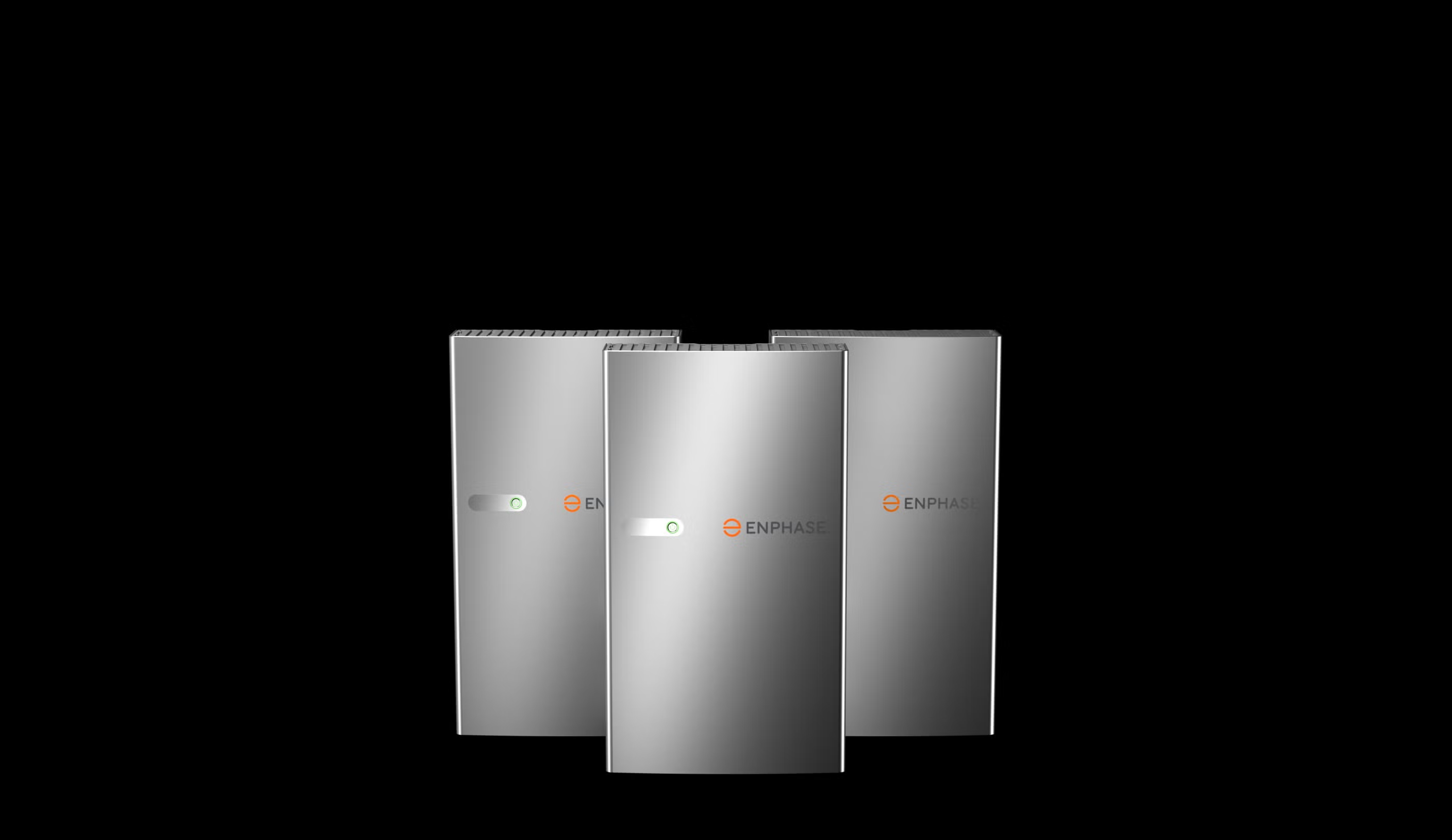
A solar battery changes this by storing excess electricity for use when your solar panels are no longer generating enough power. Whilst no battery can make every property completely independent of the National Grid, the right system can significantly reduce reliance on imported electricity and provide greater control over energy consumption.

What Is a Solar Battery?

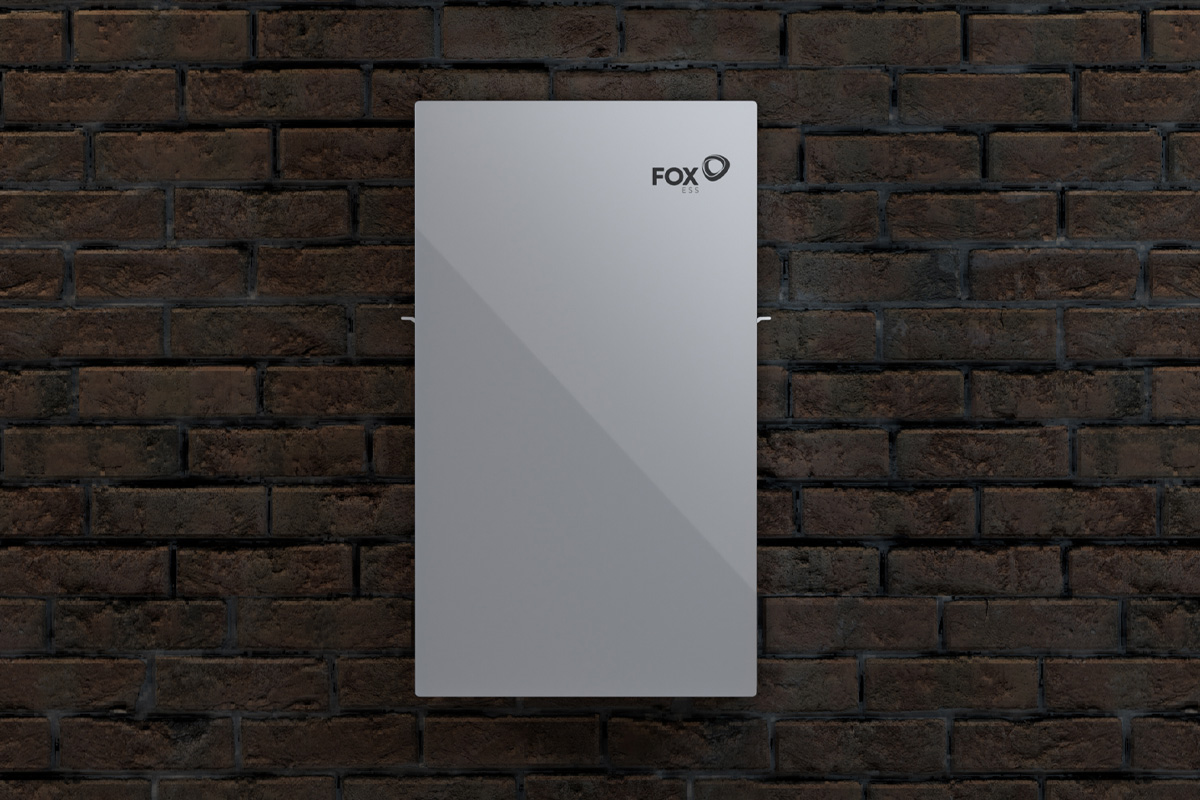
A solar battery stores surplus electricity generated by your solar panels instead of allowing it to flow back into the National Grid.

During bright daylight hours, solar panels often produce more electricity than a property immediately requires. Rather than wasting this valuable energy, a battery captures and stores it safely for later use.

When the sun begins to set or electricity demand increases during the evening, the battery automatically supplies the stored energy before your property draws power from the grid.

This process allows you to make better use of the renewable electricity your system has already generated.

How Does a Solar Battery Work?

Solar panels generate electricity whenever sufficient daylight reaches the photovoltaic cells.

Your property always uses the electricity being produced first. If your household appliances or business equipment require less electricity than your panels are generating, the surplus has two possible destinations.

Without battery storage, the excess electricity is exported to the National Grid.

With battery storage installed, that surplus energy charges the battery instead.

Later, when solar generation falls below your property’s demand, the battery begins supplying stored electricity automatically. Only once the battery has discharged will your property import electricity from the grid.

This intelligent process happens seamlessly without requiring any manual intervention.

Can a Solar Battery Eliminate Your Dependence on the National Grid?

The simple answer is no.

However, it can reduce your dependence considerably.

Many people believe installing a battery means they will never purchase electricity again. In reality, complete energy independence is extremely difficult to achieve for most properties in the United Kingdom.

Solar generation naturally varies throughout the year.

During summer, long daylight hours often allow batteries to charge fully whilst still producing enough electricity to power a property throughout the day.

Winter presents a different challenge.

Shorter days, lower sun angles and increased household electricity consumption often mean solar panels generate less energy. Even with battery storage, many properties will still import some electricity during these periods.

Rather than eliminating the National Grid entirely, a battery helps you rely on it much less frequently.

Understanding Energy Independence

Reducing dependence on the National Grid does not necessarily mean living completely off grid.

An off grid property operates without any connection to the electricity network and must generate and store all of its own electricity throughout the year.

This requires significantly larger solar arrays, much larger battery banks and careful energy management.

Most homeowners and businesses instead aim for greater energy independence.

This means generating more of the electricity they consume whilst reducing the amount they purchase from suppliers.

For many people, this provides the ideal balance between reliability, affordability and environmental responsibility.

Using More of the Energy You Generate

One of the greatest advantages of battery storage is increasing your own energy consumption.

Without a battery, a significant proportion of daytime solar generation may leave your property because it is not immediately needed.

For example, many homeowners are at work during the day whilst their solar panels continue producing electricity.

By the time they return home and begin cooking, watching television or charging electric vehicles, the sun has already begun to set.

Without battery storage, electricity must be purchased from the National Grid.

With battery storage, the electricity generated earlier in the day remains available.

This allows far more of your own renewable energy to be used within your property.

Why Battery Storage Benefits Homeowners

For homeowners, battery storage offers far more than lower electricity bills.

Many families experience their highest electricity usage during the morning and evening when solar generation is relatively low.

A battery bridges this gap by supplying stored electricity when it is needed most.

This can reduce imported electricity significantly throughout much of the year.

Battery storage also provides greater certainty over household energy costs.

Instead of relying entirely on changing electricity prices, homeowners gain greater control over where their electricity comes from.

Many people also value the environmental benefits.

Using more self generated renewable electricity reduces reliance on electricity generated from fossil fuels and lowers overall carbon emissions.

Why Businesses Benefit Too

Commercial properties often consume electricity throughout the working day, making solar panels an excellent investment.

However, many businesses also experience periods of fluctuating demand.

Battery storage allows excess solar generation to remain available during periods of increased consumption rather than exporting it immediately.

For offices, warehouses, retail premises, manufacturing facilities and many other commercial buildings, this can improve overall energy efficiency whilst helping manage operating costs.

Businesses also benefit from demonstrating their commitment to sustainability, something that increasingly influences customers, suppliers and investors.

The Importance of Choosing the Right Battery Size

Battery capacity plays a major role in reducing grid dependence.

A battery that is too small may fill quickly during sunny weather before becoming fully discharged early in the evening.

Conversely, an oversized battery may rarely reach full capacity if the solar array cannot generate enough electricity to charge it effectively.

Professional system design considers several important factors, including:

  • Annual electricity consumption
  • Daily usage patterns
  • Existing or proposed solar panel capacity
  • Future electricity requirements
  • Available installation space

Selecting the right battery size ensures you gain the greatest possible benefit from your investment.

Seasonal Differences Matter

No renewable energy system performs identically throughout the year.

During late spring and summer, longer daylight hours generally produce higher levels of solar generation.

Many batteries charge fully each day and continue powering homes well into the evening.

Winter conditions naturally reduce solar output.

Cloud cover, shorter days and increased heating related electricity demand often mean batteries recharge more slowly and discharge more quickly.

This seasonal variation is entirely normal and should be considered when assessing overall performance.

Even so, battery storage continues providing valuable savings throughout the year by making the best possible use of available solar generation.

Financial Benefits Beyond Lower Bills

Lower electricity bills remain one of the biggest reasons people install battery storage.

Every unit of electricity generated and used within your own property reduces the amount purchased from an energy supplier.

Over time, these savings can become substantial.

Battery storage also provides greater protection against future electricity price increases.

Whilst energy prices cannot be predicted with certainty, generating and storing more of your own electricity naturally reduces exposure to market fluctuations.

For businesses, lower operating costs may improve profitability whilst providing more predictable energy expenditure.

Greater Energy Security

Although standard battery systems do not automatically continue supplying electricity during every power cut, many modern battery systems can provide backup functionality when designed and installed appropriately.

Where compatible backup capability is included, essential appliances and equipment may continue operating during certain grid outages.

This additional resilience can be particularly valuable for businesses, home offices or households where maintaining electricity supply is especially important.

Professional advice should always be sought to understand the capabilities of any individual battery system.

Is a Solar Battery Worth Installing Without Solar Panels?

In some situations, yes.

Certain battery systems can charge using electricity imported from the National Grid before supplying that stored energy later.

However, the greatest financial and environmental benefits usually come when battery storage is paired with solar panels.

Generating your own renewable electricity first allows the battery to store clean energy that would otherwise be exported.

This maximises self consumption and provides the greatest reduction in reliance on imported electricity.

For most homeowners and businesses, combining solar panels with battery storage delivers the strongest long term value.

Common Misconceptions About Solar Batteries

Several misconceptions continue to discourage people from considering battery storage.

One common belief is that batteries completely remove electricity bills.

Whilst they can reduce bills considerably, most connected properties still import some electricity during periods of high demand or low solar generation.

Another misconception is that batteries only benefit large homes.

In reality, correctly sized battery systems can provide meaningful advantages for a wide variety of property sizes and electricity usage patterns.

Some people also assume batteries require constant maintenance.

Modern systems are designed for reliable long term operation and generally require very little routine maintenance.

Who Is Most Likely to Benefit?

Battery storage can be an excellent investment for:

  • Homeowners with existing solar panels.
  • People planning a new solar installation.
  • Businesses looking to reduce operating costs.
  • Properties with high evening electricity consumption.
  • Households wishing to increase their use of renewable energy.
  • Organisations seeking greater control over long term energy expenditure.

Every property differs, which is why professional system design remains essential.

Conclusion

A solar battery will not usually remove your dependence on the National Grid altogether, but it can reduce it significantly.

By storing surplus electricity generated during the day, battery storage enables homeowners and businesses to use more of their own renewable energy when it matters most. This leads to lower electricity bills, greater protection against rising energy costs and increased confidence in your long term energy future.

If you are considering solar battery storage, speaking with experienced professionals ensures your system is designed around your property’s unique energy requirements. My Home Solar provides tailored solar panel and battery storage solutions across the United Kingdom, helping homeowners and businesses maximise the benefits of renewable energy whilst reducing their reliance on the National Grid.

Do Black Solar Panels Perform Better in the UK?

Are Black Solar Panels Better Than Standard Blue Panels in the UK?

Black solar panels can perform slightly better than standard blue panels because manufacturers typically produce them using more efficient monocrystalline cells. However, in the UK’s climate, the overall difference in energy production is relatively small. Installation quality, roof position and system design generally have a far greater impact on long term solar panel performance than panel colour alone.

Understanding the Difference Between Black and Blue Solar Panels

Although colour creates the most obvious visual distinction, the manufacturing process creates the real differences between the solar cells.

Most black solar panels use monocrystalline silicon cells. Manufacturers create these cells from a single, highly purified silicon crystal, allowing electrons to move more efficiently through the material. As a result, these panels typically achieve higher conversion efficiencies and occupy less roof space for the same power output.

By comparison, manufacturers commonly produce blue solar panels using polycrystalline silicon. They create these cells by melting together multiple silicon fragments.Whilst this manufacturing process is generally less expensive, it creates additional crystal boundaries that reduce electrical efficiency slightly.

This difference in manufacturing gives each panel its distinctive appearance.

Monocrystalline panels have a uniform black finish with smooth, rounded cell edges that many homeowners consider more visually appealing. Polycrystalline panels display a mottled blue surface created by the multiple silicon crystals within each cell.

Although aesthetics are often an important consideration, particularly for residential properties, appearance alone should never determine which solar panels are most suitable.

Do Black Solar Panels Generate More Electricity?

Generally speaking, black solar panels are capable of producing slightly more electricity from the same roof area.

This is primarily because monocrystalline technology converts a greater proportion of sunlight into usable electricity.

Modern monocrystalline solar panels frequently achieve efficiencies exceeding twenty two per cent, whilst many polycrystalline panels operate within a slightly lower efficiency range.

However, this does not necessarily mean that black panels will dramatically reduce your electricity bills compared with blue panels.

For many properties across the United Kingdom, the annual difference in electricity generation is relatively small. Every extra unit of electricity helps reduce energy costs. However, the increase is rarely as significant as many people expect.

Instead, homeowners and business owners achieve the greatest gains by installing the right number of solar panels. They should also choose high quality equipment and design the system specifically for their property.

How Does the UK Climate Affect Solar Panel Performance?

One misconception that continues to circulate is that solar panels require constant sunshine to generate electricity.

In reality, solar panels operate using daylight rather than direct sunlight.

Even during cloudy weather, solar cells continue converting available light into electricity, although production naturally falls compared with bright summer conditions.

This makes solar panels particularly well suited to the United Kingdom despite its variable weather.

Throughout the year, the country receives sufficient daylight for well designed systems to generate significant amounts of renewable electricity. Whilst summer naturally delivers higher outputs due to longer daylight hours, modern solar technology continues producing useful energy during autumn, winter and spring.

Consequently, homeowners should focus less on the colour of the panel and more on designing the entire installation to maximise available sunlight throughout the year.

Do Black Solar Panels Perform Better During Cloudy Weather?

This is another question frequently asked by prospective solar panel owners.

The simple answer is that black solar panels can perform marginally better under lower light conditions because monocrystalline cells tend to maintain stronger efficiency levels when sunlight intensity decreases.

However, the difference is often modest.

Both monocrystalline and polycrystalline solar panels continue generating electricity on overcast days, and neither technology suddenly stops working because clouds appear.

Instead, electricity production depends on the overall amount of available daylight reaching the panels.

Therefore, black solar panels may offer a slight performance advantage during cloudy conditions. However, homeowners should consider this as just one of many contributing factors. It should not be the sole reason for choosing one technology over another.

What About Hot Weather Performance?

Interestingly, many people assume darker coloured panels automatically perform better because they absorb more sunlight.

The reality is slightly more complicated.

All solar panels lose a small amount of efficiency as temperatures increase. This is measured using what is known as the temperature coefficient.

Although black panels absorb more heat because of their darker appearance, manufacturers engineer modern monocrystalline panels to minimise performance losses as temperatures rise.

Fortunately, the United Kingdom rarely experiences prolonged periods of extreme heat. As a result, temperature related efficiency losses remain relatively modest for most installations.

Consequently, seasonal temperature changes have far less impact on annual electricity generation than roof orientation, shading and overall system quality.

Appearance Can Influence Property Appeal

Whilst performance remains the primary objective, visual appearance has become increasingly important as solar panels become more common across residential developments.

Black solar panels are widely regarded as offering a cleaner, more contemporary finish.

Their uniform colouring blends seamlessly with dark roof tiles, slate roofs and modern architectural designs. Many premium systems also feature black frames and black backing sheets, creating an elegant appearance that complements the roof rather than standing out against it.

By contrast, blue solar panels often have a more noticeable appearance because of their distinctive crystalline pattern and silver framing.

For some homeowners, particularly those installing panels on highly visible front elevations, aesthetics alone may justify choosing black panels despite the additional investment.

Appearance can also influence future property value. Prospective buyers often view attractive renewable energy installations more favourably.

Are Black Solar Panels Worth the Extra Investment?

Cost is often one of the deciding factors when choosing solar panels. Whilst black monocrystalline panels have traditionally been more expensive than blue polycrystalline alternatives, the price gap has narrowed considerably over recent years.

Advances in manufacturing and growing demand have made high efficiency black solar panels much more accessible. Consequently, many installations now feature monocrystalline panels as the preferred option because they offer an excellent balance between performance, appearance and long term value.

Although the initial investment may still be slightly higher, black panels often generate more electricity over their lifetime. Therefore, the additional cost can be offset through greater energy savings, particularly for properties with limited roof space where maximising output is essential.

Do not focus solely on the purchase price. Instead, consider the overall return on investment over the lifespan of the system.A well designed solar installation can produce clean electricity for decades. Therefore, long term performance often matters far more than a small difference in upfront cost.

Which Solar Panels Last Longer?

Manufacturers build both black and blue solar panels to withstand the demanding weather conditions experienced across the United Kingdom.

They rigorously test modern panels to ensure they can withstand heavy rainfall, strong winds, snow, hail and prolonged exposure to ultraviolet light. As a result, homeowners and businesses can expect many years of reliable electricity generation regardless of which type they choose.

Most high quality solar panels have a life expectancy of twenty five years or more, with many continuing to operate efficiently for thirty years or longer. Although output gradually declines over time, the reduction is typically very small each year.

Manufacturing quality has a much greater impact on lifespan than panel colour. Therefore, homeowners and business owners should choose reputable products and ensure they are installed correctly. These factors matter far more than choosing between black and blue panels.

Regular inspections and occasional cleaning will also help maintain optimum performance throughout the lifetime of the system.

Which Option Is Best for Your Property?

There is no universal answer because every property has different requirements.

If roof space is limited, many homeowners and business owners choose black monocrystalline panels because they deliver higher efficiency. They generate more electricity from a smaller installation, making them ideal for compact residential roofs and commercial buildings with restricted space.

For larger roofs where space is less of a concern, blue panels may still provide excellent value. If sufficient roof area is available, installing additional panels can often compensate for the slightly lower efficiency whilst keeping installation costs competitive.

Appearance should also be considered. Many homeowners prefer the sleek, uniform finish of black panels, particularly on modern properties or homes where the roof is highly visible. Businesses may also favour black panels because they present a more contemporary image that complements commercial buildings.

Ultimately, the most suitable solution depends on several factors, including roof size, orientation, budget, electricity usage and future energy goals.

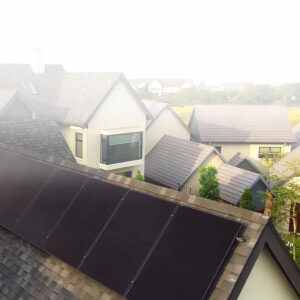
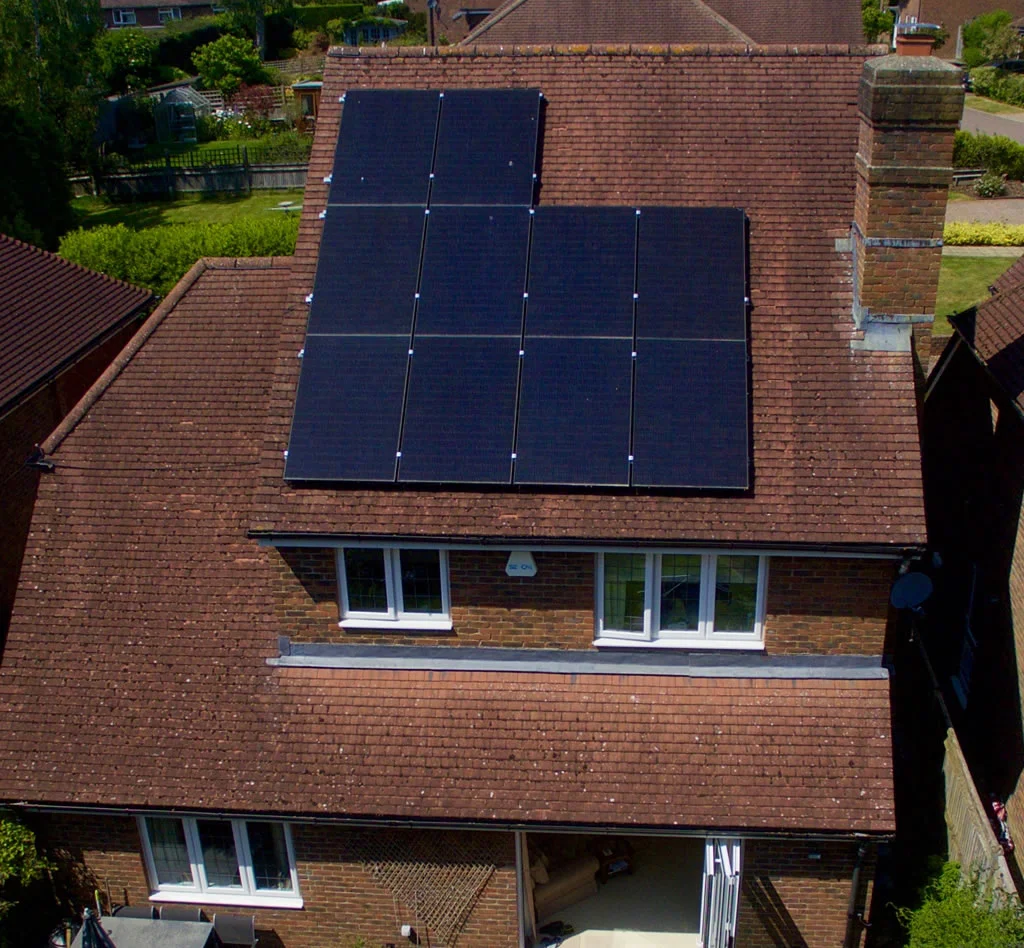
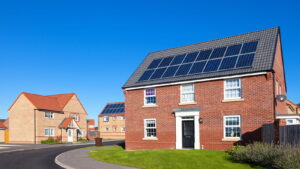
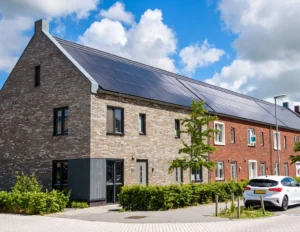
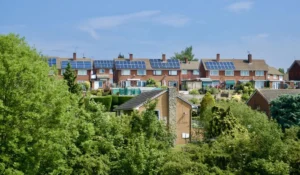
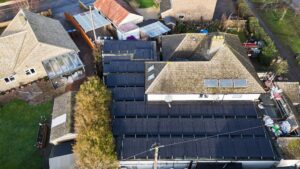
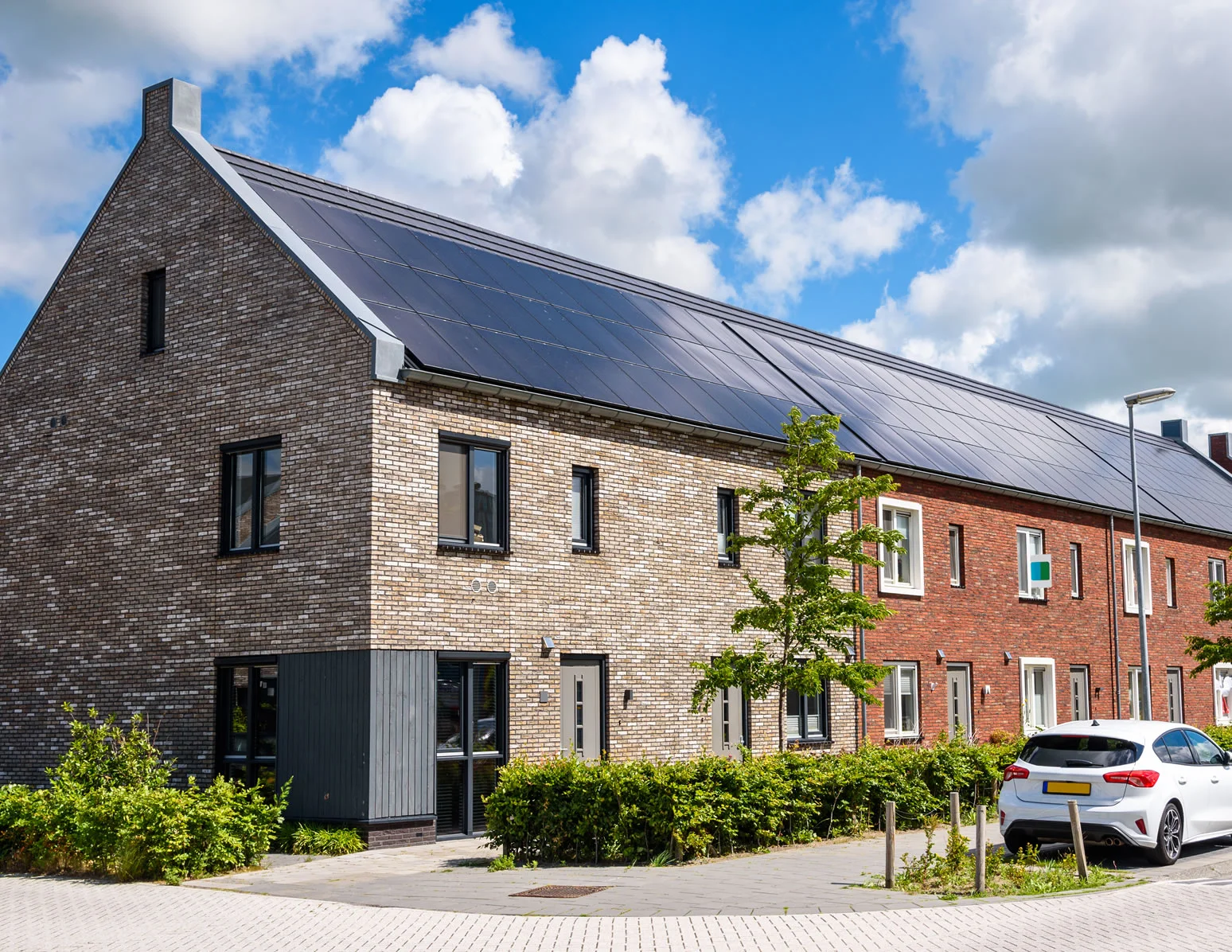
House on estate with solar panels

Common Myths About Black and Blue Solar Panels

As solar technology has become increasingly popular, several misconceptions have emerged regarding panel colour and performance.

One common myth is that black panels generate significantly more electricity simply because they absorb more heat. In reality, solar panels generate electricity from light rather than heat. Whilst monocrystalline technology is generally more efficient, this is due to the structure of the silicon cells rather than their colour.

Another misconception is that blue panels are outdated and should no longer be considered. Although monocrystalline technology has become the preferred choice for many installations, polycrystalline panels continue to provide dependable renewable energy and remain suitable for certain projects.

Some people also believe that solar panels perform poorly in the United Kingdom because of frequent cloud cover. However, this is simply not true. Solar panels continue producing electricity throughout the year using daylight, even during overcast conditions. Consequently, thousands of homes and businesses across the country benefit from substantial reductions in electricity costs despite the variable climate.

Finally, many assume that selecting the most efficient panel automatically guarantees the highest savings. Whilst efficiency is undoubtedly important, the quality of the installation, system design and positioning often have a much greater influence on overall performance.

Conclusion

So, do black solar panels perform better than standard blue panels in the UK?

The answer is yes, but only to a modest extent.

Black monocrystalline solar panels generally deliver higher efficiency, make better use of limited roof space and offer a more attractive appearance. However, the difference in annual electricity generation is usually small under typical UK conditions.

For most homeowners and business owners, system design, roof suitability and installation quality matter far more than panel colour.

Whether you choose black or blue solar panels, a professionally designed system can reduce electricity costs. It can also lower your reliance on the grid and support a more sustainable future.

If you are considering solar panels, My Home Solar can help. Our team provides expert advice and tailored solutions to maximise performance and long term value for your property.

What Is Solar Curtailment and Could It Affect Your Savings?

Could Solar Curtailment Reduce Your Solar Savings?

Solar power has become one of the most effective ways for households and businesses across the United Kingdom to reduce their electricity bills whilst lowering their reliance on fossil fuels. Modern solar panel systems are more efficient than ever, battery storage technology continues to improve and government support for renewable energy has encouraged thousands of property owners to generate their own electricity.

Despite these advances, many people are unfamiliar with a term that occasionally appears in discussions about renewable energy, namely solar curtailment. It is not something that most homeowners encounter on a daily basis, yet understanding what it means can help you make better decisions when investing in a solar energy system.

The good news is that, for the overwhelming majority of domestic solar installations in the United Kingdom, solar curtailment has only a limited impact. Nevertheless, it is worth understanding why it happens, how it affects different types of installations and what can be done to minimise its influence on your long term savings.

What Is Solar Curtailment?

Solar curtailment happens when a solar energy system generates less electricity than it could because the output is deliberately limited.

Instead of allowing every solar panel to operate at full capacity, electricity network operators or system settings reduce the amount of electricity the system generates or exports. They do this to help keep the electricity network stable, safe and efficient.

Solar curtailment does not mean your solar panels are faulty. In most cases, your system reduces its output automatically in response to local network conditions or agreed installation settings.

Although the term may sound worrying, solar curtailment is simply one way of balancing electricity supply and demand as the United Kingdom continues to expand its use of renewable energy.

Why Does Solar Curtailment Happen?

Electricity networks must constantly balance electricity generation with demand.

The National Grid cannot produce and store electricity indefinitely. Instead, it must match supply with demand in real time.

 Supply and demand must remain closely matched at all times to ensure the network continues operating safely and reliably.

On particularly bright days, especially during spring and summer, thousands of solar installation across a region may generate significant amounts of electricity at the same time. If local demand is relatively low, the network can experience periods where more electricity is available than is immediately required.

Rather than risking instability, electricity network operators may reduce generation from certain renewable sources. This controlled reduction is known as curtailment.

As renewable energy continues to expand throughout the United Kingdom, careful management of electricity generation is becoming increasingly important. Fortunately, improvements to battery storage, smarter grids and investment in network infrastructure are helping to reduce these situations over time.

Does Solar Curtailment Affect Homeowners?

For most homeowners, solar curtailment has little effect on day to day savings.

Domestic solar systems are designed to meet the energy needs of the property. When the system generates more electricity than the home uses, it exports the surplus to the grid.

Many homeowners use a large proportion of the electricity they generate, especially if they are at home during the day or have battery storage. As a result, occasional export limits usually have only a small impact on overall savings.

Some newer systems include export limits agreed with the local Distribution Network Operator during installation. These limits help protect the local electricity network and prevent it from becoming overloaded.

How Does Solar Curtailment Affect Businesses?

Commercial solar installations can experience curtailment differently.

Large commercial systems often generate substantially more electricity than a typical household installation. Many businesses also export greater quantities of surplus electricity back to the grid, particularly during weekends, holidays or periods of reduced operational activity.

Where significant amounts of electricity are exported, local network constraints may occasionally require generation to be reduced.

Businesses planning larger solar installations should therefore consider export capacity during the design stage. Experienced installers will work closely with the Distribution Network Operator to understand any restrictions before installation begins.

Careful planning helps ensure the system delivers excellent financial returns whilst complying with local network requirements.

The Difference Between Curtailment and Equipment Problems

People often misunderstand solar curtailment because equipment faults can also reduce electricity generation.

If your system suddenly begins producing less electricity, curtailment is only one possible explanation.

Other causes may include:

  • Dirty solar panels reducing efficiency.
  • Temporary shading from trees or neighbouring buildings.
  • Faulty inverters.
  • Damaged wiring.
  • Weather conditions.
  • Seasonal variations in daylight hours.
  • Maintenance work affecting system performance.

Modern monitoring software makes it much easier to distinguish between genuine faults and normal operational limitations. Many homeowners can monitor their system’s performance through a smartphone application, allowing them to identify unexpected changes in generation.

Where performance appears unusually low over an extended period, a qualified solar installer can investigate further.

Can Battery Storage Help?

Battery storage has transformed the way many homeowners and businesses use solar energy.

Rather than exporting every unit of surplus electricity immediately, a battery stores unused electricity for later use. This allows properties to use more of the energy they generate, reducing reliance on electricity purchased from the grid during the evening and overnight.

Although battery storage does not eliminate solar curtailment entirely, it can reduce its financial impact in certain circumstances.

Storing surplus electricity instead of exporting it immediately reduces your reliance on export capacity. This enables property owners to make greater use of their own renewable electricity whilst improving overall system efficiency.

For many households, battery storage also provides greater flexibility when electricity prices fluctuate throughout the day.

At My Home Solar, we regularly advise customers on whether battery storage represents a worthwhile investment based on their property, electricity usage and long term objectives rather than recommending a one size fits all solution.

How Do Grid Constraints Influence Solar Generation?

The United Kingdom’s electricity network has changed considerably over the past decade. As more homes and businesses install solar panels, renewable electricity now forms a much larger proportion of the nation’s energy supply than ever before. This transition is essential for reducing carbon emissions, but it also presents new challenges for the electricity network.

Many parts of the grid were originally designed for electricity to travel in one direction, from large power stations to homes and businesses. Today, thousands of properties generate their own electricity and export any surplus back into the network. In some areas, particularly where solar adoption has grown rapidly, the local infrastructure can occasionally struggle to accommodate high levels of exported electricity.

When this happens, Distribution Network Operators may introduce export limits or other measures that help maintain a stable electricity supply. These controls are not intended to discourage renewable energy. Instead, they ensure that voltage levels remain within safe operating limits and that the network continues to perform reliably for everyone connected to it.

For most property owners, these limitations have little noticeable effect on everyday energy use. They simply form part of the careful management required as the United Kingdom continues its transition towards cleaner sources of electricity.

Is Solar Curtailment Becoming More Common?

Solar curtailment has attracted greater attention in recent years, largely because renewable energy generation has increased significantly across the country.

As thousands of new solar installations come online each year, periods occasionally arise where renewable electricity generation exceeds local demand or available export capacity. These situations are most likely to occur during bright, sunny days when electricity consumption is relatively low.

However, this does not mean that curtailment is becoming a widespread problem for individual homeowners.

Investment in the national electricity network continues to improve its ability to accommodate renewable generation. New substations, upgraded infrastructure, improved forecasting and smarter grid technology are all helping to reduce the need for generation limits.

Battery storage is also playing an increasingly important role. As more homes and businesses install batteries alongside their solar panels, a greater proportion of locally generated electricity can be stored and used later rather than exported immediately. This helps reduce pressure on the network whilst allowing property owners to maximise the value of the electricity they generate.

Although curtailment may occasionally feature in discussions surrounding the future of renewable energy, it should not discourage anyone from considering solar power. The long term benefits continue to far outweigh the relatively small impact that curtailment has on most installations.

How Can You Reduce the Impact of Solar Curtailment?

Whilst it may not always be possible to eliminate solar curtailment entirely, there are several ways to ensure your system delivers the greatest possible financial return.

One of the best ways to maximise your savings is to choose a solar system that matches your property’s energy usage. Installing a system that is larger than you need can lead to more electricity being exported than necessary. By understanding how and when you use electricity, an installer can recommend a solution that achieves an excellent balance between generation and self consumption.

 Rather than exporting excess electricity immediately, surplus energy can be stored for use later in the day when electricity demand increases. A battery stores surplus electricity instead of exporting it immediately. You can then use that energy later when demand increases.. This often improves overall savings whilst reducing dependence on imported electricity.

Smart home technology can also make a difference. Devices that automatically operate appliances during periods of high solar generation help increase the amount of electricity used within the property. Charging an electric vehicle during daylight hours, heating water using surplus solar electricity or scheduling certain appliances to run when generation is highest can all improve the overall value of your system.

Finally, choosing an experienced installer remains one of the most important decisions. A well designed system considers future energy requirements, local network conditions and export arrangements from the very beginning, helping to avoid unnecessary limitations after installation.

solar panels in bournemouth

Why Trust My Home Solar?

Choosing solar panels represents a significant investment, so receiving honest, knowledgeable advice is just as important as selecting high quality equipment.

At My Home Solar, every installation begins with understanding how the property uses electricity and what the customer hopes to achieve. Rather than recommending identical systems for every home or business, the team designs tailored solutions that reflect individual energy requirements, future plans and available roof space.

Whether you are considering residential solar panels, commercial solar systems or battery storage, My Home Solar provides practical advice to help you make informed decisions with confidence. Every recommendation is based upon achieving reliable performance, long term savings and maximum value from your investment.

As solar technology continues to evolve, the team delivers high quality, efficient solar solutions that put customer satisfaction first.

Conclusion

Many people misunderstand solar curtailment, but it has little impact on most homeowners and businesses in the United Kingdom. Electricity network operators may occasionally limit a solar system’s output to maintain a stable and reliable network, but these restrictions rarely have a significant effect on long term savings.

You can maximise your return by choosing a solar system that matches your property’s energy needs. Panel placement, inverter selection, battery storage and electricity usage all play an important role. An experienced installer will consider these factors from the beginning to help your system perform at its best.

At My Home Solar, we design tailored residential and commercial solar systems that deliver reliable performance and lasting value. Whether you are installing solar panels or adding battery storage, our experienced team can provide clear, honest advice and a solution that suits your property. Contact My Home Solar to find out how solar energy can help reduce your energy bills and support a more sustainable future.

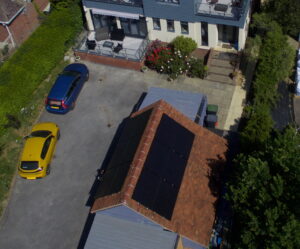
Can You Install Solar Panels on a Garage?

Can You Install Solar Panels on a Garage Instead of Your House Roof?

As energy prices continue to fluctuate and environmental awareness grows, more homeowners are looking towards renewable energy to reduce household costs and improve the efficiency of their homes. Solar panels have become one of the most popular investments, offering long term savings alongside a cleaner source of electricity. While many installations are fitted to the main roof of a property, this is by no means the only option available.

If you have a garage with suitable roof space, you may be wondering whether it can support a solar panel installation instead. For many homeowners, this approach offers an attractive solution, particularly if the main house roof is shaded, has an unsuitable orientation or they simply wish to preserve its appearance.

The good news is that, in many cases, installing solar panels on a garage roof is entirely possible. In fact, some garages provide an even better location than the house itself. However, before proceeding, there are several important factors to consider, including the condition of the roof, its orientation, structural strength and the way the system connects to your home’s electrical supply.

Can Solar Panels Be Installed on a Garage Roof?

Yes, provided the garage roof is structurally sound and receives sufficient sunlight, it can be an excellent location for solar panels.

Whether the garage is attached to your home or stands separately within your garden, the principles remain largely the same. The solar panels generate electricity from daylight before transferring that energy through an inverter into your home’s electrical system.

Many homeowners are surprised to learn that solar panels do not have to generate electricity from the house roof itself. As long as a qualified installer designs the system correctly, it can transfer electricity efficiently from the garage to your consumer unit.

A professional installer will assess the entire property before recommending the most appropriate location for your system.

Why Choose a Garage Instead of the House Roof?

There are several reasons why homeowners choose to install solar panels on a garage rather than the main property.

Sometimes the house roof simply is not suitable. Older roofs may require repairs before installation, while others have multiple roof windows, chimneys or awkward roof shapes that reduce the available space.

In other situations, nearby trees or neighbouring buildings cast shadows across the house roof during much of the day, reducing energy production.

A garage may avoid many of these issues. If positioned in a more open area, it could receive uninterrupted sunlight for longer periods, allowing the solar panels to generate more electricity throughout the day.

Some homeowners also prefer to leave the appearance of the main house unchanged, particularly if they own a listed property or simply wish to preserve the character of their home.

Is Every Garage Suitable?

Although many garages are suitable for solar panels, not every roof can safely support an installation.

The first consideration is the overall condition of the structure. If your garage roof has deteriorated over time or shows signs of movement, you may need to repair it before installers can safely fit the solar panels.

The construction of the garage also matters. Brick built garages generally provide a robust structure, while lightweight timber garages may require additional assessment before installation proceeds.

Professional installers will carefully inspect the roof to ensure it can safely carry the combined weight of the mounting system and solar panels.

Fortunately, modern solar panels are considerably lighter than many homeowners expect, meaning numerous garages can accommodate them without significant structural alterations.

Does the Direction of the Garage Roof Matter?

Roof orientation plays an important role in determining how much electricity your solar panels will generate.

Across the United Kingdom, south facing roofs generally achieve the highest annual energy production because they receive the greatest amount of direct sunlight throughout the day.

However, this does not mean other roof directions should be dismissed.

South east and south west facing roofs also perform exceptionally well, while east and west facing installations can still provide excellent returns by generating electricity during different parts of the day.

Even north facing roofs may remain viable in certain situations, although electricity generation will usually be lower than other orientations.

An experienced installer will calculate the expected performance based on your property’s exact location, roof angle and surrounding environment before making recommendations.

Flat Garage Roofs Compared With Pitched Roofs

Many garages have flat roofs, leading some homeowners to assume they are unsuitable for solar panels. In reality, flat roofs often offer considerable flexibility.

Rather than following the existing roof angle, specialist mounting systems position the panels at an optimal angle to maximise exposure to sunlight.

These mounting systems allow installers to create an efficient layout while avoiding self shading between rows of panels.

Pitched garage roofs also perform extremely well, particularly when they already face a favourable direction.

The best solution depends entirely on the individual property, which is why every installation should begin with a detailed survey.

Will the Garage Produce Enough Electricity?

One common misconception is that a garage installation will only generate enough electricity to power the garage itself.

Once installers connect your solar panels to your home’s electrical system, they generate electricity that powers appliances throughout your property.

This means your kitchen appliances, lighting, televisions, computers and many other household devices can all use the electricity generated on your garage roof.

Several factors influence how much electricity your system generates. These include the number of panels installed, their efficiency, your roof’s orientation and local weather conditions.

If your garage roof is large enough, it may accommodate a solar panel system that is comparable in size to one installed on your main house roof.

Planning Permission Considerations

Most domestic solar panel installations fall under permitted development rights, meaning planning permission is often unnecessary.

However, there are important exceptions.

If you own a listed property, live in a conservation area or your property is subject to specific planning restrictions, you may need to obtain additional permissions before installation can begin.

Garages that exceed certain height limits or have unusual construction may also require further consideration.

A reputable installer will advise you on any planning requirements before work starts, ensuring the installation complies with current regulations.

Connecting the Garage to Your Home

One of the most common questions homeowners ask is how electricity generated on a garage roof reaches the house.

The process is far simpler than many people expect. Qualified installers run suitably protected electrical cabling between the garage and your home’s consumer unit. The layout of your property determines the exact cable route, but installers often run the cables underground or route them discreetly to minimise their visual impact.

Once connected, the electricity generated by your solar panels becomes available throughout your home. Your household appliances automatically use the solar energy first before drawing any additional electricity from the National Grid.

Although connecting a detached garage to your home requires some additional work, qualified installers carry out this process regularly, so it should not discourage you from considering this option.

Can Battery Storage Be Added?

Many homeowners choose to install battery storage alongside their solar panels. This allows them to make even greater use of the electricity they generate.

Without a battery, your system normally exports any surplus electricity to the grid if your home does not use it straight away. A battery stores this excess electricity for later use. You can then use it during the evening when your solar panels are no longer generating power.

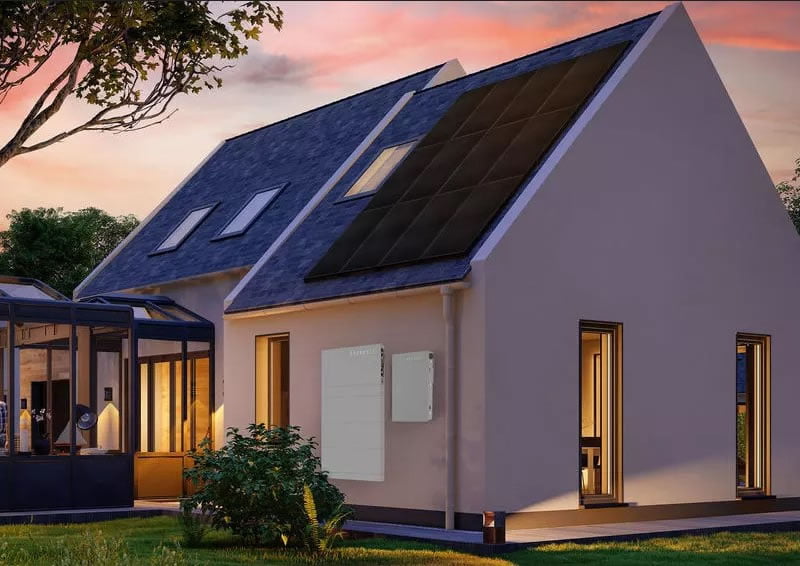
Battery storage often makes excellent practical sense for garage installations. If space allows, installers can fit the battery inside the garage. This keeps the equipment together and frees up space inside your home.

Although battery storage is not essential, it can significantly increase your energy independence. It can also reduce the amount of electricity you need to buy from the grid.

How Much Roof Space Is Needed?

The amount of roof space required depends on the number of solar panels being installed and the energy requirements of your household.

Modern solar panels are considerably more efficient than earlier models, allowing homeowners to generate more electricity using fewer panels.

Even a modest garage roof may accommodate enough panels to make a meaningful contribution towards household electricity consumption.

During an initial survey, installers will assess the available roof area before recommending a system that balances energy production with your available space and budget.
What Are the Benefits of Installing Solar Panels on a Garage?

Choosing a garage roof offers several potential advantages.

If trees, neighbouring buildings or other obstacles shade your house roof, your garage roof may receive more direct sunlight throughout the day. The same applies if your house roof has a less favourable orientation.

A garage installation also preserves the appearance of your main property. This appeals to homeowners who want to maintain the character of their home.

Installation work can sometimes be simpler and more accessible, particularly where the garage roof is lower than the house roof.

Homeowners planning a future loft conversion or roof extension may also prefer to keep the main roof free from solar panels. A garage installation allows them to benefit from renewable energy without affecting future building plans.

Perhaps most importantly, a garage installation makes use of otherwise unused roof space. This allows you to generate clean electricity without sacrificing valuable roof space elsewhere on your property.

Are There Any Disadvantages?

While garage installations work extremely well for many homes, there are some considerations to bear in mind.

Detached garages require additional electrical cabling between the garage and the property, which can increase installation costs slightly.

Older garages may also require structural improvements before installers can safely fit solar panels.

The size of your roof can also limit the number of solar panels you can install, particularly if you have a smaller garage.

However, these factors do not necessarily mean your garage is unsuitable. Instead, they highlight the importance of arranging a professional assessment before choosing the best location for your solar panels.

Common Misconceptions About Garage Solar Panels.

Several myths continue to discourage homeowners from exploring garage installations.

One common belief is that solar panels only work effectively when installed on the main house roof. In reality, the location matters far less than the amount of sunlight the panels receive.

Another misconception is that detached garages cannot supply electricity to the home. Modern electrical systems make this entirely achievable when installed by qualified professionals.

Some homeowners also assume that flat roofs cannot support solar panels. As discussed earlier, specialist mounting systems make flat roof installations both practical and highly effective.

Finally, there is a belief that garages are simply too small. While this may be true in some cases, many garages provide more than enough roof space for a system capable of delivering worthwhile savings.

Why a Professional Survey Is So Important

Every property is unique, which is why a professional survey should always form the first step of any solar installation.

An experienced installer will assess the structural condition of your garage roof. They will measure the available roof space, evaluate its orientation and identify any shading that could affect performance.

They will also determine the most suitable cable route between the garage and your home’s electrical system. Throughout the installation, they will ensure the work complies with current regulations.

A detailed survey gives you a clear picture of your system’s potential performance. It also helps you make an informed investment instead of relying on assumptions based on roof size or appearance alone.

At My Home Solar, we tailor every recommendation to your property. We help you choose a system that delivers reliable performance for many years to come.

Conclusion

Installing solar panels on a garage roof can be an excellent alternative to using your main house roof. In some cases, it can even deliver better performance. This is particularly true if the garage receives more sunlight or offers a simpler installation.

Before you proceed, ensure your garage roof has the structural strength to support the system. It should also receive sufficient sunlight and allow for a safe connection to your home’s electrical system. With careful planning and professional guidance, a garage installation can deliver many of the same financial and environmental benefits as a traditional roof mounted system.

If you are considering solar panels but are unsure whether your garage is suitable, arrange a professional survey. The experienced team at My Home Solar will assess your property, explain your options and design a system that makes the best use of your available roof space. They can also recommend complementary solutions, such as battery storage, to help you maximise the value of your investment.

How Does the SunPower Maxeon 5 AC Module Handle Shading?

The Real World Challenge of Shaded Roofs

Across Dorset and the South Coast, many homeowners are eager to embrace solar power but face a common issue shading. Trees, chimneys, dormer windows, and other roof structures often obstruct sunlight and reduce solar performance. In a typical solar setup, even small patches of shade can have a significant impact on how much energy the system produces. For homes with complex or partially shaded roofs, this can make solar installation seem less worthwhile.

However, the SunPower Maxeon 5 AC Module changes that perception entirely. Designed with cutting-edge microinverter technology and premium cell architecture, it delivers consistent and reliable performance, even in challenging real-world conditions. This article explores how this advanced system manages shading and roof obstacles while maintaining exceptional energy output.

Sunpower performance solar panel

How Shading Impacts Solar Performance

To appreciate what makes the Maxeon 5 AC Module special, it helps to understand how shading affects conventional solar panels. Most standard solar systems connect their panels in a series, meaning that when one panel is shaded, it reduces the current flowing through the entire string. Even a small shadow perhaps from a chimney or an overhanging branch can cause a disproportionate drop in power output. In some cases, a single shaded cell can cut energy generation across the whole system by as much as 30 to 40 percent.

This issue becomes especially noticeable in neighbourhoods where roofs are close together or surrounded by tall trees. Seasonal changes also play a role, as the sun’s position in winter can cast longer shadows that further reduce output. In short, while shading is a simple concept, it has a complex and often underestimated effect on energy yield. That is where the SunPower Maxeon 5 AC Module stands apart, using innovation to turn a traditional weakness into a strength.

Sunpower Maxeon panel

Cell Architecture That Stands Out

The SunPower Maxeon 5 is built around the Gen 5 Maxeon solar cell, which represents one of the most advanced designs in the solar industry. Unlike conventional silicon cells, which rely on fragile metal gridlines, each Maxeon cell features a solid copper foundation that is both strong and corrosion-resistant. This design eliminates many of the weak points that cause standard cells to degrade over time, ensuring durability that can last for decades.

Another key feature is the absence of front-side metal gridlines. By removing these obstructions, the cell surface can capture more sunlight and convert it into electricity more efficiently. Each cell operates with greater independence, maintaining energy conversion even when adjacent cells are shaded. This means that, in real-world use, a Maxeon 5 panel can continue producing power even when parts of it are under shade—something traditional panels struggle to achieve.

sunpower maxeon

Integrated Microinverter Technology for Superior Efficiency

What truly sets the SunPower Maxeon 5 AC Module apart is its use of integrated Enphase IQ7A microinverters. Unlike conventional systems that rely on a single central inverter to manage all panels, the Maxeon 5 incorporates a small, intelligent inverter on the back of each individual panel. This allows every module to operate independently, ensuring that one shaded or dirty panel does not drag down the performance of the entire array.

This technology offers several practical benefits for homeowners. First, it means that energy production continues optimally across the array, even if some panels are in shade while others are in full sun. Second, it enables real-time monitoring of each panel through the Enphase app, giving homeowners insight into performance at a detailed level. If a specific panel is affected by debris, shading, or other issues, it can be quickly identified and addressed without impacting the rest of the system.

In essence, microinverter technology transforms the solar array into a network of smart, self-optimising panels—an ideal solution for the unpredictable shading conditions common to UK homes.


Overcoming Roof Obstacles with Smarter Design

British homes are known for their architectural variety, which can make roof layouts complex. Dormer windows, skylights, and chimneys all create potential obstructions that make it difficult to position panels efficiently. Traditional solar systems often require installers to arrange panels in long, matching strings to ensure electrical compatibility, limiting flexibility in design and placement.

The SunPower Maxeon 5 AC Module removes this restriction entirely. Because each panel has its own microinverter, they do not need to be electrically linked in series. Installers can place them on different sections of the roof, even at varying angles or orientations, without performance loss. This means that homeowners can make the most of every available roof surface, maximising generation potential regardless of layout complexity.

For properties with sections of roof that face different directions or experience partial shading at certain times of day, the Maxeon 5 offers unmatched adaptability and efficiency.


Real-World Performance and Long-Term Efficiency

The performance of the SunPower Maxeon 5 AC Module extends beyond theory it has been proven in real-world conditions. Each panel offers a power output of up to 415 watts, with efficiency levels surpassing 22 percent. These figures place it among the highest-performing residential panels currently available on the market.

In everyday conditions, such as those found in Dorset, the results are remarkable. The Maxeon 5 produces consistent energy throughout the day, even when early morning or late afternoon shadows move across the roof. Thanks to its microinverter system, power fluctuations are minimised, ensuring a smooth and efficient energy flow. Over time, homeowners benefit from more predictable generation and reduced reliance on the grid.

Perhaps most impressively, SunPower’s panels have one of the lowest degradation rates in the industry. After 25 years of use, they retain more than 92 percent of their original capacity, compared with around 80 percent for standard panels. This means more energy production and greater savings over the lifetime of the system.


Comparing the Maxeon 5 to Conventional Panels

When comparing the SunPower Maxeon 5 AC Module to typical solar panels, the advantages become clear. Standard systems often lose efficiency when shaded, as all panels are linked through a central inverter. The Maxeon 5, on the other hand, isolates each panel’s performance so that one shaded area cannot influence the rest. Its copper-backed cells, higher efficiency, and intelligent monitoring make it a truly next-generation solution.

Furthermore, homeowners gain greater visibility and control. With traditional systems, it can be difficult to detect performance issues without extensive testing. The Enphase monitoring app provides instant access to live data from each panel, helping ensure the system operates at peak performance year-round.


A Sustainable and Long-Term Energy Solution

Beyond its technical capabilities, the SunPower Maxeon 5 AC Module stands out for its commitment to sustainability. The panels are constructed using lead-free materials and feature recyclable components, reducing their environmental impact. Their exceptional durability also means fewer replacements and less waste over time.

SunPower backs the Maxeon 5 with one of the most comprehensive warranties in the industry: 25 years covering both product and performance. The expected lifespan of the system extends up to 40 years, giving homeowners confidence that their investment will continue delivering value for decades. Across its lifetime, a Maxeon system produces up to 35 percent more energy than conventional panels, translating into faster payback periods and lower energy costs.


A Smarter Solar Solution for Real-World Roofs

For many homes across Dorset and the South Coast, perfect sunlight exposure simply isn’t possible. Roofs have unique shapes, obstacles, and shade patterns that challenge traditional solar designs. The SunPower Maxeon 5 AC Module offers a powerful answer to this problem, combining robust engineering, advanced microinverter technology, and remarkable efficiency to ensure that even shaded or complex roofs can produce reliable renewable energy.

If you are looking for a high-performance, future-proof solar system, My Home Solar can help you make the most of the SunPower Maxeon 5 AC Module.


Call to Action

Ready to see how the SunPower Maxeon 5 could transform your energy use? Contact My Home Solar today for expert advice, personalised system design, and professional solar installation tailored to your home or business. Let us help you take the next step towards cleaner, more efficient energy in Dorset.

Error: Contact form not found.

What Makes SunPower Maxeon Solar Panels More Durable Than Standard Ones?

Solar Technology

When you’re investing in solar panels, you want a system that stands the test of time. Panels that can endure decades of sunlight, wind, rain, and even coastal salt air are not only a wise financial investment but also a cornerstone of sustainable living. Among the leading names in solar technology, SunPower Maxeon has earned a reputation for outstanding durability and longevity.

In this detailed guide, we’ll explore what makes SunPower Maxeon solar panels stronger and longer-lasting than standard models, and why they’re an excellent choice for homeowners across Bournemouth, Poole, Christchurch, Dorchester, and the wider South Coast region who want reliable solar energy year after year.

solar panels in dorset

Why Durability Matters in Solar Panels

Solar panels are designed to work for 25 to 40 years, but not all panels can withstand the same environmental challenges. On the South Coast, where weather can shift quickly between sunshine, heavy rain, and salty sea breezes, panels are exposed to constant stress.

Durability determines how well a panel resists these stresses over time. Panels that are less robust may develop cracks, corrosion, or electrical faults that reduce efficiency or cause early failure. A durable solar panel protects your investment, generates more power over its lifespan, and ensures fewer repair or replacement costs.

When your panels can handle coastal winds, UV radiation, and temperature fluctuations, you can enjoy stable, dependable energy without worrying about degradation or damage. That’s where SunPower Maxeon stands out.


The Engineering Behind SunPower Maxeon Durability

SunPower’s Maxeon technology represents over 35 years of research and refinement. Unlike conventional panels, these are designed from the ground up to deliver superior mechanical strength and electrical resilience. Let’s look at what makes them truly exceptional.


1. Solid Copper Backing for Strength and Stability

Traditional solar cells are fragile. They rely on thin metal strips (called busbars) to carry electricity, and over time, those strips can corrode or snap, leading to performance loss. SunPower Maxeon cells, on the other hand, are built with a solid copper foundation behind each cell.

This design does two vital things:

  • Increases mechanical strength: The copper backing acts like a support frame, making the cell flexible yet unbreakable under stress. Even if your roof expands or shifts due to temperature changes, Maxeon cells resist cracking.
  • Prevents corrosion: The copper layer is highly resistant to moisture, salt, and air pollutants. This is particularly important for homes along the South Coast, where salty air can cause corrosion in standard panels.

2. Back-Contact Design for Enhanced Efficiency

Most solar panels use front-side metal lines to conduct electricity. Unfortunately, these lines block sunlight and create weak spots where cracks can form. SunPower Maxeon panels use an innovative back-contact design, placing all electrical connections on the underside of the cell.

This approach offers three major advantages:

  • More light absorption: With no shading from front wires, each cell captures maximum sunlight.
  • Improved aesthetics: The panels have a sleek, all-black appearance that enhances roof appeal—an increasingly important factor for homeowners.
  • Less risk of microcracks: Removing the front wiring reduces mechanical stress, preventing fractures that can expand over time.

3. Resistance to Harsh Environments

Durability isn’t just about design—it’s also about resilience in real-world conditions. SunPower Maxeon panels are extensively tested for performance in extreme environments.

They can withstand:

  • High winds and heavy rain: Ideal for coastal towns like Bournemouth and Poole where storms are common.
  • Salt mist and humidity: Certified for marine-grade performance, ensuring long-term stability near the sea.
  • Extreme temperatures: Whether it’s frosty mornings in Dorchester or hot summer days in Christchurch, Maxeon panels maintain consistent output.

4. Exceptionally Low Degradation Rate

Solar panels naturally lose a small portion of their output every year, known as the degradation rate. The industry average is about 0.7 to 1 percent per year meaning by year 25, a typical panel may only produce 75 to 80 percent of its original power.

SunPower Maxeon 7, however, has a degradation rate of just 0.2 percent per year. After 25 years, these panels still operate at over 92 percent of their initial efficiency.

This is achieved through premium cell materials, laser-precision manufacturing, and superior lamination processes that protect the cells from environmental stress. For homeowners, that translates into:

  • More consistent energy generation
  • Higher lifetime savings
  • A better return on investment
Growatt solar battery system installed in a residential Dorset property

5. Proven Longevity and Industry-Leading Warranty

Durability claims mean little without evidence to back them up. SunPower’s Maxeon technology has been tested in over 100 countries and through decades of real-world installations. Panels installed in the early 2000s continue to perform at high levels today.

To reinforce their confidence, SunPower offers a 40-year combined product and performance warranty on the Maxeon 7 series. Most other manufacturers only provide 20 to 25 years.

This warranty covers both product defects and power output, ensuring homeowners get the long-term reliability they’re promised. In fact, less than 0.005 percent of Maxeon panels have ever been returned under warranty—proof of their exceptional build quality.

Sunpower maxeon solar panel

Comparing SunPower Maxeon 7 with Other Solar Technologies

SunPower Maxeon 7 vs Standard Panels

Standard panels often rely on thin, brittle silicon wafers that can develop cracks during installation or due to temperature fluctuations. Their metal conductors are exposed to air and moisture, leading to corrosion over time.

SunPower Maxeon 7 panels, with their copper backing and advanced encapsulation, eliminate these vulnerabilities. The result is a panel that lasts longer, resists wear, and continues to perform at near-peak efficiency even after decades of exposure to harsh conditions.

Panasonic EverVolt panels are known for high conversion efficiency and solid performance, but SunPower Maxeon 7 edges ahead in long-term durability. Maxeon panels are built with thicker, more robust materials that handle mechanical stress better and degrade more slowly.

For homeowners, this means Maxeon panels will produce more energy across their lifespan, especially in the variable weather typical of Southern England.

Growatt Battery vs Tesla Powerwall

Pairing durable panels with the right battery system maximises energy independence. Two popular options are the Growatt battery and Tesla Powerwall.

  • Growatt batteries are known for flexibility, easy integration, and affordability. They’re ideal for most UK homes and work perfectly alongside SunPower Maxeon panels.
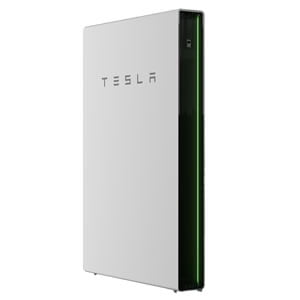
  • Tesla Powerwall offers a premium experience, advanced smart features, and higher storage capacity but at a greater cost.

Homeowners in Bournemouth, Poole, and Dorchester often prefer the Growatt battery for its cost-effectiveness and reliability, while still enjoying exceptional performance with SunPower panels. Comparing Growatt battery vs Tesla comes down to budget, desired capacity, and smart-home integration.

solar growatt battery

Environmental and Financial Benefits

Choosing durable solar panels benefits both your wallet and the planet. Because SunPower Maxeon panels last longer and maintain higher efficiency, they:

  • Reduce waste by lasting twice as long as standard panels.
  • Lower carbon footprint through cleaner energy production over more years.
  • Deliver higher savings by maintaining performance and reducing maintenance costs.

Combined with intelligent storage solutions like Growatt batteries, homeowners can further cut reliance on the grid and protect against rising energy costs.


Call to Action

If you live in Bournemouth, Poole, Christchurch, Dorchester, or anywhere across the South Coast, and are ready to make the switch to long-lasting, high-performance solar, My Home Solar can help.

Our experienced team designs and installs solar systems tailored to your home, featuring industry-leading technologies such as SunPower Maxeon 7 panels, Growatt batteries, and Panasonic EverVolt systems.

Contact My Home Solar today to book a consultation or request a free quote and start generating clean, reliable energy for decades to come.

Error: Contact form not found.

How long will SunPower Maxeon panels last in Dorset climate?

Why lifespan matters

When you are considering solar panels, one of the first questions that comes to mind is simple: how long will they last? After all, solar is an investment, and you want the reassurance that your panels will keep generating energy long after the installation team has packed up.

In Dorchester and across Dorset, homeowners and businesses are increasingly turning to solar to cut bills and reduce carbon footprints. But with the county’s unique climate – coastal winds, salty air, plenty of rain, and surprisingly sunny days – you need panels that can truly stand the test of time. This is where SunPower Maxeon panels shine.

sunpower maxeon

How long do SunPower Maxeon panels last?

Most solar panels on the market today are designed to last around 25 to 30 years. SunPower Maxeon panels, however, are in a league of their own. Backed by one of the strongest warranties in the industry and engineered with durability in mind, these panels are expected to keep performing for 40 years or more.

What sets them apart is the design of the solar cells. Traditional panels use fragile connections that can corrode or crack over time. Maxeon panels use a solid copper backing that resists corrosion, flexing, and breakage. This means fewer chances of failure and more consistent performance across decades.

solar panel installation in dorset

Dorset’s climate and solar performance

Living in Dorset has its perks: coastal views, rolling countryside, and relatively mild winters. But the environment also brings challenges for solar equipment.

  • Salt air: Being close to the coast means panels are exposed to salty moisture which can corrode standard solar cells.
  • Rain and wind: Frequent showers and gusty weather can put stress on poorly built panels.
  • Mild winters: While winters are grey, Dorset avoids the harsh freezes that can damage panels in colder climates.
  • Sunshine hours: The South Coast enjoys above-average sunshine compared to many parts of the UK, which means more energy production.

SunPower Maxeon panels are specifically designed to handle these challenges. Their corrosion-resistant build and robust cell design make them particularly suited to coastal regions like Dorset.

Sunpower Maxeon panel

How Maxeon compares with other brands

When choosing solar panels, it helps to know how Maxeon stacks up against other well-known names:

  • Panasonic EverVolt – Reliable with good efficiency, but typically comes with a 25–30 year performance warranty.
  • Tesla Solar Panels – Known for style and integration with Tesla Powerwall, but not as proven for long-term durability in coastal environments.
  • Growatt Panels – Popular for affordability and paired with Growatt batteries, but average lifespan and efficiency do not match Maxeon’s record.

While these brands all have merits, if your priority is maximum longevity and resilience in a coastal climate, SunPower Maxeon consistently comes out on top.


Maintenance and warranty considerations

One of the most attractive aspects of Maxeon panels is their low maintenance. Thanks to their design, you won’t need to worry about regular repairs or cell degradation. An occasional clean and a quick inspection are usually all that is needed.

The warranty is another key factor. SunPower offers a 40-year warranty on Maxeon panels, which covers both product defects and performance. Most competitors stop at 25 years, meaning you get nearly two decades of extra protection.


Return on investment

Longevity translates directly into return on investment. The longer your panels last, the more years of free electricity you can enjoy. Dorset homeowners with Maxeon panels often find that even after 25 years, their panels are still producing well above 85 percent of their original output.

Over four decades, that means significantly higher energy savings compared to standard panels. For businesses in Dorchester, it can mean stable operating costs for decades, especially when paired with battery storage.

Local benefits for Dorchester and Dorset homes

Switching to Maxeon panels in Dorset brings a number of unique benefits:

Reduced carbon footprint – 40 years of clean energy makes a significant impact.

Resilience against coastal weather – no worries about salt corrosion.

Long-term peace of mind – knowing your system is still working when others are being replaced.

Added property value – buyers are increasingly looking for homes with strong solar setups.


Frequently asked questions

Do SunPower Maxeon panels need cleaning?
Only occasionally. Dorset’s regular rain often helps keep them clear, but a light clean once or twice a year can maintain maximum efficiency.

Will the salty coastal air reduce their lifespan?
No. Maxeon’s copper-backed cells are highly resistant to corrosion, making them ideal for coastal locations like Weymouth, Poole, or Swanage.

Are they more expensive than other panels?
Yes, the upfront cost is usually higher. But when you consider that they last up to 40 years while others may need replacing after 25, the overall lifetime value is unmatched.

Can I add a battery later on?
Absolutely. Many Dorset households pair SunPower Maxeon panels with storage solutions like Tesla Powerwall or Growatt batteries to maximise self-use of solar power.


A future-proof choice for Dorset

If you are investing in solar in Dorchester or anywhere across Dorset, the lifespan of your panels is one of the most important factors to consider. SunPower Maxeon panels are built to outlast almost every other option on the market, with proven resilience in coastal environments and a warranty that stretches across four decades.

For homeowners and businesses who want peace of mind, energy savings, and reliable performance year after year, Maxeon is the smart choice.

Contact My Home Solar today to book a free consultation or get a tailored quote for your home or business.

Error: Contact form not found.

Can Panasonic EverVolt Be Paired with SunPower Maxeon 7 Panels?

Solar Setup

When it comes to building the perfect solar setup, homeowners often ask: can I pair a Panasonic EverVolt battery with SunPower Maxeon 7 solar panels? The short answer is yes — but it comes with a few important considerations. In this article, we’ll break down compatibility, performance, installation, and how this setup stacks up against other options like Tesla and Growatt batteries.

growatt solar panel

Why Pair Panasonic EverVolt with SunPower Maxeon 7?

The SunPower Maxeon 7 panels are some of the most efficient residential solar panels on the market. They’re designed to deliver maximum energy output even in smaller spaces — perfect for homeowners who want to get the most out of every inch of roof space.

Meanwhile, the Panasonic EverVolt storage system is built to capture that energy and store it for when you need it most, whether that’s during the evening, on cloudy days, or in the event of a power cut. Together, they form a powerful combination for homeowners who want to take control of their energy usage.


Technical Compatibility Explained

One of the biggest concerns homeowners have is whether two products from different manufacturers will “talk” to each other. Let’s break it down:

  • System voltages – SunPower Maxeon 7 panels operate at a voltage range that is compatible with most modern battery systems, including Panasonic EverVolt.
  • Inverter compatibility – The inverter acts as the “translator” between your solar panels and your battery. As long as you choose a hybrid or compatible inverter, integration is smooth.
  • Battery performance – EverVolt offers scalable storage capacity, which means you can size it to suit your SunPower Maxeon 7 system, whether you want to cover just your essentials or go fully off-grid ready.
  • Installation considerations – Proper design is key. A professional installer will configure the system so that you get optimal charging and discharging cycles without voiding warranties.

Performance Benefits

Pairing these two technologies gives homeowners some real advantages:

  • High efficiency generation + storage – Maxeon 7 panels produce more energy per square metre, and EverVolt ensures none of that power goes to waste.
  • Energy independence – Store surplus energy for evening use, reducing reliance on the grid.
  • Future-proofing – Both SunPower and Panasonic are industry leaders, known for their durability and long-term warranties.
  • Sustainability – Reduced carbon footprint and lower energy bills make this a win-win investment.
panasonic evervolt solar poole

Pros and Cons

Like any system, there are strengths and considerations:

Pros:

  • Premium efficiency and storage reliability
  • Long-term warranties from trusted brands
  • Flexible storage options with EverVolt
  • Increased home value

Cons:

  • Higher upfront cost compared to standard systems
  • Requires careful installer selection for compatibility
  • May be overkill for smaller households with low energy usage

How Does It Compare? Growatt Battery vs Tesla

When looking at solar storage, many homeowners also ask about the Growatt battery vs Tesla Powerwall. Here’s how they stack up:

  • Growatt battery – Affordable, reliable, and a great entry point into storage. Best suited for homeowners who want value for money and solid performance.
  • Tesla Powerwall – Sleek design, excellent software integration, and a big brand name. However, it tends to be more expensive.
  • Panasonic EverVolt – Sits in between — premium quality like Tesla, with flexible sizing similar to Growatt.

Ultimately, if you’re pairing with SunPower Maxeon 7 panels, EverVolt is an excellent match thanks to its proven compatibility and Panasonic’s strong track record in energy tech.

Why Choose My Home Solar Dorchester?

If you’re considering solar panels in Dorchester, our team at My Home Solar Dorchester has hands-on experience designing systems that integrate SunPower Maxeon 7 panels with Panasonic EverVolt storage. We take care of the technical details — from inverter selection to installation — so you can enjoy seamless performance without the headaches.

We’ll also help you weigh up options like a Growatt battery or a Tesla Powerwall, depending on your energy goals and budget.
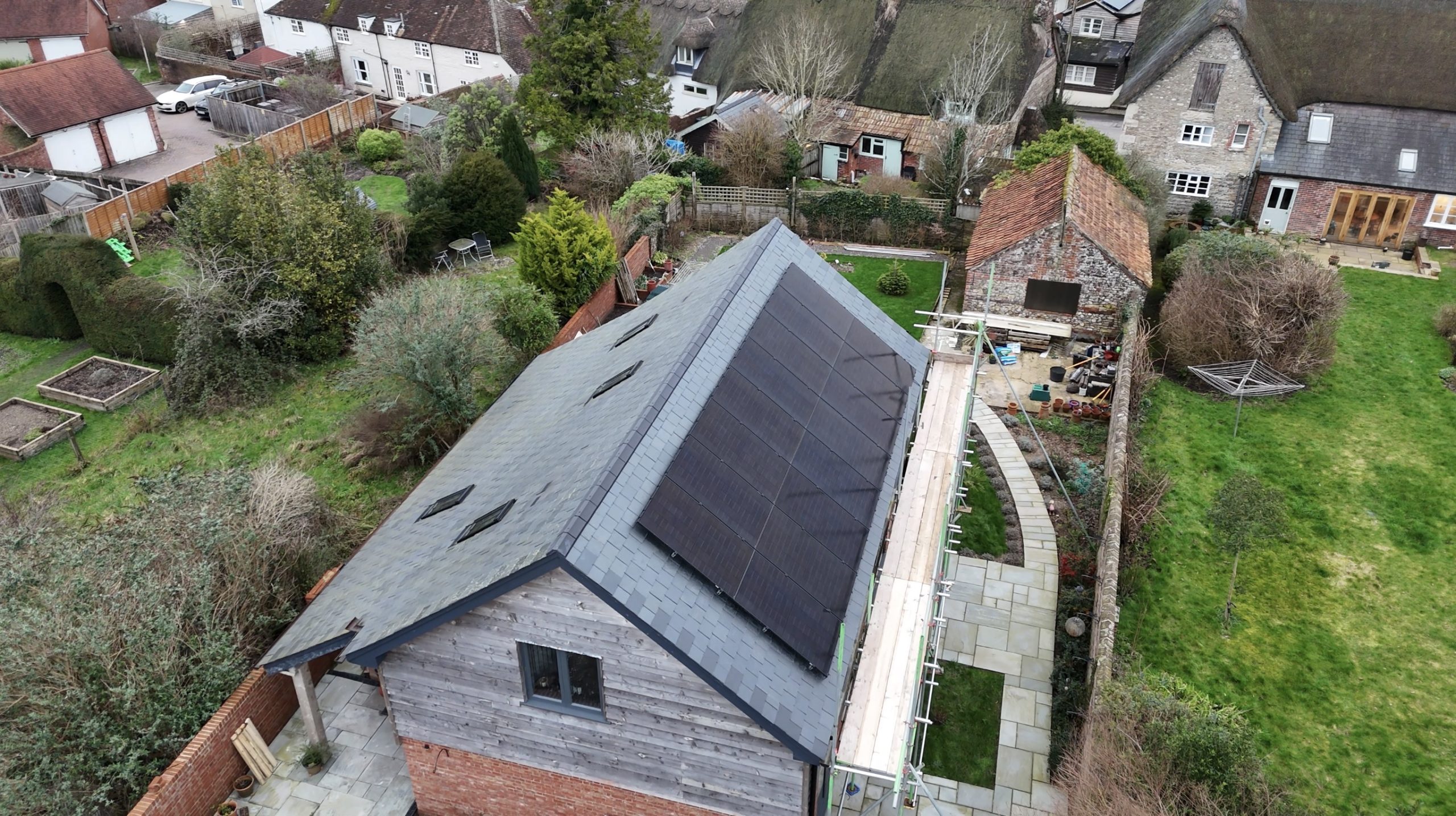

Final Thoughts

So, can you pair Panasonic EverVolt with SunPower Maxeon 7 panels? Absolutely — and in many cases, it’s one of the smartest combinations a homeowner can choose. With premium efficiency, reliable storage, and the right professional installation, you’ll unlock energy independence for years to come.

Ready to Take the Next Step?

If you’re ready to explore solar storage options, contact My Home Solar Dorchester today. Whether you want SunPower Maxeon 7 panels, Panasonic EverVolt, or to compare Growatt battery vs Tesla Powerwall, our friendly experts are here to help you design the perfect system for your home.

Get in touch with My Home Solar today and start your journey to smarter, greener energy.

Error: Contact form not found.

Why Is the SunPower Maxeon 7 Backed by a 40-Year Warranty?

When it comes to investing in solar panels, homeowners want one thing above all else: confidence. You want to know that the panels on your roof will deliver clean, affordable energy for decades to come without constant repairs or replacements. That’s why the SunPower Maxeon 7, one of the world’s most advanced solar panels, is backed by a staggering 40-year warranty — double what most solar panel manufacturers offer.

But why exactly does SunPower have so much faith in the Maxeon 7? Let’s explore the technology, the benefits, and why choosing a trusted local installer like My Home Solar Dorchester makes all the difference.


The Technology Behind the SunPower Maxeon 7

Not all solar panels are created equal. While many panels look similar on the outside, what happens inside makes all the difference in performance and reliability. The SunPower Maxeon 7 uses cutting-edge Interdigitated Back Contact (IBC) cell technology, a design that eliminates the fragile front-side wires seen in conventional panels.

This means:

  • Higher efficiency – More sunlight is converted into usable electricity, even on cloudy days.
  • Greater durability – With fewer points of weakness, the cells are less prone to cracking.
  • Longer lifespan – The Maxeon 7 is built to withstand decades of exposure to wind, rain, frost, and heat.

For UK homeowners, where weather conditions are often unpredictable, this level of durability is a major advantage.
solar panels in dorset

Why a 40-Year Warranty Matters

Most solar panel manufacturers offer a 20 to 25-year warranty. That might sound generous, but it’s only just long enough to cover the expected lifetime of an average panel. By contrast, SunPower’s 40-year warranty is a bold statement of quality.

Here’s what it means for you:

  • Peace of mind – Your panels are covered for essentially the lifetime of your homeownership.
  • Guaranteed performance – SunPower guarantees that the Maxeon 7 will still deliver at least 88% of its original output after 40 years.
  • Higher return on investment – With longer-lasting panels, you’ll enjoy decades of reduced energy bills without worrying about early replacements.

In short, SunPower isn’t just promising great performance — it’s proving it with the longest warranty in the industry.

Modern eco house with solar panels and windmills to use alternative energy.

The Benefits for UK Homeowners

Switching to solar in the UK isn’t just about reducing your carbon footprint — it’s about saving money and adding value to your home. With the SunPower Maxeon 7, those benefits become even more attractive:

  • Lower energy bills: Generate your own clean power and reduce reliance on rising energy tariffs.
  • Government incentives: Benefit from schemes like the Smart Export Guarantee (SEG), which pays you for exporting excess electricity back to the grid.
  • Weather resilience: Even in Britain’s cloudy climate, the Maxeon 7’s superior efficiency makes it a reliable choice.
  • Future-proof investment: With a 40-year warranty, you know your panels will keep performing long after many others fail.
solar panels in bournemouth

My Home Solar Dorchester – Your Trusted Installer

Technology is only one part of the equation — the installer you choose matters just as much. At My Home Solar Dorchester, we specialise in helping homeowners across Dorset harness the power of renewable energy.

By choosing us, you benefit from:

  • Local expertise – We understand the specific challenges and opportunities of installing solar panels in Dorchester and the wider South Coast.
  • Tailored solutions – Every home is different, and we’ll design a system to suit your roof, budget, and energy needs.
  • Trusted support – From initial consultation to aftercare, we’re with you every step of the way.

When you pair the unbeatable SunPower Maxeon 7 with the service of a local trusted installer, you’re making a smart, future-proof investment.

solar panel installation

Comparing Solar Battery Options

Solar panels are even more powerful when combined with battery storage. Storing excess energy means you can use your solar power in the evenings or during peak tariff times. But which battery is right for you?

Growatt Battery vs Tesla Powerwall

  • Growatt Battery:
    • Affordable and reliable.
    • Modular design, allowing you to expand storage as your needs grow.
    • Great choice for budget-conscious homeowners who still want dependable performance.
  • Tesla Powerwall:
    • Premium option with sleek design.
    • Large storage capacity and seamless integration with solar panels.
    • Smart energy management features through the Tesla app.

For many UK homeowners, the choice comes down to budget vs premium features. Growatt batteries are excellent value, while the Tesla Powerwall offers cutting-edge technology at a higher price.

Panasonic EverVolt

Another option worth mentioning is the Panasonic EverVolt. Known for its reliability and integration with solar, it provides homeowners with another high-quality alternative for battery storage.

Whichever system you choose, pairing your SunPower Maxeon 7 panels with a battery maximises your energy independence.

solar growatt battery

Why SunPower Maxeon 7 Stands Out

While other panels may perform well in the short term, SunPower Maxeon 7 stands out because it:

  • Offers the longest warranty in the solar industry.
  • Provides unmatched efficiency and durability.
  • Is specifically designed to thrive in real-world conditions like those in the UK.

For homeowners in Dorchester and beyond, this means more energy, more savings, and more confidence in your investment.


Invest in a Brighter Future

Choosing the right solar panels is about more than just today’s savings — it’s about ensuring long-term performance for decades to come. With its 40-year warranty, the SunPower Maxeon 7 isn’t just another solar panel — it’s a statement of trust, quality, and innovation.

When installed by My Home Solar Dorchester, you’ll enjoy the perfect combination of world-leading technology and local expertise. Add in smart battery storage solutions like the Growatt Battery, Tesla Powerwall, or Panasonic EverVolt, and you’re well on your way to true energy independence.

Ready to future-proof your home? Contact My Home Solar Dorchester today and take the first step towards clean, reliable energy that lasts a lifetime.

Error: Contact form not found.

Solar Panels for New Builds: How to Future-Proof Your Home

The Importance of Solar Panels in New Builds

Incorporating solar panels into new build properties is a forward-thinking strategy that not only enhances energy efficiency but also offers substantial financial and environmental benefits. For homeowners and developers in Dorset, a region known for its sunny disposition, this approach is particularly advantageous. By integrating advanced solar technologies, such as the SunPower Maxeon series, new homes can be future-proofed against rising energy costs and contribute to a sustainable future.​

Net Zero Targets

As the UK strives towards its net-zero targets, the role of renewable energy in residential settings has become increasingly significant. Homes account for a substantial portion of the nation’s carbon emissions, necessitating a shift towards greener energy solutions. Installing solar panels during the construction phase of new builds not only reduces the carbon footprint but also aligns with modern building regulations and sustainability goals. ​


Financial Benefits of Solar Integration

Investing in solar energy systems offers notable financial advantages:​

  • Reduced Energy Bills: Homeowners can significantly lower their electricity expenses by generating their own power. In Dorset, a typical three-bedroom household can cut annual electricity costs by 79%, achieving a return on investment in approximately 13.89 years. ​theecoexperts.co.uk
  • Increased Property Value: Properties equipped with renewable energy solutions often see an appreciation in market value, appealing to eco-conscious buyers. ​

Environmental Impact

The environmental benefits of integrating solar panels into new builds are profound:​

  • Carbon Emission Reduction: A typical UK home with a solar PV system can reduce carbon emissions by 1.3 to 1.6 tonnes per year, depending on the location. ​
  • Promotion of Sustainable Living: Incorporating renewable energy sources fosters a culture of sustainability within communities, encouraging further environmental initiatives. ​

SunPower Maxeon Series: A Closer Look

When considering solar solutions, the choice of panels is crucial. The SunPower Maxeon series stands out for its exceptional efficiency and durability.

  • Maxeon 7: At the forefront of solar technology, the Maxeon 7 offers up to 22.8% efficiency. In the UK, prices range between £300-£450 per panel, reflecting its advanced performance capabilities. ​myhomesolar.uk
  • Maxeon 6: This model features a built-in Enphase microinverter, enabling it to generate 50% more energy per square metre over 40 years. ​

Case Study: Solar Panels in Dorset

Dorset’s sunny climate makes it an ideal location for solar energy adoption.

  • Adoption Rates: As of February 2024, 6.2% of households in Dorset have installed solar panels, equating to 21,414 homes. ​sunsave.energy
  • Cost and Savings: A 3kWp solar panel system typically costs £9,000 in Dorset, with the potential to save homeowners approximately £600 annually on energy bills.

Installation Considerations for New Builds

Integrating solar panels during the construction phase offers several advantages:​

  • Design Integration: Solar panels can be seamlessly incorporated into the roof design, enhancing aesthetic appeal and efficiency. ​
  • Cost Efficiency: Installing solar panels during construction can reduce roofing material costs and eliminate the need for future retrofitting. ​theguardian.com

Government Incentives and Regulations

The UK government supports the integration of renewable energy solutions in new builds:​

  • Future Homes Standard: Upcoming regulations aim to mandate low-carbon technologies, such as solar panels and heat pumps, in new homes to achieve net-zero targets. ​
  • Financial Incentives: Homeowners may benefit from schemes like the Residential Clean Energy Credit, offering up to a 30% tax credit for solar installations. ​investopedia.com

Conclusion

Integrating solar panels into new build properties in Dorset is a decision that offers substantial financial savings and environmental benefits. By choosing high-efficiency panels like the SunPower Maxeon series, homeowners can maximise energy production and future-proof their investments. Embracing solar technology not only contributes to a sustainable future but also enhances the value modern homes.​myhomesolar.uk

Call to Action

Ready to future-proof your new build with cutting-edge solar solutions? Contact My Home Solar today to explore how our expertise can help you harness the power of the sun.

Error: Contact form not found.