How do Solar Batteries Work With Solar Panels?

How Do Solar Panels and Battery Storage Work Together?

Solar panels allow homeowners to generate electricity from daylight. However, solar generation and household demand do not always occur at the same time.

Your panels may generate plenty of electricity during the middle of the day. Yet, your home may use relatively little electricity during these hours. Later, household demand may increase as solar generation begins to fall.

This is where solar panels and battery storage can work particularly well together.

A solar battery stores surplus electricity generated by your panels for later use. You can then use this stored energy during the evening or overnight. It can also provide electricity whenever your panels are not generating enough to meet household demand.

The Energy Saving Trust confirms that batteries can store excess solar electricity for later use. Some systems can also charge from the grid when appropriate.

For homeowners across the South Coast, combining solar panels with battery storage can create a more flexible home energy system. However, choosing the right battery is important. You should consider battery capacity, household consumption and expected solar generation. The overall system design also matters.

How Do Solar Panels Generate Electricity?

Solar photovoltaic panels capture energy from daylight and convert it into electricity.

Initially, solar panels produce direct current electricity. An inverter then converts this into alternating current electricity. Your household appliances and electrical equipment can use this electricity.

When your panels generate electricity, your home can use it immediately. As a result, you may need to purchase less electricity from the grid during periods of solar generation.

However, your panels will not always generate electricity at the same rate that your household uses it.

For example, your solar panels may generate plenty of electricity around midday. However, if everyone is at work or school, your household may use very little of it.

Without battery storage, your system may export surplus electricity to the grid. With a suitable battery, you can instead store some of this electricity for later use.

solar panels

How Does a Solar Battery Work With Solar Panels?

A solar battery provides somewhere to store surplus electricity until your home needs it.

Your solar panels may sometimes generate more electricity than your household is using. When this happens, the system can direct surplus electricity to the battery. The battery then stores this energy for later.

For example, your solar panels may produce less electricity during the evening. At the same time, you may be cooking, watching television or using other appliances. Your home can then draw electricity from the battery to help meet demand.

My Home Solar explains that solar batteries store surplus electricity produced by solar panels. This energy can then be used when required.

This ability to use solar electricity later in the day is one of the main advantages of home battery storage.

What Happens to Excess Solar Electricity?

Without a battery, surplus electricity from your solar panels can be exported to the grid.

Battery storage gives you another option.

When your panels produce more electricity than your home needs, some of the surplus can charge your battery. You can then use this stored electricity when household demand increases.

This can increase your solar self consumption. Put simply, you can use more of the electricity generated by your own solar panels.

However, not all surplus electricity will necessarily enter the battery. Electricity flow depends upon your system design and household demand. It also depends upon how much charge is already stored in the battery.

Solar panels

What Happens When a Solar Battery Is Full?

Every solar battery has a limited storage capacity.

Once the battery is fully charged, it cannot continue storing electricity. If your solar panels are still producing surplus electricity, the excess may be exported to the grid. This depends upon how your system is configured.

The Energy Saving Trust confirms that excess solar electricity can be exported when battery storage is full.

Therefore, choosing the largest battery is not always the best option.

An oversized battery may provide storage capacity that your solar panels rarely fill. On the other hand, a battery that is too small may fill quickly. This could leave additional solar electricity available for export.

A professional assessment can help you choose a suitable battery capacity. It should consider your solar generation and household electricity consumption.

Can a Solar Battery Power Your Home at Night?

A solar battery can provide stored electricity when your panels are no longer generating enough to meet demand.

This makes evening use an important benefit of combining solar panels and battery storage.

For example, your panels may generate surplus electricity during the afternoon. Your battery can store some of this energy rather than exporting it to the grid.

Later, your solar generation will fall as daylight fades. Meanwhile, you may be using lights, televisions and kitchen appliances. Your battery can then release its stored electricity to help power your home.

The Energy Saving Trust identifies night time and cloudy periods as times when stored electricity can be particularly useful.

How long your battery can supply electricity depends upon several factors. These include its usable capacity and how much electricity your household consumes.

Solar panels

What Happens When the Battery Is Empty?

A solar battery does not usually remove your connection to the electricity grid.

Your battery may eventually run out of stored electricity. Your solar panels may also be generating less electricity than your home needs. When this happens, your property can generally draw additional electricity from the grid.

Therefore, you should not view battery storage as an unlimited source of electricity.

Instead, a battery can help you manage how and when you use solar electricity.

Results will vary between households. Factors include your electricity consumption, solar panel capacity and battery size. Your electricity tariff and weather conditions can also influence performance.

Can Solar Battery Storage Reduce Reliance on the Grid?

Battery storage can help some households reduce the amount of electricity they purchase from the grid.

This is because a battery can store surplus solar electricity for later use. However, it is important to keep expectations realistic.

Solar generation varies throughout the year. The Energy Saving Trust notes that solar panels generate more electricity during summer than winter. Solar panels may not meet all of a household’s electricity needs throughout the year.

Therefore, even a well designed solar and battery system may still require electricity from the grid.

For many homeowners, the aim is not to disconnect from the grid completely. Instead, battery storage can help them make better use of the electricity their solar panels generate.

Solar panels

What Size Solar Battery Do You Need?

There is no single battery size that suits every home.

The right capacity depends on how much electricity your household uses. You should also consider when you use the most electricity.

Your solar generation is important too. Ideally, your battery should suit the amount of surplus electricity your panels are likely to produce.

For example, a smaller household may have relatively modest energy needs. A larger property with an electric vehicle or heat pump may require more capacity.

You should also consider your future requirements. Perhaps you plan to buy an electric vehicle or install electric heating. These changes could increase your electricity consumption.

The Energy Saving Trust recommends considering household energy use and surplus solar generation when choosing battery capacity.

For this reason, professional advice can help you choose a battery that suits your home and energy needs.

Is a Bigger Solar Battery Always Better?

Not necessarily.

A larger battery may offer greater capacity, but this does not automatically make it better for your home.

Your battery should suit your property, electricity consumption and solar panel system.

If your panels rarely produce enough surplus electricity to fill a large battery, some capacity may remain unused. However, a battery that is too small could limit how much surplus electricity you can store.

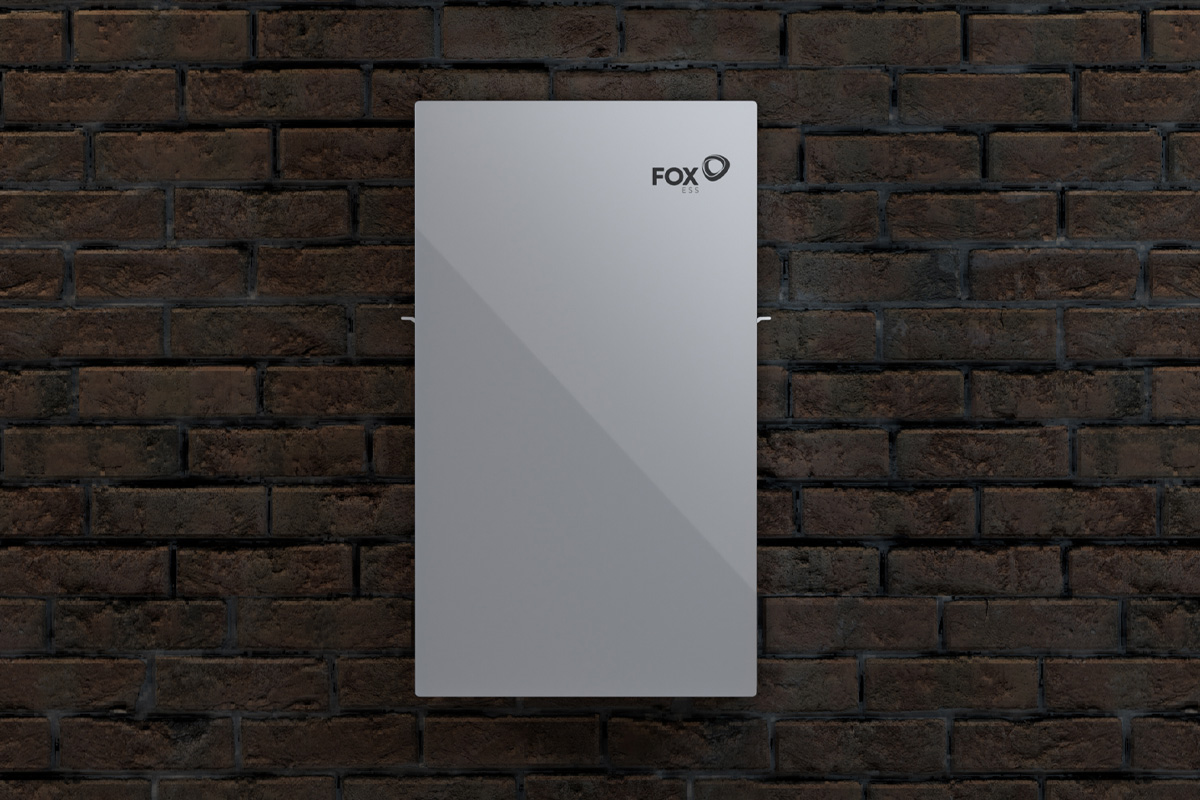
My Home Solar offers scalable battery options. These include modular Fox ESS systems and SigEnergy solutions. This flexibility can help accommodate different household energy requirements.

Therefore, do not choose a solar battery based on capacity alone. Instead, consider the overall energy requirements of your home.

solar panel residential installation

Can You Add a Battery to Existing Solar Panels?

In many cases, you can add battery storage to an existing solar panel system.

However, compatibility is important.

An installer should first assess your existing solar panels and inverter. They should also consider your electrical setup and other relevant equipment.

The Energy Saving Trust recommends speaking to an experienced professional. They can assess how battery storage could work with your existing solar system.

Therefore, if you already have solar panels on your South Coast home, you may not need a completely new system. You could simply add suitable battery storage to your existing installation.

A professional assessment can help determine which options are suitable for your property.

What Is the Difference Between AC Coupled and DC Coupled Batteries?

You may come across the terms AC coupled and DC coupled when researching solar batteries.

A DC coupled system connects the solar panels and battery on the DC side of the system. The electricity is then converted for use within your home.

An AC coupled battery works on the AC side of the system. It has its own conversion arrangements. This option can be particularly relevant when adding battery storage to existing solar panels.

Neither option is automatically better for every home.

Your existing equipment will influence the right choice. Compatibility, system design and your individual requirements also matter.

Ultimately, your battery should form part of a complete home energy system. A professional installer can help you choose the most suitable configuration.

solar panel installation

Do Solar Batteries Work During a Power Cut?

This is an important question to ask before buying battery storage.

A charged solar battery does not automatically mean your home will have power during a power cut.

Backup capability depends on several factors. These include the battery, inverter and electrical setup. The system must also be designed to provide backup power.

If power cut protection is important to you, discuss this with your installer. They can explain what level of backup a system can provide. They can also advise whether additional equipment is required.

Therefore, never assume that a solar battery will provide whole home backup simply because it stores electricity.

How Do Solar Batteries Perform During Winter?

Solar panels continue to generate electricity during winter. However, the amount they produce can vary.

Daylight, weather, system size and panel orientation can all affect generation.

As a result, your battery may behave differently during winter. There may be less surplus solar electricity available to store than during summer.

Some battery systems can also charge from the grid. The Energy Saving Trust notes that this may allow households to use suitable time of use tariffs. For example, a battery could charge when electricity is cheaper. You could then use the stored electricity later.

Whether this approach is financially suitable depends on your electricity tariff. Your consumption and system configuration will also influence the potential benefits.

solar panels

Choosing Solar Panels and Battery Storage for Your South Coast Home

Choosing the right solar and battery system starts with understanding your property. It should not simply involve selecting products from a catalogue.

Your installer should consider your electricity consumption and roof characteristics. Available installation space and existing equipment are also important. They should then recommend suitable solar panels and battery storage.

When you use electricity also matters.

For example, two homes may use a similar amount of electricity each year. However, one household may use more during the day. The other may have much greater demand during the evening.

Therefore, your system should reflect how and when your household uses electricity.

Which Solar Batteries Does My Home Solar Offer?

Every home has different energy storage requirements. Therefore, having access to different battery technologies can be useful.

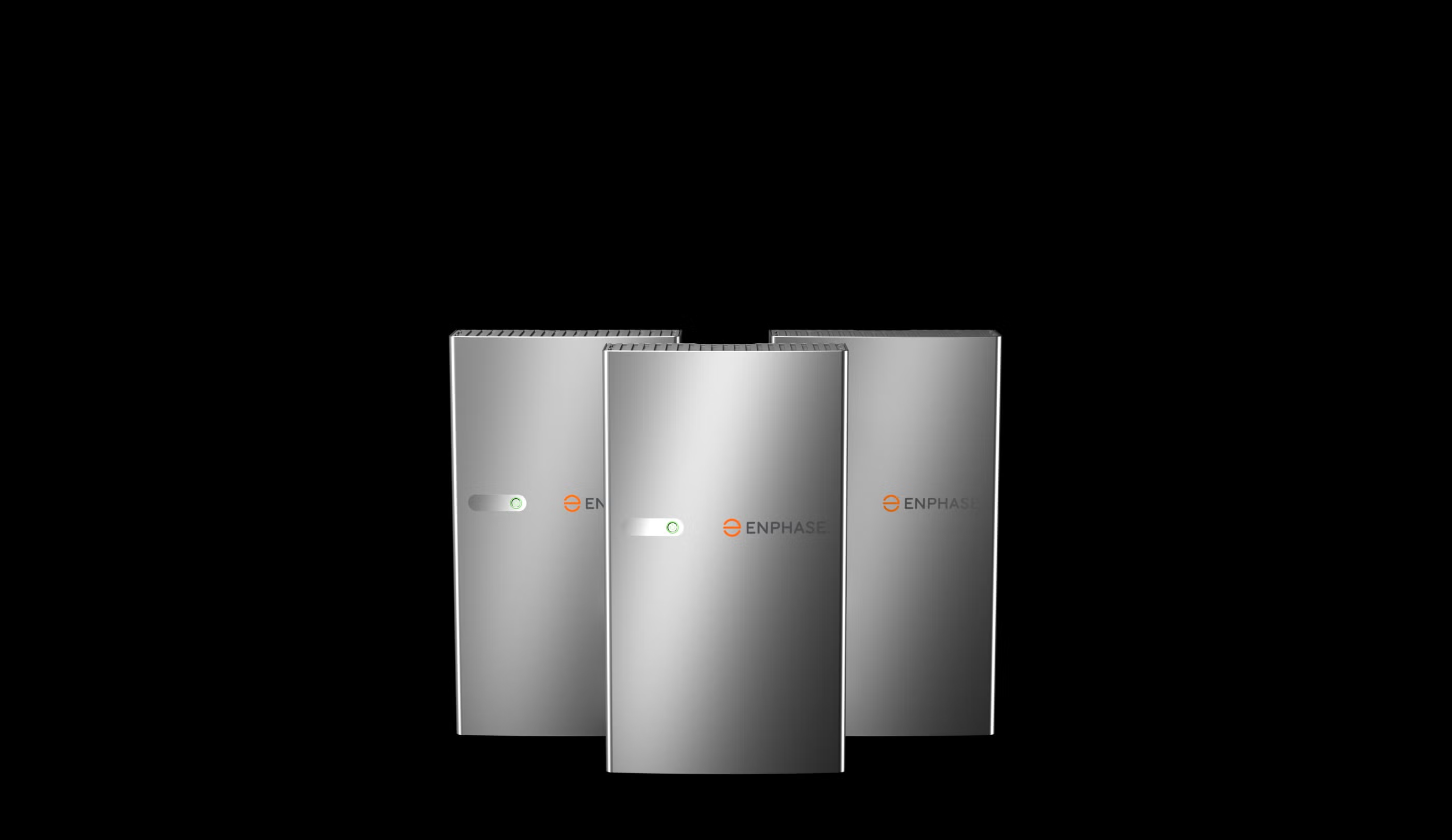
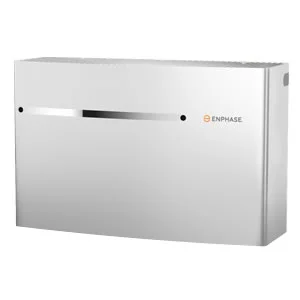
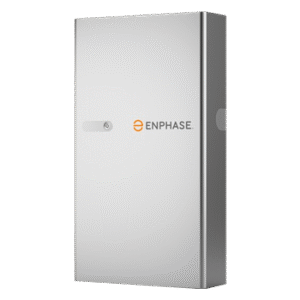
My Home Solar offers battery storage solutions from manufacturers including Fox ESS, Enphase and SigEnergy.

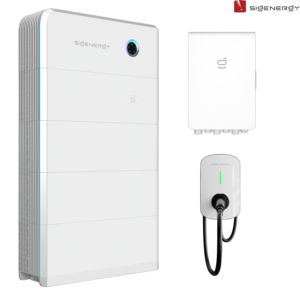
Fox ESS provides scalable battery storage options. Meanwhile, SigEnergy offers modular systems that combine battery storage with intelligent energy management. My Home Solar also provides Enphase solar batteries alongside its microinverter technology.

However, choosing a battery involves more than selecting a manufacturer.

Capacity and compatibility are important considerations. You should also consider scalability, inverter configuration and overall system design.

Therefore, homeowners should choose a complete system that suits their property and electricity needs. A professional assessment can help identify the most appropriate option.

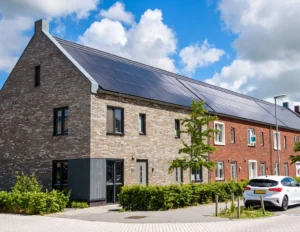
Newly build houses with solar panels attached on the roof against a sunny sky

Why Choose My Home Solar?

If you are considering solar panels and battery storage on the South Coast, professional system design is important. It can help ensure your panels, battery and other components work effectively together.

My Home Solar provides solar panels, home solar systems and battery storage solutions. The company is MCS certified and RECC approved.

Its battery range includes technology from Fox ESS, Enphase and SigEnergy. This provides options for different properties and energy requirements.

Your solar and battery system should suit your home and electricity usage. It should also take your future energy needs into account.

Whether you are planning a new solar installation or adding a battery to existing panels, My Home Solar can help. The team can discuss your requirements and recommend a suitable solution.

Conclusion

Solar panels and battery storage can help you make better use of the electricity your home generates.

A battery can store surplus solar electricity for later. This gives you greater flexibility over when you use your solar energy. It may also reduce the amount of electricity you need from the grid at certain times.

However, every home is different. Your property, electricity consumption and solar generation will influence the right system. Battery capacity and equipment compatibility are also important.

If you are considering solar panels and battery storage on the South Coast, My Home Solar can help you explore your options.

Whether you need a complete new system or battery storage for existing panels, get a free quote from My Home Solar today.

solar panels

Frequently Asked Questions

Is It Worth Getting a Battery With Solar Panels?

Battery storage can be worthwhile when you regularly generate solar electricity that you cannot use immediately. A battery allows some surplus electricity to be stored for later, potentially reducing the amount of electricity you need to purchase from the grid. Whether it makes financial sense depends upon your consumption, solar generation, tariff, battery cost and system design.

Can I Add a Solar Battery to My Existing Solar Panels?

Yes, battery storage can often be added to an existing solar installation. However, an installer should assess your existing inverter, panels and electrical configuration to determine compatibility and identify an appropriate battery system.

What Size Solar Battery Do I Need for My Home?

The appropriate capacity depends upon your electricity consumption, when you use electricity and how much surplus electricity your solar panels generate. Future requirements, such as an electric vehicle or heat pump, may also be worth considering. A professional assessment can help establish an appropriate capacity.

Will a Solar Battery Power My Home at Night?

A charged battery can supply stored electricity during the evening and overnight. How long it can meet your household demand depends upon the available battery capacity and how much electricity you use.

Can Solar Panels Charge a Battery During Winter?

Yes. Solar panels can generate electricity during winter and may charge a battery when sufficient surplus generation is available. However, generation generally varies seasonally, so you should not expect your system to behave identically throughout the year.

What Happens When My Solar Battery Is Full?

Once the battery reaches its permitted maximum charge, additional surplus solar electricity may be exported to the grid, depending upon your system configuration and export arrangements.

Can Solar Panels be Installed on any Roof?

Can Solar Panels Be Fitted to Any Type of Roof?

Solar panels can be installed on most common residential roof types, including tiled, slate, metal, pitched and flat roofs. Suitability depends upon the condition and strength of the roof, its orientation, pitch, available space and surrounding shade. A professional assessment can establish the most appropriate solar system for an individual property.
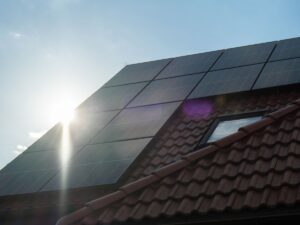
house roof with solar panels

What Types of Roof Can Have Solar Panels?

One of the advantages of modern solar technology is its adaptability. A property does not necessarily need a vast, perfectly south facing roof to make solar worth considering.

Different roofs simply require different approaches to system design and installation.

Solar Panels on Tiled Roofs

Tiled roofs are common throughout Dorset and are generally well suited to solar panel installation, provided that the roof itself is in sound condition.

The installation method will depend upon the type of tile and the construction of the roof. The objective is to secure the mounting system correctly whilst protecting the integrity of the existing roof covering.

If you have a tiled property in Dorchester, Bournemouth, Poole, Christchurch or elsewhere in Dorset, the condition of the tiles should form part of the assessment before an installation is planned.

If your roof is approaching the point at which substantial repairs or replacement will be necessary, it may be more sensible to deal with that work before fitting solar panels.
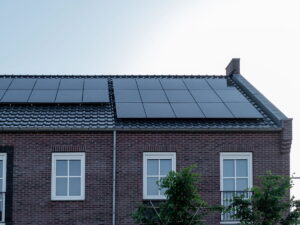
Newly build houses with solar panels attached on the roof against a sunny sky

Solar Panels on Slate Roofs

A slate roof does not automatically prevent you from having solar panels.

Slate does, however, require care during installation. It can be more delicate than some other roofing materials, which means that appropriate mounting techniques and experienced installation are particularly important.

Rather than assuming that a slate roof is unsuitable, homeowners should have the individual roof assessed. Its age, condition, construction and available space will help determine the most appropriate approach.

If you own a slate roof property and are considering solar, My Home Solar can discuss your requirements and provide a quotation based upon your home rather than a generic estimate.

Solar Panels on Flat Roofs

Flat roofs can be excellent candidates for solar panels.

Unlike a conventional pitched roof, where the angle of the panels is largely influenced by the roof itself, a flat roof can allow the panels to be positioned using an appropriate mounting system.

This can provide useful flexibility when considering panel angle and orientation.

The design needs to account for factors such as available space, shading between panels, wind exposure, roof condition and structural suitability.

A flat roof should therefore not be dismissed simply because it lacks a conventional pitch.

If you have a flat roof property in Dorset, request a solar quote from My Home Solar to find out what configuration may be appropriate for your home.
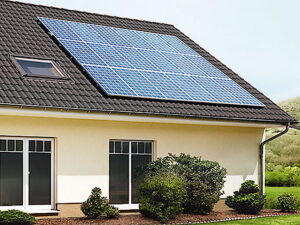
Solar Panels on Metal Roofs

Solar panels can also be fitted to many metal roofs.

The precise installation method depends upon the type and profile of the roofing material. As with any solar installation, the existing roof needs to be suitable for the proposed system.

A professional assessment is particularly valuable because two roofs that appear similar from ground level may have quite different construction and installation requirements.

Solar Panels on Pitched Roofs

Pitched roofs are amongst the most familiar settings for residential solar panels.

The existing angle of the roof can make installation relatively straightforward, although pitch alone does not determine whether the property is suitable.

Orientation, shading, available roof area and the position of chimneys, dormers and roof windows all need to be considered.

A well designed system should work with the characteristics of your home rather than attempting to impose a standard arrangement upon every property.
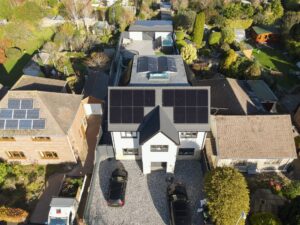
Solar Panels on Older Roofs

The age of a roof does not, by itself, determine whether solar panels can be installed.

Condition matters far more.

An older roof that remains structurally sound may still be suitable, whilst a considerably newer roof with existing defects may require attention before installation.

The important question is whether the roof is capable of supporting the proposed system and whether significant roofing work is likely to be required in the foreseeable future.

Installing solar panels immediately before major roof repairs are needed can create unnecessary inconvenience, since the panels may need to be removed to gain access.

Solar Panels on Complex Roofs

Dormers, extensions, roof windows, chimneys and unusual roof shapes do not necessarily rule out solar panels.

They do, however, make careful system design more important.

Usable roof space must be identified and possible shading considered. The most effective arrangement may involve panels being distributed across more than one section of the roof.

This is precisely why a personalised assessment is more valuable than deciding suitability from photographs or general advice online.
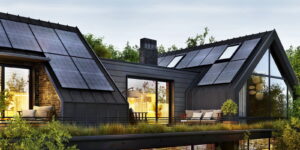
Solar panels and solar energy for the home

What Makes a Roof Suitable for Solar Panels?

Several factors determine how suitable a roof is for solar installation.

Roof condition is fundamental. Solar panels are intended to remain in place for many years, so fitting them to a roof that already requires substantial repair would rarely be an ideal approach.

Structural suitability is equally important. The proposed installation must be appropriate for the building and roof construction.

Orientation also affects potential generation. A favourable orientation can help a solar array capture more sunlight, but homeowners should not assume that anything other than a south facing roof is automatically unsuitable.

Pitch influences how sunlight reaches the panels, whilst available roof area determines how many panels can reasonably be accommodated.

Shade is another important consideration. Trees, neighbouring buildings, chimneys and other structures can reduce the sunlight reaching parts of an array at particular times of day.

Finally, there is the household itself. A good solar installation is not simply about putting as many panels as possible on a roof. The system should be designed with the property, electricity consumption and objectives of the homeowner in mind.

Does My Roof Have to Face South?

No. Your roof does not have to face directly south for you to consider solar panels.

A south facing roof can offer favourable conditions in the UK, but east and west facing roofs can also provide useful solar generation. Even properties with more challenging orientations should be assessed individually rather than dismissed on direction alone.

My Home Solar has specifically addressed the question of installing panels on north facing roofs in its existing solar guidance, reflecting the fact that roof orientation deserves a more considered answer than a simple yes or no.

The important question is not simply which direction your house faces. It is how the complete roof, its surroundings and the proposed system work together.

If orientation is the concern preventing you from requesting a solar quote, it is worth having the property assessed before deciding that solar is not an option.
Solar Panels

Can Solar Panels Be Installed on a Flat Roof?

Yes, solar panels can be installed on many flat roofs.

A suitable mounting system can position the panels at an appropriate angle rather than requiring them to lie completely flat.

This gives the system designer some flexibility, but there are other considerations. Panels need to be positioned carefully to make sensible use of the available area without creating unnecessary shading between rows. Roof condition, structural suitability and exposure also need consideration.

For homeowners with extensions, garages or properties with substantial flat roof areas, this can create possibilities that may not be immediately obvious.

If you would like to know whether your flat roof is suitable, an individual quotation is considerably more useful than relying upon a general online calculation.

Do I Need a New Roof Before Installing Solar Panels?

Not necessarily.

If your roof is in good condition and suitable for the proposed installation, there may be no reason to replace it simply because you want solar panels.

If substantial roof repairs are already required, however, completing them before the solar installation may prove more practical.

Think about the issue in terms of timing. If a roof is likely to require major work relatively soon, installing solar panels first could mean that they later have to be removed and refitted while the roofing work takes place.

This is one reason why roof condition should be considered before accepting a solar installation proposal.

A professional assessment gives you the opportunity to understand these matters before committing to a system.
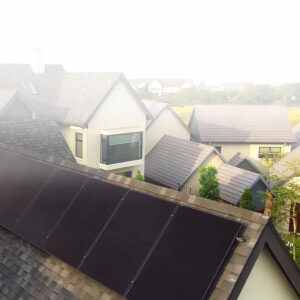
Solar Panels

Which Roof Is Best for Solar Panels?

There is no single roof type that every homeowner must have.

A sound roof with good exposure to daylight, sufficient usable space and relatively little shading provides an excellent starting point. A favourable orientation and pitch can improve the opportunity further.

Yet searching for the theoretical perfect roof can be misleading.

Your home already has a roof. The practical question is whether that roof can accommodate a solar system capable of meeting your objectives.

A smaller roof with efficient panels may present a different solution from a large roof with several orientations. A household with significant evening electricity consumption may also wish to consider battery storage as part of the wider system.

The best solar installation is therefore not simply the one placed on the best roof. It is the one properly designed for the property and the people who live there.

Can My Home Have Solar Panels?

For most homeowners reading this article, this is the question that truly matters.

General guidance can tell you that tiled roofs can have solar panels, that flat roofs can accommodate mounting systems and that a roof does not always need to face south.

What an article cannot tell you is precisely what should be installed on your house.

That requires consideration of your roof, usable space, shading, household electricity requirements and the type of solar system you are interested in.

This distinction matters when comparing solar companies near you. A useful quotation should relate to your home and your requirements rather than treating every property as though it were identical.

If you are considering solar panels in Dorchester or elsewhere in Dorset, getting a personalised quote is the natural next step.
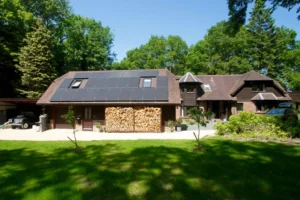
Solar Panels

Should You Consider Solar Battery Storage Too?

Solar panels generate electricity when daylight is available. A battery can allow some of the electricity generated by your system to be stored for use later, depending upon the configuration of your installation.

For many homeowners, it therefore makes sense to discuss panels and battery storage as parts of the same wider energy system.

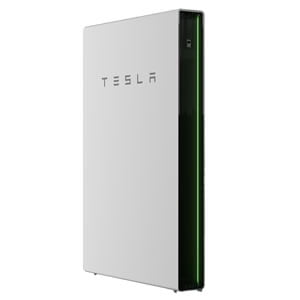
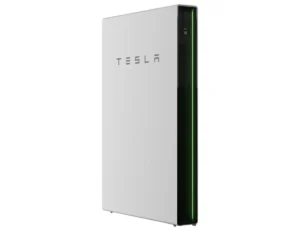
My Home Solar provides solar battery services alongside its home solar systems and currently lists battery solutions from manufacturers including Tesla, Enphase, SolarEdge, Fox ESS and SigEnergy.

That does not mean every household needs the same battery, or indeed that every homeowner necessarily needs a battery at all.

Your electricity consumption, solar generation, available space, budget and personal priorities should inform that decision.

Which Option Is Best for Dorset Homeowners?

The best solar system for a Dorset home depends upon the property rather than the postcode alone.

A home in central Dorchester may have different roof space and shading considerations from a detached property elsewhere in Dorset. Homes in Bournemouth, Poole and Christchurch likewise vary enormously in age, construction, orientation and electricity requirements.

The sensible approach is therefore individual.

Your solar system should take account of your roof, available space, electricity consumption and whether you are interested in battery storage.

My Home Solar is based in Dorchester and provides home solar systems, solar panels and battery storage, making it possible for homeowners to discuss the complete installation rather than considering each element in isolation.
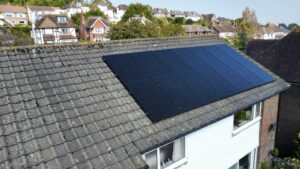
solar panel residential installation

Solar Panel Installation in Dorchester and Dorset

For homeowners searching for Solar Panels Dorchester or solar installers Dorset, local relevance matters because solar is ultimately installed on a real property, not purchased as an abstract product.

The roof needs to be considered. The system needs to be designed. The equipment needs to suit the household.

My Home Solar operates from Great Western Road in Dorchester and offers consultations, solar installation and battery storage services. The company also provides free quotations.

Homeowners in Bournemouth, Poole and Christchurch can likewise enquire about residential solar options.

If you have reached the stage of comparing solar panel installers near you, ask for a quotation based upon your actual property and energy requirements.

Common Mistakes When Deciding If Your Roof Is Suitable for Solar

One common mistake is assuming that solar panels are only worthwhile on a perfectly south facing roof. Orientation matters, but it is only one part of the assessment.

Another is believing that flat roofs cannot accommodate solar panels. In many circumstances they can, provided that an appropriate system can be designed.

Homeowners may also overlook shade. A roof can appear open and bright whilst still experiencing shade from trees, chimneys or neighbouring buildings during significant periods of the day.

Roof condition should not be ignored either. It is better to identify necessary repairs before installation than discover them afterwards.

Price deserves careful consideration, but the cheapest quotation should not automatically be treated as the best. Equipment, system design, installation standards, warranties, expected performance and the suitability of the proposed system all matter.

Perhaps the greatest mistake is assuming that an online article can definitively determine whether your particular home is suitable.

It cannot.

A professional assessment and personalised quotation can turn a general interest in solar into a practical proposal for your property.
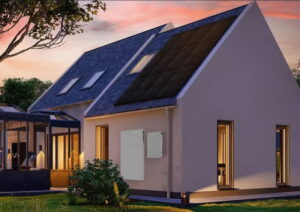
Why Choose My Home Solar?

Choosing a solar installer requires trust as well as technical consideration.

My Home Solar states that it is MCS certified and RECC approved and is trusted by more than 5,000 homeowners. The company offers home solar systems, solar panels and battery storage and provides a Price Promise alongside its solar services.

The company is based in Dorchester, Dorset, and its website includes customer accounts describing the quotation, survey and installation experience.

For a homeowner, these points matter because choosing solar is not simply a question of selecting a panel from a catalogue. The quality of the advice, system design and installation experience matters too.

If you are considering solar for your home, request a free quote from My Home Solar and find out what could be suitable for your property.

Conclusion

Solar panels can be installed on a wide variety of roofs, from traditional tiled and slate roofs to flat and more complex roof designs. What matters most is the condition of your roof, its available space, orientation, pitch and the amount of shade it receives.

Rather than assuming your property is unsuitable, the best approach is to have your roof properly assessed. Every home is different, and a solar system should be designed around the individual property and the needs of the household.

If you are considering solar panels in Dorchester or elsewhere in Dorset, My Home Solar can help you understand the options available for your home. Get in touch today to make an enquiry or request a personalised solar panel quote.
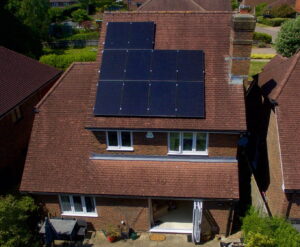
Solar Panels

Frequently Asked Questions

How much will solar panels cost for my roof?

The cost depends upon the system being proposed, the property, the equipment selected and the installation requirements. A personalised quotation is the most useful way to understand the likely cost for your home.

Should I repair my roof before getting solar panels?

If significant repairs are already necessary, completing them before installation may be sensible. Your roof should be in appropriate condition for the proposed solar system.

Can I get solar panels if I have a small roof?

Potentially. Available space influences the number and arrangement of panels, but a smaller roof should not automatically be dismissed. System design and panel selection can be particularly important where space is limited.

Can I have solar panels if my roof has a chimney?

Potentially, yes. The chimney may reduce usable space or create shade at certain times, so its position should be considered when designing the array.

Is battery storage worth considering with solar panels?

It can be. Battery storage allows suitable systems to retain generated electricity for later use. Whether a battery is appropriate depends upon your electricity consumption, objectives, system design and budget.

Do I Need Planning Permission for Solar Panels?

Do You Need Planning Permission for Solar Panels?

In most cases, you do not need to apply for planning permission to install solar panels on a home in England. Solar panels can usually be installed under permitted development rights, provided the installation satisfies the relevant conditions and limitations. Different requirements can apply to listed buildings, certain properties in conservation areas and installations that fall outside permitted development rules.

Are Solar Panels Permitted Development?

Permitted development rights allow certain improvements to be made to a property without submitting a conventional planning application.

Solar panels fitted to houses, blocks of flats and certain buildings within their grounds can fall within these rights. This has made it considerably simpler for homeowners to adopt renewable energy without having to navigate the full planning process.

Permitted development should not, however, be confused with an absence of rules.

The position and design of the panels still matter. Solar equipment should, so far as practicable, be positioned to minimise its effect upon the external appearance of the building and the amenity of the surrounding area.

There are also specific limits governing matters such as the height and projection of panels. If a proposed installation exceeds those limits, planning permission may be necessary.

When Do Solar Panels Need Planning Permission?

Although most conventional domestic rooftop systems can be installed through permitted development rights, there are circumstances in which further approval may be required.

Planning permission, prior approval or another form of consent may need to be considered when:

  • the proposed installation exceeds the permitted development limits
  • the property is listed or lies within the grounds of a listed building
  • particular restrictions apply within a conservation area
  • an Article 4 Direction has removed relevant permitted development rights
  • the panels would be installed in a position specifically restricted by planning rules
  • a ground mounted installation exceeds the permitted dimensions or positioning requirements
  • previous planning conditions have restricted permitted development rights at the property

This is why planning should be considered in relation to the individual property rather than treated as a simple yes or no question.

For an ordinary residential installation, the answer is usually straightforward. For an architecturally sensitive property or an unconventional solar project, further investigation may be sensible before work begins.

What Are the Planning Rules for Roof Mounted Solar Panels?

For panels installed on a pitched roof, they should not normally project more than 200 millimetres beyond the roof slope or wall surface. They should also not be installed above the highest part of the roof, excluding the chimney.

Different provisions apply to flat roofs. The highest part of the solar equipment should not generally extend more than 600 millimetres above the highest part of the roof, excluding the chimney.

The visual effect of an installation is also relevant. Equipment should be positioned, so far as practicable, to minimise its effect upon the appearance of the building and surrounding area.

These rules explain why the design stage of a solar installation is important. A well considered system is not simply about fitting as many panels as possible. Orientation, available sunlight, roof construction, visual appearance and the applicable planning requirements all deserve consideration.

Do Ground Mounted Solar Panels Need Planning Permission?

Not necessarily. A modest ground mounted solar installation within the grounds of a house can qualify as permitted development, but the restrictions are different from those governing rooftop panels.

For permitted development rights to apply, only the first standalone solar installation is covered. The installation should not exceed four metres in height and should normally be at least five metres from the property’s boundary.

The array must also remain within the prescribed size limits. It should be no larger than nine square metres, with no dimension exceeding three metres.

Additional restrictions apply to protected locations, including the grounds of listed buildings and scheduled monuments. There are also particular provisions concerning installations in conservation areas.

Consequently, anyone considering a sizeable garden based solar array should establish the planning position before committing to the project.

Do Solar Panels Need Planning Permission in a Conservation Area?

Living in a conservation area does not automatically prevent you from installing solar panels, nor does it invariably mean that a full planning application will be necessary.

Permitted development rights can apply to unlisted properties within conservation areas, subject to the appropriate conditions.

There are nevertheless additional restrictions designed to protect the architectural and historic character of sensitive locations. For example, panels fitted to a wall that fronts a highway in a conservation area do not benefit from the usual permitted development provisions.

Flat roof installations on certain designated land can also require prior approval from the local planning authority concerning their appearance.

Local restrictions can be important too. An Article 4 Direction can remove particular permitted development rights within a defined area.

This is one reason homeowners with properties in conservation areas should check the precise status of their home rather than assuming that the general rules will necessarily apply.

Can You Put Solar Panels on a Listed Building?

Listed buildings require particular care.

Work affecting the special architectural or historic interest of a listed building can require listed building consent. Planning permission may also be relevant, depending upon the nature and location of the proposed installation.

It is important to appreciate that listed building consent and planning permission are not the same thing.

Planning controls principally concern development and land use, whereas listed building consent exists to protect the special architectural and historic significance of listed structures.

Solar technology and historic architecture are not necessarily incompatible. The important question is whether the installation can be designed and positioned sensitively.

If your home is listed, professional advice and early consultation with the relevant local planning authority are prudent before installation work begins.

What About Flats and Leasehold Properties?

Planning permission is only one consideration for people living in flats or leasehold properties.

Even where a solar installation satisfies planning requirements, a leaseholder may need permission from the landlord, freeholder or management company before making alterations to the building.

The roof may form part of the building’s communal structure rather than belonging exclusively to an individual flat. Your lease may also contain restrictions concerning alterations to the exterior.

You should therefore check both the planning position and your legal right to carry out the proposed work.

solar panel residential installation

Do Solar Batteries Need Planning Permission?

For many homeowners, solar panels are only one part of a modern renewable energy system. Battery storage allows electricity generated during daylight hours to be retained for use later, rather than necessarily being consumed immediately or exported.

Domestic battery installations do not ordinarily present the same planning considerations as large external alterations, although the precise circumstances and location of the equipment should always be considered.

My Home Solar can advise homeowners considering solar panels alongside modern battery technology, including systems such as Tesla Powerwall and Growatt Battery.

The important principle is to consider the complete system from the outset. Solar generation, household consumption, battery capacity and future energy requirements should form part of a coherent design rather than being treated as entirely separate decisions.
Do Solar Panels Need Building Regulations Approval?

Building Regulations are separate from planning permission, and this distinction is frequently misunderstood.

Planning permission is concerned principally with whether development is acceptable from a planning perspective. Building Regulations are concerned with standards including structural and electrical safety.

Roof mounted solar panels will normally be subject to Building Regulations considerations.

Before panels are installed, the existing roof must be capable of carrying the additional load. Its structural capacity should therefore be assessed, and strengthening may occasionally be required.

Electrical installation work must also comply with the appropriate requirements.

Consequently, the fact that your solar panels do not require a planning application does not mean that every other regulatory consideration disappears.

A properly planned installation considers the building, roof, electrical system and solar equipment together.

Growatt

What About Commercial Solar Panels?

Commercial solar installations can also benefit from permitted development rights in appropriate circumstances, but larger projects require careful consideration of their scale, location, building type and design.

For a business, the financial and environmental case for solar can be substantial, particularly where electricity consumption is high during daylight hours.

My Home Solar can assist businesses considering commercial solar by looking at the wider requirements of the property and proposed system rather than treating the panels in isolation.

Larger or more complex projects should always have their individual planning position established before installation.

Common Mistakes Homeowners Make

One of the most common mistakes is assuming that permitted development means there are no rules. Permitted development is a planning mechanism with its own conditions and limitations.

Another frequent misunderstanding is confusing planning permission with Building Regulations. An installation can fall within permitted development rights while still being subject to Building Regulations requirements.

Owners of older properties may also overlook the significance of listed status, conservation area restrictions or an Article 4 Direction.

Ground mounted panels create another potential source of confusion. The rules are not identical to those governing panels attached to a roof.

Finally, it is unwise to assume that because a neighbour has installed solar panels, precisely the same rules will apply to your home. Property status, location, previous planning conditions and the design of the proposed installation can all affect the position.

What Should I Check Before Installing Solar Panels?

Before arranging an installation, it is sensible to establish a few fundamental facts about your property.

Consider:

  • whether your home is a listed building
  • whether it lies within a conservation area
  • whether an Article 4 Direction affects the property
  • where the panels will be positioned
  • whether the installation complies with permitted development limits
  • whether the roof can safely support the system
  • what Building Regulations requirements apply
  • whether you need consent from a landlord, freeholder or management company
  • whether any previous planning conditions affect your permitted development rights

If the planning position is uncertain, you can approach your local planning authority for guidance. In some circumstances, homeowners may also choose to obtain a Lawful Development Certificate to provide formal confirmation that proposed works are lawful.

Why Trust My Home Solar?

Choosing solar panels involves more than selecting equipment. A successful installation begins with understanding the property, its energy requirements and the practical considerations that influence system design.
My Home Solar helps homeowners explore solar generation and battery storage as part of a considered approach to household energy.

For customers across Dorset, including those looking for solar panels in Bournemouth, Poole, Christchurch and Dorchester, the aim is not simply to install panels, but to help create a system appropriate for the property and the household using it.

Where planning circumstances are unusual, obtaining the correct advice before work begins is always preferable to discovering a difficulty afterwards.

Conclusion

For most homeowners in England, installing solar panels is a relatively straightforward process from a planning perspective. In many cases, rooftop systems fall within permitted development rights, meaning a full planning application is not required. The important point is that permitted development still comes with conditions, particularly in relation to the position, height and appearance of the installation.

Extra care is needed if your property is listed, located in a conservation area, subject to an Article 4 Direction, or if you are considering a ground mounted system. Building Regulations should also be considered separately, as they deal with matters such as structural integrity and electrical safety rather than planning itself.

The best approach is to understand the status of your property before installation begins. That way, you can move forward with confidence and avoid unnecessary complications.

If you are considering solar panels for your home, My Home Solar can help you explore the most suitable system for your property, including solar generation and battery storage, while helping you identify any planning considerations that may need further attention.

Can a Solar Battery Reduce Grid Dependence?

How Much Can a Solar Battery Reduce Your Reliance on the National Grid?

For many households and businesses across the United Kingdom, reducing electricity bills has become a priority. Rising energy prices and greater awareness of sustainable living have encouraged more people to explore renewable energy solutions that provide greater control over how electricity is generated and used.

Installing solar panels is an excellent first step, but many people soon discover that much of the electricity they generate is produced when they are away from home or when their business uses less power. Without a battery, this surplus electricity is often exported to the National Grid rather than being stored for later use.

A solar battery changes this by storing excess electricity for use when your solar panels are no longer generating enough power. Whilst no battery can make every property completely independent of the National Grid, the right system can significantly reduce reliance on imported electricity and provide greater control over energy consumption.

What Is a Solar Battery?

A solar battery stores surplus electricity generated by your solar panels instead of allowing it to flow back into the National Grid.

During bright daylight hours, solar panels often produce more electricity than a property immediately requires. Rather than wasting this valuable energy, a battery captures and stores it safely for later use.

When the sun begins to set or electricity demand increases during the evening, the battery automatically supplies the stored energy before your property draws power from the grid.

This process allows you to make better use of the renewable electricity your system has already generated.

How Does a Solar Battery Work?

Solar panels generate electricity whenever sufficient daylight reaches the photovoltaic cells.

Your property always uses the electricity being produced first. If your household appliances or business equipment require less electricity than your panels are generating, the surplus has two possible destinations.

Without battery storage, the excess electricity is exported to the National Grid.

With battery storage installed, that surplus energy charges the battery instead.

Later, when solar generation falls below your property’s demand, the battery begins supplying stored electricity automatically. Only once the battery has discharged will your property import electricity from the grid.

This intelligent process happens seamlessly without requiring any manual intervention.

Can a Solar Battery Eliminate Your Dependence on the National Grid?

The simple answer is no.

However, it can reduce your dependence considerably.

Many people believe installing a battery means they will never purchase electricity again. In reality, complete energy independence is extremely difficult to achieve for most properties in the United Kingdom.

Solar generation naturally varies throughout the year.

During summer, long daylight hours often allow batteries to charge fully whilst still producing enough electricity to power a property throughout the day.

Winter presents a different challenge.

Shorter days, lower sun angles and increased household electricity consumption often mean solar panels generate less energy. Even with battery storage, many properties will still import some electricity during these periods.

Rather than eliminating the National Grid entirely, a battery helps you rely on it much less frequently.

Understanding Energy Independence

Reducing dependence on the National Grid does not necessarily mean living completely off grid.

An off grid property operates without any connection to the electricity network and must generate and store all of its own electricity throughout the year.

This requires significantly larger solar arrays, much larger battery banks and careful energy management.

Most homeowners and businesses instead aim for greater energy independence.

This means generating more of the electricity they consume whilst reducing the amount they purchase from suppliers.

For many people, this provides the ideal balance between reliability, affordability and environmental responsibility.

Using More of the Energy You Generate

One of the greatest advantages of battery storage is increasing your own energy consumption.

Without a battery, a significant proportion of daytime solar generation may leave your property because it is not immediately needed.

For example, many homeowners are at work during the day whilst their solar panels continue producing electricity.

By the time they return home and begin cooking, watching television or charging electric vehicles, the sun has already begun to set.

Without battery storage, electricity must be purchased from the National Grid.

With battery storage, the electricity generated earlier in the day remains available.

This allows far more of your own renewable energy to be used within your property.

Why Battery Storage Benefits Homeowners

For homeowners, battery storage offers far more than lower electricity bills.

Many families experience their highest electricity usage during the morning and evening when solar generation is relatively low.

A battery bridges this gap by supplying stored electricity when it is needed most.

This can reduce imported electricity significantly throughout much of the year.

Battery storage also provides greater certainty over household energy costs.

Instead of relying entirely on changing electricity prices, homeowners gain greater control over where their electricity comes from.

Many people also value the environmental benefits.

Using more self generated renewable electricity reduces reliance on electricity generated from fossil fuels and lowers overall carbon emissions.

Why Businesses Benefit Too

Commercial properties often consume electricity throughout the working day, making solar panels an excellent investment.

However, many businesses also experience periods of fluctuating demand.

Battery storage allows excess solar generation to remain available during periods of increased consumption rather than exporting it immediately.

For offices, warehouses, retail premises, manufacturing facilities and many other commercial buildings, this can improve overall energy efficiency whilst helping manage operating costs.

Businesses also benefit from demonstrating their commitment to sustainability, something that increasingly influences customers, suppliers and investors.

The Importance of Choosing the Right Battery Size

Battery capacity plays a major role in reducing grid dependence.

A battery that is too small may fill quickly during sunny weather before becoming fully discharged early in the evening.

Conversely, an oversized battery may rarely reach full capacity if the solar array cannot generate enough electricity to charge it effectively.

Professional system design considers several important factors, including:

  • Annual electricity consumption
  • Daily usage patterns
  • Existing or proposed solar panel capacity
  • Future electricity requirements
  • Available installation space

Selecting the right battery size ensures you gain the greatest possible benefit from your investment.

Seasonal Differences Matter

No renewable energy system performs identically throughout the year.

During late spring and summer, longer daylight hours generally produce higher levels of solar generation.

Many batteries charge fully each day and continue powering homes well into the evening.

Winter conditions naturally reduce solar output.

Cloud cover, shorter days and increased heating related electricity demand often mean batteries recharge more slowly and discharge more quickly.

This seasonal variation is entirely normal and should be considered when assessing overall performance.

Even so, battery storage continues providing valuable savings throughout the year by making the best possible use of available solar generation.

Financial Benefits Beyond Lower Bills

Lower electricity bills remain one of the biggest reasons people install battery storage.

Every unit of electricity generated and used within your own property reduces the amount purchased from an energy supplier.

Over time, these savings can become substantial.

Battery storage also provides greater protection against future electricity price increases.

Whilst energy prices cannot be predicted with certainty, generating and storing more of your own electricity naturally reduces exposure to market fluctuations.

For businesses, lower operating costs may improve profitability whilst providing more predictable energy expenditure.

Greater Energy Security

Although standard battery systems do not automatically continue supplying electricity during every power cut, many modern battery systems can provide backup functionality when designed and installed appropriately.

Where compatible backup capability is included, essential appliances and equipment may continue operating during certain grid outages.

This additional resilience can be particularly valuable for businesses, home offices or households where maintaining electricity supply is especially important.

Professional advice should always be sought to understand the capabilities of any individual battery system.

Is a Solar Battery Worth Installing Without Solar Panels?

In some situations, yes.

Certain battery systems can charge using electricity imported from the National Grid before supplying that stored energy later.

However, the greatest financial and environmental benefits usually come when battery storage is paired with solar panels.

Generating your own renewable electricity first allows the battery to store clean energy that would otherwise be exported.

This maximises self consumption and provides the greatest reduction in reliance on imported electricity.

For most homeowners and businesses, combining solar panels with battery storage delivers the strongest long term value.

Common Misconceptions About Solar Batteries

Several misconceptions continue to discourage people from considering battery storage.

One common belief is that batteries completely remove electricity bills.

Whilst they can reduce bills considerably, most connected properties still import some electricity during periods of high demand or low solar generation.

Another misconception is that batteries only benefit large homes.

In reality, correctly sized battery systems can provide meaningful advantages for a wide variety of property sizes and electricity usage patterns.

Some people also assume batteries require constant maintenance.

Modern systems are designed for reliable long term operation and generally require very little routine maintenance.

Who Is Most Likely to Benefit?

Battery storage can be an excellent investment for:

  • Homeowners with existing solar panels.
  • People planning a new solar installation.
  • Businesses looking to reduce operating costs.
  • Properties with high evening electricity consumption.
  • Households wishing to increase their use of renewable energy.
  • Organisations seeking greater control over long term energy expenditure.

Every property differs, which is why professional system design remains essential.

Conclusion

A solar battery will not usually remove your dependence on the National Grid altogether, but it can reduce it significantly.

By storing surplus electricity generated during the day, battery storage enables homeowners and businesses to use more of their own renewable energy when it matters most. This leads to lower electricity bills, greater protection against rising energy costs and increased confidence in your long term energy future.

If you are considering solar battery storage, speaking with experienced professionals ensures your system is designed around your property’s unique energy requirements. My Home Solar provides tailored solar panel and battery storage solutions across the United Kingdom, helping homeowners and businesses maximise the benefits of renewable energy whilst reducing their reliance on the National Grid.

What Is Solar Curtailment and Could It Affect Your Savings?

Could Solar Curtailment Reduce Your Solar Savings?

Solar power has become one of the most effective ways for households and businesses across the United Kingdom to reduce their electricity bills whilst lowering their reliance on fossil fuels. Modern solar panel systems are more efficient than ever, battery storage technology continues to improve and government support for renewable energy has encouraged thousands of property owners to generate their own electricity.

Despite these advances, many people are unfamiliar with a term that occasionally appears in discussions about renewable energy, namely solar curtailment. It is not something that most homeowners encounter on a daily basis, yet understanding what it means can help you make better decisions when investing in a solar energy system.

The good news is that, for the overwhelming majority of domestic solar installations in the United Kingdom, solar curtailment has only a limited impact. Nevertheless, it is worth understanding why it happens, how it affects different types of installations and what can be done to minimise its influence on your long term savings.

What Is Solar Curtailment?

Solar curtailment happens when a solar energy system generates less electricity than it could because the output is deliberately limited.

Instead of allowing every solar panel to operate at full capacity, electricity network operators or system settings reduce the amount of electricity the system generates or exports. They do this to help keep the electricity network stable, safe and efficient.

Solar curtailment does not mean your solar panels are faulty. In most cases, your system reduces its output automatically in response to local network conditions or agreed installation settings.

Although the term may sound worrying, solar curtailment is simply one way of balancing electricity supply and demand as the United Kingdom continues to expand its use of renewable energy.

Why Does Solar Curtailment Happen?

Electricity networks must constantly balance electricity generation with demand.

The National Grid cannot produce and store electricity indefinitely. Instead, it must match supply with demand in real time.

 Supply and demand must remain closely matched at all times to ensure the network continues operating safely and reliably.

On particularly bright days, especially during spring and summer, thousands of solar installation across a region may generate significant amounts of electricity at the same time. If local demand is relatively low, the network can experience periods where more electricity is available than is immediately required.

Rather than risking instability, electricity network operators may reduce generation from certain renewable sources. This controlled reduction is known as curtailment.

As renewable energy continues to expand throughout the United Kingdom, careful management of electricity generation is becoming increasingly important. Fortunately, improvements to battery storage, smarter grids and investment in network infrastructure are helping to reduce these situations over time.

Does Solar Curtailment Affect Homeowners?

For most homeowners, solar curtailment has little effect on day to day savings.

Domestic solar systems are designed to meet the energy needs of the property. When the system generates more electricity than the home uses, it exports the surplus to the grid.

Many homeowners use a large proportion of the electricity they generate, especially if they are at home during the day or have battery storage. As a result, occasional export limits usually have only a small impact on overall savings.

Some newer systems include export limits agreed with the local Distribution Network Operator during installation. These limits help protect the local electricity network and prevent it from becoming overloaded.

How Does Solar Curtailment Affect Businesses?

Commercial solar installations can experience curtailment differently.

Large commercial systems often generate substantially more electricity than a typical household installation. Many businesses also export greater quantities of surplus electricity back to the grid, particularly during weekends, holidays or periods of reduced operational activity.

Where significant amounts of electricity are exported, local network constraints may occasionally require generation to be reduced.

Businesses planning larger solar installations should therefore consider export capacity during the design stage. Experienced installers will work closely with the Distribution Network Operator to understand any restrictions before installation begins.

Careful planning helps ensure the system delivers excellent financial returns whilst complying with local network requirements.

The Difference Between Curtailment and Equipment Problems

People often misunderstand solar curtailment because equipment faults can also reduce electricity generation.

If your system suddenly begins producing less electricity, curtailment is only one possible explanation.

Other causes may include:

  • Dirty solar panels reducing efficiency.
  • Temporary shading from trees or neighbouring buildings.
  • Faulty inverters.
  • Damaged wiring.
  • Weather conditions.
  • Seasonal variations in daylight hours.
  • Maintenance work affecting system performance.

Modern monitoring software makes it much easier to distinguish between genuine faults and normal operational limitations. Many homeowners can monitor their system’s performance through a smartphone application, allowing them to identify unexpected changes in generation.

Where performance appears unusually low over an extended period, a qualified solar installer can investigate further.

Can Battery Storage Help?

Battery storage has transformed the way many homeowners and businesses use solar energy.

Rather than exporting every unit of surplus electricity immediately, a battery stores unused electricity for later use. This allows properties to use more of the energy they generate, reducing reliance on electricity purchased from the grid during the evening and overnight.

Although battery storage does not eliminate solar curtailment entirely, it can reduce its financial impact in certain circumstances.

Storing surplus electricity instead of exporting it immediately reduces your reliance on export capacity. This enables property owners to make greater use of their own renewable electricity whilst improving overall system efficiency.

For many households, battery storage also provides greater flexibility when electricity prices fluctuate throughout the day.

At My Home Solar, we regularly advise customers on whether battery storage represents a worthwhile investment based on their property, electricity usage and long term objectives rather than recommending a one size fits all solution.

How Do Grid Constraints Influence Solar Generation?

The United Kingdom’s electricity network has changed considerably over the past decade. As more homes and businesses install solar panels, renewable electricity now forms a much larger proportion of the nation’s energy supply than ever before. This transition is essential for reducing carbon emissions, but it also presents new challenges for the electricity network.

Many parts of the grid were originally designed for electricity to travel in one direction, from large power stations to homes and businesses. Today, thousands of properties generate their own electricity and export any surplus back into the network. In some areas, particularly where solar adoption has grown rapidly, the local infrastructure can occasionally struggle to accommodate high levels of exported electricity.

When this happens, Distribution Network Operators may introduce export limits or other measures that help maintain a stable electricity supply. These controls are not intended to discourage renewable energy. Instead, they ensure that voltage levels remain within safe operating limits and that the network continues to perform reliably for everyone connected to it.

For most property owners, these limitations have little noticeable effect on everyday energy use. They simply form part of the careful management required as the United Kingdom continues its transition towards cleaner sources of electricity.

Is Solar Curtailment Becoming More Common?

Solar curtailment has attracted greater attention in recent years, largely because renewable energy generation has increased significantly across the country.

As thousands of new solar installations come online each year, periods occasionally arise where renewable electricity generation exceeds local demand or available export capacity. These situations are most likely to occur during bright, sunny days when electricity consumption is relatively low.

However, this does not mean that curtailment is becoming a widespread problem for individual homeowners.

Investment in the national electricity network continues to improve its ability to accommodate renewable generation. New substations, upgraded infrastructure, improved forecasting and smarter grid technology are all helping to reduce the need for generation limits.

Battery storage is also playing an increasingly important role. As more homes and businesses install batteries alongside their solar panels, a greater proportion of locally generated electricity can be stored and used later rather than exported immediately. This helps reduce pressure on the network whilst allowing property owners to maximise the value of the electricity they generate.

Although curtailment may occasionally feature in discussions surrounding the future of renewable energy, it should not discourage anyone from considering solar power. The long term benefits continue to far outweigh the relatively small impact that curtailment has on most installations.

How Can You Reduce the Impact of Solar Curtailment?

Whilst it may not always be possible to eliminate solar curtailment entirely, there are several ways to ensure your system delivers the greatest possible financial return.

One of the best ways to maximise your savings is to choose a solar system that matches your property’s energy usage. Installing a system that is larger than you need can lead to more electricity being exported than necessary. By understanding how and when you use electricity, an installer can recommend a solution that achieves an excellent balance between generation and self consumption.

 Rather than exporting excess electricity immediately, surplus energy can be stored for use later in the day when electricity demand increases. A battery stores surplus electricity instead of exporting it immediately. You can then use that energy later when demand increases.. This often improves overall savings whilst reducing dependence on imported electricity.

Smart home technology can also make a difference. Devices that automatically operate appliances during periods of high solar generation help increase the amount of electricity used within the property. Charging an electric vehicle during daylight hours, heating water using surplus solar electricity or scheduling certain appliances to run when generation is highest can all improve the overall value of your system.

Finally, choosing an experienced installer remains one of the most important decisions. A well designed system considers future energy requirements, local network conditions and export arrangements from the very beginning, helping to avoid unnecessary limitations after installation.

solar panels in bournemouth

Why Trust My Home Solar?

Choosing solar panels represents a significant investment, so receiving honest, knowledgeable advice is just as important as selecting high quality equipment.

At My Home Solar, every installation begins with understanding how the property uses electricity and what the customer hopes to achieve. Rather than recommending identical systems for every home or business, the team designs tailored solutions that reflect individual energy requirements, future plans and available roof space.

Whether you are considering residential solar panels, commercial solar systems or battery storage, My Home Solar provides practical advice to help you make informed decisions with confidence. Every recommendation is based upon achieving reliable performance, long term savings and maximum value from your investment.

As solar technology continues to evolve, the team delivers high quality, efficient solar solutions that put customer satisfaction first.

Conclusion

Many people misunderstand solar curtailment, but it has little impact on most homeowners and businesses in the United Kingdom. Electricity network operators may occasionally limit a solar system’s output to maintain a stable and reliable network, but these restrictions rarely have a significant effect on long term savings.

You can maximise your return by choosing a solar system that matches your property’s energy needs. Panel placement, inverter selection, battery storage and electricity usage all play an important role. An experienced installer will consider these factors from the beginning to help your system perform at its best.

At My Home Solar, we design tailored residential and commercial solar systems that deliver reliable performance and lasting value. Whether you are installing solar panels or adding battery storage, our experienced team can provide clear, honest advice and a solution that suits your property. Contact My Home Solar to find out how solar energy can help reduce your energy bills and support a more sustainable future.

How Much Energy Can a SigEnergy Battery Store?

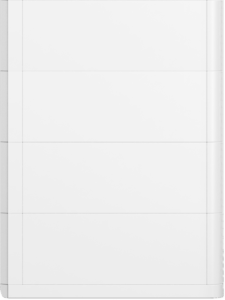
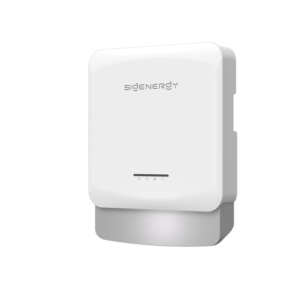
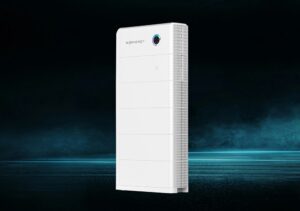
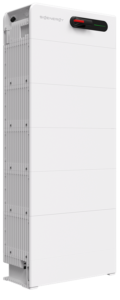
SigEnergy Battery

As more homeowners and businesses across Dorset look for ways to make the most of their solar panels, battery storage has become one of the most valuable additions to a renewable energy system. Rather than sending excess electricity back to the National Grid, a battery allows you to store unused energy and use it later when you need it most.

One name attracting increasing attention is the SigEnergy battery. Designed to provide intelligent energy storage alongside modern solar installations, it offers a practical way to increase energy independence while making better use of the electricity your solar panels generate.

But how much energy can a SigEnergy battery actually store, and what does that mean for your home or business?

Understanding Battery Storage Capacity

Battery capacity is measured in kilowatt hours, often written as kWh. This figure tells you how much electricity a battery can store before it needs recharging.

Think of your battery as a water tank. The larger the tank, the more water it can hold. In the same way, a battery with a larger capacity can store more electricity generated by your solar panels.

The amount of storage you require depends on several factors, including the size of your property, your daily electricity consumption, the number of occupants and whether you intend to power essential appliances during the evening or overnight.

How Much Energy Can a SigEnergy Battery Store?

A SigEnergy battery is designed to be highly flexible, allowing systems to be tailored to the needs of each individual property. Rather than forcing homeowners or businesses into a one size fits all solution, storage capacity can be expanded as energy requirements grow.

This modular approach makes the SigEnergy battery suitable for a wide variety of applications, from smaller family homes looking to reduce electricity bills to larger properties and commercial premises with significantly higher energy demands.

For many households, a modest storage capacity is enough to capture surplus electricity produced during the day and power lighting, televisions, refrigeration, internet routers and many other everyday appliances throughout the evening.

Larger systems can comfortably support greater electricity usage, particularly where electric vehicle charging, home offices, heat pumps or commercial operations place additional demand on stored energy.

What Does Battery Capacity Mean in Everyday Life?

Numbers alone rarely tell the full story. Understanding how battery storage works in real life makes it much easier to appreciate its value.

Imagine a bright summer’s day in Dorset. Your solar panels are generating more electricity than your home is currently using. Instead of exporting all of that surplus energy, your SigEnergy battery stores it for later.

As the sun begins to set and solar production naturally falls, your property starts drawing electricity from the battery instead of purchasing it from the grid.

This stored energy may power lighting throughout the evening, keep kitchen appliances running, allow televisions and computers to operate and even provide electricity overnight depending on your household’s consumption and the size of your battery system.

Rather than wasting excess solar generation, you are making full use of the energy your panels have already produced.

Can a SigEnergy Battery Power a House Overnight?

In many cases, yes.

Whether a battery can supply electricity throughout the entire night depends upon several factors.

These include:

  • The size of the battery.
  • Your average electricity consumption.
  • Whether high demand appliances are being used.
  • The amount of solar energy generated during the day.

Many households use surprisingly little electricity overnight. Refrigerators, broadband routers, lighting and a handful of appliances generally consume far less energy than cooking equipment, electric showers or electric vehicle chargers.

With appropriately sized battery storage and efficient energy use, many homeowners can comfortably reach the following morning without importing significant electricity from the National Grid.

Is a Larger Battery Always Better?

Not necessarily.

While it may seem sensible to choose the largest battery available, bigger is not always better.

A battery should be matched carefully to your property’s energy usage and your solar generation.

If your battery is considerably larger than the amount of excess electricity your solar panels produce, it may rarely reach full capacity. Likewise, if your battery is too small, it could become fully charged before midday, meaning additional solar generation is exported instead of stored.

Finding the right balance is essential.

A professional solar installer will assess your annual electricity usage, roof orientation, panel output and future plans before recommending the most appropriate battery capacity.

How Does a SigEnergy Battery Help Reduce Electricity Bills?

The greatest benefit of battery storage lies in using more of the electricity you generate yourself.

Without battery storage, excess daytime generation is often exported while you purchase electricity back from the grid during the evening.

A SigEnergy battery changes this pattern.

Instead of buying electricity when energy prices are often higher, you are using power that has already been generated by your own solar panels.

Over time, this increased self consumption can significantly reduce reliance on the National Grid while helping protect households and businesses from rising electricity prices.

Why Professional System Design Matters

Every property is different.

Two homes with identical solar panels may require completely different battery capacities depending upon occupancy, appliance usage and lifestyle.

Similarly, two businesses operating within the same industry may have vastly different electricity demand profiles.

Choosing battery storage should therefore never be based solely on the largest capacity available.

Professional system design considers numerous factors including:

  • Daily electricity usage.
  • Seasonal energy consumption.
  • Roof size and orientation.
  • Solar generation forecasts.
  • Future electric vehicle charging.
  • Planned home improvements.
  • Heat pump installation.
  • Business operating hours.

This ensures the battery works efficiently throughout the year rather than simply appearing impressive on paper.

Why Trust My Home Solar?

Choosing the right solar installer is just as important as selecting the right equipment.

At My Home Solar, every installation begins with understanding how each customer uses electricity rather than recommending the same solution for every property.

By carefully assessing your energy consumption, future plans and the characteristics of your property, the team can recommend a solar and battery system designed specifically for your needs.

Serving homeowners and businesses throughout Dorset, My Home Solar focuses on delivering practical, reliable renewable energy solutions that maximise long term performance while helping customers gain greater control over their electricity usage.

With expert advice, high quality installations and ongoing support, customers can feel confident that their investment has been designed to deliver lasting value.

Frequently Asked Questions

How long does electricity stay stored in a SigEnergy battery?

Modern lithium iron phosphate batteries retain stored energy extremely well. While there will always be minimal natural energy loss over time, electricity can remain available for extended periods until it is needed.

Do I need solar panels to benefit from a SigEnergy battery?

Although battery storage delivers its greatest benefits when paired with solar panels, some systems can also charge from the National Grid during cheaper electricity periods, depending on the system configuration.

What size SigEnergy battery do I need?

The ideal battery size depends upon your electricity usage, the size of your solar system, your property and your future energy requirements. A professional assessment ensures your battery storage is matched correctly to deliver the greatest long term benefit.

Conclusion

A SigEnergy battery offers an intelligent way to store the electricity your solar panels generate, allowing you to use more of your own renewable energy when you need it most.

The amount of energy it can store depends upon the battery configuration selected, making it suitable for everything from modest family homes to larger residential properties and commercial premises.

Rather than simply choosing the biggest battery available, the most effective solution is one that matches your energy usage and future requirements.

If you are considering solar battery storage in Dorset, the experienced team at My Home Solar can assess your property and recommend a system designed specifically around your home or business, helping you make the most of every unit of clean energy your solar panels produce.