Solar Panel Installations in Dorchester

Solar Panel Installations in Dorchester

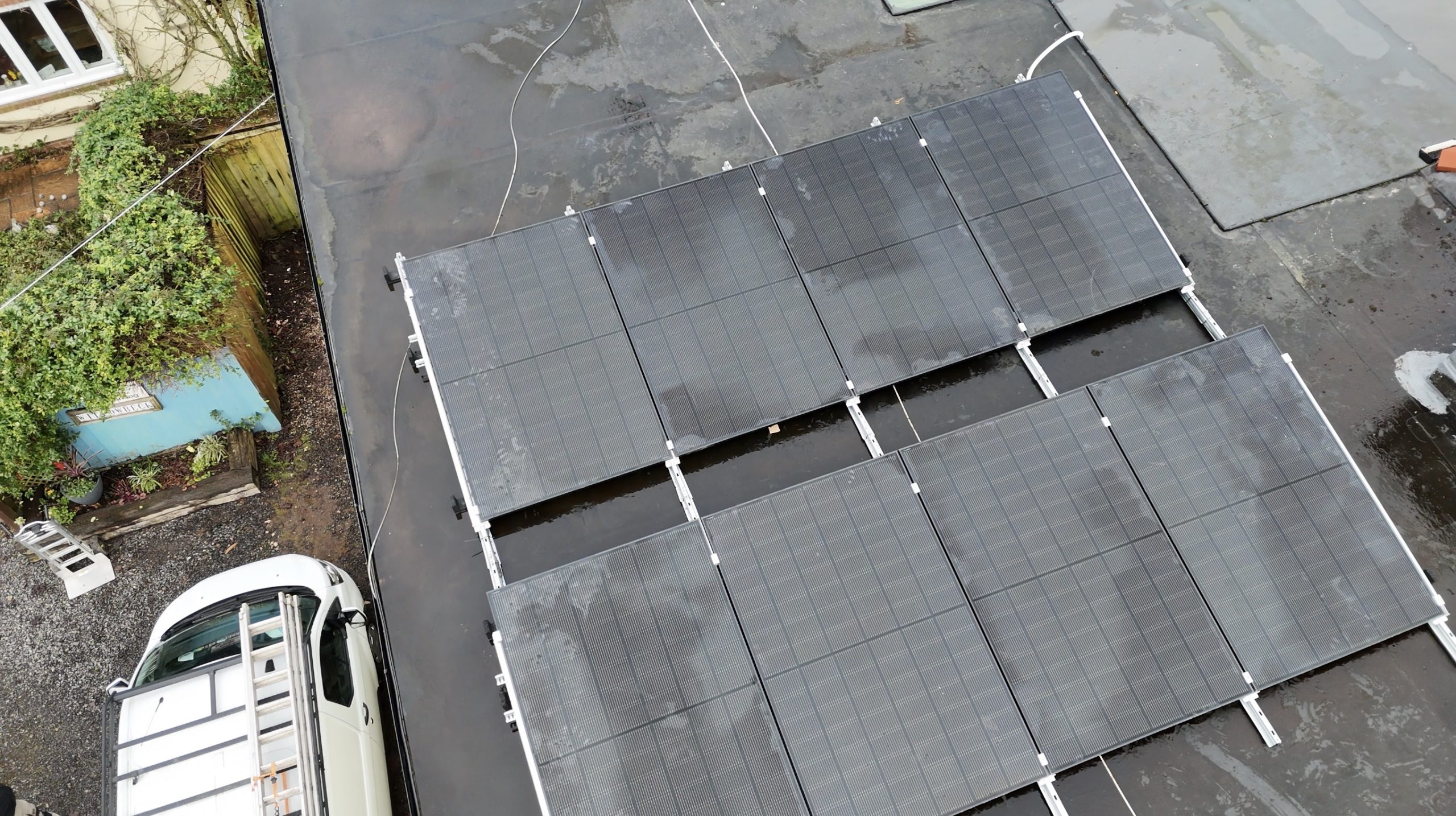
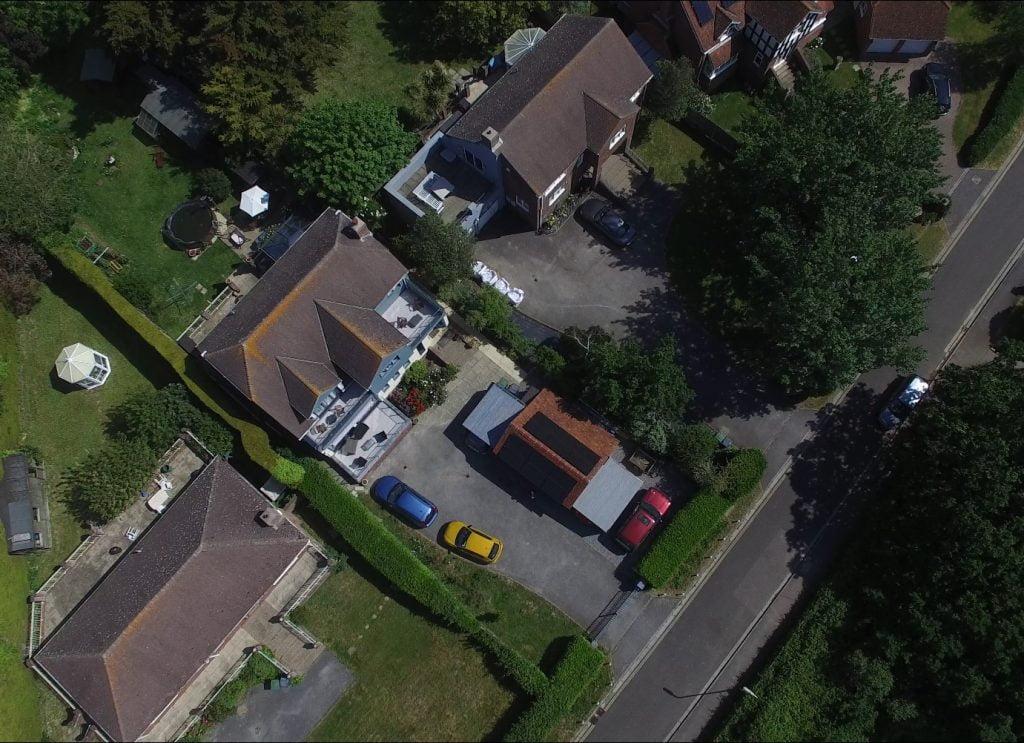
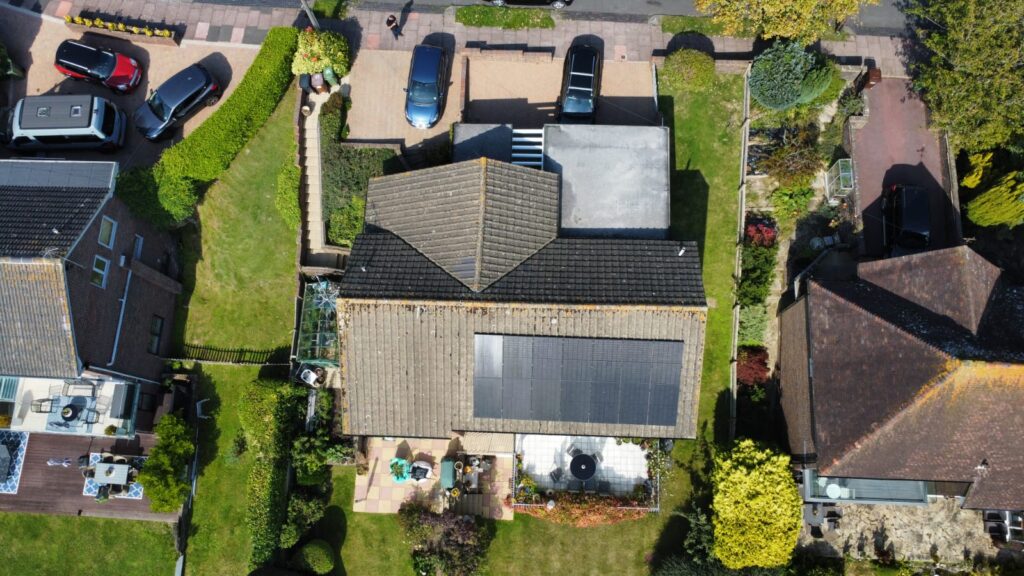
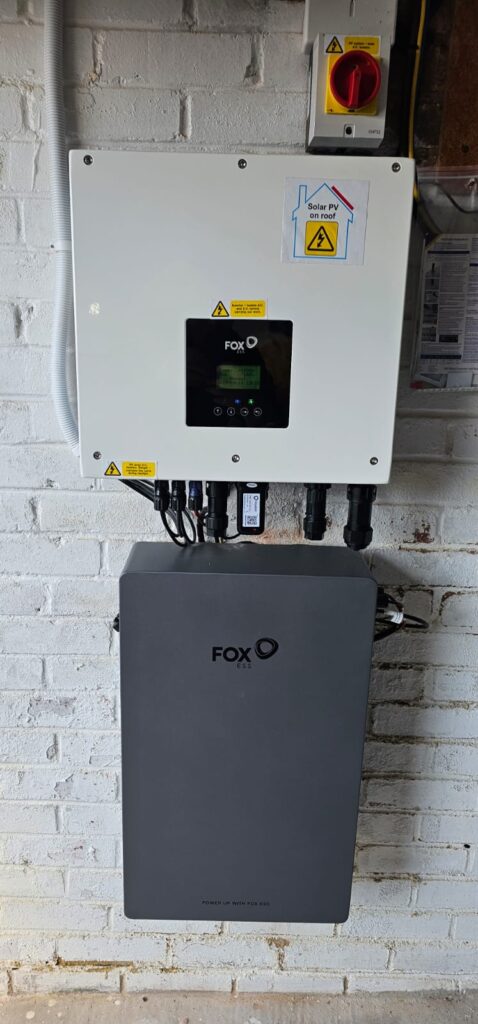
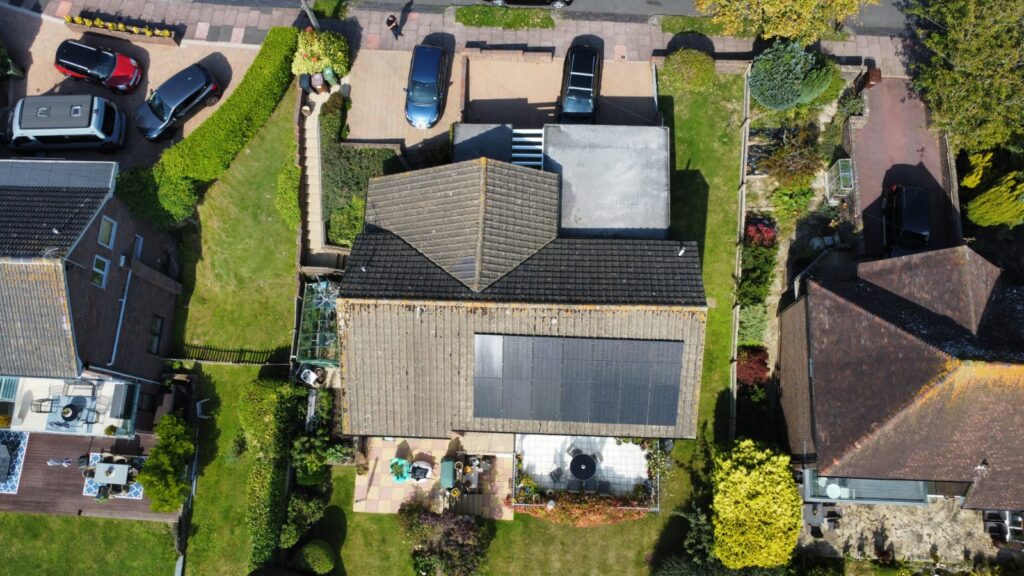
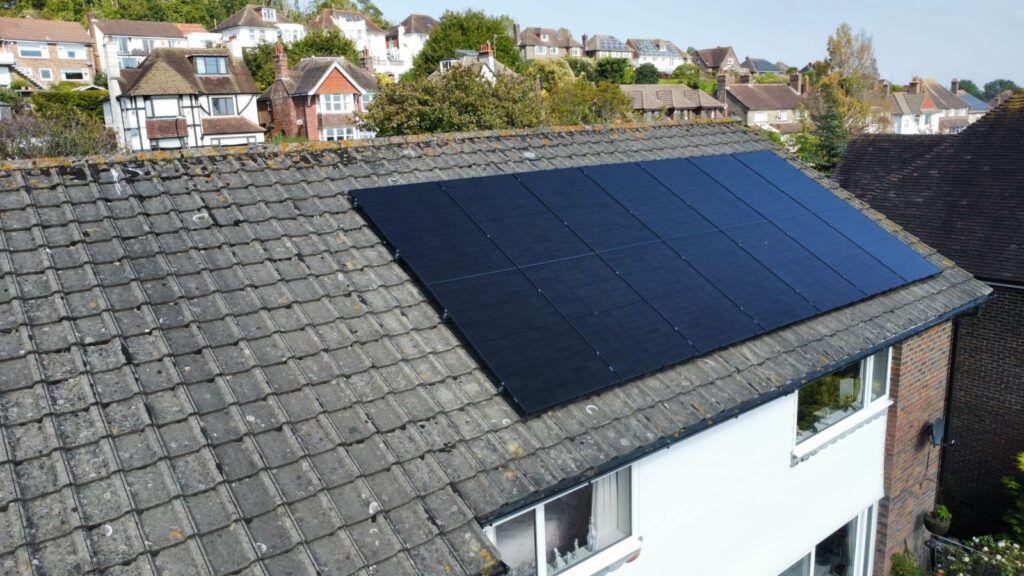
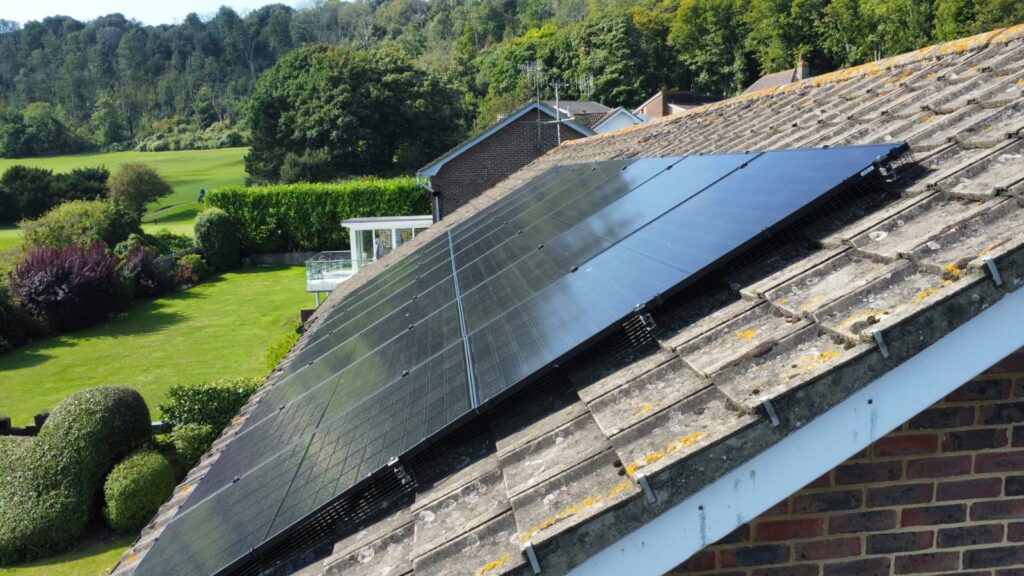
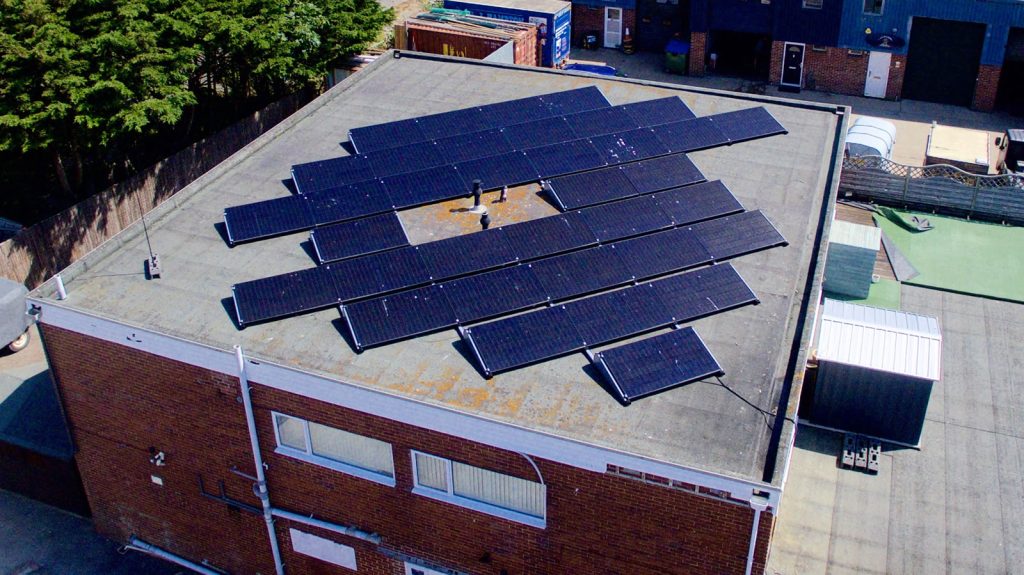
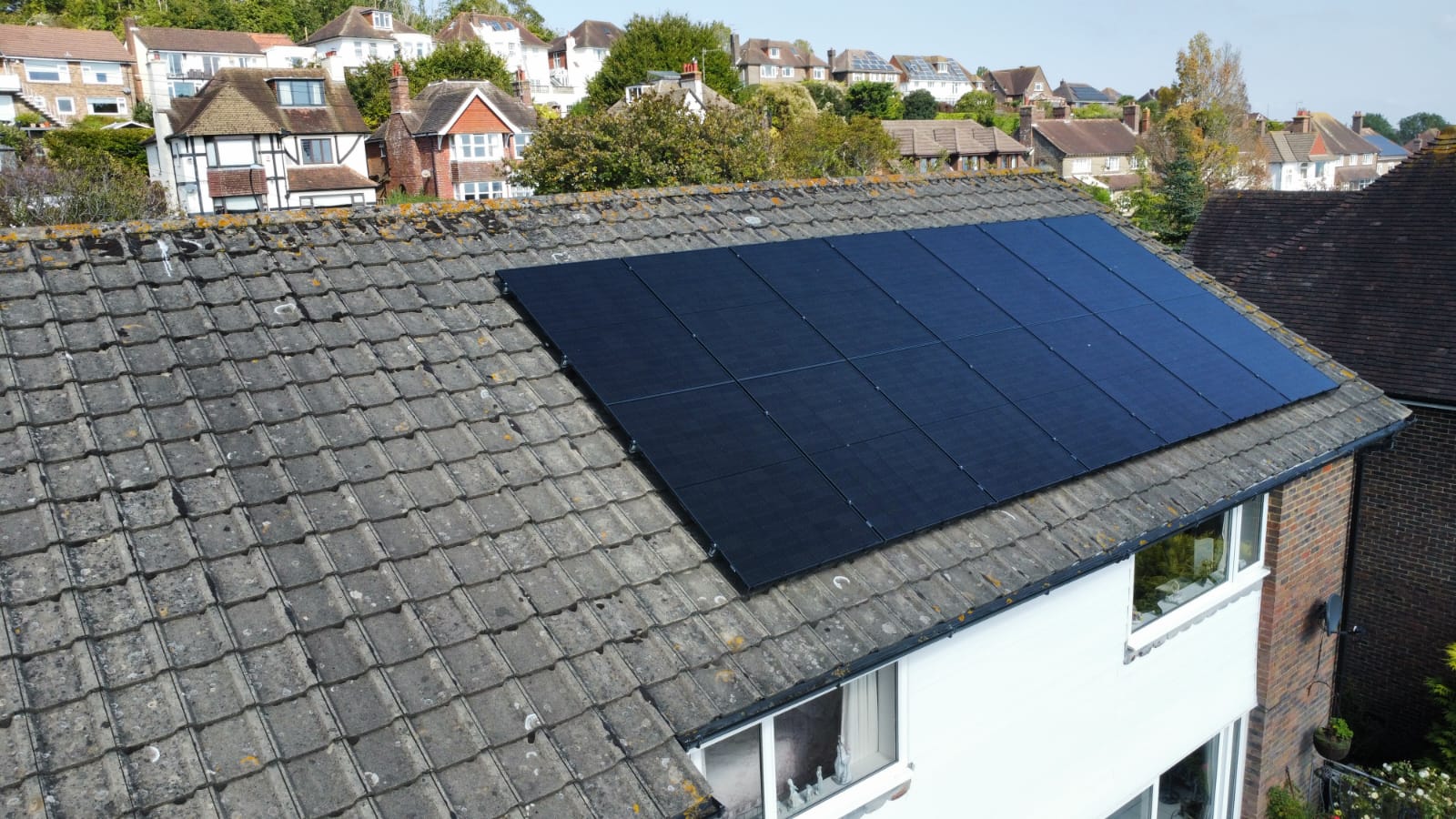
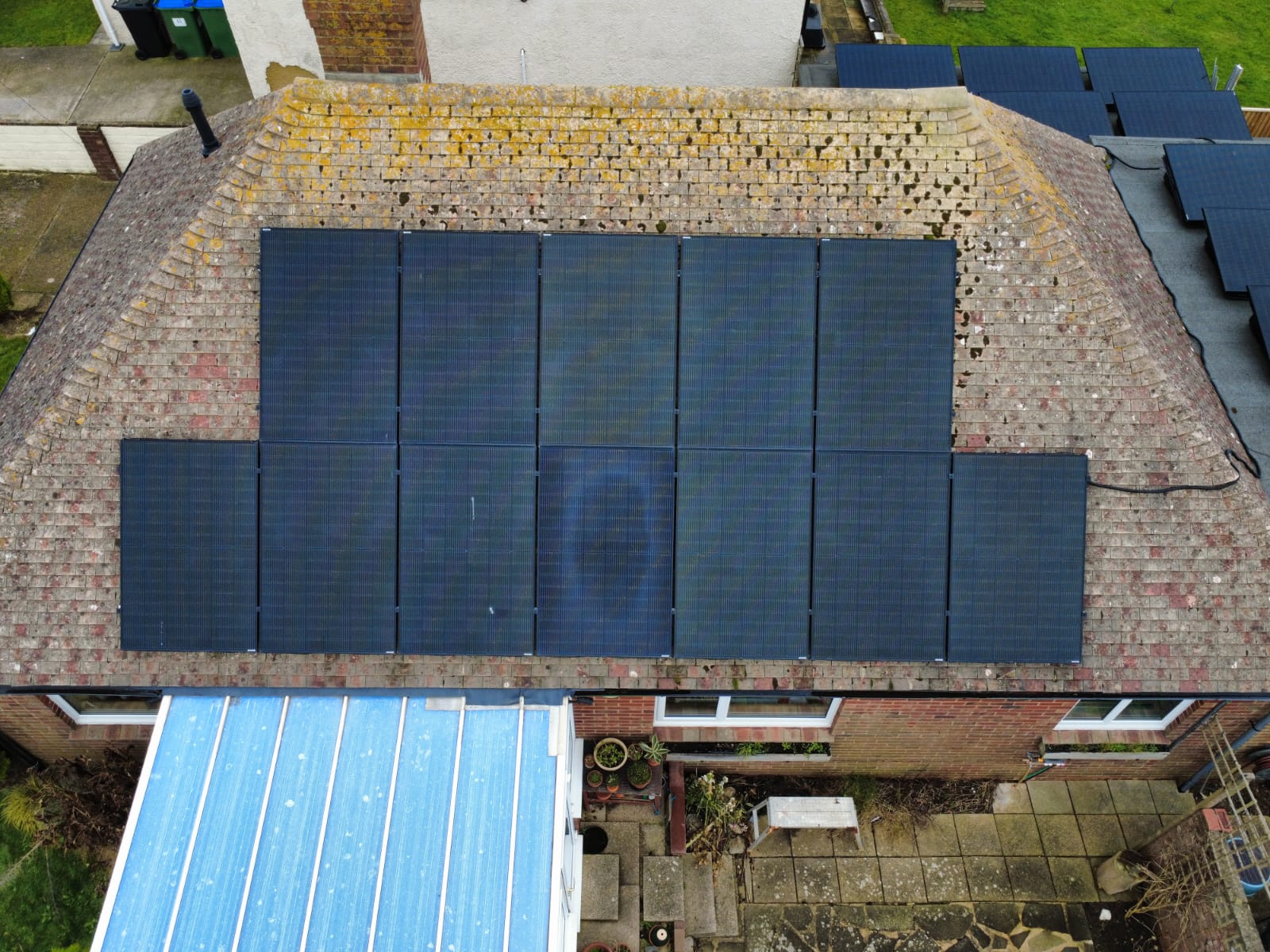
If you are considering solar panels for your home, choosing an experienced installer is an important first step. My Home Solar provides professional solar panel installations in Dorchester, helping homeowners generate renewable electricity and make better use of the energy available from their property.

With an office based in Dorchester, our team can help you explore a solar system designed around your home, electricity consumption and individual requirements.

From your initial consultation through to system design and professional installation, we aim to make switching to solar straightforward.

Professional Solar Panel Installers in Dorchester

Every home is different, which is why an effective solar installation should begin with an understanding of the property and the people living there.

At My Home Solar, we consider factors such as your available roof space, roof orientation, household electricity consumption and future energy requirements before recommending a suitable system.

Our team can then design a solar installation around your property rather than taking a one size fits all approach.
solar panels

Why Install Solar Panels on Your Dorchester Home?

Installing solar panels allows your home to generate renewable electricity during daylight hours. Instead of relying entirely on electricity supplied through the grid, you can use energy generated directly from your own roof.

For many homeowners, reducing electricity costs is one of the principal reasons for considering solar. The amount you could save will depend on several factors, including the size of your system, your electricity consumption and how much of the electricity you generate you use at home.

Solar panels can also help you reduce your reliance on grid electricity and lower the carbon footprint associated with your household energy use.

Rather than choosing a system based solely on the number of panels, My Home Solar can assess your requirements and recommend an installation appropriate for your property.

Solar Panels and Battery Storage

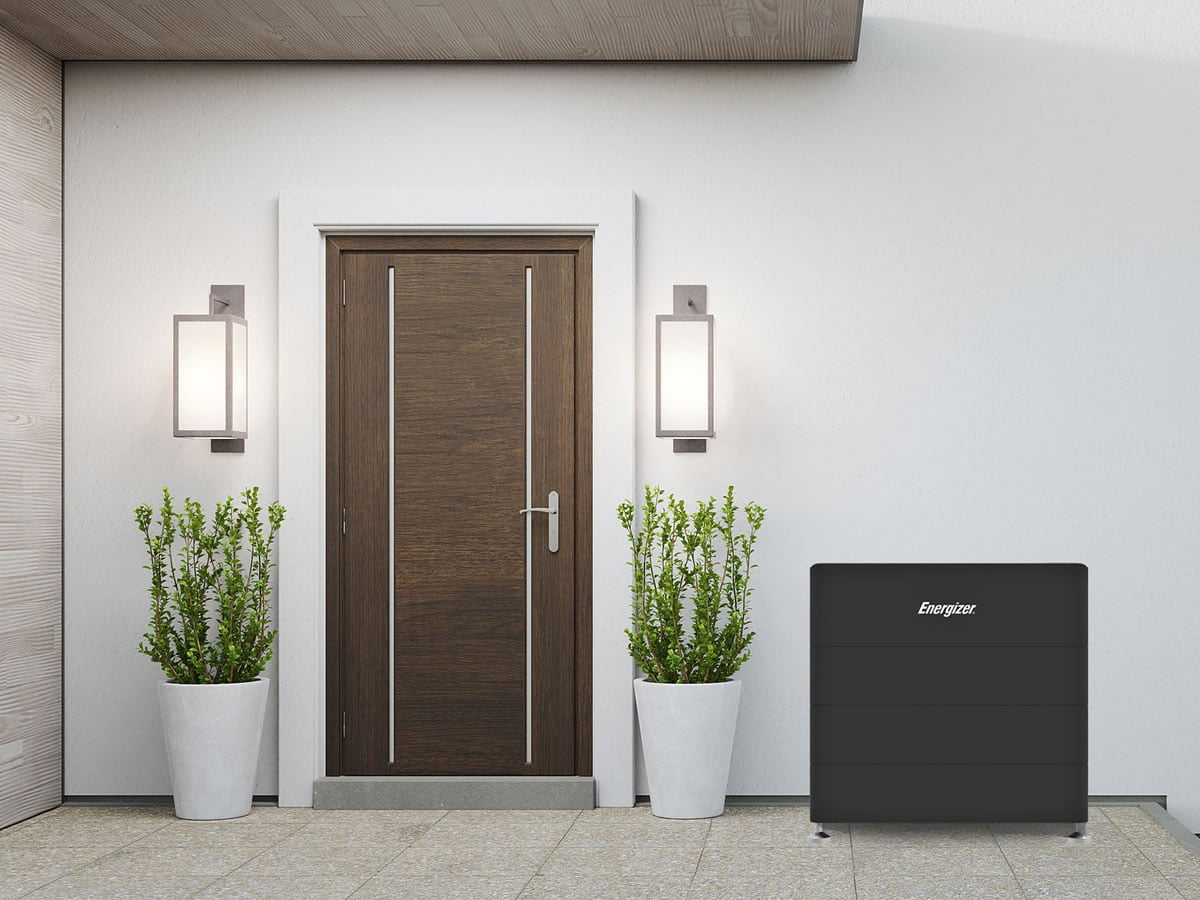
If you want to make greater use of the electricity generated by your solar panels, you may also wish to consider battery storage.

Your solar panels will often generate electricity at times when your household does not need to use all of it immediately. A compatible solar battery can store some of this surplus electricity so that you can use it later.

For example, you may be able to use stored solar energy during the evening when your panels are generating less electricity but your household demand remains relatively high.

Combining solar panels with suitable battery storage can therefore give you greater control over how and when you use the electricity generated at your property.

Our team can discuss the solar battery options available and help you decide whether battery storage would be worthwhile for your home.
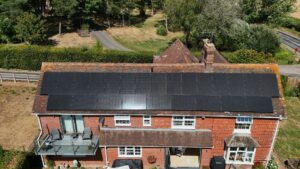
solar panels installation

Your Solar Installation in Dorchester

We aim to make arranging solar panel installations in Dorchester as simple as possible.

The process begins with an assessment and consultation to understand your property and energy requirements. We can then design a solar system based on factors including your home’s architecture and typical electricity consumption.

Once you are happy with the proposed system, our experienced installers can complete the installation with careful attention to safety, efficiency and the overall finish.

After installation, you can begin generating renewable electricity from your new solar panel system.

Why Choose My Home Solar?

Choosing a solar installer is a significant decision. Your solar panels could remain part of your home for many years, so you need confidence in both the system and the company responsible for installing it.

My Home Solar is MCS certified and RECC approved. We are also an Octopus Trusted Partner, providing homeowners with further reassurance when choosing us for solar panels and battery storage.

Our approach centres on understanding what you want from your system before recommending an appropriate solution. We can guide you through the process, answer your questions and help you understand which solar options suit your property.

Our Dorchester office also gives us a direct presence in the town, making My Home Solar a natural choice for local homeowners considering an investment in renewable energy.
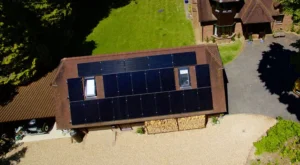
solar panels

Request a Free Solar Quote in Dorchester

If you are thinking about installing solar panels in Dorchester, the next step is to find out what could work for your property.

My Home Solar offers a free, no obligation home survey that reviews your energy usage and spending. We can then provide a personalised assessment of how solar could work for your household.

Contact My Home Solar today to request your free solar quote and start exploring a system designed around your home.

Frequently Asked Questions

Can I get a free solar quote in Dorchester?

Yes. My Home Solar offers a free quotation as well as a free, no obligation home survey to assess your energy requirements and help determine a suitable solar system.

Can I install a solar battery with my panels?

Yes. My Home Solar provides solar battery storage alongside solar panel installations. A battery can store surplus electricity generated by your panels so that you can use more of your own energy later.

How do I know what size solar system I need?

The right system depends on your property and electricity requirements. Factors such as roof space, orientation and household energy consumption can influence the design. My Home Solar can assess these details before recommending an appropriate system.
What Are the Tax Benefits of Commercial Solar Panels in the UK?

How Commercial Solar Panels Benefit Businesses

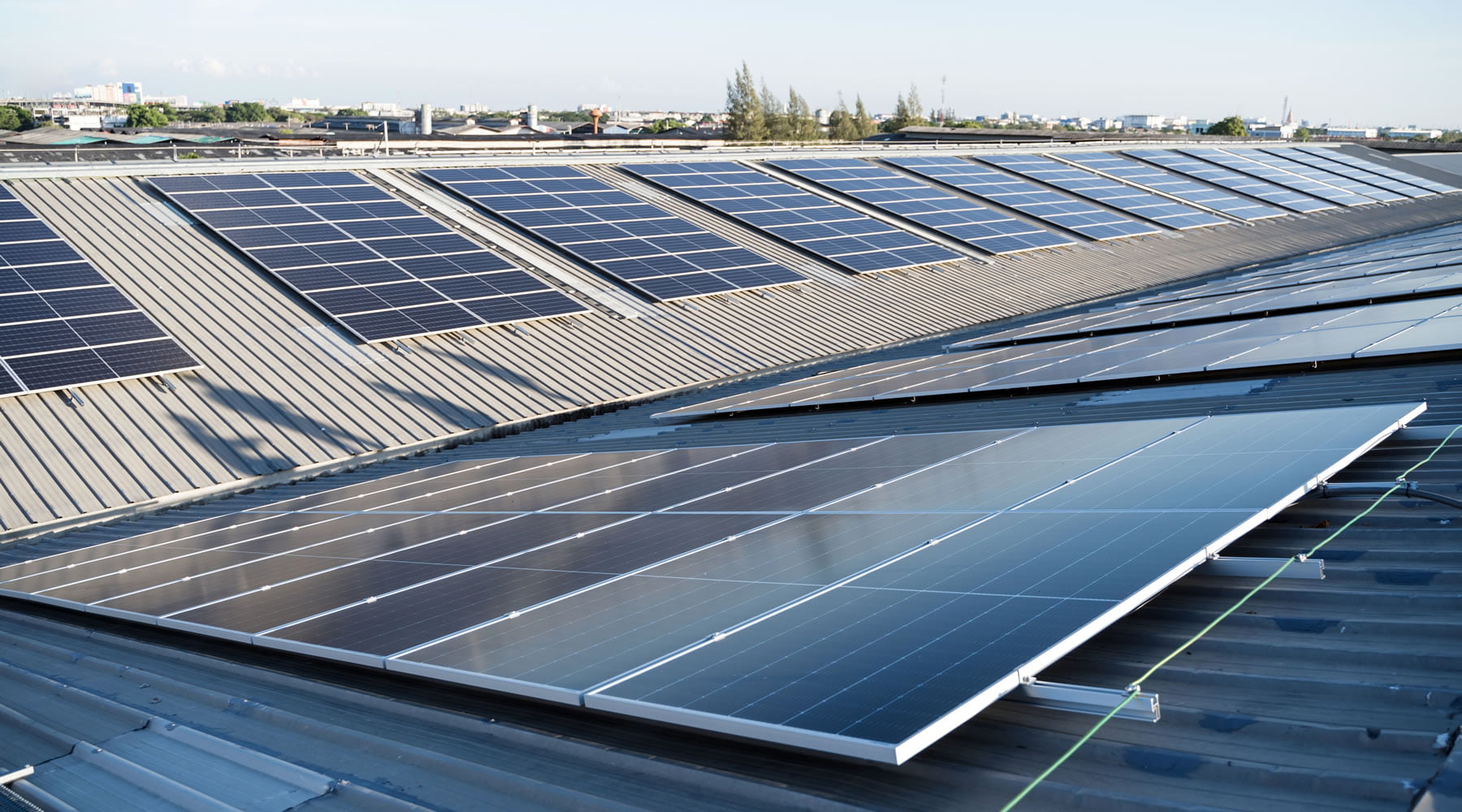
Commercial solar panels convert sunlight into usable electricity that can power offices, warehouses, farms, retail units, schools, and industrial buildings. Any excess electricity generated can often be exported back to the grid, creating an additional income stream or energy credit depending on the system setup.

For businesses operating during daylight hours, solar panels can dramatically reduce reliance on expensive grid electricity. This is particularly valuable for organisations with high daytime consumption such as hospitality venues, manufacturing facilities, logistics centres, and agricultural operations.

Battery storage systems can also store excess electricity for use later in the day, helping businesses maximise efficiency and further reduce energy expenditure.

Many Dorset businesses are now recognising that solar is no longer simply a sustainability initiative. It has become a practical method of controlling overheads in an increasingly unpredictable energy market.

The Main Tax Benefits of Commercial Solar Panels in the UK

One of the strongest financial incentives for commercial solar comes through the UK tax system. Several forms of tax relief can significantly reduce the overall cost of installation.

Annual Investment Allowance

The Annual Investment Allowance allows eligible businesses to deduct the full cost of qualifying equipment from taxable profits. Commercial solar panel systems often qualify under these rules, meaning businesses may be able to claim substantial tax relief during the same financial year as installation.

This can have a major impact on overall return on investment. Instead of spreading deductions across many years, companies may reduce their corporation tax liability far more quickly.

For example, if a Dorset business invests £50000 in a commercial solar installation and qualifies for the allowance, that amount may be deducted from taxable profits. This can create a considerable reduction in corporation tax depending on the company’s financial position.

For many organisations, this alone makes commercial solar significantly more affordable than expected.

Capital Allowances

Commercial solar panels may also qualify for capital allowances, which enable businesses to claim tax relief on investments in qualifying equipment and machinery.

Capital allowances are designed to encourage companies to invest in assets that improve efficiency and productivity. Renewable energy technologies often fall within these categories due to their contribution to sustainability and reduced carbon emissions.

The exact amount businesses can claim will depend on current HMRC guidance and the structure of the installation, so professional financial advice is always recommended. However, many UK companies are successfully using capital allowances to offset a substantial proportion of installation costs.

Reduced Corporation Tax Exposure

Commercial solar systems reduce electricity expenditure, which naturally improves profitability over time. At first glance this may appear unrelated to taxation, but the long term effect on financial stability can be considerable.

By reducing operating costs month after month, businesses strengthen cash flow and protect themselves against volatile energy pricing. Over several years, these savings can amount to tens or even hundreds of thousands of pounds depending on the size of the system.

For businesses operating on tight margins, this level of predictability is extremely valuable.

VAT Considerations

VAT treatment for commercial solar installations differs from domestic systems and depends on the nature of the business and the installation itself. Some businesses may be able to reclaim VAT on solar installations where they are VAT registered.

This can further reduce overall project costs and improve return on investment. Because VAT rules can vary according to sector and usage, businesses should always seek guidance from an accountant or tax adviser before proceeding.

How Much Can Businesses Save With Commercial Solar?

One of the most common questions businesses ask is whether commercial solar truly delivers worthwhile savings. In most cases, the answer is yes.

A medium sized warehouse in Bournemouth with high daytime electricity usage could potentially save thousands of pounds each year through solar generation alone. Larger industrial sites may save considerably more.

While every property differs, many commercial systems begin delivering noticeable reductions in electricity costs immediately after installation.

Typical benefits include:

• Lower monthly electricity bills
• Reduced exposure to rising energy prices
• Long term operational savings
• Improved financial forecasting
• Potential export income from unused electricity

Payback periods vary depending on system size and energy consumption, though many commercial installations achieve strong returns within several years.

Importantly, solar panels continue generating electricity for decades, meaning the financial benefits extend well beyond the initial return on investment period.

Why Commercial Solar Makes Sense for Different Industries

Farms and Agricultural Businesses

Agricultural properties often have extensive roof space and high energy consumption, making them ideal candidates for commercial solar installations.

Solar energy can support grain drying systems, refrigeration, irrigation equipment, and livestock facilities while reducing ongoing operating expenses.

For farms across Dorset, solar also provides greater energy independence during periods of fluctuating utility costs.

Warehouses and Logistics Centres

Warehouses typically operate during daylight hours and consume substantial electricity for lighting, equipment, and automation systems.

Large roof surfaces provide excellent opportunities for substantial solar generation, allowing logistics businesses to significantly reduce energy costs.

Offices and Commercial Premises

Office buildings benefit from lower daytime electricity expenditure while also strengthening sustainability credentials. Many businesses now recognise that visible environmental commitments positively influence customer perception and corporate reputation.

Hospitality Businesses

Hotels, restaurants, and hospitality venues often face exceptionally high electricity costs due to heating, refrigeration, lighting, and kitchen equipment.

Commercial solar helps offset these expenses while demonstrating environmental responsibility to increasingly eco conscious customers.

Schools and Educational Facilities

Educational institutions are increasingly investing in renewable energy as part of broader sustainability initiatives. Solar installations help reduce operating costs while supporting environmental education and carbon reduction targets.

The Environmental Benefits of Commercial Solar

Although financial savings are often the primary motivation, the environmental advantages of commercial solar should not be overlooked.

Businesses are under increasing pressure to reduce carbon emissions and demonstrate responsible environmental practices. Customers, investors, and stakeholders are paying closer attention to sustainability than ever before.

Commercial solar panels help businesses:

• Reduce carbon emissions
• Improve ESG performance
• Demonstrate environmental leadership
• Enhance public perception
• Support national renewable energy goals

For Dorset and Bournemouth businesses, sustainability is becoming a genuine competitive advantage rather than a marketing exercise.

Why Dorset and Bournemouth Businesses Are Investing in Solar

Across the South Coast, commercial solar installations have increased significantly in recent years. Rising electricity costs combined with improved solar technology have made installations more attractive and financially viable.

Many Bournemouth businesses are now seeking greater protection from energy market instability. Meanwhile, Dorset companies with agricultural, industrial, or commercial premises are increasingly recognising the long term value of renewable energy investment.

Local businesses are also responding to growing customer demand for environmentally responsible operations. Sustainability now influences purchasing decisions across multiple sectors, from hospitality and retail to manufacturing and professional services.

As a trusted local provider, My Home Solar has seen first hand how commercial solar is helping South Coast businesses strengthen both profitability and environmental performance.

Frequently Asked Questions

Are commercial solar panels tax deductible in the UK?

Many commercial solar installations qualify for tax relief through schemes such as the Annual Investment Allowance and capital allowances. Businesses should consult a qualified accountant for guidance specific to their circumstances.

Can businesses claim capital allowances on solar panels?

Yes, eligible businesses may be able to claim capital allowances on qualifying commercial solar equipment under current HMRC guidance.

Is there VAT on commercial solar installations?

Commercial solar installations are generally subject to VAT, though VAT registered businesses may be able to reclaim some or all of the cost depending on the project.

How long does commercial solar take to pay for itself?

Payback periods vary depending on energy usage, installation size, and electricity costs. Many businesses begin seeing strong returns within several years.

Are solar panels worth it for farms and warehouses?

Yes. Farms and warehouses often benefit significantly due to high daytime electricity usage and large available roof areas.

Can small businesses benefit from commercial solar?

Absolutely. Smaller businesses can still achieve meaningful energy savings and tax advantages, particularly when electricity costs are high.

Final Thoughts

Commercial solar panels are no longer viewed as a niche environmental investment. They are now one of the most practical and financially beneficial upgrades available to UK businesses.

From tax relief and capital allowances to long term energy savings and improved sustainability, the advantages are substantial. For businesses throughout Dorset and Bournemouth, commercial solar offers a genuine opportunity to reduce costs, strengthen resilience, and future proof operations against rising energy prices.

At My Home Solar, we help businesses understand exactly how commercial solar can work for their property, budget, and long term goals. Whether you operate a warehouse, farm, office, hospitality venue, or retail premises, our experienced team can provide expert guidance tailored to your needs.

To find out how much your business could save, contact My Home Solar today to arrange a commercial solar survey or request a personalised quotation.

How Will UK Energy Policy Changes Affect Home Solar Panels?

Export Tarrifs

Energy policy rarely makes for light reading, yet in 2025 it has become a kitchen table subject. Between revisions to VAT, evolving export tariffs and renewed commitments to net zero, government decisions now shape how households in Dorset and the Midlands think about solar panels.

For many homeowners, the question is no longer whether solar works, but whether policy makes it worthwhile. The reassuring truth is that recent changes have, on balance, strengthened the case for home solar. The detail matters, however, and understanding what lies behind the headlines can help you make a measured and confident decision.


Why Energy Policy Matters More Than Ever

The United Kingdom remains legally committed to achieving net zero carbon emissions by 2050. That long term objective influences everything from building regulations to grid reform. In practical terms, it means successive governments have continued to support domestic renewable generation.

At the same time, energy price volatility has left households wary. Although the energy price cap offers some protection, it does not insulate homeowners from global market pressures. Policy now seeks to balance consumer protection with energy security and decarbonisation. Home solar panels sit at the centre of that balance.

For homeowners in Dorset, where sunlight levels are favourable, and across parts of the Midlands with suitable roof space and rising demand, policy adjustments can directly influence installation costs, payback periods and long term savings.


VAT Changes and Installation Costs

One of the most significant policy decisions in recent years has been the reduction of VAT on domestic solar panel installations. The continuation of zero rated VAT on solar and battery storage has materially lowered upfront costs for households.

For a typical residential system, this can represent a saving of several thousand pounds compared with historical rates. In straightforward terms, it means more of your investment goes into the system itself rather than into tax.

For homeowners considering solar panels in Dorset or the Midlands, this policy provides greater financial clarity. Lower initial expenditure shortens the time it takes for energy bill savings to offset installation costs. In an environment of uncertain energy prices, that improved return on investment is not trivial.


The Smart Export Guarantee and Earning from Your Roof

The Smart Export Guarantee, commonly referred to as the SEG, obliges licensed electricity suppliers to pay households for surplus electricity exported back to the grid.

Policy refinements in recent years have focused on ensuring greater transparency and competition between tariffs. While rates vary between suppliers, the principle remains consistent. If your system produces more electricity than you use, you are paid for the excess.

In Dorset and the Midlands, where many homes have suitable south facing or west facing roofs, this can meaningfully enhance the economics of a system. It transforms solar from a tool of self sufficiency into a modest income generating asset.
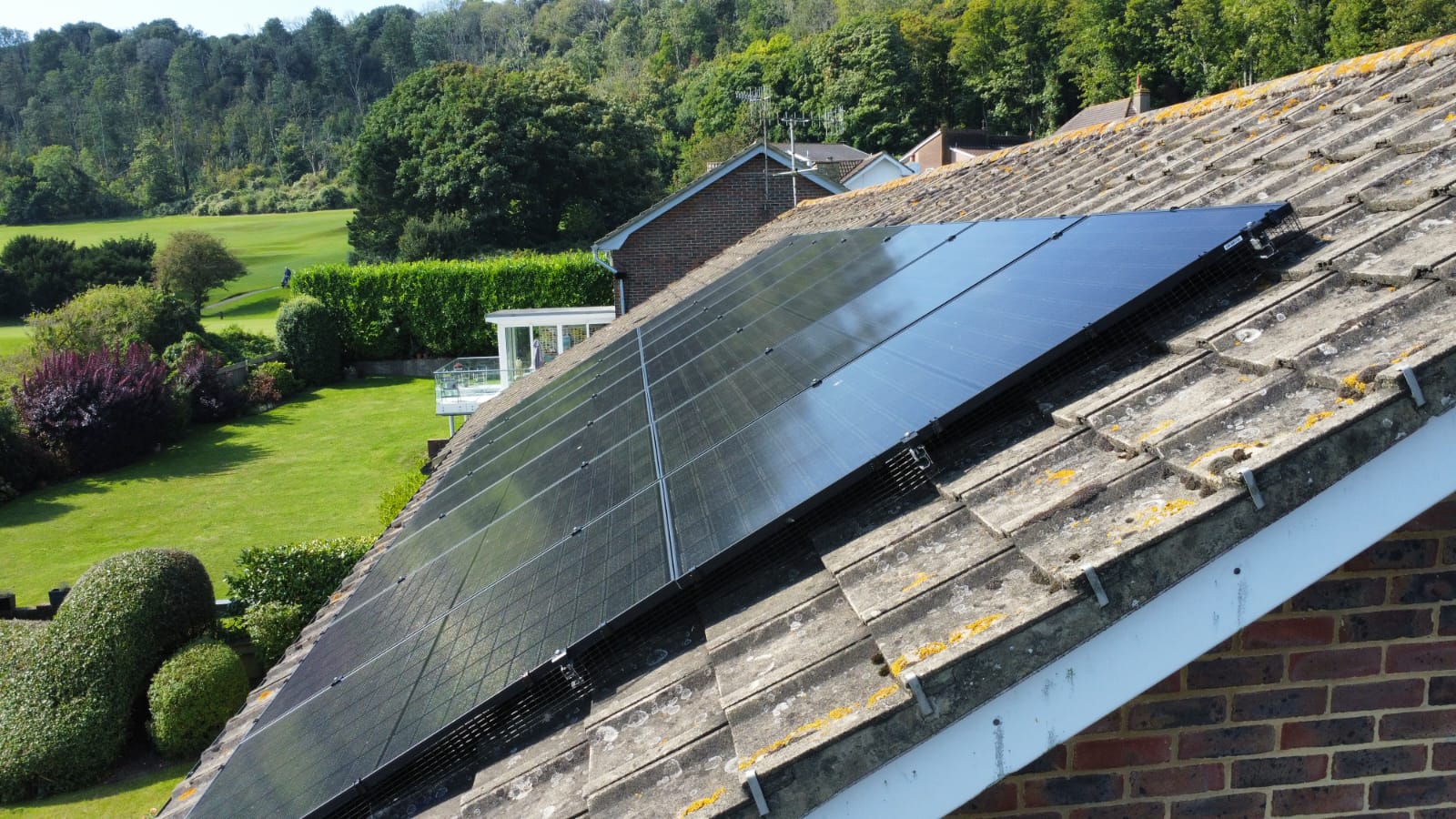
Energy policy has not fixed export rates at a single national figure, but by maintaining the framework, it has preserved the ability for households to participate in the wider energy market.

Energy Price Caps and Market Volatility

The energy price cap continues to influence household bills, yet it should not be mistaken for a guarantee of low prices. It is a ceiling, not a subsidy. When wholesale costs rise, the cap follows.

Policy makers are acutely aware of this volatility. The strategic emphasis on domestic renewable generation, including rooftop solar, reflects a desire to reduce dependence on imported fuels.

For the individual homeowner, this has a clear implication. Installing solar panels reduces exposure to external price shocks. The electricity you generate on your own roof is unaffected by geopolitical tension or wholesale market swings.

In a region such as Dorset, with strong solar potential, or across large parts of the Midlands where household consumption is substantial, this insulation from volatility carries both financial and psychological value.


Net Zero Targets and Future Regulation

The legal commitment to net zero continues to shape planning and housing policy. While there is currently no universal mandate for existing homes to install solar panels, new build standards are tightening, and future regulatory shifts remain plausible.

Forward looking homeowners often view solar installation as a form of future proofing. As efficiency standards evolve, properties equipped with renewable generation are likely to remain more attractive in the housing market.

Policy direction suggests that distributed generation will play a growing role in the national grid. Installing solar panels now aligns your home with that trajectory rather than leaving you to adapt later under less favourable conditions.

The Growing Importance of Battery Storage

Energy policy has increasingly recognised the importance of storage in stabilising the grid. As a result, battery systems now benefit from favourable VAT treatment when installed alongside solar panels.

For homeowners, battery storage changes the equation entirely. Instead of exporting surplus electricity at SEG rates, you can store it for use during the evening when grid electricity is most expensive.

Systems such as the Growatt battery, the Tesla Powerwall and the Panasonic EverVolt have become common considerations. Each offers different capacities and smart management features, yet the policy environment has made them more accessible than ever before.

In practical terms, battery adoption increases self consumption and enhances energy independence. In Dorset and the Midlands alike, where family homes often experience peak evening demand, this can significantly improve overall savings.


Government Incentives and Local Opportunities

While large scale national grant schemes have evolved over time, the broader policy environment remains supportive. Local authorities and regional initiatives occasionally provide supplementary incentives, particularly where housing retrofit targets are ambitious.

Homeowners are often surprised to discover how policy alignment between national net zero commitments and local sustainability objectives creates a favourable climate for domestic solar adoption.

A measured consultation with a knowledgeable installer can clarify which incentives apply in your area and how they interact with export tariffs and battery options.


What This Means for Your Return on Investment

When viewed collectively, recent energy policy changes have reinforced the financial logic of home solar. Zero rated VAT lowers the barrier to entry. The Smart Export Guarantee rewards surplus generation. Continued net zero commitments signal long term governmental support for renewable infrastructure.

Return on investment will always depend on roof orientation, household consumption patterns and system size. Yet in Dorset and across the Midlands, many households now achieve payback periods that compare favourably with other forms of home improvement.

Crucially, the benefits extend beyond arithmetic. Reduced reliance on grid electricity provides a degree of autonomy that many homeowners now value highly.

Why Regional Expertise Matters

Energy policy is national, but implementation is local. Planning considerations, roof types and property styles vary considerably between coastal Dorset and urban or semi rural parts of the Midlands.

Working with an experienced installer who understands both the regulatory landscape and regional characteristics can ensure your system is optimised not only for sunlight, but for compliance and long term performance.

My Home Solar has seen first hand how policy shifts translate into real decisions for households. Clear guidance, transparent quotations and a thoughtful approach to battery integration can transform policy complexity into practical advantage.


Frequently Asked Questions

Will UK energy policy continue to support home solar panels?

Current net zero legislation and VAT policy strongly suggest continued support. While specific schemes may evolve, the broader strategic direction remains favourable to domestic renewable generation.

How does the Smart Export Guarantee affect my savings?

The SEG allows you to earn from surplus electricity exported to the grid. While rates vary by supplier, it can improve overall system returns, particularly during sunnier months.

Are batteries worth adding under current policy?

With zero rated VAT and growing emphasis on grid stability, battery systems such as Growatt battery solutions, Tesla Powerwall and Panasonic EverVolt can enhance savings by increasing self consumption.


A Reassuring Outlook for Homeowners

Energy policy can appear intricate, yet its direction is clear. The United Kingdom is committed to decarbonisation, and households are expected to play a meaningful role in that transition.

For homeowners in Dorset and the Midlands, recent policy adjustments have strengthened the economic case for solar panels and battery storage. Lower VAT, a functioning export framework and sustained net zero commitment collectively create a supportive environment.

If you are considering solar, the most prudent step is an informed conversation. My Home Solar offers measured guidance rooted in both policy awareness and regional expertise. With clarity and careful planning, your roof can become not only a source of clean energy, but a considered investment in your home’s future.

Error: Contact form not found.

What is Usable Capacity vs Rated Capacity in Solar Battery Systems?

Renewable Energy

As more homeowners across Dorset and the South Coast choose to invest in renewable energy, solar batteries have become one of the most talked-about technologies in modern homes. They allow you to store excess power generated by your solar panels, giving you greater independence from the grid and lower energy bills.

But as you start researching battery options, you’ll come across two terms that can be confusing usable capacity and rated capacity. They sound similar, but understanding the difference between them is essential if you want to make an informed decision about your solar battery system.
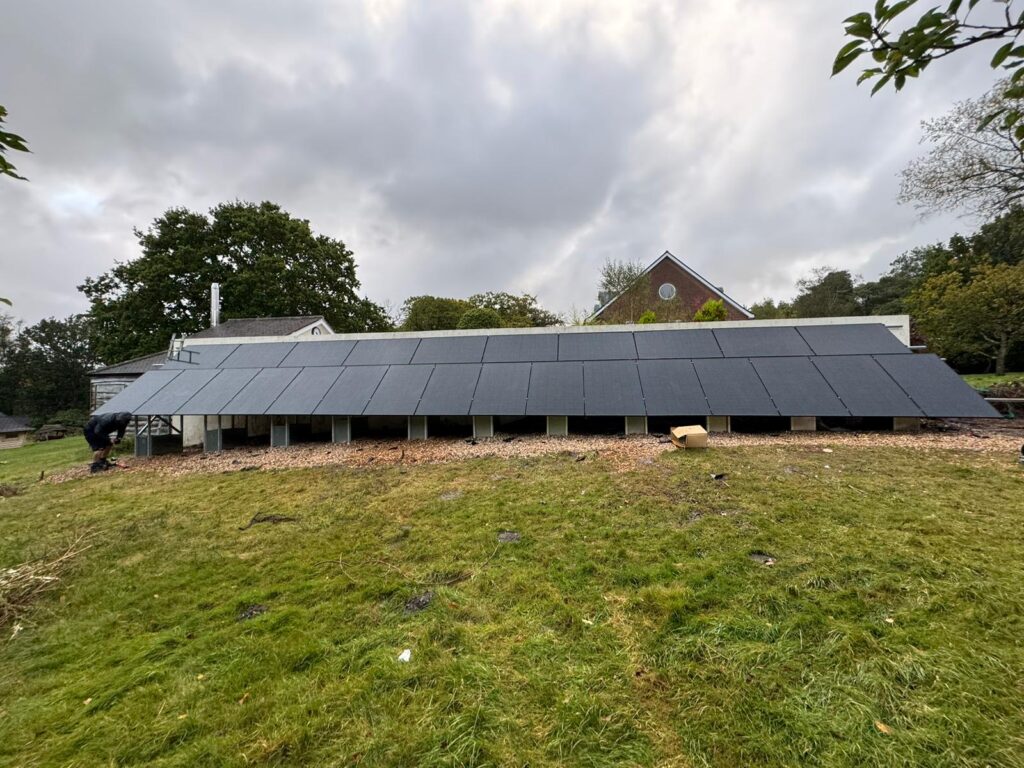
In this guide, we’ll break down what each term means, why the difference matters, and how popular battery systems like the Growatt battery, Panasonic EverVolt, and Enphase Energy compare in real-world use. We’ll also explore how these systems work alongside technologies such as SolarEdge, Solis inverters, SunPower Maxeon panels, and Jaso Solar modules to create efficient, high-performance solar setups across Dorset.

solar panels in dorset

Understanding Solar Battery Capacity

Every solar battery is designed to store a specific amount of energy, usually measured in kilowatt-hours (kWh). However, not all of that energy is actually usable. To understand why, let’s first define the two main terms used to describe battery size and performance.

Rated Capacity

Rated capacity refers to the total amount of energy a battery can theoretically store when it’s brand new, straight from the manufacturer. It’s the figure you’ll usually see on spec sheets or product brochures.

For example, if a battery has a rated capacity of 10 kWh, that means it can technically hold up to 10 kilowatt-hours of energy. But in real-life use, you won’t be able to access all of it.

Usable Capacity

Usable capacity is the portion of the battery’s total capacity that you can actually use. Most batteries are designed with a small amount of stored energy that remains untapped to prevent deep discharging, which can damage the battery and shorten its lifespan.

So, a 10 kWh battery might only offer 9 kWh of usable energy. That remaining 1 kWh acts as a buffer to protect the internal cells and ensure long-term reliability.


Why the Difference Matters

The difference between rated and usable capacity directly affects how much energy you can store and use in your home.

If you’re comparing two solar battery systems, one with a rated capacity of 10 kWh and 90% usable capacity, and another with a rated capacity of 10 kWh but only 80% usable capacity, the first system will give you an extra kilowatt-hour of usable energy each day.

Over time, that adds up to significant savings and greater efficiency, particularly for homes in Dorchester or Poole where energy demands can fluctuate throughout the year.


How Depth of Discharge Affects Capacity

Another factor that influences usable capacity is Depth of Discharge (DoD) the percentage of the battery that can be used before it needs recharging.

For instance, a battery with a DoD of 90% means you can safely use 90% of its stored energy without harming its lifespan. Manufacturers like Growatt, Enphase Energy, and Panasonic EverVolt typically offer DoD ratings between 90% and 95%, ensuring a good balance between performance and durability.

High DoD values are ideal for home solar panels in Dorchester, where weather and daylight hours vary seasonally, giving homeowners the flexibility to rely on stored energy during long winter nights.

solar panels in dorset

Choosing the Right Solar Battery for Your Home

When choosing a solar battery, it’s important to look beyond marketing numbers. Rated capacity can sound impressive, but usable capacity is what truly determines how much energy you’ll benefit from daily.

Here’s what to consider before making your decision:

  • Energy usage: Review your household’s daily electricity consumption and match it with a system that offers enough usable capacity to cover your needs.
  • Scalability: Choose modular systems like Growatt that allow you to expand storage later.
  • Compatibility: Ensure your inverter, panels, and battery are all compatible. SolarEdge, Solis, and Enphase offer strong integration options.
  • Warranty and lifespan: Quality brands like Panasonic, Enphase, and SunPower often provide warranties of 10 years or more, giving you peace of mind and long-term savings.
three solar batteries mounted on a garage wall

How Usable Capacity Impacts Your Energy Savings

The more usable capacity your battery has, the more self-sufficient your home becomes. With higher usable energy, you’ll rely less on grid electricity during the evenings and can even store enough power to offset cloudy days.

In areas like Dorchester, where energy prices are rising and sustainability is becoming a key household priority, choosing the right system could save hundreds of pounds annually.

For example:

  • A Growatt battery with 93% usable capacity might provide 9.3 kWh of accessible power daily from a 10 kWh system.

  • A Panasonic EverVolt with 90% usable capacity gives 9 kWh.
  • Over a year, that small difference can add up to an extra 100–150 kWh of usable energy, depending on usage patterns.
Solaregde home battery

FAQs

What is the difference between rated and usable capacity in solar batteries?
Rated capacity is the total amount of energy a battery can hold, while usable capacity is the portion you can actually use. The difference protects the battery from over-discharge and extends its lifespan.

Why can’t I use all the energy in my solar battery?
Manufacturers reserve a small portion of stored energy to prevent deep discharge, which can cause damage. This is why usable capacity is slightly lower than rated capacity.

Which solar batteries have the highest usable capacity?
Brands like Growatt, Panasonic EverVolt, and Enphase Energy are known for high usable capacity ratios, offering excellent real-world performance.

What is a good Depth of Discharge for home solar batteries?
Anything above 90% is considered very good. Most modern systems from Enphase, Panasonic, and Growatt fall into this range.

How can My Home Solar help me choose the right system?
My Home Solar offers expert advice and installation across Dorset and the South Coast. They assess your home’s energy profile and recommend the best mix of panels, inverters, and batteries for long-term efficiency.


Final Thoughts

When comparing solar battery systems, always look at usable capacity, not just the rated number on the brochure. It’s the most accurate indicator of how much stored power your home will actually benefit from each day.

Whether you choose a Growatt battery, Panasonic EverVolt, or Enphase Energy system, pairing it with efficient SunPower Maxeon or Jaso Solar panels and smart inverter technology like SolarEdge or Solis will give you exceptional performance and long-term savings.

At My Home Solar, we design, install, and maintain systems built around your lifestyle helping Dorset homeowners make the most of the sun, every single day.

If you’re ready to find out which system is right for you, get in touch with My Home Solar today for expert guidance and a free quote.

Error: Contact form not found.

What Warranties and Certifications Should I Check When Buying Solar Panels?

Warranties and Certifications

Investing in solar energy is one of the smartest long-term decisions a homeowner in Dorset can make. Whether you’re focused on cutting electricity costs, reducing your carbon footprint, or increasing the value of your home, solar technology offers substantial benefits.

But one aspect that’s often overlooked is the importance of warranties and certifications. These are more than just fine print — they’re your protection against poor workmanship, faulty equipment, or unexpected breakdowns.

In this guide, we’ll explain exactly what to look for — especially if you’re comparing Growatt battery vs Tesla, considering SunPower Maxeon 7 panels, or looking into systems like Panasonic EverVolt.

panasonic evervolt

Why Warranties Matter

When it comes to solar panels and battery systems, longevity and reliability are crucial. Warranties ensure that the products you’ve invested in continue to perform as promised — and protect you if they don’t.

Without proper warranties, you might find yourself stuck with costly repairs or replacements. These protections also reflect how much confidence a manufacturer or installer has in their own work. A reliable warranty is a sign of quality and accountability.


The Main Types of Warranties to Look For


Product Warranty

This covers defects in materials or workmanship. Top-tier panels like the SunPower Maxeon 7 offer up to 40 years of product coverage, which is far above industry standard.

Batteries such as the Growatt or Panasonic EverVolt typically come with 10-year warranties. Always read the fine print to understand what’s covered and under what conditions.

Performance Guarantee

Over time, all solar panels lose a bit of efficiency. Performance warranties guarantee that your panels will still operate at a high percentage of their original output after 25 years. The SunPower Maxeon 7, for example, has one of the lowest degradation rates in the industry.

Inverter and Battery Warranties

A Tesla Powerwall comes with a 10-year warranty and guarantees around 70% capacity retention by the end of that term. Growatt batteries offer similar warranties, making them a solid alternative.

When comparing a Growatt battery vs Tesla, warranty terms — along with performance and after-sales support — are key considerations.


Certifications: What to Look For in the UK

MCS (Microgeneration Certification Scheme)

If your solar system isn’t MCS-certified, you won’t qualify for incentives like the Smart Export Guarantee. MCS also ensures your products and installers meet rigorous quality standards.

RECC (Renewable Energy Consumer Code)

This consumer protection scheme ensures that installers follow fair trading practices and provide transparent quotes and contracts.

NICEIC

If your installation involves any electrical work — and it will — NICEIC certification ensures the work meets national safety standards.

TrustMark

This is the UK government-endorsed quality standard. It shows your installer has been vetted for technical competence and customer service.

solar growatt battery

FAQs

Q: What is a good warranty for solar panels?
A: Look for product and performance warranties of 25–40 years. SunPower Maxeon 7 leads the way here.

Q: How long do solar batteries last?
A: Most, like Growatt or Tesla Powerwall, offer a 10-year warranty. Actual lifespan depends on usage and environmental conditions.

Q: What certifications should my installer have?
A: At minimum, MCS and RECC. NICEIC and TrustMark are additional assurances of quality and safety.


Ready to Power Up Your Home?

Warranties and certifications aren’t just red tape — they’re essential to protecting your investment and ensuring your solar system performs for decades.

At My Home Solar Dorchester, we install only certified, premium systems — including SunPower Maxeon 7 panels, Growatt batteries, and Panasonic EverVolt storage solutions — backed by trustworthy warranties and accreditation.

Contact us today for expert advice, a no-obligation quote, and energy solutions that are built to last.

Error: Contact form not found.

Cut Carbon and Costs: 2024’s Best Solar Options for Sustainable Living

Why Solar Energy Matters for UK Homes

Transitioning to sustainable energy is no longer just an environmental choice—it’s a financial and lifestyle upgrade for UK homeowners. With energy costs soaring and climate change at the forefront of global conversations, solar technology has become a game-changer. From cutting carbon emissions to reducing electricity bills, embracing solar energy is an investment in the future. In this guide, we’ll explore 2024’s best solar options, from advanced solar panels to the latest in battery storage systems, to help you make an informed decision.

The UK is steadily advancing its green energy initiatives, and solar power is playing a pivotal role. Home solar energy panels not only reduce dependency on fossil fuels but also offer significant cost savings over time. Installing a home solar system can increase property value, reduce your carbon footprint, and protect against rising energy prices. Let’s dive into the top solar options available for UK homeowners this year.


Growatt Battery: Reliable Energy Storage

A Growatt battery is a popular choice for homeowners looking to maximise the efficiency of their solar panels. These batteries allow you to store excess energy generated during the day for use at night or during overcast weather. Known for their reliability and affordability, Growatt batteries are an excellent addition to any solar installation in the UK.

Key Benefits:

  • High energy efficiency
  • Long lifespan with minimal maintenance
  • Ideal for small to medium-sized households

Enphase: Smarter Solar Solutions

Enphase Energy has revolutionised solar power systems with its microinverter technology. Unlike traditional string inverters, Enphase systems optimise each panel individually, ensuring maximum efficiency. This means that shading on one panel won’t affect the performance of the others.

Why Choose Enphase?

  • Increased energy harvest
  • Enhanced system reliability
  • Smart monitoring via the Enphase app

SolarEdge: Maximum Efficiency, Minimum Waste

SolarEdge offers an advanced solution for optimising energy production. With power optimisers installed on each panel, SolarEdge systems mitigate the effects of shading and ensure every panel operates at peak performance.

Advantages of SolarEdge:

  • Improved energy output
  • Real-time performance monitoring
  • Long-term savings on electricity bills

Canadian Solar

Canadian Solar is renowned for its high-quality and durable solar panels. These panels are designed to perform efficiently in the UK’s varied weather conditions, offering reliability and excellent output even on cloudy days.

Suitable for residential and business solar panel systems

Industry-leading efficiency rates

Affordable pricing without compromising quality

Solar Panels for Your Home

Installing solar panels for your home is one of the most impactful steps you can take toward sustainable living. With advancements in technology, modern panels are more efficient and aesthetically pleasing than ever.

Offset carbon emissions for a greener future

Reduce energy bills by up to 70%

Gain independence from grid fluctuations

Home Solar Energy Panels

Solar energy panels designed for UK homes are built to handle low-light conditions, making them a reliable option year-round.

Warranty coverage for peace of mind

Weather-resistant designs

High-efficiency modules for cloudy days


Solar for My House: A Smart Investment

Solar power isn’t just an environmental solution; it’s a financial strategy. By investing in solar for your house, you’ll enjoy long-term savings while contributing to a sustainable future.

When it comes to reliability and performance, Canadian Solar panels are a top contender. Their reputation for quality and affordability makes them an excellent choice for UK homeowners.

The future of energy is here, and solar power is leading the charge. From innovative technologies like Enphase microinverters to high-efficiency panels from Canadian Solar, 2024 offers plenty of options for cutting carbon and costs. A well-designed home solar system can transform your household into a model of sustainability while slashing energy bills.

solar panel residential installation

Ready to Make the Switch? Contact Us Today

Investing in solar energy is an investment in your home, your wallet, and the planet. Don’t wait—start your journey toward sustainable living today. Contact 0800 193 3933 for a free consultation and discover the best solar solution for your home.

Error: Contact form not found.

Next-Gen Solar Tech in 2024

The Systems Leading the Charge

In 2024, solar technology continues to revolutionise energy consumption for homeowners, especially along the South Coast where sunny days make solar panels an ideal investment. With advancements in efficiency, durability, and storage solutions, now is the perfect time to explore how next-gen solar tech can benefit your home. Whether you’re considering installing solar panels for the first time or upgrading your system, this guide will walk you through the key aspects of next-gen solar systems.


Why Solar Energy Matters in 2024

The shift toward renewable energy is more critical than ever, and solar power stands out as a cost-effective and sustainable option for homeowners. Solar technology has evolved to include highly efficient panels, long-lasting batteries, and seamless integration with smart home systems. With energy prices rising and government incentives available, adopting solar energy not only saves money but also contributes to a greener planet.


Solar Panel Maintenance: Ensuring Longevity

Proper maintenance is essential to keep your solar panels performing at their peak. Modern panels are designed to be low-maintenance, but a few regular checks can go a long way:

  • Cleaning Panels: Dust, bird droppings, and debris can reduce efficiency. Clean panels with water and a soft cloth to maximise sunlight absorption.
  • Inspecting Connections: Ensure that all wiring and connections are secure and free from corrosion.
  • Monitoring Performance: Use solar monitoring apps to track energy production. Sudden drops may indicate the need for repairs.

By following these steps, you can extend the lifespan of your system and keep energy output consistent.

A clean and efficient solar panel system installed on a South Coast home

Solar Panels for Homes: A Smart Investment

Residential solar panels have become more accessible, with a range of designs and efficiencies to suit different budgets. Key features of modern solar panels include:

  • Higher Efficiency Rates: Next-gen panels convert more sunlight into electricity, meaning fewer panels are needed to power your home.
  • Aesthetic Options: Panels now come in sleek designs that blend seamlessly with your roof.
  • Durability: Withstanding extreme weather, new panels are built to last up to 25 years or more.

Installing solar panels at home not only reduces electricity bills but also increases property value—an attractive feature for future buyers.

Sleek solar panels on a modern South Coast home roof.

Commercial Solar Panel Installation: Scaled-Up Efficiency

For business owners, commercial solar panel systems offer significant benefits. These larger installations are tailored to meet higher energy demands, and 2024 technology allows for enhanced scalability and customisation. Key advantages include:

  • Cost Savings: Businesses can slash operating costs by offsetting utility bills.
  • Energy Independence: Solar systems reduce reliance on the grid, providing uninterrupted power.
  • Green Branding: Solar adoption demonstrates a commitment to sustainability, appealing to eco-conscious customers.

Whether you’re running a small office or a large facility, commercial solar panels are a strategic investment with long-term returns.

 Commercial solar panels installed on a South Coast business building.

Duracell Solar Battery: Powering the Future

Energy storage is a game-changer in solar technology, and the Duracell Solar Battery leads the charge. This innovative battery ensures you can store excess energy generated during the day for use at night or during power outages.

  • High Storage Capacity: Duracell batteries can store enough energy to power your home for extended periods.
  • Smart Integration: Compatible with most solar systems and easy to monitor via mobile apps.
  • Durability: Built to last, with warranties of up to 10 years.

Pairing your solar panels with a Duracell battery ensures maximum energy efficiency and uninterrupted power supply.

Commercial Solar Panel Systems: Customised Solutions

Commercial solar systems are designed with versatility in mind. Businesses along the South Coast can take advantage of tailored setups that optimise energy production based on their specific needs. Advanced features include:

  • Tracking Technology: Panels that adjust to follow the sun’s position, maximising exposure.
  • Energy Management Systems: Tools to monitor and control energy usage in real-time.
  • Government Incentives: Tax benefits and grants available for commercial solar installations.

Investing in a commercial solar system not only boosts operational efficiency but also solidifies your business’s commitment to environmental responsibility.

Solar Panels for Homes: Trusted Authoritative Sources

When selecting solar panels or systems, it’s important to rely on trusted sources. Leading manufacturers like Canadian Solar, SolarEdge, and Enphase Energy are renowned for their quality and innovation.

  • Canadian Solar: Known for high-efficiency panels and robust warranties.
  • SolarEdge: Offers advanced inverters that maximise energy output.
  • Enphase Energy: Pioneers in microinverter technology for better panel-level monitoring.

Consulting with professionals ensures your system is tailored to your needs and adheres to the highest standards.


Key Takeaways

Next-gen solar technology in 2024 offers unmatched efficiency, durability, and flexibility for both residential and commercial applications. Whether you’re exploring options for a new system or looking to enhance your current setup, solar energy is a sustainable solution with long-term benefits.

Key Points Recap:

  • Regular maintenance ensures optimal performance and longevity for your solar panels.
  • Residential solar panels are now more efficient, aesthetic, and durable.
  • Commercial solar systems provide scalable solutions tailored to business needs.
  • Advanced storage solutions like the Duracell Solar Battery offer greater energy independence.
  • Trusted brands like Canadian Solar, SolarEdge, and Enphase Energy provide reliable options.

Ready to Go Solar?

At My Home Solar, we specialise in designing and installing state-of-the-art solar systems tailored to your needs. Whether you’re a homeowner looking to reduce energy bills or a business aiming to go green, our team has you covered.

Call us today to schedule a free consultation and discover how solar energy can transform your home or business.

Error: Contact form not found.

8 Smart Solar Upgrades for South Coast Businesses in 2024

As the demand for sustainable solutions continues to grow, South Coast businesses are increasingly turning to solar energy to power their operations and cut energy costs. Solar upgrades not only support environmental goals but can also provide significant savings on energy bills and add value to your business. Here are 10 essential solar upgrades for South Coast businesses in 2024, each designed to help you maximise energy efficiency and make the most of your investment.

Why Solar Upgrades Matter in 2024

Switching to solar power can reduce operating costs, attract eco-conscious customers, and bolster a company’s reputation as an environmental leader. Innovations in solar technology now make it easier for businesses to customise their solar systems, whether for a small office or a large commercial building. Let’s dive into the top solar upgrades every South Coast business should consider this year.


1. Growatt Battery: Reliable Energy Storage

Investing in a Growatt battery offers efficient energy storage, allowing businesses to use solar power around the clock. Known for its long lifespan and high energy density, the Growatt battery is an ideal solution for businesses wanting backup energy during high demand times or in case of power outages. By pairing this battery with your solar panels, you can achieve energy independence and reduce dependency on the grid.

Growatt inverter

2. Enphase Microinverters: Enhancing Panel Efficiency

Enphase microinverters optimise each solar panel individually, making them particularly useful for installations where shading or orientation may limit sunlight exposure. Enphase’s innovative design allows panels to operate at maximum efficiency, even if part of the system is shaded. This is a fantastic solution for businesses in urban areas or those with limited roof space.


3. SolarEdge Optimizers: Maximising Energy Harvest

The SolarEdge power optimisers allow for maximum energy production by continuously tracking the maximum power point of each panel. If you’re a business looking to maximise energy harvest, SolarEdge offers one of the most effective solutions. This technology ensures that even if some panels aren’t functioning at peak performance, the rest of the array continues to produce optimally.


4. Canadian Solar Panels: High-Performance Panels for Any Environment

With a reputation for high efficiency and durability, Canadian Solar panels are a great choice for South Coast businesses looking for long-term reliability. These panels are particularly beneficial for businesses with high energy demands, as they offer an impressive energy output even in low-light conditions, making them suitable for the UK climate.

Canadian Solar HiKu panel

5. Enphase Energy’s Storage System

For businesses ready to take their energy storage to the next level, Enphase Energy’s storage system is an excellent investment. This storage solution integrates seamlessly with Enphase microinverters, creating a fully monitored energy storage and management system. Ideal for companies with high energy needs, this system helps reduce peak demand charges, delivering substantial cost savings.

6. Solar Panels for Your Home

Many small businesses or home offices on the South Coast may not require large-scale solar arrays. Home solar panels are compact, efficient, and affordable, perfect for business owners operating out of residential settings. These panels can be paired with storage solutions, like Growatt or Enphase, to ensure 24/7 power availability.

7. Home Solar Energy Panels

Investing in home solar energy panels isn’t just for residential use. Many home-based businesses can benefit from these panels, especially as the technology becomes more affordable and accessible. These panels offer similar benefits to larger commercial-grade systems but are scaled to fit smaller rooftops or individual business needs.


8. Business Solar Panels: Maximise Commercial Efficiency

For larger businesses, business solar panels provide a scalable solution that can meet substantial energy requirements. Whether you’re running a warehouse, retail location, or office space, business-grade solar panels can help significantly reduce operating costs. These systems are designed to handle high energy loads, making them ideal for commercial environments.

Solar panels mounted on an industrial building roof

Solar Installation in the UK: Key Considerations

When investing in any solar upgrade, it’s crucial to work with experienced installers who understand the specific needs of South Coast businesses. Proper solar installation in the UK involves analysing your energy needs, roof structure, and local climate to ensure optimal panel placement. Additionally, ensure your chosen provider offers a maintenance plan, so your system operates efficiently throughout its lifespan.


Solar for My House: Bring Business Benefits Home

If you’re a business owner considering solar for your personal property as well, solar for my house can be a rewarding option. Installing solar on your home not only reduces personal energy costs but also sets an example of environmental responsibility for your clients. It’s a win-win that benefits your wallet and the planet.


Conclusion: Powering Your Business with Smart Solar Upgrades

The right solar upgrades can transform your business into a self-sufficient, energy-efficient powerhouse. From efficient storage solutions like the Growatt battery to durable options like Canadian Solar panels, these 10 upgrades provide substantial long-term benefits. Investing in solar technology doesn’t just enhance your business’s green credentials—it’s a strategic move to reduce operational costs and ensure sustainable growth.

Ready to take your business to the next level with solar? Call us today to learn how My Home Solar can provide the perfect solution for your South Coast business!

Error: Contact form not found.

The Home Solar in 2024: How to Get the Most Out of Your System

Why Solar Power Is Essential in 2024

As energy prices continue to rise and environmental awareness grows, homeowners in the UK are increasingly turning to solar power as a sustainable and cost-effective solution. In 2024, having a solar system is not only about generating clean energy—it’s about optimising your setup to ensure maximum efficiency and return on investment. Whether you’re new to solar or looking to upgrade your existing system, this guide will help you understand how to get the most out of your home solar system.

Solar energy has become more accessible and advanced, making it an attractive option for UK homeowners. Not only does it reduce your carbon footprint, but it also cuts down on energy bills and increases property value. With government incentives and technological advancements, there’s never been a better time to invest in solar panels. But to truly maximise the potential of your home solar system, you need to understand the components that can help optimise its performance. Let’s break down the key elements that make a difference.


Growatt Battery: Storing Solar Power for Maximum Efficiency

One of the best ways to optimise your solar system is by incorporating a Growatt battery. Growatt is a leading provider of energy storage solutions, designed to store excess energy generated by your solar panels. Instead of sending unused energy back to the grid, the Growatt battery allows you to store it for use during the evening or on cloudy days when your panels aren’t generating as much electricity.

A home solar system with a battery storage option maximises self-consumption, reducing your reliance on the grid. This is especially beneficial during peak hours when electricity costs are higher. The battery storage helps smooth out your energy supply, providing consistent power and greater savings over time.


Enphase: Advanced Microinverters for Precision Monitoring

Enphase microinverters offer a different approach to managing the electricity generated by solar panels. Instead of using one traditional string inverter for several panels, Enphase installs a microinverter at individual panel level. As a result, each panel can operate more independently.

This can be particularly useful when shading or other conditions affect one part of a solar array. Rather than one panel influencing the performance of the wider string, microinverter technology allows each panel to produce electricity according to the conditions it receives.

Furthermore, Enphase technology provides detailed panel level monitoring. Homeowners can view performance data and gain a clearer understanding of how their solar installation is operating. This information can also make it easier to identify potential performance issues.

SolarEdge: Intelligent Energy Management

SolarEdge uses power optimisers alongside compatible inverter technology to manage individual solar panels. This approach can help reduce the effect that shading or differences between panels have on overall system performance.

In addition, SolarEdge technology can integrate with compatible battery storage and energy management products. Its monitoring platform provides information about solar generation and household electricity consumption. Consequently, homeowners can better understand when they generate, store and use electricity.

Canadian Solar: High Performance Panels

The quality of the panels themselves also plays an important role in the performance of a solar installation. Canadian Solar manufactures solar technology designed for residential and commercial applications.

When selecting panels, factors such as efficiency, durability, available roof space and expected performance should all be considered. Panels also need to cope with changing UK weather conditions throughout the year.

Furthermore, Canadian Solar offers panel designs that can complement modern properties while generating renewable electricity. Ultimately, the most suitable panel will depend on your property, roof and individual energy requirements.


Enphase Energy: Flexible Solar Technology

Enphase Energy offers more than microinverter technology. Its wider energy ecosystem can combine solar generation, battery storage and system monitoring. As a result, homeowners can gain a clearer understanding of how their system performs and how they use electricity throughout the day.

Furthermore, Enphase systems offer flexibility for households whose energy requirements may change. Depending on the system and property, homeowners may be able to expand their solar installation or integrate additional technology in the future. This can include battery storage and electric vehicle charging.

Solar Panels for Your Home: Maximising Savings

When choosing solar panels for your home, efficiency and durability are important considerations. Efficient panels can generate more electricity from the available roof space. Meanwhile, durable panels are designed to provide reliable performance throughout changing UK weather conditions.

However, choosing the right solar panels involves more than selecting the highest efficiency rating. Your available roof space, orientation, shading, household electricity consumption and budget should all influence the final system design.

Established manufacturers such as Canadian Solar offer a range of panels for residential installations. Ultimately, selecting suitable panels and combining them with a professionally designed system can help you generate more of your own electricity, reduce reliance on the grid and potentially lower your energy bills over the longer term.


Home Solar Energy Panels: What to Look For

When installing home solar energy panels, ensure that you have a solid understanding of your home’s energy needs. This will help you determine the size and capacity of the system you require. Additionally, check if your home qualifies for government incentives or tax benefits that can further reduce the cost of installation.

Working with a certified installer like My Home Solar ensures that your system is tailored to your specific energy usage and location. This guarantees optimal performance and longevity.


Optimise Your Solar System for 2024

In 2024, maximising the efficiency of your home solar system involves more than just installing panels—it’s about integrating the latest technology like Growatt batteries, Enphase microinverters, and SolarEdge optimisers to get the most out of your system. By investing in high-performance products like Canadian Solar panels and leveraging intelligent energy management systems, you can ensure that your solar array is optimised for long-term savings and sustainability.
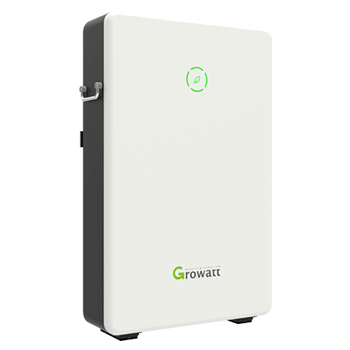
Ready to get the most out of your solar system in 2024? Contact My Home Solar today for a free consultation and discover how we can help you maximise your home’s energy potential.

Error: Contact form not found.

Eco-Friendly Dorset: Home Solar Systems with Solar Edge

As awareness of environmental sustainability grows, more property owners in Dorset are turning to renewable energy sources to reduce their carbon footprint. One of the most effective ways to contribute to this green movement is by investing in home solar systems. With advanced technologies like Solar Edge, Enphase Energy, and Canadian Solar, transitioning to solar power has never been easier or more efficient. This blog post will guide you through the essentials of solar energy, highlighting how these solutions can benefit your home or business in Dorset.

SolarEdge Homehub Inverter

Understanding Home Solar Energy Panels

Solar energy panels are the heart of any home solar system. They capture sunlight and convert it into electricity, providing a sustainable and cost-effective energy solution. The typical home solar panel is made up of photovoltaic (PV) cells, which use sunlight to generate an electric current. This process is not only eco-friendly but also helps to significantly reduce energy bills.

In Dorset, where there are about 1,600 hours of sunshine annually, solar panels are a practical investment. The region’s moderate climate ensures that solar panels perform efficiently, providing a steady stream of renewable energy throughout the year.


The Best Solar Panels for Your Home

When choosing solar panels for your home, you should consider quality, efficiency and reliability. Canadian Solar panels. Known for their efficiency and durable design, they are a popular option for Dorset homeowners. Furthermore, manufacturers design these panels to perform in a range of weather conditions. As a result, they can provide reliable energy generation throughout the year.

Another option is Enphase Energy’s microinverter technology. Traditional string inverters manage electricity from multiple panels through a central inverter. In contrast, Enphase microinverters work with individual solar panels.

Therefore, if shading or another issue affects one panel, the remaining panels can continue generating electricity independently. This can reduce the impact of individual panel performance on the rest of your solar system. As a result, microinverter technology can help you make better use of the solar energy available to your property.


Solar Edge: Revolutionising Home Solar Systems

SolarEdge has developed innovative technology for the solar industry. Its systems aim to improve energy generation while supporting the safety and reliability of solar installations.

SolarEdge power optimisers allow individual solar panels to operate independently. As a result, factors such as shading, dirt or differences between panels have less impact on the performance of the entire system. This technology can therefore help homeowners make better use of the electricity their panels generate.

Another useful feature of SolarEdge is its monitoring platform. Property owners can track system performance and energy generation through an easy to use interface. Furthermore, regular monitoring can make it easier to identify potential performance issues. For Dorset property owners considering solar, this provides greater visibility and control over their system.

SolarEdge’s Environmental Impact

Investing in SolarEdge technology can also help reduce your reliance on electricity from traditional energy sources. By optimising energy production, the system can help you make better use of the renewable electricity your panels generate.

Consequently, you can use more solar electricity within your property and rely less on the grid. For homes and businesses in Dorset, installing a SolarEdge system can therefore support the move towards cleaner and more sustainable energy use.


Enphase Energy: The Future of Solar Power

Enphase Energy is at the forefront of solar technology, offering advanced microinverters and energy management solutions that cater to both residential and commercial properties. Enphase’s microinverters are known for their durability and efficiency, making them a preferred choice for homeowners in Dorset.

One of the significant advantages of Enphase Energy is its scalability. Whether you’re looking to power a small home or a large commercial property, Enphase systems can be easily expanded to meet your needs. Moreover, Enphase’s battery storage solutions allow you to store excess energy generated during the day for use at night or during power outages, providing energy independence and peace of mind.

Why Choose Enphase Energy?

Enphase Energy stands out for its commitment to quality and innovation. Their systems offer seamless integration with other smart home technologies, allowing for better energy management and reducing overall consumption. For Dorset property owners, choosing Enphase means investing in a system that is both future-proof and environmentally friendly.

View of house at nighttime with Tesla Powerwall battery mounted on exterior wall

Growatt Battery: Maximising Your Solar Investment

Energy storage plays an important role in any modern solar system. A** Growatt** Battery allows you to store surplus solar electricity during the day. You can then use this energy in the evening or when your panels generate less electricity.

For Dorset property owners, installing a Growatt Battery can provide greater control over energy use. By storing more of the electricity you generate, you can reduce your reliance on the grid. As a result, you could also lower your energy bills and make better use of your solar system.

The Advantages of Energy Storage

Energy storage helps you get more from your solar panels. During periods of strong generation, your battery can store electricity that you do not immediately use. Then, when solar generation falls, you can use the stored energy instead of purchasing as much electricity from the grid.

Furthermore, battery storage can help reduce your reliance on conventional energy sources. Growatt’s batteries are designed to provide efficient and reliable energy storage. Therefore, they can offer a practical option for Dorset homeowners and businesses looking to make greater use of their solar electricity.

Growatt 6.5k battery

Go Solar with My Home Solar in Dorset

Investing in a home solar system is one of the best decisions you can make for your property and the environment. With top-tier solutions from Solar Edge, Enphase Energy, Canadian Solar, and Growatt Battery, you can harness the power of the sun to reduce your energy costs, increase your property value, and contribute to a greener future.

At My Home Solar, we are committed to helping Dorset property owners make the transition to solar energy. Our expert team can guide you through the entire process, from selecting the best solar panels and energy storage solutions to professional installation and ongoing support.

Take the first step towards a more sustainable future today. Contact us now to learn more about how we can help you go solar in Dorset.

Error: Contact form not found.