Solar Energy
When investing in solar energy, few factors are as important as the warranty that accompanies your system. Solar panels are designed to deliver clean, renewable electricity for decades, making them a significant long term investment. Whilst efficiency, appearance and price all play an important role in selecting the right solar panels, the warranty often provides the clearest indication of a manufacturer’s confidence in its own products.
For homeowners and businesses across Dorset, Trina Solar has become one of the most recognised and trusted names in the solar industry. Known for manufacturing high quality solar panels that combine performance, durability and value, Trina Solar products are installed in homes and commercial properties throughout the world.
One of the most frequently asked questions we receive at My Home Solar is: what warranty comes with Trina Solar Panels?
The answer depends on the specific panel range selected. However, modern Trina Solar panels typically include extensive product and performance warranties that provide reassurance for decades to come. Understanding these warranties can help you make an informed decision and ensure you maximise the return on your investment.
What Is Trina Solar?
Founded in 1997, Trina Solar has grown into one of the world’s largest solar manufacturers. The company operates globally and has built a strong reputation for producing reliable photovoltaic technology that delivers excellent long term performance.
Today, Trina Solar panels can be found on residential properties, commercial buildings and utility scale solar farms across the globe. Their commitment to innovation has seen them consistently rank amongst the leading solar manufacturers for efficiency, quality and technological advancement.
For homeowners considering solar panels in Dorchester and across Dorset, Trina Solar offers an appealing combination of affordability, performance and reliability. Their extensive testing procedures and commitment to quality control have helped establish the company as one of the most trusted names within the renewable energy sector.
Understanding Solar Panel Warranties
Before examining Trina Solar’s specific warranty provisions, it is helpful to understand the different types of warranties that apply to solar panels.
Product Warranty
The product warranty protects against manufacturing defects and material failures. If a panel develops a fault due to defects in workmanship or materials during the warranty period, the manufacturer will typically repair, replace or compensate for the defective panel.
This warranty functions much like any other manufacturer’s guarantee and provides protection against unexpected product failures.
Performance Warranty
Solar panels naturally experience a small reduction in performance over time. A performance warranty guarantees that the panel will continue producing electricity above a specified percentage of its original output throughout its lifespan.
Rather than covering physical defects, this warranty protects against excessive power degradation.
Installation Warranty
Whilst manufacturer warranties protect the solar panels themselves, installation warranties cover the workmanship associated with fitting the system.
This is one reason why choosing a reputable installer such as My Home Solar is essential. Professional installation helps ensure both manufacturer and workmanship warranties remain valid.

What Warranty Comes with Trina Solar Panels?
Trina Solar offers some of the most competitive warranty packages currently available within the solar industry.
Depending on the specific model selected, homeowners can benefit from both product warranties and performance warranties that extend for decades.
Product Warranty Coverage
Many earlier Trina Solar panel ranges included a product warranty of 15 years.
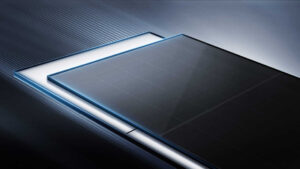
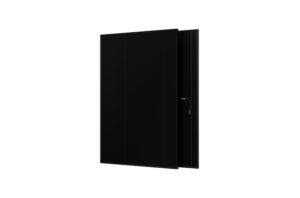
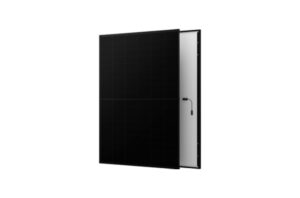
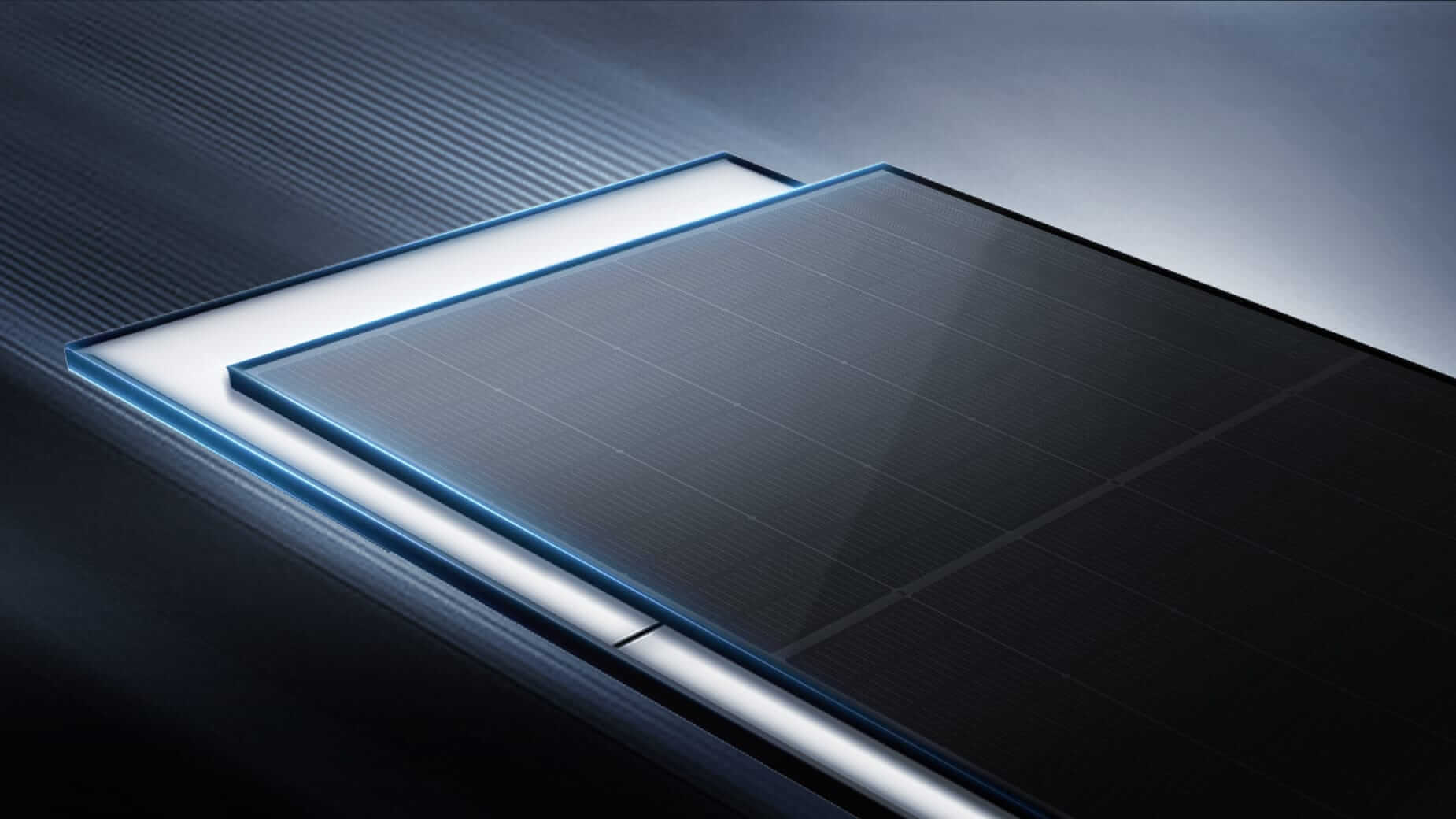
However, newer N Type panel technologies, including the latest Vertex S+ ranges, now commonly include product warranties extending up to 25 years.
This enhanced protection reflects the manufacturer’s confidence in the durability and longevity of its latest technologies.
A product warranty generally covers:
• Manufacturing defects
• Material failures
• Faulty workmanship during production
• Unexpected component failures
Should an eligible defect arise during the warranty period, Trina Solar may repair, replace or compensate for the affected panel in accordance with its warranty terms.
Performance Warranty Coverage
Performance warranties often represent the most valuable aspect of solar panel protection.
Modern Trina Solar panels commonly include performance warranties extending up to 30 years.
These warranties guarantee that the panel will continue generating electricity above a predetermined output threshold throughout its operational life.
In practical terms, this means homeowners can invest with confidence knowing that their solar panels are expected to continue delivering substantial energy savings for many decades.
Degradation Rates
All solar panels gradually lose efficiency over time. The key difference lies in how quickly this degradation occurs.
Trina Solar’s latest N Type technologies have been engineered to minimise annual degradation, helping preserve energy production and maximise long term returns.
Lower degradation rates often translate directly into greater electricity generation over the lifetime of the system, increasing overall financial savings and reducing reliance upon grid electricity.
What Is Not Covered?
Whilst Trina Solar warranties provide extensive protection, certain circumstances may not be covered.
These can include:
• Damage caused by improper installation
• Unauthorised modifications
• Accidental damage
• Extreme environmental events beyond specified design limits
• Failure to follow maintenance recommendations
This is why selecting an experienced installer remains crucial. A professionally designed and installed system significantly reduces the likelihood of warranty complications in the future.
How Trina Solar Compares with Other Leading Solar Brands
When comparing solar panels, warranty protection is often an excellent indicator of overall product quality. Manufacturers willing to stand behind their products for decades demonstrate confidence in their engineering, manufacturing processes and long term reliability.
Trina Solar vs Qcells
Qcells has earned an excellent reputation for producing high quality solar panels with strong warranty support. Many Qcells products feature 25 year product warranties and robust performance guarantees.
Trina Solar’s latest premium ranges now offer comparable warranty protection, making them a highly competitive alternative for homeowners seeking exceptional value without compromising reliability.
Trina Solar vs SunPower Maxeon
SunPower Maxeon panels are widely regarded as some of the most advanced solar panels available. Their premium positioning is reflected in industry leading efficiency levels and comprehensive warranty packages.
However, these benefits often come with a significantly higher purchase price.
For many homeowners in Dorset, Trina Solar offers an attractive balance between performance, warranty protection and affordability, delivering excellent value over the lifetime of the system.
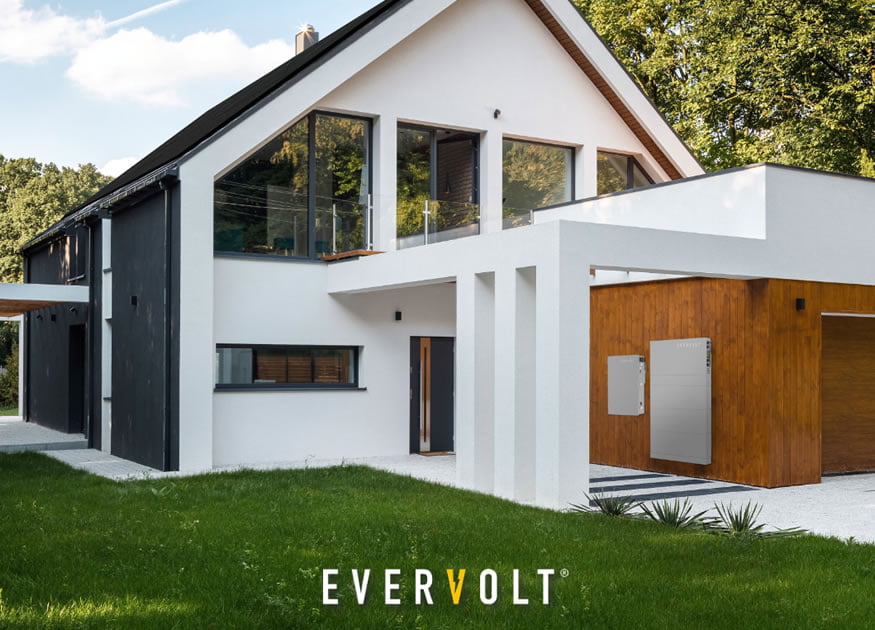
Trina Solar vs Panasonic EverVolt
Panasonic EverVolt systems have become increasingly popular due to their quality engineering and strong performance credentials.
Like Trina Solar, Panasonic offers extensive warranty coverage designed to provide long term peace of mind. Both manufacturers are considered highly reputable choices for homeowners seeking dependable solar technology.
Ultimately, the best solution depends upon property requirements, energy consumption patterns and budget considerations.
Why Warranty Protection Matters
Solar panels are designed to generate electricity for decades. Whilst upfront costs are important, long term performance often has a far greater impact on the overall value of a solar installation.
A strong warranty provides confidence that your investment is protected should unexpected issues arise.
Financial Security
The primary purpose of a solar installation is to reduce electricity costs over many years.
Warranty protection helps safeguard this investment by ensuring manufacturing defects or excessive performance losses do not undermine expected savings.
Peace of Mind
Knowing that your panels remain protected for up to 25 years or more allows homeowners to enjoy the benefits of renewable energy without unnecessary concerns about future repair costs.
Property Value
Solar installations can increase property desirability, particularly as energy prices continue to rise.
A system supported by strong manufacturer warranties may prove more attractive to future buyers, adding further value to your investment.
Long Term Return on Investment
The most successful solar installations continue producing significant amounts of electricity for decades.
Comprehensive warranty coverage helps ensure homeowners receive the full benefit of their expected energy savings.
Solar Battery Storage and Warranty Considerations
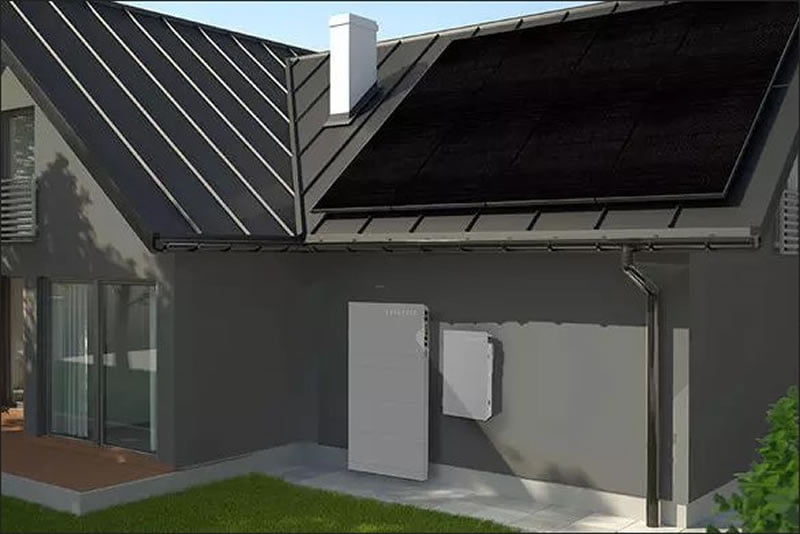
Many homeowners now combine solar panels with battery storage systems to maximise energy independence.
Battery technology allows surplus electricity generated during daylight hours to be stored and used later when demand is highest.
Tesla Powerwall
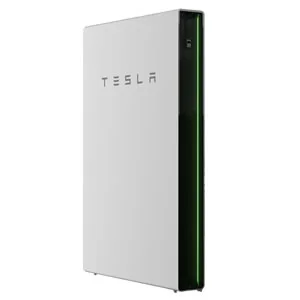
The Tesla Powerwall remains one of the most recognised battery storage solutions available.
Its strong warranty protection and advanced technology make it a popular choice for homeowners seeking enhanced energy security and greater control over electricity costs.
Qcells Battery Solutions
Qcells battery systems continue to gain popularity due to their reliability and integration capabilities.
When paired with quality solar panels, battery storage can further increase self consumption and improve overall system efficiency.
Growatt Battery Systems
Growatt battery storage solutions provide another excellent option for homeowners seeking dependable energy storage at competitive prices.
Their growing reputation within the industry makes them a valuable addition to many residential solar installations.
When considering battery storage, it is important to evaluate warranty coverage alongside capacity, efficiency and expected lifespan.

Why Choose My Home Solar?
Selecting the right installer is every bit as important as choosing the right solar panel.
At My Home Solar, we pride ourselves on delivering tailored renewable energy solutions that provide lasting value for homeowners and businesses across Dorset.
Local Expertise
As a Dorset based solar specialist, we understand the unique requirements of properties throughout Dorchester and the surrounding region.
This local knowledge enables us to design systems that maximise energy generation and long term savings.
Technical Excellence
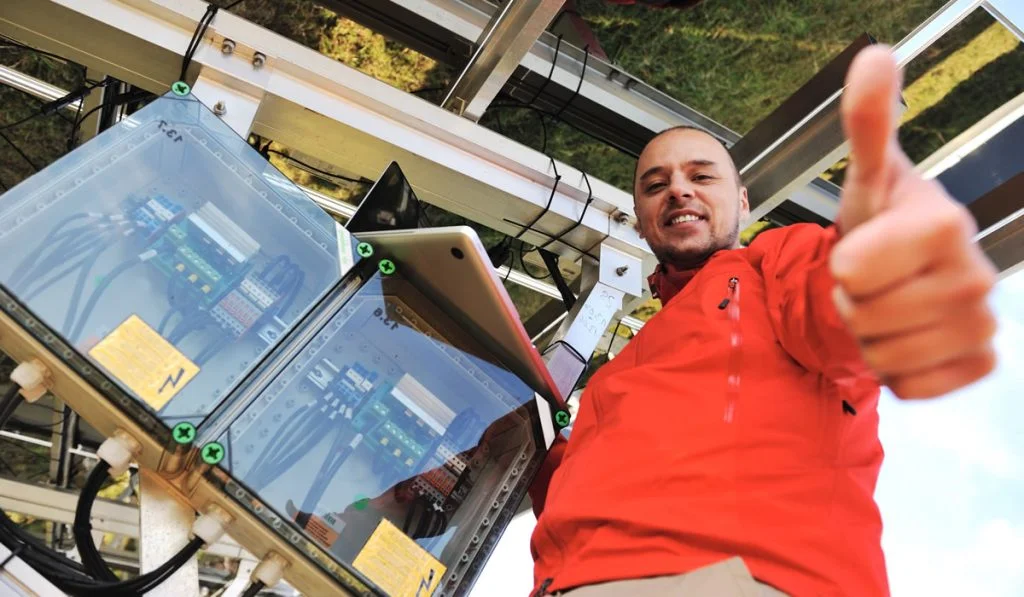
Our team remains at the forefront of solar technology, helping customers navigate an increasingly diverse marketplace.
Whether you are considering Trina Solar panels, battery storage solutions or a complete renewable energy system, we provide expert guidance at every stage.
Trusted Products
We work with carefully selected manufacturers known for quality, reliability and strong warranty protection.
This commitment ensures our customers receive systems designed to perform for decades.
Customer Focus
Every property is different.
Rather than offering a one size fits all approach, we take the time to understand your energy requirements and recommend solutions tailored to your needs.
Our objective is simple: to help homeowners and businesses achieve greater energy independence whilst reducing long term electricity costs.

Conclusion
Trina Solar has established itself as one of the world’s most trusted solar manufacturers, combining innovation, reliability and strong warranty protection.
Depending upon the panel selected, homeowners can benefit from product warranties of up to 25 years and performance warranties extending up to 30 years. These comprehensive protections provide confidence that your solar investment will continue delivering value long into the future.
When combined with professional installation and quality battery storage solutions such as Tesla Powerwall, Qcells Battery systems or Growatt Battery technology, Trina Solar panels can form the foundation of an exceptionally reliable renewable energy system.
If you are considering solar panels in Dorchester or anywhere across Dorset, the team at My Home Solar is here to help.
Contact us today to arrange a free solar survey, discuss your options with an experienced specialist and receive a personalised quotation tailored to your property and energy goals.