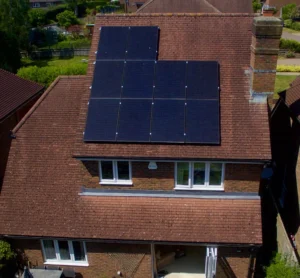
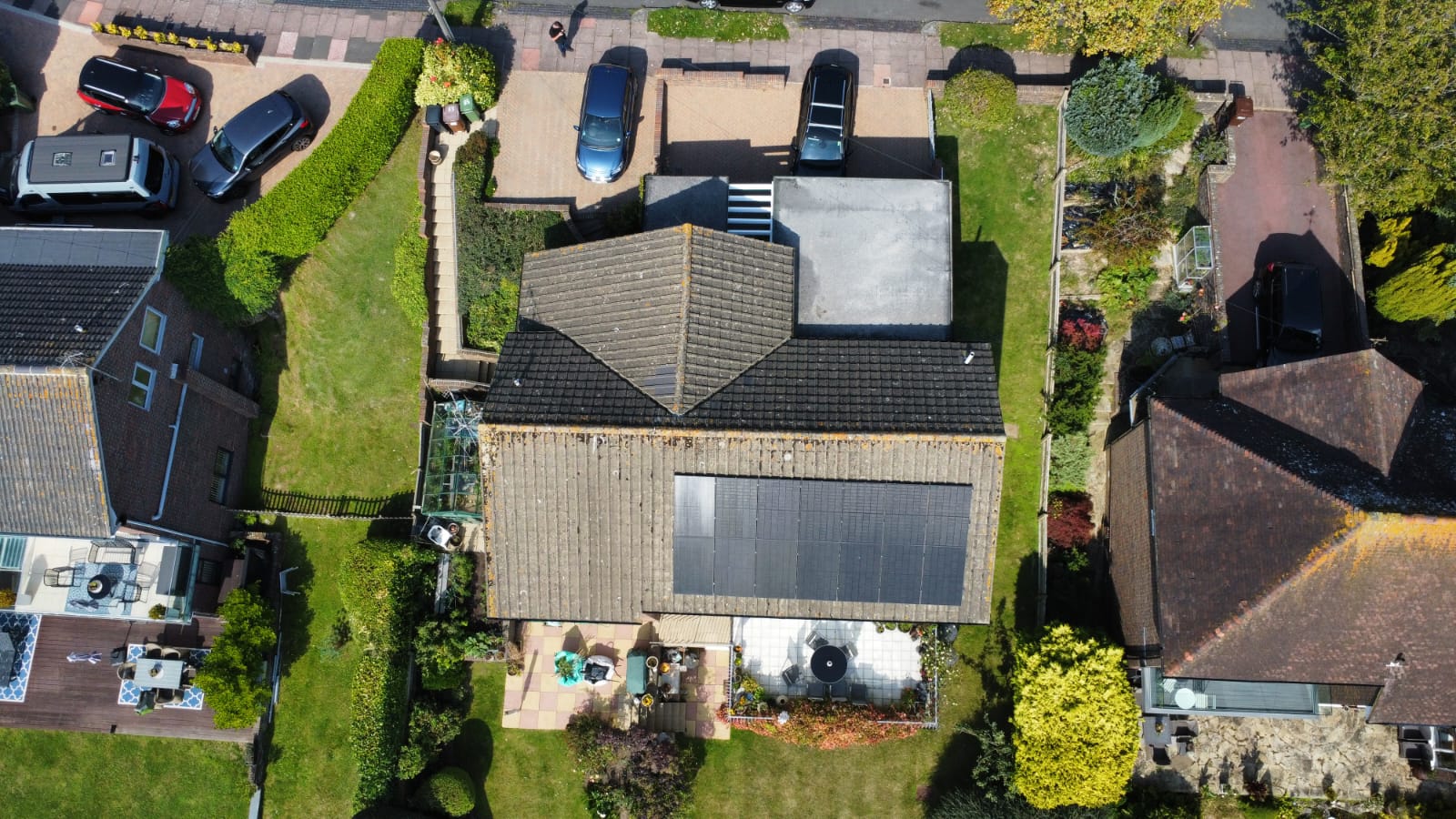
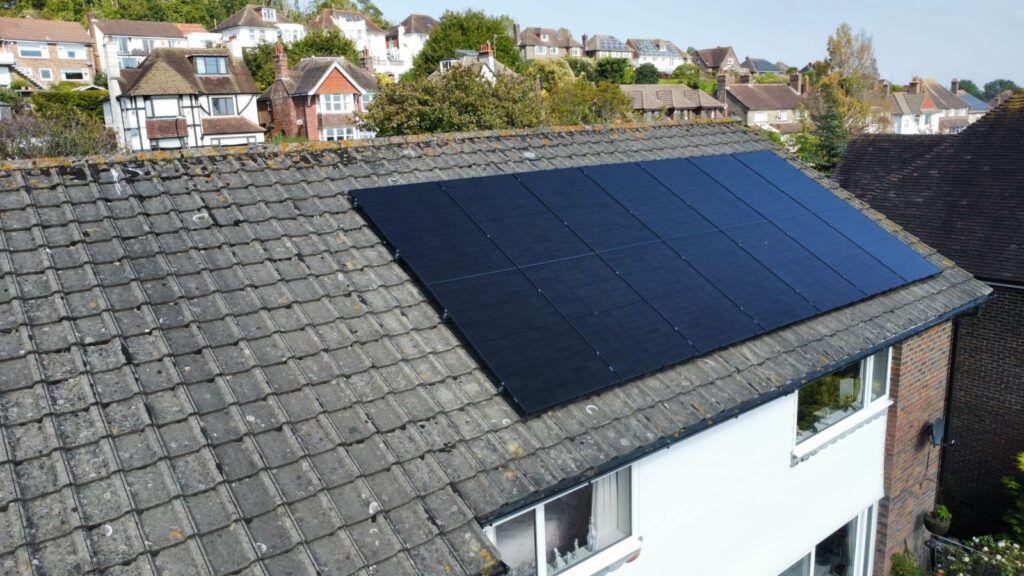
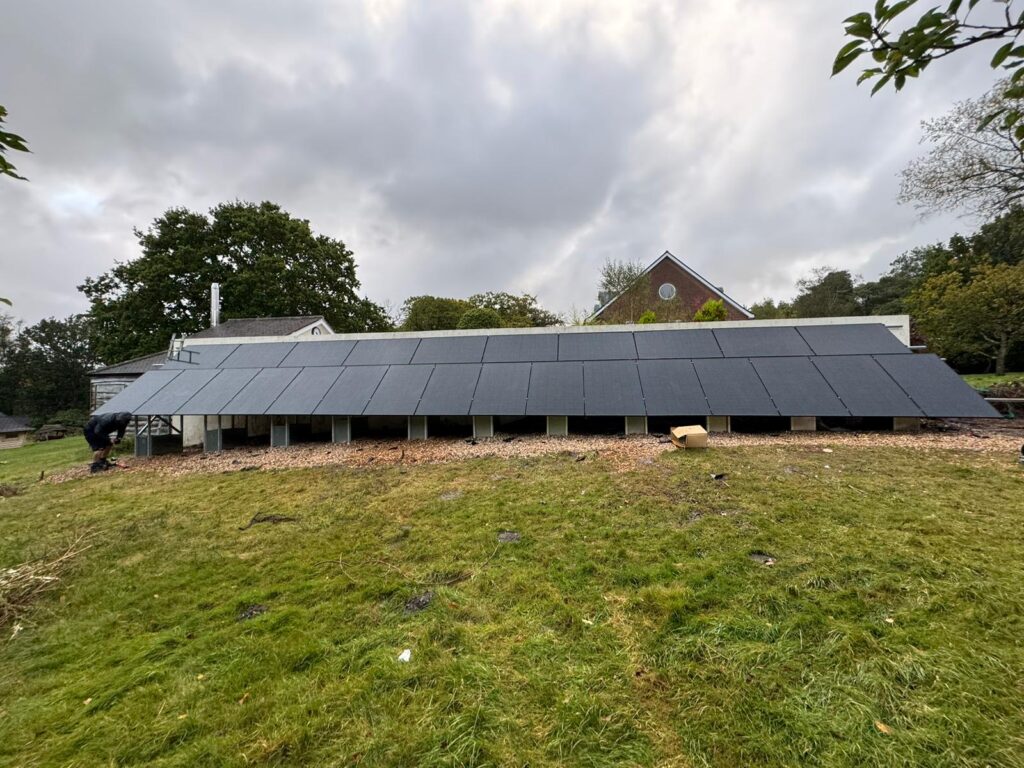
Will Solar Panels Damage My Roof?

Solar Panel Installation

For many homeowners across Dorset the South Coast and the Midlands the idea of installing solar panels is an appealing step towards lower energy bills and greater sustainability. Yet one concern tends to surface time and again will solar panels damage my roof

It is a fair question. Your roof protects your home from the elements and any suggestion of interference can feel risky. The good news is that when installed correctly by experienced professionals solar panels do not damage your roof. In fact they can often provide an additional layer of protection.

In this guide we will explore how solar panel installation works what risks exist and how they are avoided and why thousands of homeowners are confidently making the switch.

Are Solar Panels Safe for Roofs

In short yes solar panels are safe for roofs when installed properly. Modern systems are designed to integrate seamlessly with a wide range of roofing types including slate tile and composite structures commonly found across the UK.

The key factor is not the panels themselves but the quality of the installation. A well installed system will be secure watertight and structurally sound ensuring your roof remains fully protected for years to come.

Professionally installed solar panels Dorset homeowners rely on are specifically engineered to withstand wind rain and even snow while maintaining the integrity of the roof beneath them.

How Solar Panel Installation Works

Understanding the process can help put concerns to rest. Solar panel installation does involve fixing mounting brackets to your roof but this is done with precision and care.

Mounting Systems Explained

Installers use specialised mounting systems that are anchored into the roof rafters rather than just the surface tiles. This ensures a strong and stable foundation.

Once secured flashing is added around each fixing point. This is a waterproof barrier that prevents any moisture from entering your home. When done correctly this method is extremely reliable and long lasting.

Minimal Disruption to Roof Structure

Contrary to common belief installers do not remove large sections of your roof. Only small targeted areas are accessed and these are fully sealed once the system is in place.

For homeowners across the South Coast and Midlands this means solar panel installation can be completed efficiently without compromising the structure of the property.

Will Solar Panels Cause Roof Leaks

One of the biggest fears is the risk of leaks. In reality leaks are not caused by solar panels themselves but by poor installation practices.

When installed by qualified professionals using high quality materials leaks are very unlikely. Proper sealing and flashing ensure that water cannot penetrate the roof.

This is why choosing a reputable installer such as My Home Solar is essential. Attention to detail and adherence to best practices make all the difference.

Can Solar Panels Damage Roof Tiles

Another concern is whether panels might crack or dislodge tiles. During installation some tiles may be temporarily lifted to access the rafters but they are carefully replaced or adjusted afterwards.

Experienced installers take great care to avoid unnecessary pressure or damage. In some cases replacement tiles or mounting brackets are used to ensure a perfect fit.

Over time solar panels actually shield the section of roof beneath them from direct exposure to rain wind and UV rays which can help preserve the lifespan of those tiles.

Do Solar Panels Add Weight to Your Roof

Solar panels do add weight but not as much as many people expect. Most systems weigh around 15 to 20 kilograms per square metre which is well within the load capacity of a typical UK roof.

Before installation a professional assessment is carried out to ensure your roof is suitable. This includes checking the structure pitch and overall condition.

For the vast majority of homes in Dorset the South Coast and the Midlands there are no structural concerns at all.

Long Term Impact on Your Roof

Rather than causing damage solar panels can actually have a positive long term effect on your roof.

Protection from the Elements

Panels act as a barrier against harsh weather reducing wear and tear on the roof surface beneath them. This can slow down natural ageing and help extend the life of your roofing materials.

Reduced Temperature Fluctuations

By absorbing sunlight solar panels can reduce temperature extremes on your roof which may help prevent expansion and contraction over time.

Easier Maintenance in Some Areas

The covered sections of your roof often require less maintenance since they are not exposed to direct rainfall and debris.

Common Myths About Roof Damage and Solar Panels

Let us clear up a few widespread misconceptions.

Myth Solar Panels Drill Holes Everywhere

In reality only a small number of carefully positioned fixings are used and these are fully sealed.

Myth Solar Panels Cause Leaks Over Time

Leaks are almost always the result of poor workmanship not the panels themselves.

Myth Solar Panels Weaken Your Roof

A properly assessed and installed system does not weaken your roof in any way.

Myth You Cannot Remove Them Without Damage

Solar panels can be safely removed or upgraded by professionals without harming your roof.

Choosing the Right Installer Matters

If there is one takeaway it is this the quality of your installer is everything.

Working with an experienced company such as My Home Solar ensures that every stage from initial assessment to final installation is handled with care and precision.

Their expertise across solar panels Dorset South Coast and Midlands installations means your roof is in safe hands from the outset.

Frequently Asked Questions

Will solar panels damage an old roof

If your roof is in poor condition it may need repairs before installation. A professional survey will confirm this.

Are solar panels safe for slate roofs

Yes with the correct mounting system solar panels can be safely installed on slate roofs.

Can solar panels make my roof last longer

In many cases yes as they protect the covered area from weather exposure.

Do I need planning permission

Most residential installations fall under permitted development but it is always best to check local guidelines.

What happens if my roof needs repairs later

Panels can be removed and reinstalled by professionals if roof work is required.

Final Thoughts

So will solar panels damage your roof The answer is no not when they are installed properly.

With the right expertise careful installation and quality materials your roof remains secure watertight and structurally sound. In fact solar panels can even help protect it over time.

For homeowners across Dorset the South Coast and the Midlands this means you can move forward with confidence knowing your investment is both safe and beneficial.

If you are considering solar energy and want clear honest advice My Home Solar is always ready to help you explore your options at your own pace.

Home Solar in 2024: Simple Tips to Extend Your System’s Lifespan

Introduction

Investing in home solar energy is one of the most effective ways to reduce your energy bills and carbon footprint. However, ensuring your system lasts and operates at peak efficiency requires proper maintenance and understanding of the technology behind it. As home solar installations rise across the UK, homeowners need to know how to extend the lifespan of their systems to maximise their investment. In this guide, we’ll cover essential tips to help you keep your home solar system running efficiently in 2024 and beyond.


The Importance of Maintaining Home Solar Panels

Home solar panels are the cornerstone of any solar energy system. They absorb sunlight and convert it into electricity, powering your home and reducing your dependence on the grid. To ensure your panels function optimally, regular cleaning and inspection are crucial. Dust, debris, and bird droppings can accumulate on the panels, decreasing their efficiency. A simple rinse with water and a gentle brush can help keep them clean.

Moreover, professional maintenance checks are recommended every 2-3 years to inspect for issues like micro-cracks or loose wiring that might affect performance. Using reputable brands like Canadian Solar, known for their durability and high efficiency, can also make a difference in the longevity of your system.


Home Solar System: Keeping It Efficient

Maintaining your entire home solar system is more than just cleaning the panels. It includes inspecting other components like inverters and batteries, which are vital to the system’s efficiency. For instance, SolarEdge inverters, commonly used in the UK, come with monitoring technology that helps homeowners track their system’s performance. Regular monitoring allows you to detect and address issues promptly, ensuring your solar system operates at its best.

If you’re unsure about the health of your system, contact a professional for a solar installation UK assessment. Professionals can help identify potential issues early, preventing costly repairs and downtime.


Solar Installation UK: Choosing the Right Setup

When planning your solar installation, selecting the right components is key to extending your system’s lifespan. High-quality panels and inverters like those from Enphase Energy or SolarEdge are known for their durability and efficiency.

Opt for professional solar installation services in the UK that are MCS (Microgeneration Certification Scheme) certified. This ensures that your installation adheres to the highest standards, maximising both performance and lifespan. Choosing an experienced installer also means you’ll receive expert advice on how to maintain and care for your system, extending its functionality for years to come.

Growatt Battery: Extending Storage Lifespan

A solar battery is a valuable addition to your system, allowing you to store excess energy for later use. Batteries like the Growatt series are popular choices for UK homeowners, offering efficient storage solutions. To extend the lifespan of your battery, keep it in a temperature-controlled environment and avoid deep discharges when possible.

Regularly monitor your battery’s performance through its management system. If you notice any drops in efficiency or capacity, contact a professional to assess and service the unit. Proper maintenance can help your battery last up to 15 years or more, maximising the return on your investment.

Growatt AXE LV 5k battery

Enphase: The Power of Microinverters

In 2024, more homeowners are opting for Enphase microinverters due to their efficiency and resilience. Unlike traditional string inverters, microinverters operate independently for each panel, ensuring that if one panel experiences an issue, the rest continue to function efficiently.

To maintain microinverter performance, keep track of their status through the Enphase monitoring system. This system offers real-time updates, allowing you to identify any potential issues quickly. Regular checks and maintenance will keep your microinverters performing at their best, extending the overall lifespan of your solar energy system.

SolarEdge: Maximising System Efficiency

Another leading name in the solar industry is SolarEdge, known for its advanced inverter technology and monitoring solutions. SolarEdge systems often come with a comprehensive monitoring platform, allowing homeowners to view real-time data on their system’s output.

Ensuring your SolarEdge system operates efficiently involves monitoring for potential shade issues, which can impact performance. Trim nearby trees and remove any obstructions that could cast shadows on your panels. Regular professional checks can also ensure that your system remains in peak condition.


Home Solar Energy Panels: Selecting the Right Type

Selecting the right solar panels for your home is essential to maximising efficiency and longevity. Canadian Solar and other high-quality brands offer robust solutions designed for the UK climate. When choosing solar panels, opt for those with a high efficiency rating and robust warranties (typically 25 years or more).

Panels with higher efficiency produce more energy per square meter, ensuring you get the most out of your roof space. Investing in quality panels will pay off over the years, providing consistent energy output and a longer lifespan.

Solar Panels for Your Home: The Role of Weatherproofing

In the UK, weather can be unpredictable, and your solar panels need to withstand harsh conditions. Ensuring your panels and their mounts are securely installed is crucial for weather resilience. Systems that offer weatherproofing, like those by Canadian Solar, are particularly advantageous in areas prone to rain and wind.

Additionally, inspect your panels and mounts after severe weather to identify any damage or displacement. Addressing minor issues quickly can prevent larger problems down the line, extending your system’s lifespan.


Business Solar Panel Near Me: Commercial Solutions for Homeowners

If you run a business from home or have commercial solar needs, installing a robust system designed for higher output may be necessary. Searching for “business solar panel near me” can help you find local providers offering tailored solutions for commercial setups. These systems typically incorporate advanced features like energy storage and smart monitoring, enabling efficient energy use.

Investing in a commercial-grade system for your home can be beneficial if you plan to expand your energy needs or want to maximise solar efficiency for both home and business use. Brands like Enphase and SolarEdge provide scalable solutions that can adapt as your requirements grow.

Conclusion

Maintaining your home solar system in 2024 is essential to ensure it runs efficiently and lasts for years. By investing in high-quality components like SolarEdge, Growatt, Enphase, and Canadian Solar, and adhering to a regular maintenance schedule, you can significantly extend the lifespan of your solar setup. Remember, keeping your panels clean, monitoring your system, and addressing issues early are key steps to protect your investment.

Are you ready to optimise your home solar system for 2024 and beyond? Call us today for professional solar services in the UK, and let’s maximise your system’s potential together!

Error: Contact form not found.

How to Transition Your Home to 100% Renewable Energy

Understanding Renewable Energy at Home

Renewable energy comes from sources that are naturally replenished, including sunlight, wind and water. For most homeowners, solar power is the most practical way to generate renewable electricity on their own property.

Installing solar panels can reduce the amount of electricity you need to buy from the grid. Adding battery storage can allow you to keep more of the electricity generated during the day and use it later, including during the evening. Smart controls, suitable energy tariffs and thoughtful changes to when you use electricity can make the complete system even more effective.

However, it is important to be realistic about what it means to power a home with renewable energy. A solar panel system will not necessarily meet every electricity requirement throughout the year. Generation changes with the season, weather, roof and system size. A battery can store electricity, but it cannot create it.

For many households, the most practical goal is to generate and use as much renewable electricity as possible while retaining a grid connection for flexibility. A carefully designed solar and battery system, combined with an appropriate renewable electricity tariff, can help you move much closer to that goal.

If you are exploring renewable energy for your home in Dorset, My Home Solar can assess your property, explain the options and prepare a system proposal based on your electricity use. Request a free solar quote to begin.
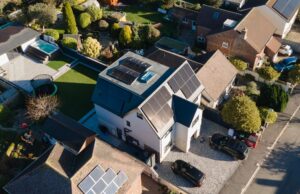
Why More Dorset Homeowners Are Combining Solar Panels and Batteries

One of the clearest recent changes in the UK market is the move from buying individual products to creating a connected home energy system. Homeowners are increasingly considering solar panels, battery storage, electric vehicle charging and smart tariffs together.

This approach can offer several practical advantages:

  • Solar panels generate electricity during daylight hours.
  • A battery can store surplus electricity for use later.
  • Smart controls can help decide when electricity should be stored, used or exported.
  • A suitable time based tariff may allow a battery to charge from the grid when electricity is cheaper, subject to tariff terms and system settings.
  • An electric vehicle charger or hot water diverter can make productive use of surplus solar generation.

Modern solar panels also provide greater power from a relatively limited roof area than many older modules. Meanwhile, modular battery systems can give some households the option to increase storage capacity if their needs change. This is useful for anyone considering an electric car, heat pump or other increase in household electricity consumption.

The right combination will depend on the property. A large battery is not automatically the best battery, just as the greatest possible number of panels does not always produce the best financial result. Good design begins with evidence, including your energy bills, daily consumption pattern, roof space, shading and future plans.

Are Solar Panels Suitable for Homes in Dorset?

Solar panels generate electricity from daylight, not from heat. This means they can continue working on cloudy days and throughout winter, although output is usually lower when daylight hours are shorter.

Dorset includes a broad mixture of properties, from modern homes in Dorchester and Weymouth to older cottages, listed buildings and coastal properties. Each requires an individual assessment. A solar survey should consider:

  • the direction, angle and usable area of the roof
  • shading from trees, chimneys and neighbouring buildings
  • the age and condition of the roof
  • the proposed position of the inverter and battery
  • current and expected household electricity use
  • local grid connection requirements
  • planning or heritage restrictions that may apply

South facing roofs often perform well, but they are not the only option. East and west facing arrays can also be effective. In some homes, they provide a broader period of generation across the morning and afternoon, which may fit household use particularly well.

Most domestic solar panel installations in England may fall within permitted development rights when the relevant limits and conditions are met. Nevertheless, planning requirements should always be checked for the individual property. This is particularly important for listed buildings and sensitive locations. Dorset Council states that installing solar panels on a listed building may require listed building consent. Homeowners should therefore obtain the necessary advice before work begins.
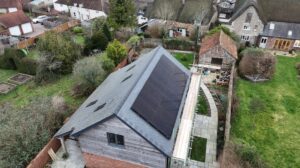
solar panel installation

Step One Understand How Your Home Uses Electricity

The starting point is not the number of panels you can fit. It is how and when your household uses electricity.

Review recent bills and, if available, half hourly smart meter data. Consider which appliances use the most electricity and whether consumption is highest during the day or evening. A household with someone at home during daylight hours may use solar electricity directly. A household that is usually empty during the day may gain more from battery storage or from scheduling appliances to run while the panels are generating.

You should also consider future changes. If you expect to buy an electric vehicle, install air conditioning, replace gas heating or add a heat pump, your electricity requirements may rise. Telling your installer about these plans can help them design a system that remains suitable for longer.

Step Two Design the Right Solar Panel System

A professional system design should balance expected generation, available roof space, household demand and budget. It should also account for the performance of the complete system rather than focusing only on the headline wattage of an individual panel.

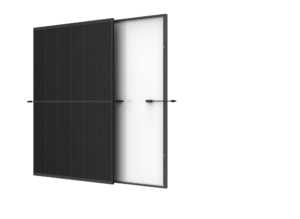
My Home Solar supplies solar panels from established manufacturers including Aiko Solar, JA Solar and Trina Solar. The most suitable panel will depend on factors such as available roof area, required output, appearance, warranty and compatibility with the rest of the system.

The inverter is equally important because it converts the direct current electricity produced by the panels into alternating current electricity that can be used within the home. Where shading affects part of the array, an installer may also discuss panel level optimisation. This can help limit the effect that one shaded or underperforming panel has on the wider system when the design justifies it.

An accurate proposal should include an estimated annual generation figure and explain the assumptions behind it. It should not promise the same output for every property.

Step Three Decide Whether Battery Storage Is Right for You

Solar battery storage can increase the proportion of your own solar electricity that you use at home. Instead of automatically exporting surplus generation, the system can store some of it for use after the panels have stopped generating enough electricity.

Battery capacity should be matched to your circumstances. Important considerations include:

  • how much surplus solar electricity the panels are expected to produce
  • how much electricity you use after sunset
  • the battery’s usable capacity and power output
  • whether you want to use a time based tariff
  • whether backup power is important to you
  • expected battery life, warranty and expansion options

Not every battery system supplies power during a grid outage. Backup operation requires suitable equipment, design and electrical work. If this matters to you, raise it during the survey so that it can form part of the system specification.

My Home Solar offers battery options from manufacturers including Fox ESS, Enphase, SolarEdge, Sigenergy and Tesla. Rather than selecting a battery on brand recognition alone, compare how well its capacity, power, controls, warranty and installation requirements suit your home.
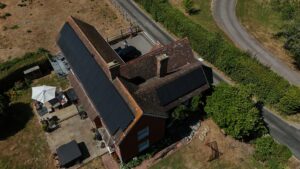
Step Four Use Smart Controls and Solar Add Ons

The latest home energy systems are becoming more intelligent. Monitoring platforms can show how much electricity your panels are producing, how full the battery is and when the home is importing from or exporting to the grid. This information can help you make better decisions about energy use.

Useful solar panel add ons may include:

  • panel optimisation where shading or roof complexity makes it appropriate
  • an immersion controller that sends suitable surplus electricity to hot water
  • an electric vehicle charger configured to use surplus solar generation
  • system monitoring that helps you understand generation and consumption
  • bird protection designed to prevent nesting beneath roof mounted panels

Smart technology should serve a clear purpose. The best additions are those that reflect how you live and help you use more of the electricity your system generates.

Step Five Compare Import and Export Tariffs

Solar panels can reduce the electricity you import, while the Smart Export Guarantee can pay eligible households for electricity exported to the grid. Payments are not automatic. You must apply to an export tariff provider and meet its eligibility requirements.

According to current guidance from the Energy Saving Trust, households will usually need an eligible renewable energy system, appropriate certification and a smart meter capable of recording exports. Export rates and conditions vary between suppliers, so it is sensible to compare the complete tariff rather than considering the export rate in isolation.

Some suppliers also offer time based import tariffs. These can work well with certain batteries because the system may be able to charge when grid electricity is cheaper and reduce imports during more expensive periods. Actual savings depend on the tariff, system settings and your usage pattern, so they should never be treated as guaranteed.

What Financial Support Is Available in 2026?

At the time of writing in September 2026, qualifying installations of solar panels and electrical battery storage in residential accommodation in Great Britain can benefit from zero rated VAT. Under the current legislation, this temporary zero rate is due to end on 31 March 2027. Qualifying installations are expected to return to the reduced VAT rate of 5 per cent from 1 April 2027 unless government policy changes.

The installer is responsible for applying the correct VAT treatment, and eligibility depends on the circumstances of the supply and installation. Homeowners considering solar may therefore wish to obtain a quotation in good time, while avoiding rushed decisions or unsuitable systems.

The Smart Export Guarantee provides a separate opportunity to receive payment for eligible exported electricity. It is not a grant towards the purchase price of the system, and tariff rates are set by participating suppliers.
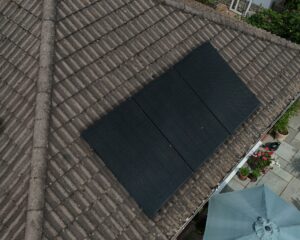
Choosing a Solar Installer in Dorset

Your installer influences the quality of the survey, system design, installation and aftercare. Look beyond the headline price and ask what is included in the quotation.

Useful questions include:

  • Is the proposed system based on my actual electricity use?
  • What annual generation is estimated, and which assumptions were used?
  • Which warranties apply to the panels, inverter, battery and workmanship?
  • Will the installer manage the relevant network notification or application?
  • What certification and handover documents will I receive?
  • How will I monitor the system after installation?
  • Who should I contact if I need support?

My Home Solar is based in Dorchester and provides solar panel and battery storage installations across Dorset and further afield. The company is MCS certified and RECC approved, and its team designs systems around the individual property and household rather than offering one standard arrangement to everyone.

If you live in Dorchester, Weymouth, Bridport, Sherborne, Poole, Bournemouth or elsewhere in Dorset, the first step is a conversation about your roof, electricity use and goals. Contact My Home Solar or request a free quote for a tailored solar assessment.

Frequently Asked Questions

Can a Dorset home run entirely on solar power?

Some homes can generate a large proportion of their annual electricity with solar panels, particularly when the system is well designed and paired with battery storage. However, output changes by season and weather, so most households remain connected to the grid. Combining solar with a suitable renewable electricity tariff can support the wider aim of using cleaner electricity when the panels and battery cannot meet demand.

Do solar panels work during a cloudy Dorset winter?

Yes. Solar panels use daylight and can generate electricity in cloudy conditions. Output is generally lower during winter because days are shorter and sunlight is weaker, which should be reflected in the installer’s annual generation estimate.

Is a solar battery essential?

No. Solar panels can reduce grid imports without a battery, especially when a household uses plenty of electricity during daylight hours. A battery may help you use more of your own generation later in the day, but its value depends on capacity, usage, tariffs and cost.

Will solar panels work during a power cut?

A standard grid connected solar system normally shuts down during a power cut for safety. Some battery systems can provide backup electricity when they include the correct backup equipment and electrical design. Ask for this specifically if backup power is important to you.

Do I need planning permission for solar panels in Dorset?

Many domestic installations may qualify as permitted development, subject to limits and conditions. Different requirements can apply to listed buildings, conservation areas and properties affected by other restrictions. Check the position for your property before installation. Dorset Council advises that installing panels on a listed building may require listed building consent.

Can I earn money from surplus solar electricity?

Eligible households can apply for a Smart Export Guarantee or another qualifying export tariff. You will need suitable export metering, and providers may request an MCS certificate or equivalent evidence. Rates and conditions differ, so compare available tariffs carefully.

How much could solar panels save me?

Savings vary according to system size, generation, electricity prices, household consumption, the amount of solar electricity used on site and any export payments. A tailored quotation should provide an estimate based on your home rather than a national headline figure.

Take the Next Step Towards Renewable Energy at Home

Moving towards renewable energy does not require every home to follow the same formula. The strongest results come from understanding how your household uses electricity and designing the solar panels, battery and controls around those needs.

For homeowners in Dorset, My Home Solar provides professional advice, system design and installation from its base in Dorchester. Whether you want solar panels, battery storage or a more complete smart energy system, the team can explain the available options and help you decide what is appropriate for your property.

Request your free solar quote today and discover how much renewable electricity your home could generate.

5 Must-Have Solar Add-Ons to Enhance Your Solar Panel System

Home Owners

In today’s world, where sustainability and eco friendliness have become paramount, more homeowners are turning to solar energy as a viable solution for their energy needs. At My Home Solar, we understand the importance of harnessing the sun’s power not only for the sake of the environment but also for the substantial savings it can bring. But did you know that your solar panel system can be even more efficient and beneficial with the right add-ons? At My Home Solar, a leading UK based provider of solar solutions, we offer a range of products designed to maximise the performance of your solar setup. Here are five must have solar add-ons that will enhance your solar panel system and make your investment even more worthwhile.

Solar Batteries

One of the most significant challenges with solar energy is its intermittency. Solar panels only produce electricity when the sun is shining, which means no power generation during the night or on very cloudy days. This is where solar batteries come into play.

Why You Need It: Solar batteries store the excess energy produced by your solar panels during the day, allowing you to use it later when the panels are not generating electricity. This not only ensures a constant power supply but also maximises the utilisation of your solar energy, reducing your reliance on the grid.

Our Recommendation: At My Home Solar, we offer a range of high quality solar batteries, including the renowned Fox ESS batteries. These batteries are designed for maximum efficiency and longevity, ensuring that you get the most out of your solar energy system.

Solar panels on a residential house

Solar Inverters

A solar inverter is an essential component of any solar panel system. It converts the direct current (DC) electricity generated by your solar panels into alternating current (AC) electricity, which is what most household appliances use.

Why You Need It: Without a reliable inverter, your solar panels cannot effectively power your home. Modern inverters also come with advanced features such as energy monitoring and smart grid capabilities, which can further enhance the efficiency and management of your solar energy system.

Our Recommendation: My Home Solar stocks a variety of top tier inverters, including options from DMEGC Solar. These inverters are known for their reliability, efficiency, and smart features, making them a perfect addition to any solar setup.

Solar Protection Devices

Solar panels are a significant investment, and protecting them from potential damage is crucial. Solar protection devices can include surge protectors, optimisers, and monitoring systems that ensure your solar array operates smoothly and efficiently.

Why You Need It: Surge protectors safeguard your system against power surges that can damage your panels and inverters. Optimisers ensure each panel performs at its best, even if one panel is shaded or dirty. Monitoring systems help you keep track of your energy production and system health in real time, allowing you to address any issues promptly.

Our Recommendation: We at My Home Solar recommend investing in a comprehensive solar protection package to prolong the life and efficiency of your solar energy system. Our range of protection devices is designed to offer peace of mind and ensure your investment remains protected for years to come.

Smart Home Integration

Integrating your solar panel system with smart home technology can significantly enhance its convenience and efficiency. Smart home integration allows you to control and monitor your solar energy usage, optimise energy consumption, and even automate certain functions.

Why You Need It: With smart home integration, you can manage your energy consumption more effectively. For instance, you can set your high energy appliances to run during peak solar production hours, reducing your reliance on grid electricity. You can also monitor your system’s performance remotely, ensuring everything runs smoothly even when you’re not at home.

Our Recommendation: My Home Solar offers a range of smart home integration solutions that are compatible with our solar panel systems. From smart thermostats to advanced home energy management systems, we have the products that can make your home not only solar powered but also smart and efficient.

Solar Carport

For those looking to combine functionality with aesthetics, a solar carport is an excellent addition to your solar panel system. A solar carport is a canopy structure that supports solar panels and provides sheltered parking for your vehicles.

Why You Need It: Solar carports serve a dual purpose. They generate solar energy while providing protection for your cars against the elements. Additionally, they can be an attractive feature on your property and offer an ideal solution if you have limited roof space for solar panels.

Our Recommendation: At My Home Solar, we provide custom solar carport solutions tailored to your specific needs and space requirements. Our carports are designed to be both efficient and aesthetically pleasing, ensuring you get the most out of your investment.

Conclusion

Enhancing your solar panel system with these add-ons can provide numerous benefits, from increased energy efficiency to better protection and more convenience. At My Home Solar we believe in making the most out of your solar investment, and My Home Solar is here to help you every step of the way.

With our range of high quality solar products and our commitment to customer satisfaction, we ensure that you have all the tools you need to create a powerful, efficient, and reliable solar energy system. Whether you’re just starting with solar energy or looking to upgrade your existing setup, these must have solar add-ons will undoubtedly enhance your system and provide you with greater peace of mind.

Investing in solar energy is a significant step towards a sustainable future, and with the right add-ons, you can maximise your system’s potential. Contact My Home Solar today to learn more about our products and how we can help you take your solar energy system to the next level. Together, let’s harness the power of the sun to create a greener, more efficient world.

Balancing Aesthetics and Efficiency

Introduction

In the quest for sustainable living, solar energy has emerged as a beacon of hope. As a UK based leader in solar solutions, My Home Solar is at the forefront of this green revolution, offering a range of solar panels, batteries, and add-ons designed to meet the needs of modern homeowners. However, the transition to solar energy is not just about efficiency, it’s also about integrating these systems into our homes without compromising aesthetics. This blog delves into the delicate balance between aesthetics and efficiency in solar panel designs, focusing on offerings from My Home Solar, including JA Solar, Jinko, Longi panels, and various battery and inverter options.


The Aesthetic Challenge

Historically, solar panels were bulky and visually intrusive, making them less appealing to homeowners who value the aesthetic of their properties. However, the industry has evolved significantly, with companies like My Home Solar prioritising designs that blend seamlessly with different architectural styles. The challenge lies in maintaining high efficiency while ensuring that the solar installations enhance the visual appeal of homes.

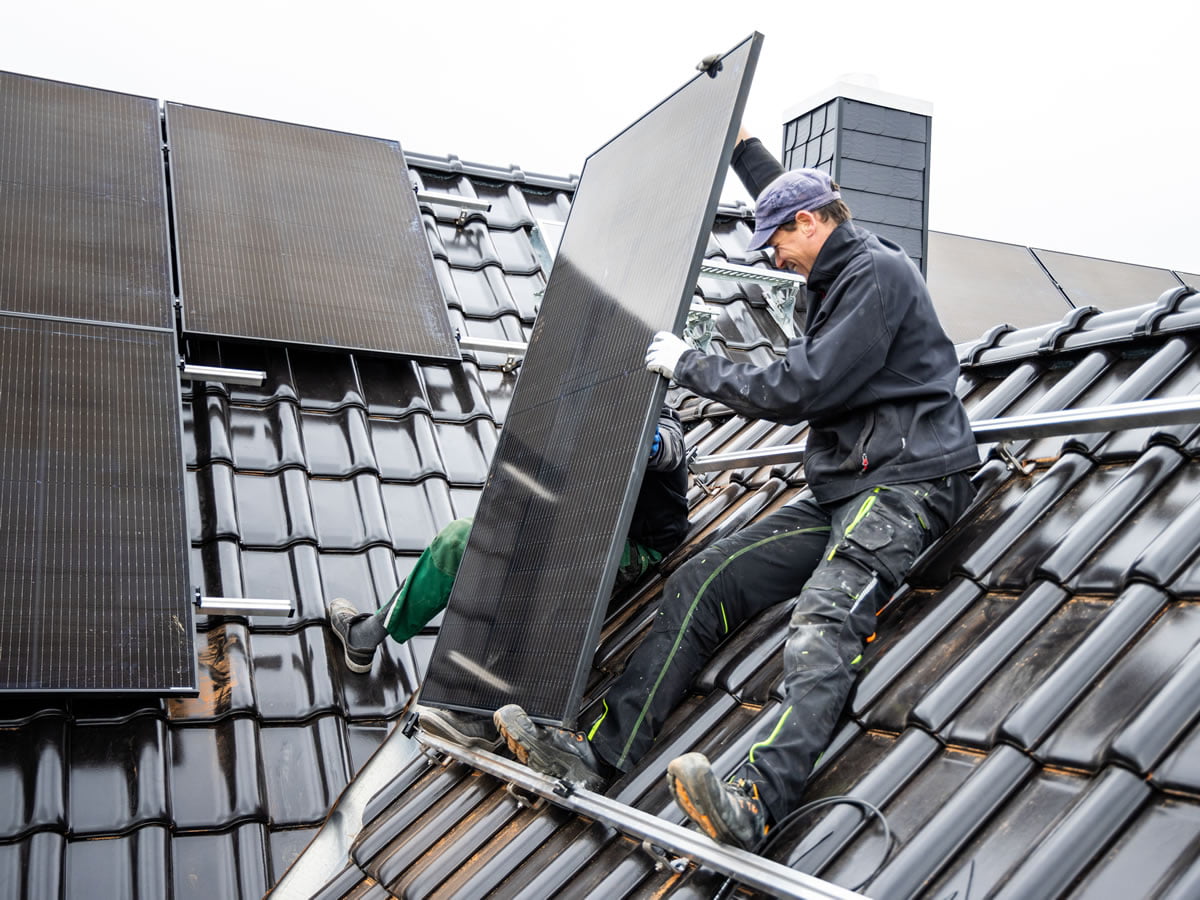
Solar installers fitting solar panels to house roof

Solar Panels: A Blend of Form and Function

My Home Solar’s selection of panels from JA Solar, Jinko, and Longi reflects a commitment to this balance. These panels are known for their sleek design and minimalistic frames, making them an attractive addition to any rooftop. They come in various sizes and colours, allowing for a more personalised installation that complements the architectural elements of your home.

But it’s not just about looks, these panels are also powerhouses of efficiency. For instance, JA Solar panels are renowned for their high conversion rates, meaning more sunlight is turned into usable energy. Similarly, Jinko and Longi panels are celebrated for their durability and performance, even in low, light conditions. This ensures that your home not only looks good but also maximises energy production.


Optimisers: Maximising Efficiency Discreetly

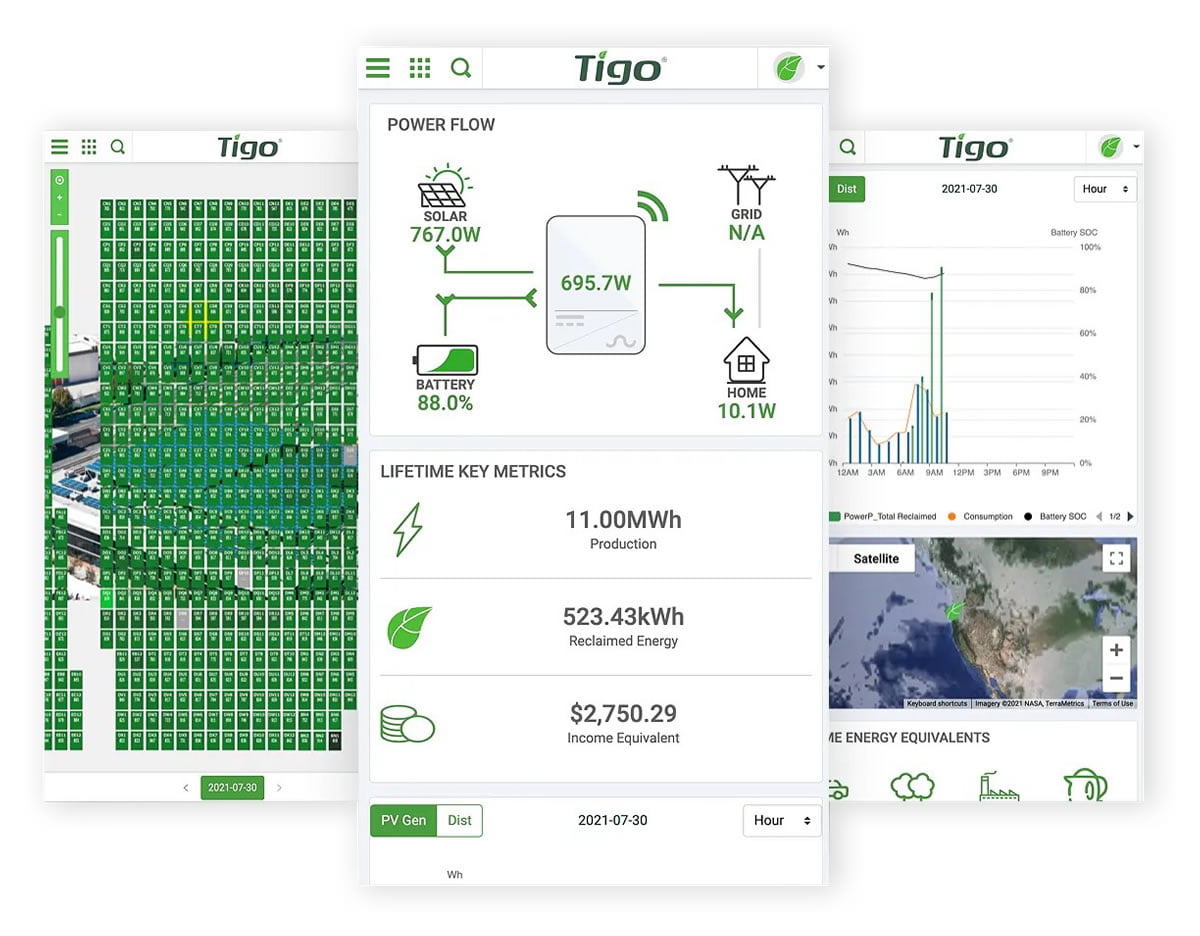
To further enhance the performance of these panels, My Home Solar offers optimisers like the S440 and Tigo. These devices are integral in making each solar panel independently efficient, addressing the issue of underperforming panels due to shading or orientation. The beauty of these optimisers lies in their ability to remain hidden from view, ensuring the aesthetic integrity of your solar array while boosting its efficiency.

Battery Storage: Aesthetic and Functional Harmony

As solar technology advances, the need for efficient energy storage has become paramount. My Home Solar understands this, offering a range of batteries such as the Fox 2.9, 4.8 kW stackable units, SolarEdge’s 10kW power bank, and Give Energy’s 5.2 and 9.5 kW, along with Growatt’s options ranging from 3.3 to 6 kW. These batteries are designed to be compact and sleek, allowing for indoor or outdoor installation without detracting from your home’s appearance.


Conclusion: A Sustainable Balance

The journey towards sustainable energy does not require a compromise on aesthetics. My Home Solar is dedicated to providing solar solutions that not only meet the highest standards of efficiency but also complement the beauty of your home. By choosing the right panels, optimisers, batteries, and inverters, you can enjoy the benefits of solar energy without sacrificing the appearance of your property.

In the end, balancing aesthetics and efficiency in solar panel designs is about harmonising with the environment, both natural and built. As we move towards a greener future, it’s clear that the solar solutions offered by My Home Solar are not just about saving on energy bills or reducing carbon emissions, they’re also about enhancing the visual appeal of our homes and, by extension, our quality of life.

Error: Contact form not found.