- 31b Great Western Road Dorchester Dorset DT1 1UF
- quotes@myhomesolar.uk

Call Us
0800 193 3933
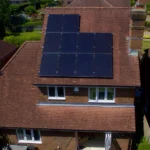
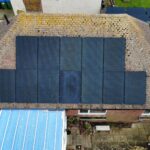
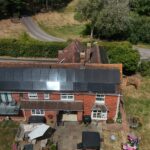
Black solar panels can perform slightly better than standard blue panels because manufacturers typically produce them using more efficient monocrystalline cells. However, in the UK’s climate, the overall difference in energy production is relatively small. Installation quality, roof position and system design generally have a far greater impact on long term solar panel performance than panel colour alone.
Although colour creates the most obvious visual distinction, the manufacturing process creates the real differences between the solar cells.
Most black solar panels use monocrystalline silicon cells. Manufacturers create these cells from a single, highly purified silicon crystal, allowing electrons to move more efficiently through the material. As a result, these panels typically achieve higher conversion efficiencies and occupy less roof space for the same power output.
By comparison, manufacturers commonly produce blue solar panels using polycrystalline silicon. They create these cells by melting together multiple silicon fragments.Whilst this manufacturing process is generally less expensive, it creates additional crystal boundaries that reduce electrical efficiency slightly.
This difference in manufacturing gives each panel its distinctive appearance.
Monocrystalline panels have a uniform black finish with smooth, rounded cell edges that many homeowners consider more visually appealing. Polycrystalline panels display a mottled blue surface created by the multiple silicon crystals within each cell.
Although aesthetics are often an important consideration, particularly for residential properties, appearance alone should never determine which solar panels are most suitable.
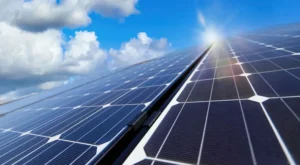
Generally speaking, black solar panels are capable of producing slightly more electricity from the same roof area.
This is primarily because monocrystalline technology converts a greater proportion of sunlight into usable electricity.
Modern monocrystalline solar panels frequently achieve efficiencies exceeding twenty two per cent, whilst many polycrystalline panels operate within a slightly lower efficiency range.
However, this does not necessarily mean that black panels will dramatically reduce your electricity bills compared with blue panels.
For many properties across the United Kingdom, the annual difference in electricity generation is relatively small. Every extra unit of electricity helps reduce energy costs. However, the increase is rarely as significant as many people expect.
Instead, homeowners and business owners achieve the greatest gains by installing the right number of solar panels. They should also choose high quality equipment and design the system specifically for their property.
One misconception that continues to circulate is that solar panels require constant sunshine to generate electricity.
In reality, solar panels operate using daylight rather than direct sunlight.
Even during cloudy weather, solar cells continue converting available light into electricity, although production naturally falls compared with bright summer conditions.
This makes solar panels particularly well suited to the United Kingdom despite its variable weather.
Throughout the year, the country receives sufficient daylight for well designed systems to generate significant amounts of renewable electricity. Whilst summer naturally delivers higher outputs due to longer daylight hours, modern solar technology continues producing useful energy during autumn, winter and spring.
Consequently, homeowners should focus less on the colour of the panel and more on designing the entire installation to maximise available sunlight throughout the year.
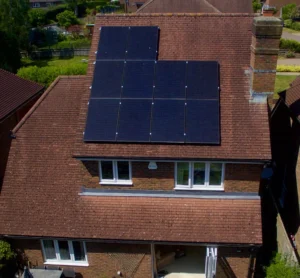
This is another question frequently asked by prospective solar panel owners.
The simple answer is that black solar panels can perform marginally better under lower light conditions because monocrystalline cells tend to maintain stronger efficiency levels when sunlight intensity decreases.
However, the difference is often modest.
Both monocrystalline and polycrystalline solar panels continue generating electricity on overcast days, and neither technology suddenly stops working because clouds appear.
Instead, electricity production depends on the overall amount of available daylight reaching the panels.
Therefore, black solar panels may offer a slight performance advantage during cloudy conditions. However, homeowners should consider this as just one of many contributing factors. It should not be the sole reason for choosing one technology over another.
Interestingly, many people assume darker coloured panels automatically perform better because they absorb more sunlight.
The reality is slightly more complicated.
All solar panels lose a small amount of efficiency as temperatures increase. This is measured using what is known as the temperature coefficient.
Although black panels absorb more heat because of their darker appearance, manufacturers engineer modern monocrystalline panels to minimise performance losses as temperatures rise.
Fortunately, the United Kingdom rarely experiences prolonged periods of extreme heat. As a result, temperature related efficiency losses remain relatively modest for most installations.
Consequently, seasonal temperature changes have far less impact on annual electricity generation than roof orientation, shading and overall system quality.
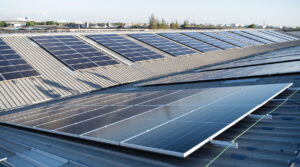
Whilst performance remains the primary objective, visual appearance has become increasingly important as solar panels become more common across residential developments.
Black solar panels are widely regarded as offering a cleaner, more contemporary finish.
Their uniform colouring blends seamlessly with dark roof tiles, slate roofs and modern architectural designs. Many premium systems also feature black frames and black backing sheets, creating an elegant appearance that complements the roof rather than standing out against it.
By contrast, blue solar panels often have a more noticeable appearance because of their distinctive crystalline pattern and silver framing.
For some homeowners, particularly those installing panels on highly visible front elevations, aesthetics alone may justify choosing black panels despite the additional investment.
Appearance can also influence future property value. Prospective buyers often view attractive renewable energy installations more favourably.
Cost is often one of the deciding factors when choosing solar panels. Whilst black monocrystalline panels have traditionally been more expensive than blue polycrystalline alternatives, the price gap has narrowed considerably over recent years.
Advances in manufacturing and growing demand have made high efficiency black solar panels much more accessible. Consequently, many installations now feature monocrystalline panels as the preferred option because they offer an excellent balance between performance, appearance and long term value.
Although the initial investment may still be slightly higher, black panels often generate more electricity over their lifetime. Therefore, the additional cost can be offset through greater energy savings, particularly for properties with limited roof space where maximising output is essential.
Do not focus solely on the purchase price. Instead, consider the overall return on investment over the lifespan of the system.A well designed solar installation can produce clean electricity for decades. Therefore, long term performance often matters far more than a small difference in upfront cost.
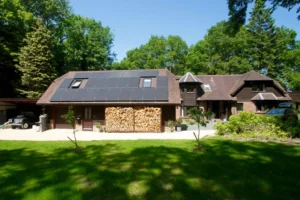
Manufacturers build both black and blue solar panels to withstand the demanding weather conditions experienced across the United Kingdom.
They rigorously test modern panels to ensure they can withstand heavy rainfall, strong winds, snow, hail and prolonged exposure to ultraviolet light. As a result, homeowners and businesses can expect many years of reliable electricity generation regardless of which type they choose.
Most high quality solar panels have a life expectancy of twenty five years or more, with many continuing to operate efficiently for thirty years or longer. Although output gradually declines over time, the reduction is typically very small each year.
Manufacturing quality has a much greater impact on lifespan than panel colour. Therefore, homeowners and business owners should choose reputable products and ensure they are installed correctly. These factors matter far more than choosing between black and blue panels.
Regular inspections and occasional cleaning will also help maintain optimum performance throughout the lifetime of the system.
There is no universal answer because every property has different requirements.
If roof space is limited, many homeowners and business owners choose black monocrystalline panels because they deliver higher efficiency. They generate more electricity from a smaller installation, making them ideal for compact residential roofs and commercial buildings with restricted space.
For larger roofs where space is less of a concern, blue panels may still provide excellent value. If sufficient roof area is available, installing additional panels can often compensate for the slightly lower efficiency whilst keeping installation costs competitive.
Appearance should also be considered. Many homeowners prefer the sleek, uniform finish of black panels, particularly on modern properties or homes where the roof is highly visible. Businesses may also favour black panels because they present a more contemporary image that complements commercial buildings.
Ultimately, the most suitable solution depends on several factors, including roof size, orientation, budget, electricity usage and future energy goals.
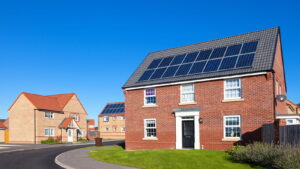
As solar technology has become increasingly popular, several misconceptions have emerged regarding panel colour and performance.
One common myth is that black panels generate significantly more electricity simply because they absorb more heat. In reality, solar panels generate electricity from light rather than heat. Whilst monocrystalline technology is generally more efficient, this is due to the structure of the silicon cells rather than their colour.
Another misconception is that blue panels are outdated and should no longer be considered. Although monocrystalline technology has become the preferred choice for many installations, polycrystalline panels continue to provide dependable renewable energy and remain suitable for certain projects.
Some people also believe that solar panels perform poorly in the United Kingdom because of frequent cloud cover. However, this is simply not true. Solar panels continue producing electricity throughout the year using daylight, even during overcast conditions. Consequently, thousands of homes and businesses across the country benefit from substantial reductions in electricity costs despite the variable climate.
Finally, many assume that selecting the most efficient panel automatically guarantees the highest savings. Whilst efficiency is undoubtedly important, the quality of the installation, system design and positioning often have a much greater influence on overall performance.
So, do black solar panels perform better than standard blue panels in the UK?
The answer is yes, but only to a modest extent.
Black monocrystalline solar panels generally deliver higher efficiency, make better use of limited roof space and offer a more attractive appearance. However, the difference in annual electricity generation is usually small under typical UK conditions.
For most homeowners and business owners, system design, roof suitability and installation quality matter far more than panel colour.
Whether you choose black or blue solar panels, a professionally designed system can reduce electricity costs. It can also lower your reliance on the grid and support a more sustainable future.
If you are considering solar panels, My Home Solar can help. Our team provides expert advice and tailored solutions to maximise performance and long term value for your property.