- 31b Great Western Road Dorchester Dorset DT1 1UF
- quotes@myhomesolar.uk

Call Us
0800 193 3933
As energy prices continue to fluctuate and environmental awareness grows, more homeowners are looking towards renewable energy to reduce household costs and improve the efficiency of their homes. Solar panels have become one of the most popular investments, offering long term savings alongside a cleaner source of electricity. While many installations are fitted to the main roof of a property, this is by no means the only option available.
If you have a garage with suitable roof space, you may be wondering whether it can support a solar panel installation instead. For many homeowners, this approach offers an attractive solution, particularly if the main house roof is shaded, has an unsuitable orientation or they simply wish to preserve its appearance.
The good news is that, in many cases, installing solar panels on a garage roof is entirely possible. In fact, some garages provide an even better location than the house itself. However, before proceeding, there are several important factors to consider, including the condition of the roof, its orientation, structural strength and the way the system connects to your home’s electrical supply.
Yes, provided the garage roof is structurally sound and receives sufficient sunlight, it can be an excellent location for solar panels.
Whether the garage is attached to your home or stands separately within your garden, the principles remain largely the same. The solar panels generate electricity from daylight before transferring that energy through an inverter into your home’s electrical system.
Many homeowners are surprised to learn that solar panels do not have to generate electricity from the house roof itself. As long as a qualified installer designs the system correctly, it can transfer electricity efficiently from the garage to your consumer unit.
A professional installer will assess the entire property before recommending the most appropriate location for your system.
There are several reasons why homeowners choose to install solar panels on a garage rather than the main property.
Sometimes the house roof simply is not suitable. Older roofs may require repairs before installation, while others have multiple roof windows, chimneys or awkward roof shapes that reduce the available space.
In other situations, nearby trees or neighbouring buildings cast shadows across the house roof during much of the day, reducing energy production.
A garage may avoid many of these issues. If positioned in a more open area, it could receive uninterrupted sunlight for longer periods, allowing the solar panels to generate more electricity throughout the day.
Some homeowners also prefer to leave the appearance of the main house unchanged, particularly if they own a listed property or simply wish to preserve the character of their home.
Although many garages are suitable for solar panels, not every roof can safely support an installation.
The first consideration is the overall condition of the structure. If your garage roof has deteriorated over time or shows signs of movement, you may need to repair it before installers can safely fit the solar panels.
The construction of the garage also matters. Brick built garages generally provide a robust structure, while lightweight timber garages may require additional assessment before installation proceeds.
Professional installers will carefully inspect the roof to ensure it can safely carry the combined weight of the mounting system and solar panels.
Fortunately, modern solar panels are considerably lighter than many homeowners expect, meaning numerous garages can accommodate them without significant structural alterations.

Roof orientation plays an important role in determining how much electricity your solar panels will generate.
Across the United Kingdom, south facing roofs generally achieve the highest annual energy production because they receive the greatest amount of direct sunlight throughout the day.
However, this does not mean other roof directions should be dismissed.
South east and south west facing roofs also perform exceptionally well, while east and west facing installations can still provide excellent returns by generating electricity during different parts of the day.
Even north facing roofs may remain viable in certain situations, although electricity generation will usually be lower than other orientations.
An experienced installer will calculate the expected performance based on your property’s exact location, roof angle and surrounding environment before making recommendations.
Many garages have flat roofs, leading some homeowners to assume they are unsuitable for solar panels. In reality, flat roofs often offer considerable flexibility.
Rather than following the existing roof angle, specialist mounting systems position the panels at an optimal angle to maximise exposure to sunlight.
These mounting systems allow installers to create an efficient layout while avoiding self shading between rows of panels.
Pitched garage roofs also perform extremely well, particularly when they already face a favourable direction.
The best solution depends entirely on the individual property, which is why every installation should begin with a detailed survey.
One common misconception is that a garage installation will only generate enough electricity to power the garage itself.
Once installers connect your solar panels to your home’s electrical system, they generate electricity that powers appliances throughout your property.
This means your kitchen appliances, lighting, televisions, computers and many other household devices can all use the electricity generated on your garage roof.
Several factors influence how much electricity your system generates. These include the number of panels installed, their efficiency, your roof’s orientation and local weather conditions.
If your garage roof is large enough, it may accommodate a solar panel system that is comparable in size to one installed on your main house roof.
Most domestic solar panel installations fall under permitted development rights, meaning planning permission is often unnecessary.
However, there are important exceptions.
If you own a listed property, live in a conservation area or your property is subject to specific planning restrictions, you may need to obtain additional permissions before installation can begin.
Garages that exceed certain height limits or have unusual construction may also require further consideration.
A reputable installer will advise you on any planning requirements before work starts, ensuring the installation complies with current regulations.

One of the most common questions homeowners ask is how electricity generated on a garage roof reaches the house.
The process is far simpler than many people expect. Qualified installers run suitably protected electrical cabling between the garage and your home’s consumer unit. The layout of your property determines the exact cable route, but installers often run the cables underground or route them discreetly to minimise their visual impact.
Once connected, the electricity generated by your solar panels becomes available throughout your home. Your household appliances automatically use the solar energy first before drawing any additional electricity from the National Grid.
Although connecting a detached garage to your home requires some additional work, qualified installers carry out this process regularly, so it should not discourage you from considering this option.
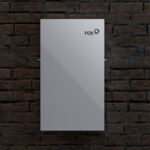
Many homeowners choose to install battery storage alongside their solar panels. This allows them to make even greater use of the electricity they generate.
Without a battery, your system normally exports any surplus electricity to the grid if your home does not use it straight away. A battery stores this excess electricity for later use. You can then use it during the evening when your solar panels are no longer generating power.
Battery storage often makes excellent practical sense for garage installations. If space allows, installers can fit the battery inside the garage. This keeps the equipment together and frees up space inside your home.
Although battery storage is not essential, it can significantly increase your energy independence. It can also reduce the amount of electricity you need to buy from the grid.
The amount of roof space required depends on the number of solar panels being installed and the energy requirements of your household.
Modern solar panels are considerably more efficient than earlier models, allowing homeowners to generate more electricity using fewer panels.
Even a modest garage roof may accommodate enough panels to make a meaningful contribution towards household electricity consumption.
During an initial survey, installers will assess the available roof area before recommending a system that balances energy production with your available space and budget.
Choosing a garage roof offers several potential advantages.
If trees, neighbouring buildings or other obstacles shade your house roof, your garage roof may receive more direct sunlight throughout the day. The same applies if your house roof has a less favourable orientation.
A garage installation also preserves the appearance of your main property. This appeals to homeowners who want to maintain the character of their home.
Installation work can sometimes be simpler and more accessible, particularly where the garage roof is lower than the house roof.
Homeowners planning a future loft conversion or roof extension may also prefer to keep the main roof free from solar panels. A garage installation allows them to benefit from renewable energy without affecting future building plans.
Perhaps most importantly, a garage installation makes use of otherwise unused roof space. This allows you to generate clean electricity without sacrificing valuable roof space elsewhere on your property.
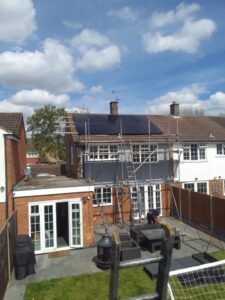
While garage installations work extremely well for many homes, there are some considerations to bear in mind.
Detached garages require additional electrical cabling between the garage and the property, which can increase installation costs slightly.
Older garages may also require structural improvements before installers can safely fit solar panels.
The size of your roof can also limit the number of solar panels you can install, particularly if you have a smaller garage.
However, these factors do not necessarily mean your garage is unsuitable. Instead, they highlight the importance of arranging a professional assessment before choosing the best location for your solar panels.
Common Misconceptions About Garage Solar Panels.
Several myths continue to discourage homeowners from exploring garage installations.
One common belief is that solar panels only work effectively when installed on the main house roof. In reality, the location matters far less than the amount of sunlight the panels receive.
Another misconception is that detached garages cannot supply electricity to the home. Modern electrical systems make this entirely achievable when installed by qualified professionals.
Some homeowners also assume that flat roofs cannot support solar panels. As discussed earlier, specialist mounting systems make flat roof installations both practical and highly effective.
Finally, there is a belief that garages are simply too small. While this may be true in some cases, many garages provide more than enough roof space for a system capable of delivering worthwhile savings.
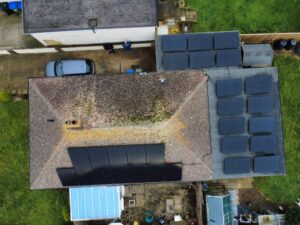
Every property is unique, which is why a professional survey should always form the first step of any solar installation.
An experienced installer will assess the structural condition of your garage roof. They will measure the available roof space, evaluate its orientation and identify any shading that could affect performance.
They will also determine the most suitable cable route between the garage and your home’s electrical system. Throughout the installation, they will ensure the work complies with current regulations.
A detailed survey gives you a clear picture of your system’s potential performance. It also helps you make an informed investment instead of relying on assumptions based on roof size or appearance alone.
At My Home Solar, we tailor every recommendation to your property. We help you choose a system that delivers reliable performance for many years to come.
Installing solar panels on a garage roof can be an excellent alternative to using your main house roof. In some cases, it can even deliver better performance. This is particularly true if the garage receives more sunlight or offers a simpler installation.
Before you proceed, ensure your garage roof has the structural strength to support the system. It should also receive sufficient sunlight and allow for a safe connection to your home’s electrical system. With careful planning and professional guidance, a garage installation can deliver many of the same financial and environmental benefits as a traditional roof mounted system.
If you are considering solar panels but are unsure whether your garage is suitable, arrange a professional survey. The experienced team at My Home Solar will assess your property, explain your options and design a system that makes the best use of your available roof space. They can also recommend complementary solutions, such as battery storage, to help you maximise the value of your investment.