- 31b Great Western Road Dorchester Dorset DT1 1UF
- quotes@myhomesolar.uk

Call Us
0800 193 3933
A larger solar panel system can save more money because it generates more electricity. When your home produces more of its own energy, you can reduce the amount of electricity you buy from the grid.
However, generating more electricity does not always result in proportionally greater savings.
You will often gain the greatest value when you use solar electricity within your own home. Therefore, if a large system regularly produces far more electricity than you need, those additional panels may offer less financial benefit.
As a result, you should choose a system based on your household rather than simply filling every available section of your roof.
Each solar panel contributes to the total generating capacity of your system. Therefore, adding more panels will usually increase the amount of electricity you can produce.
A larger system may work particularly well for a household with high electricity consumption. In this case, your home may use more of the electricity as the panels generate it. As a result, you could rely less on electricity from the grid.
However, a household with lower electricity consumption may not need such a large system.
This does not mean that additional panels offer no value. Instead, it shows why you should consider your energy needs before deciding how many panels to install.
Your electricity consumption should play a central role when choosing the size of your solar panel system.
For example, a busy household may consume considerably more electricity than a smaller home. Likewise, electric vehicles, heat pumps and other electrical equipment can increase your energy requirements.
Your annual electricity consumption provides a useful starting point. However, you should also consider when you use that electricity.
Solar panels generate electricity during daylight hours. Therefore, households that use more energy during the day can often consume a greater proportion of their solar generation directly.
For instance, you may work from home and use computers, appliances and other electrical equipment throughout the day. Alternatively, somebody may regularly remain at home during daylight hours.
These usage patterns matter. By understanding them, your solar installer can recommend a system that better matches your household.
It can be tempting to maximise solar generation by covering as much of your roof as possible. However, the largest system will not automatically provide the best financial return.
Every additional solar panel increases your generating capacity. However, it also adds to the overall investment.
Therefore, you need to consider whether you can make good use of the extra electricity.
If your household can use much of this additional energy, a larger system could make excellent sense. However, if your panels already generate far more electricity than you regularly need, extra capacity may provide a smaller benefit.
For this reason, good solar design focuses on balance. Your system should generate enough electricity to meet a useful proportion of your needs without becoming unnecessarily large.
The amount of solar electricity you use directly can influence your potential savings.
When your panels generate electricity and your home needs power at the same time, solar energy can supply that demand. Consequently, you buy less electricity from your energy supplier.
Your daily routine can therefore affect the performance of your solar installation.
You may also be able to make simple changes to use more solar electricity. For example, you could run certain appliances during daylight hours instead of waiting until the evening.
However, you should not need to completely reorganise your lifestyle around your solar panels. Instead, your installer should design a system that complements your normal energy habits.
At certain times, your solar panels may generate more electricity than your home needs.
Without battery storage, your system can send surplus electricity to the grid. Therefore, your additional generation does not simply disappear.
However, using solar electricity within your own home can offer a different financial value from exporting it.
As a result, installing a much larger system purely to generate substantial amounts of surplus electricity may not always provide the best return.
Instead, consider how much electricity your household is likely to use. A professional solar assessment can help you understand whether additional generating capacity makes financial sense for your property.
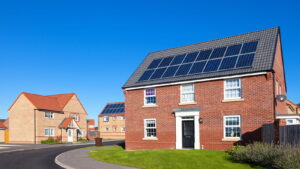
Battery storage can make a larger solar panel system more practical for some households.
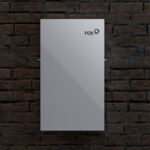
A solar battery stores electricity that your panels generate but your home does not immediately need. You can then use that stored energy later.
For example, your panels may generate surplus electricity during the afternoon. Your battery can store some of this energy so that you can use it during the evening.
As a result, battery storage can help you use more of the electricity that your solar panels produce.
However, bigger does not automatically mean better when choosing a battery either. You need enough storage to suit your generation and consumption without paying for unnecessary capacity.
Therefore, your solar panels and battery should work together as one complete system.
If you are considering solar panels with battery storage, My Home Solar can assess whether adding a battery would suit your household.
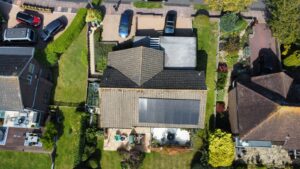
Your electricity consumption is important. However, your property will also influence how many solar panels you can install and how effectively they can generate electricity.
A larger roof may provide room for more solar panels. However, chimneys, roof windows, vents and other features can reduce the usable area.
Therefore, an installer should assess how much suitable roof space you actually have.
The direction your roof faces can affect solar generation.
For this reason, you should consider where panels will sit rather than simply how many will fit.
A professional installer can assess the orientation of your roof and design the system accordingly.
Your roof angle can also influence solar generation.
Therefore, your installer should consider the pitch alongside orientation, available space and other property characteristics.
Trees, buildings and chimneys can create shade at different times of the day.
Consequently, placing additional panels in heavily shaded areas may not provide enough extra generation to justify doing so.
A solar assessment can identify the most suitable areas of your roof before installation begins.
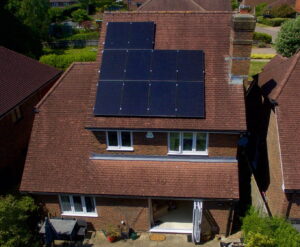
The number of solar panels on your roof does not tell you everything about the size or potential performance of your system.
Solar panels vary in output and efficiency. Therefore, one home may achieve substantial generating capacity with fewer panels. Another property may require more panels to produce a similar amount of electricity.
For this reason, you should consider the performance of the complete system rather than focusing only on panel numbers.
Good solar design considers panel performance, available roof space and household electricity consumption together.
Solar panels represent a long term investment. Therefore, you should consider both your current and future electricity requirements.
For example, you may plan to buy an electric vehicle. Charging it at home could increase your electricity consumption.
Likewise, you may decide to install a heat pump in the future. This could also change the amount of electricity your household uses.
Other changes can affect consumption too. You might start working from home, extend your property or add more electrical equipment.
Therefore, a slightly larger solar system could make sense if you expect your electricity requirements to increase.
However, base this decision on realistic plans. There is little value in paying for additional capacity that you are unlikely to need.
Discussing your future plans with your solar installer can help you make a more informed decision.
If you expect to need additional solar capacity, it can make sense to consider this during the initial installation.
Installing solar panels involves more than purchasing the panels themselves. The project can include scaffolding, electrical work, system design and installation labour.
Therefore, returning later to expand the system could involve additional work and expense.
If you expect your electricity consumption to rise, discuss this with your installer before choosing your initial system.
However, this does not mean that every homeowner should install the maximum number of panels immediately.
Instead, consider your current requirements alongside realistic future needs. This approach can help you choose a system that provides lasting value.
When comparing solar panel system sizes, consider overall value rather than simply choosing the cheapest or largest option.
A smaller system will generally cost less to install. However, it may not generate enough electricity to meet a useful proportion of your household demand.
In contrast, a very large system may generate plenty of electricity. Yet you may struggle to use enough of that additional energy to justify the extra investment.
Therefore, the right system usually sits somewhere between these two extremes.
The key question is whether the additional generating capacity will provide worthwhile value over the life of the system.
This is why tailored solar quotations matter.
Every household is different. Your roof, electricity consumption and daily routine will not exactly match those of your neighbour. Therefore, a system that works exceptionally well for one property may not suit another.
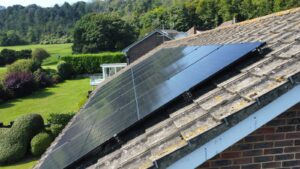
Choosing the right solar panel system requires you to consider several factors together.
Start with your current electricity consumption. Then, consider when you use that electricity and whether your requirements are likely to change.
Next, assess your roof. Its size, orientation, pitch and shading will influence how many panels you can install and how effectively they can generate electricity.
You can then consider battery storage if it suits your circumstances.
By looking at the complete picture, you can choose a solar system that allows you to use your generated electricity effectively while achieving good value from your investment.
At My Home Solar, we consider these factors before recommending an installation for your property.
Online solar calculators can provide useful estimates. However, they cannot fully assess your individual property.
Professional system design considers how every part of your solar installation will work together.
For example, adding panels to an unsuitable section of roof may increase the theoretical size of your system. However, those panels may not provide the same benefit as panels installed in a better position.
Similarly, a household that uses large amounts of electricity during the day may benefit from a different system than one that uses most of its electricity during the evening.
Therefore, professional design can help you avoid installing a system that is either too small or unnecessarily large.
More importantly, it allows you to make your decision based on your home rather than a generic estimate.
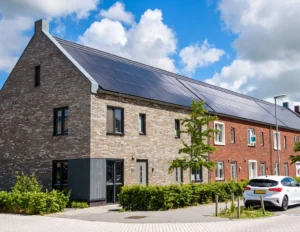
Homes across the South Coast vary considerably. Roof sizes, orientations, property styles and household energy requirements can all differ.
Therefore, there is no single solar panel system size that suits every property.
My Home Solar provides solar solutions for homeowners across the South Coast. We can assess your home and discuss your current electricity consumption. We can also consider how your requirements may change in the future.
From there, we can recommend a system designed around your circumstances.
If you are comparing solar panel options, a tailored assessment can give you a much clearer idea of the system that could provide the greatest value for your home.
A larger solar panel system can save more money, but only when it suits the way your household uses electricity. More panels can increase generation, yet the best value comes from choosing a system that matches your property, energy use and future plans.
Therefore, bigger is not always better. The right system should balance generation, cost and practical use. It should also make the most of your available roof space without adding unnecessary capacity.
My Home Solar can assess your property and recommend a solar panel system that fits your needs. If you are considering solar for your home on the South Coast, contact our team today for tailored advice and a personalised quote.
No. More solar panels can generate more electricity, but that does not guarantee greater savings. The financial benefit depends on how much electricity your household uses and how effectively you can use the additional generation.
It can be. A larger system may suit a household with high electricity consumption or increasing future energy needs. However, you should choose the system based on your property and energy usage rather than simply installing as many panels as possible.
Yes, a system can generate considerably more electricity than a household regularly needs. You may be able to store or export surplus electricity. However, excessive generating capacity may not always provide the strongest financial return.
It can. A battery allows you to store some surplus solar electricity and use it later. Therefore, battery storage may help certain households make better use of a larger solar system.