- 31b Great Western Road Dorchester Dorset DT1 1UF
- quotes@myhomesolar.uk

Call Us
0800 193 3933
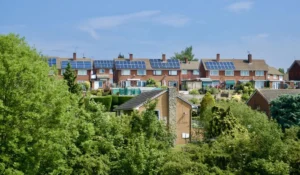
A solar battery provides somewhere to store surplus electricity until your home needs it.
Your solar panels may sometimes generate more electricity than your household is using. When this happens, the system can direct surplus electricity to the battery. The battery then stores this energy for later.
For example, your solar panels may produce less electricity during the evening. At the same time, you may be cooking, watching television or using other appliances. Your home can then draw electricity from the battery to help meet demand.
My Home Solar explains that solar batteries store surplus electricity produced by solar panels. This energy can then be used when required.
This ability to use solar electricity later in the day is one of the main advantages of home battery storage.
Without a battery, surplus electricity from your solar panels can be exported to the grid.
Battery storage gives you another option.
When your panels produce more electricity than your home needs, some of the surplus can charge your battery. You can then use this stored electricity when household demand increases.
This can increase your solar self consumption. Put simply, you can use more of the electricity generated by your own solar panels.
However, not all surplus electricity will necessarily enter the battery. Electricity flow depends upon your system design and household demand. It also depends upon how much charge is already stored in the battery.
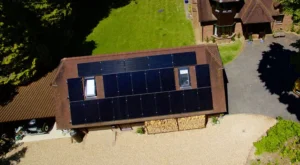
Every solar battery has a limited storage capacity.
Once the battery is fully charged, it cannot continue storing electricity. If your solar panels are still producing surplus electricity, the excess may be exported to the grid. This depends upon how your system is configured.
The Energy Saving Trust confirms that excess solar electricity can be exported when battery storage is full.
Therefore, choosing the largest battery is not always the best option.
An oversized battery may provide storage capacity that your solar panels rarely fill. On the other hand, a battery that is too small may fill quickly. This could leave additional solar electricity available for export.
A professional assessment can help you choose a suitable battery capacity. It should consider your solar generation and household electricity consumption.
A solar battery can provide stored electricity when your panels are no longer generating enough to meet demand.
This makes evening use an important benefit of combining solar panels and battery storage.
For example, your panels may generate surplus electricity during the afternoon. Your battery can store some of this energy rather than exporting it to the grid.
Later, your solar generation will fall as daylight fades. Meanwhile, you may be using lights, televisions and kitchen appliances. Your battery can then release its stored electricity to help power your home.
The Energy Saving Trust identifies night time and cloudy periods as times when stored electricity can be particularly useful.
How long your battery can supply electricity depends upon several factors. These include its usable capacity and how much electricity your household consumes.

A solar battery does not usually remove your connection to the electricity grid.
Your battery may eventually run out of stored electricity. Your solar panels may also be generating less electricity than your home needs. When this happens, your property can generally draw additional electricity from the grid.
Therefore, you should not view battery storage as an unlimited source of electricity.
Instead, a battery can help you manage how and when you use solar electricity.
Results will vary between households. Factors include your electricity consumption, solar panel capacity and battery size. Your electricity tariff and weather conditions can also influence performance.
Battery storage can help some households reduce the amount of electricity they purchase from the grid.
This is because a battery can store surplus solar electricity for later use. However, it is important to keep expectations realistic.
Solar generation varies throughout the year. The Energy Saving Trust notes that solar panels generate more electricity during summer than winter. Solar panels may not meet all of a household’s electricity needs throughout the year.
Therefore, even a well designed solar and battery system may still require electricity from the grid.
For many homeowners, the aim is not to disconnect from the grid completely. Instead, battery storage can help them make better use of the electricity their solar panels generate.

There is no single battery size that suits every home.
The right capacity depends on how much electricity your household uses. You should also consider when you use the most electricity.
Your solar generation is important too. Ideally, your battery should suit the amount of surplus electricity your panels are likely to produce.
For example, a smaller household may have relatively modest energy needs. A larger property with an electric vehicle or heat pump may require more capacity.
You should also consider your future requirements. Perhaps you plan to buy an electric vehicle or install electric heating. These changes could increase your electricity consumption.
The Energy Saving Trust recommends considering household energy use and surplus solar generation when choosing battery capacity.
For this reason, professional advice can help you choose a battery that suits your home and energy needs.
Not necessarily.
A larger battery may offer greater capacity, but this does not automatically make it better for your home.
Your battery should suit your property, electricity consumption and solar panel system.
If your panels rarely produce enough surplus electricity to fill a large battery, some capacity may remain unused. However, a battery that is too small could limit how much surplus electricity you can store.
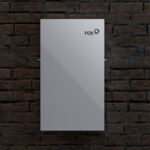
My Home Solar offers scalable battery options. These include modular Fox ESS systems and SigEnergy solutions. This flexibility can help accommodate different household energy requirements.
Therefore, do not choose a solar battery based on capacity alone. Instead, consider the overall energy requirements of your home.
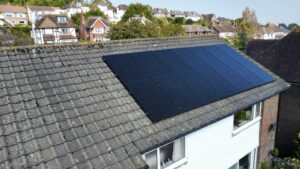
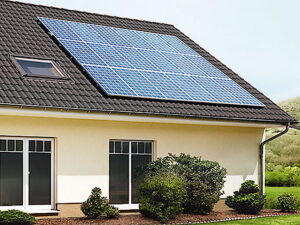
This is an important question to ask before buying battery storage.
A charged solar battery does not automatically mean your home will have power during a power cut.
Backup capability depends on several factors. These include the battery, inverter and electrical setup. The system must also be designed to provide backup power.
If power cut protection is important to you, discuss this with your installer. They can explain what level of backup a system can provide. They can also advise whether additional equipment is required.
Therefore, never assume that a solar battery will provide whole home backup simply because it stores electricity.
Solar panels continue to generate electricity during winter. However, the amount they produce can vary.
Daylight, weather, system size and panel orientation can all affect generation.
As a result, your battery may behave differently during winter. There may be less surplus solar electricity available to store than during summer.
Some battery systems can also charge from the grid. The Energy Saving Trust notes that this may allow households to use suitable time of use tariffs. For example, a battery could charge when electricity is cheaper. You could then use the stored electricity later.
Whether this approach is financially suitable depends on your electricity tariff. Your consumption and system configuration will also influence the potential benefits.

Choosing the right solar and battery system starts with understanding your property. It should not simply involve selecting products from a catalogue.
Your installer should consider your electricity consumption and roof characteristics. Available installation space and existing equipment are also important. They should then recommend suitable solar panels and battery storage.
When you use electricity also matters.
For example, two homes may use a similar amount of electricity each year. However, one household may use more during the day. The other may have much greater demand during the evening.
Therefore, your system should reflect how and when your household uses electricity.
Every home has different energy storage requirements. Therefore, having access to different battery technologies can be useful.
My Home Solar offers battery storage solutions from manufacturers including Fox ESS, Enphase and SigEnergy.
Fox ESS provides scalable battery storage options. Meanwhile, SigEnergy offers modular systems that combine battery storage with intelligent energy management. My Home Solar also provides Enphase solar batteries alongside its microinverter technology.
However, choosing a battery involves more than selecting a manufacturer.
Capacity and compatibility are important considerations. You should also consider scalability, inverter configuration and overall system design.
Therefore, homeowners should choose a complete system that suits their property and electricity needs. A professional assessment can help identify the most appropriate option.
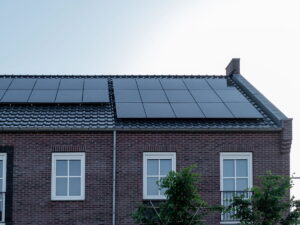
If you are considering solar panels and battery storage on the South Coast, professional system design is important. It can help ensure your panels, battery and other components work effectively together.
My Home Solar provides solar panels, home solar systems and battery storage solutions. The company is MCS certified and RECC approved.
Its battery range includes technology from Fox ESS, Enphase and SigEnergy. This provides options for different properties and energy requirements.
Your solar and battery system should suit your home and electricity usage. It should also take your future energy needs into account.
Whether you are planning a new solar installation or adding a battery to existing panels, My Home Solar can help. The team can discuss your requirements and recommend a suitable solution.
Solar panels and battery storage can help you make better use of the electricity your home generates.
A battery can store surplus solar electricity for later. This gives you greater flexibility over when you use your solar energy. It may also reduce the amount of electricity you need from the grid at certain times.
However, every home is different. Your property, electricity consumption and solar generation will influence the right system. Battery capacity and equipment compatibility are also important.
If you are considering solar panels and battery storage on the South Coast, My Home Solar can help you explore your options.
Whether you need a complete new system or battery storage for existing panels, get a free quote from My Home Solar today.
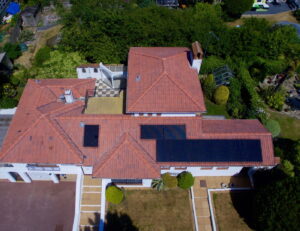
Battery storage can be worthwhile when you regularly generate solar electricity that you cannot use immediately. A battery allows some surplus electricity to be stored for later, potentially reducing the amount of electricity you need to purchase from the grid. Whether it makes financial sense depends upon your consumption, solar generation, tariff, battery cost and system design.
Yes, battery storage can often be added to an existing solar installation. However, an installer should assess your existing inverter, panels and electrical configuration to determine compatibility and identify an appropriate battery system.
The appropriate capacity depends upon your electricity consumption, when you use electricity and how much surplus electricity your solar panels generate. Future requirements, such as an electric vehicle or heat pump, may also be worth considering. A professional assessment can help establish an appropriate capacity.
A charged battery can supply stored electricity during the evening and overnight. How long it can meet your household demand depends upon the available battery capacity and how much electricity you use.
Yes. Solar panels can generate electricity during winter and may charge a battery when sufficient surplus generation is available. However, generation generally varies seasonally, so you should not expect your system to behave identically throughout the year.
Once the battery reaches its permitted maximum charge, additional surplus solar electricity may be exported to the grid, depending upon your system configuration and export arrangements.