- 31b Great Western Road Dorchester Dorset DT1 1UF
- quotes@myhomesolar.uk

Call Us
0800 193 3933
In today’s world, achieving net zero energy consumption has become a pivotal goal for both individuals and businesses alike. With climate change at the forefront of global issues, many are looking for sustainable solutions to reduce their carbon footprint. One of the most effective ways to achieve this is through the adoption of solar panels. At My Home Solar, we are dedicated to helping households and businesses in the UK make the transition to renewable energy seamlessly.

Net zero energy consumption means that the total amount of energy used by a building is roughly equal to the amount of renewable energy created on site. This balance can be achieved by reducing energy consumption and producing renewable energy to offset what is used. Solar panels are an ideal solution for this, providing a reliable and sustainable source of energy.
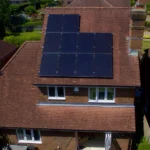
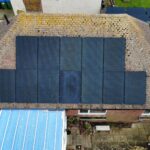
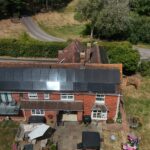
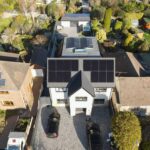
Solar energy harnesses the power of the sun using photovoltaic (PV) cells, which convert sunlight into electricity. This electricity can then be used to power your home or business, reducing the need for energy from non-renewable sources. Solar panels are typically installed on rooftops, where they can receive maximum sunlight exposure throughout the day.
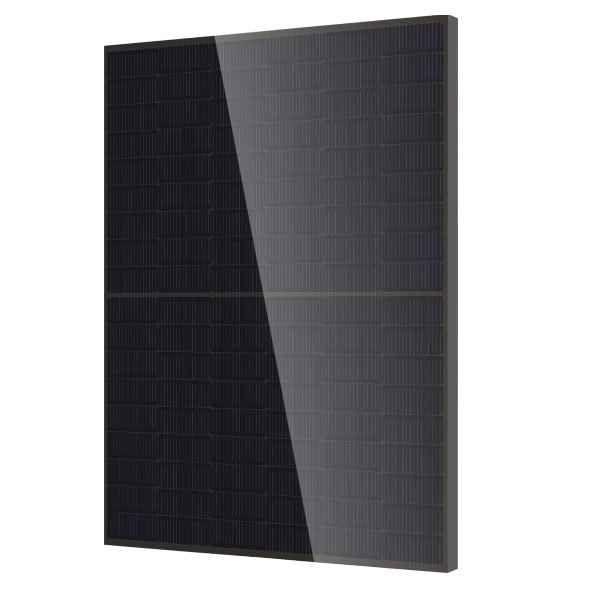
Solar panels significantly reduce greenhouse gas emissions by generating clean energy. Unlike fossil fuels, solar energy production does not release harmful pollutants or carbon dioxide into the atmosphere. This makes it a key player in the fight against climate change and an essential component in achieving net zero energy goals.
Investing in solar panels can lead to substantial savings on energy bills. Once installed, solar panels provide free electricity from the sun, which can drastically reduce or even eliminate your monthly energy costs. In addition, any excess energy produced can be sold back to the grid through the Smart Export Guarantee (SEG), providing an additional source of income.
By generating your own electricity, you become less reliant on the national grid and less susceptible to energy price fluctuations. This energy independence is particularly valuable in the UK, where energy prices have been on the rise.
Solar panels contain photovoltaic cells, which usually use semiconductor materials such as silicon. When sunlight reaches these cells, it creates an electric current. The panels generate this electricity as direct current, or DC.
Next, an inverter converts the DC electricity into alternating current, or AC. Your home or business can then use this electricity to power appliances, lighting and other electrical equipment.
Solar panels generate electricity during daylight hours. However, your property may not use all of this electricity as soon as the panels produce it. This is where battery storage can help.
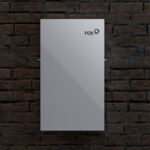
A solar battery stores surplus electricity for later use. For example, you can use stored energy during the evening when your panels are no longer generating electricity. As a result, you can use more of the renewable energy your system produces and reduce your reliance on electricity from the grid.
Battery storage can therefore improve the overall efficiency of your solar setup. However, it does not guarantee a continuous power supply during a power cut unless the system includes suitable backup functionality.
Solar energy has become increasingly popular across the UK as households and businesses look for ways to reduce their reliance on grid electricity and generate more renewable energy. My Home Solar supports this transition by providing solar panels and battery storage solutions for homes and businesses across the UK.

The first step towards net zero is understanding how much energy your home currently uses. An energy audit can highlight areas where you could reduce consumption and improve efficiency.
For example, you might upgrade to energy efficient appliances or improve your home’s insulation. You could also make simple changes to how and when you use electricity. Together, these improvements can reduce energy waste and help you get more from a future solar installation.
Every property is different. Therefore, several factors need consideration before installing solar panels. These include the size and orientation of your roof, its pitch and the amount of shading it receives throughout the day.
At My Home Solar, we assess your property and energy requirements before recommending a suitable solar system. This allows us to design an installation around your home rather than taking a one size fits all approach.
Once we have assessed your property and designed the system, our team can begin the installation. We will fit the solar panels and other essential equipment according to the agreed design.
The time required will depend on the size and complexity of the installation. However, many residential solar installations can be completed within a relatively short period. Once installed and commissioned, your system can begin generating renewable electricity for your home.
Achieving net zero energy consumption is an attainable goal with the help of solar panels. By harnessing the power of the sun, you can reduce your carbon footprint, save money on energy bills, and contribute to a more sustainable future. My Home Solar is here to guide you every step of the way, providing top notch solar solutions tailored to your needs.
If you’re ready to make the switch to solar energy and take a significant step towards net zero energy consumption, contact My Home Solar today. Let’s work together to create a cleaner, greener future for the UK.
For more information on our products and services, visit our website or give us a call. Together, we can achieve net zero energy and make a positive impact on the environment.
Error: Contact form not found.