- 31b Great Western Road Dorchester Dorset DT1 1UF
- quotes@myhomesolar.uk

Call Us
0800 193 3933
For many households and businesses across the United Kingdom, reducing electricity bills has become a priority. Rising energy prices and greater awareness of sustainable living have encouraged more people to explore renewable energy solutions that provide greater control over how electricity is generated and used.
Installing solar panels is an excellent first step, but many people soon discover that much of the electricity they generate is produced when they are away from home or when their business uses less power. Without a battery, this surplus electricity is often exported to the National Grid rather than being stored for later use.
A solar battery changes this by storing excess electricity for use when your solar panels are no longer generating enough power. Whilst no battery can make every property completely independent of the National Grid, the right system can significantly reduce reliance on imported electricity and provide greater control over energy consumption.
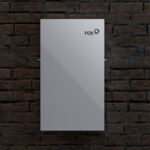
A solar battery stores surplus electricity generated by your solar panels instead of allowing it to flow back into the National Grid.
During bright daylight hours, solar panels often produce more electricity than a property immediately requires. Rather than wasting this valuable energy, a battery captures and stores it safely for later use.
When the sun begins to set or electricity demand increases during the evening, the battery automatically supplies the stored energy before your property draws power from the grid.
This process allows you to make better use of the renewable electricity your system has already generated.
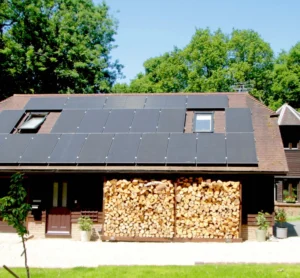
Solar panels generate electricity whenever sufficient daylight reaches the photovoltaic cells.
Your property always uses the electricity being produced first. If your household appliances or business equipment require less electricity than your panels are generating, the surplus has two possible destinations.
Without battery storage, the excess electricity is exported to the National Grid.
With battery storage installed, that surplus energy charges the battery instead.
Later, when solar generation falls below your property’s demand, the battery begins supplying stored electricity automatically. Only once the battery has discharged will your property import electricity from the grid.
This intelligent process happens seamlessly without requiring any manual intervention.
The simple answer is no.
However, it can reduce your dependence considerably.
Many people believe installing a battery means they will never purchase electricity again. In reality, complete energy independence is extremely difficult to achieve for most properties in the United Kingdom.
Solar generation naturally varies throughout the year.
During summer, long daylight hours often allow batteries to charge fully whilst still producing enough electricity to power a property throughout the day.
Winter presents a different challenge.
Shorter days, lower sun angles and increased household electricity consumption often mean solar panels generate less energy. Even with battery storage, many properties will still import some electricity during these periods.
Rather than eliminating the National Grid entirely, a battery helps you rely on it much less frequently.
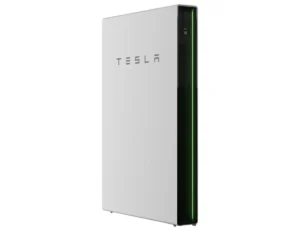
Reducing dependence on the National Grid does not necessarily mean living completely off grid.
An off grid property operates without any connection to the electricity network and must generate and store all of its own electricity throughout the year.
This requires significantly larger solar arrays, much larger battery banks and careful energy management.
Most homeowners and businesses instead aim for greater energy independence.
This means generating more of the electricity they consume whilst reducing the amount they purchase from suppliers.
For many people, this provides the ideal balance between reliability, affordability and environmental responsibility.
One of the greatest advantages of battery storage is increasing your own energy consumption.
Without a battery, a significant proportion of daytime solar generation may leave your property because it is not immediately needed.
For example, many homeowners are at work during the day whilst their solar panels continue producing electricity.
By the time they return home and begin cooking, watching television or charging electric vehicles, the sun has already begun to set.
Without battery storage, electricity must be purchased from the National Grid.
With battery storage, the electricity generated earlier in the day remains available.
This allows far more of your own renewable energy to be used within your property.

For homeowners, battery storage offers far more than lower electricity bills.
Many families experience their highest electricity usage during the morning and evening when solar generation is relatively low.
A battery bridges this gap by supplying stored electricity when it is needed most.
This can reduce imported electricity significantly throughout much of the year.
Battery storage also provides greater certainty over household energy costs.
Instead of relying entirely on changing electricity prices, homeowners gain greater control over where their electricity comes from.
Many people also value the environmental benefits.
Using more self generated renewable electricity reduces reliance on electricity generated from fossil fuels and lowers overall carbon emissions.
Commercial properties often consume electricity throughout the working day, making solar panels an excellent investment.
However, many businesses also experience periods of fluctuating demand.
Battery storage allows excess solar generation to remain available during periods of increased consumption rather than exporting it immediately.
For offices, warehouses, retail premises, manufacturing facilities and many other commercial buildings, this can improve overall energy efficiency whilst helping manage operating costs.
Businesses also benefit from demonstrating their commitment to sustainability, something that increasingly influences customers, suppliers and investors.
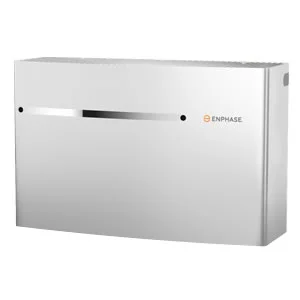
Battery capacity plays a major role in reducing grid dependence.
A battery that is too small may fill quickly during sunny weather before becoming fully discharged early in the evening.
Conversely, an oversized battery may rarely reach full capacity if the solar array cannot generate enough electricity to charge it effectively.
Professional system design considers several important factors, including:
Selecting the right battery size ensures you gain the greatest possible benefit from your investment.
No renewable energy system performs identically throughout the year.
During late spring and summer, longer daylight hours generally produce higher levels of solar generation.
Many batteries charge fully each day and continue powering homes well into the evening.
Winter conditions naturally reduce solar output.
Cloud cover, shorter days and increased heating related electricity demand often mean batteries recharge more slowly and discharge more quickly.
This seasonal variation is entirely normal and should be considered when assessing overall performance.
Even so, battery storage continues providing valuable savings throughout the year by making the best possible use of available solar generation.

Lower electricity bills remain one of the biggest reasons people install battery storage.
Every unit of electricity generated and used within your own property reduces the amount purchased from an energy supplier.
Over time, these savings can become substantial.
Battery storage also provides greater protection against future electricity price increases.
Whilst energy prices cannot be predicted with certainty, generating and storing more of your own electricity naturally reduces exposure to market fluctuations.
For businesses, lower operating costs may improve profitability whilst providing more predictable energy expenditure.
Although standard battery systems do not automatically continue supplying electricity during every power cut, many modern battery systems can provide backup functionality when designed and installed appropriately.
Where compatible backup capability is included, essential appliances and equipment may continue operating during certain grid outages.
This additional resilience can be particularly valuable for businesses, home offices or households where maintaining electricity supply is especially important.
Professional advice should always be sought to understand the capabilities of any individual battery system.
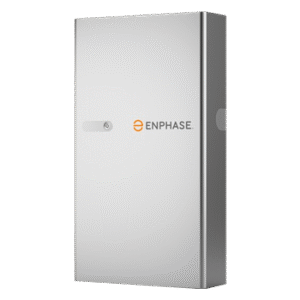
In some situations, yes.
Certain battery systems can charge using electricity imported from the National Grid before supplying that stored energy later.
However, the greatest financial and environmental benefits usually come when battery storage is paired with solar panels.
Generating your own renewable electricity first allows the battery to store clean energy that would otherwise be exported.
This maximises self consumption and provides the greatest reduction in reliance on imported electricity.
For most homeowners and businesses, combining solar panels with battery storage delivers the strongest long term value.
Several misconceptions continue to discourage people from considering battery storage.
One common belief is that batteries completely remove electricity bills.
Whilst they can reduce bills considerably, most connected properties still import some electricity during periods of high demand or low solar generation.
Another misconception is that batteries only benefit large homes.
In reality, correctly sized battery systems can provide meaningful advantages for a wide variety of property sizes and electricity usage patterns.
Some people also assume batteries require constant maintenance.
Modern systems are designed for reliable long term operation and generally require very little routine maintenance.

Battery storage can be an excellent investment for:
Every property differs, which is why professional system design remains essential.
A solar battery will not usually remove your dependence on the National Grid altogether, but it can reduce it significantly.
By storing surplus electricity generated during the day, battery storage enables homeowners and businesses to use more of their own renewable energy when it matters most. This leads to lower electricity bills, greater protection against rising energy costs and increased confidence in your long term energy future.
If you are considering solar battery storage, speaking with experienced professionals ensures your system is designed around your property’s unique energy requirements. My Home Solar provides tailored solar panel and battery storage solutions across the United Kingdom, helping homeowners and businesses maximise the benefits of renewable energy whilst reducing their reliance on the National Grid.