- 31b Great Western Road Dorchester Dorset DT1 1UF
- quotes@myhomesolar.uk

Call Us
0800 193 3933
The way we power our homes is changing at a remarkable pace. Not long ago, solar panels were viewed as a niche investment, often associated with environmentally conscious homeowners willing to embrace new technology. Today, solar energy has become increasingly mainstream, driven by rising electricity costs, growing environmental awareness and advances in renewable technology.
Alongside the rapid growth of solar panel installations, another innovation is quietly transforming the energy landscape: the solar battery.
Across Dorset and the wider United Kingdom, homeowners are beginning to recognise that generating electricity is only part of the equation. Storing that electricity for use when it is needed most can dramatically improve energy independence, reduce reliance on the National Grid and maximise the value of every kilowatt generated.
This raises an intriguing question. Will every home have a solar battery by 2030?
While predicting the future is never straightforward, there are compelling reasons to believe that home battery storage could become one of the defining features of modern homes over the next decade.

A solar battery stores surplus electricity generated by solar panels during daylight hours. Rather than exporting unused energy back to the grid, homeowners can retain that electricity and use it later in the evening or during periods of low solar generation.
This simple concept offers significant benefits.
A solar battery allows homeowners to:
For many households in Bournemouth, Poole, Christchurch and across Dorset, battery storage has become the natural next step after installing solar panels.
As energy prices remain unpredictable, homeowners are increasingly seeking greater control over their energy consumption. A solar battery provides precisely that.
Although solar panels have enjoyed widespread adoption for many years, battery storage remains at an earlier stage of market growth.
However, the pace of adoption is accelerating rapidly.
Industry data suggests that battery storage installations are growing year on year as homeowners seek to maximise the return on their solar investment. Improvements in battery technology, coupled with increasing awareness of energy security, have encouraged many households to consider battery storage sooner rather than later.
The popularity of systems such as the Tesla Powerwall and Qcells Battery has also helped bring battery storage into the mainstream. These products have demonstrated that modern batteries can be reliable, efficient and capable of delivering meaningful savings over the long term.
In areas such as Dorset, where many homeowners are already embracing renewable technologies, battery storage is becoming an increasingly common feature of new solar installations.

Several powerful forces are likely to shape the future of home battery storage.
Historically, cost has been one of the biggest barriers to adoption. However, battery prices have steadily declined as manufacturing scales increase and technology improves.
This pattern mirrors the development of solar panels themselves. What was once considered expensive has gradually become more accessible to the average homeowner.
As production volumes continue to rise globally, battery storage systems are expected to become increasingly affordable.
One of the strongest drivers of adoption may simply be economics.
When electricity prices rise, the value of stored solar energy rises with them. Homeowners who can generate and store their own electricity become less vulnerable to fluctuations in wholesale energy markets.
This financial incentive is likely to encourage greater uptake throughout the remainder of the decade.
Modern battery systems are becoming increasingly intelligent.
Many can now monitor household energy usage, weather forecasts and electricity tariffs in real time. This enables homeowners to charge and discharge batteries at optimal moments, maximising savings and efficiency.
As artificial intelligence and smart home technology continue to evolve, battery systems will become even more effective.
The United Kingdom has committed to ambitious carbon reduction goals.
Achieving these objectives will require widespread adoption of renewable energy technologies, including solar energy storage.
As policymakers continue to pursue Net Zero targets, battery storage is likely to play a critical role in balancing electricity demand and supporting a cleaner energy system.

The short answer is probably not.
The more nuanced answer is that battery storage could become commonplace in a significant proportion of homes.
Several factors support this view.
New build properties are increasingly incorporating renewable technologies from the outset. Solar panels are becoming more common on modern developments, and battery storage may eventually follow a similar trajectory.
Consumer awareness is also increasing. Many homeowners who install solar panels today already enquire about battery storage during the consultation process.
Furthermore, improvements in battery performance and reductions in cost are making these systems increasingly attractive from a financial perspective.
However, universal adoption remains unlikely within the next few years.
The United Kingdom contains a diverse housing stock. Some properties are better suited to solar installations than others. Financial circumstances also vary considerably between households.
While solar batteries may not be present in every home by 2030, they could become as familiar and widely accepted as double glazing, loft insulation or electric vehicle charging points.
Despite the growing momentum behind battery storage, several challenges remain.
Although costs are gradually falling, battery systems still require a significant initial investment.
For some households, the financial commitment may delay adoption even when long term savings are attractive.
Not every property is ideally suited to solar generation.
Roof orientation, shading and available installation space can all influence the effectiveness of a solar and battery system.
Many homeowners remain unfamiliar with the benefits of battery storage.
While awareness is growing, there is still a need for education regarding the financial and environmental advantages these systems can deliver.
Government incentives and energy policies can significantly influence consumer behaviour.
Future regulatory decisions may either accelerate or slow adoption depending on how support mechanisms evolve over the coming years.
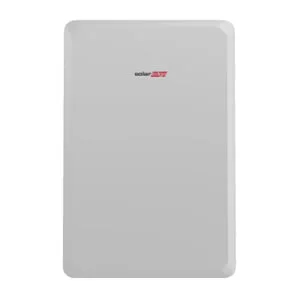
Several battery technologies currently stand out.
The Tesla Powerwall is perhaps the most recognised residential battery system available today.
Known for its sleek design, substantial storage capacity and intelligent energy management features, it has become a popular choice among homeowners seeking premium performance.
The Qcells Battery has earned a strong reputation for reliability, efficiency and integration with solar energy systems.
Many homeowners appreciate its balance between performance and value, making it an increasingly attractive option for domestic installations.
Battery innovation continues at pace.
Manufacturers are exploring new chemistries, improved storage capacities and longer lifespans. These advancements are likely to make future systems more efficient, more durable and more affordable.
For homeowners evaluating battery options, factors such as storage capacity, warranty coverage, efficiency ratings and installer expertise should all be considered carefully.
Waiting for future technological breakthroughs is understandable, but it may not always be the most financially sensible approach.
Many homeowners can already benefit significantly from battery storage today.
If you are considering a solar battery, it is worth taking the following steps:
For homeowners in Dorset, Bournemouth, Poole, Christchurch and surrounding areas, a professional assessment can provide valuable insight into whether battery storage represents a worthwhile investment.

Will every home have a solar battery by 2030?
Probably not.
However, the direction of travel is unmistakable.
As battery costs continue to fall, technology improves and energy prices remain a concern, home battery storage is likely to become increasingly common throughout the United Kingdom.
Much like solar panels themselves, battery systems are moving from early adoption towards mainstream acceptance. For many households, the question is no longer whether battery storage is worthwhile, but when the right time to invest will be.
At My Home Solar, we help homeowners across Dorset make informed decisions about solar panels, battery storage and renewable energy solutions. If you would like expert guidance on whether a solar battery is right for your property, contact our team today for a free consultation and personalised quotation.