- 31b Great Western Road Dorchester Dorset DT1 1UF
- quotes@myhomesolar.uk

Call Us
0800 193 3933
Solar power has become one of the most effective ways for households and businesses across the United Kingdom to reduce their electricity bills whilst lowering their reliance on fossil fuels. Modern solar panel systems are more efficient than ever, battery storage technology continues to improve and government support for renewable energy has encouraged thousands of property owners to generate their own electricity.
Despite these advances, many people are unfamiliar with a term that occasionally appears in discussions about renewable energy, namely solar curtailment. It is not something that most homeowners encounter on a daily basis, yet understanding what it means can help you make better decisions when investing in a solar energy system.
The good news is that, for the overwhelming majority of domestic solar installations in the United Kingdom, solar curtailment has only a limited impact. Nevertheless, it is worth understanding why it happens, how it affects different types of installations and what can be done to minimise its influence on your long term savings.
Solar curtailment happens when a solar energy system generates less electricity than it could because the output is deliberately limited.
Instead of allowing every solar panel to operate at full capacity, electricity network operators or system settings reduce the amount of electricity the system generates or exports. They do this to help keep the electricity network stable, safe and efficient.
Solar curtailment does not mean your solar panels are faulty. In most cases, your system reduces its output automatically in response to local network conditions or agreed installation settings.
Although the term may sound worrying, solar curtailment is simply one way of balancing electricity supply and demand as the United Kingdom continues to expand its use of renewable energy.
Electricity networks must constantly balance electricity generation with demand.
The National Grid cannot produce and store electricity indefinitely. Instead, it must match supply with demand in real time.
Supply and demand must remain closely matched at all times to ensure the network continues operating safely and reliably.
On particularly bright days, especially during spring and summer, thousands of solar installation across a region may generate significant amounts of electricity at the same time. If local demand is relatively low, the network can experience periods where more electricity is available than is immediately required.
Rather than risking instability, electricity network operators may reduce generation from certain renewable sources. This controlled reduction is known as curtailment.
As renewable energy continues to expand throughout the United Kingdom, careful management of electricity generation is becoming increasingly important. Fortunately, improvements to battery storage, smarter grids and investment in network infrastructure are helping to reduce these situations over time.
For most homeowners, solar curtailment has little effect on day to day savings.
Domestic solar systems are designed to meet the energy needs of the property. When the system generates more electricity than the home uses, it exports the surplus to the grid.
Many homeowners use a large proportion of the electricity they generate, especially if they are at home during the day or have battery storage. As a result, occasional export limits usually have only a small impact on overall savings.
Some newer systems include export limits agreed with the local Distribution Network Operator during installation. These limits help protect the local electricity network and prevent it from becoming overloaded.

Commercial solar installations can experience curtailment differently.
Large commercial systems often generate substantially more electricity than a typical household installation. Many businesses also export greater quantities of surplus electricity back to the grid, particularly during weekends, holidays or periods of reduced operational activity.
Where significant amounts of electricity are exported, local network constraints may occasionally require generation to be reduced.
Businesses planning larger solar installations should therefore consider export capacity during the design stage. Experienced installers will work closely with the Distribution Network Operator to understand any restrictions before installation begins.
Careful planning helps ensure the system delivers excellent financial returns whilst complying with local network requirements.
People often misunderstand solar curtailment because equipment faults can also reduce electricity generation.
If your system suddenly begins producing less electricity, curtailment is only one possible explanation.
Other causes may include:
Modern monitoring software makes it much easier to distinguish between genuine faults and normal operational limitations. Many homeowners can monitor their system’s performance through a smartphone application, allowing them to identify unexpected changes in generation.
Where performance appears unusually low over an extended period, a qualified solar installer can investigate further.
Battery storage has transformed the way many homeowners and businesses use solar energy.
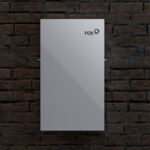
Rather than exporting every unit of surplus electricity immediately, a battery stores unused electricity for later use. This allows properties to use more of the energy they generate, reducing reliance on electricity purchased from the grid during the evening and overnight.
Although battery storage does not eliminate solar curtailment entirely, it can reduce its financial impact in certain circumstances.
Storing surplus electricity instead of exporting it immediately reduces your reliance on export capacity. This enables property owners to make greater use of their own renewable electricity whilst improving overall system efficiency.
For many households, battery storage also provides greater flexibility when electricity prices fluctuate throughout the day.
At My Home Solar, we regularly advise customers on whether battery storage represents a worthwhile investment based on their property, electricity usage and long term objectives rather than recommending a one size fits all solution.
The United Kingdom’s electricity network has changed considerably over the past decade. As more homes and businesses install solar panels, renewable electricity now forms a much larger proportion of the nation’s energy supply than ever before. This transition is essential for reducing carbon emissions, but it also presents new challenges for the electricity network.
Many parts of the grid were originally designed for electricity to travel in one direction, from large power stations to homes and businesses. Today, thousands of properties generate their own electricity and export any surplus back into the network. In some areas, particularly where solar adoption has grown rapidly, the local infrastructure can occasionally struggle to accommodate high levels of exported electricity.
When this happens, Distribution Network Operators may introduce export limits or other measures that help maintain a stable electricity supply. These controls are not intended to discourage renewable energy. Instead, they ensure that voltage levels remain within safe operating limits and that the network continues to perform reliably for everyone connected to it.
For most property owners, these limitations have little noticeable effect on everyday energy use. They simply form part of the careful management required as the United Kingdom continues its transition towards cleaner sources of electricity.
Solar curtailment has attracted greater attention in recent years, largely because renewable energy generation has increased significantly across the country.
As thousands of new solar installations come online each year, periods occasionally arise where renewable electricity generation exceeds local demand or available export capacity. These situations are most likely to occur during bright, sunny days when electricity consumption is relatively low.
However, this does not mean that curtailment is becoming a widespread problem for individual homeowners.
Investment in the national electricity network continues to improve its ability to accommodate renewable generation. New substations, upgraded infrastructure, improved forecasting and smarter grid technology are all helping to reduce the need for generation limits.
Battery storage is also playing an increasingly important role. As more homes and businesses install batteries alongside their solar panels, a greater proportion of locally generated electricity can be stored and used later rather than exported immediately. This helps reduce pressure on the network whilst allowing property owners to maximise the value of the electricity they generate.
Although curtailment may occasionally feature in discussions surrounding the future of renewable energy, it should not discourage anyone from considering solar power. The long term benefits continue to far outweigh the relatively small impact that curtailment has on most installations.
Whilst it may not always be possible to eliminate solar curtailment entirely, there are several ways to ensure your system delivers the greatest possible financial return.
One of the best ways to maximise your savings is to choose a solar system that matches your property’s energy usage. Installing a system that is larger than you need can lead to more electricity being exported than necessary. By understanding how and when you use electricity, an installer can recommend a solution that achieves an excellent balance between generation and self consumption.
Rather than exporting excess electricity immediately, surplus energy can be stored for use later in the day when electricity demand increases. A battery stores surplus electricity instead of exporting it immediately. You can then use that energy later when demand increases.. This often improves overall savings whilst reducing dependence on imported electricity.
Smart home technology can also make a difference. Devices that automatically operate appliances during periods of high solar generation help increase the amount of electricity used within the property. Charging an electric vehicle during daylight hours, heating water using surplus solar electricity or scheduling certain appliances to run when generation is highest can all improve the overall value of your system.
Finally, choosing an experienced installer remains one of the most important decisions. A well designed system considers future energy requirements, local network conditions and export arrangements from the very beginning, helping to avoid unnecessary limitations after installation.
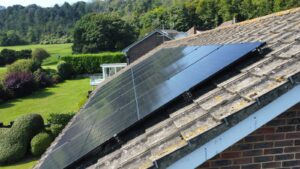
Choosing solar panels represents a significant investment, so receiving honest, knowledgeable advice is just as important as selecting high quality equipment.
At My Home Solar, every installation begins with understanding how the property uses electricity and what the customer hopes to achieve. Rather than recommending identical systems for every home or business, the team designs tailored solutions that reflect individual energy requirements, future plans and available roof space.
Whether you are considering residential solar panels, commercial solar systems or battery storage, My Home Solar provides practical advice to help you make informed decisions with confidence. Every recommendation is based upon achieving reliable performance, long term savings and maximum value from your investment.
As solar technology continues to evolve, the team delivers high quality, efficient solar solutions that put customer satisfaction first.
Many people misunderstand solar curtailment, but it has little impact on most homeowners and businesses in the United Kingdom. Electricity network operators may occasionally limit a solar system’s output to maintain a stable and reliable network, but these restrictions rarely have a significant effect on long term savings.
You can maximise your return by choosing a solar system that matches your property’s energy needs. Panel placement, inverter selection, battery storage and electricity usage all play an important role. An experienced installer will consider these factors from the beginning to help your system perform at its best.
At My Home Solar, we design tailored residential and commercial solar systems that deliver reliable performance and lasting value. Whether you are installing solar panels or adding battery storage, our experienced team can provide clear, honest advice and a solution that suits your property. Contact My Home Solar to find out how solar energy can help reduce your energy bills and support a more sustainable future.