- 31b Great Western Road Dorchester Dorset DT1 1UF
- quotes@myhomesolar.uk

Call Us
0800 193 3933
Installing solar panels can help you generate more of your own electricity at home, but adding battery storage can allow you to make better use of that energy. Instead of immediately sending surplus solar electricity to the grid, a battery can store it until you need it.
However, this naturally raises an important question. What happens when a solar battery runs out?
In most grid connected homes, running out of usable battery energy does not mean that the lights suddenly go off. Instead, the solar system will usually begin drawing electricity from the National Grid when there is not enough solar generation or stored battery energy available to meet the household’s needs.
Understanding how this process works can help you decide whether solar battery storage is right for your home and, importantly, what size battery you may need.
For homeowners across the South Coast considering solar panels and battery storage, choosing a system that reflects your actual electricity consumption can make a considerable difference to how effectively you use the energy your panels generate.
For a typical grid connected solar installation, your electricity should not turn off simply because the battery has reached its minimum charge level.
Your home can use electricity from several sources throughout the day.
When your solar panels are generating electricity, your home can use that energy directly. If the panels produce more electricity than you are currently using, your system may use the surplus to charge your battery.
Later, when your panels are producing less electricity, your home can draw stored energy from the battery.
Once that stored energy is no longer available, your home can draw electricity from the National Grid.
The process is designed to happen automatically. You should not need to manually switch between solar power, battery power and grid electricity during normal operation.
This ability to move between different energy sources is one of the reasons homeowners choose to combine solar panels with battery storage.
The percentage displayed by a solar battery does not necessarily tell the entire story.
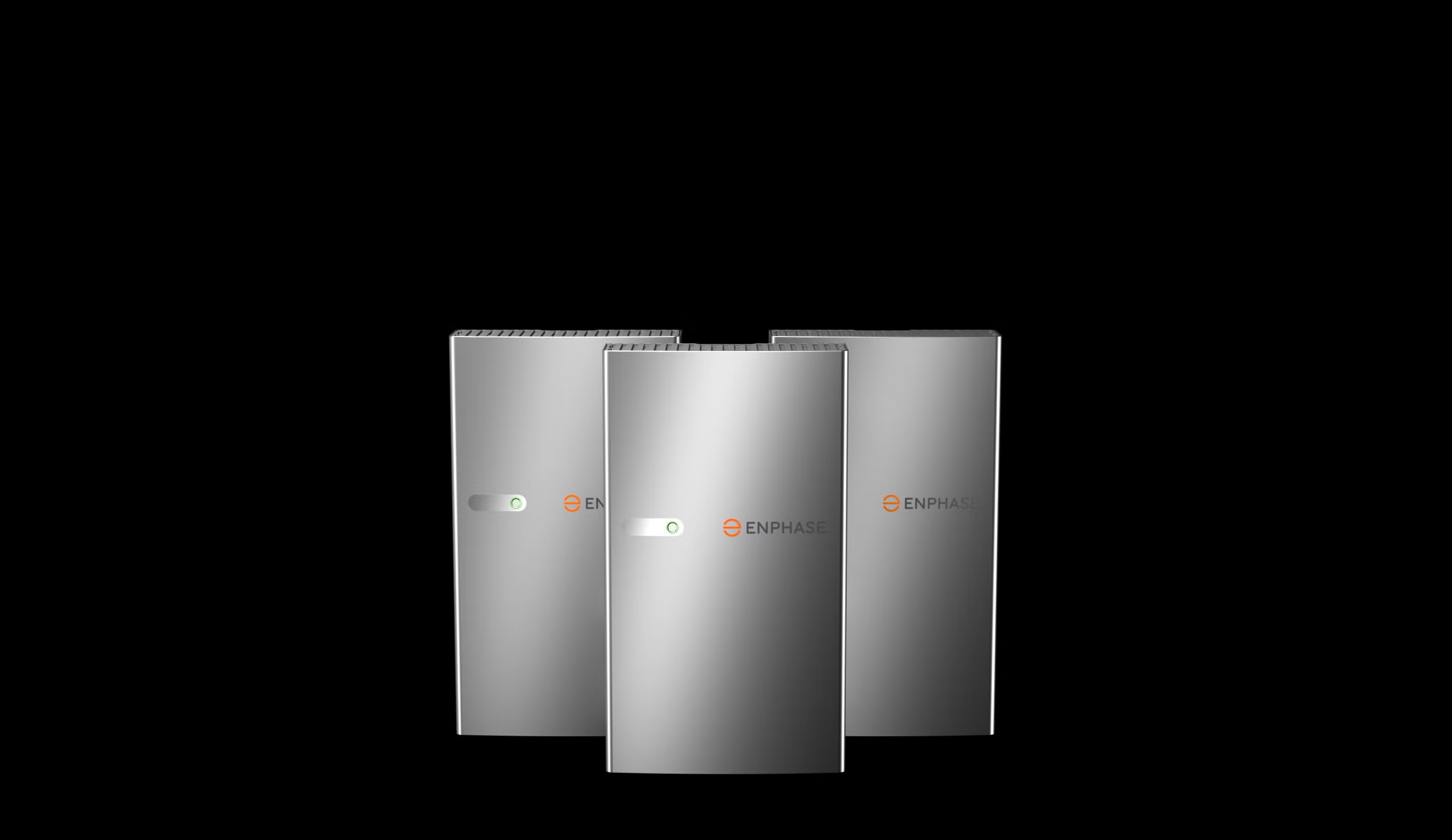
Modern battery systems typically use sophisticated management controls to protect the battery. Depending on the manufacturer and system settings, a battery may maintain a minimum reserve rather than allowing every last unit of stored energy to be discharged.
This helps protect the battery and support its long term operation.
Therefore, when your system indicates that there is no more battery energy available for normal household consumption, the battery may still retain a protected amount of energy internally.
The precise behaviour will depend on the battery, inverter, manufacturer settings and configuration of your installation.
This is one reason professional system design matters. Rather than considering battery capacity as an isolated figure, homeowners should consider how the complete solar and battery system will operate within their property.
Once your solar panels begin generating electricity again, the system can respond to the available solar energy.
Typically, the electricity generated by your panels can first contribute towards the immediate electricity demand within your home.
If the panels produce more electricity than your property is currently consuming, the surplus may then charge your solar battery.
Once the battery reaches the appropriate charge level, further surplus electricity may be exported to the National Grid, depending on how your system has been configured.
This cycle can repeat each day.
For example, your solar panels may generate electricity during daylight hours while household demand is relatively low. The battery can store some of the surplus generation. Later, when solar production falls but your electricity consumption increases, the battery can release its stored energy for use around the home.
Eventually, the battery may reach its minimum level and the property can return to grid electricity until sufficient solar energy becomes available again.
If your solar battery regularly runs out earlier than expected, several factors could be responsible.
Every household has a different electricity consumption pattern.
A home with several occupants, electric cooking, home working equipment and other electrical appliances may consume considerably more electricity than a smaller property with modest energy requirements.
The more electricity you use while relying on the battery, the faster you will consume its stored energy.
Battery capacity plays an important role in determining how much solar energy you can store for later.
A smaller battery may be perfectly appropriate for one household but insufficient for another.
This is why choosing the largest or smallest battery available is rarely the most sensible approach. The system should instead reflect your household, your solar installation and the way you actually consume electricity.
Solar generation naturally changes according to daylight, weather conditions, the season and the characteristics of the installation.
During periods of lower generation, your panels may have less surplus electricity available to charge the battery.
As a result, the battery may begin the evening with less stored energy than it would after a period of stronger solar generation.
Many households consume significant amounts of electricity in the evening.
Cooking, washing, lighting, televisions and other electrical appliances may all be used at similar times. If several higher demand appliances operate simultaneously, the battery can discharge more quickly.
Understanding when you consume electricity is therefore just as important as knowing how much electricity you consume overall.

Battery sizing deserves careful consideration when you invest in a solar and battery system.
An undersized battery may regularly reach its minimum level before you would like it to. Conversely, installing substantially more battery capacity than your household is likely to use may not necessarily be the most appropriate solution either.
A suitable system should consider your individual circumstances.
This can include your annual electricity consumption, when you typically use electricity, the proposed size of your solar panel system and how much surplus solar generation may be available to charge the battery.
Your reasons for investing in battery storage also matter.
For example, one homeowner may primarily want to store surplus daytime solar generation for use in the evening. Another may have considerably greater electricity requirements and therefore need a different system design.
Rather than choosing a battery based solely on its advertised capacity, it is worth considering the complete relationship between generation, storage and consumption.
My Home Solar can discuss your requirements and help you explore a solar and battery installation suitable for your property on the South Coast.
Some solar battery systems allow users to maintain a reserve level.
Instead of making all available stored energy accessible for everyday household consumption, the system can retain a specified amount.
Exactly how reserve settings work depends on the battery and the way the installation has been configured.
If backup power is an important reason for considering battery storage, discuss this requirement before choosing your system. Not every solar battery installation provides the same backup capabilities.
A depleted solar battery and a power cut are two different situations.
If your battery reaches its minimum usable charge while the National Grid is operating normally, a grid connected home can usually begin importing electricity from the grid.
During a power cut, however, the grid itself is unavailable.
It is important not to assume that installing a solar battery automatically means that your entire home will continue operating normally whenever there is a power cut.
Backup capabilities vary between systems. They can depend on the battery, inverter, installation design, available stored energy and electrical configuration.
Some installations can provide backup electricity to selected circuits or appliances, while others may offer different functionality.
If maintaining electricity during a power cut is important to you, raise this when discussing your proposed installation. Your installer can then explain which options may be appropriate and how the system would operate during a grid outage.
An empty battery does not mean that your solar panels have stopped generating electricity.
If sufficient daylight is available, your panels can continue producing electricity. During normal grid connected operation, the property can use this solar generation as it becomes available.
Therefore, your battery could reach its minimum level overnight and then begin charging again once the panels produce surplus electricity during the following day.
However, the behaviour of solar panels during a power cut is different and depends on the design and capabilities of the installation.
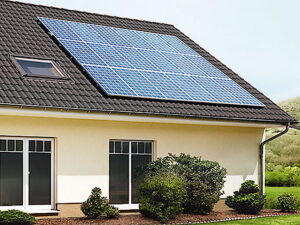
You cannot prevent a battery from eventually reaching its minimum level if you consume more stored energy than is available. However, good system design can help you make better use of your solar generation.
Start by understanding your household electricity consumption.
Consider not only your annual usage but also when you use the most electricity. A household that consumes much of its electricity after sunset may have different battery requirements from one where most electricity is consumed during the daytime.
You can also consider when you operate certain appliances. Where practical, using some electrical appliances while your panels are generating strongly may allow you to consume solar electricity directly rather than relying entirely on stored energy later.
Most importantly, choose a solar and battery system based on your property and actual energy requirements.
Professional advice can help you understand the relationship between the proposed solar array, expected generation, household consumption and battery capacity.
For many homeowners considering solar panels, battery storage is worth exploring because it can increase the amount of generated electricity that remains available for use within the home.
Without battery storage, surplus solar electricity that you do not use immediately may be exported to the grid.
With a suitable battery, you may instead be able to store some of that surplus electricity and use it later when your panels are producing less energy.
However, the suitability of battery storage depends on the individual property and household.
Your electricity consumption, roof, proposed solar system and usage patterns can all influence the type of installation that may be appropriate.
For this reason, it is sensible to obtain advice based on your actual home rather than relying solely on general battery capacity recommendations.
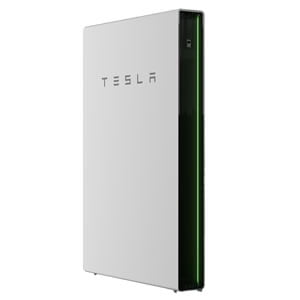
If you are considering solar panels and battery storage on the South Coast, My Home Solar can help you explore the options available for your property.
A properly considered system should bring together solar generation and battery storage rather than treating them as separate products.
Understanding your electricity consumption can help determine how much solar generation your property may require and what battery capacity could complement the proposed installation.
This approach can help you choose a system designed around how your household actually uses electricity.
When your solar battery runs out of stored energy, your home will usually begin drawing electricity from the National Grid if your solar panels are not generating enough power to meet demand. Once sufficient solar energy becomes available again, your system can supply your home and recharge the battery using surplus electricity.
Choosing the right battery capacity is therefore an important part of planning a solar installation. Your electricity consumption, daily habits and expected solar generation should all influence the system you choose.
If you are considering solar panels and battery storage on the South Coast, My Home Solar can help you explore a system suited to your home and energy requirements. Contact the team today to discuss your options and take the next step towards making better use of the electricity you generate.
A solar battery will generally stop providing usable stored electricity once it reaches its configured minimum charge level. In a grid connected home, the property can then draw electricity from the National Grid when solar generation cannot meet demand.
Usually not during normal grid connected operation. If your solar battery has no usable stored energy remaining, your property can generally switch to grid electricity. A power cut is different because electricity from the grid is unavailable.
A properly configured solar and battery system can charge the battery when sufficient surplus solar electricity is available. The exact charging behaviour depends on the equipment and system settings.