Why Do Solar Panels Stop Working During a Power Cut?
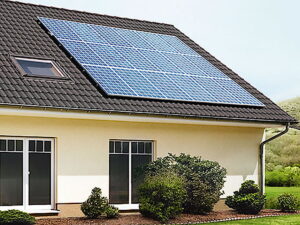
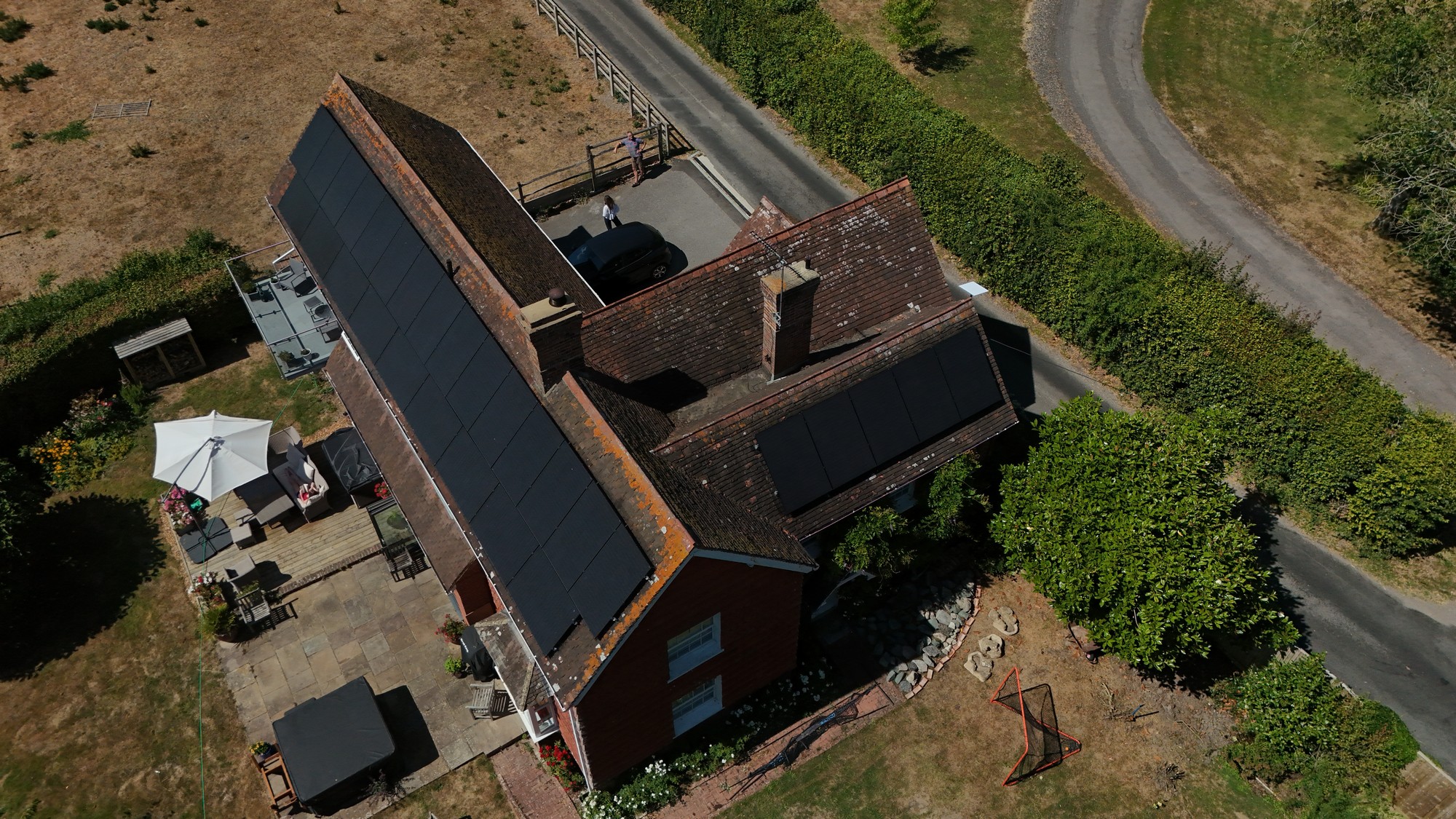
Many homeowners assume that solar panels will continue generating usable electricity whenever sunlight is available. Although solar panels can still receive sunlight during a power cut, conventional solar installations cannot normally supply electricity to the property when the grid fails.
This is because most domestic solar panel systems operate through a grid connected inverter. The inverter converts the direct current electricity generated by solar panels into alternating current electricity suitable for household appliances.
However, when the National Grid experiences an outage, the inverter automatically stops exporting electricity. This important safety feature prevents solar energy from entering electricity lines that engineers may be repairing.
Consequently, even if your solar panels are generating electricity on a bright afternoon, your home may still lose power during a grid outage.
Nevertheless, homeowners can overcome this limitation by choosing a solar installation with appropriate backup capabilities.
How Can Solar Panels and Battery Storage Provide Backup Electricity?
Combining solar panels with battery storage can provide greater control over household electricity consumption. However, maintaining an electricity supply during a power cut requires more than simply installing a battery.
A suitable solar battery backup system must be capable of operating independently from the National Grid when necessary.
Under normal conditions, solar panels generate electricity that can power household appliances. Any surplus electricity may charge the battery, allowing homeowners to use stored energy later in the day.
When a power cut occurs, a properly configured backup system can isolate the relevant household circuits from the grid and supply electricity using the battery.
Depending on the equipment and system configuration, solar panels may also continue generating electricity to support household demand and recharge the battery during the outage.
This arrangement can provide valuable reassurance for homeowners who want to maintain access to essential electrical appliances when the National Grid becomes unavailable.
However, the amount of electricity available will depend on the battery capacity, inverter capabilities and household energy requirements.
What Equipment Do You Need for Solar Panels to Work During a Power Cut?
Homeowners interested in solar battery backup should understand that not every solar installation provides the same functionality.
A professional installer must assess the property’s requirements and select equipment capable of supplying electricity safely during a grid outage.
Solar Panels
Solar panels capture sunlight and convert it into direct current electricity.
During normal operation, this electricity can power household appliances, charge a compatible battery or be exported to the National Grid.
When combined with suitable backup equipment, solar panels may also contribute electricity during a power cut.
However, their ability to do so depends on the inverter, battery system and backup configuration.
Solar Battery Storage
A solar battery stores surplus electricity generated throughout the day, allowing homeowners to use that energy when their solar panels are producing less electricity.
Battery storage can also provide a source of electricity during a power cut when installed as part of a compatible backup system.
However, battery capacity is particularly important.
A larger battery may provide electricity for longer periods, although the actual duration depends on the appliances being used and the amount of stored
energy available when the outage begins.
Compatible Inverter and Backup Equipment
The inverter plays an essential role in determining whether a solar installation can supply electricity during a power cut.
Some hybrid inverters include Emergency Power Supply functionality, commonly referred to as EPS.
This feature can allow a compatible system to provide electricity to designated appliances or circuits when the grid becomes unavailable.
However, EPS functionality varies between manufacturers and models. Some systems provide electricity through a dedicated backup output, while others can support a wider selection of household circuits when correctly configured.
Suitable isolation and switching equipment is also necessary to ensure the backup supply operates safely.
Therefore, homeowners should discuss their backup requirements with an experienced solar installer before selecting their equipment.
Which Household Appliances Can Solar Battery Backup Power?
One of the main advantages of installing solar battery backup is the ability to maintain electricity for important household appliances during an outage.
However, the number of appliances that can operate simultaneously depends on the system’s available power output and battery capacity.
For example, a suitably designed backup system may support:
-
Refrigerators and freezers to help preserve food.
-
Household lighting in essential rooms.
-
Broadband routers and communication equipment.
-
Mobile phone and laptop charging.
-
Televisions and other relatively low consumption appliances.
-
Selected heating controls and circulation pumps, where compatible with the backup arrangement.
Nevertheless, appliances with substantial electricity requirements can place greater demands on the battery.
Electric showers, immersion heaters, electric ovens and certain heating systems may consume considerable amounts of electricity.
Running several high consumption appliances simultaneously could exceed the inverter’s backup power rating or deplete the battery relatively quickly.
For this reason, homeowners should consider which appliances they genuinely need during a power cut rather than assuming every electrical circuit must remain operational.
A professional solar installer can assess household requirements and recommend a suitable backup arrangement.
How Long Can a Solar Battery Power Your Home During a Power Cut?
The length of time a solar battery can provide electricity during an outage depends on several factors.
These include the battery’s usable storage capacity, the amount of energy remaining when the power cut begins and the electricity consumed by connected appliances.
For example, a battery with 10kWh of usable stored energy could theoretically supply a continuous 1kW load for approximately ten hours.
However, this simplified calculation does not account for conversion losses, equipment consumption or any restrictions imposed by the battery management system.
Actual backup duration may therefore be shorter.
Furthermore, a household operating several appliances simultaneously will consume stored electricity more quickly than one using only essential lighting and communication equipment.
Can Solar Panels Recharge Your Battery During a Power Cut?
Some solar battery backup systems can continue using electricity generated by solar panels during a grid outage.
This means that suitable weather conditions may allow the battery to recharge while the property remains disconnected from the National Grid.
However, this capability is not available with every solar installation.
The inverter and backup configuration must specifically support solar generation during independent operation.
Furthermore, solar electricity production varies according to sunlight, roof orientation, shading and seasonal conditions.
Homeowners should therefore avoid assuming that solar panels will provide unlimited backup electricity throughout an extended outage.
Can You Add Backup Power to Existing Solar Panels?
Homeowners who already have solar panels may be able to upgrade their installation to include battery storage and backup electricity capabilities.
However, the suitability of an upgrade depends on the existing equipment and electrical configuration.
For example, some installations may require a compatible battery inverter, additional switching equipment or changes to the property’s electrical circuits.
In other circumstances, replacing an existing inverter with a suitable hybrid model may provide an opportunity to introduce battery storage and backup functionality.
Nevertheless, not every existing solar installation can accommodate these changes without significant modifications.
A professional assessment can establish whether the current system is compatible with the proposed equipment and determine the most practical solution.
For homeowners across Bournemouth, Poole, Christchurch and the wider South Coast, upgrading an existing solar installation may offer an opportunity to make greater use of renewable electricity while introducing additional protection against power cuts.
What Should You Consider Before Installing Solar Battery Backup?
Choosing a solar battery backup system requires careful consideration of how the household uses electricity.
Although backup functionality can provide valuable reassurance, the most suitable arrangement will depend on the property’s individual requirements.
Your Household Electricity Consumption
Understanding how much electricity your household consumes is essential when selecting battery storage.
Properties with several occupants, extensive electrical equipment or higher energy requirements may benefit from greater battery capacity.
However, a larger battery is not automatically the most appropriate solution.
Homeowners should consider their typical daily electricity consumption alongside the appliances they want to operate during an outage.
Essential Circuits or Wider Household Backup
Some backup systems are designed to supply electricity to a small number of essential circuits.
Others may be capable of supporting a larger proportion of the property’s electrical installation.
However, wider household backup requires appropriate equipment, electrical design and sufficient available power.
Homeowners should therefore establish whether they want to maintain a few essential appliances or require more extensive electricity coverage.
Battery Capacity and Backup Power Output
Battery capacity and power output are different considerations.
Capacity, measured in kilowatt hours, determines how much electricity a battery can store.
Power output, measured in kilowatts, determines how much electricity the system can deliver at a particular moment.
A battery may have sufficient stored energy to operate several appliances over time but still be unable to supply all of them simultaneously if their combined demand exceeds the system’s output rating.
Consequently, both specifications should influence the installation design.
Professional Installation and System Compatibility
Solar battery backup involves electrical equipment that must operate safely during both normal grid conditions and power cuts.
Professional installation is therefore essential.
An experienced installer can assess inverter compatibility, battery specifications, electrical protection and the requirements of the property’s distribution circuits.
This helps ensure that the chosen equipment is suitable for the intended purpose and that homeowners understand the system’s capabilities before installation.
Why Choose My Home Solar for Solar Panels and Battery Storage?
Investing in solar panels and battery storage is an important decision, particularly when homeowners want their installation to provide additional reassurance during power cuts.
At My Home Solar, we understand that every property has different electricity requirements. Factors such as roof suitability, household consumption, available installation space and battery storage requirements all influence the most appropriate system.
Whether you are considering solar panels for the first time or exploring battery storage for an existing installation, choosing equipment that suits your property is essential.
For homeowners across Dorset, Hampshire and the South Coast, our team can help you explore solar panel and battery storage options that reflect your household’s energy requirements.
If backup electricity is a priority, it is particularly important to establish which capabilities are available before selecting a system.
By considering these requirements during the planning stage, homeowners can make informed decisions about their renewable energy investment.
Can Solar Panels Power Your Home During a Power Cut? Final Thoughts
Solar panels can help power your home during a power cut, but a standard grid connected installation will not normally provide electricity when the National Grid fails.
To maintain an electricity supply during an outage, homeowners need a suitably designed system incorporating compatible battery storage, appropriate inverter functionality and the necessary backup equipment.
Although backup electricity has limitations, the right installation can help maintain essential household appliances and provide greater flexibility in how stored solar energy is used.
If you are considering solar panels or battery storage for your South Coast property, contact the My Home Solar team to discuss your requirements and explore suitable installation options.
Frequently Asked Questions
Do Solar Panels Work During a Power Cut Without a Battery?
Most conventional grid connected solar installations stop supplying electricity during a power cut, even when sunlight is available. However, certain specialist inverter systems can provide limited backup electricity without a battery. These require specific equipment and appropriate electrical configuration.
Will a Solar Battery Automatically Work During a Power Cut?
No. A solar battery does not automatically provide backup electricity. The installation must include compatible inverter functionality and suitable backup equipment to operate safely when the National Grid becomes unavailable.
Can Solar Panels Power an Entire House During a Power Cut?
A suitably designed solar battery backup system may be capable of supplying electricity to an entire property. However, this depends on the inverter’s power rating, available battery capacity and the household’s electricity requirements. Some systems only support designated essential circuits.