Can a Solar Battery Reduce Grid Dependence?

How Much Can a Solar Battery Reduce Your Reliance on the National Grid?

For many households and businesses across the United Kingdom, reducing electricity bills has become a priority. Rising energy prices and greater awareness of sustainable living have encouraged more people to explore renewable energy solutions that provide greater control over how electricity is generated and used.

Installing solar panels is an excellent first step, but many people soon discover that much of the electricity they generate is produced when they are away from home or when their business uses less power. Without a battery, this surplus electricity is often exported to the National Grid rather than being stored for later use.

A solar battery changes this by storing excess electricity for use when your solar panels are no longer generating enough power. Whilst no battery can make every property completely independent of the National Grid, the right system can significantly reduce reliance on imported electricity and provide greater control over energy consumption.

What Is a Solar Battery?

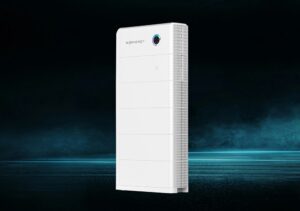
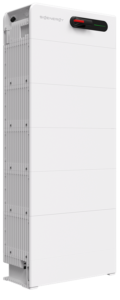
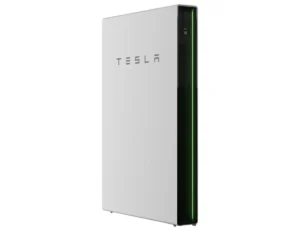
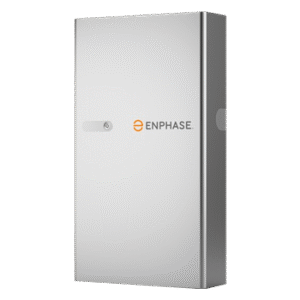
A solar battery stores surplus electricity generated by your solar panels instead of allowing it to flow back into the National Grid.

During bright daylight hours, solar panels often produce more electricity than a property immediately requires. Rather than wasting this valuable energy, a battery captures and stores it safely for later use.

When the sun begins to set or electricity demand increases during the evening, the battery automatically supplies the stored energy before your property draws power from the grid.

This process allows you to make better use of the renewable electricity your system has already generated.
How Does a Solar Battery Work?

Solar panels generate electricity whenever sufficient daylight reaches the photovoltaic cells.

Your property always uses the electricity being produced first. If your household appliances or business equipment require less electricity than your panels are generating, the surplus has two possible destinations.

Without battery storage, the excess electricity is exported to the National Grid.

With battery storage installed, that surplus energy charges the battery instead.

Later, when solar generation falls below your property’s demand, the battery begins supplying stored electricity automatically. Only once the battery has discharged will your property import electricity from the grid.

This intelligent process happens seamlessly without requiring any manual intervention.

Can a Solar Battery Eliminate Your Dependence on the National Grid?

The simple answer is no.

However, it can reduce your dependence considerably.

Many people believe installing a battery means they will never purchase electricity again. In reality, complete energy independence is extremely difficult to achieve for most properties in the United Kingdom.

Solar generation naturally varies throughout the year.

During summer, long daylight hours often allow batteries to charge fully whilst still producing enough electricity to power a property throughout the day.

Winter presents a different challenge.

Shorter days, lower sun angles and increased household electricity consumption often mean solar panels generate less energy. Even with battery storage, many properties will still import some electricity during these periods.

Rather than eliminating the National Grid entirely, a battery helps you rely on it much less frequently.
Understanding Energy Independence

Reducing dependence on the National Grid does not necessarily mean living completely off grid.

An off grid property operates without any connection to the electricity network and must generate and store all of its own electricity throughout the year.

This requires significantly larger solar arrays, much larger battery banks and careful energy management.

Most homeowners and businesses instead aim for greater energy independence.

This means generating more of the electricity they consume whilst reducing the amount they purchase from suppliers.

For many people, this provides the ideal balance between reliability, affordability and environmental responsibility.

Using More of the Energy You Generate

One of the greatest advantages of battery storage is increasing your own energy consumption.

Without a battery, a significant proportion of daytime solar generation may leave your property because it is not immediately needed.

For example, many homeowners are at work during the day whilst their solar panels continue producing electricity.

By the time they return home and begin cooking, watching television or charging electric vehicles, the sun has already begun to set.

Without battery storage, electricity must be purchased from the National Grid.

With battery storage, the electricity generated earlier in the day remains available.

This allows far more of your own renewable energy to be used within your property.
Why Battery Storage Benefits Homeowners

For homeowners, battery storage offers far more than lower electricity bills.

Many families experience their highest electricity usage during the morning and evening when solar generation is relatively low.

A battery bridges this gap by supplying stored electricity when it is needed most.

This can reduce imported electricity significantly throughout much of the year.

Battery storage also provides greater certainty over household energy costs.

Instead of relying entirely on changing electricity prices, homeowners gain greater control over where their electricity comes from.

Many people also value the environmental benefits.

Using more self generated renewable electricity reduces reliance on electricity generated from fossil fuels and lowers overall carbon emissions.

Why Businesses Benefit Too

Commercial properties often consume electricity throughout the working day, making solar panels an excellent investment.

However, many businesses also experience periods of fluctuating demand.

Battery storage allows excess solar generation to remain available during periods of increased consumption rather than exporting it immediately.

For offices, warehouses, retail premises, manufacturing facilities and many other commercial buildings, this can improve overall energy efficiency whilst helping manage operating costs.

Businesses also benefit from demonstrating their commitment to sustainability, something that increasingly influences customers, suppliers and investors.
The Importance of Choosing the Right Battery Size

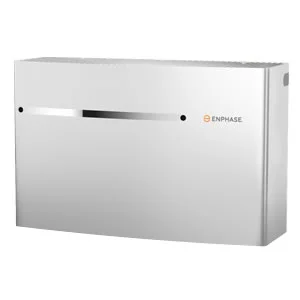
Battery capacity plays a major role in reducing grid dependence.

A battery that is too small may fill quickly during sunny weather before becoming fully discharged early in the evening.

Conversely, an oversized battery may rarely reach full capacity if the solar array cannot generate enough electricity to charge it effectively.

Professional system design considers several important factors, including:

  • Annual electricity consumption
  • Daily usage patterns
  • Existing or proposed solar panel capacity
  • Future electricity requirements
  • Available installation space

Selecting the right battery size ensures you gain the greatest possible benefit from your investment.

Seasonal Differences Matter

No renewable energy system performs identically throughout the year.

During late spring and summer, longer daylight hours generally produce higher levels of solar generation.

Many batteries charge fully each day and continue powering homes well into the evening.

Winter conditions naturally reduce solar output.

Cloud cover, shorter days and increased heating related electricity demand often mean batteries recharge more slowly and discharge more quickly.

This seasonal variation is entirely normal and should be considered when assessing overall performance.

Even so, battery storage continues providing valuable savings throughout the year by making the best possible use of available solar generation.
Financial Benefits Beyond Lower Bills

Lower electricity bills remain one of the biggest reasons people install battery storage.

Every unit of electricity generated and used within your own property reduces the amount purchased from an energy supplier.

Over time, these savings can become substantial.

Battery storage also provides greater protection against future electricity price increases.

Whilst energy prices cannot be predicted with certainty, generating and storing more of your own electricity naturally reduces exposure to market fluctuations.

For businesses, lower operating costs may improve profitability whilst providing more predictable energy expenditure.

Greater Energy Security

Although standard battery systems do not automatically continue supplying electricity during every power cut, many modern battery systems can provide backup functionality when designed and installed appropriately.

Where compatible backup capability is included, essential appliances and equipment may continue operating during certain grid outages.

This additional resilience can be particularly valuable for businesses, home offices or households where maintaining electricity supply is especially important.

Professional advice should always be sought to understand the capabilities of any individual battery system.
Is a Solar Battery Worth Installing Without Solar Panels?

In some situations, yes.

Certain battery systems can charge using electricity imported from the National Grid before supplying that stored energy later.

However, the greatest financial and environmental benefits usually come when battery storage is paired with solar panels.

Generating your own renewable electricity first allows the battery to store clean energy that would otherwise be exported.

This maximises self consumption and provides the greatest reduction in reliance on imported electricity.

For most homeowners and businesses, combining solar panels with battery storage delivers the strongest long term value.

Common Misconceptions About Solar Batteries

Several misconceptions continue to discourage people from considering battery storage.

One common belief is that batteries completely remove electricity bills.

Whilst they can reduce bills considerably, most connected properties still import some electricity during periods of high demand or low solar generation.

Another misconception is that batteries only benefit large homes.

In reality, correctly sized battery systems can provide meaningful advantages for a wide variety of property sizes and electricity usage patterns.

Some people also assume batteries require constant maintenance.

Modern systems are designed for reliable long term operation and generally require very little routine maintenance.
Who Is Most Likely to Benefit?

Battery storage can be an excellent investment for:

  • Homeowners with existing solar panels.
  • People planning a new solar installation.
  • Businesses looking to reduce operating costs.
  • Properties with high evening electricity consumption.
  • Households wishing to increase their use of renewable energy.
  • Organisations seeking greater control over long term energy expenditure.

Every property differs, which is why professional system design remains essential.

Conclusion

A solar battery will not usually remove your dependence on the National Grid altogether, but it can reduce it significantly.

By storing surplus electricity generated during the day, battery storage enables homeowners and businesses to use more of their own renewable energy when it matters most. This leads to lower electricity bills, greater protection against rising energy costs and increased confidence in your long term energy future.

If you are considering solar battery storage, speaking with experienced professionals ensures your system is designed around your property’s unique energy requirements. My Home Solar provides tailored solar panel and battery storage solutions across the United Kingdom, helping homeowners and businesses maximise the benefits of renewable energy whilst reducing their reliance on the National Grid.

Do Black Solar Panels Perform Better in the UK?

Are Black Solar Panels Better Than Standard Blue Panels in the UK?

Black solar panels can perform slightly better than standard blue panels because manufacturers typically produce them using more efficient monocrystalline cells. However, in the UK’s climate, the overall difference in energy production is relatively small. Installation quality, roof position and system design generally have a far greater impact on long term solar panel performance than panel colour alone.

Understanding the Difference Between Black and Blue Solar Panels

Although colour creates the most obvious visual distinction, the manufacturing process creates the real differences between the solar cells.

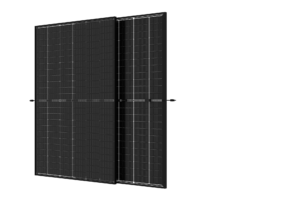
Most black solar panels use monocrystalline silicon cells. Manufacturers create these cells from a single, highly purified silicon crystal, allowing electrons to move more efficiently through the material. As a result, these panels typically achieve higher conversion efficiencies and occupy less roof space for the same power output.

By comparison, manufacturers commonly produce blue solar panels using polycrystalline silicon. They create these cells by melting together multiple silicon fragments.Whilst this manufacturing process is generally less expensive, it creates additional crystal boundaries that reduce electrical efficiency slightly.

This difference in manufacturing gives each panel its distinctive appearance.

Monocrystalline panels have a uniform black finish with smooth, rounded cell edges that many homeowners consider more visually appealing. Polycrystalline panels display a mottled blue surface created by the multiple silicon crystals within each cell.

Although aesthetics are often an important consideration, particularly for residential properties, appearance alone should never determine which solar panels are most suitable.

Do Black Solar Panels Generate More Electricity?

Generally speaking, black solar panels are capable of producing slightly more electricity from the same roof area.

This is primarily because monocrystalline technology converts a greater proportion of sunlight into usable electricity.

Modern monocrystalline solar panels frequently achieve efficiencies exceeding twenty two per cent, whilst many polycrystalline panels operate within a slightly lower efficiency range.

However, this does not necessarily mean that black panels will dramatically reduce your electricity bills compared with blue panels.

For many properties across the United Kingdom, the annual difference in electricity generation is relatively small. Every extra unit of electricity helps reduce energy costs. However, the increase is rarely as significant as many people expect.

Instead, homeowners and business owners achieve the greatest gains by installing the right number of solar panels. They should also choose high quality equipment and design the system specifically for their property.

How Does the UK Climate Affect Solar Panel Performance?

One misconception that continues to circulate is that solar panels require constant sunshine to generate electricity.

In reality, solar panels operate using daylight rather than direct sunlight.

Even during cloudy weather, solar cells continue converting available light into electricity, although production naturally falls compared with bright summer conditions.

This makes solar panels particularly well suited to the United Kingdom despite its variable weather.

Throughout the year, the country receives sufficient daylight for well designed systems to generate significant amounts of renewable electricity. Whilst summer naturally delivers higher outputs due to longer daylight hours, modern solar technology continues producing useful energy during autumn, winter and spring.

Consequently, homeowners should focus less on the colour of the panel and more on designing the entire installation to maximise available sunlight throughout the year.

Do Black Solar Panels Perform Better During Cloudy Weather?

This is another question frequently asked by prospective solar panel owners.

The simple answer is that black solar panels can perform marginally better under lower light conditions because monocrystalline cells tend to maintain stronger efficiency levels when sunlight intensity decreases.

However, the difference is often modest.

Both monocrystalline and polycrystalline solar panels continue generating electricity on overcast days, and neither technology suddenly stops working because clouds appear.

Instead, electricity production depends on the overall amount of available daylight reaching the panels.

Therefore, black solar panels may offer a slight performance advantage during cloudy conditions. However, homeowners should consider this as just one of many contributing factors. It should not be the sole reason for choosing one technology over another.

What About Hot Weather Performance?

Interestingly, many people assume darker coloured panels automatically perform better because they absorb more sunlight.

The reality is slightly more complicated.

All solar panels lose a small amount of efficiency as temperatures increase. This is measured using what is known as the temperature coefficient.

Although black panels absorb more heat because of their darker appearance, manufacturers engineer modern monocrystalline panels to minimise performance losses as temperatures rise.

Fortunately, the United Kingdom rarely experiences prolonged periods of extreme heat. As a result, temperature related efficiency losses remain relatively modest for most installations.

Consequently, seasonal temperature changes have far less impact on annual electricity generation than roof orientation, shading and overall system quality.

Appearance Can Influence Property Appeal

Whilst performance remains the primary objective, visual appearance has become increasingly important as solar panels become more common across residential developments.

Black solar panels are widely regarded as offering a cleaner, more contemporary finish.

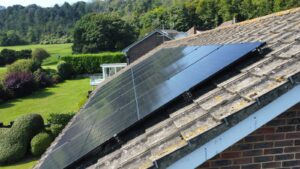
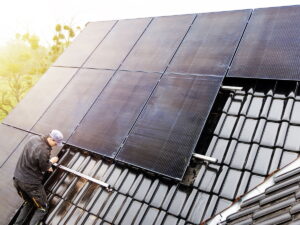
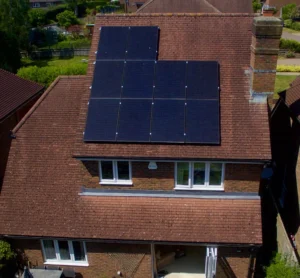
Their uniform colouring blends seamlessly with dark roof tiles, slate roofs and modern architectural designs. Many premium systems also feature black frames and black backing sheets, creating an elegant appearance that complements the roof rather than standing out against it.

By contrast, blue solar panels often have a more noticeable appearance because of their distinctive crystalline pattern and silver framing.

For some homeowners, particularly those installing panels on highly visible front elevations, aesthetics alone may justify choosing black panels despite the additional investment.

Appearance can also influence future property value. Prospective buyers often view attractive renewable energy installations more favourably.

Are Black Solar Panels Worth the Extra Investment?

Cost is often one of the deciding factors when choosing solar panels. Whilst black monocrystalline panels have traditionally been more expensive than blue polycrystalline alternatives, the price gap has narrowed considerably over recent years.

Advances in manufacturing and growing demand have made high efficiency black solar panels much more accessible. Consequently, many installations now feature monocrystalline panels as the preferred option because they offer an excellent balance between performance, appearance and long term value.

Although the initial investment may still be slightly higher, black panels often generate more electricity over their lifetime. Therefore, the additional cost can be offset through greater energy savings, particularly for properties with limited roof space where maximising output is essential.

Do not focus solely on the purchase price. Instead, consider the overall return on investment over the lifespan of the system.A well designed solar installation can produce clean electricity for decades. Therefore, long term performance often matters far more than a small difference in upfront cost.

Which Solar Panels Last Longer?

Manufacturers build both black and blue solar panels to withstand the demanding weather conditions experienced across the United Kingdom.

They rigorously test modern panels to ensure they can withstand heavy rainfall, strong winds, snow, hail and prolonged exposure to ultraviolet light. As a result, homeowners and businesses can expect many years of reliable electricity generation regardless of which type they choose.

Most high quality solar panels have a life expectancy of twenty five years or more, with many continuing to operate efficiently for thirty years or longer. Although output gradually declines over time, the reduction is typically very small each year.

Manufacturing quality has a much greater impact on lifespan than panel colour. Therefore, homeowners and business owners should choose reputable products and ensure they are installed correctly. These factors matter far more than choosing between black and blue panels.

Regular inspections and occasional cleaning will also help maintain optimum performance throughout the lifetime of the system.

Which Option Is Best for Your Property?

There is no universal answer because every property has different requirements.

If roof space is limited, many homeowners and business owners choose black monocrystalline panels because they deliver higher efficiency. They generate more electricity from a smaller installation, making them ideal for compact residential roofs and commercial buildings with restricted space.

For larger roofs where space is less of a concern, blue panels may still provide excellent value. If sufficient roof area is available, installing additional panels can often compensate for the slightly lower efficiency whilst keeping installation costs competitive.

Appearance should also be considered. Many homeowners prefer the sleek, uniform finish of black panels, particularly on modern properties or homes where the roof is highly visible. Businesses may also favour black panels because they present a more contemporary image that complements commercial buildings.

Ultimately, the most suitable solution depends on several factors, including roof size, orientation, budget, electricity usage and future energy goals.

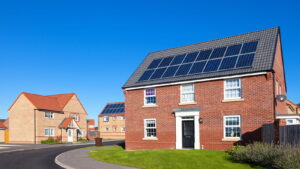
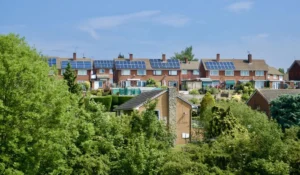
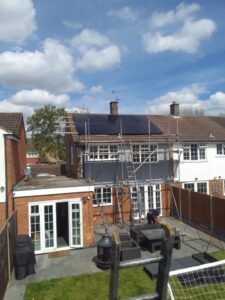
House on estate with solar panels

Common Myths About Black and Blue Solar Panels

As solar technology has become increasingly popular, several misconceptions have emerged regarding panel colour and performance.

One common myth is that black panels generate significantly more electricity simply because they absorb more heat. In reality, solar panels generate electricity from light rather than heat. Whilst monocrystalline technology is generally more efficient, this is due to the structure of the silicon cells rather than their colour.

Another misconception is that blue panels are outdated and should no longer be considered. Although monocrystalline technology has become the preferred choice for many installations, polycrystalline panels continue to provide dependable renewable energy and remain suitable for certain projects.

Some people also believe that solar panels perform poorly in the United Kingdom because of frequent cloud cover. However, this is simply not true. Solar panels continue producing electricity throughout the year using daylight, even during overcast conditions. Consequently, thousands of homes and businesses across the country benefit from substantial reductions in electricity costs despite the variable climate.

Finally, many assume that selecting the most efficient panel automatically guarantees the highest savings. Whilst efficiency is undoubtedly important, the quality of the installation, system design and positioning often have a much greater influence on overall performance.

Conclusion

So, do black solar panels perform better than standard blue panels in the UK?

The answer is yes, but only to a modest extent.

Black monocrystalline solar panels generally deliver higher efficiency, make better use of limited roof space and offer a more attractive appearance. However, the difference in annual electricity generation is usually small under typical UK conditions.

For most homeowners and business owners, system design, roof suitability and installation quality matter far more than panel colour.

Whether you choose black or blue solar panels, a professionally designed system can reduce electricity costs. It can also lower your reliance on the grid and support a more sustainable future.

If you are considering solar panels, My Home Solar can help. Our team provides expert advice and tailored solutions to maximise performance and long term value for your property.

What Is Solar Curtailment and Could It Affect Your Savings?

Could Solar Curtailment Reduce Your Solar Savings?

Solar power has become one of the most effective ways for households and businesses across the United Kingdom to reduce their electricity bills whilst lowering their reliance on fossil fuels. Modern solar panel systems are more efficient than ever, battery storage technology continues to improve and government support for renewable energy has encouraged thousands of property owners to generate their own electricity.

Despite these advances, many people are unfamiliar with a term that occasionally appears in discussions about renewable energy, namely solar curtailment. It is not something that most homeowners encounter on a daily basis, yet understanding what it means can help you make better decisions when investing in a solar energy system.

The good news is that, for the overwhelming majority of domestic solar installations in the United Kingdom, solar curtailment has only a limited impact. Nevertheless, it is worth understanding why it happens, how it affects different types of installations and what can be done to minimise its influence on your long term savings.

What Is Solar Curtailment?

Solar curtailment happens when a solar energy system generates less electricity than it could because the output is deliberately limited.

Instead of allowing every solar panel to operate at full capacity, electricity network operators or system settings reduce the amount of electricity the system generates or exports. They do this to help keep the electricity network stable, safe and efficient.

Solar curtailment does not mean your solar panels are faulty. In most cases, your system reduces its output automatically in response to local network conditions or agreed installation settings.

Although the term may sound worrying, solar curtailment is simply one way of balancing electricity supply and demand as the United Kingdom continues to expand its use of renewable energy.

Why Does Solar Curtailment Happen?

Electricity networks must constantly balance electricity generation with demand.

The National Grid cannot produce and store electricity indefinitely. Instead, it must match supply with demand in real time.

 Supply and demand must remain closely matched at all times to ensure the network continues operating safely and reliably.

On particularly bright days, especially during spring and summer, thousands of solar installation across a region may generate significant amounts of electricity at the same time. If local demand is relatively low, the network can experience periods where more electricity is available than is immediately required.

Rather than risking instability, electricity network operators may reduce generation from certain renewable sources. This controlled reduction is known as curtailment.

As renewable energy continues to expand throughout the United Kingdom, careful management of electricity generation is becoming increasingly important. Fortunately, improvements to battery storage, smarter grids and investment in network infrastructure are helping to reduce these situations over time.

Does Solar Curtailment Affect Homeowners?

For most homeowners, solar curtailment has little effect on day to day savings.

Domestic solar systems are designed to meet the energy needs of the property. When the system generates more electricity than the home uses, it exports the surplus to the grid.

Many homeowners use a large proportion of the electricity they generate, especially if they are at home during the day or have battery storage. As a result, occasional export limits usually have only a small impact on overall savings.

Some newer systems include export limits agreed with the local Distribution Network Operator during installation. These limits help protect the local electricity network and prevent it from becoming overloaded.

How Does Solar Curtailment Affect Businesses?

Commercial solar installations can experience curtailment differently.

Large commercial systems often generate substantially more electricity than a typical household installation. Many businesses also export greater quantities of surplus electricity back to the grid, particularly during weekends, holidays or periods of reduced operational activity.

Where significant amounts of electricity are exported, local network constraints may occasionally require generation to be reduced.

Businesses planning larger solar installations should therefore consider export capacity during the design stage. Experienced installers will work closely with the Distribution Network Operator to understand any restrictions before installation begins.

Careful planning helps ensure the system delivers excellent financial returns whilst complying with local network requirements.

The Difference Between Curtailment and Equipment Problems

People often misunderstand solar curtailment because equipment faults can also reduce electricity generation.

If your system suddenly begins producing less electricity, curtailment is only one possible explanation.

Other causes may include:

  • Dirty solar panels reducing efficiency.
  • Temporary shading from trees or neighbouring buildings.
  • Faulty inverters.
  • Damaged wiring.
  • Weather conditions.
  • Seasonal variations in daylight hours.
  • Maintenance work affecting system performance.

Modern monitoring software makes it much easier to distinguish between genuine faults and normal operational limitations. Many homeowners can monitor their system’s performance through a smartphone application, allowing them to identify unexpected changes in generation.

Where performance appears unusually low over an extended period, a qualified solar installer can investigate further.

Can Battery Storage Help?

Battery storage has transformed the way many homeowners and businesses use solar energy.

Rather than exporting every unit of surplus electricity immediately, a battery stores unused electricity for later use. This allows properties to use more of the energy they generate, reducing reliance on electricity purchased from the grid during the evening and overnight.

Although battery storage does not eliminate solar curtailment entirely, it can reduce its financial impact in certain circumstances.

Storing surplus electricity instead of exporting it immediately reduces your reliance on export capacity. This enables property owners to make greater use of their own renewable electricity whilst improving overall system efficiency.

For many households, battery storage also provides greater flexibility when electricity prices fluctuate throughout the day.

At My Home Solar, we regularly advise customers on whether battery storage represents a worthwhile investment based on their property, electricity usage and long term objectives rather than recommending a one size fits all solution.

How Do Grid Constraints Influence Solar Generation?

The United Kingdom’s electricity network has changed considerably over the past decade. As more homes and businesses install solar panels, renewable electricity now forms a much larger proportion of the nation’s energy supply than ever before. This transition is essential for reducing carbon emissions, but it also presents new challenges for the electricity network.

Many parts of the grid were originally designed for electricity to travel in one direction, from large power stations to homes and businesses. Today, thousands of properties generate their own electricity and export any surplus back into the network. In some areas, particularly where solar adoption has grown rapidly, the local infrastructure can occasionally struggle to accommodate high levels of exported electricity.

When this happens, Distribution Network Operators may introduce export limits or other measures that help maintain a stable electricity supply. These controls are not intended to discourage renewable energy. Instead, they ensure that voltage levels remain within safe operating limits and that the network continues to perform reliably for everyone connected to it.

For most property owners, these limitations have little noticeable effect on everyday energy use. They simply form part of the careful management required as the United Kingdom continues its transition towards cleaner sources of electricity.

Is Solar Curtailment Becoming More Common?

Solar curtailment has attracted greater attention in recent years, largely because renewable energy generation has increased significantly across the country.

As thousands of new solar installations come online each year, periods occasionally arise where renewable electricity generation exceeds local demand or available export capacity. These situations are most likely to occur during bright, sunny days when electricity consumption is relatively low.

However, this does not mean that curtailment is becoming a widespread problem for individual homeowners.

Investment in the national electricity network continues to improve its ability to accommodate renewable generation. New substations, upgraded infrastructure, improved forecasting and smarter grid technology are all helping to reduce the need for generation limits.

Battery storage is also playing an increasingly important role. As more homes and businesses install batteries alongside their solar panels, a greater proportion of locally generated electricity can be stored and used later rather than exported immediately. This helps reduce pressure on the network whilst allowing property owners to maximise the value of the electricity they generate.

Although curtailment may occasionally feature in discussions surrounding the future of renewable energy, it should not discourage anyone from considering solar power. The long term benefits continue to far outweigh the relatively small impact that curtailment has on most installations.

How Can You Reduce the Impact of Solar Curtailment?

Whilst it may not always be possible to eliminate solar curtailment entirely, there are several ways to ensure your system delivers the greatest possible financial return.

One of the best ways to maximise your savings is to choose a solar system that matches your property’s energy usage. Installing a system that is larger than you need can lead to more electricity being exported than necessary. By understanding how and when you use electricity, an installer can recommend a solution that achieves an excellent balance between generation and self consumption.

 Rather than exporting excess electricity immediately, surplus energy can be stored for use later in the day when electricity demand increases. A battery stores surplus electricity instead of exporting it immediately. You can then use that energy later when demand increases.. This often improves overall savings whilst reducing dependence on imported electricity.

Smart home technology can also make a difference. Devices that automatically operate appliances during periods of high solar generation help increase the amount of electricity used within the property. Charging an electric vehicle during daylight hours, heating water using surplus solar electricity or scheduling certain appliances to run when generation is highest can all improve the overall value of your system.

Finally, choosing an experienced installer remains one of the most important decisions. A well designed system considers future energy requirements, local network conditions and export arrangements from the very beginning, helping to avoid unnecessary limitations after installation.

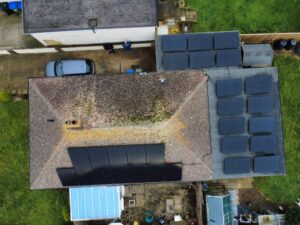
solar panels in bournemouth

Why Trust My Home Solar?

Choosing solar panels represents a significant investment, so receiving honest, knowledgeable advice is just as important as selecting high quality equipment.

At My Home Solar, every installation begins with understanding how the property uses electricity and what the customer hopes to achieve. Rather than recommending identical systems for every home or business, the team designs tailored solutions that reflect individual energy requirements, future plans and available roof space.

Whether you are considering residential solar panels, commercial solar systems or battery storage, My Home Solar provides practical advice to help you make informed decisions with confidence. Every recommendation is based upon achieving reliable performance, long term savings and maximum value from your investment.

As solar technology continues to evolve, the team delivers high quality, efficient solar solutions that put customer satisfaction first.

Conclusion

Many people misunderstand solar curtailment, but it has little impact on most homeowners and businesses in the United Kingdom. Electricity network operators may occasionally limit a solar system’s output to maintain a stable and reliable network, but these restrictions rarely have a significant effect on long term savings.

You can maximise your return by choosing a solar system that matches your property’s energy needs. Panel placement, inverter selection, battery storage and electricity usage all play an important role. An experienced installer will consider these factors from the beginning to help your system perform at its best.

At My Home Solar, we design tailored residential and commercial solar systems that deliver reliable performance and lasting value. Whether you are installing solar panels or adding battery storage, our experienced team can provide clear, honest advice and a solution that suits your property. Contact My Home Solar to find out how solar energy can help reduce your energy bills and support a more sustainable future.

Can You Install Solar Panels on a Garage?

Can You Install Solar Panels on a Garage Instead of Your House Roof?

As energy prices continue to fluctuate and environmental awareness grows, more homeowners are looking towards renewable energy to reduce household costs and improve the efficiency of their homes. Solar panels have become one of the most popular investments, offering long term savings alongside a cleaner source of electricity. While many installations are fitted to the main roof of a property, this is by no means the only option available.

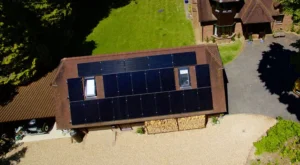
If you have a garage with suitable roof space, you may be wondering whether it can support a solar panel installation instead. For many homeowners, this approach offers an attractive solution, particularly if the main house roof is shaded, has an unsuitable orientation or they simply wish to preserve its appearance.

The good news is that, in many cases, installing solar panels on a garage roof is entirely possible. In fact, some garages provide an even better location than the house itself. However, before proceeding, there are several important factors to consider, including the condition of the roof, its orientation, structural strength and the way the system connects to your home’s electrical supply.

Can Solar Panels Be Installed on a Garage Roof?

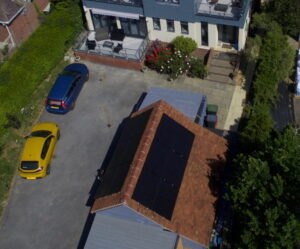
Yes, provided the garage roof is structurally sound and receives sufficient sunlight, it can be an excellent location for solar panels.

Whether the garage is attached to your home or stands separately within your garden, the principles remain largely the same. The solar panels generate electricity from daylight before transferring that energy through an inverter into your home’s electrical system.

Many homeowners are surprised to learn that solar panels do not have to generate electricity from the house roof itself. As long as a qualified installer designs the system correctly, it can transfer electricity efficiently from the garage to your consumer unit.

A professional installer will assess the entire property before recommending the most appropriate location for your system.

Why Choose a Garage Instead of the House Roof?

There are several reasons why homeowners choose to install solar panels on a garage rather than the main property.

Sometimes the house roof simply is not suitable. Older roofs may require repairs before installation, while others have multiple roof windows, chimneys or awkward roof shapes that reduce the available space.

In other situations, nearby trees or neighbouring buildings cast shadows across the house roof during much of the day, reducing energy production.

A garage may avoid many of these issues. If positioned in a more open area, it could receive uninterrupted sunlight for longer periods, allowing the solar panels to generate more electricity throughout the day.

Some homeowners also prefer to leave the appearance of the main house unchanged, particularly if they own a listed property or simply wish to preserve the character of their home.

Is Every Garage Suitable?

Although many garages are suitable for solar panels, not every roof can safely support an installation.

The first consideration is the overall condition of the structure. If your garage roof has deteriorated over time or shows signs of movement, you may need to repair it before installers can safely fit the solar panels.

The construction of the garage also matters. Brick built garages generally provide a robust structure, while lightweight timber garages may require additional assessment before installation proceeds.

Professional installers will carefully inspect the roof to ensure it can safely carry the combined weight of the mounting system and solar panels.

Fortunately, modern solar panels are considerably lighter than many homeowners expect, meaning numerous garages can accommodate them without significant structural alterations.

Does the Direction of the Garage Roof Matter?

Roof orientation plays an important role in determining how much electricity your solar panels will generate.

Across the United Kingdom, south facing roofs generally achieve the highest annual energy production because they receive the greatest amount of direct sunlight throughout the day.

However, this does not mean other roof directions should be dismissed.

South east and south west facing roofs also perform exceptionally well, while east and west facing installations can still provide excellent returns by generating electricity during different parts of the day.

Even north facing roofs may remain viable in certain situations, although electricity generation will usually be lower than other orientations.

An experienced installer will calculate the expected performance based on your property’s exact location, roof angle and surrounding environment before making recommendations.

Flat Garage Roofs Compared With Pitched Roofs

Many garages have flat roofs, leading some homeowners to assume they are unsuitable for solar panels. In reality, flat roofs often offer considerable flexibility.

Rather than following the existing roof angle, specialist mounting systems position the panels at an optimal angle to maximise exposure to sunlight.

These mounting systems allow installers to create an efficient layout while avoiding self shading between rows of panels.

Pitched garage roofs also perform extremely well, particularly when they already face a favourable direction.

The best solution depends entirely on the individual property, which is why every installation should begin with a detailed survey.

Will the Garage Produce Enough Electricity?

One common misconception is that a garage installation will only generate enough electricity to power the garage itself.

Once installers connect your solar panels to your home’s electrical system, they generate electricity that powers appliances throughout your property.

This means your kitchen appliances, lighting, televisions, computers and many other household devices can all use the electricity generated on your garage roof.

Several factors influence how much electricity your system generates. These include the number of panels installed, their efficiency, your roof’s orientation and local weather conditions.

If your garage roof is large enough, it may accommodate a solar panel system that is comparable in size to one installed on your main house roof.

Planning Permission Considerations

Most domestic solar panel installations fall under permitted development rights, meaning planning permission is often unnecessary.

However, there are important exceptions.

If you own a listed property, live in a conservation area or your property is subject to specific planning restrictions, you may need to obtain additional permissions before installation can begin.

Garages that exceed certain height limits or have unusual construction may also require further consideration.

A reputable installer will advise you on any planning requirements before work starts, ensuring the installation complies with current regulations.

Connecting the Garage to Your Home

One of the most common questions homeowners ask is how electricity generated on a garage roof reaches the house.

The process is far simpler than many people expect. Qualified installers run suitably protected electrical cabling between the garage and your home’s consumer unit. The layout of your property determines the exact cable route, but installers often run the cables underground or route them discreetly to minimise their visual impact.

Once connected, the electricity generated by your solar panels becomes available throughout your home. Your household appliances automatically use the solar energy first before drawing any additional electricity from the National Grid.
Although connecting a detached garage to your home requires some additional work, qualified installers carry out this process regularly, so it should not discourage you from considering this option.

Can Battery Storage Be Added?

Many homeowners choose to install battery storage alongside their solar panels. This allows them to make even greater use of the electricity they generate.

Without a battery, your system normally exports any surplus electricity to the grid if your home does not use it straight away. A battery stores this excess electricity for later use. You can then use it during the evening when your solar panels are no longer generating power.

Battery storage often makes excellent practical sense for garage installations. If space allows, installers can fit the battery inside the garage. This keeps the equipment together and frees up space inside your home.

Although battery storage is not essential, it can significantly increase your energy independence. It can also reduce the amount of electricity you need to buy from the grid.

How Much Roof Space Is Needed?

The amount of roof space required depends on the number of solar panels being installed and the energy requirements of your household.

Modern solar panels are considerably more efficient than earlier models, allowing homeowners to generate more electricity using fewer panels.

Even a modest garage roof may accommodate enough panels to make a meaningful contribution towards household electricity consumption.

During an initial survey, installers will assess the available roof area before recommending a system that balances energy production with your available space and budget.

What Are the Benefits of Installing Solar Panels on a Garage?

Choosing a garage roof offers several potential advantages.

If trees, neighbouring buildings or other obstacles shade your house roof, your garage roof may receive more direct sunlight throughout the day. The same applies if your house roof has a less favourable orientation.

A garage installation also preserves the appearance of your main property. This appeals to homeowners who want to maintain the character of their home.

Installation work can sometimes be simpler and more accessible, particularly where the garage roof is lower than the house roof.

Homeowners planning a future loft conversion or roof extension may also prefer to keep the main roof free from solar panels. A garage installation allows them to benefit from renewable energy without affecting future building plans.

Perhaps most importantly, a garage installation makes use of otherwise unused roof space. This allows you to generate clean electricity without sacrificing valuable roof space elsewhere on your property.

Are There Any Disadvantages?

While garage installations work extremely well for many homes, there are some considerations to bear in mind.

Detached garages require additional electrical cabling between the garage and the property, which can increase installation costs slightly.

Older garages may also require structural improvements before installers can safely fit solar panels.

The size of your roof can also limit the number of solar panels you can install, particularly if you have a smaller garage.

However, these factors do not necessarily mean your garage is unsuitable. Instead, they highlight the importance of arranging a professional assessment before choosing the best location for your solar panels.

Common Misconceptions About Garage Solar Panels.

Several myths continue to discourage homeowners from exploring garage installations.

One common belief is that solar panels only work effectively when installed on the main house roof. In reality, the location matters far less than the amount of sunlight the panels receive.

Another misconception is that detached garages cannot supply electricity to the home. Modern electrical systems make this entirely achievable when installed by qualified professionals.

Some homeowners also assume that flat roofs cannot support solar panels. As discussed earlier, specialist mounting systems make flat roof installations both practical and highly effective.

Finally, there is a belief that garages are simply too small. While this may be true in some cases, many garages provide more than enough roof space for a system capable of delivering worthwhile savings.

Why a Professional Survey Is So Important

Every property is unique, which is why a professional survey should always form the first step of any solar installation.

An experienced installer will assess the structural condition of your garage roof. They will measure the available roof space, evaluate its orientation and identify any shading that could affect performance.

They will also determine the most suitable cable route between the garage and your home’s electrical system. Throughout the installation, they will ensure the work complies with current regulations.

A detailed survey gives you a clear picture of your system’s potential performance. It also helps you make an informed investment instead of relying on assumptions based on roof size or appearance alone.

At My Home Solar, we tailor every recommendation to your property. We help you choose a system that delivers reliable performance for many years to come.

Conclusion

Installing solar panels on a garage roof can be an excellent alternative to using your main house roof. In some cases, it can even deliver better performance. This is particularly true if the garage receives more sunlight or offers a simpler installation.

Before you proceed, ensure your garage roof has the structural strength to support the system. It should also receive sufficient sunlight and allow for a safe connection to your home’s electrical system. With careful planning and professional guidance, a garage installation can deliver many of the same financial and environmental benefits as a traditional roof mounted system.

If you are considering solar panels but are unsure whether your garage is suitable, arrange a professional survey. The experienced team at My Home Solar will assess your property, explain your options and design a system that makes the best use of your available roof space. They can also recommend complementary solutions, such as battery storage, to help you maximise the value of your investment.

How Much Energy Can a SigEnergy Battery Store?

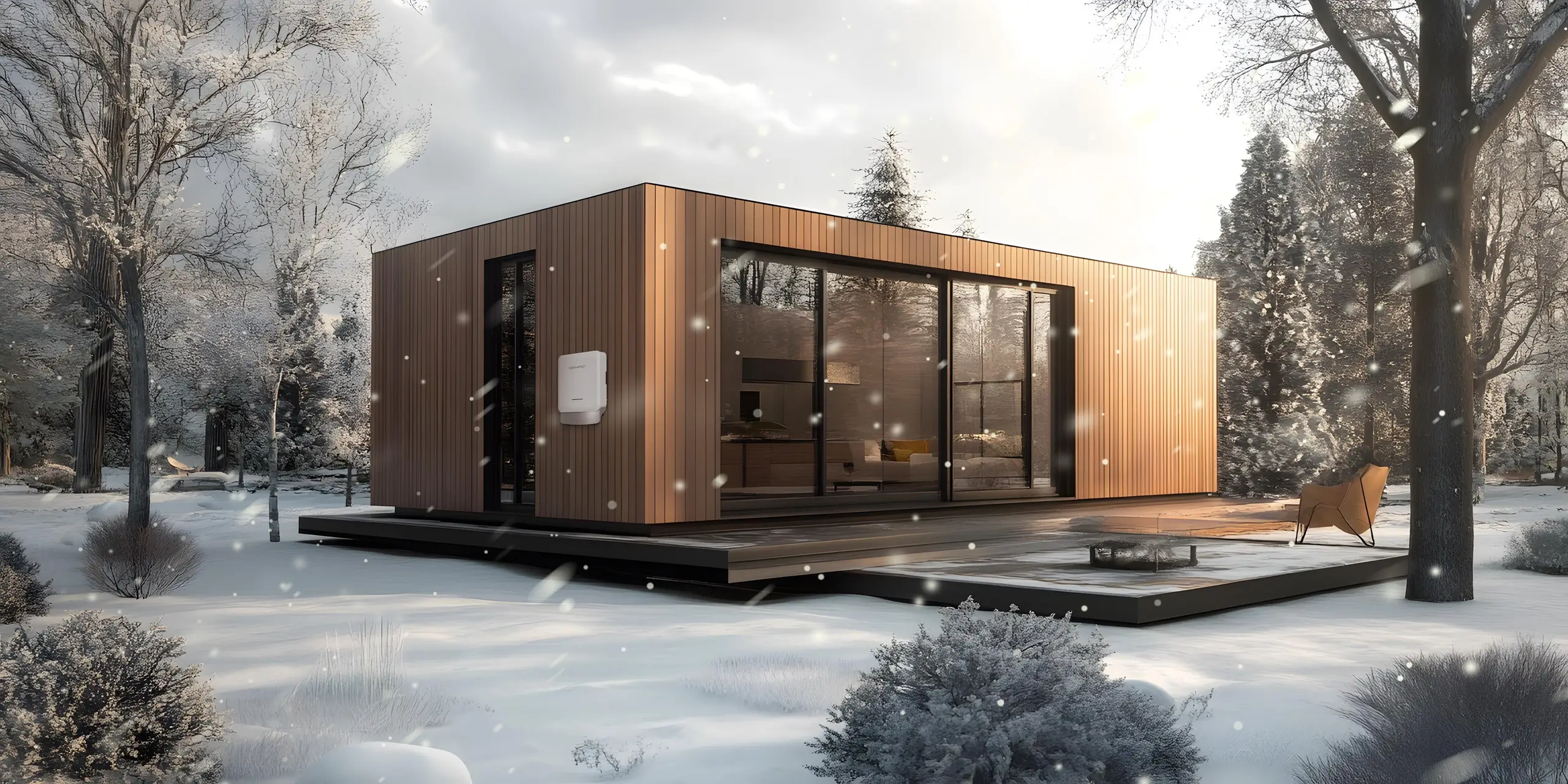
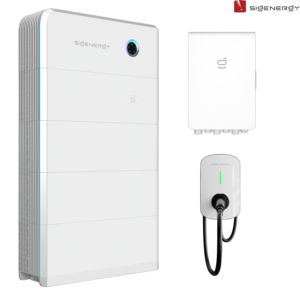
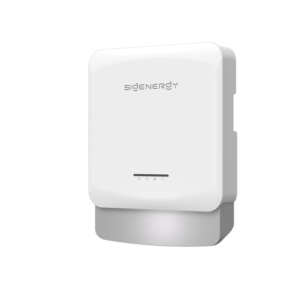
SigEnergy Battery

As more homeowners and businesses across Dorset look for ways to make the most of their solar panels, battery storage has become one of the most valuable additions to a renewable energy system. Rather than sending excess electricity back to the National Grid, a battery allows you to store unused energy and use it later when you need it most.

One name attracting increasing attention is the SigEnergy battery. Designed to provide intelligent energy storage alongside modern solar installations, it offers a practical way to increase energy independence while making better use of the electricity your solar panels generate.

But how much energy can a SigEnergy battery actually store, and what does that mean for your home or business?

Understanding Battery Storage Capacity

Battery capacity is measured in kilowatt hours, often written as kWh. This figure tells you how much electricity a battery can store before it needs recharging.

Think of your battery as a water tank. The larger the tank, the more water it can hold. In the same way, a battery with a larger capacity can store more electricity generated by your solar panels.

The amount of storage you require depends on several factors, including the size of your property, your daily electricity consumption, the number of occupants and whether you intend to power essential appliances during the evening or overnight.

How Much Energy Can a SigEnergy Battery Store?

A SigEnergy battery is designed to be highly flexible, allowing systems to be tailored to the needs of each individual property. Rather than forcing homeowners or businesses into a one size fits all solution, storage capacity can be expanded as energy requirements grow.

This modular approach makes the SigEnergy battery suitable for a wide variety of applications, from smaller family homes looking to reduce electricity bills to larger properties and commercial premises with significantly higher energy demands.

For many households, a modest storage capacity is enough to capture surplus electricity produced during the day and power lighting, televisions, refrigeration, internet routers and many other everyday appliances throughout the evening.

Larger systems can comfortably support greater electricity usage, particularly where electric vehicle charging, home offices, heat pumps or commercial operations place additional demand on stored energy.

What Does Battery Capacity Mean in Everyday Life?

Numbers alone rarely tell the full story. Understanding how battery storage works in real life makes it much easier to appreciate its value.

Imagine a bright summer’s day in Dorset. Your solar panels are generating more electricity than your home is currently using. Instead of exporting all of that surplus energy, your SigEnergy battery stores it for later.

As the sun begins to set and solar production naturally falls, your property starts drawing electricity from the battery instead of purchasing it from the grid.

This stored energy may power lighting throughout the evening, keep kitchen appliances running, allow televisions and computers to operate and even provide electricity overnight depending on your household’s consumption and the size of your battery system.

Rather than wasting excess solar generation, you are making full use of the energy your panels have already produced.

Can a SigEnergy Battery Power a House Overnight?

In many cases, yes.

Whether a battery can supply electricity throughout the entire night depends upon several factors.

These include:

  • The size of the battery.
  • Your average electricity consumption.
  • Whether high demand appliances are being used.
  • The amount of solar energy generated during the day.

Many households use surprisingly little electricity overnight. Refrigerators, broadband routers, lighting and a handful of appliances generally consume far less energy than cooking equipment, electric showers or electric vehicle chargers.

With appropriately sized battery storage and efficient energy use, many homeowners can comfortably reach the following morning without importing significant electricity from the National Grid.

Is a Larger Battery Always Better?

Not necessarily.

While it may seem sensible to choose the largest battery available, bigger is not always better.

A battery should be matched carefully to your property’s energy usage and your solar generation.

If your battery is considerably larger than the amount of excess electricity your solar panels produce, it may rarely reach full capacity. Likewise, if your battery is too small, it could become fully charged before midday, meaning additional solar generation is exported instead of stored.

Finding the right balance is essential.

A professional solar installer will assess your annual electricity usage, roof orientation, panel output and future plans before recommending the most appropriate battery capacity.

How Does a SigEnergy Battery Help Reduce Electricity Bills?

The greatest benefit of battery storage lies in using more of the electricity you generate yourself.

Without battery storage, excess daytime generation is often exported while you purchase electricity back from the grid during the evening.

A SigEnergy battery changes this pattern.

Instead of buying electricity when energy prices are often higher, you are using power that has already been generated by your own solar panels.

Over time, this increased self consumption can significantly reduce reliance on the National Grid while helping protect households and businesses from rising electricity prices.

Why Professional System Design Matters

Every property is different.

Two homes with identical solar panels may require completely different battery capacities depending upon occupancy, appliance usage and lifestyle.

Similarly, two businesses operating within the same industry may have vastly different electricity demand profiles.

Choosing battery storage should therefore never be based solely on the largest capacity available.

Professional system design considers numerous factors including:

  • Daily electricity usage.
  • Seasonal energy consumption.
  • Roof size and orientation.
  • Solar generation forecasts.
  • Future electric vehicle charging.
  • Planned home improvements.
  • Heat pump installation.
  • Business operating hours.

This ensures the battery works efficiently throughout the year rather than simply appearing impressive on paper.

Why Trust My Home Solar?

Choosing the right solar installer is just as important as selecting the right equipment.

At My Home Solar, every installation begins with understanding how each customer uses electricity rather than recommending the same solution for every property.

By carefully assessing your energy consumption, future plans and the characteristics of your property, the team can recommend a solar and battery system designed specifically for your needs.

Serving homeowners and businesses throughout Dorset, My Home Solar focuses on delivering practical, reliable renewable energy solutions that maximise long term performance while helping customers gain greater control over their electricity usage.

With expert advice, high quality installations and ongoing support, customers can feel confident that their investment has been designed to deliver lasting value.

Frequently Asked Questions

How long does electricity stay stored in a SigEnergy battery?

Modern lithium iron phosphate batteries retain stored energy extremely well. While there will always be minimal natural energy loss over time, electricity can remain available for extended periods until it is needed.

Do I need solar panels to benefit from a SigEnergy battery?

Although battery storage delivers its greatest benefits when paired with solar panels, some systems can also charge from the National Grid during cheaper electricity periods, depending on the system configuration.

What size SigEnergy battery do I need?

The ideal battery size depends upon your electricity usage, the size of your solar system, your property and your future energy requirements. A professional assessment ensures your battery storage is matched correctly to deliver the greatest long term benefit.

Conclusion

A SigEnergy battery offers an intelligent way to store the electricity your solar panels generate, allowing you to use more of your own renewable energy when you need it most.

The amount of energy it can store depends upon the battery configuration selected, making it suitable for everything from modest family homes to larger residential properties and commercial premises.

Rather than simply choosing the biggest battery available, the most effective solution is one that matches your energy usage and future requirements.

If you are considering solar battery storage in Dorset, the experienced team at My Home Solar can assess your property and recommend a system designed specifically around your home or business, helping you make the most of every unit of clean energy your solar panels produce.