What Appliances Can Solar Panels Run in a Typical Home?

Solar Panels Power

As energy prices continue to rise and sustainability becomes a central concern for homeowners, many across Dorset and the Midlands are asking a simple yet important question: what exactly can solar panels power in a typical home?

The answer is both encouraging and nuanced. Modern solar panel systems are capable of running a substantial portion of everyday household appliances, particularly when paired with efficient energy usage and battery storage. However, understanding what is realistically achievable requires a closer look at how energy is generated, stored, and consumed throughout the day.

In this guide, we explore the appliances that solar panels can run, the factors that influence performance, and how a well designed system can transform the way your home uses energy.

Understanding How Solar Power Works in the Home

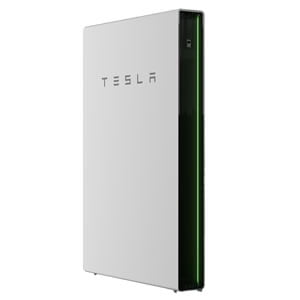
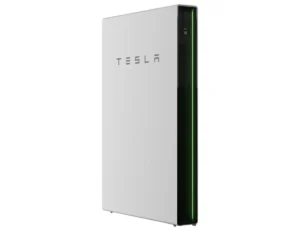
Before considering specific appliances, it is worth understanding the basics. Solar panels generate electricity during daylight hours. This energy can be used immediately, stored in a battery such as a Tesla Powerwall or Growatt battery, or exported back to the grid.

A typical home solar system in the UK might produce between 2500 and 4500 kilowatt hours per year depending on its size and location. Homes in Dorset and the Midlands often benefit from consistent daylight patterns that make solar a reliable and worthwhile investment.

Everyday Appliances Solar Panels Can Run

One of the most appealing aspects of solar energy is its ability to support the daily functioning of a modern household. With the right system in place, many of the appliances you already use can be powered by solar.

Kitchen Appliances

The kitchen is often the heart of energy consumption in any home.

  • Fridges and freezers typically use between 100 and 300 kilowatt hours per year and can be comfortably powered by solar throughout the day
  • Dishwashers use around 1 to 1.5 kilowatt hours per cycle
  • Washing machines generally consume between 0.5 and 1 kilowatt hour per load

These appliances are ideal candidates for solar usage, particularly when run during daylight hours when energy generation is at its peak.

Kettles and Small Appliances

Kettles are among the most energy intensive household items, using around 2 to 3 kilowatts during operation. However, because they are used for short periods, they can still be powered effectively by solar energy during the day.

Other small appliances such as toasters, microwaves, and coffee machines can also be run on solar without difficulty, provided they are used sensibly.

Living Room and Electronics

Modern homes rely heavily on electronic devices, many of which are surprisingly efficient.

  • Televisions typically use between 50 and 200 watts depending on size
  • Laptops and computers use around 30 to 150 watts
  • WiFi routers and smart devices consume minimal energy but run continuously

These appliances are well suited to solar power and can often be run entirely on solar energy during daylight hours, particularly in energy efficient homes.

Heating and Hot Water Systems

Heating presents a more complex challenge. Traditional electric heating systems consume large amounts of energy, often exceeding what a standard solar panel system can provide on its own.

However, there are practical solutions.

  • Solar energy can contribute to running electric boilers or immersion heaters
  • Heat pumps, which are increasingly popular in the UK, can work efficiently alongside solar panels
  • Solar energy can be used to preheat water, reducing overall energy demand

While solar may not fully replace heating requirements, it can significantly offset costs and reduce reliance on the grid.

Electric Vehicle Charging

Electric vehicles are becoming more common across Dorset and the Midlands, and solar panels offer an excellent way to reduce charging costs.

Charging an electric vehicle typically requires between 7 and 30 kilowatt hours depending on usage. While a standard system may not fully charge a vehicle every day, it can contribute a meaningful portion of the energy required.

When combined with battery storage, homeowners can store excess solar energy during the day and use it to charge their vehicle overnight.

The Role of Battery Storage

Battery storage plays a crucial role in maximising the effectiveness of solar panels.

Systems such as the Tesla Powerwall or Growatt battery allow homeowners to store surplus energy generated during the day for use in the evening or early morning. This significantly increases the number of appliances that can be powered by solar energy.

Without a battery, unused energy is typically exported to the grid. With a battery, that energy remains within your home, improving efficiency and reducing electricity bills.

A Typical Home Scenario

To bring this into perspective, consider a typical three bedroom home in Dorset or the Midlands with a well sized solar panel system and battery storage.

During a sunny day, the system could comfortably power:

  • Fridge and freezer continuously
  • Washing machine and dishwasher during the day
  • Television, lighting, and electronics
  • Occasional use of kitchen appliances such as kettles and microwaves

Excess energy would be stored in the battery, allowing the home to continue running essential appliances into the evening.

While high demand appliances such as electric heating or full electric vehicle charging may still require grid support, the overall reduction in energy costs can be substantial.

Factors That Influence What Solar Can Run

Every home is different, and several factors will determine how much of your energy usage can be covered by solar panels.

System Size

Larger systems generate more electricity and can support a wider range of appliances. The available roof space and orientation will influence how many panels can be installed.

Energy Usage Patterns

Homes that use more electricity during the day will benefit most from solar panels, as this is when energy is being generated.

Appliance Efficiency

Modern, energy efficient appliances require less electricity, making it easier for solar systems to meet demand.

Location

Homes in Dorset and the Midlands benefit from favourable conditions for solar energy generation, although output will still vary throughout the year.

Why Solar Is a Smart Choice for UK Homes

Solar panels offer more than just the ability to run household appliances. They provide long term financial savings, reduce environmental impact, and increase energy independence.

With energy costs continuing to fluctuate, investing in solar panels for your home is an increasingly practical decision. When combined with battery storage and efficient energy habits, solar power can transform how your home operates.

Speak to My Home Solar

If you are considering solar panels for your home in Dorset or the Midlands, expert guidance can make all the difference.

My Home Solar specialises in designing and installing tailored solar systems that suit your property, lifestyle, and energy needs. Whether you are looking to reduce your bills, power more of your home, or future proof your energy usage, their team can help you find the right solution.

Get in touch today to discover how much of your home you could power with solar.

Frequently Asked Questions

Can solar panels run a whole house

In many cases, solar panels can power a large portion of a home’s energy needs. With battery storage, it is possible to run most essential appliances, although some high demand items may still rely on the grid.

Do solar panels work in winter in the UK

Yes, solar panels continue to generate electricity during winter, although output is lower due to shorter days and reduced sunlight.

How many solar panels do I need to run my home

This depends on your energy usage, roof space, and system design. A typical UK home may require between 8 and 16 panels.

Can I run my washing machine on solar power

Yes, washing machines are well suited to solar energy, particularly when used during the day.

Is battery storage worth it

Battery storage allows you to use more of the energy you generate, making your system more efficient and increasing your savings over time.

Can You Go Off Grid With Solar Panels in the UK?

Energy Suppliers

The idea of cutting ties with energy suppliers and powering your home entirely from the sun has a certain appeal. With rising electricity prices and growing concerns about sustainability, many UK homeowners are now asking the same question. Can you truly go off grid with solar panels in the UK

The answer is not as straightforward as a simple yes or no. While it is technically possible, the reality is far more nuanced. Understanding what off grid solar means in a British context is essential before making any decisions.

What Does Off Grid Solar Mean

Off grid solar refers to a system that operates completely independently of the national electricity grid. In practical terms, this means your home generates all of its own electricity through solar panels and stores excess energy in battery systems for use when the sun is not shining.

Unlike standard solar installations, which remain connected to the grid and can import electricity when needed, an off grid system relies entirely on its own generation and storage capacity. There is no safety net.
Is It Possible to Go Off Grid in the UK

Technically, yes. You can design and install a system that allows your home to function without any connection to the grid. However, doing so in the UK presents several challenges that make it less practical for most homeowners.

The British climate is the primary obstacle. Solar panels generate far less electricity during the winter months when daylight hours are short and skies are often overcast. In contrast, energy demand tends to be highest during this same period.
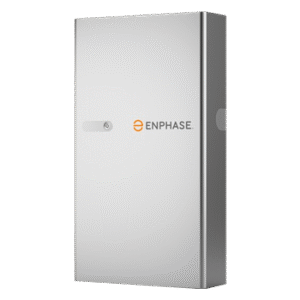
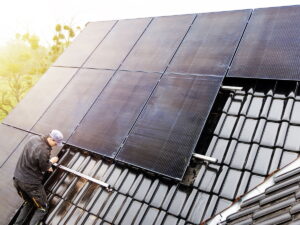
To compensate for this imbalance, an off grid solar system must be significantly oversized and supported by substantial battery storage. In many cases, a backup generator is also required to ensure reliability during prolonged periods of low sunlight.

Legal and Practical Considerations

From a legal standpoint, there is no rule preventing you from disconnecting from the grid. However, most homes are designed to operate with a grid connection, and certain mortgage providers or insurance policies may have conditions tied to it.

In addition, fully off grid systems must be carefully designed to meet safety standards and ensure a consistent energy supply. This requires expert planning and installation.

For most UK homeowners, remaining grid connected while maximising solar generation and battery storage offers a far more practical and cost effective solution.

What You Need for an Off Grid Solar System

Creating a reliable off grid solar setup involves more than simply installing panels on your roof.

Solar Panels

You will need a larger than average solar array to generate enough electricity throughout the year. This often means making full use of available roof space or even installing ground mounted panels.

Battery Storage

Battery storage is essential. Systems such as the Tesla Powerwall or Growatt battery allow you to store excess electricity generated during the day for use at night or during periods of low sunlight.

For an off grid setup, battery capacity must be significantly higher than in a standard installation. It is not uncommon for systems to include multiple batteries to ensure sufficient storage.

Backup Power

Given the unpredictability of British weather, most off grid systems include a backup generator or hybrid solution. This ensures that essential appliances continue to function during extended periods of low generation.

How Much Does Off Grid Solar Cost in the UK

The cost of going off grid is considerably higher than installing a standard solar system.

A typical grid connected solar system with battery storage might cost between fifteen thousand and twenty five thousand pounds. By contrast, a fully off grid system can range from twenty five thousand to forty thousand pounds or more, depending on the size of the property and energy requirements.

This higher cost is driven by the need for additional panels, larger battery storage, and backup systems. While long term savings are possible, the initial investment is substantial.

Pros and Cons of Going Off Grid

There are clear advantages to an off grid solar system.

You gain complete energy independence and are no longer affected by rising electricity prices. Your carbon footprint is reduced, and you have greater control over your energy usage.

However, there are also notable drawbacks.

The upfront cost is significantly higher. System design is more complex, and there is a greater reliance on careful energy management. Perhaps most importantly, reliability can be a concern during the winter months without sufficient backup.

Challenges of Off Grid Solar in the UK

The UK presents unique challenges that must be considered carefully.

Limited winter sunlight means that solar generation drops dramatically at the very time when heating and lighting demands increase. This makes it difficult to rely solely on solar power without extensive storage.

Space can also be a constraint. Not all properties have sufficient roof area to support the number of panels required for full independence.

These factors mean that while off grid solar is achievable, it is often better suited to rural properties or those with lower energy demands.

Off Grid vs Grid Tied Solar

For most homeowners, a grid connected system with battery storage offers the best balance of independence and reliability.

You can generate your own electricity, store excess energy, and still draw power from the grid when needed. This reduces your reliance on energy suppliers without the risks associated with going fully off grid.

It also allows you to export surplus electricity, providing an additional financial benefit.

Expert Insight from My Home Solar

At My Home Solar, we often speak to homeowners who are interested in off grid solar solutions. While the concept is appealing, we always recommend a tailored approach based on your property, energy usage, and long term goals.

In many cases, a hybrid system that combines solar panels with advanced battery storage delivers the best results. It offers significant savings and sustainability benefits without compromising reliability.

Every home is different, and expert guidance is essential to ensure you make the right investment.

Conclusion

So, can you go off grid with solar panels in the UK

Yes, it is entirely possible. However, for most homeowners, it is not the most practical or cost effective option. The challenges posed by the British climate and the high cost of installation mean that a grid connected system with battery storage is often the smarter choice.

If you are considering solar panels and want honest, expert advice tailored to your home, My Home Solar is here to help.

Book Your Free Solar Survey Today

Take the first step towards energy independence. Contact My Home Solar today to arrange your free consultation and discover the best solar solution for your property.

Frequently Asked Questions

Can you legally go off grid in the UK?

Yes, there are no laws preventing you from disconnecting from the national grid, although practical considerations should be taken into account.

How many solar panels do I need to go off grid?

This depends on your energy usage and property size, but most off grid systems require significantly more panels than standard installations.

Do I need planning permission for solar panels?

In most cases, solar panels fall under permitted development, but exceptions may apply for listed buildings or conservation areas.

What happens in winter with off grid solar?

Solar generation is much lower during winter, which is why large battery storage and backup systems are essential.

Will Solar Panels Damage My Roof?

Solar Panel Installation

For many homeowners across Dorset the South Coast and the Midlands the idea of installing solar panels is an appealing step towards lower energy bills and greater sustainability. Yet one concern tends to surface time and again will solar panels damage my roof

It is a fair question. Your roof protects your home from the elements and any suggestion of interference can feel risky. The good news is that when installed correctly by experienced professionals solar panels do not damage your roof. In fact they can often provide an additional layer of protection.

In this guide we will explore how solar panel installation works what risks exist and how they are avoided and why thousands of homeowners are confidently making the switch.

Are Solar Panels Safe for Roofs

In short yes solar panels are safe for roofs when installed properly. Modern systems are designed to integrate seamlessly with a wide range of roofing types including slate tile and composite structures commonly found across the UK.

The key factor is not the panels themselves but the quality of the installation. A well installed system will be secure watertight and structurally sound ensuring your roof remains fully protected for years to come.

Professionally installed solar panels Dorset homeowners rely on are specifically engineered to withstand wind rain and even snow while maintaining the integrity of the roof beneath them.

How Solar Panel Installation Works

Understanding the process can help put concerns to rest. Solar panel installation does involve fixing mounting brackets to your roof but this is done with precision and care.

Mounting Systems Explained

Installers use specialised mounting systems that are anchored into the roof rafters rather than just the surface tiles. This ensures a strong and stable foundation.

Once secured flashing is added around each fixing point. This is a waterproof barrier that prevents any moisture from entering your home. When done correctly this method is extremely reliable and long lasting.

Minimal Disruption to Roof Structure

Contrary to common belief installers do not remove large sections of your roof. Only small targeted areas are accessed and these are fully sealed once the system is in place.

For homeowners across the South Coast and Midlands this means solar panel installation can be completed efficiently without compromising the structure of the property.

Will Solar Panels Cause Roof Leaks

One of the biggest fears is the risk of leaks. In reality leaks are not caused by solar panels themselves but by poor installation practices.

When installed by qualified professionals using high quality materials leaks are very unlikely. Proper sealing and flashing ensure that water cannot penetrate the roof.

This is why choosing a reputable installer such as My Home Solar is essential. Attention to detail and adherence to best practices make all the difference.

Can Solar Panels Damage Roof Tiles

Another concern is whether panels might crack or dislodge tiles. During installation some tiles may be temporarily lifted to access the rafters but they are carefully replaced or adjusted afterwards.

Experienced installers take great care to avoid unnecessary pressure or damage. In some cases replacement tiles or mounting brackets are used to ensure a perfect fit.

Over time solar panels actually shield the section of roof beneath them from direct exposure to rain wind and UV rays which can help preserve the lifespan of those tiles.

Do Solar Panels Add Weight to Your Roof

Solar panels do add weight but not as much as many people expect. Most systems weigh around 15 to 20 kilograms per square metre which is well within the load capacity of a typical UK roof.

Before installation a professional assessment is carried out to ensure your roof is suitable. This includes checking the structure pitch and overall condition.

For the vast majority of homes in Dorset the South Coast and the Midlands there are no structural concerns at all.

Long Term Impact on Your Roof

Rather than causing damage solar panels can actually have a positive long term effect on your roof.

Protection from the Elements

Panels act as a barrier against harsh weather reducing wear and tear on the roof surface beneath them. This can slow down natural ageing and help extend the life of your roofing materials.

Reduced Temperature Fluctuations

By absorbing sunlight solar panels can reduce temperature extremes on your roof which may help prevent expansion and contraction over time.

Easier Maintenance in Some Areas

The covered sections of your roof often require less maintenance since they are not exposed to direct rainfall and debris.

Common Myths About Roof Damage and Solar Panels

Let us clear up a few widespread misconceptions.

Myth Solar Panels Drill Holes Everywhere

In reality only a small number of carefully positioned fixings are used and these are fully sealed.

Myth Solar Panels Cause Leaks Over Time

Leaks are almost always the result of poor workmanship not the panels themselves.

Myth Solar Panels Weaken Your Roof

A properly assessed and installed system does not weaken your roof in any way.

Myth You Cannot Remove Them Without Damage

Solar panels can be safely removed or upgraded by professionals without harming your roof.

Choosing the Right Installer Matters

If there is one takeaway it is this the quality of your installer is everything.

Working with an experienced company such as My Home Solar ensures that every stage from initial assessment to final installation is handled with care and precision.

Their expertise across solar panels Dorset South Coast and Midlands installations means your roof is in safe hands from the outset.

Frequently Asked Questions

Will solar panels damage an old roof

If your roof is in poor condition it may need repairs before installation. A professional survey will confirm this.

Are solar panels safe for slate roofs

Yes with the correct mounting system solar panels can be safely installed on slate roofs.

Can solar panels make my roof last longer

In many cases yes as they protect the covered area from weather exposure.

Do I need planning permission

Most residential installations fall under permitted development but it is always best to check local guidelines.

What happens if my roof needs repairs later

Panels can be removed and reinstalled by professionals if roof work is required.

Final Thoughts

So will solar panels damage your roof The answer is no not when they are installed properly.

With the right expertise careful installation and quality materials your roof remains secure watertight and structurally sound. In fact solar panels can even help protect it over time.

For homeowners across Dorset the South Coast and the Midlands this means you can move forward with confidence knowing your investment is both safe and beneficial.

If you are considering solar energy and want clear honest advice My Home Solar is always ready to help you explore your options at your own pace.

What Is a Solar Price Promise and How Can It Save You Money?

Energy Prices

With energy prices in the United Kingdom continuing to fluctuate, more homeowners across Dorset are turning to solar power as a reliable and cost effective solution. Yet one question often arises before making the investment. How can you be certain the price you are quoted today will not increase tomorrow?

This is where the concept of a solar price promise becomes particularly valuable. It offers clarity, reassurance, and financial protection in an industry where costs can vary. In this article, we explore what a solar price promise is, how it works, and how it can ultimately help you save money over time.

Learn More

What Is a Solar Price Promise?

A solar price promise is a commitment from a solar provider that the price quoted for your solar installation will remain fixed for a defined period. In essence, it protects you from unexpected price increases between the initial quote and the final installation.

In a market influenced by supply chains, material costs, and labour availability, prices can change. A solar price promise removes that uncertainty. Once your quote is agreed, you can proceed with confidence, knowing that the cost will not suddenly rise.

For homeowners in Dorset, where demand for solar panels in places such as Bournemouth, Poole, and Dorchester continues to grow, this kind of transparency is becoming increasingly important.

Speak to an Expert

How Does It Work in the United Kingdom?

In the United Kingdom solar industry, pricing can be influenced by several factors. These include equipment costs, availability of components, and even seasonal demand. Without a pricing guarantee, a quote may only be valid for a short period.

A solar price promise typically works in the following way:

  • You receive a detailed quote based on your property and energy needs
  • The provider guarantees that price for a set timeframe
  • Your installation is completed within that agreed cost

This approach ensures that you are not exposed to sudden changes in the solar installation cost in the UK. It also reflects a provider’s confidence in their pricing structure and supply chain stability.

Why a Solar Price Promise Matters

For many homeowners searching for solar companies near me, the decision often comes down to trust. A solar price promise is not just about numbers. It is about transparency and reliability.

Protection Against Rising Costs

Energy and material costs can rise with little warning. A fixed solar pricing agreement ensures that you are not affected by these fluctuations once you have committed.

Budget Certainty

Home improvements require careful financial planning. Knowing the exact cost upfront allows you to budget effectively without the fear of unexpected expenses.

Long Term Financial Confidence

Solar is a long term investment. By securing your installation cost at the outset, you can more accurately calculate your future solar savings and return on investment.

Book in Today

How a Solar Price Promise Can Save You Money

At first glance, a pricing guarantee may seem like a simple reassurance. In reality, it can lead to significant financial benefits.

Consider a homeowner in Bournemouth exploring solar panels Dorset options. They receive a quote and delay their decision by several weeks. During that time, equipment costs rise due to increased demand. Without a price promise, their installation could become more expensive.

With a solar price promise in place, however, that original quote would still stand. The homeowner avoids the increase entirely.

Similarly, in areas such as Poole and Dorchester, where interest in solar panels continues to rise, locking in a price early can protect against future market shifts.

Over time, this stability contributes directly to your overall solar savings, allowing you to maximise the value of your investment.

Common Misconceptions About Solar Pricing

Despite its advantages, there are still some misunderstandings surrounding solar pricing and guarantees.

Prices Are Always Fixed

Not all solar quotes are fixed. Without a clear agreement, prices can change. It is essential to confirm whether a solar price promise is included.

Cheaper Quotes Offer Better Value

A lower initial quote may not always represent better value, particularly if it lacks price protection. Unexpected increases can quickly outweigh any initial savings.

All Providers Offer the Same Guarantees

There can be significant differences between providers. Some may offer clear and transparent pricing, while others may not provide any guarantee at all.

Choosing the Right Solar Provider

When considering solar panels in Dorset, selecting the right provider is just as important as choosing the system itself.

A reputable company will offer:

  • Transparent and detailed quotations
  • Clear communication throughout the process
  • Confidence in their pricing through a solar price promise

Working with a trusted local specialist such as My Home Solar means you benefit from experience, regional knowledge, and a commitment to customer satisfaction. Local expertise is particularly valuable when designing systems suited to properties in Bournemouth, Poole, and Dorchester.

The Growing Demand for Solar in Dorset

The rise in energy awareness has led to increased demand for solar panels across Dorset. Homeowners are recognising the advantages of reducing reliance on traditional energy sources while lowering long term costs.

With this growth, however, comes greater pressure on supply chains and installation schedules. A solar price promise becomes even more important in ensuring that your investment remains protected during periods of high demand.

Is a Solar Price Promise Right for You?

For most homeowners, the answer is yes. If you value certainty, transparency, and financial control, a solar price promise provides a clear advantage.

It allows you to move forward with confidence, knowing that your solar installation cost in the UK will not be affected by external factors once agreed.

Speak to a Local Expert

If you are considering solar panels in Dorset and want to understand your options, speaking with a knowledgeable local provider is the best place to start.

My Home Solar offers guidance tailored to your property, helping you explore how solar can work for your home while ensuring clarity at every stage. If you would like to learn more or arrange a consultation, their team will be happy to assist you.

Error: Contact form not found.

Frequently Asked Questions

What is a solar price promise?

A solar price promise is a guarantee that the quoted cost of your solar installation will remain fixed for a specific period.

Can solar installation costs change in the UK?

Yes, without a pricing guarantee, costs can fluctuate due to changes in materials, demand, and labour.

How much can I save with solar panels?

Savings vary depending on your energy usage and system size, but solar panels can significantly reduce electricity bills over time.

Are solar panels worth it in Dorset?

Yes, Dorset receives sufficient sunlight to make solar panels an effective and worthwhile investment for many properties.

How do I choose a reliable solar company?

Look for transparent pricing, strong customer reviews, and clear communication. A solar price promise is also a strong indicator of reliability.

What Happens If I Move House After Installing Solar Panels

Moving House

Moving house is often an exciting step, whether you are upsizing, downsizing, or simply relocating for a change of scenery. However, if you have already invested in solar panels for your home, it is natural to wonder what happens next. Do the panels stay, can they be moved, and will they affect the sale of your property?

For many homeowners across Dorset, Bournemouth, Poole and Christchurch, this is a common and important question. Understanding your options will help you make an informed decision that protects both your investment and your future energy savings.

solar growatt battery

Do Solar Panels Stay With the Property

In most cases, solar panels are considered part of the property and are therefore included in the sale. This is especially true for roof mounted systems, which are physically attached and integrated into the structure of the home.

When selling a property with home solar energy panels, the expectation is that the system will transfer to the new owner. This can actually be a strong selling point. Buyers are increasingly interested in solar panels for home UK properties due to rising energy costs and a growing awareness of sustainability.

However, it is essential to clarify ownership. If the system was purchased outright, the transfer is straightforward. If it was financed or installed under a lease agreement, additional steps may be required before completion of the sale.


Can You Take Solar Panels With You When You Move House

While it is technically possible to remove solar panels and reinstall them at a new property, this is rarely the most practical option.

The process involves:

  • Professional removal of the panels and mounting system
  • Electrical disconnection and safe transport
  • Reinstallation and system configuration at the new property

This can be costly and may not always be compatible with your new home. Roof orientation, structure, and shading all influence how effective solar panels for your home will be in a new location.

In many cases, the cost of removal and reinstallation outweighs the benefits. Instead, homeowners often choose to leave the system in place and invest in a new installation at their next property.


How Solar Panels Affect Property Value

One of the most reassuring aspects of installing solar panels is their potential to increase property value. Studies suggest that homes with solar panels can sell for a premium, particularly when the system is owned outright.

For buyers searching for solar companies near me, properties with existing systems offer immediate energy savings and reduced installation hassle. This makes them more attractive in a competitive housing market.

Key benefits that appeal to buyers include:

  • Lower electricity bills
  • Reduced carbon footprint
  • Energy independence
  • Modern, future ready infrastructure

High quality components such as Canadian Solar panels, Q Cells modules, or a Fronius solar inverter can further enhance perceived value, as buyers recognise trusted brands and reliable performance.

Growatt 6.5k battery

What Happens to Feed In Tariffs and Agreements

If your system is registered under the Feed in Tariff scheme or a similar energy agreement, this can usually be transferred to the new homeowner.

The process typically involves notifying your energy supplier and providing details of the new owner. Once transferred, the new homeowner will continue to receive payments for excess electricity exported to the grid.

It is important to keep all documentation organised, including installation certificates and warranty information, to ensure a smooth transition.


What About Solar Batteries and Inverters

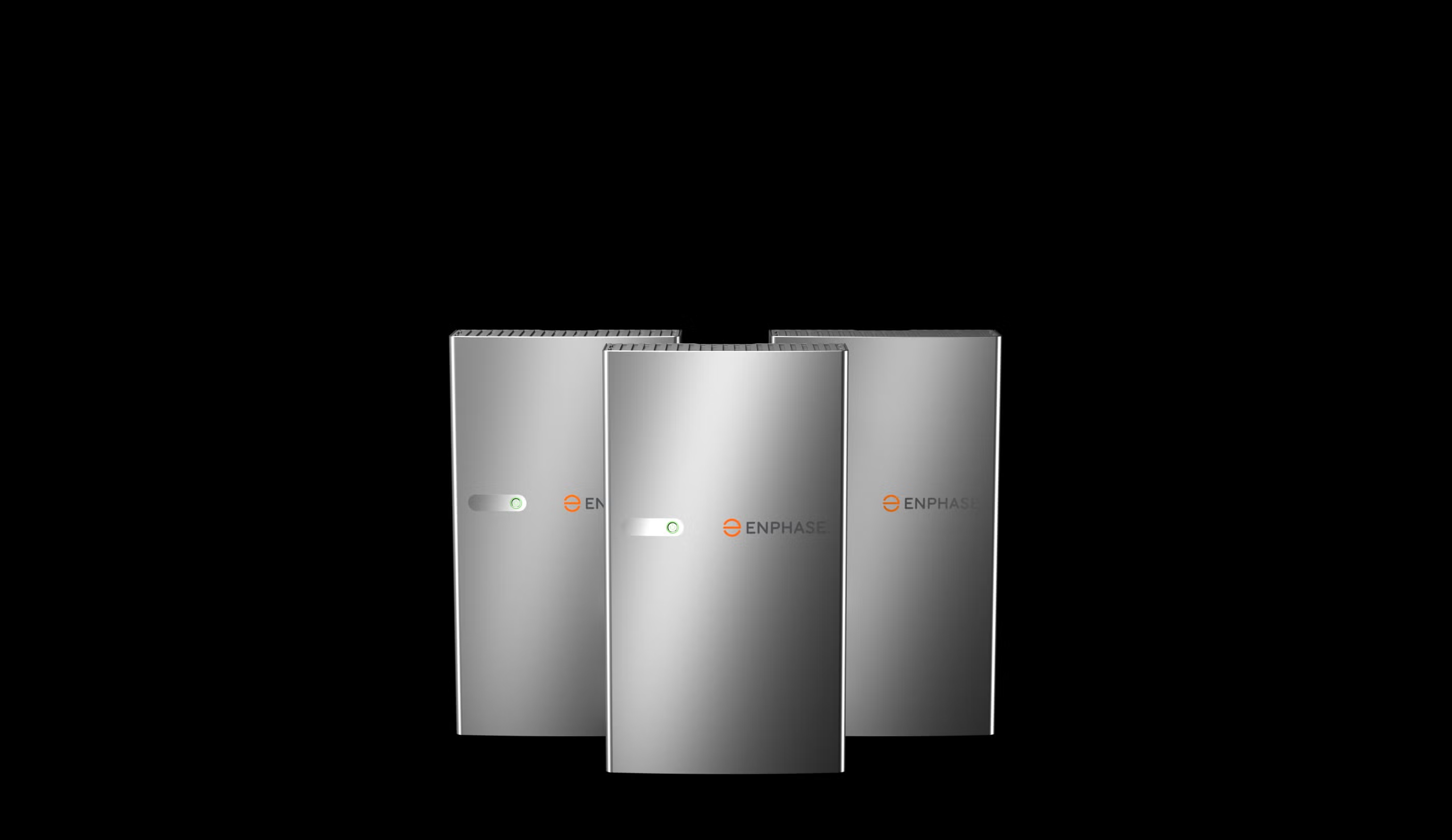
Modern solar systems often include advanced components such as a Growatt battery, Enphase Energy microinverters, or SolarEdge systems. These technologies play a crucial role in energy efficiency and system performance.

When selling your home, these components are usually included as part of the overall system. Their presence can enhance the appeal of your property, particularly for buyers interested in energy storage and smart energy management.

Battery systems allow homeowners to store excess energy for use in the evening, which is a significant advantage. For this reason, properties equipped with battery storage are often seen as more desirable.


Should You Sell Your House With Solar Panels

For most homeowners, the answer is yes. Selling a property with solar panels for your home is often the simplest and most financially sensible option.

Advantages include:

  • Increased buyer interest
  • Potential for a higher sale price
  • No removal or reinstallation costs
  • A smoother and quicker sale process

In areas such as Dorset, Bournemouth, Poole and Christchurch, demand for energy efficient homes continues to grow. Solar panels can set your property apart and attract environmentally conscious buyers.

What Should Buyers Look For

If you are purchasing a property with solar panels, there are several key factors to consider.

These include:

  • Ownership status of the system
  • Age and condition of the panels
  • Warranty coverage
  • Type of inverter such as Enphase or SolarEdge
  • Presence of battery storage such as a Growatt battery
  • Performance history and energy output

Understanding how do solar power work and how the system integrates with the property will help buyers make a confident decision.

s It Better to Install New Solar Panels at Your Next Home

If you are moving house, installing a new system at your next property may offer greater long term benefits.

A new installation allows you to:

  • Optimise panel placement for maximum efficiency
  • Choose the latest technology such as Canadian Solar panels or Q Cells
  • Integrate modern battery storage solutions
  • Tailor the system to your energy needs

For those considering both residential and business solar panel solutions, starting fresh at a new property can provide greater flexibility and performance.


Conclusion

Moving house after installing solar panels does not need to be complicated. In most cases, the panels will remain with the property, adding value and appeal for prospective buyers.

While it is possible to take your system with you, the costs and practical challenges often make this less desirable. Instead, many homeowners choose to leave their existing system in place and invest in a new, optimised installation at their next home.

With the right approach, solar panels can enhance your property sale while setting you up for continued energy savings in the future.

Error: Contact form not found.


Frequently Asked Questions

Do I have to leave my solar panels when I move house

In most cases, yes. Solar panels are usually considered part of the property and included in the sale.

Can solar panels increase the value of my home

Yes, many studies show that homes with solar panels can achieve a higher sale price due to energy efficiency benefits.

Can I transfer my Feed in Tariff to a new owner

Yes, Feed in Tariff agreements can typically be transferred to the new homeowner with the correct documentation.

Is it worth removing solar panels before selling

Generally no. Removal can be costly and may reduce the overall appeal of your property.

What happens to my solar battery when I sell

Battery systems such as a Growatt battery are usually included in the sale and can increase buyer interest.

Can I Install Solar Panels on a North Facing Roof

Solar Energy Generation

For many homeowners in Dorchester and across Dorset, the question of whether a north facing roof can support solar panels is a common concern. It is widely understood that south facing roofs are ideal for solar energy generation in the UK, but that does not necessarily mean north facing roofs are unsuitable. The reality is more nuanced, and with the right approach, solar panels can still offer value even when installed on a less favourable orientation.

In this guide, we will explore how north facing roofs perform, what factors influence efficiency, and whether solar panels remain a worthwhile investment for your home.


Do Solar Panels Work on a North Facing Roof in the UK

In simple terms, yes, solar panels can be installed on a north facing roof. However, the performance will be lower compared to south facing installations.

In the UK, the sun travels across the southern part of the sky, which means north facing roofs receive less direct sunlight throughout the day. Instead of capturing strong, consistent sunlight, panels on a north facing roof rely more on indirect or diffused light.

Even so, modern solar technology has improved significantly. High quality panels can still generate electricity from ambient light, meaning a north facing installation will not be entirely unproductive. The key question is not whether it works, but whether it works well enough to justify the investment.


How Roof Orientation Affects Solar Panel Efficiency

Roof orientation plays a central role in solar panel efficiency. In Dorchester and the wider Dorset area, a south facing roof will typically deliver the highest output, followed by south east and south west orientations.

A north facing roof, by contrast, can see a reduction in efficiency of around thirty to fifty per cent depending on pitch and shading. This is because panels are not positioned to capture the strongest sunlight during peak hours.

That said, efficiency is not determined by orientation alone. Other factors can influence performance, including:

  • Roof pitch
  • Local shading from trees or nearby buildings
  • Panel quality and technology
  • Inverter efficiency
  • System design

For example, a shallow pitched north facing roof may perform better than a steep one, as it can capture more diffused light across a wider angle.

solar panels in bournemouth

Solar Performance in the UK Climate

The UK is not known for constant sunshine, yet solar panels remain highly effective across Dorset and beyond. This is because solar panels do not require direct sunlight to function. They generate electricity from daylight, including overcast conditions.

This is particularly relevant for north facing roofs, where much of the energy production comes from indirect light. While total output is lower, generation still occurs throughout the year.

Seasonal variation is also worth considering. During summer months, when daylight hours are longer and the sun sits higher in the sky, north facing panels may perform better than expected. In winter, output will naturally decrease, as it does for all solar installations.


When a North Facing Roof Can Still Be Viable

There are several situations where installing solar panels on a north facing roof can still make practical and financial sense.

Limited Roof Options

If your property only has usable roof space facing north, solar may still be preferable to having no system at all. Even reduced output can contribute to lowering electricity bills and improving energy independence.

High Energy Usage

Homes with higher daytime energy consumption can benefit from any level of solar generation. Even partial offsetting of grid electricity can lead to noticeable savings over time.

Modern Panel Technology

Premium solar panels from manufacturers such as SunPower or Panasonic are designed to perform efficiently even in lower light conditions. These can help maximise output from less favourable roof orientations.

Battery Storage Integration

Pairing solar panels with a battery system, such as those offered by Tesla or Growatt, allows homeowners to store excess energy and use it later. This can improve the overall value of a north facing installation.

Practical Solutions for North Facing Roofs

If you are considering solar panels in Dorchester or Dorset and your roof faces north, there are several strategies that can improve performance.

Tilt Mounting Systems

Tilt frames can angle solar panels towards the south, even when installed on a north facing roof. This can significantly improve energy capture, although it may add to installation costs and require additional structural consideration.

East West Split Systems

If your property has roof space on both east and west facing sides, a split system can provide a balanced generation profile throughout the day. This is often more effective than relying solely on a north facing surface.

Ground Mounted Solar Panels

For properties with sufficient outdoor space, ground mounted systems can be positioned at the optimal angle and direction. This is often the most efficient solution when roof orientation is not ideal.

Professional System Design

A tailored system designed by experienced installers is essential. Factors such as shading analysis, panel placement, and inverter selection can make a significant difference to overall performance.


Cost Versus Return on Investment

One of the most important considerations for any solar installation is the balance between cost and long term return.

With a north facing roof, the initial installation cost is broadly similar to other systems. However, the reduced energy output means the payback period may be longer.

That said, several factors can still make the investment worthwhile:

  • Rising electricity prices
  • Potential export payments for excess energy
  • Increased property value
  • Reduced carbon footprint

For many homeowners in Dorset, the environmental benefits alone are a compelling reason to proceed, even if financial returns are slightly lower.

solar panel installation in poole

Is It Worth Installing Solar Panels on a North Facing Roof

The answer depends on your specific circumstances. While a north facing roof is not the ideal scenario, it does not automatically rule out solar panels.

With careful planning, high quality equipment, and expert installation, it is entirely possible to create a system that delivers meaningful energy savings.

The most reliable way to determine suitability is through a professional assessment. A detailed survey can evaluate your roof, energy usage, and potential output to provide clear guidance.


Frequently Asked Questions

Do solar panels work on north facing roofs in the UK?

Yes, they do work, but they produce less energy compared to south facing installations due to reduced direct sunlight.

How much efficiency is lost on a north facing roof?

Efficiency can drop by around thirty to fifty per cent depending on roof pitch, shading, and system design.

Can I improve performance on a north facing roof?

Yes, using tilt systems, high efficiency panels, or alternative installations such as ground mounted systems can help improve output.


Conclusion

Installing solar panels on a north facing roof is not the ideal scenario, but it is far from impossible. With modern technology and thoughtful system design, homeowners in Dorchester and across Dorset can still benefit from solar energy.

If you are considering solar panels and are unsure about your roof’s suitability, seeking expert advice is the best next step. A professional assessment can provide clarity, helping you make an informed decision based on your home and energy needs.

Error: Contact form not found.

What Happens to Solar Panels After 25 Years?

Solar Panel Lifespan

Solar energy has become one of the most reliable and forward thinking investments for households and businesses across the United Kingdom. As more homeowners explore solar panels for your home, one question frequently arises. What happens to solar panels after 25 years?

Understanding the solar panel lifespan is essential when deciding whether to install home solar energy panels. Many people assume solar panels stop working after a couple of decades. In reality, modern solar technology is designed to perform efficiently for far longer than many expect.

For homeowners considering solar panels for home UK properties, the truth is reassuring. After 25 years, solar panels are rarely at the end of their life. Instead, they simply produce slightly less electricity than when they were first installed.


How Long Do Solar Panels Typically Last?

Most modern solar panels are designed to operate for between 25 and 30 years, although many continue producing electricity for far longer.

Manufacturers usually provide performance warranties that guarantee a certain level of output after 25 years. Typically, this warranty ensures the panel will still generate around 80 to 90 per cent of its original capacity.

Panels from trusted manufacturers such as Canadian Solar panels and Q Cells are well known for their durability and long term performance. These brands design solar modules that can withstand decades of exposure to weather, temperature changes, and environmental conditions.

This means that even after a quarter of a century, your home solar energy panels are still producing clean electricity for your property.


What Happens to Solar Panels After 25 Years?

After 25 years of operation, solar panels generally continue working but at a slightly reduced efficiency.

This gradual reduction is known as degradation. Solar panels lose a small percentage of their output each year. Most modern systems degrade at a rate of around 0.3 to 0.8 per cent annually.

In practical terms, this means that after 25 years a panel may still operate at roughly 85 per cent of its original output.

For homeowners this means

• Your solar system continues generating electricity
• Your energy bills remain lower
• Your system still contributes to reducing carbon emissions

Rather than suddenly failing, solar panels slowly decline in efficiency over a long period of time.


Do Solar Panels Stop Working After 25 Years?

A common misconception is that solar panels stop functioning entirely after 25 years. In reality, they continue producing electricity long after this point.

Many solar systems installed in the 1990s are still generating power today. While their output may be lower than when they were first installed, they remain perfectly functional.

This is why solar panel lifespan is often far longer than the warranty period suggests. Manufacturers provide conservative warranties to guarantee performance, not to mark the end of a system’s working life.

For homeowners researching how do solar power work, it is useful to understand that the photovoltaic cells inside the panels do not suddenly stop converting sunlight into electricity.

Instead, they gradually lose a small amount of efficiency each year.


What Causes Solar Panel Degradation?

Solar panels operate outdoors in all weather conditions, so gradual wear is inevitable. Several factors contribute to long term degradation.

Environmental exposure

Constant exposure to sunlight, wind, rain, and temperature changes slowly affects the materials inside the panel.

Thermal cycling

Solar panels expand and contract slightly as temperatures rise and fall. Over decades this can affect internal connections.

Ultraviolet radiation

Long term exposure to ultraviolet light can cause minor changes in the materials used in photovoltaic cells.

Despite these influences, modern manufacturing standards ensure degradation occurs very slowly.

Leading manufacturers such as Canadian Solar and Q Cells invest heavily in improving the durability of their solar modules.


The Role of Inverters and System Components

While solar panels themselves can last decades, other system components may need replacement sooner.

The solar inverter plays a vital role in converting electricity from the panels into usable power for your home.

Many systems use advanced inverter technology such as

• Fronius solar inverter systems
• Solar Edge inverters
• Enphase microinverters produced by Enphase Energy

These components typically last between 10 and 15 years. Replacing an inverter during the life of a solar system is normal and ensures your panels continue operating efficiently.

Modern systems using Enphase or Solar Edge technology often provide detailed monitoring so homeowners can track performance and identify issues quickly.


Can Solar Panels Last Longer Than 25 Years?

Yes. In many cases solar panels continue working for 30 years or more.

Several factors influence how long a solar system performs effectively

• Quality of the panels installed
• Professional installation standards
• Proper inverter configuration
• Minimal shading on the system
• Occasional maintenance and inspection

Panels from reputable manufacturers such as Canadian Solar panels and Q Cells are specifically designed for long term reliability.

A well designed solar system installed by experienced professionals can remain productive for decades.


Solar Batteries and Long Term Energy Storage

As solar technology evolves, battery storage is becoming increasingly popular among homeowners.

A Growatt battery allows households to store surplus electricity generated during the day for use in the evening. This improves energy independence and increases the overall efficiency of a solar installation.

Pairing solar panels with battery systems means your property can benefit from clean energy even after sunset.

Battery systems do not affect the solar panel lifespan itself, but they significantly improve how effectively you use the electricity your panels generate.


Are Solar Panels Still Worth Installing Today?

Even when considering the solar panel lifespan, installing solar panels remains one of the most effective ways to reduce energy costs and carbon emissions.

Solar energy systems offer several advantages

• Reduced electricity bills
• Long term energy security
• Lower environmental impact
• Increased property value
• Protection against rising energy prices

Both homeowners and businesses are now exploring solar panels for your home and business solar panel systems to protect themselves from volatile energy markets.

In areas such as Dorchester, Bournemouth, Poole and Christchurch, solar adoption continues to grow rapidly as residents seek sustainable energy solutions.

Solar Panels for Homes and Businesses in Dorset

Across Dorset, interest in solar panels for home UK properties has increased dramatically in recent years.

Homeowners are installing solar panels for your home to take advantage of abundant daylight and rising electricity prices.

At the same time, commercial property owners are exploring business solar panel installations to reduce operational costs and improve sustainability credentials.

For both domestic and commercial systems, understanding solar panel lifespan helps demonstrate that solar power remains a reliable long term investment.

Conclusion

When people first consider installing solar panels, the question of longevity naturally arises. Fortunately, modern solar technology is built with durability in mind.

After 25 years, solar panels are rarely nearing the end of their life. Instead, they continue producing clean electricity while helping households reduce energy bills and environmental impact.

With trusted technology from manufacturers such as Canadian Solar, Q Cells, Enphase Energy, and Solar Edge, today’s solar systems are designed to provide decades of reliable performance.

For homeowners and businesses across Dorchester, Bournemouth, Poole and Christchurch, solar energy represents a long term investment in sustainability, financial stability, and energy independence.

If you are considering solar panels for your home or exploring options for a business solar panel installation, the experienced team at My Home Solar can help.

Contact My Home Solar today to arrange a free consultation and discover how a professionally designed solar system could transform your energy future.

Error: Contact form not found.

Will Solar Panels Help Improve My EPC Rating

Many homeowners across Dorset are becoming increasingly interested in improving the energy efficiency of their properties. Rising energy costs, environmental concerns and changes to property regulations have all brought Energy Performance Certificates into sharper focus. A common question asked by homeowners exploring renewable energy is whether installing solar panels will improve their EPC rating.

The short answer is that solar panels can contribute to a better EPC score. However, the relationship between solar energy and an EPC rating is not always straightforward. The overall efficiency of a home depends on many factors, including insulation, heating systems and the general construction of the building.

For homeowners in Dorchester and surrounding areas such as Bournemouth, Poole and Christchurch, solar panels offer a practical route towards reducing energy consumption and improving the long term sustainability of a property. In this article we will explore how EPC ratings work, how solar panels can influence them and what homeowners should realistically expect.


What Is an EPC Rating

An EPC rating, or Energy Performance Certificate, measures the energy efficiency of a property. Every home in the United Kingdom is given a rating from A to G, with A representing the most energy efficient properties and G representing the least efficient.

The certificate provides an estimate of how much it will cost to heat and power a property, alongside recommendations for improving efficiency. EPC ratings are important when selling or renting a home and they are becoming increasingly significant as the United Kingdom moves towards more energy efficient housing.

An EPC assessment considers several factors. These include insulation levels, heating systems, glazing, lighting and the presence of renewable energy technologies. The results are presented in a clear report which shows both the current energy efficiency rating and the potential rating if improvements are made.

Improving an EPC rating can make a property more attractive to buyers, reduce energy bills and contribute to lower carbon emissions. This is one of the reasons many homeowners begin researching solar panels when looking for ways to improve their energy efficiency rating.


How Solar Panels Affect Your EPC Rating

Solar panels can positively influence an EPC rating because they generate electricity from renewable energy. During an EPC assessment the presence of solar photovoltaic systems is taken into account as part of the property’s overall energy performance.

Electricity produced by solar panels reduces the amount of energy that needs to be purchased from the national grid. This reduction in energy consumption can improve the efficiency score assigned to the property.

However it is important to understand that solar panels are only one part of the assessment. A property with poor insulation or inefficient heating may not see a dramatic improvement in its EPC rating simply by installing solar panels. The assessment looks at the entire building and how efficiently it uses energy.

In practice many homeowners find that solar panels contribute positively to their EPC score when combined with other energy efficiency improvements such as improved insulation or modern heating systems.


Can Solar Panels Move Your Home Into a Higher EPC Band

Solar panels can sometimes help move a property into a higher EPC band. The extent of the improvement depends on several variables including the size of the solar installation, the property’s existing energy performance and the amount of electricity generated.

Homes that sit near the top of their current EPC band may see the most noticeable improvement. For example a property rated at the upper end of band D may move into band C once solar panels are installed and properly recorded in the EPC assessment.

Other factors also play a role. The orientation of the roof, the size of the solar array and the energy demands of the household can all influence the final outcome. Because every property is unique the precise improvement cannot be guaranteed without a professional assessment.

Homeowners considering solar panels in Dorset often view EPC improvement as one benefit among several rather than the sole reason for installing solar energy.


Do Solar Batteries Improve EPC Ratings

Battery storage has become an increasingly popular addition to modern solar systems. A solar battery stores excess electricity produced during the day so that it can be used later in the evening or during periods of low sunlight.

Systems such as Tesla solar panels paired with battery storage or installations that use a Qcell battery can significantly improve the way a household uses its solar generated electricity. By storing surplus energy homeowners can rely less on electricity from the grid.

While batteries can enhance overall energy efficiency, their effect on an EPC rating can vary depending on how the assessment is conducted and how the system is documented within the EPC calculation. In many cases the primary contribution to the EPC score still comes from the solar panels themselves.

Nevertheless battery storage can increase the practical efficiency of a home by maximising the use of renewable electricity. This can lead to lower energy bills and greater independence from fluctuating energy prices.


Other Benefits of Installing Solar Panels

Improving an EPC rating is only one of the advantages associated with solar energy. Many homeowners across Bournemouth, Poole and Christchurch are installing solar panels primarily to reduce energy costs and increase long term energy security.

Solar panels allow households to generate their own electricity directly from sunlight. Over time this can significantly reduce reliance on the national grid and help protect homeowners from rising energy prices.

Solar technology also plays an important role in reducing carbon emissions. By producing clean renewable electricity solar panels help households reduce their environmental impact and contribute to wider efforts to address climate change.

Another often overlooked benefit is property appeal. Homes with renewable energy systems can be attractive to environmentally conscious buyers and may stand out in a competitive property market. A strong energy efficiency rating combined with solar panels can demonstrate that a home is modern, efficient and forward thinking.

Solar energy is also relevant for businesses. Many commercial solar installations across Dorset are helping companies reduce operational costs and demonstrate environmental responsibility. Although this article focuses on residential properties the same principles apply to commercial buildings seeking improved energy performance.

panasonic evervolt

Why Choose a Local Solar Installer in Dorset

Choosing the right installer is an essential part of any solar project. Working with a local company offers several advantages for homeowners searching for solar companies near me.

A local installer understands the specific conditions of the region including planning considerations, roof types and local energy usage patterns. This knowledge allows them to design solar systems that perform effectively in the Dorset climate.

My Home Solar has developed a strong reputation for helping homeowners across Dorchester and the wider county navigate the process of installing solar panels. From initial consultation through to installation and aftercare the focus remains on providing clear guidance and reliable workmanship.

Every property is different and a thoughtful approach ensures that each solar system is tailored to the needs of the household. Whether the goal is reducing energy bills, improving sustainability or enhancing energy efficiency ratings, expert advice can make a significant difference.


Conclusion

Solar panels can play an important role in improving the energy efficiency of a home and they may contribute to a higher EPC rating. However the exact impact depends on several factors including the property’s existing efficiency, insulation levels and the size of the solar installation.

For many homeowners the greatest benefit of solar panels lies in the combination of advantages they provide. Reduced energy bills, lower carbon emissions and greater energy independence all contribute to the long term value of the investment.

If you are considering solar panels in Dorchester or nearby areas such as Bournemouth, Poole or Christchurch, speaking with experienced professionals can help you understand the options available. The team at My Home Solar is always happy to provide guidance and help homeowners explore the most suitable solar solutions for their property.

Error: Contact form not found.

How Will UK Energy Policy Changes Affect Home Solar Panels?

Export Tarrifs

Energy policy rarely makes for light reading, yet in 2025 it has become a kitchen table subject. Between revisions to VAT, evolving export tariffs and renewed commitments to net zero, government decisions now shape how households in Dorset and the Midlands think about solar panels.

For many homeowners, the question is no longer whether solar works, but whether policy makes it worthwhile. The reassuring truth is that recent changes have, on balance, strengthened the case for home solar. The detail matters, however, and understanding what lies behind the headlines can help you make a measured and confident decision.


Why Energy Policy Matters More Than Ever

The United Kingdom remains legally committed to achieving net zero carbon emissions by 2050. That long term objective influences everything from building regulations to grid reform. In practical terms, it means successive governments have continued to support domestic renewable generation.

At the same time, energy price volatility has left households wary. Although the energy price cap offers some protection, it does not insulate homeowners from global market pressures. Policy now seeks to balance consumer protection with energy security and decarbonisation. Home solar panels sit at the centre of that balance.

For homeowners in Dorset, where sunlight levels are favourable, and across parts of the Midlands with suitable roof space and rising demand, policy adjustments can directly influence installation costs, payback periods and long term savings.


VAT Changes and Installation Costs

One of the most significant policy decisions in recent years has been the reduction of VAT on domestic solar panel installations. The continuation of zero rated VAT on solar and battery storage has materially lowered upfront costs for households.

For a typical residential system, this can represent a saving of several thousand pounds compared with historical rates. In straightforward terms, it means more of your investment goes into the system itself rather than into tax.

For homeowners considering solar panels in Dorset or the Midlands, this policy provides greater financial clarity. Lower initial expenditure shortens the time it takes for energy bill savings to offset installation costs. In an environment of uncertain energy prices, that improved return on investment is not trivial.


The Smart Export Guarantee and Earning from Your Roof

The Smart Export Guarantee, commonly referred to as the SEG, obliges licensed electricity suppliers to pay households for surplus electricity exported back to the grid.

Policy refinements in recent years have focused on ensuring greater transparency and competition between tariffs. While rates vary between suppliers, the principle remains consistent. If your system produces more electricity than you use, you are paid for the excess.

In Dorset and the Midlands, where many homes have suitable south facing or west facing roofs, this can meaningfully enhance the economics of a system. It transforms solar from a tool of self sufficiency into a modest income generating asset.

Energy policy has not fixed export rates at a single national figure, but by maintaining the framework, it has preserved the ability for households to participate in the wider energy market.

Energy Price Caps and Market Volatility

The energy price cap continues to influence household bills, yet it should not be mistaken for a guarantee of low prices. It is a ceiling, not a subsidy. When wholesale costs rise, the cap follows.

Policy makers are acutely aware of this volatility. The strategic emphasis on domestic renewable generation, including rooftop solar, reflects a desire to reduce dependence on imported fuels.

For the individual homeowner, this has a clear implication. Installing solar panels reduces exposure to external price shocks. The electricity you generate on your own roof is unaffected by geopolitical tension or wholesale market swings.

In a region such as Dorset, with strong solar potential, or across large parts of the Midlands where household consumption is substantial, this insulation from volatility carries both financial and psychological value.


Net Zero Targets and Future Regulation

The legal commitment to net zero continues to shape planning and housing policy. While there is currently no universal mandate for existing homes to install solar panels, new build standards are tightening, and future regulatory shifts remain plausible.

Forward looking homeowners often view solar installation as a form of future proofing. As efficiency standards evolve, properties equipped with renewable generation are likely to remain more attractive in the housing market.

Policy direction suggests that distributed generation will play a growing role in the national grid. Installing solar panels now aligns your home with that trajectory rather than leaving you to adapt later under less favourable conditions.

The Growing Importance of Battery Storage

Energy policy has increasingly recognised the importance of storage in stabilising the grid. As a result, battery systems now benefit from favourable VAT treatment when installed alongside solar panels.

For homeowners, battery storage changes the equation entirely. Instead of exporting surplus electricity at SEG rates, you can store it for use during the evening when grid electricity is most expensive.

Systems such as the Growatt battery, the Tesla Powerwall and the Panasonic EverVolt have become common considerations. Each offers different capacities and smart management features, yet the policy environment has made them more accessible than ever before.

In practical terms, battery adoption increases self consumption and enhances energy independence. In Dorset and the Midlands alike, where family homes often experience peak evening demand, this can significantly improve overall savings.


Government Incentives and Local Opportunities

While large scale national grant schemes have evolved over time, the broader policy environment remains supportive. Local authorities and regional initiatives occasionally provide supplementary incentives, particularly where housing retrofit targets are ambitious.

Homeowners are often surprised to discover how policy alignment between national net zero commitments and local sustainability objectives creates a favourable climate for domestic solar adoption.

A measured consultation with a knowledgeable installer can clarify which incentives apply in your area and how they interact with export tariffs and battery options.


What This Means for Your Return on Investment

When viewed collectively, recent energy policy changes have reinforced the financial logic of home solar. Zero rated VAT lowers the barrier to entry. The Smart Export Guarantee rewards surplus generation. Continued net zero commitments signal long term governmental support for renewable infrastructure.

Return on investment will always depend on roof orientation, household consumption patterns and system size. Yet in Dorset and across the Midlands, many households now achieve payback periods that compare favourably with other forms of home improvement.

Crucially, the benefits extend beyond arithmetic. Reduced reliance on grid electricity provides a degree of autonomy that many homeowners now value highly.

Why Regional Expertise Matters

Energy policy is national, but implementation is local. Planning considerations, roof types and property styles vary considerably between coastal Dorset and urban or semi rural parts of the Midlands.

Working with an experienced installer who understands both the regulatory landscape and regional characteristics can ensure your system is optimised not only for sunlight, but for compliance and long term performance.

My Home Solar has seen first hand how policy shifts translate into real decisions for households. Clear guidance, transparent quotations and a thoughtful approach to battery integration can transform policy complexity into practical advantage.


Frequently Asked Questions

Will UK energy policy continue to support home solar panels?

Current net zero legislation and VAT policy strongly suggest continued support. While specific schemes may evolve, the broader strategic direction remains favourable to domestic renewable generation.

How does the Smart Export Guarantee affect my savings?

The SEG allows you to earn from surplus electricity exported to the grid. While rates vary by supplier, it can improve overall system returns, particularly during sunnier months.

Are batteries worth adding under current policy?

With zero rated VAT and growing emphasis on grid stability, battery systems such as Growatt battery solutions, Tesla Powerwall and Panasonic EverVolt can enhance savings by increasing self consumption.


A Reassuring Outlook for Homeowners

Energy policy can appear intricate, yet its direction is clear. The United Kingdom is committed to decarbonisation, and households are expected to play a meaningful role in that transition.

For homeowners in Dorset and the Midlands, recent policy adjustments have strengthened the economic case for solar panels and battery storage. Lower VAT, a functioning export framework and sustained net zero commitment collectively create a supportive environment.

If you are considering solar, the most prudent step is an informed conversation. My Home Solar offers measured guidance rooted in both policy awareness and regional expertise. With clarity and careful planning, your roof can become not only a source of clean energy, but a considered investment in your home’s future.

Error: Contact form not found.

When Is the Best Time of Year to Install Solar Panels on a Home?

Timing of Installation

If you are considering solar panels Dorset homeowners often ask one important question first. When is the best time of year to install solar panels on a home in the UK?

It is a sensible question. The timing of installation can influence installer availability, short term energy generation and even how quickly you begin to see financial returns. Yet the honest answer may surprise you. In the United Kingdom there is rarely a wrong time to install home solar energy panels. There are, however, certain seasons that may offer practical advantages depending on your priorities.

This guide explores seasonal considerations, performance in British weather, financial timing and the technology that underpins modern solar panels for your home.

solar growatt battery

How Do Solar Power Work?

Before discussing timing, it is worth briefly clarifying how do solar power work in practice.

Solar panels for home UK properties contain photovoltaic cells, often manufactured by brands such as Canadian Solar panels or Q Cells. These cells absorb daylight rather than direct heat. When light particles strike the panel surface, electrons are set in motion, generating direct current electricity.

An inverter such as a Fronius solar inverter, Solar Edge system or Enphase Energy microinverter converts that electricity into alternating current suitable for use in your home. If you install a battery such as a Growatt battery, surplus electricity can be stored for use in the evening.

The crucial point is this. Solar panels generate electricity from daylight, not sunshine alone. Even on overcast Dorset days, your system continues to produce power.

Solar Panels Dorset Climate Considerations

Dorset enjoys relatively mild winters and respectable daylight hours across much of the year. Coastal air can be brisk, yet cooler temperatures can actually improve panel efficiency. Excessive heat can slightly reduce performance, so moderate British conditions are far from a disadvantage.

For homeowners exploring solar panels for your home in Dorset, the region offers stable generation throughout the year. While summer yields the highest output, winter still provides meaningful contribution to household consumption.

solar panel installation in poole

Spring Installation

Spring is often regarded as an ideal balance.

During March, April and May:

  • Daylight hours increase steadily
  • Installers are becoming busier but are not yet at peak demand
  • Systems can be commissioned ahead of summer’s strongest generation period

Installing in spring allows your solar panels Dorset property owners invest in to perform at high output almost immediately. You benefit from the long days of late spring and summer, accelerating your early return on investment.

From a practical standpoint, weather conditions are generally cooperative, making roof work straightforward.

Summer Installation

Summer brings the highest solar generation of the year. It is also the busiest period for installers.

Advantages include:

  • Immediate high energy production
  • Rapid savings during peak daylight months
  • Ideal weather for installation

However, demand is typically strongest between June and August. Lead times may be slightly longer, particularly for premium equipment such as Canadian Solar, Q Cells or Enphase systems.

If your priority is maximising first year generation, summer is attractive. If your priority is faster scheduling, earlier in the year may prove more convenient.

solar panels in bournemouth

Autumn Installation

Autumn is frequently overlooked, yet it offers distinct benefits.

By September and October:

  • Installer demand often eases
  • Temperatures remain mild
  • You are positioned for winter energy savings

Although generation declines compared with summer, installing in autumn ensures your system is operational before winter energy bills rise. With electricity prices remaining volatile in recent years, even modest winter generation can meaningfully reduce household costs.

Autumn also allows time to integrate battery storage such as a Growatt battery, improving self consumption during darker evenings.

Winter Installation

Many homeowners assume winter is unsuitable. This is a misconception.

Solar panels for home UK properties continue to function effectively in winter. Modern panels from manufacturers such as Canadian Solar panels or Q Cells perform well in cool conditions, and cold temperatures can even improve efficiency.

While daylight hours are shorter, installation teams can often schedule projects more quickly due to reduced demand. If you are planning ahead for spring and summer savings, winter installation positions you advantageously.

Provided weather conditions are safe, professional MCS certified installers can complete most residential systems within one to two days at any time of year.

House on estate with solar panels

Financial Timing and the Smart Export Guarantee

Beyond weather, financial timing deserves careful consideration.

The Smart Export Guarantee allows homeowners to receive payment for surplus electricity exported to the grid. The sooner your system is operational, the sooner you begin generating both savings and export income.

Average residential systems in the UK typically range between five thousand and nine thousand pounds depending on size, roof complexity and whether battery storage is included. A business solar panel installation will vary more significantly depending on scale.

Given ongoing energy price uncertainty, delaying installation often means postponing savings. In many cases, installing sooner rather than later shortens your overall payback period.


Technology Matters More Than Season

While season influences scheduling and early generation, system design and equipment quality often have a greater long term impact.

High quality panels such as Canadian Solar and Q Cells are known for durability and strong warranties. Inverter technology from Fronius solar inverter systems, Solar Edge or Enphase Energy ensures efficient conversion and monitoring.

Battery options including a Growatt battery allow homeowners to store excess electricity, increasing independence from the grid.

Choosing a qualified MCS certified installer ensures compliance, eligibility for the Smart Export Guarantee and adherence to recognised installation standards.

In truth, the best time of year to install solar panels Dorset residents are considering often depends more on readiness than season. Once you have decided to invest, each month without solar is a month of forgone savings.

Frequently Asked Questions

Do solar panels work on cloudy days in Dorset?

Yes. Solar panels generate electricity from daylight rather than direct sunlight. Output is reduced compared with bright summer days, but generation continues throughout the year.

How long does installation take?

Most residential solar panels for your home can be installed within one to two days, depending on system size and roof access.

Are solar panels worth it in the UK climate?

Yes. Even with variable weather, solar panels for home UK properties typically deliver strong long term savings, particularly with battery storage.

panasonic battery

Final Thoughts

There is no narrow window in which solar makes sense. The United Kingdom climate is entirely suitable for home solar energy panels, and Dorset offers favourable conditions throughout the year.

The true question is not which season is perfect, but whether you are ready to begin saving.

As an MCS certified installer, My Home Solar designs and installs premium systems tailored to each property, combining trusted panel manufacturers, advanced inverter technology such as Enphase or Solar Edge, and intelligent battery storage solutions.

If you are considering solar panels Dorset homeowners trust, now is an excellent time to act before seasonal demand rises.

Book your consultation with My Home Solar today and take control of your energy future.

Error: Contact form not found.