Solar Panels Power
As energy prices continue to rise and sustainability becomes a central concern for homeowners, many across Dorset and the Midlands are asking a simple yet important question: what exactly can solar panels power in a typical home?
The answer is both encouraging and nuanced. Modern solar panel systems are capable of running a substantial portion of everyday household appliances, particularly when paired with efficient energy usage and battery storage. However, understanding what is realistically achievable requires a closer look at how energy is generated, stored, and consumed throughout the day.
In this guide, we explore the appliances that solar panels can run, the factors that influence performance, and how a well designed system can transform the way your home uses energy.
Understanding How Solar Power Works in the Home
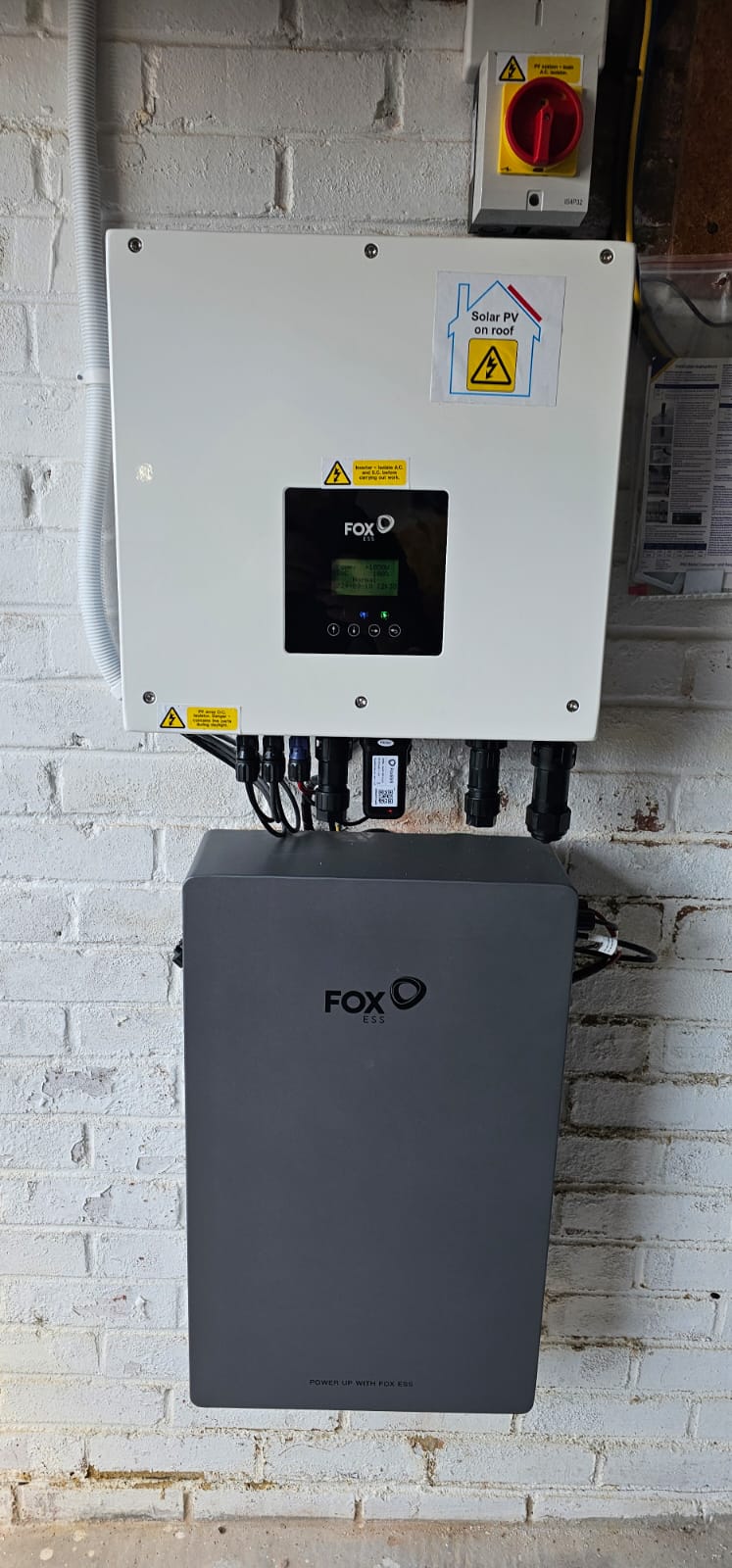
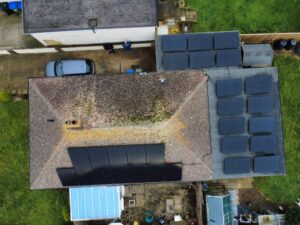
Before considering specific appliances, it is worth understanding the basics. Solar panels generate electricity during daylight hours. This energy can be used immediately, stored in a battery such as a Tesla Powerwall or Growatt battery, or exported back to the grid.
A typical home solar system in the UK might produce between 2500 and 4500 kilowatt hours per year depending on its size and location. Homes in Dorset and the Midlands often benefit from consistent daylight patterns that make solar a reliable and worthwhile investment.
Everyday Appliances Solar Panels Can Run
One of the most appealing aspects of solar energy is its ability to support the daily functioning of a modern household. With the right system in place, many of the appliances you already use can be powered by solar.
Kitchen Appliances
The kitchen is often the heart of energy consumption in any home.
- Fridges and freezers typically use between 100 and 300 kilowatt hours per year and can be comfortably powered by solar throughout the day
- Dishwashers use around 1 to 1.5 kilowatt hours per cycle
- Washing machines generally consume between 0.5 and 1 kilowatt hour per load
These appliances are ideal candidates for solar usage, particularly when run during daylight hours when energy generation is at its peak.
Kettles and Small Appliances
Kettles are among the most energy intensive household items, using around 2 to 3 kilowatts during operation. However, because they are used for short periods, they can still be powered effectively by solar energy during the day.
Other small appliances such as toasters, microwaves, and coffee machines can also be run on solar without difficulty, provided they are used sensibly.
Living Room and Electronics
Modern homes rely heavily on electronic devices, many of which are surprisingly efficient.
- Televisions typically use between 50 and 200 watts depending on size
- Laptops and computers use around 30 to 150 watts
- WiFi routers and smart devices consume minimal energy but run continuously
These appliances are well suited to solar power and can often be run entirely on solar energy during daylight hours, particularly in energy efficient homes.
Heating and Hot Water Systems
Heating presents a more complex challenge. Traditional electric heating systems consume large amounts of energy, often exceeding what a standard solar panel system can provide on its own.
However, there are practical solutions.
- Solar energy can contribute to running electric boilers or immersion heaters
- Heat pumps, which are increasingly popular in the UK, can work efficiently alongside solar panels
- Solar energy can be used to preheat water, reducing overall energy demand
While solar may not fully replace heating requirements, it can significantly offset costs and reduce reliance on the grid.
Electric Vehicle Charging
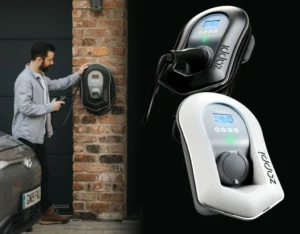
Electric vehicles are becoming more common across Dorset and the Midlands, and solar panels offer an excellent way to reduce charging costs.
Charging an electric vehicle typically requires between 7 and 30 kilowatt hours depending on usage. While a standard system may not fully charge a vehicle every day, it can contribute a meaningful portion of the energy required.
When combined with battery storage, homeowners can store excess solar energy during the day and use it to charge their vehicle overnight.
The Role of Battery Storage
Battery storage plays a crucial role in maximising the effectiveness of solar panels.
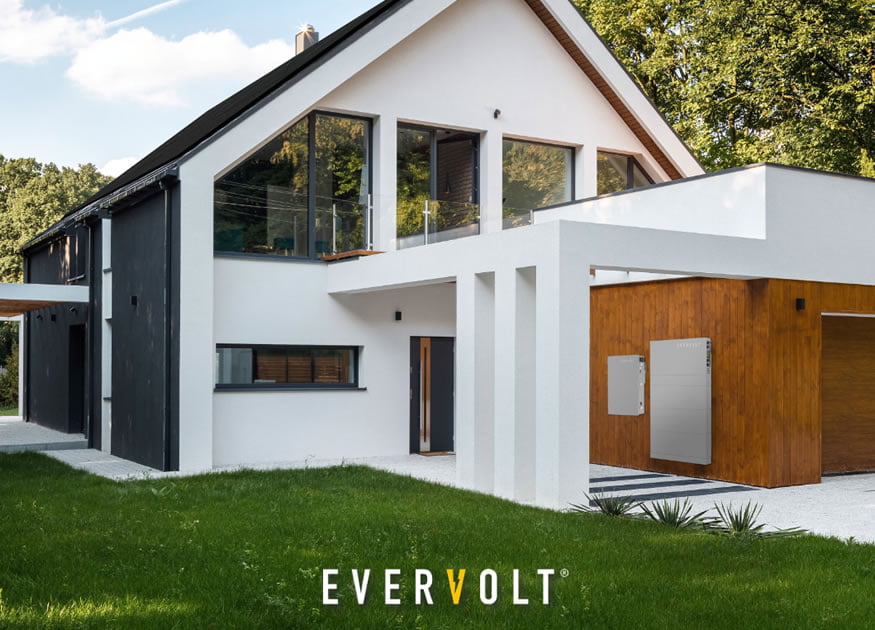
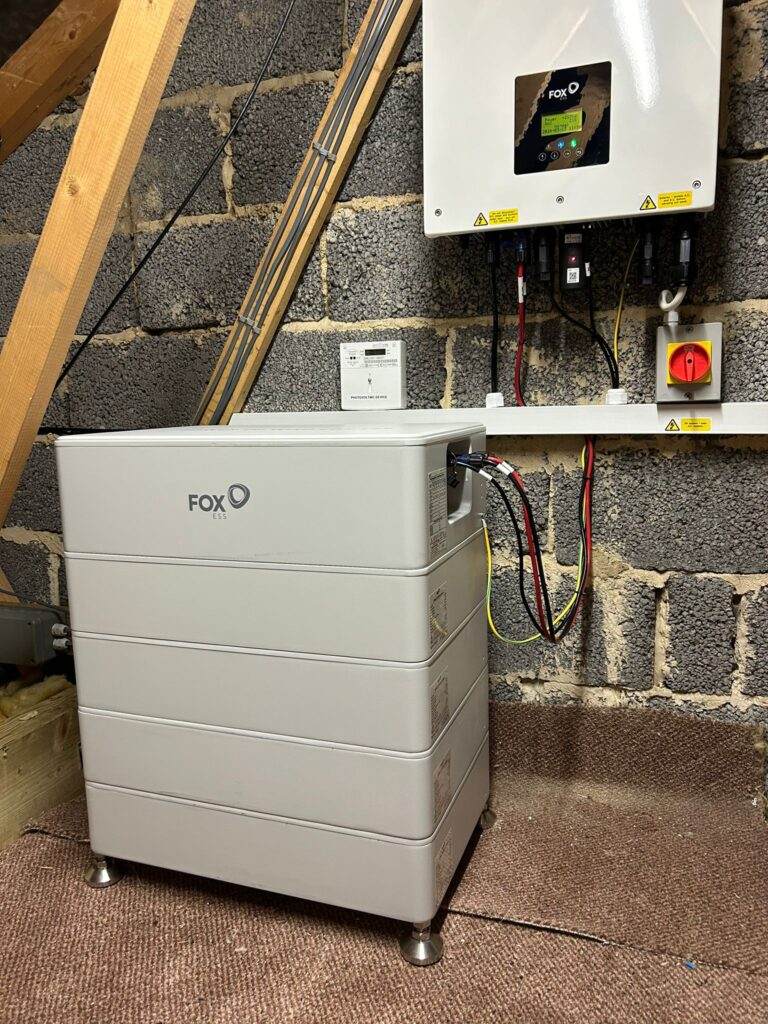
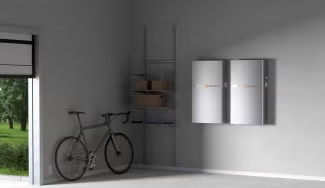
Systems such as the Tesla Powerwall or Growatt battery allow homeowners to store surplus energy generated during the day for use in the evening or early morning. This significantly increases the number of appliances that can be powered by solar energy.
Without a battery, unused energy is typically exported to the grid. With a battery, that energy remains within your home, improving efficiency and reducing electricity bills.
A Typical Home Scenario
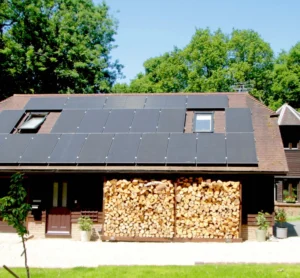
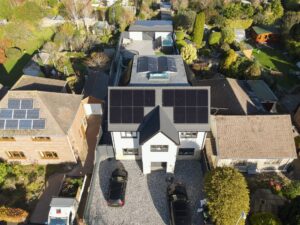
To bring this into perspective, consider a typical three bedroom home in Dorset or the Midlands with a well sized solar panel system and battery storage.
During a sunny day, the system could comfortably power:
- Fridge and freezer continuously
- Washing machine and dishwasher during the day
- Television, lighting, and electronics
- Occasional use of kitchen appliances such as kettles and microwaves
Excess energy would be stored in the battery, allowing the home to continue running essential appliances into the evening.
While high demand appliances such as electric heating or full electric vehicle charging may still require grid support, the overall reduction in energy costs can be substantial.
Factors That Influence What Solar Can Run
Every home is different, and several factors will determine how much of your energy usage can be covered by solar panels.
System Size
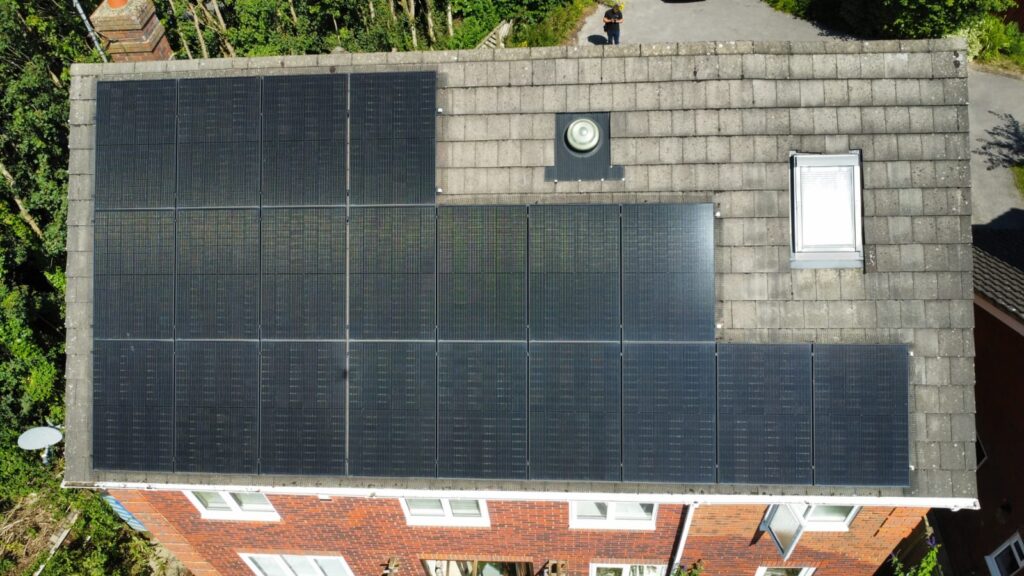
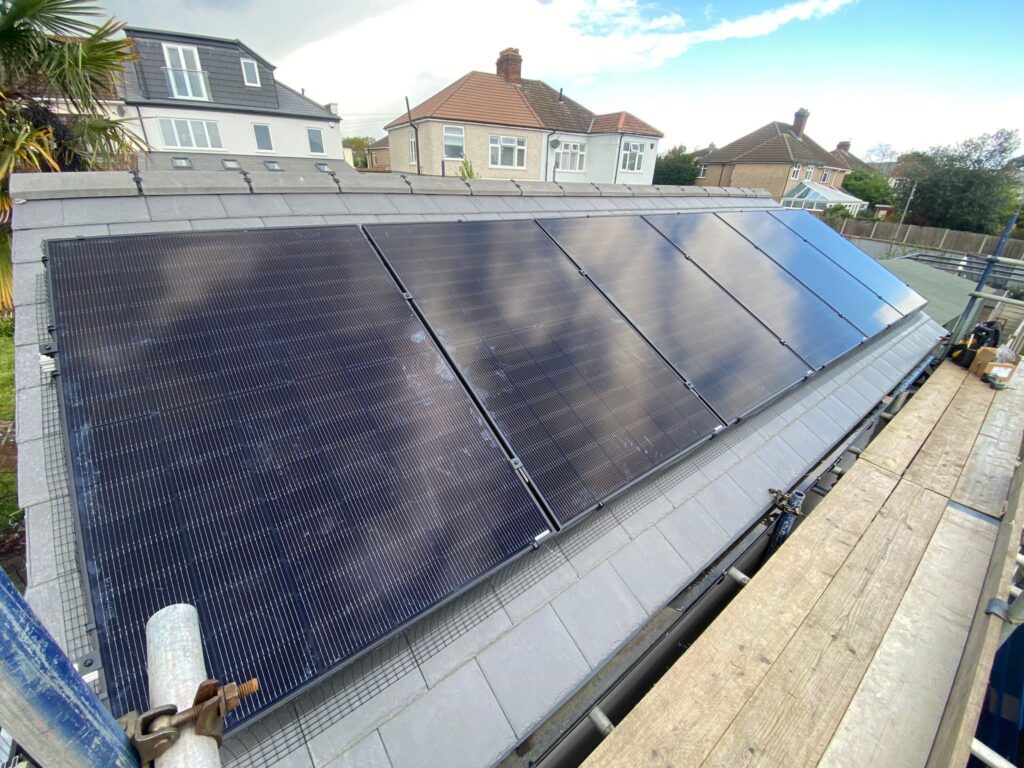
Larger systems generate more electricity and can support a wider range of appliances. The available roof space and orientation will influence how many panels can be installed.
Energy Usage Patterns
Homes that use more electricity during the day will benefit most from solar panels, as this is when energy is being generated.
Appliance Efficiency
Modern, energy efficient appliances require less electricity, making it easier for solar systems to meet demand.
Location
Homes in Dorset and the Midlands benefit from favourable conditions for solar energy generation, although output will still vary throughout the year.
Why Solar Is a Smart Choice for UK Homes
Solar panels offer more than just the ability to run household appliances. They provide long term financial savings, reduce environmental impact, and increase energy independence.
With energy costs continuing to fluctuate, investing in solar panels for your home is an increasingly practical decision. When combined with battery storage and efficient energy habits, solar power can transform how your home operates.

Speak to My Home Solar
If you are considering solar panels for your home in Dorset or the Midlands, expert guidance can make all the difference.
My Home Solar specialises in designing and installing tailored solar systems that suit your property, lifestyle, and energy needs. Whether you are looking to reduce your bills, power more of your home, or future proof your energy usage, their team can help you find the right solution.
Get in touch today to discover how much of your home you could power with solar.
Frequently Asked Questions
Can solar panels run a whole house
In many cases, solar panels can power a large portion of a home’s energy needs. With battery storage, it is possible to run most essential appliances, although some high demand items may still rely on the grid.
Do solar panels work in winter in the UK
Yes, solar panels continue to generate electricity during winter, although output is lower due to shorter days and reduced sunlight.
How many solar panels do I need to run my home
This depends on your energy usage, roof space, and system design. A typical UK home may require between 8 and 16 panels.
Can I run my washing machine on solar power
Yes, washing machines are well suited to solar energy, particularly when used during the day.
Is battery storage worth it
Battery storage allows you to use more of the energy you generate, making your system more efficient and increasing your savings over time.