Solar Panels 101

Solar panels have emerged as an innovative and eco-friendly solution to harness clean energy from the sun.

In this comprehensive guide, we will take you through everything you need to know about solar panels, their functionality, types, installation process, and the benefits they offer. Whether you are a homeowner looking to invest in solar energy or just curious about this renewable energy source, Solar Panels 101 will equip you with essential knowledge to make informed decisions.

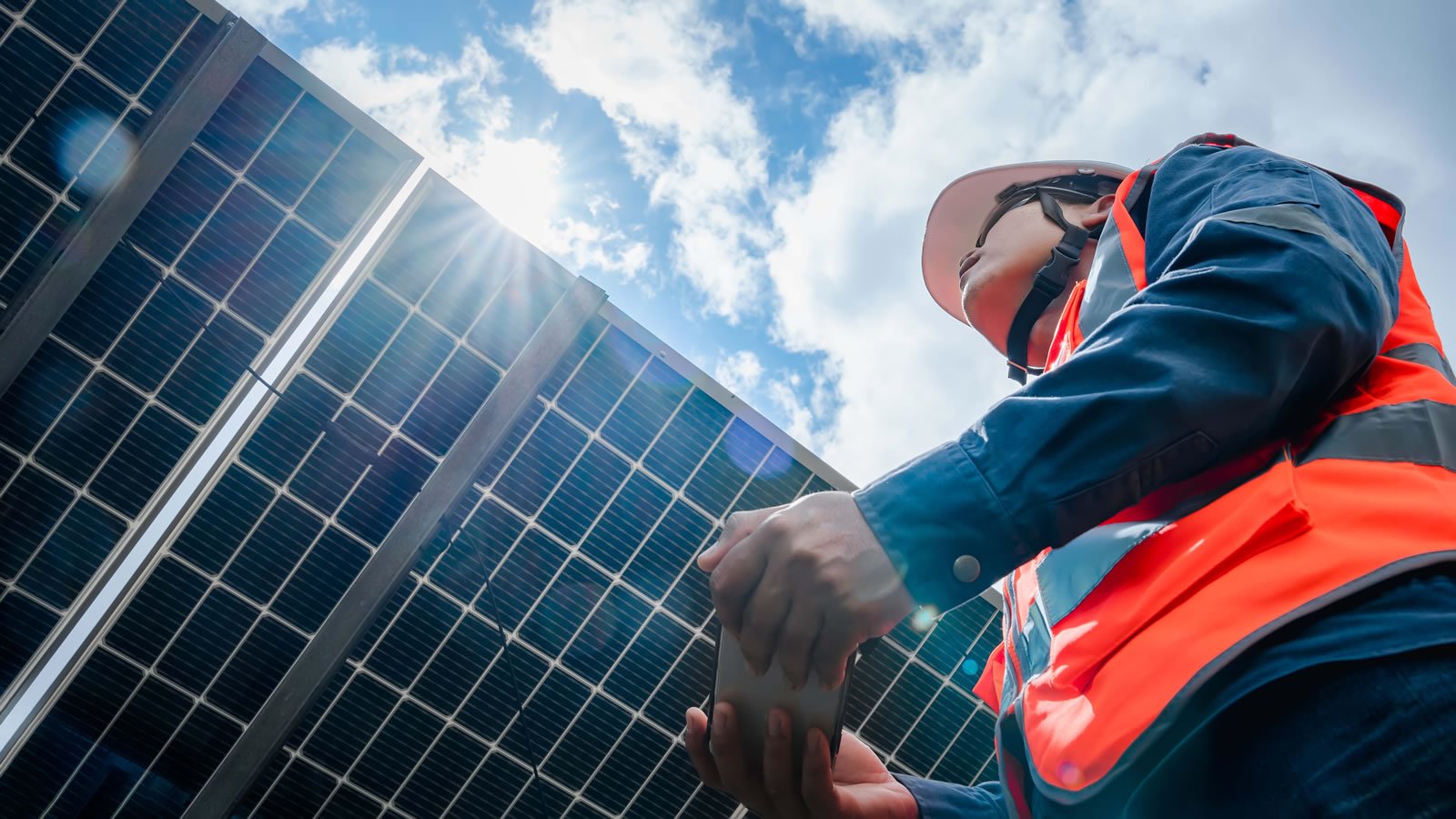
Low angle view of solar farm (solar panel) with engineer checking the operation of the system

How Solar Panels Work

Solar panels function based on the photovoltaic effect, where sunlight is converted into electricity. These panels comprise multiple photovoltaic cells made from semiconductor materials. When sunlight hits the cells, it dislodges electrons, creating a flow of direct current (DC) electricity. The solar inverter then converts this DC electricity into alternating current (AC) electricity suitable for home use.

Types of Solar Panels

There are several types of solar panels available in the market, each with its unique characteristics. Monocrystalline panels boast high efficiency and a sleek design, making them ideal for limited spaces. Polycrystalline panels, while slightly less efficient, offer a more budget friendly option. Thin film solar panels, on the other hand, are flexible and lightweight, suitable for unconventional applications.

Factors to Consider Before Installing Solar Panels

Before installing solar panels, it’s crucial to assess your location and its suitability for solar energy. Consider the positioning of your house and the roof’s orientation to maximize sunlight exposure. Shade from nearby buildings or trees can significantly impact the efficiency of solar panels. Engaging a professional for a solar panel feasibility study ensures you make an informed decision.

Calculating Solar Panel Needs

To determine the number of solar panels required, you must first assess your energy consumption. Understanding your energy needs helps you customize your solar system for optimal performance. Additionally, you can take advantage of net metering, where excess electricity generated is fed back into the grid, earning you credits.

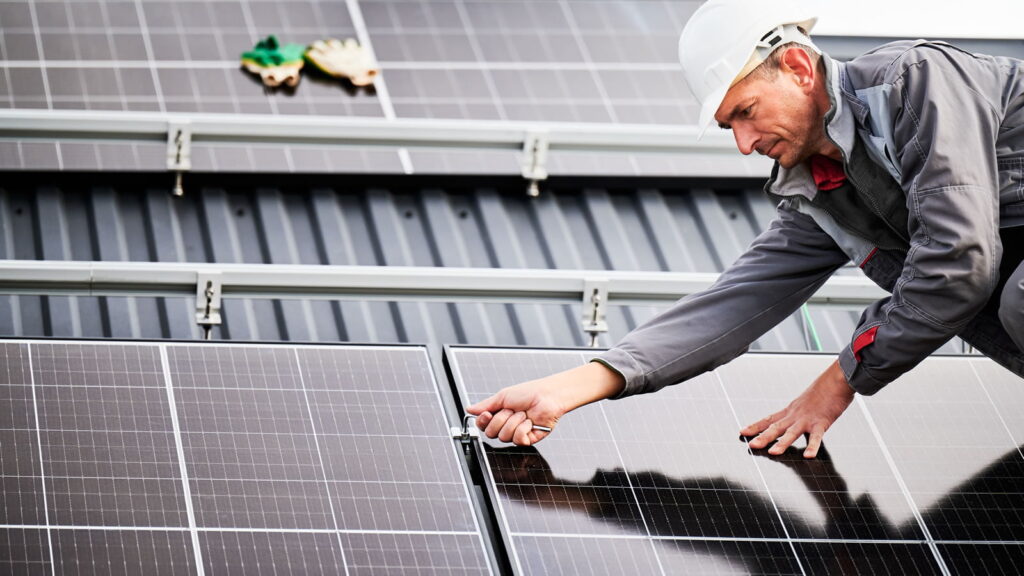
Solar engineer fixing solar panels to roof

The Solar Panel Installation Process

While installing solar panels might seem complex, it is best left to professionals who have experience in this field. The installation process involves mounting the panels securely on the roof, connecting the wiring, and integrating the system with your home’s electrical setup. Expert installers ensure a seamless and safe installation.

Incentives and Rebates for Solar Panels

Governments worldwide encourage solar energy adoption by offering various incentives and rebates. These may include tax credits, grants, or feed in tariffs. By taking advantage of these benefits, homeowners can offset some of the initial installation costs, making solar panels more affordable.

Maintenance and Cleaning of Solar Panels

To keep your solar panels operating efficiently, regular maintenance is essential. Cleaning the panels from dust and debris improves their performance. However, remember to follow safety guidelines or hire professionals for cleaning to avoid any damage.

Advantages of Solar Panels

Embracing solar energy comes with numerous benefits. Firstly, it significantly reduces your carbon footprint, contributing to a greener environment. Secondly, solar energy provides long term cost savings on electricity bills, ensuring energy independence.

Disadvantages of Solar Panels

While solar panels offer numerous advantages, it’s important to acknowledge some drawbacks. Initial installation costs might be high, deterring some homeowners. Additionally, solar panels’ efficiency can be affected by weather conditions, especially in areas with limited sunlight.

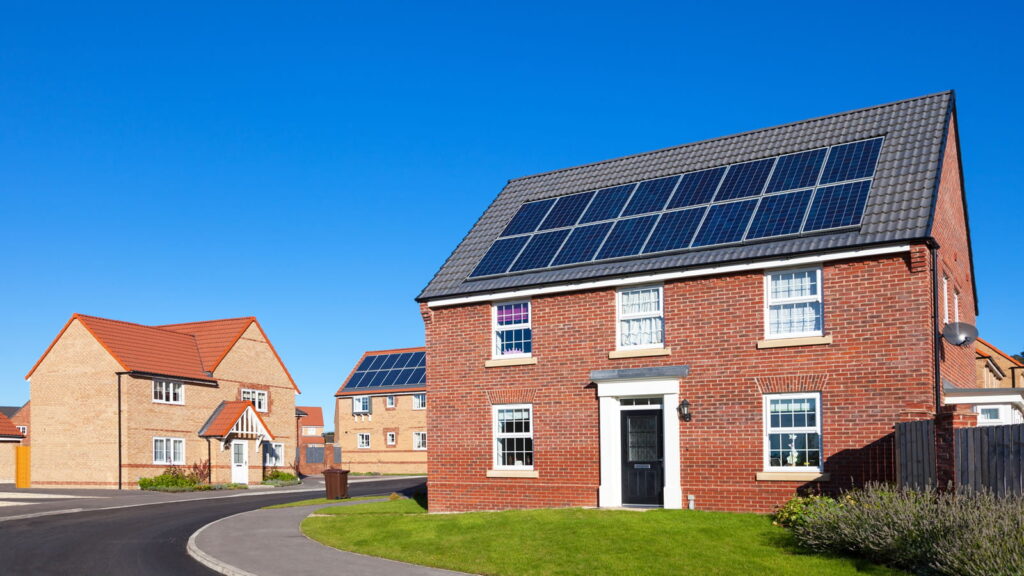
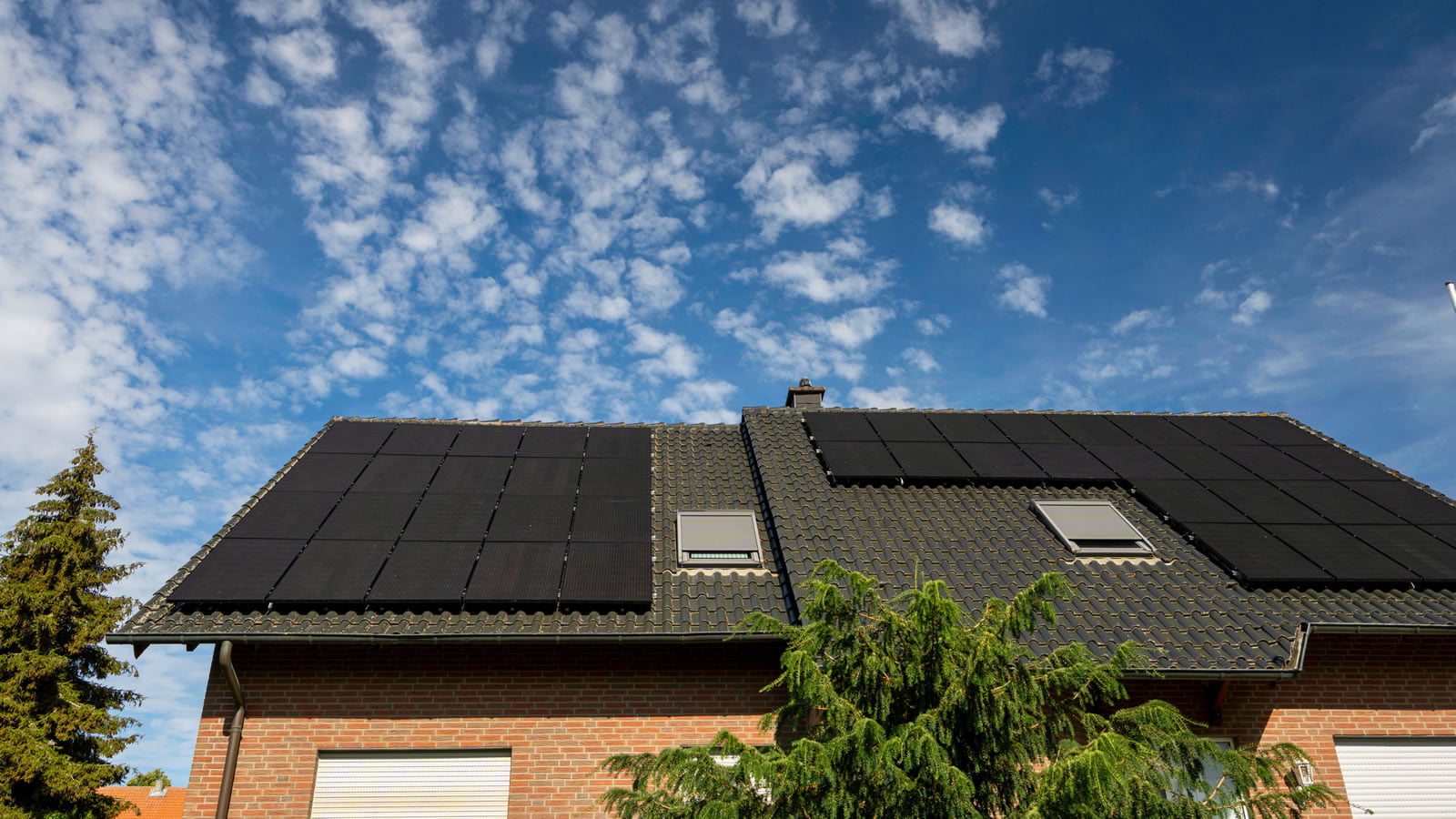
House on estate with solar panels

Solar Panels and Home Value

Investing in solar panels can also increase your property’s value. Studies indicate that homes equipped with solar panels tend to sell faster and at higher prices. Additionally, it boosts your home’s overall energy efficiency, adding to its appeal in the real estate market.

Environmental Impact of Solar Panels

By adopting solar energy, you actively contribute to reducing greenhouse gas emissions and combatting climate change. Harnessing the sun’s power for electricity reduces the reliance on fossil fuels, making it a significant step towards sustainable living.

Future of Solar Panels

The future of solar panels is promising, with ongoing research and development focused on improving efficiency and affordability. Advancements in nanotechnology and materials science offer potential breakthroughs that may revolutionize solar energy usage.


Solar Panels 101 article has equipped you with essential knowledge about solar energy and its potential for transforming our homes and communities. By harnessing the power of the sun, we can significantly reduce our impact on the environment while enjoying the long term benefits of renewable energy. So, take the first step towards a sustainable future by exploring solar panel installations for your home.

Frequently Asked Questions

Decoding the Tech: The Advanced Features of JinkoSolar Panels

A Glimpse into the Solar Future

Solar energy, once seen as a distant, eco friendly dream, has now solidified its place as a reliable and efficient power source. Companies like JinkoSolar are not just participants but leaders in this transformative journey. Their cutting edge technology and commitment to innovation make them stand out. Let’s decode the advanced features that place JinkoSolar panels a notch above the rest.

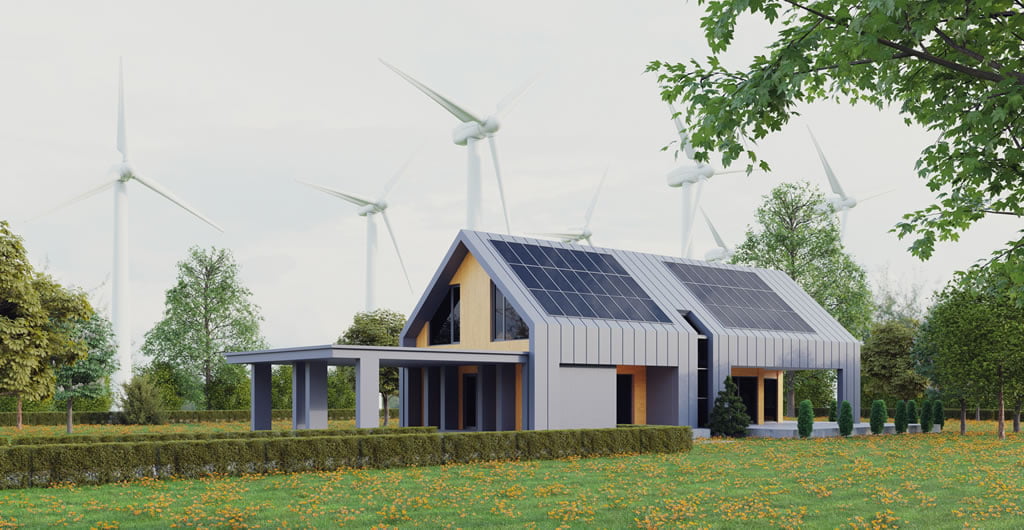
Modern eco house with solar panels and windmills to use alternative energy.

1. Superior Efficiency: Making Every Ray Count

JinkoSolar panels, especially the Tiger Neo N-Type series, are the embodiment of efficiency in the solar world. They boast a capability to achieve up to 21.37% efficiency, which, in layman’s terms, means converting a significant portion of sunlight directly into usable electricity. This remarkable efficiency stems from JinkoSolar’s innovative approach which merges multi busbar technology with advanced cell designs. By ensuring every captured sunbeam is transformed into power, homeowners get more energy, leading to reduced bills and a smaller carbon footprint.

2. Enhanced Temperature Coefficient: Consistency in Varied Climates

All solar panels heat up when exposed to the sun. However, what sets JinkoSolar panels apart is their ability to maintain efficiency even as temperatures rise. Their enhanced temperature coefficient ensures that the panels deliver consistent performance, making them ideal for varied climates, from chilly northern locales to tropical settings. This adaptability ensures homeowners in diverse geographical locations can benefit equally from JinkoSolar’s advanced technology.

3. Reduced Degradation Rate: Longevity and Reliability

Solar panels naturally degrade over time, but the rate at which they do can vary significantly. JinkoSolar’s Tiger Neo N-Type series is a beacon of durability in the solar industry, promising a reduced degradation rate. This not only ensures that the panels provide consistent energy yields year after year but also underscores their longevity. For homeowners, this means a one time investment that delivers consistently for decades.

4. 30-Year Linear Power Warranty: A Testament to Quality

Warranties are often a reflection of a manufacturer’s confidence in their product. JinkoSolar offers a staggering 30 year linear power warranty on the Tiger Neo N-Type series. This isn’t just a statement of the product’s durability but also of JinkoSolar’s commitment to quality and customer satisfaction. For consumers, this warranty provides peace of mind, ensuring that their investment is protected for the long haul.

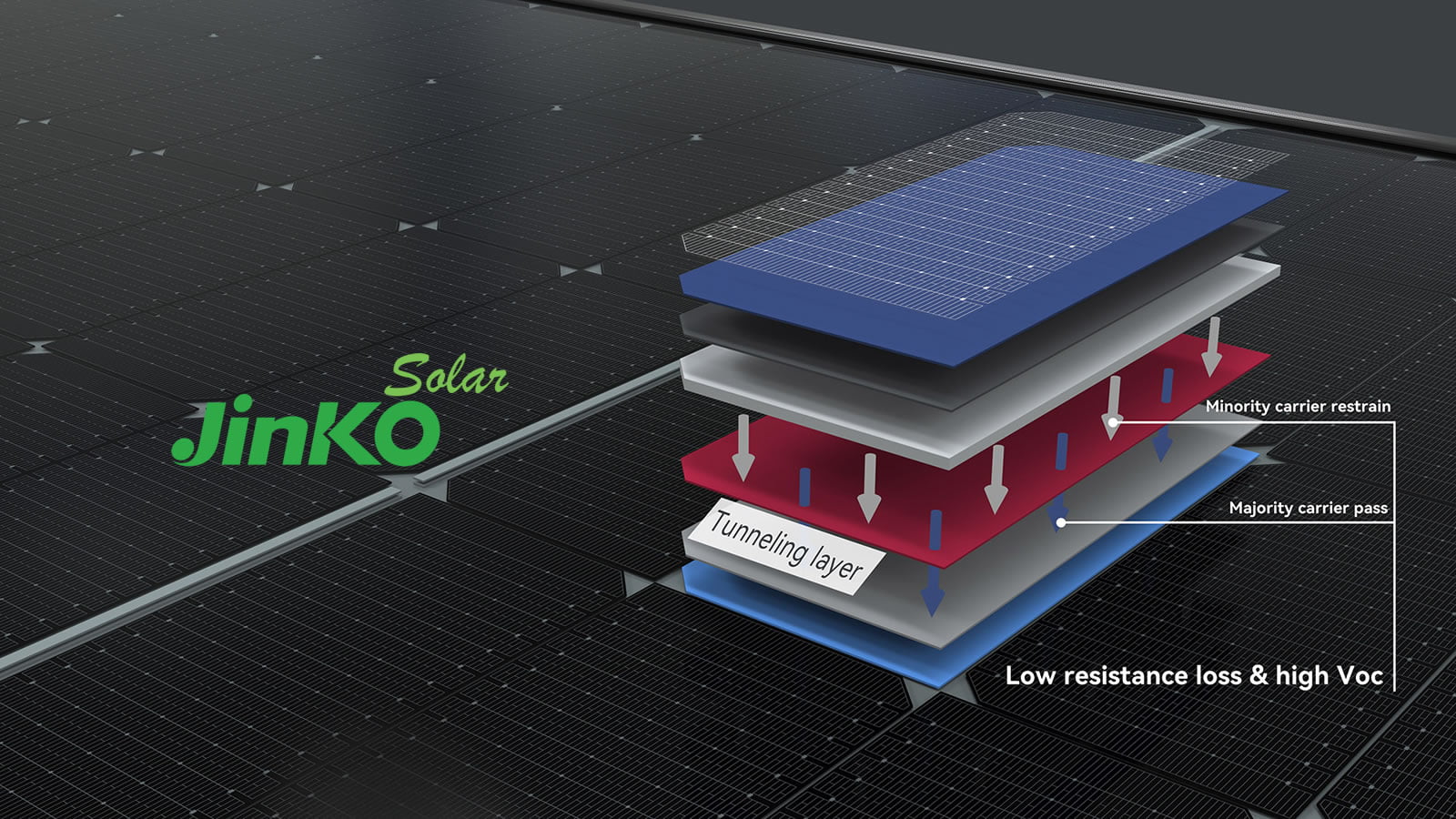
Jinko Solar panel technology

5. Advanced Cell Design: Optimal Light Absorption

At the heart of any solar panel lies its cells. JinkoSolar’s advanced cell design ensures maximum light absorption, which translates to more power generated. By employing cutting edge technology and innovative design strategies, JinkoSolar panels ensure that every captured sunbeam is optimally utilised. For homeowners, this intricate design means more power and better efficiency from a sleek and aesthetically pleasing panel.

6. Multi-Busbar Technology: Boosting Panel Efficiency

Traditional solar panels utilise a limited number of busbars, those thin wires that conduct electricity within the panel. JinkoSolar has revolutionised this design with their multi busbar technology, which incorporates many more busbars than usual. This enhancement boosts the panel’s efficiency and longevity while reducing the chances of cell cracks. For the consumer, this means a more efficient and durable panel that delivers consistent power.

7. Building Integration Photovoltaic: Merging Aesthetics with Efficiency

Solar panels are no longer mere functional entities, they’re also aesthetic additions to homes. JinkoSolar is spearheading initiatives in building integration photovoltaic (BIPV). This approach integrates solar panels seamlessly into a building’s structure, making them part of the architectural design. The result? A building that not only produces its own power but also stands out for its modern design and sustainability features.

Quick Comparison of JinkoSolar’s Advanced Features

Feature Description
Efficiency Up to 21.37%
Temperature Coefficient Enhanced for consistent performance
Degradation Rate Reduced for longevity
Warranty 30-year linear power warranty
Cell Design Advanced for optimal light absorption
Busbar Technology Multi-busbar for increased efficiency
Building Integration Aesthetic and functional design

Conclusion: The Pinnacle of Solar Technology

Decoding JinkoSolar’s technology illuminates why they’re at the forefront of the solar industry. For consumers, choosing JinkoSolar means investing in the future a future that’s sustainable, efficient, and bright.

Why JinkoSolar’s Tiger Neo N-Type Series is a Game-Changer

The Rise of Solar Technology

Solar energy, once a distant dream, has now become a beacon of renewable sources in today’s world. Its meteoric rise has been nothing short of impressive. At the forefront of this movement stands JinkoSolar, a company that continuously pushes the boundaries of innovation. Over recent years, there has been a marked surge in the adoption of solar technology, making it a crucial player in the fight against climate change. JinkoSolar, with its cutting edge products, stands tall in this domain, leading the charge towards a brighter, more sustainable future.

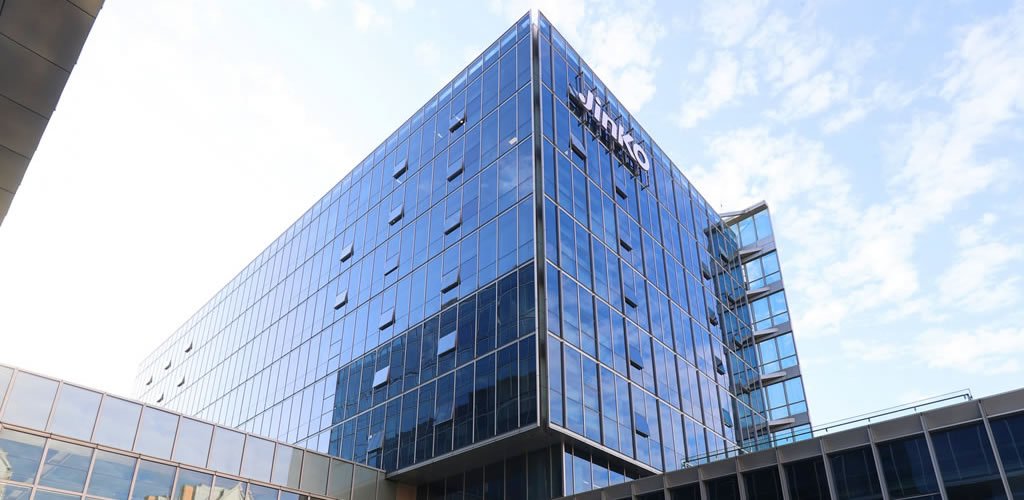
Jinko Solar company building

A Brief Overview of JinkoSolar

Since its establishment in 2006, JinkoSolar has been a shining example of dedication and innovation in the global solar industry. Their unwavering commitment to research and development has birthed products that often surpass industry standards. The Tiger Neo N Type series is a brilliant testament to this relentless pursuit of excellence. Their global presence and reputation for top tier products ensure that they remain a favourite among both industry experts and homeowners.

What Makes Solar Panels Stand Out

Solar panels are more than just sunlight converters, they’re a marvel of human ingenuity. It’s about capturing energy in the most efficient manner, ensuring longevity, and delivering consistent performance regardless of varying environmental conditions. JinkoSolar’s latest offering, the Tiger Neo N Type series, encapsulates all of these attributes, setting a new benchmark in solar technology.

Diving Deep: The Tiger Neo N-Type Series

JinkoSolar’s Tiger Neo N Type series isn’t just another solar product, it’s a revolution. Equipped with state of the art technology and boasting impressive features, it promises to reshape the solar energy landscape. This series marries advanced technical specifications with tangible benefits, making it an attractive proposition for homeowners globally. It’s efficient, durable, and adaptable, ensuring an unparalleled solar experience.

Technical Aspects and Advancements

The Tiger Neo N Type panels impress with an efficiency of up to 21.37%. This remarkable figure is a direct result of JinkoSolar’s innovative techniques, blending multi busbar technology with advanced cell designs. The panels are designed to maximise light absorption, ensuring every sunbeam is utilised. Furthermore, the enhanced temperature coefficient promises consistent performance across a range of climatic conditions.

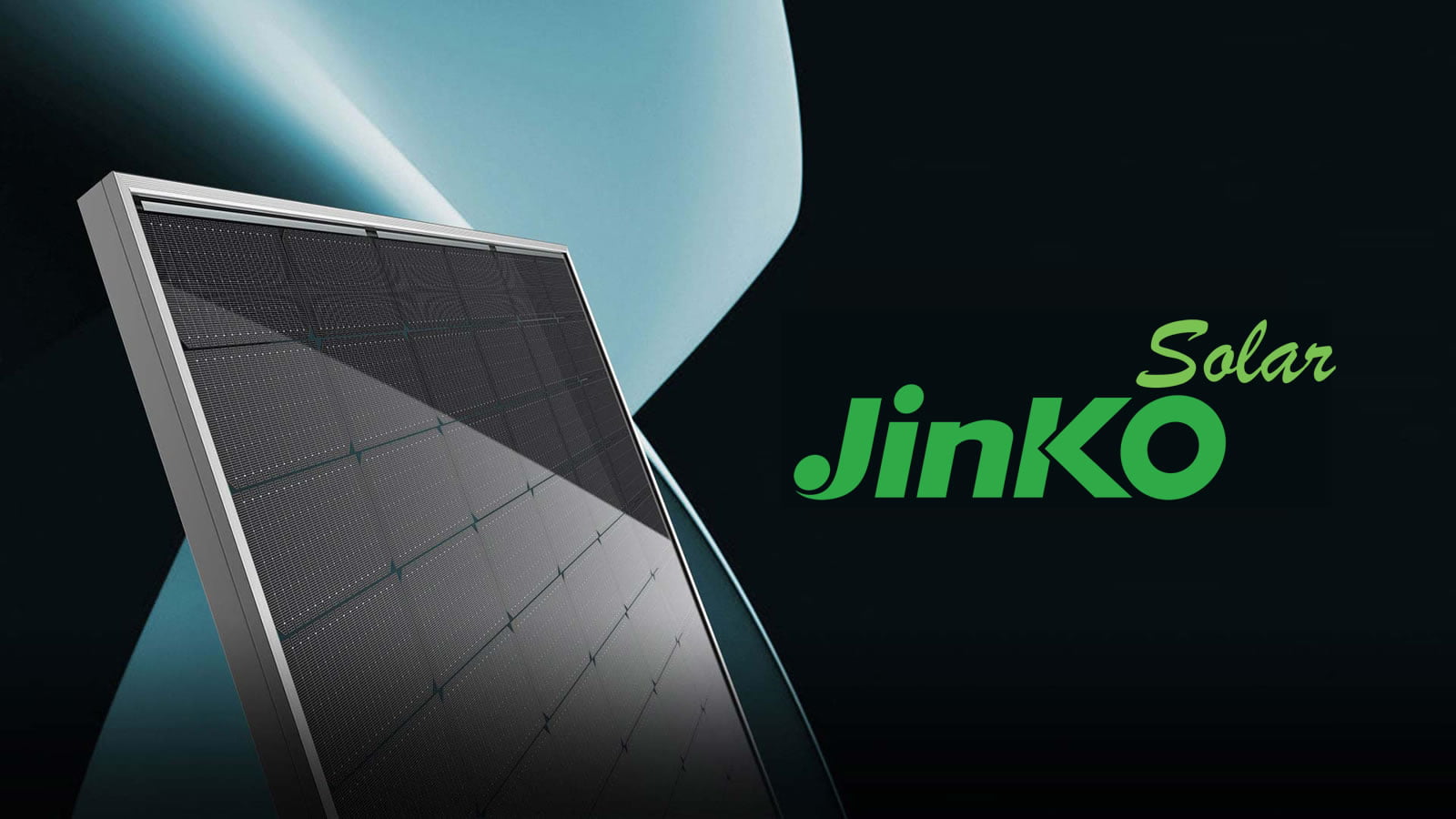
Jinko Solar panel technology

Benefits Over Other Solar Panels

The Tiger Neo N Type series offers homeowners benefits that many other panels simply can’t match. A standout feature is its reduced degradation rate, ensuring households enjoy consistent energy yields year after year. Backed by a 30-year linear power warranty, JinkoSolar’s confidence in their product is evident. For homeowners, this translates to a product that promises both reliability and longevity.

The Environmental Impact

In a world where the environment is a central concern, the move to renewable energy has never been more crucial. The Tiger Neo N Type series is more than just a piece of technology, it’s a leap towards a sustainable future. Each installed panel contributes to a reduction in carbon footprint, heralding a cleaner, greener tomorrow. JinkoSolar’s innovations reflect their commitment to both the consumer and the planet.

Carbon Footprint Reduction

Choosing the Tiger Neo N Type series aligns with a vision of reducing fossil fuel dependence. Each kilowatt hour generated by these panels equates to less coal burned and fewer greenhouse gases emitted. JinkoSolar is at the forefront of this green revolution, championing the shift towards sustainable energy sources. As homeowners become increasingly environmentally conscious, the move to solar energy becomes not just an option, but a duty.

Contribution to Sustainable Energy

Efficiently harnessing the sun’s power goes beyond technological advancements, it’s a promise to future generations. The Tiger Neo N Type series, with its groundbreaking features, assures us of tapping into a lasting energy source. As the world grapples with climate change, products like the Tiger Neo N Type series shine as beacons of hope.

Economic Implications

The economic perks of transitioning to solar energy are numerous. While the initial installation might come with costs, the long term savings and benefits dwarf this investment. JinkoSolar’s Tiger Neo N Type series not only promises environmental advantages but significant economic gains as well. With fluctuating energy prices, the stability and cost effectiveness of solar energy, especially from efficient panels like the Tiger Neo N Type, stand out.

Cost-Effectiveness of Tiger Neo N-Type

The Tiger Neo N Type series, combining impressive efficiency and longevity, presents a compelling economic case. While the initial outlay might appear significant, the long term savings on electricity bills and minimal maintenance costs make it a wise investment. View it as a long term commitment that offers tangible returns while also fostering a green planet.

ROI and Long-Term Financial Benefits

For homeowners, the return on investment (ROI) is paramount when considering solar installations. The Tiger Neo N Type series, with its unparalleled technology and durability, promises an attractive ROI. With the potential for reduced energy bills and possible governmental incentives, the series offers a win,win scenario.

What the Future Holds

The solar sector is in a constant state of evolution, and JinkoSolar is leading this transformative journey. With offerings like the Tiger Neo N Type series, they’re not just catering to present needs but also laying the groundwork for future innovations. The future of solar energy is bright, and JinkoSolar is lighting the way.

Conclusion: The Solar Revolution

The Tiger Neo N Type series represents more than just a product. It’s a symbol of human innovation and our commitment to a brighter, sustainable future. The solar game is changing, and with JinkoSolar at the helm, the future looks promising.

Energizer Solar Panels vs Competitor: Which Is Right for You?

Energizer Solar Panels Compared With Other Leading Brands

Choosing the right solar panels is an important part of planning a solar installation. However, panel choice should never be based on the brand name alone.

Power output, efficiency, appearance, warranty protection and long term performance all matter. More importantly, your chosen panels need to form part of a solar system designed around your roof, electricity consumption and future energy requirements.

Energizer solar panels offer modern solar technology from a widely recognised name. Yet how do they compare with other leading manufacturers, and are they the right choice for your property?

In this guide, My Home Solar explains what Energizer solar panels offer, how they compare with alternative panels and which current solar trends you should consider before requesting a quotation.

If you are ready to explore your options, request a free solar quote from My Home Solar. Our team can assess your property and recommend a suitable system based on your home, budget and energy use.

What Are Energizer Solar Panels?

Energizer is best known for its batteries, but the brand has expanded into solar panels, inverters, battery storage and other renewable energy products.

The current Energizer Solar panel range includes N Type dual glass models with outputs between 435W and 495W. Energizer states that these panels have been developed to provide strong efficiency, dependable low light performance and a contemporary appearance. The manufacturer also offers product warranties of up to 30 years on selected panels, although the precise cover will depend on the model and installation location. Current Energizer specifications should always be checked when your system is designed.

Like other photovoltaic panels, Energizer solar panels convert daylight into electricity. The electricity can then be used within your home, stored in a solar battery or exported to the electricity grid.

What Is N Type Solar Panel Technology?

One of the most significant developments in the current solar market is the increasing use of N Type solar cells.

N Type panels are designed to offer efficient performance and lower levels of degradation over time. This means they can retain a greater proportion of their original output as they age.

Energizer now offers N Type dual glass panels. The cells are protected by glass on both sides rather than a traditional glass front and polymer backsheet. This construction can provide additional protection against moisture, environmental exposure and physical stress.

Nevertheless, N Type technology is no longer exclusive to one manufacturer. Other leading solar brands also produce N Type panels, so it is important to compare the complete specification rather than concentrating on the technology name alone.
Energizer Solar Panels Versus Other Leading Brands

My Home Solar can help homeowners compare panels from several established manufacturers. These include Energizer, Aiko, JA Solar and Trina Solar.

The right choice will depend on the individual property and the objectives of the installation.

Energizer Solar Panels

Energizer solar panels may appeal to homeowners who want a recognisable brand, modern N Type technology and a choice of higher output models.

Selected models offer dual glass construction and outputs approaching 500W. However, the highest wattage panel is not automatically the best option for every home. Its physical dimensions, weight and suitability for the available roof space must also be considered.

Aiko Solar Panels

Aiko solar panels focus strongly on panel efficiency and appearance. Their high efficiency designs can be valuable for properties with restricted roof space because they may allow more generating capacity to be installed within a smaller area.

Aiko may also be considered by homeowners who prefer a sleek, all black appearance. However, the final decision should still take account of cost, panel dimensions, warranty terms and compatibility with the rest of the system.

JA Solar Panels

JA Solar is an established global solar manufacturer with panels available for residential and commercial installations.

Its panels can offer a practical balance between performance, recognised manufacturing experience and overall system cost. Depending on the model available, JA Solar may suit homeowners who want dependable technology without necessarily choosing the highest priced panel.

Trina Solar Panels

Trina Solar panels are also used across residential and commercial projects.

The manufacturer offers several panel technologies and output levels. Trina Solar can therefore be worth considering when you require an efficient system from a large and established solar manufacturer.
Which Solar Panel Produces the Most Electricity?

Panel wattage tells you the maximum output a panel can achieve under standard test conditions. A 495W panel has a higher rated output than a 440W panel, but this figure does not tell you how much electricity the complete system will generate at your home.

Annual solar generation can be influenced by:

  • The number of panels installed
  • The direction and pitch of the roof
  • Shading from trees, chimneys or nearby buildings
  • Local weather conditions
  • Panel efficiency and degradation
  • The suitability of the inverter
  • The quality of the system design
  • How the panels are positioned across the available roof space

A physically larger panel may provide more power, but several smaller panels could sometimes make better use of an irregular roof. This is why My Home Solar begins with an assessment of the property rather than recommending the same panel to every homeowner.

Are Energizer Solar Panels Suitable for UK Weather?

Solar panels do not need hot weather to generate electricity. They produce electricity from daylight and can continue operating during cloudy conditions.

Output will generally be higher during brighter and longer summer days. Nevertheless, a correctly designed system will continue generating throughout the year.

Energizer states that its panels undergo durability testing and are designed for demanding environmental conditions. Its latest panels are also promoted as providing effective low light performance.

When comparing panels for a UK installation, My Home Solar can consider the manufacturer’s mechanical load ratings, temperature coefficient, product warranty and performance warranty. These details provide a more meaningful indication of suitability than general marketing claims about weather resistance.

Current Solar Panel Trends Homeowners Should Consider

The UK solar market is developing quickly. In the first six months of 2026, almost 150,000 MCS certified solar installations were completed. Battery storage also grew substantially, with 92 per cent of certified battery installations fitted to properties with solar panels. This illustrates the growing demand for complete home energy systems rather than panels alone. MCS reported these installation trends in August 2026.

Higher Output Panels

Modern residential panels commonly provide considerably more power than older models. Energizer’s current N Type range includes panels between 435W and 495W, while other manufacturers offer their own high output alternatives.

Higher output panels can be particularly useful when roof space is limited. However, efficiency, dimensions and likely annual generation should be considered alongside wattage.

Solar Panels With Battery Storage

More homeowners are choosing to combine solar panels with battery storage.

A battery can store surplus solar electricity generated during the day. The household can then use this electricity later, such as during the evening when the panels are producing less or no electricity.

Some systems can also charge a battery from the grid during cheaper periods. The suitability and potential savings will depend on the battery, electricity tariff, household consumption and system settings.

Smart Monitoring

Modern solar and battery systems commonly include an app or online portal. This can allow homeowners to monitor solar generation, household consumption, battery charge and electricity exported to the grid.

Monitoring does not increase generation by itself. However, it can help you understand how your home uses electricity and identify opportunities to use more of your solar energy.

Export Payments

Eligible households can receive payments for surplus renewable electricity exported to the grid through the Smart Export Guarantee.

Rates and eligibility requirements vary between suppliers, so homeowners should compare the available tariffs rather than assuming that every provider pays the same amount. Ofgem advises generators to contact participating electricity suppliers directly for current tariff information. Read Ofgem’s Smart Export Guarantee guidance.

Solar Panel Appearance

Appearance has become an increasingly important consideration, particularly for panels fitted to the front of a home.

All black panels can create a more uniform finish by reducing the contrast between the cells, frame and backing material. Energizer and several competing manufacturers now offer panels designed with appearance as well as performance in mind.

The Current VAT Position

Qualifying solar panel and electrical battery installations in residential accommodation currently benefit from a temporary zero rate of VAT. Under the present rules, this applies until 31 March 2027. From 1 April 2027, qualifying installations are due to return to the reduced VAT rate of 5 per cent. HMRC provides full guidance on the current relief.

If you are considering solar panels, requesting a quotation now will allow you to understand the potential cost and suitability of an installation before the VAT rules change.
solar panels

How Much Do Energizer Solar Panels Cost?

There is no single price for an Energizer solar installation because the panels form only one part of the complete system.

Your quotation may be influenced by:

  • The number and model of panels
  • The total system capacity
  • Roof access and scaffolding requirements
  • The chosen inverter
  • Whether battery storage is included
  • Electrical work required at the property
  • Bird protection or other optional additions
  • The complexity of the roof layout

A lower panel price does not necessarily produce better overall value. Equally, choosing the most expensive panel does not guarantee the best result.

A useful quotation should explain the proposed system size, estimated annual generation, equipment included, applicable warranties and expected installation work. This allows you to compare complete solar systems rather than isolated panel prices.

Why Choose My Home Solar?

My Home Solar provides tailored solar panel and battery installations for homes across much of England and Wales.

We are MCS certified and RECC approved. Our process begins with a consultation and property assessment, allowing us to understand your electricity consumption, roof layout and reasons for installing solar.

We can then compare appropriate panel, inverter and battery options before designing a system around your requirements. This may include Energizer solar panels or an alternative manufacturer where another panel is better suited to your roof, budget or desired system capacity.

Our aim is not simply to fit the greatest possible number of panels. It is to provide a carefully designed system that works effectively as part of your home.

Frequently Asked Questions

Are Energizer solar panels better than other brands?

Energizer solar panels offer modern technology, including N Type cells and dual glass construction on selected models. However, no single brand is automatically best for every property. Aiko, JA Solar and Trina Solar also offer competitive panels. The right choice depends on your roof space, budget, preferred appearance and energy requirements.

How long do Energizer solar panels last?

Solar panels are designed to operate for several decades. The manufacturer offers warranties of up to 30 years on selected Energizer panels. You should check the product warranty and performance warranty for the exact model included in your quotation.

Do Energizer solar panels work on cloudy days?

Yes. Solar panels generate electricity from daylight rather than heat. Output will usually be lower under heavy cloud than in strong direct sunlight, but the panels can continue generating electricity.

Should I choose the solar panel with the highest wattage?

Not necessarily. Higher wattage can be valuable when roof space is limited, but dimensions, efficiency, price and roof layout are also important. The best system is the one that makes effective use of the available space and suits your electricity consumption.

Can Energizer solar panels be connected to a battery?

Solar panels can be incorporated into a system that includes compatible battery storage. The inverter and battery must be selected and configured correctly. My Home Solar can discuss battery storage when designing your installation.

Can I receive payments for surplus electricity?

You may be able to receive payments for eligible electricity exported to the grid through a Smart Export Guarantee tariff. Payment rates and requirements vary between electricity suppliers.

Are solar panels currently subject to VAT?

Qualifying residential solar panel and battery installations currently benefit from zero rated VAT until 31 March 2027. Under the present rules, the rate will change to 5 per cent from 1 April 2027.