What Appliances Can Solar Panels Run in a Typical Home?

Solar Panels Power

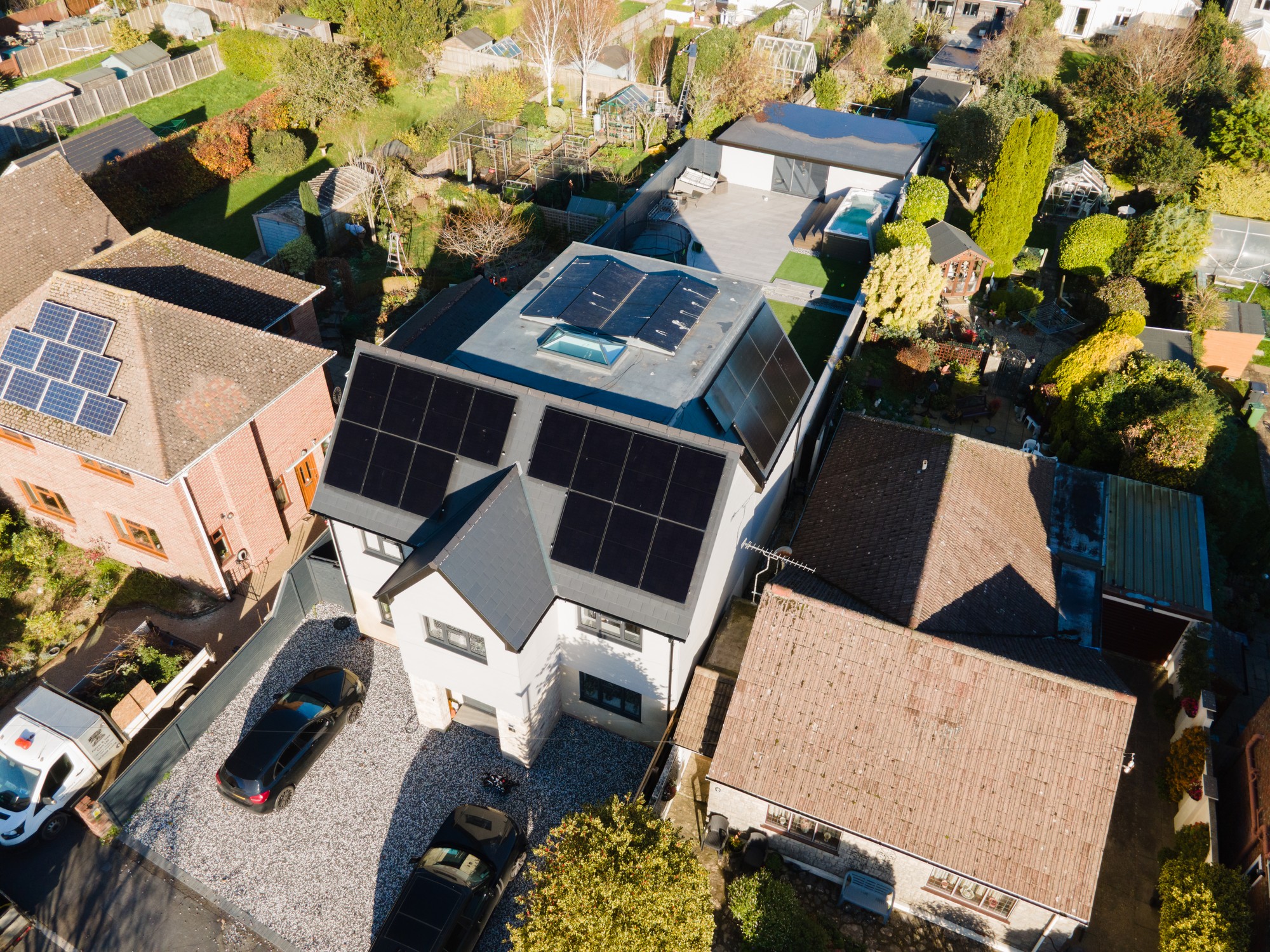
As energy prices continue to rise and sustainability becomes a central concern for homeowners, many across Dorset and the Midlands are asking a simple yet important question: what exactly can solar panels power in a typical home?

The answer is both encouraging and nuanced. Modern solar panel systems are capable of running a substantial portion of everyday household appliances, particularly when paired with efficient energy usage and battery storage. However, understanding what is realistically achievable requires a closer look at how energy is generated, stored, and consumed throughout the day.

In this guide, we explore the appliances that solar panels can run, the factors that influence performance, and how a well designed system can transform the way your home uses energy.
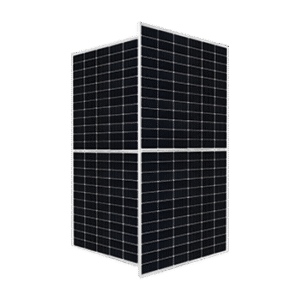
Understanding How Solar Power Works in the Home

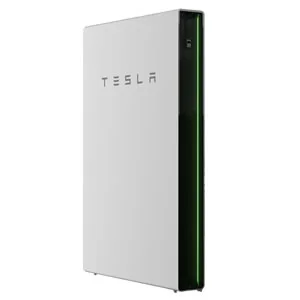
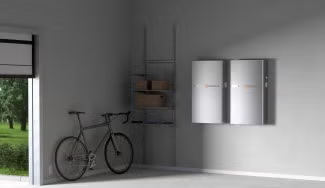
Before considering specific appliances, it is worth understanding the basics. Solar panels generate electricity during daylight hours. This energy can be used immediately, stored in a battery such as a Tesla Powerwall or Growatt battery, or exported back to the grid.

A typical home solar system in the UK might produce between 2500 and 4500 kilowatt hours per year depending on its size and location. Homes in Dorset and the Midlands often benefit from consistent daylight patterns that make solar a reliable and worthwhile investment.
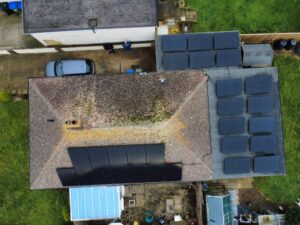
Everyday Appliances Solar Panels Can Run

One of the most appealing aspects of solar energy is its ability to support the daily functioning of a modern household. With the right system in place, many of the appliances you already use can be powered by solar.

Kitchen Appliances

The kitchen is often the heart of energy consumption in any home.

  • Fridges and freezers typically use between 100 and 300 kilowatt hours per year and can be comfortably powered by solar throughout the day
  • Dishwashers use around 1 to 1.5 kilowatt hours per cycle
  • Washing machines generally consume between 0.5 and 1 kilowatt hour per load

These appliances are ideal candidates for solar usage, particularly when run during daylight hours when energy generation is at its peak.

Kettles and Small Appliances

Kettles are among the most energy intensive household items, using around 2 to 3 kilowatts during operation. However, because they are used for short periods, they can still be powered effectively by solar energy during the day.

Other small appliances such as toasters, microwaves, and coffee machines can also be run on solar without difficulty, provided they are used sensibly.
Living Room and Electronics

Modern homes rely heavily on electronic devices, many of which are surprisingly efficient.

  • Televisions typically use between 50 and 200 watts depending on size
  • Laptops and computers use around 30 to 150 watts
  • WiFi routers and smart devices consume minimal energy but run continuously

These appliances are well suited to solar power and can often be run entirely on solar energy during daylight hours, particularly in energy efficient homes.

Heating and Hot Water Systems

Heating presents a more complex challenge. Traditional electric heating systems consume large amounts of energy, often exceeding what a standard solar panel system can provide on its own.

However, there are practical solutions.

  • Solar energy can contribute to running electric boilers or immersion heaters
  • Heat pumps, which are increasingly popular in the UK, can work efficiently alongside solar panels
  • Solar energy can be used to preheat water, reducing overall energy demand

While solar may not fully replace heating requirements, it can significantly offset costs and reduce reliance on the grid.
Electric Vehicle Charging

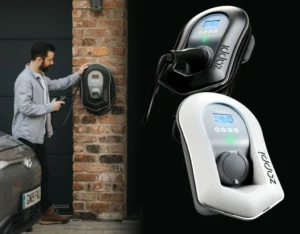
Electric vehicles are becoming more common across Dorset and the Midlands, and solar panels offer an excellent way to reduce charging costs.

Charging an electric vehicle typically requires between 7 and 30 kilowatt hours depending on usage. While a standard system may not fully charge a vehicle every day, it can contribute a meaningful portion of the energy required.

When combined with battery storage, homeowners can store excess solar energy during the day and use it to charge their vehicle overnight.

The Role of Battery Storage

Battery storage plays a crucial role in maximising the effectiveness of solar panels.

Systems such as the Tesla Powerwall or Growatt battery allow homeowners to store surplus energy generated during the day for use in the evening or early morning. This significantly increases the number of appliances that can be powered by solar energy.

Without a battery, unused energy is typically exported to the grid. With a battery, that energy remains within your home, improving efficiency and reducing electricity bills.
A Typical Home Scenario

To bring this into perspective, consider a typical three bedroom home in Dorset or the Midlands with a well sized solar panel system and battery storage.

During a sunny day, the system could comfortably power:

  • Fridge and freezer continuously
  • Washing machine and dishwasher during the day
  • Television, lighting, and electronics
  • Occasional use of kitchen appliances such as kettles and microwaves

Excess energy would be stored in the battery, allowing the home to continue running essential appliances into the evening.

While high demand appliances such as electric heating or full electric vehicle charging may still require grid support, the overall reduction in energy costs can be substantial.
Factors That Influence What Solar Can Run

Every home is different, and several factors will determine how much of your energy usage can be covered by solar panels.

System Size

Larger systems generate more electricity and can support a wider range of appliances. The available roof space and orientation will influence how many panels can be installed.

Energy Usage Patterns

Homes that use more electricity during the day will benefit most from solar panels, as this is when energy is being generated.

Appliance Efficiency

Modern, energy efficient appliances require less electricity, making it easier for solar systems to meet demand.

Location

Homes in Dorset and the Midlands benefit from favourable conditions for solar energy generation, although output will still vary throughout the year.

Why Solar Is a Smart Choice for UK Homes

Solar panels offer more than just the ability to run household appliances. They provide long term financial savings, reduce environmental impact, and increase energy independence.

With energy costs continuing to fluctuate, investing in solar panels for your home is an increasingly practical decision. When combined with battery storage and efficient energy habits, solar power can transform how your home operates.
Speak to My Home Solar

If you are considering solar panels for your home in Dorset or the Midlands, expert guidance can make all the difference.

My Home Solar specialises in designing and installing tailored solar systems that suit your property, lifestyle, and energy needs. Whether you are looking to reduce your bills, power more of your home, or future proof your energy usage, their team can help you find the right solution.

Get in touch today to discover how much of your home you could power with solar.
Frequently Asked Questions

Can solar panels run a whole house

In many cases, solar panels can power a large portion of a home’s energy needs. With battery storage, it is possible to run most essential appliances, although some high demand items may still rely on the grid.

Do solar panels work in winter in the UK

Yes, solar panels continue to generate electricity during winter, although output is lower due to shorter days and reduced sunlight.

How many solar panels do I need to run my home

This depends on your energy usage, roof space, and system design. A typical UK home may require between 8 and 16 panels.

Can I run my washing machine on solar power

Yes, washing machines are well suited to solar energy, particularly when used during the day.

Is battery storage worth it

Battery storage allows you to use more of the energy you generate, making your system more efficient and increasing your savings over time.
Can You Go Off Grid With Solar Panels in the UK?

Energy Suppliers

The idea of cutting ties with energy suppliers and powering your home entirely from the sun has a certain appeal. With rising electricity prices and growing concerns about sustainability, many UK homeowners are now asking the same question. Can you truly go off grid with solar panels in the UK

The answer is not as straightforward as a simple yes or no. While it is technically possible, the reality is far more nuanced. Understanding what off grid solar means in a British context is essential before making any decisions.

What Does Off Grid Solar Mean

Off grid solar refers to a system that operates completely independently of the national electricity grid. In practical terms, this means your home generates all of its own electricity through solar panels and stores excess energy in battery systems for use when the sun is not shining.

Unlike standard solar installations, which remain connected to the grid and can import electricity when needed, an off grid system relies entirely on its own generation and storage capacity. There is no safety net.

Is It Possible to Go Off Grid in the UK

Technically, yes. You can design and install a system that allows your home to function without any connection to the grid. However, doing so in the UK presents several challenges that make it less practical for most homeowners.

The British climate is the primary obstacle. Solar panels generate far less electricity during the winter months when daylight hours are short and skies are often overcast. In contrast, energy demand tends to be highest during this same period.

To compensate for this imbalance, an off grid solar system must be significantly oversized and supported by substantial battery storage. In many cases, a backup generator is also required to ensure reliability during prolonged periods of low sunlight.

Legal and Practical Considerations

From a legal standpoint, there is no rule preventing you from disconnecting from the grid. However, most homes are designed to operate with a grid connection, and certain mortgage providers or insurance policies may have conditions tied to it.

In addition, fully off grid systems must be carefully designed to meet safety standards and ensure a consistent energy supply. This requires expert planning and installation.

For most UK homeowners, remaining grid connected while maximising solar generation and battery storage offers a far more practical and cost effective solution.

What You Need for an Off Grid Solar System

Creating a reliable off grid solar setup involves more than simply installing panels on your roof.

Solar Panels

You will need a larger than average solar array to generate enough electricity throughout the year. This often means making full use of available roof space or even installing ground mounted panels.

Battery Storage

Battery storage is essential. Systems such as the Tesla Powerwall or Growatt battery allow you to store excess electricity generated during the day for use at night or during periods of low sunlight.

For an off grid setup, battery capacity must be significantly higher than in a standard installation. It is not uncommon for systems to include multiple batteries to ensure sufficient storage.

Backup Power

Given the unpredictability of British weather, most off grid systems include a backup generator or hybrid solution. This ensures that essential appliances continue to function during extended periods of low generation.

How Much Does Off Grid Solar Cost in the UK

The cost of going off grid is considerably higher than installing a standard solar system.

A typical grid connected solar system with battery storage might cost between fifteen thousand and twenty five thousand pounds. By contrast, a fully off grid system can range from twenty five thousand to forty thousand pounds or more, depending on the size of the property and energy requirements.

This higher cost is driven by the need for additional panels, larger battery storage, and backup systems. While long term savings are possible, the initial investment is substantial.

Pros and Cons of Going Off Grid

There are clear advantages to an off grid solar system.

You gain complete energy independence and are no longer affected by rising electricity prices. Your carbon footprint is reduced, and you have greater control over your energy usage.

However, there are also notable drawbacks.

The upfront cost is significantly higher. System design is more complex, and there is a greater reliance on careful energy management. Perhaps most importantly, reliability can be a concern during the winter months without sufficient backup.

Challenges of Off Grid Solar in the UK

The UK presents unique challenges that must be considered carefully.

Limited winter sunlight means that solar generation drops dramatically at the very time when heating and lighting demands increase. This makes it difficult to rely solely on solar power without extensive storage.

Space can also be a constraint. Not all properties have sufficient roof area to support the number of panels required for full independence.

These factors mean that while off grid solar is achievable, it is often better suited to rural properties or those with lower energy demands.

Off Grid vs Grid Tied Solar

For most homeowners, a grid connected system with battery storage offers the best balance of independence and reliability.

You can generate your own electricity, store excess energy, and still draw power from the grid when needed. This reduces your reliance on energy suppliers without the risks associated with going fully off grid.

It also allows you to export surplus electricity, providing an additional financial benefit.

Expert Insight from My Home Solar

At My Home Solar, we often speak to homeowners who are interested in off grid solar solutions. While the concept is appealing, we always recommend a tailored approach based on your property, energy usage, and long term goals.

In many cases, a hybrid system that combines solar panels with advanced battery storage delivers the best results. It offers significant savings and sustainability benefits without compromising reliability.

Every home is different, and expert guidance is essential to ensure you make the right investment.

Conclusion

So, can you go off grid with solar panels in the UK

Yes, it is entirely possible. However, for most homeowners, it is not the most practical or cost effective option. The challenges posed by the British climate and the high cost of installation mean that a grid connected system with battery storage is often the smarter choice.

If you are considering solar panels and want honest, expert advice tailored to your home, My Home Solar is here to help.

Book Your Free Solar Survey Today

Take the first step towards energy independence. Contact My Home Solar today to arrange your free consultation and discover the best solar solution for your property.

Frequently Asked Questions

Can you legally go off grid in the UK?

Yes, there are no laws preventing you from disconnecting from the national grid, although practical considerations should be taken into account.

How many solar panels do I need to go off grid?

This depends on your energy usage and property size, but most off grid systems require significantly more panels than standard installations.

Do I need planning permission for solar panels?

In most cases, solar panels fall under permitted development, but exceptions may apply for listed buildings or conservation areas.

What happens in winter with off grid solar?

Solar generation is much lower during winter, which is why large battery storage and backup systems are essential.

Will Solar Panels Damage My Roof?

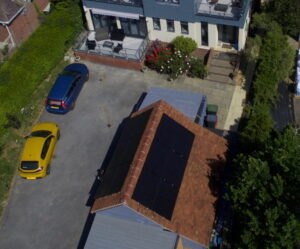
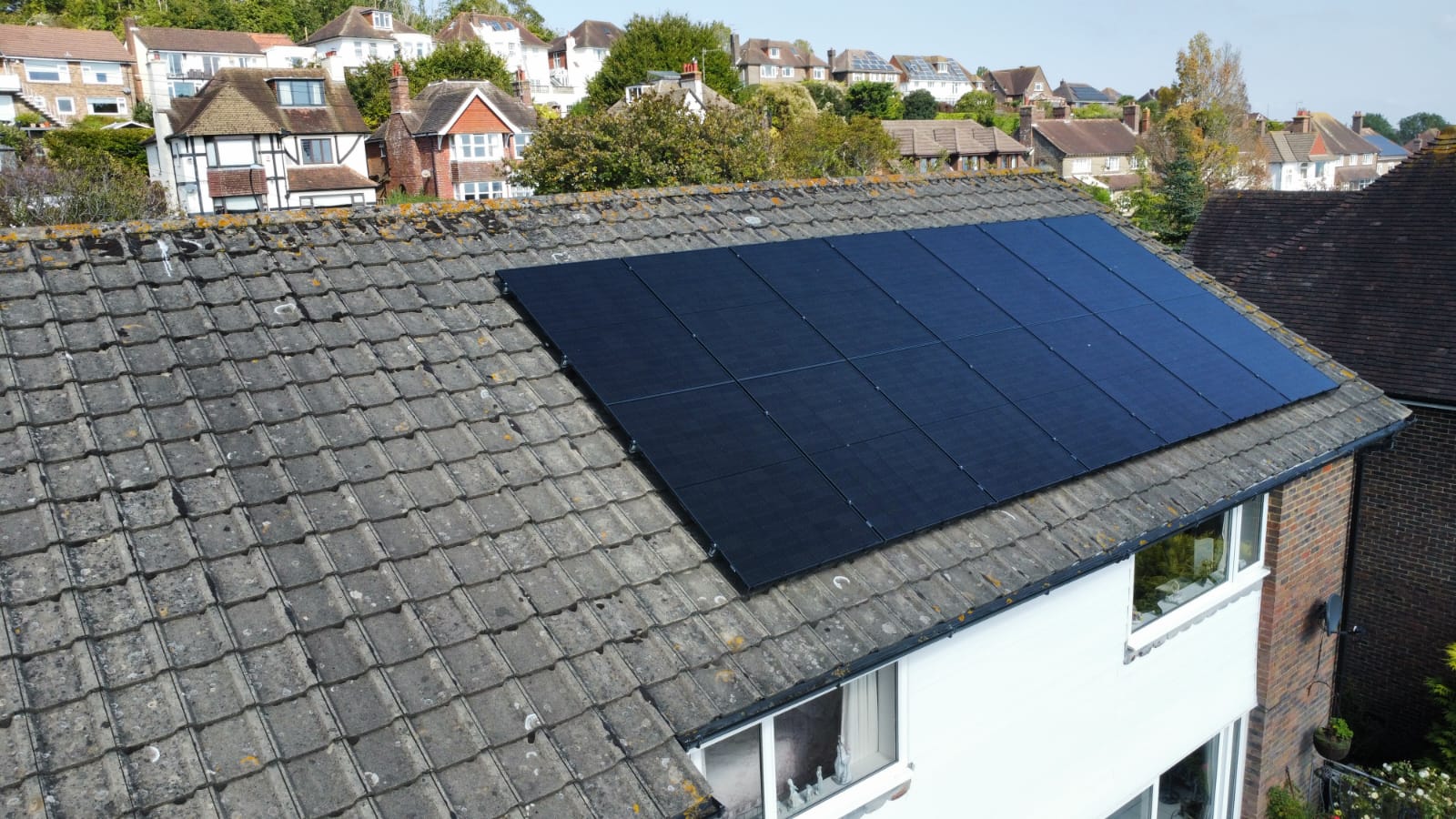
Solar Panel Installation

For many homeowners across Dorset the South Coast and the Midlands the idea of installing solar panels is an appealing step towards lower energy bills and greater sustainability. Yet one concern tends to surface time and again will solar panels damage my roof

It is a fair question. Your roof protects your home from the elements and any suggestion of interference can feel risky. The good news is that when installed correctly by experienced professionals solar panels do not damage your roof. In fact they can often provide an additional layer of protection.

In this guide we will explore how solar panel installation works what risks exist and how they are avoided and why thousands of homeowners are confidently making the switch.

Are Solar Panels Safe for Roofs

In short yes solar panels are safe for roofs when installed properly. Modern systems are designed to integrate seamlessly with a wide range of roofing types including slate tile and composite structures commonly found across the UK.

The key factor is not the panels themselves but the quality of the installation. A well installed system will be secure watertight and structurally sound ensuring your roof remains fully protected for years to come.

Professionally installed solar panels Dorset homeowners rely on are specifically engineered to withstand wind rain and even snow while maintaining the integrity of the roof beneath them.

How Solar Panel Installation Works

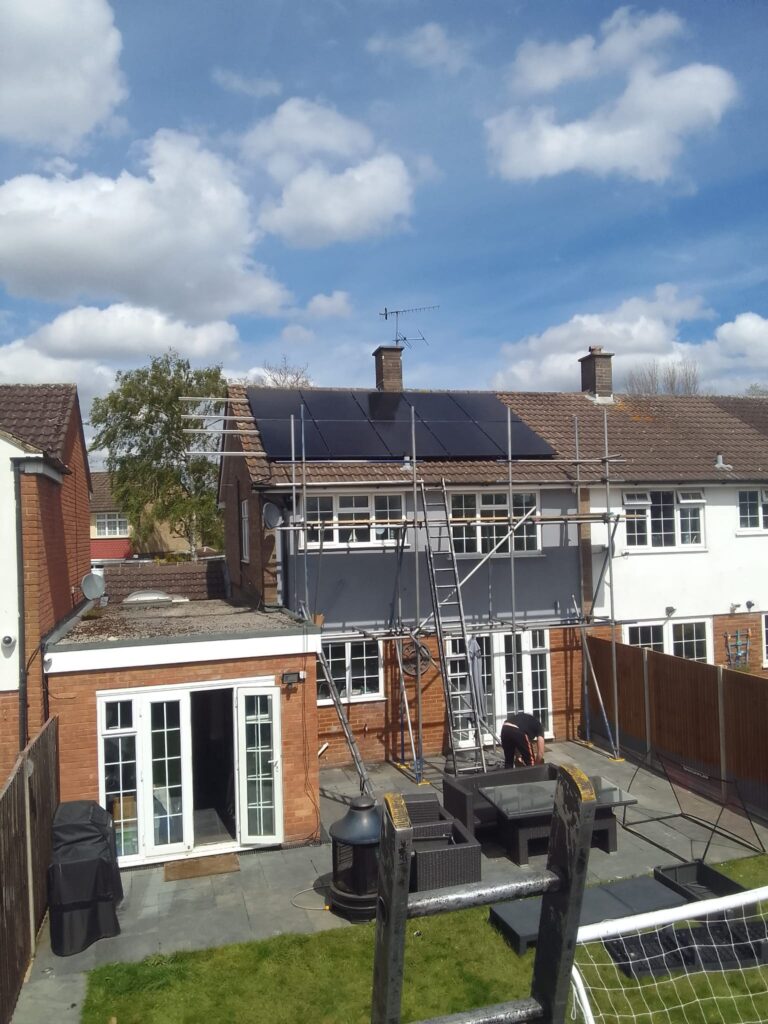
Understanding the process can help put concerns to rest. Solar panel installation does involve fixing mounting brackets to your roof but this is done with precision and care.

Mounting Systems Explained

Installers use specialised mounting systems that are anchored into the roof rafters rather than just the surface tiles. This ensures a strong and stable foundation.

Once secured flashing is added around each fixing point. This is a waterproof barrier that prevents any moisture from entering your home. When done correctly this method is extremely reliable and long lasting.

Minimal Disruption to Roof Structure

Contrary to common belief installers do not remove large sections of your roof. Only small targeted areas are accessed and these are fully sealed once the system is in place.

For homeowners across the South Coast and Midlands this means solar panel installation can be completed efficiently without compromising the structure of the property.

Will Solar Panels Cause Roof Leaks

One of the biggest fears is the risk of leaks. In reality leaks are not caused by solar panels themselves but by poor installation practices.

When installed by qualified professionals using high quality materials leaks are very unlikely. Proper sealing and flashing ensure that water cannot penetrate the roof.

This is why choosing a reputable installer such as My Home Solar is essential. Attention to detail and adherence to best practices make all the difference.

Can Solar Panels Damage Roof Tiles

Another concern is whether panels might crack or dislodge tiles. During installation some tiles may be temporarily lifted to access the rafters but they are carefully replaced or adjusted afterwards.

Experienced installers take great care to avoid unnecessary pressure or damage. In some cases replacement tiles or mounting brackets are used to ensure a perfect fit.

Over time solar panels actually shield the section of roof beneath them from direct exposure to rain wind and UV rays which can help preserve the lifespan of those tiles.

Do Solar Panels Add Weight to Your Roof

Solar panels do add weight but not as much as many people expect. Most systems weigh around 15 to 20 kilograms per square metre which is well within the load capacity of a typical UK roof.

Before installation a professional assessment is carried out to ensure your roof is suitable. This includes checking the structure pitch and overall condition.

For the vast majority of homes in Dorset the South Coast and the Midlands there are no structural concerns at all.

Long Term Impact on Your Roof

Rather than causing damage solar panels can actually have a positive long term effect on your roof.

Protection from the Elements

Panels act as a barrier against harsh weather reducing wear and tear on the roof surface beneath them. This can slow down natural ageing and help extend the life of your roofing materials.

Reduced Temperature Fluctuations

By absorbing sunlight solar panels can reduce temperature extremes on your roof which may help prevent expansion and contraction over time.

Easier Maintenance in Some Areas

The covered sections of your roof often require less maintenance since they are not exposed to direct rainfall and debris.

Common Myths About Roof Damage and Solar Panels

Let us clear up a few widespread misconceptions.

Myth Solar Panels Drill Holes Everywhere

In reality only a small number of carefully positioned fixings are used and these are fully sealed.

Myth Solar Panels Cause Leaks Over Time

Leaks are almost always the result of poor workmanship not the panels themselves.

Myth Solar Panels Weaken Your Roof

A properly assessed and installed system does not weaken your roof in any way.

Myth You Cannot Remove Them Without Damage

Solar panels can be safely removed or upgraded by professionals without harming your roof.

Choosing the Right Installer Matters

If there is one takeaway it is this the quality of your installer is everything.

Working with an experienced company such as My Home Solar ensures that every stage from initial assessment to final installation is handled with care and precision.

Their expertise across solar panels Dorset South Coast and Midlands installations means your roof is in safe hands from the outset.

Frequently Asked Questions

Will solar panels damage an old roof

If your roof is in poor condition it may need repairs before installation. A professional survey will confirm this.

Are solar panels safe for slate roofs

Yes with the correct mounting system solar panels can be safely installed on slate roofs.

Can solar panels make my roof last longer

In many cases yes as they protect the covered area from weather exposure.

Do I need planning permission

Most residential installations fall under permitted development but it is always best to check local guidelines.

What happens if my roof needs repairs later

Panels can be removed and reinstalled by professionals if roof work is required.

Final Thoughts

So will solar panels damage your roof The answer is no not when they are installed properly.

With the right expertise careful installation and quality materials your roof remains secure watertight and structurally sound. In fact solar panels can even help protect it over time.

For homeowners across Dorset the South Coast and the Midlands this means you can move forward with confidence knowing your investment is both safe and beneficial.

If you are considering solar energy and want clear honest advice My Home Solar is always ready to help you explore your options at your own pace.

What Is a Solar Price Promise and How Can It Save You Money?

Energy Prices

With energy prices in the United Kingdom continuing to fluctuate, more homeowners across Dorset are turning to solar power as a reliable and cost effective solution. Yet one question often arises before making the investment. How can you be certain the price you are quoted today will not increase tomorrow?

This is where the concept of a solar price promise becomes particularly valuable. It offers clarity, reassurance, and financial protection in an industry where costs can vary. In this article, we explore what a solar price promise is, how it works, and how it can ultimately help you save money over time.

Learn More

What Is a Solar Price Promise?

A solar price promise is a commitment from a solar provider that the price quoted for your solar installation will remain fixed for a defined period. In essence, it protects you from unexpected price increases between the initial quote and the final installation.

In a market influenced by supply chains, material costs, and labour availability, prices can change. A solar price promise removes that uncertainty. Once your quote is agreed, you can proceed with confidence, knowing that the cost will not suddenly rise.

For homeowners in Dorset, where demand for solar panels in places such as Bournemouth, Poole, and Dorchester continues to grow, this kind of transparency is becoming increasingly important.

Speak to an Expert

How Does It Work in the United Kingdom?

In the United Kingdom solar industry, pricing can be influenced by several factors. These include equipment costs, availability of components, and even seasonal demand. Without a pricing guarantee, a quote may only be valid for a short period.

A solar price promise typically works in the following way:

  • You receive a detailed quote based on your property and energy needs
  • The provider guarantees that price for a set timeframe
  • Your installation is completed within that agreed cost

This approach ensures that you are not exposed to sudden changes in the solar installation cost in the UK. It also reflects a provider’s confidence in their pricing structure and supply chain stability.

Why a Solar Price Promise Matters

For many homeowners searching for solar companies near me, the decision often comes down to trust. A solar price promise is not just about numbers. It is about transparency and reliability.

Protection Against Rising Costs

Energy and material costs can rise with little warning. A fixed solar pricing agreement ensures that you are not affected by these fluctuations once you have committed.

Budget Certainty

Home improvements require careful financial planning. Knowing the exact cost upfront allows you to budget effectively without the fear of unexpected expenses.

Long Term Financial Confidence

Solar is a long term investment. By securing your installation cost at the outset, you can more accurately calculate your future solar savings and return on investment.

Book in Today

How a Solar Price Promise Can Save You Money

At first glance, a pricing guarantee may seem like a simple reassurance. In reality, it can lead to significant financial benefits.

Consider a homeowner in Bournemouth exploring solar panels Dorset options. They receive a quote and delay their decision by several weeks. During that time, equipment costs rise due to increased demand. Without a price promise, their installation could become more expensive.

With a solar price promise in place, however, that original quote would still stand. The homeowner avoids the increase entirely.

Similarly, in areas such as Poole and Dorchester, where interest in solar panels continues to rise, locking in a price early can protect against future market shifts.

Over time, this stability contributes directly to your overall solar savings, allowing you to maximise the value of your investment.

Common Misconceptions About Solar Pricing

Despite its advantages, there are still some misunderstandings surrounding solar pricing and guarantees.

Prices Are Always Fixed

Not all solar quotes are fixed. Without a clear agreement, prices can change. It is essential to confirm whether a solar price promise is included.

Cheaper Quotes Offer Better Value

A lower initial quote may not always represent better value, particularly if it lacks price protection. Unexpected increases can quickly outweigh any initial savings.

All Providers Offer the Same Guarantees

There can be significant differences between providers. Some may offer clear and transparent pricing, while others may not provide any guarantee at all.

Choosing the Right Solar Provider

When considering solar panels in Dorset, selecting the right provider is just as important as choosing the system itself.

A reputable company will offer:

  • Transparent and detailed quotations
  • Clear communication throughout the process
  • Confidence in their pricing through a solar price promise

Working with a trusted local specialist such as My Home Solar means you benefit from experience, regional knowledge, and a commitment to customer satisfaction. Local expertise is particularly valuable when designing systems suited to properties in Bournemouth, Poole, and Dorchester.

The Growing Demand for Solar in Dorset

The rise in energy awareness has led to increased demand for solar panels across Dorset. Homeowners are recognising the advantages of reducing reliance on traditional energy sources while lowering long term costs.

With this growth, however, comes greater pressure on supply chains and installation schedules. A solar price promise becomes even more important in ensuring that your investment remains protected during periods of high demand.

Is a Solar Price Promise Right for You?

For most homeowners, the answer is yes. If you value certainty, transparency, and financial control, a solar price promise provides a clear advantage.

It allows you to move forward with confidence, knowing that your solar installation cost in the UK will not be affected by external factors once agreed.

Speak to a Local Expert

If you are considering solar panels in Dorset and want to understand your options, speaking with a knowledgeable local provider is the best place to start.

My Home Solar offers guidance tailored to your property, helping you explore how solar can work for your home while ensuring clarity at every stage. If you would like to learn more or arrange a consultation, their team will be happy to assist you.

Error: Contact form not found.

Frequently Asked Questions

What is a solar price promise?

A solar price promise is a guarantee that the quoted cost of your solar installation will remain fixed for a specific period.

Can solar installation costs change in the UK?

Yes, without a pricing guarantee, costs can fluctuate due to changes in materials, demand, and labour.

How much can I save with solar panels?

Savings vary depending on your energy usage and system size, but solar panels can significantly reduce electricity bills over time.

Are solar panels worth it in Dorset?

Yes, Dorset receives sufficient sunlight to make solar panels an effective and worthwhile investment for many properties.

How do I choose a reliable solar company?

Look for transparent pricing, strong customer reviews, and clear communication. A solar price promise is also a strong indicator of reliability.

What Happens If I Move House After Installing Solar Panels

Moving House

Moving house is often an exciting step, whether you are upsizing, downsizing, or simply relocating for a change of scenery. However, if you have already invested in solar panels for your home, it is natural to wonder what happens next. Do the panels stay, can they be moved, and will they affect the sale of your property?

For many homeowners across Dorset, Bournemouth, Poole and Christchurch, this is a common and important question. Understanding your options will help you make an informed decision that protects both your investment and your future energy savings.

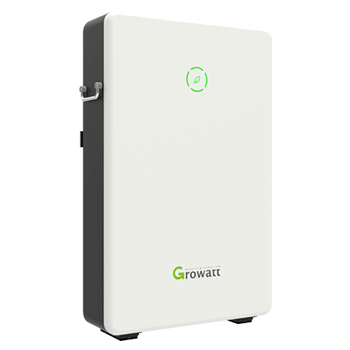
solar growatt battery

Do Solar Panels Stay With the Property

In most cases, solar panels are considered part of the property and are therefore included in the sale. This is especially true for roof mounted systems, which are physically attached and integrated into the structure of the home.

When selling a property with home solar energy panels, the expectation is that the system will transfer to the new owner. This can actually be a strong selling point. Buyers are increasingly interested in solar panels for home UK properties due to rising energy costs and a growing awareness of sustainability.

However, it is essential to clarify ownership. If the system was purchased outright, the transfer is straightforward. If it was financed or installed under a lease agreement, additional steps may be required before completion of the sale.


Can You Take Solar Panels With You When You Move House

While it is technically possible to remove solar panels and reinstall them at a new property, this is rarely the most practical option.

The process involves:

  • Professional removal of the panels and mounting system
  • Electrical disconnection and safe transport
  • Reinstallation and system configuration at the new property

This can be costly and may not always be compatible with your new home. Roof orientation, structure, and shading all influence how effective solar panels for your home will be in a new location.

In many cases, the cost of removal and reinstallation outweighs the benefits. Instead, homeowners often choose to leave the system in place and invest in a new installation at their next property.


How Solar Panels Affect Property Value

One of the most reassuring aspects of installing solar panels is their potential to increase property value. Studies suggest that homes with solar panels can sell for a premium, particularly when the system is owned outright.

For buyers searching for solar companies near me, properties with existing systems offer immediate energy savings and reduced installation hassle. This makes them more attractive in a competitive housing market.

Key benefits that appeal to buyers include:

  • Lower electricity bills
  • Reduced carbon footprint
  • Energy independence
  • Modern, future ready infrastructure

High quality components such as Canadian Solar panels, Q Cells modules, or a Fronius solar inverter can further enhance perceived value, as buyers recognise trusted brands and reliable performance.

Growatt 6.5k battery

What Happens to Feed In Tariffs and Agreements

If your system is registered under the Feed in Tariff scheme or a similar energy agreement, this can usually be transferred to the new homeowner.

The process typically involves notifying your energy supplier and providing details of the new owner. Once transferred, the new homeowner will continue to receive payments for excess electricity exported to the grid.

It is important to keep all documentation organised, including installation certificates and warranty information, to ensure a smooth transition.


What About Solar Batteries and Inverters

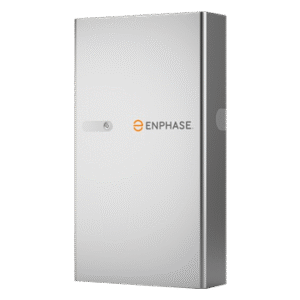
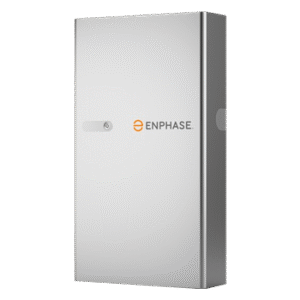
Modern solar systems often include advanced components such as a Growatt battery, Enphase Energy microinverters, or SolarEdge systems. These technologies play a crucial role in energy efficiency and system performance.

When selling your home, these components are usually included as part of the overall system. Their presence can enhance the appeal of your property, particularly for buyers interested in energy storage and smart energy management.

Battery systems allow homeowners to store excess energy for use in the evening, which is a significant advantage. For this reason, properties equipped with battery storage are often seen as more desirable.


Should You Sell Your House With Solar Panels

For most homeowners, the answer is yes. Selling a property with solar panels for your home is often the simplest and most financially sensible option.

Advantages include:

  • Increased buyer interest
  • Potential for a higher sale price
  • No removal or reinstallation costs
  • A smoother and quicker sale process

In areas such as Dorset, Bournemouth, Poole and Christchurch, demand for energy efficient homes continues to grow. Solar panels can set your property apart and attract environmentally conscious buyers.

What Should Buyers Look For

If you are purchasing a property with solar panels, there are several key factors to consider.

These include:

  • Ownership status of the system
  • Age and condition of the panels
  • Warranty coverage
  • Type of inverter such as Enphase or SolarEdge
  • Presence of battery storage such as a Growatt battery
  • Performance history and energy output

Understanding how do solar power work and how the system integrates with the property will help buyers make a confident decision.

s It Better to Install New Solar Panels at Your Next Home

If you are moving house, installing a new system at your next property may offer greater long term benefits.

A new installation allows you to:

  • Optimise panel placement for maximum efficiency
  • Choose the latest technology such as Canadian Solar panels or Q Cells
  • Integrate modern battery storage solutions
  • Tailor the system to your energy needs

For those considering both residential and business solar panel solutions, starting fresh at a new property can provide greater flexibility and performance.


Conclusion

Moving house after installing solar panels does not need to be complicated. In most cases, the panels will remain with the property, adding value and appeal for prospective buyers.

While it is possible to take your system with you, the costs and practical challenges often make this less desirable. Instead, many homeowners choose to leave their existing system in place and invest in a new, optimised installation at their next home.

With the right approach, solar panels can enhance your property sale while setting you up for continued energy savings in the future.

Error: Contact form not found.


Frequently Asked Questions

Do I have to leave my solar panels when I move house

In most cases, yes. Solar panels are usually considered part of the property and included in the sale.

Can solar panels increase the value of my home

Yes, many studies show that homes with solar panels can achieve a higher sale price due to energy efficiency benefits.

Can I transfer my Feed in Tariff to a new owner

Yes, Feed in Tariff agreements can typically be transferred to the new homeowner with the correct documentation.

Is it worth removing solar panels before selling

Generally no. Removal can be costly and may reduce the overall appeal of your property.

What happens to my solar battery when I sell

Battery systems such as a Growatt battery are usually included in the sale and can increase buyer interest.