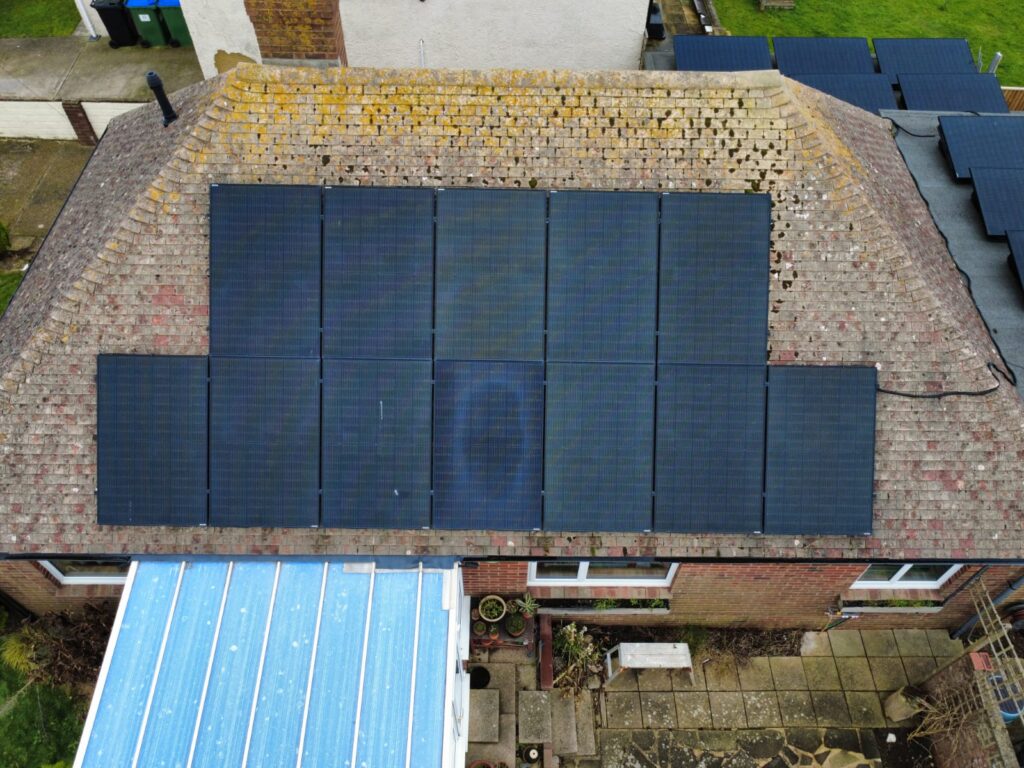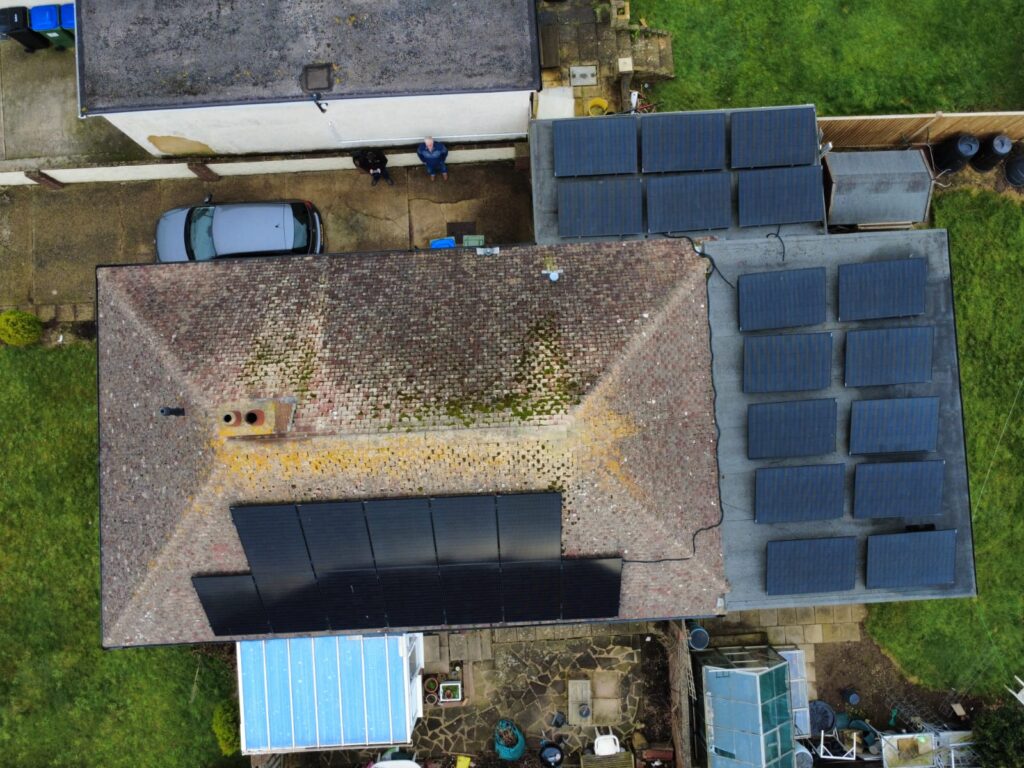
Will Every Home Have a Solar Battery by 2030?

Renewable Technology

The way we power our homes is changing at a remarkable pace. Not long ago, solar panels were viewed as a niche investment, often associated with environmentally conscious homeowners willing to embrace new technology. Today, solar energy has become increasingly mainstream, driven by rising electricity costs, growing environmental awareness and advances in renewable technology.

Alongside the rapid growth of solar panel installations, another innovation is quietly transforming the energy landscape: the solar battery.

Across Dorset and the wider United Kingdom, homeowners are beginning to recognise that generating electricity is only part of the equation. Storing that electricity for use when it is needed most can dramatically improve energy independence, reduce reliance on the National Grid and maximise the value of every kilowatt generated.

This raises an intriguing question. Will every home have a solar battery by 2030?

While predicting the future is never straightforward, there are compelling reasons to believe that home battery storage could become one of the defining features of modern homes over the next decade.

What Is a Solar Battery and Why Are More Homeowners Installing One?

A solar battery stores surplus electricity generated by solar panels during daylight hours. Rather than exporting unused energy back to the grid, homeowners can retain that electricity and use it later in the evening or during periods of low solar generation.

This simple concept offers significant benefits.

A solar battery allows homeowners to:

  • Use more of their self generated electricity
  • Reduce dependence on energy suppliers
  • Lower household energy bills
  • Protect against rising electricity prices
  • Maintain power during certain grid interruptions

For many households in Bournemouth, Poole, Christchurch and across Dorset, battery storage has become the natural next step after installing solar panels.

As energy prices remain unpredictable, homeowners are increasingly seeking greater control over their energy consumption. A solar battery provides precisely that.

How Popular Are Solar Batteries in the UK Today?

Although solar panels have enjoyed widespread adoption for many years, battery storage remains at an earlier stage of market growth.

However, the pace of adoption is accelerating rapidly.

Industry data suggests that battery storage installations are growing year on year as homeowners seek to maximise the return on their solar investment. Improvements in battery technology, coupled with increasing awareness of energy security, have encouraged many households to consider battery storage sooner rather than later.

The popularity of systems such as the Tesla Powerwall and Qcells Battery has also helped bring battery storage into the mainstream. These products have demonstrated that modern batteries can be reliable, efficient and capable of delivering meaningful savings over the long term.

In areas such as Dorset, where many homeowners are already embracing renewable technologies, battery storage is becoming an increasingly common feature of new solar installations.

What Could Drive Mass Solar Battery Adoption by 2030?

Several powerful forces are likely to shape the future of home battery storage.

Falling Technology Costs

Historically, cost has been one of the biggest barriers to adoption. However, battery prices have steadily declined as manufacturing scales increase and technology improves.

This pattern mirrors the development of solar panels themselves. What was once considered expensive has gradually become more accessible to the average homeowner.

As production volumes continue to rise globally, battery storage systems are expected to become increasingly affordable.

Rising Electricity Prices

One of the strongest drivers of adoption may simply be economics.

When electricity prices rise, the value of stored solar energy rises with them. Homeowners who can generate and store their own electricity become less vulnerable to fluctuations in wholesale energy markets.

This financial incentive is likely to encourage greater uptake throughout the remainder of the decade.

Smarter Energy Management

Modern battery systems are becoming increasingly intelligent.

Many can now monitor household energy usage, weather forecasts and electricity tariffs in real time. This enables homeowners to charge and discharge batteries at optimal moments, maximising savings and efficiency.

As artificial intelligence and smart home technology continue to evolve, battery systems will become even more effective.

National Net Zero Targets

The United Kingdom has committed to ambitious carbon reduction goals.

Achieving these objectives will require widespread adoption of renewable energy technologies, including solar energy storage.

As policymakers continue to pursue Net Zero targets, battery storage is likely to play a critical role in balancing electricity demand and supporting a cleaner energy system.

Could Every UK Home Realistically Have a Solar Battery by 2030?

The short answer is probably not.

The more nuanced answer is that battery storage could become commonplace in a significant proportion of homes.

Several factors support this view.

New build properties are increasingly incorporating renewable technologies from the outset. Solar panels are becoming more common on modern developments, and battery storage may eventually follow a similar trajectory.

Consumer awareness is also increasing. Many homeowners who install solar panels today already enquire about battery storage during the consultation process.

Furthermore, improvements in battery performance and reductions in cost are making these systems increasingly attractive from a financial perspective.

However, universal adoption remains unlikely within the next few years.

The United Kingdom contains a diverse housing stock. Some properties are better suited to solar installations than others. Financial circumstances also vary considerably between households.

While solar batteries may not be present in every home by 2030, they could become as familiar and widely accepted as double glazing, loft insulation or electric vehicle charging points.

What Are the Main Barriers to Widespread Solar Battery Installation?

Despite the growing momentum behind battery storage, several challenges remain.

Upfront Investment

Although costs are gradually falling, battery systems still require a significant initial investment.

For some households, the financial commitment may delay adoption even when long term savings are attractive.

Property Suitability

Not every property is ideally suited to solar generation.

Roof orientation, shading and available installation space can all influence the effectiveness of a solar and battery system.

Consumer Awareness

Many homeowners remain unfamiliar with the benefits of battery storage.

While awareness is growing, there is still a need for education regarding the financial and environmental advantages these systems can deliver.

Policy and Regulatory Changes

Government incentives and energy policies can significantly influence consumer behaviour.

Future regulatory decisions may either accelerate or slow adoption depending on how support mechanisms evolve over the coming years.
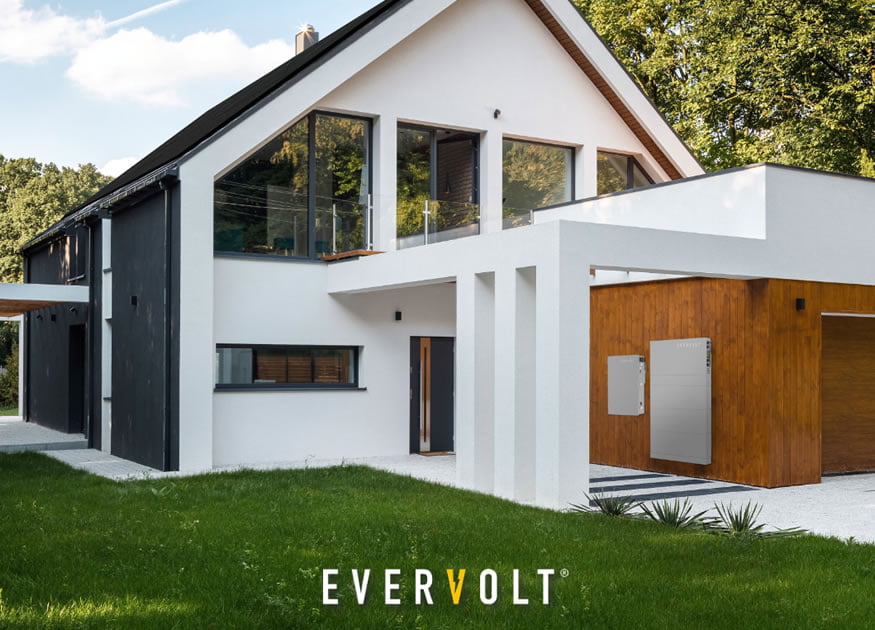
Which Solar Battery Systems Are Leading the Market?

Several battery technologies currently stand out.

Tesla Powerwall

The Tesla Powerwall is perhaps the most recognised residential battery system available today.

Known for its sleek design, substantial storage capacity and intelligent energy management features, it has become a popular choice among homeowners seeking premium performance.

Qcells Battery

The Qcells Battery has earned a strong reputation for reliability, efficiency and integration with solar energy systems.

Many homeowners appreciate its balance between performance and value, making it an increasingly attractive option for domestic installations.

Emerging Technologies

Battery innovation continues at pace.

Manufacturers are exploring new chemistries, improved storage capacities and longer lifespans. These advancements are likely to make future systems more efficient, more durable and more affordable.

For homeowners evaluating battery options, factors such as storage capacity, warranty coverage, efficiency ratings and installer expertise should all be considered carefully.

What Should Homeowners Do Today?

Waiting for future technological breakthroughs is understandable, but it may not always be the most financially sensible approach.

Many homeowners can already benefit significantly from battery storage today.

If you are considering a solar battery, it is worth taking the following steps:

  • Assess your current electricity usage
  • Evaluate your property’s suitability for solar generation
  • Explore available battery technologies
  • Seek professional advice from experienced installers
  • Calculate potential long term savings

For homeowners in Dorset, Bournemouth, Poole, Christchurch and surrounding areas, a professional assessment can provide valuable insight into whether battery storage represents a worthwhile investment.
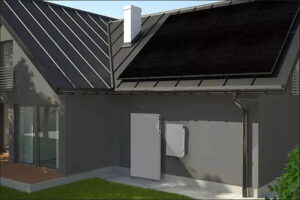
panasonic battery

Conclusion

Will every home have a solar battery by 2030?

Probably not.

However, the direction of travel is unmistakable.

As battery costs continue to fall, technology improves and energy prices remain a concern, home battery storage is likely to become increasingly common throughout the United Kingdom.

Much like solar panels themselves, battery systems are moving from early adoption towards mainstream acceptance. For many households, the question is no longer whether battery storage is worthwhile, but when the right time to invest will be.

At My Home Solar, we help homeowners across Dorset make informed decisions about solar panels, battery storage and renewable energy solutions. If you would like expert guidance on whether a solar battery is right for your property, contact our team today for a free consultation and personalised quotation.

How Do Growatt Batteries Handle Power Cuts Compared to Tesla?

Why Backup Power Matters in the UK

For many UK homeowners and businesses, reliable electricity is something we take for granted—until a power cut hits. Sudden outages can disrupt everything from cooking and heating to running essential office equipment. As more households adopt renewable energy, the question is no longer just about generating power, but also about storing it and ensuring it is available when the grid fails. That is where solar batteries come in.

At My Home Solar Dorchester, we often hear from customers who want to know which battery system performs best in a blackout. Two names consistently come up: the Growatt battery and the Tesla Powerwall. Both promise dependable backup power, but how do they actually handle an outage? And how do other solutions like Panasonic Evervolt or SunPower Maxeon 7 compare? Let’s take a closer look.

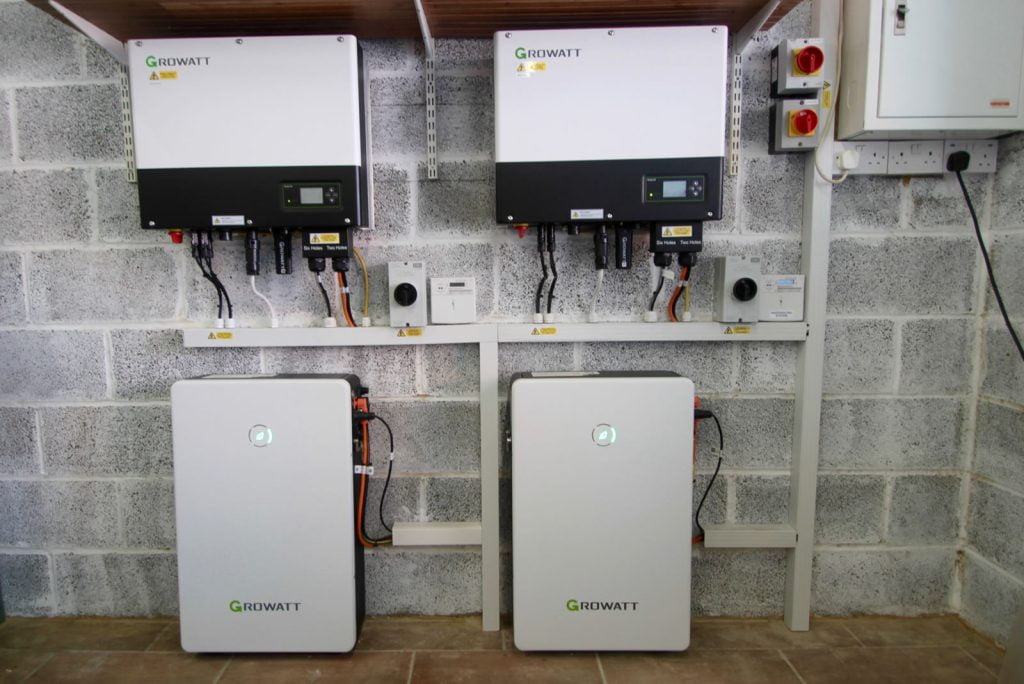
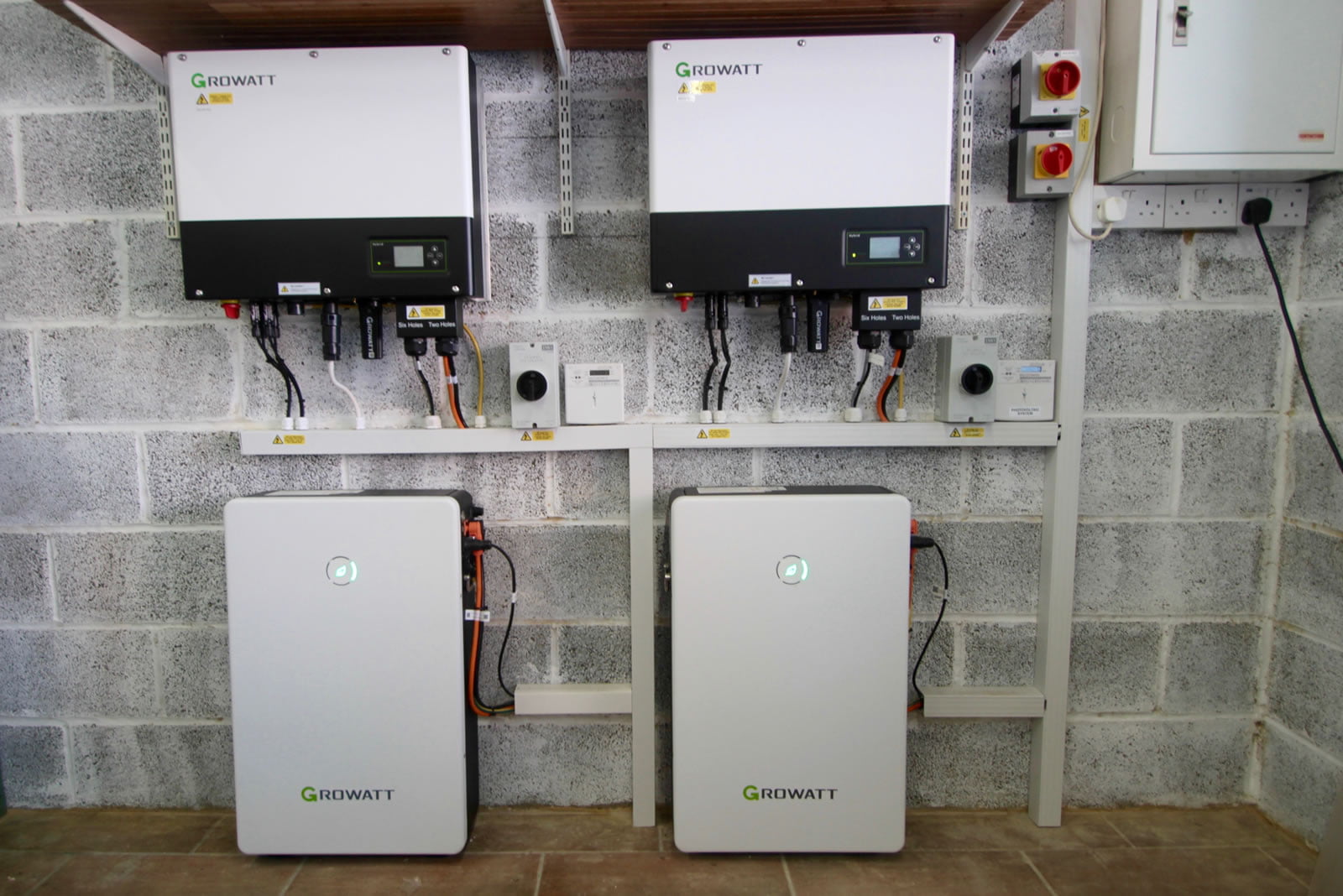
Growatt solar battery system installed in a residential Dorset property

The Growatt Battery: A Practical Backup Choice

Growatt has built a strong reputation in the UK market for offering affordable and reliable solar storage solutions. Growatt batteries are designed for flexibility, allowing homeowners to add capacity as their needs grow.

When it comes to power cuts, the Growatt system responds quickly. It is built with automatic switchover technology that kicks in as soon as the grid goes down. For most households, the changeover happens so smoothly that lights and appliances continue to run with minimal disruption.

Key features of Growatt batteries:

  • Modular capacity, making it easy to expand storage over time
  • Fast response during outages
  • Solid compatibility with a wide range of solar panels, including premium options like SunPower Maxeon 7
  • A user-friendly monitoring app to track performance and usage

The Growatt battery is often chosen by families who want peace of mind during a power cut without paying a premium price. It might not have the brand recognition of Tesla, but it has proved itself in day-to-day UK conditions.

growatt battery

Tesla Powerwall: The Premium Backup

Tesla’s Powerwall is one of the most recognised names in solar storage worldwide. In the UK, it has become a benchmark for performance. The system is sleek, compact, and packed with advanced features.

During a power cut, the Tesla Powerwall switches to backup mode almost instantly. This near-seamless transition ensures that sensitive electronics, from laptops to Wi-Fi routers, are not interrupted. The Powerwall also has a higher storage capacity than many competitors, meaning it can keep a household running longer during extended outages.

Key features of Tesla Powerwall:

  • High storage capacity for larger energy demands
  • Virtually seamless switchover during blackouts
  • Smart integration with Tesla’s app for monitoring and control
  • Scalability for homes or businesses that need multiple units
  • Long warranty and strong global brand reputation

The main drawback is cost. Tesla sits at the higher end of the market, and while the performance is excellent, it may be more than some households need.

Canadian Solar inverters

Growatt Battery vs Tesla: Head-to-Head

So how do these two systems compare in real-world power cut situations?

Reliability and Switchover Speed

  • Both systems are quick to react, but Tesla has the edge with near-instant switchover. Growatt is slightly slower but still reliable enough that most homeowners will not notice much difference.

Storage Capacity

  • Tesla offers larger single-unit capacity, which makes it ideal for homes with high energy demand. Growatt can match capacity through modular expansion, but this requires additional units.

Compatibility with Solar Panels

  • Both integrate well with different solar panel brands. Growatt works particularly smoothly with systems like SunPower Maxeon 7 and other high-efficiency panels. Tesla has broader integration but often requires installers certified through their network.

Backup Duration

  • In an extended outage, Tesla can provide longer-lasting power thanks to higher capacity. Growatt is better suited to short-to-medium blackouts unless expanded with extra batteries.

Warranty and Longevity

  • Tesla offers a strong warranty backed by global brand presence. Growatt also provides solid warranties, though they may vary depending on the model.

General Cost Positioning

  • Tesla is the premium option, often double the investment of a comparable Growatt setup. Growatt appeals to cost-conscious households who still want dependable backup.
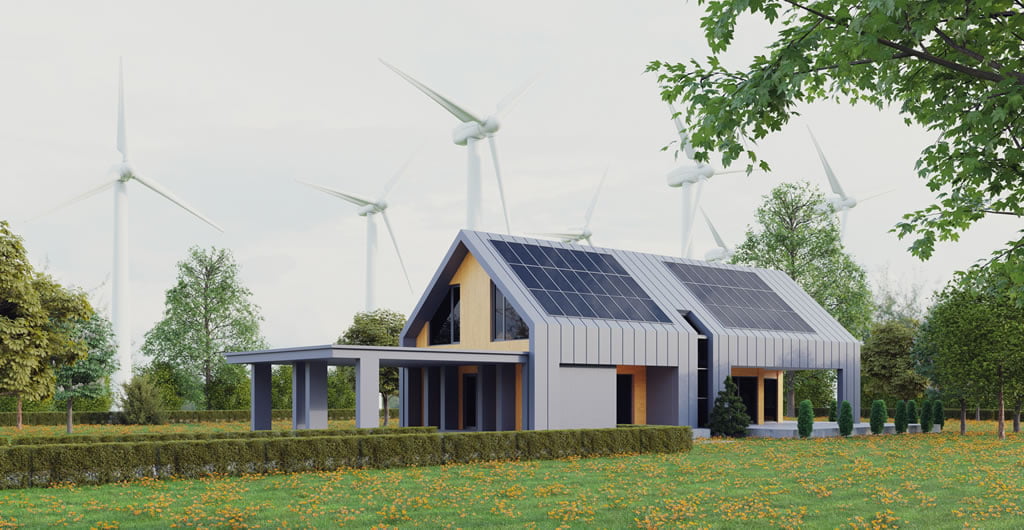
Modern eco house with solar panels and windmills to use alternative energy.

Pros and Cons of Growatt and Tesla in Power Cuts

Growatt Pros:

  • Affordable entry point
  • Modular design allows future expansion
  • Reliable performance in outages
  • Compatible with a wide range of panels

Growatt Cons:

May require multiple units for high-demand households

Slightly slower switchover than Tesla

Tesla Pros:

  • Near-instant switchover
  • Large capacity per unit
  • Strong brand and long-term reliability
  • Advanced monitoring and smart integration

Tesla Cons:

Installation often limited to Tesla-certified partners

Higher upfront cost


Other Solar Storage Options

While Growatt and Tesla dominate the conversation, other systems deserve attention. Panasonic Evervolt is an increasingly popular choice, known for solid efficiency and durability. It offers a balance between performance and cost, making it appealing to UK households that want something in between Growatt and Tesla.

The SunPower Maxeon 7 is not a battery but a solar panel system. When paired with either Growatt or Tesla storage, it delivers exceptional efficiency. For homeowners in Dorchester looking for solar panels Dorchester, the Maxeon 7 stands out as one of the most advanced options, capturing more energy from limited roof space.

By combining premium panels like SunPower Maxeon 7 with a well-matched battery, households can maximise self-sufficiency, reduce reliance on the grid, and ensure resilience during power cuts.


Which Battery is Right for You?

Choosing between a Growatt battery and Tesla Powerwall comes down to your specific needs:

  • Small to mid-sized homes: Growatt is often the smarter choice. It provides solid backup, room for future expansion, and a price that makes solar storage more accessible.
  • Large households or businesses: Tesla Powerwall offers higher capacity and virtually seamless performance. If budget allows, it is the best solution for those who cannot afford downtime.
  • Balanced approach: Panasonic Evervolt offers a middle ground, combining efficiency with dependable backup.

Local Support with My Home Solar Dorchester

At the end of the day, technology is only as good as the team that installs and maintains it. That is where My Home Solar Dorchester comes in. We provide expert guidance on solar panels and battery storage, tailoring solutions to suit individual homes and businesses. Whether you are considering a Growatt battery vs Tesla, or exploring options like Panasonic Evervolt and SunPower Maxeon 7, our team can help you make the right choice.

We are committed to helping Dorset residents cut energy bills, secure backup power, and move towards a cleaner future. With our experience in solar panels Dorchester, we understand the unique needs of local households and businesses.


Powering Through the Next Blackout

Power cuts may be unavoidable, but losing control over your energy does not have to be. Both Growatt and Tesla deliver strong solutions for UK homes, each with unique advantages. Growatt provides practical, cost-effective resilience, while Tesla brings premium performance and longer-lasting power. Add in other options like Panasonic Evervolt and premium panels like SunPower Maxeon 7, and the future of home energy has never looked brighter.

If you want to take control of your power and secure reliable backup, get in touch with My Home Solar Dorchester today. Our team will design a system that keeps your home or business running smoothly, whatever the grid throws your way.

Error: Contact form not found.

How Many Solar Panels Do I Need for My Home Size/Usage?

Introduction

If you’re thinking about going solar, one of the first questions that comes to mind is: “How many solar panels will I actually need to power my home?” It’s a sensible question, and the answer depends on a few key factors.

From cosy two-bed bungalows in Wimborne to larger family homes in Bath, or even seaside cottages in Bournemouth and Bridport, every property is different. The number of panels you need will vary depending on how much electricity you use, how efficient your panels are, and how much roof space you have. Even your location across the South Coast — whether that’s Ferndown, Andover, Corfe Mullen, or Corfe Castle — plays a role, since the amount of sunshine varies slightly across the region.

In this guide, we’ll break it down step by step, so you can get a clear picture of how many panels your home might need and what factors to consider before making the switch.

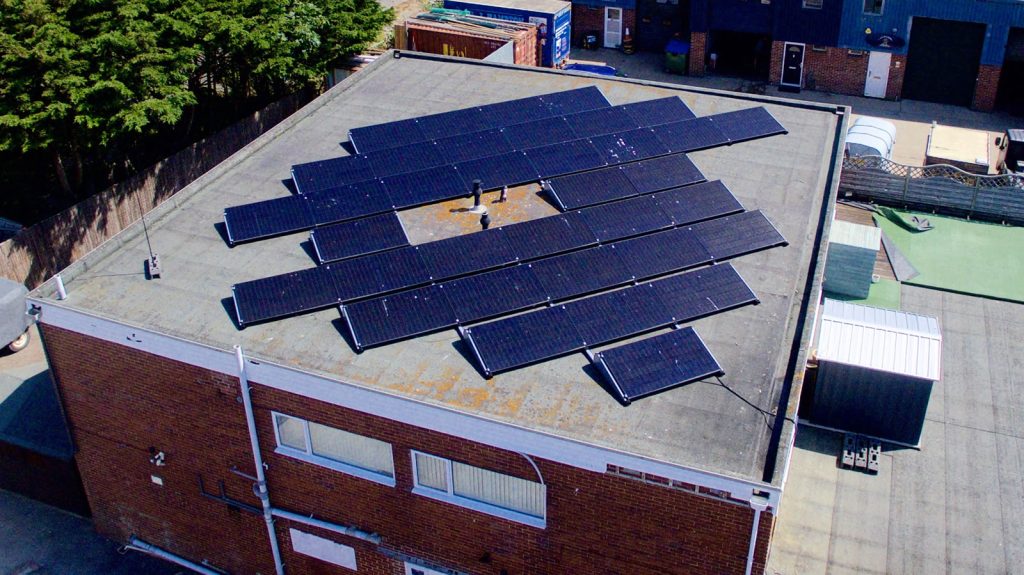
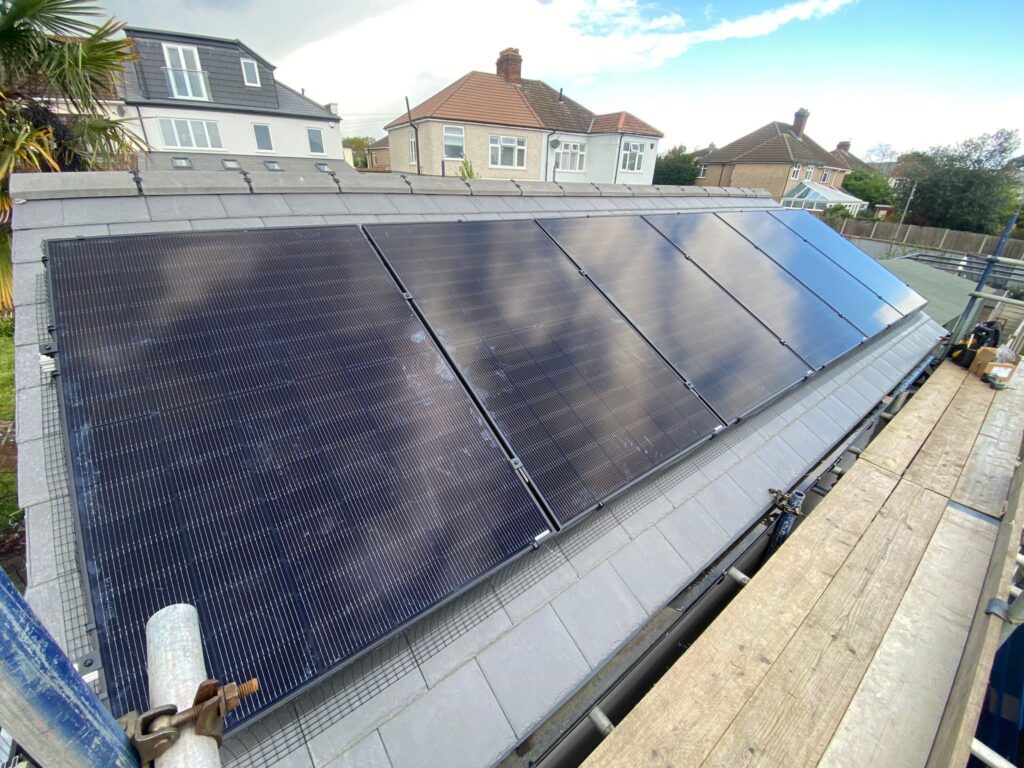
solar panel installation in dorset

What Factors Affect the Number of Solar Panels You Need?

Before we jump into numbers, it’s important to understand what actually determines how many solar panels are right for you.

  1. Your electricity usage
    • The biggest driver is how much energy your household consumes. If you’ve got a large family with lots of appliances, or you work from home and run multiple devices all day, your demand will naturally be higher than a couple who are out most of the day.
  2. Home size
    • Generally speaking, larger homes use more electricity, but it’s not always that simple. A three-bed home in Bournemouth with a family of five will almost certainly use more energy than a four-bed in Bath occupied by just two people.
  3. Solar panel efficiency
    • Not all panels are created equal. Modern panels range between 350W and 420W per panel, meaning some can generate more electricity in the same space. If your roof area is limited, investing in higher-efficiency panels can reduce the number you need.
  4. Roof space and angle
    • A typical solar panel measures about 1.7m x 1m. Roofs with lots of unshaded, south-facing space are perfect, while east- or west-facing roofs may need a few more panels to compensate for reduced exposure.
  5. Your location
    • Sunshine hours matter. Here on the South Coast, we’re lucky to receive more sunshine than the UK average, which means solar panels perform particularly well in places like Ferndown, Wimborne, and Corfe Castle.
solar panel installation in poole

Understanding Electricity Usage

Your electricity bill is the most useful tool for working out how many panels you’ll need. It will show your annual usage in kilowatt hours (kWh).

Here’s a rough guide to average UK household usage:

  • Low usage (1–2 people, small flat or house): around 2,700 kWh/year
  • Medium usage (3–4 people, average 3-bed semi): around 3,500 kWh/year
  • High usage (large family, 4+ people, or EV charging): 4,500–6,000 kWh/year

To put this into perspective:

  • Running a fridge-freezer for a year uses about 400 kWh.
  • A washing machine cycle might use 1–2 kWh.
  • Charging an electric vehicle can add 2,000–3,000 kWh per year to your household usage.

So, if you live in a 3-bed house in Bournemouth and your bill shows 3,500 kWh a year, you’ll need a solar system sized to meet that demand.

solar growatt battery

How Much Energy Does One Solar Panel Produce?

Solar panels don’t all generate the same amount of electricity. It depends on their rating and how much sun they receive.

  • A typical 350W panel will generate about 300–350 kWh per year in the UK.
  • A higher-spec 400W panel may produce closer to 380–420 kWh per year under good conditions.

On the South Coast, homes in Andover, Wimborne, and Bridport enjoy around 1,600–1,700 hours of sunshine annually, which gives panels a performance boost compared to the UK average.

This means:

  • A single 350W panel could cover about 10% of the annual needs of a small home.
  • A set of 10 panels could generate around 3,500 kWh/year, enough for a medium-sized family.
growatt solar panel

Quick Guide: How Many Panels Do Typical Homes Need?

Here’s a breakdown of what different homes might require:

  • 2-Bed Flat or Small House
    • Usage: ~2,700 kWh/year
    • Panels: 8–10 panels (about 3kWp system)
  • 3-Bed Semi-Detached or Terraced Home
    • Usage: ~3,500 kWh/year
    • Panels: 10–12 panels (about 4kWp system)
  • 4-Bed Detached Home
    • Usage: ~4,200–4,500 kWh/year
    • Panels: 12–14 panels (5kWp+ system)
  • Large Family Home (5+ bedrooms, EV charging)
    • Usage: 5,000–6,000+ kWh/year
    • Panels: 15–18 panels (6–7kWp system)

This quick guide shows how panel numbers scale with household demand. If you’re in Ferndown with a medium 3-bed family home, you might need around 10 panels. In contrast, a larger property in Bath with multiple appliances could require 15+.

panasonic evervolt

How Roof Space and Angle Matter

Your roof space can sometimes be the limiting factor.

  • Panel size: Each panel is about 1.7m². A 12-panel system needs around 20m² of space.
  • Roof shape: Continuous areas of roof space are best. Complex rooflines may restrict how many panels fit.
  • Roof orientation:
    • South-facing roofs generate the most electricity.
    • East/west-facing roofs still work well, producing around 80–85% of a south-facing system.
    • North-facing roofs are less efficient and usually avoided unless no other option exists.

For example, a Corfe Castle cottage with a south-facing roof could get maximum output with 10–12 panels, while a shaded terraced house in Andover might need extra panels to achieve the same results.


Local Advantage: Why Dorset and the South Coast Work Well for Solar

Not all regions are equal when it comes to solar potential, and the South Coast is one of the better spots in the UK.

  • More sunshine: Towns like Bournemouth, Bridport, and Wimborne average slightly more hours of sunshine than northern regions.
  • Mild weather: Panels don’t like extreme heat. Our cooler coastal climate actually helps panels run efficiently.
  • Year-round benefit: Even in winter, solar panels generate electricity on cloudy days. A home in Ferndown might generate less in December than July, but across the year, the balance is strong.

For homeowners in Bath, Andover, and Dorset villages like Corfe Mullen, this means your investment pays off more quickly compared to other parts of the UK.


Example Scenarios

Let’s make it practical with some South Coast examples:

  • Family in Bournemouth (3-bed semi)
    • Usage: ~3,500 kWh/year
    • Recommended: 10–12 panels (~4kWp system)
    • Covers nearly 100% of annual usage.
  • Couple in Wimborne (2-bed bungalow)
    • Usage: ~2,800 kWh/year
    • Recommended: 8–10 panels (~3kWp system)
    • Easily covers their needs, with room to store extra in a battery.
  • Large family in Bath (4-bed detached with EV charger)
    • Usage: ~5,500 kWh/year
    • Recommended: 15–16 panels (~6kWp system)
    • Enough to run the home and cover a significant chunk of EV charging.

Frequently Asked Questions

Q: Can solar panels power my entire home?
Yes, in many cases they can. A well-sized system will offset most, if not all, of your annual electricity usage, especially in sunny areas like Bridport and Bournemouth.

Q: Do I need battery storage?
Not strictly, but it helps. A battery lets you store excess electricity generated during the day and use it at night, boosting savings.

Q: What if I add an EV in future?
If you’re planning to buy an electric car, it’s wise to install a slightly larger system now to cover future demand.

Q: How long do panels last?
Most panels are guaranteed for 25–30 years, meaning they’ll continue generating long after they’ve paid for themselves.

solar panels in bournemouth

Conclusion

The number of solar panels you need depends on your energy usage, home size, roof space, and panel efficiency. On average, homes in Dorset and the South Coast need between 8 and 14 panels, though larger properties may need more.

From seaside homes in Bournemouth and Bridport to family houses in Bath, Wimborne, or Corfe Mullen, solar is a smart investment that lowers bills and increases energy independence.

At My Home Solar, we’ll design a system tailored to your home, ensuring you get the right number of panels to match your needs. Whether you’re in Ferndown, Corfe Castle, or Andover, we’re here to help you make the switch to clean, renewable energy.

Contact My Home Solar today for a free home assessment and discover how many panels your home really needs.

Error: Contact form not found.