Solar Thermal: Understanding the Technology and Its Alternatives

At My Home Solar, we believe in providing our customers with comprehensive information to make informed decisions about their renewable energy choices. Solar thermal is one of the many technologies available for harnessing solar energy. In this article, we will delve into the details of solar thermal, its applications, benefits, and also explore an alternative solution that might better suit your energy needs.

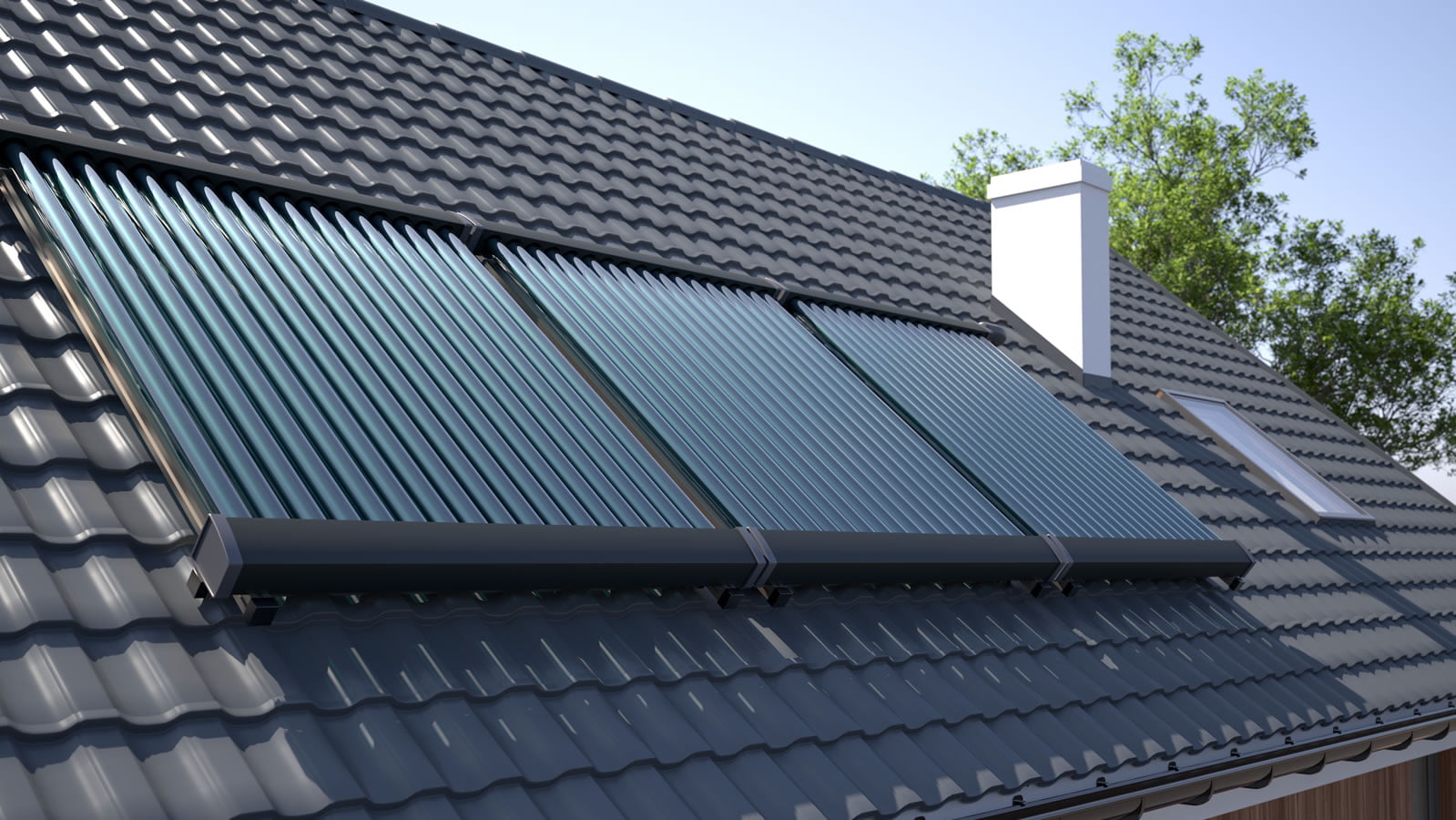
Vacuum solar water heating system on the house roof

Understanding Solar Thermal

Solar thermal technology uses energy from the sun to generate heat. Unlike solar PV panels, which generate electricity, solar thermal systems capture sunlight and convert it into thermal energy.

Solar collectors form a key part of the system. They absorb sunlight and use this energy to produce heat. The system can then use this heat for applications such as hot water, space heating and certain industrial processes.

How Solar Thermal Works

Solar thermal systems use different types of collectors depending on their purpose. For example, homes often use flat plate collectors for water heating. Meanwhile, evacuated tube collectors can provide effective performance in colder conditions. Concentrated Solar Power systems use a different approach and typically operate on a much larger scale.

First, sunlight reaches the surface of the collector. The collector then converts this solar energy into heat. Next, the system transfers the heat to water or another suitable heat transfer fluid.

The system can then store the heated water or fluid for later use. Alternatively, it can use the heat directly. As a result, solar thermal technology provides a practical way to use renewable energy for heating.

Applications of Solar Thermal

Solar thermal technology finds applications in various sectors, offering renewable and sustainable solutions for energy needs. Some common applications include:

Water tap with hot water steam

Domestic Hot Water

Solar water heaters can provide households with an eco friendly and cost effective alternative to conventional water heaters.

Close up of hands holding blue cup of tea or coffee.

Space Heating

Solar thermal systems can be integrated into buildings to provide space heating during colder months.

Solar panels on a residential house

Swimming Pool Heating

Solar pool heaters offer an efficient way to extend the swimming season without increasing energy bills.

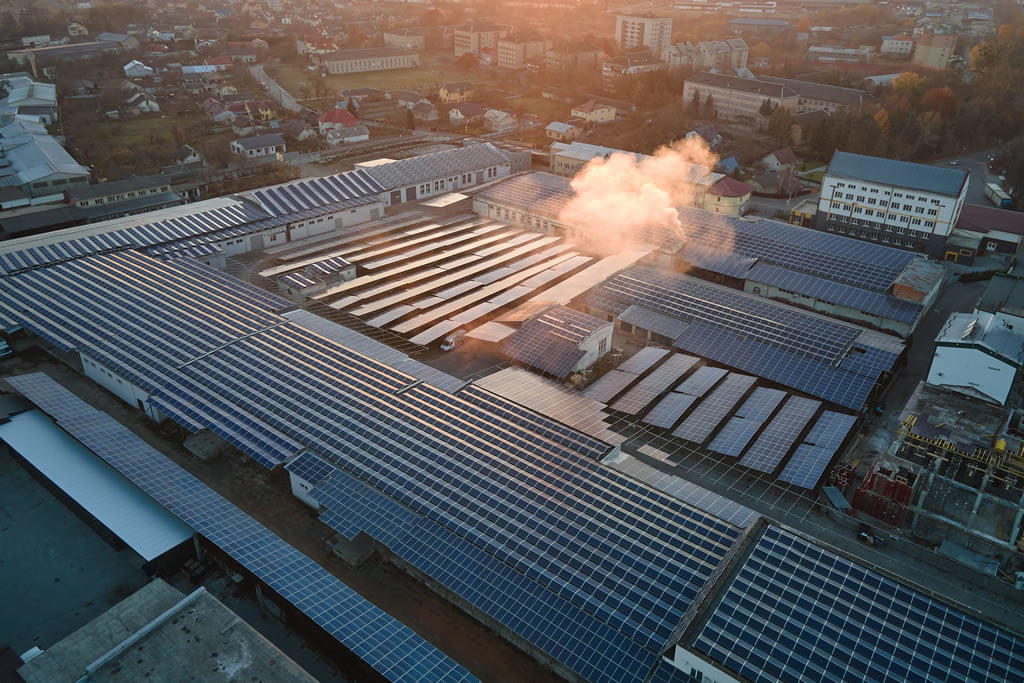
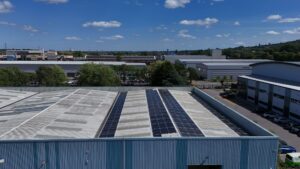
Aerial view of photovoltaic solar panels mounted on industrial building roof for producing green ecological electricity.

Industrial Processes

Industries can also use solar thermal energy for several applications. For example, businesses may use the technology for processes such as food production, water heating and desalination.

Advantages of Solar Thermal

Solar thermal technology offers several benefits for some homeowners and businesses. These include:

Renewable Energy Source: Firstly, solar thermal systems use sunlight to generate heat. Therefore, they provide a renewable alternative to conventional heating methods.

Carbon Footprint Reduction: Furthermore, solar thermal can reduce reliance on fossil fuels. As a result, households and businesses can lower the carbon emissions associated with heating.

Energy Cost Savings: Solar thermal systems can also reduce the amount of energy you need to purchase for heating. Consequently, using solar energy can help lower energy costs over time.

Local Energy Generation: Finally, solar thermal systems generate useful heat directly at the property. This allows homes and businesses to produce renewable energy close to where they use it.

Solar Thermal vs. Solar PV with iBoost

While solar thermal has its benefits, we recommend considering a solar photovoltaic (PV) system combined with an iBoost device for many of our customers. Solar PV generates electricity from sunlight, which can then be used to power your home’s electrical appliances, including your water heater.

Solar iBoost set up
  1. Electricity Generation: Solar PV systems not only produce electricity for immediate use but also offer the potential to export excess electricity back to the grid, earning you potential revenue or credits.
  2. iBoost for Water Heating: By integrating an iBoost device with your solar PV system, you can use excess electricity to heat your water, maximizing your solar energy utilization.
  3. Versatility: Solar PV can power all your electrical needs, from lighting and appliances to electric vehicles, offering a comprehensive energy solution.

Solar thermal technology is a viable option for certain applications, offering renewable and sustainable heating solutions. However, at My Home Solar, we encourage our customers to consider the versatility and benefits of solar PV systems, especially when combined with an iBoost device for efficient water heating. Making an informed choice ensures you get the most out of your renewable energy investment, reducing your carbon footprint and contributing to a greener future.

Why JinkoSolar’s Tiger Neo N-Type Series is a Game-Changer

The Rise of Solar Technology

Solar energy, once a distant dream, has now become a beacon of renewable sources in today’s world. Its meteoric rise has been nothing short of impressive. At the forefront of this movement stands JinkoSolar, a company that continuously pushes the boundaries of innovation. Over recent years, there has been a marked surge in the adoption of solar technology, making it a crucial player in the fight against climate change. JinkoSolar, with its cutting edge products, stands tall in this domain, leading the charge towards a brighter, more sustainable future.

Jinko Solar company building

A Brief Overview of JinkoSolar

Since its establishment in 2006, JinkoSolar has been a shining example of dedication and innovation in the global solar industry. Their unwavering commitment to research and development has birthed products that often surpass industry standards. The Tiger Neo N Type series is a brilliant testament to this relentless pursuit of excellence. Their global presence and reputation for top tier products ensure that they remain a favourite among both industry experts and homeowners.

What Makes Solar Panels Stand Out

Solar panels are more than just sunlight converters, they’re a marvel of human ingenuity. It’s about capturing energy in the most efficient manner, ensuring longevity, and delivering consistent performance regardless of varying environmental conditions. JinkoSolar’s latest offering, the Tiger Neo N Type series, encapsulates all of these attributes, setting a new benchmark in solar technology.

Diving Deep: The Tiger Neo N-Type Series

JinkoSolar’s Tiger Neo N Type series isn’t just another solar product, it’s a revolution. Equipped with state of the art technology and boasting impressive features, it promises to reshape the solar energy landscape. This series marries advanced technical specifications with tangible benefits, making it an attractive proposition for homeowners globally. It’s efficient, durable, and adaptable, ensuring an unparalleled solar experience.

Technical Aspects and Advancements

The Tiger Neo N Type panels impress with an efficiency of up to 21.37%. This remarkable figure is a direct result of JinkoSolar’s innovative techniques, blending multi busbar technology with advanced cell designs. The panels are designed to maximise light absorption, ensuring every sunbeam is utilised. Furthermore, the enhanced temperature coefficient promises consistent performance across a range of climatic conditions.

Jinko Solar panel technology

Benefits Over Other Solar Panels

The Tiger Neo N Type series offers homeowners benefits that many other panels simply can’t match. A standout feature is its reduced degradation rate, ensuring households enjoy consistent energy yields year after year. Backed by a 30-year linear power warranty, JinkoSolar’s confidence in their product is evident. For homeowners, this translates to a product that promises both reliability and longevity.

The Environmental Impact

In a world where the environment is a central concern, the move to renewable energy has never been more crucial. The Tiger Neo N Type series is more than just a piece of technology, it’s a leap towards a sustainable future. Each installed panel contributes to a reduction in carbon footprint, heralding a cleaner, greener tomorrow. JinkoSolar’s innovations reflect their commitment to both the consumer and the planet.

Carbon Footprint Reduction

Choosing the Tiger Neo N Type series aligns with a vision of reducing fossil fuel dependence. Each kilowatt hour generated by these panels equates to less coal burned and fewer greenhouse gases emitted. JinkoSolar is at the forefront of this green revolution, championing the shift towards sustainable energy sources. As homeowners become increasingly environmentally conscious, the move to solar energy becomes not just an option, but a duty.

Contribution to Sustainable Energy

Efficiently harnessing the sun’s power goes beyond technological advancements, it’s a promise to future generations. The Tiger Neo N Type series, with its groundbreaking features, assures us of tapping into a lasting energy source. As the world grapples with climate change, products like the Tiger Neo N Type series shine as beacons of hope.

Economic Implications

The economic perks of transitioning to solar energy are numerous. While the initial installation might come with costs, the long term savings and benefits dwarf this investment. JinkoSolar’s Tiger Neo N Type series not only promises environmental advantages but significant economic gains as well. With fluctuating energy prices, the stability and cost effectiveness of solar energy, especially from efficient panels like the Tiger Neo N Type, stand out.

Cost-Effectiveness of Tiger Neo N-Type

The Tiger Neo N Type series, combining impressive efficiency and longevity, presents a compelling economic case. While the initial outlay might appear significant, the long term savings on electricity bills and minimal maintenance costs make it a wise investment. View it as a long term commitment that offers tangible returns while also fostering a green planet.

ROI and Long-Term Financial Benefits

For homeowners, the return on investment (ROI) is paramount when considering solar installations. The Tiger Neo N Type series, with its unparalleled technology and durability, promises an attractive ROI. With the potential for reduced energy bills and possible governmental incentives, the series offers a win,win scenario.

What the Future Holds

The solar sector is in a constant state of evolution, and JinkoSolar is leading this transformative journey. With offerings like the Tiger Neo N Type series, they’re not just catering to present needs but also laying the groundwork for future innovations. The future of solar energy is bright, and JinkoSolar is lighting the way.

Conclusion: The Solar Revolution

The Tiger Neo N Type series represents more than just a product. It’s a symbol of human innovation and our commitment to a brighter, sustainable future. The solar game is changing, and with JinkoSolar at the helm, the future looks promising.

Off-Grid Solar Systems: Become Energy Independent and Live off the Grid

With the ever-increasing energy prices and a growing concern for the environment, living off the grid has become an appealing option for many homeowners in the UK. Off grid solar systems, also known as stand alone power systems (SAPS), offer a remarkable solution that allows you to generate, store, and utilize your renewable energy without relying on the National Grid. In this blog post, we’ll explore the benefits and possibilities of off grid solar systems for residential homes.

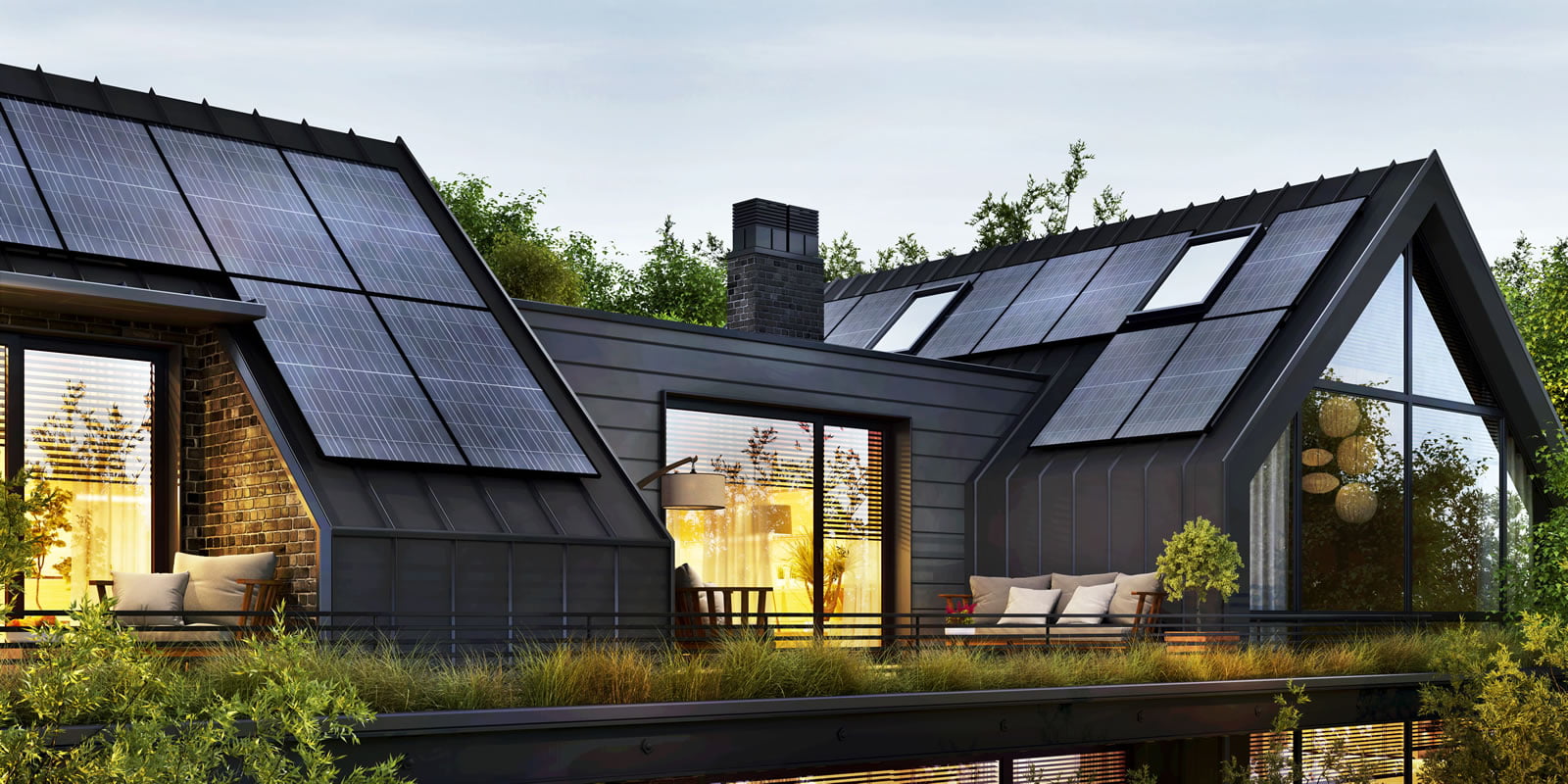
Solar panels and solar energy for the home

Living Off the Grid: A Sustainable Lifestyle

Imagine a life where you don’t have to worry about power outages or rising electricity costs. Off grid solar systems make this dream a reality. These systems operate independently of the National Grid, harnessing the power of the sun through solar panels and storing excess energy in batteries for use during cloudy days or nighttime. By embracing an off grid lifestyle, you gain complete energy independence, reducing your dependence on fossil fuels and the carbon footprint associated with them.

Who Should Go Off the Grid?

Off-grid solar systems are not limited to a specific type of property, they can be installed in various settings, making them suitable for a range of residential homes and structures. If you own a holiday home, cabin, caravan, garage, campsite, or office, an off grid system is a perfect fit for your needs. Additionally, rural and remote areas with unreliable power supply and frequent blackouts can greatly benefit from off grid solar solutions. Embracing an off grid lifestyle can also be an exciting choice for those who seek to live off the map and reduce their impact on the environment.

The Financial Benefits of Going Off-Grid

One of the most significant advantages of living off the grid is the potential to reduce electricity costs to virtually zero. Solar energy is abundant and free to generate, allowing you to break free from the shackles of the National Grid and its associated expenses. By investing in an off grid solar system, you gain control over your energy usage, freeing yourself from monthly electricity bills and saving money in the long run.

Embrace Sustainability and Minimize Your Carbon Footprint

Choosing an off grid solar system not only benefits your finances but also the environment. Solar energy is renewable and sustainable, producing clean electricity without emitting harmful greenhouse gases or pollutants. By relying on solar power, you contribute to a greener future, leaving a smaller carbon footprint and setting an example for others to follow.

Discover the Perfect Off-Grid System

At My Home Solar, we offer a range of high spec off grid solar packages to suit your needs. Our packages are carefully curated to maximize power generation and reliability, ensuring you get the most out of your investment. We proudly represent Energizer, a renowned solar brand known for its performance and innovation. The Energizer panels with a Tigo system enables you to monitor your home’s energy consumption, giving you greater control and peace of mind.

If our pre designed packages don’t precisely match your off grid requirements, fret not! Our expert team can design a custom off grid solar system tailored to your domestic, agricultural, commercial, or industrial needs.

Roof or Ground Mounted Solar Panels: Choose What Works Best for You

In addition to off grid solar systems, we offer both roof and ground mounted solar panel installations. Roof mounted panels are ideal if you have a large roof with no shading obstructions. However, if your roof size, pitch, or orientation isn’t suitable for solar panels, ground mounted options provide greater flexibility and optimization opportunities. They are also a fantastic solution for flat roofs or homeowners with ample land to utilize.

Embrace the Off-Grid Lifestyle with My Home Solar

In conclusion, off grid solar systems present a compelling option for residential homeowners seeking energy independence, financial savings, and a greener future. By harnessing the power of the sun and storing energy in batteries, you can break free from the National Grid’s constraints and create a sustainable lifestyle that benefits both you and the planet.

To learn more about our off grid solar solutions or to discuss your specific requirements, get in touch with our team today. Together, let’s create a brighter and cleaner future, one solar panel at a time. Live off the grid with My Home Solar, your pathway to energy independence. Enquire now and take the first step towards a sustainable tomorrow!

The Future is Bright: Explore the Latest Solar Panel Technologies

Modern solar panels can generate more electricity from a smaller roof area, retain their performance for longer and work as part of an intelligent home energy system. For homeowners, however, the most important question is not simply which technology is newest. It is which system will perform well on their property and provide worthwhile long term value.

The latest solar panel technology available in the UK includes high efficiency N type cells, all back contact designs, improved half cell modules, bifacial panels and smarter battery storage. Other developments, including perovskite tandem cells and transparent solar glass, are promising, but they are not yet the standard choice for most homes.

This guide explains which technologies are practical today, which are still emerging and what homeowners in Dorset, Hampshire and across the South Coast should consider before requesting a solar quotation.

How Has Solar Panel Technology Changed?

Solar panels generate electricity when photovoltaic cells absorb light. An inverter converts the direct current they produce into alternating current for household appliances. Today’s panels can produce more power from the same area, while monitoring platforms show how much electricity is generated, stored, imported and exported. Homeowners can also combine panels with a solar battery, an electric vehicle charger and a suitable smart tariff.

What Is the Latest Solar Panel Technology Available Today?

N Type Solar Panels

N type solar cells have become one of the most important developments in the residential market. They are designed differently from the older P type cells used in many previous generations of panel.

Depending on the model, N type panels can provide higher efficiency, lower degradation and improved performance at higher temperatures. These qualities are valuable when roof space is limited. However, homeowners should still compare the complete specification, including power output, temperature coefficient and warranties.

All Back Contact and ABC Solar Panels

All back contact technology moves the electrical contacts away from the front of the solar cell. This leaves more of the front surface available to absorb light and creates a clean appearance without prominent front facing lines.

AIKO uses its All Back Contact, or ABC, technology within its current panel range. The AIKO solar panels available through My Home Solar include domestic models with published efficiencies of up to 23.8 per cent, depending on the model selected.

ABC panels may appeal to homeowners who want high output from a restricted roof area or prefer a uniform appearance. Panel efficiency is only one part of the decision, however. When comparing manufacturers such as JA Solar and Trina Solar, also consider degradation, warranties and compatibility with the proposed inverter.

Bifacial Solar Panels

Bifacial panels can collect light through both the front and rear of the module. The rear surface uses light reflected from the roof, ground or another surface beneath the panel.

These panels can be useful on commercial roofs, ground mounted arrays and carports where reflected light reaches the rear. Their benefit may be limited on a pitched domestic roof where panels sit close to dark tiles. Bifacial technology should therefore be assessed in the context of the property.

All Black Solar Panels

The demand for black solar panels continues to grow. Their dark cells, frame and backing can create a more consistent appearance, particularly on slate or dark tiled roofs.

An all black finish does not by itself guarantee better performance. Cell technology, efficiency and temperature coefficient remain more important. Nevertheless, modern panels increasingly combine strong performance with a discreet design.

Which Solar Technologies Are Still Emerging?

Perovskite Tandem Solar Cells

Perovskite is one of the most closely watched materials in solar research. When a perovskite layer is combined with a conventional silicon cell, the two materials can absorb different parts of the light spectrum. This creates a tandem cell with the potential to exceed the efficiency limits of a standard silicon cell.

Commercial progress is being made, but perovskite tandem technology is not yet the routine choice for UK homes. Long term durability, manufacturing scale, cost and availability will influence how quickly that changes. Homeowners do not necessarily need to postpone a project while waiting, as current high efficiency silicon panels already provide proven performance and long warranties.

Transparent Solar Glass

Transparent and semi transparent photovoltaic materials could eventually allow windows, glass roofs and building façades to generate electricity. They may have valuable applications in offices, transport hubs, conservatories and large commercial buildings.

At present, however, transparent solar remains a specialist technology rather than a direct replacement for conventional roof mounted panels. For most homes, established rooftop modules are the more practical and cost effective option.

The Move Towards Complete Home Energy Systems

One of the most significant solar trends in 2026 is the move away from treating panels as a standalone purchase. A well designed system can now coordinate generation, storage, household consumption and electric vehicle charging.

Solar Panels and Battery Storage

A battery stores surplus solar electricity for use later. It can help a household use more of its own generation, but it is not essential for every home. Its value depends on electricity use, tariffs and cost. A proposal should therefore compare panels with and without storage.

Smart Tariffs and Export Payments

The Smart Export Guarantee allows eligible households in Great Britain to receive payment for electricity exported to the grid. Rates and requirements vary by supplier. Time of use tariffs can also allow a battery to charge during cheaper periods and reduce imports when rates are higher. Any savings estimate should reflect the household’s likely behaviour and current tariff terms.

Solar Compatible EV Charging

An electric vehicle charger can be configured to use available solar generation, depending on the equipment. If an electric car is likely to be purchased, tell the installer so that future demand, cable routes and compatibility can be considered from the outset.

What Should South Coast Homeowners Consider?

Homes in Dorchester, Bournemouth, Poole, Southampton and across Dorset and Hampshire can be well suited to solar. Southern parts of the UK generally receive more solar irradiation than locations farther north, although results still depend on the individual property.

Roof Direction and Available Space

An unshaded south facing roof normally provides the strongest annual generation. East and west facing roofs can also work well and may spread generation across the morning and afternoon. This can suit households that use electricity at different times of the day.

The design should consider roof dimensions, pitch, orientation, chimneys and dormers. A higher wattage panel can help on a smaller roof, but fitting the greatest possible number is not always the right answer.

Shade from Trees and Nearby Buildings

Trees, chimneys and neighbouring properties can affect output at different times of the day and year. This is particularly relevant in established residential areas with mature trees.

A survey should identify shade before design begins. Optimisers or microinverters may reduce the effect of partial shading, but they should be recommended only where they offer a genuine benefit.

Cloudy and Coastal Weather

Solar panels use daylight rather than heat, so they continue to generate electricity on cloudy days. Output will be lower when light levels fall, but solar remains practical in the British climate.

For exposed coastal properties, panel specification, mounting equipment and installation quality also matter. The solution should be designed for the site rather than copied from a standard package.

Planning Permission and Local Restrictions

Solar panels on homes in England are often classed as permitted development, but exceptions apply. Listed buildings, conservation areas and properties subject to other restrictions may need additional consideration.

This can be relevant in historic parts of Dorset and Hampshire. Check with the local planning authority where restrictions may apply. The installation must also be registered with the Distribution Network Operator, a process normally managed by the installer.

How Do You Compare Modern Solar Panels?

The newest panel is not necessarily the best panel for every property. Before accepting a quotation, compare the following:

  • The total system size in kWp
  • The estimated annual generation for the property
  • Module efficiency and power output
  • Expected degradation over time
  • Product and performance warranties
  • The temperature coefficient
  • The inverter and battery compatibility
  • Shade management where it is genuinely required
  • Monitoring and aftercare
  • Installer certification and workmanship cover
  • The total installed price rather than the panel price alone

A trustworthy quotation should explain its savings assumptions and distinguish between electricity used, stored and exported.

How Much Does Modern Solar Technology Cost?

The cost of a solar installation depends on the number and type of panels, the inverter, roof access, scaffolding, electrical work and whether battery storage is included.

As a broad market guide, the Energy Saving Trust estimated in August 2026 that a typical 4.5 kWp domestic system costs around £7,600, while battery storage commonly costs around £5,000 to £8,000. These are not quotations. Your price and projected performance should be based on your property and electricity use.

Qualifying residential solar panel and battery installations currently benefit from zero rate VAT until 31 March 2027. Under existing legislation, the rate is due to return to 5 per cent from 1 April 2027. Anyone considering an installation should request an up to date quotation and allow enough time for the survey, design and installation process.

Why Choose My Home Solar?

My Home Solar designs systems around each property. The team can compare current panels from manufacturers including AIKO, JA Solar and Trina Solar, while also considering inverters, battery storage and future EV charging.

As an MCS certified and RECC approved installer, My Home Solar can support homeowners from the initial assessment through to installation, handover and ongoing customer care. The company is based in Dorchester and installs systems across much of England, including Dorset, Hampshire and the wider South Coast.

If you are comparing the latest solar panel technology, request a proposal that shows what the system could generate on your own roof. Get a free solar quote from My Home Solar and discuss the most suitable panels, battery capacity and system design for your household.

Frequently Asked Questions

What is the most efficient solar panel technology available for homes?

High efficiency N type and all back contact panels are among the strongest established options for residential roofs. Some current AIKO models offered by My Home Solar have published module efficiencies of up to 23.8 per cent. The best choice still depends on roof space, budget and the design of the complete system.

Are bifacial solar panels worth installing on a house?

They can be worthwhile when reflected light can reach the rear of the module. Their advantage may be limited on a conventional pitched roof where panels sit close to dark tiles. A site specific assessment is needed.

Can I buy perovskite solar panels for my home now?

Perovskite tandem technology is moving towards wider commercial use, but it is not yet the standard residential option in the UK. Proven silicon panels remain the more readily available choice for most current installations.

How can I find the right solar technology for my home?

Begin with a professional assessment of your roof, shading and electricity consumption. My Home Solar can then compare suitable panels, estimate annual generation and provide options with or without battery storage. Request your free quote to receive a system recommendation based on your property.

Maximize Your Energy Savings with Long-lasting Energizer Solar Panels

As the world continues to shift towards sustainable energy solutions, solar power has emerged as a reliable and eco friendly source of electricity. When it comes to harnessing the power of the sun, choosing the right solar panels is essential for long-term energy savings. In this article, we will explore the benefits of using long-lasting Energizer solar panels and how their durability and efficiency can help you save on energy costs. 

When investing in solar panels, it’s crucial to consider their longevity and performance. Energizer solar panels have gained a reputation for being among the most durable and efficient options on the market. In this article, we will delve into the advantages of using long-lasting Energizer solar panels and how they can maximize your energy savings. 

The Importance of Long-lasting Solar Panels 

Before we dive into the benefits of Energizer solar panels, let’s understand why the durability of solar panels is crucial for long-term energy savings. Many low quality or short-lived solar panels can experience issues such as degradation, decreased performance, and even failure over time. By choosing long lasting panels, you can avoid these problems and ensure that your solar system remains efficient and productive for years to come. 

Benefits of Long-lasting Energizer Solar Panels 

Enhanced Durability 

Energizer solar panels are engineered with advanced technology and high quality materials to ensure their durability. Regardless of the weather conditions, these panels are built to withstand the test of time. With their robust construction and superior design, Energizer solar panels require minimal maintenance and have a reduced risk of damage, offering you peace of mind and long term savings. 

Higher Efficiency and Energy Generation 

One of the key advantages of Energizer solar panels is their exceptional efficiency in converting sunlight into electricity. These panels are designed to maximize energy conversion, resulting in higher power output. With their higher efficiency ratings, Energizer solar panels can generate more electricity from the same amount of sunlight compared to standard panels. This increased efficiency translates into greater energy savings over the lifetime of your solar system. 

Extended Lifespan

Longevity is a hallmark of Energizer solar panels. These panels have an extended lifespan compared to traditional options. The combination of robust construction and high quality components ensures that Energizer panels maintain their performance and efficiency for many years. With a longer lifespan, you can enjoy reliable electricity generation and avoid the hassle and expense of frequent replacements. 

Cost Savings and Return on Investment (ROI)

Investing in long lasting Energizer solar panels can result in significant cost savings and a faster return on investment. The extended lifespan and higher efficiency of these panels contribute to reduced energy costs over time. With lower maintenance and replacement expenses, you can maximize your savings and recoup your initial investment sooner. Energizer solar panels offer a financially viable solution for both residential and commercial applications. 


By choosing long lasting Energizer solar panels, you can maximise your energy savings and contribute to a sustainable future. The enhanced durability, higher efficiency, extended lifespan, and significant cost savings make Energizer panels an excellent investment in renewable energy. With a lifespan of over 25 years, Energizer solar panels provide a reliable and consistent source of clean electricity for your residential or commercial property. 

The suitability of Energizer solar panels for residential use is a key advantage. Available in various sizes and configurations, Energizer panels can be tailored to meet the energy needs of homes of all sizes. Whether you have a modest house or a large estate, Energizer provides flexible solutions to help you harness the power of the sun and reduce your dependence on traditional energy sources. 

While Energizer solar panels are designed to be long lasting, they still require some basic maintenance to ensure optimal performance. Following the manufacturer’s guidelines for cleaning and inspection is crucial. Regular cleaning of the panels helps remove any debris or dirt that may accumulate over time and affect their efficiency. Periodic inspections by professionals can also identify and address any potential issues promptly, ensuring that your Energizer panels continue to generate electricity at their best. 

By opting for long lasting Energizer solar panels, you not only benefit from their enhanced durability and extended lifespan but also maximise your energy savings. These panels offer higher efficiency, allowing you to generate more electricity from the same amount of sunlight. The reduced maintenance and replacement costs associated with Energizer panels contribute to significant long term savings. Embrace the power of solar energy and make a sustainable choice with Energizer solar panels, paving the way for a greener and more cost effective future. 

Frequently Asked Questions

Energizer Solar Panels vs Competitor: Which Is Right for You?

Energizer Solar Panels Compared With Other Leading Brands

Choosing the right solar panels is an important part of planning a solar installation. However, panel choice should never be based on the brand name alone.

Power output, efficiency, appearance, warranty protection and long term performance all matter. More importantly, your chosen panels need to form part of a solar system designed around your roof, electricity consumption and future energy requirements.

Energizer solar panels offer modern solar technology from a widely recognised name. Yet how do they compare with other leading manufacturers, and are they the right choice for your property?

In this guide, My Home Solar explains what Energizer solar panels offer, how they compare with alternative panels and which current solar trends you should consider before requesting a quotation.

If you are ready to explore your options, request a free solar quote from My Home Solar. Our team can assess your property and recommend a suitable system based on your home, budget and energy use.

What Are Energizer Solar Panels?

Energizer is best known for its batteries, but the brand has expanded into solar panels, inverters, battery storage and other renewable energy products.

The current Energizer Solar panel range includes N Type dual glass models with outputs between 435W and 495W. Energizer states that these panels have been developed to provide strong efficiency, dependable low light performance and a contemporary appearance. The manufacturer also offers product warranties of up to 30 years on selected panels, although the precise cover will depend on the model and installation location. Current Energizer specifications should always be checked when your system is designed.

Like other photovoltaic panels, Energizer solar panels convert daylight into electricity. The electricity can then be used within your home, stored in a solar battery or exported to the electricity grid.

What Is N Type Solar Panel Technology?

One of the most significant developments in the current solar market is the increasing use of N Type solar cells.

N Type panels are designed to offer efficient performance and lower levels of degradation over time. This means they can retain a greater proportion of their original output as they age.

Energizer now offers N Type dual glass panels. The cells are protected by glass on both sides rather than a traditional glass front and polymer backsheet. This construction can provide additional protection against moisture, environmental exposure and physical stress.

Nevertheless, N Type technology is no longer exclusive to one manufacturer. Other leading solar brands also produce N Type panels, so it is important to compare the complete specification rather than concentrating on the technology name alone.

Energizer Solar Panels Versus Other Leading Brands

My Home Solar can help homeowners compare panels from several established manufacturers. These include Energizer, Aiko, JA Solar and Trina Solar.

The right choice will depend on the individual property and the objectives of the installation.

Energizer Solar Panels

Energizer solar panels may appeal to homeowners who want a recognisable brand, modern N Type technology and a choice of higher output models.

Selected models offer dual glass construction and outputs approaching 500W. However, the highest wattage panel is not automatically the best option for every home. Its physical dimensions, weight and suitability for the available roof space must also be considered.

Aiko Solar Panels

Aiko solar panels focus strongly on panel efficiency and appearance. Their high efficiency designs can be valuable for properties with restricted roof space because they may allow more generating capacity to be installed within a smaller area.

Aiko may also be considered by homeowners who prefer a sleek, all black appearance. However, the final decision should still take account of cost, panel dimensions, warranty terms and compatibility with the rest of the system.

JA Solar Panels

JA Solar is an established global solar manufacturer with panels available for residential and commercial installations.

Its panels can offer a practical balance between performance, recognised manufacturing experience and overall system cost. Depending on the model available, JA Solar may suit homeowners who want dependable technology without necessarily choosing the highest priced panel.

Trina Solar Panels

Trina Solar panels are also used across residential and commercial projects.

The manufacturer offers several panel technologies and output levels. Trina Solar can therefore be worth considering when you require an efficient system from a large and established solar manufacturer.

Which Solar Panel Produces the Most Electricity?

Panel wattage tells you the maximum output a panel can achieve under standard test conditions. A 495W panel has a higher rated output than a 440W panel, but this figure does not tell you how much electricity the complete system will generate at your home.

Annual solar generation can be influenced by:

  • The number of panels installed
  • The direction and pitch of the roof
  • Shading from trees, chimneys or nearby buildings
  • Local weather conditions
  • Panel efficiency and degradation
  • The suitability of the inverter
  • The quality of the system design
  • How the panels are positioned across the available roof space

A physically larger panel may provide more power, but several smaller panels could sometimes make better use of an irregular roof. This is why My Home Solar begins with an assessment of the property rather than recommending the same panel to every homeowner.

Are Energizer Solar Panels Suitable for UK Weather?

Solar panels do not need hot weather to generate electricity. They produce electricity from daylight and can continue operating during cloudy conditions.

Output will generally be higher during brighter and longer summer days. Nevertheless, a correctly designed system will continue generating throughout the year.

Energizer states that its panels undergo durability testing and are designed for demanding environmental conditions. Its latest panels are also promoted as providing effective low light performance.

When comparing panels for a UK installation, My Home Solar can consider the manufacturer’s mechanical load ratings, temperature coefficient, product warranty and performance warranty. These details provide a more meaningful indication of suitability than general marketing claims about weather resistance.

Current Solar Panel Trends Homeowners Should Consider

The UK solar market is developing quickly. In the first six months of 2026, almost 150,000 MCS certified solar installations were completed. Battery storage also grew substantially, with 92 per cent of certified battery installations fitted to properties with solar panels. This illustrates the growing demand for complete home energy systems rather than panels alone. MCS reported these installation trends in August 2026.

Higher Output Panels

Modern residential panels commonly provide considerably more power than older models. Energizer’s current N Type range includes panels between 435W and 495W, while other manufacturers offer their own high output alternatives.

Higher output panels can be particularly useful when roof space is limited. However, efficiency, dimensions and likely annual generation should be considered alongside wattage.

Solar Panels With Battery Storage

More homeowners are choosing to combine solar panels with battery storage.

A battery can store surplus solar electricity generated during the day. The household can then use this electricity later, such as during the evening when the panels are producing less or no electricity.

Some systems can also charge a battery from the grid during cheaper periods. The suitability and potential savings will depend on the battery, electricity tariff, household consumption and system settings.

Smart Monitoring

Modern solar and battery systems commonly include an app or online portal. This can allow homeowners to monitor solar generation, household consumption, battery charge and electricity exported to the grid.

Monitoring does not increase generation by itself. However, it can help you understand how your home uses electricity and identify opportunities to use more of your solar energy.

Export Payments

Eligible households can receive payments for surplus renewable electricity exported to the grid through the Smart Export Guarantee.

Rates and eligibility requirements vary between suppliers, so homeowners should compare the available tariffs rather than assuming that every provider pays the same amount. Ofgem advises generators to contact participating electricity suppliers directly for current tariff information. Read Ofgem’s Smart Export Guarantee guidance.

Solar Panel Appearance

Appearance has become an increasingly important consideration, particularly for panels fitted to the front of a home.

All black panels can create a more uniform finish by reducing the contrast between the cells, frame and backing material. Energizer and several competing manufacturers now offer panels designed with appearance as well as performance in mind.

The Current VAT Position

Qualifying solar panel and electrical battery installations in residential accommodation currently benefit from a temporary zero rate of VAT. Under the present rules, this applies until 31 March 2027. From 1 April 2027, qualifying installations are due to return to the reduced VAT rate of 5 per cent. HMRC provides full guidance on the current relief.

If you are considering solar panels, requesting a quotation now will allow you to understand the potential cost and suitability of an installation before the VAT rules change.

solar panels

How Much Do Energizer Solar Panels Cost?

There is no single price for an Energizer solar installation because the panels form only one part of the complete system.

Your quotation may be influenced by:

  • The number and model of panels
  • The total system capacity
  • Roof access and scaffolding requirements
  • The chosen inverter
  • Whether battery storage is included
  • Electrical work required at the property
  • Bird protection or other optional additions
  • The complexity of the roof layout

A lower panel price does not necessarily produce better overall value. Equally, choosing the most expensive panel does not guarantee the best result.

A useful quotation should explain the proposed system size, estimated annual generation, equipment included, applicable warranties and expected installation work. This allows you to compare complete solar systems rather than isolated panel prices.

Why Choose My Home Solar?

My Home Solar provides tailored solar panel and battery installations for homes across much of England and Wales.

We are MCS certified and RECC approved. Our process begins with a consultation and property assessment, allowing us to understand your electricity consumption, roof layout and reasons for installing solar.

We can then compare appropriate panel, inverter and battery options before designing a system around your requirements. This may include Energizer solar panels or an alternative manufacturer where another panel is better suited to your roof, budget or desired system capacity.

Our aim is not simply to fit the greatest possible number of panels. It is to provide a carefully designed system that works effectively as part of your home.

Frequently Asked Questions

Are Energizer solar panels better than other brands?

Energizer solar panels offer modern technology, including N Type cells and dual glass construction on selected models. However, no single brand is automatically best for every property. Aiko, JA Solar and Trina Solar also offer competitive panels. The right choice depends on your roof space, budget, preferred appearance and energy requirements.

How long do Energizer solar panels last?

Solar panels are designed to operate for several decades. The manufacturer offers warranties of up to 30 years on selected Energizer panels. You should check the product warranty and performance warranty for the exact model included in your quotation.

Do Energizer solar panels work on cloudy days?

Yes. Solar panels generate electricity from daylight rather than heat. Output will usually be lower under heavy cloud than in strong direct sunlight, but the panels can continue generating electricity.

Should I choose the solar panel with the highest wattage?

Not necessarily. Higher wattage can be valuable when roof space is limited, but dimensions, efficiency, price and roof layout are also important. The best system is the one that makes effective use of the available space and suits your electricity consumption.

Can Energizer solar panels be connected to a battery?

Solar panels can be incorporated into a system that includes compatible battery storage. The inverter and battery must be selected and configured correctly. My Home Solar can discuss battery storage when designing your installation.

Can I receive payments for surplus electricity?

You may be able to receive payments for eligible electricity exported to the grid through a Smart Export Guarantee tariff. Payment rates and requirements vary between electricity suppliers.

Are solar panels currently subject to VAT?

Qualifying residential solar panel and battery installations currently benefit from zero rated VAT until 31 March 2027. Under the present rules, the rate will change to 5 per cent from 1 April 2027.

Energizer Solar Panels: Features, Benefits and Costs for UK Homes

Rising electricity costs have encouraged more UK households to consider generating their own renewable energy. However, choosing solar panels involves more than selecting the most recognisable name or the panel with the highest advertised output.

The right solar installation must suit your roof, electricity consumption, available space and plans for technologies such as battery storage or electric vehicle charging.

Energizer is widely recognised for its battery products, but the brand also offers a growing range of solar energy technology. Its current range includes modern panels designed to combine strong electricity generation, durable construction and an attractive appearance.

In this guide, My Home Solar explains how Energizer solar panels work, which features matter most and what you should consider before requesting a solar panel quotation.

What Are Energizer Solar Panels?

Energizer solar panels are photovoltaic panels that convert daylight into electricity for use within a home or commercial property.

The panels contain photovoltaic cells made from semiconductor materials. When daylight reaches these cells, it causes electrons to move and creates a direct electrical current. An inverter then converts this electricity into alternating current, which can be used by household appliances.

Your home will use the solar electricity as it is generated. Any surplus can be stored in a compatible solar battery or exported to the National Grid.

Although the Energizer name may be familiar, it remains important to compare individual panel models rather than relying on brand recognition alone. Wattage, dimensions, efficiency, warranty terms and compatibility can vary across the range.

The Latest Energizer Solar Panel Technology

Solar panel technology has advanced considerably in recent years. Homeowners are increasingly looking for panels that can produce more electricity from a limited amount of roof space.

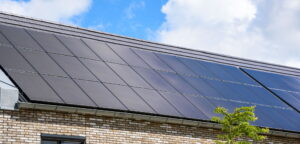
The current Energizer Solar Beam range includes N Type dual glass panels with outputs extending from approximately 435W to 495W, depending on the model. Energizer also offers other Beam Series panels in different sizes and output ranges.

N Type technology has become an important trend within the solar industry because it can offer strong efficiency, good performance in changing conditions and lower degradation over time. Dual glass construction can also provide additional protection for the solar cells.

However, the panel with the highest wattage is not automatically the best choice for every property. A physically larger panel may produce more electricity, but smaller panels may allow an installer to make better use of an irregular or restricted roof.

My Home Solar will assess the available space and design the system around the property rather than simply recommending the most powerful individual panel.
Important Features of Energizer Solar Panels

High Power Output

Panel wattage describes the amount of electricity a panel can produce under standard test conditions.

Higher wattage panels can help generate more electricity from fewer panels, which may be beneficial when roof space is limited. Nevertheless, the total capacity of the proposed system matters more than the rating of a single panel.

For example, the number of panels that can fit safely around roof edges, chimneys, roof windows and shaded areas will influence the final system size.

Modern N Type Cells

N Type cells are becoming increasingly common in new residential solar installations. They are designed to provide efficient electricity generation while limiting some of the degradation that can affect conventional solar cells.

They can also perform effectively in the varied light conditions found in the UK. Solar panels do not require hot weather to work. They generate electricity from daylight and can continue producing energy during cloudy conditions, although output will be lower than on a bright day.

Dual Glass Construction

Some current Energizer models use dual glass construction. This places the solar cells between protective layers of glass rather than using a conventional rear sheet.

The design can improve protection from moisture, environmental exposure and mechanical stress. This may support dependable performance across the long working life expected from a modern solar installation.

Attractive Panel Design

Appearance is important when solar panels will be visible from the road or garden. Energizer offers dark panels and black framed options that can create a more consistent appearance on suitable roofs.

The finished result will depend on the panel model, roof covering, mounting arrangement and overall system design. My Home Solar can explain how the proposed panels are likely to look before the installation begins.

Long Warranty Options

Energizer states that product warranties of up to 30 years are available within its panel range. However, the precise product and performance warranties depend on the model supplied.

Before accepting any solar quotation, you should check:

  • The product warranty for the panels
  • The expected performance after 20 or 30 years
  • The inverter warranty
  • Any battery warranty
  • The installer’s workmanship guarantee
  • Who is responsible for handling a future warranty claim

My Home Solar can provide the relevant product information for the equipment included within your quotation.
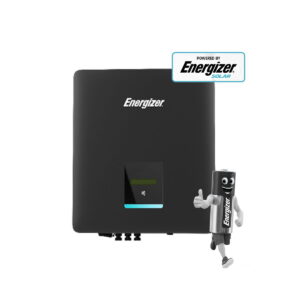
Energizer Inverter

Are Energizer Solar Panels Suitable for UK Homes?

Energizer solar panels may be suitable for many UK properties, but every installation should begin with a professional assessment.

The installer will need to consider:

  • The size, orientation and pitch of the roof
  • The condition and construction of the roof
  • Shading from trees, chimneys or neighbouring buildings
  • The household’s annual electricity consumption
  • Electricity use during daylight hours
  • The number of panels that can be accommodated
  • Whether battery storage or an electric vehicle charger is required
  • Any planning, structural or grid connection requirements

South facing roofs often provide strong annual generation, but east and west facing roofs can also be suitable. An east and west arrangement may produce electricity across a broader part of the day, which can correspond well with household consumption.

A survey and generation estimate will provide a far more useful indication of suitability than a general online calculation.

Energizer Solar Panels and Battery Storage

One of the most significant current trends in domestic solar is the move towards complete home energy systems.

Instead of considering panels in isolation, many homeowners now combine solar generation with battery storage, app based monitoring, electric vehicle charging and a suitable time of use electricity tariff.

A solar battery stores surplus electricity that would otherwise be exported. You can then use that energy during the evening, overnight or whenever household consumption exceeds current solar generation.

Battery storage may help you:

  • Use more of the electricity produced by your panels
  • Purchase less electricity from the grid
  • Charge using cheaper off peak electricity where appropriate
  • Manage electricity around a time of use tariff
  • Monitor generation, consumption and storage through an app

The battery should be sized according to your electricity consumption and the amount of surplus solar energy your system is expected to produce. An unnecessarily large battery may spend much of its life partly empty, while an undersized battery may not store enough surplus energy to meet your needs.

My Home Solar can design a system that brings together the panels, inverter and battery rather than treating each component as a separate purchase.
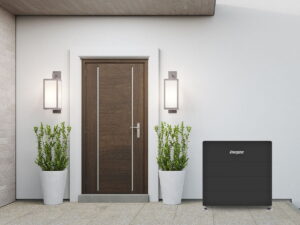
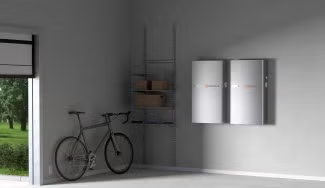
Energizer battery storage system

Will Energizer Solar Panels Work During a Power Cut?

A standard grid connected solar installation will usually shut down during a power cut. This safety feature prevents the system from sending electricity into the network while engineers may be working on it.

Solar panels and a battery can provide backup power only when the system includes the necessary backup equipment and has been configured for this purpose.

The amount of backup power available will also depend on the battery charge, inverter output and circuits connected to the backup supply. If power cut protection matters to you, raise it during the design stage so that suitable equipment can be discussed.

How Much Could Energizer Solar Panels Save?

Potential savings depend on several individual factors, including:

  • The size and predicted output of the system
  • Your current electricity tariff
  • How much electricity you use
  • When you use electricity
  • The proportion of solar energy used within the property
  • Whether battery storage is installed
  • The export tariff selected
  • Future energy prices

Households that use more electricity during daylight hours may consume a greater proportion of their solar generation directly. A battery can increase self consumption by storing electricity for later use, although its cost and expected benefit should be considered as part of the overall quotation.

A trustworthy proposal should include an individual generation estimate and realistic financial projections. It should not guarantee a particular saving because weather, consumption and electricity prices can all change.

Can You Be Paid for Surplus Solar Electricity?

The old Feed in Tariff is closed to new applicants. Eligible solar panel owners can instead receive payments through the Smart Export Guarantee.

Under the Smart Export Guarantee, participating electricity suppliers pay customers for qualifying renewable electricity exported to the grid. Suppliers choose their own rates, contract terms and eligibility requirements, so it is worth comparing available tariffs.

An MCS certified installation and an appropriate export meter are generally important parts of the application process. You can read the current Smart Export Guarantee guidance from Ofgem.

Is Solar Installation Still Eligible for Zero VAT?

Qualifying installations of solar panels and electrical storage batteries in residential accommodation are currently eligible for zero rated VAT.

Under the present legislation, this temporary zero rate is due to continue until 31 March 2027. From 1 April 2027, qualifying installations are scheduled to return to the reduced VAT rate of 5 per cent. The rules depend on the property, equipment and way the products are supplied and installed, so individual eligibility should always be confirmed.

Homeowners already considering solar may therefore wish to obtain a quotation before the scheduled VAT change. Further information is available within the Government’s guidance on VAT for energy saving materials.
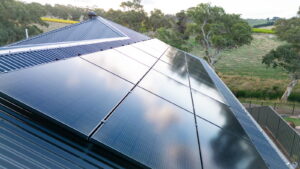
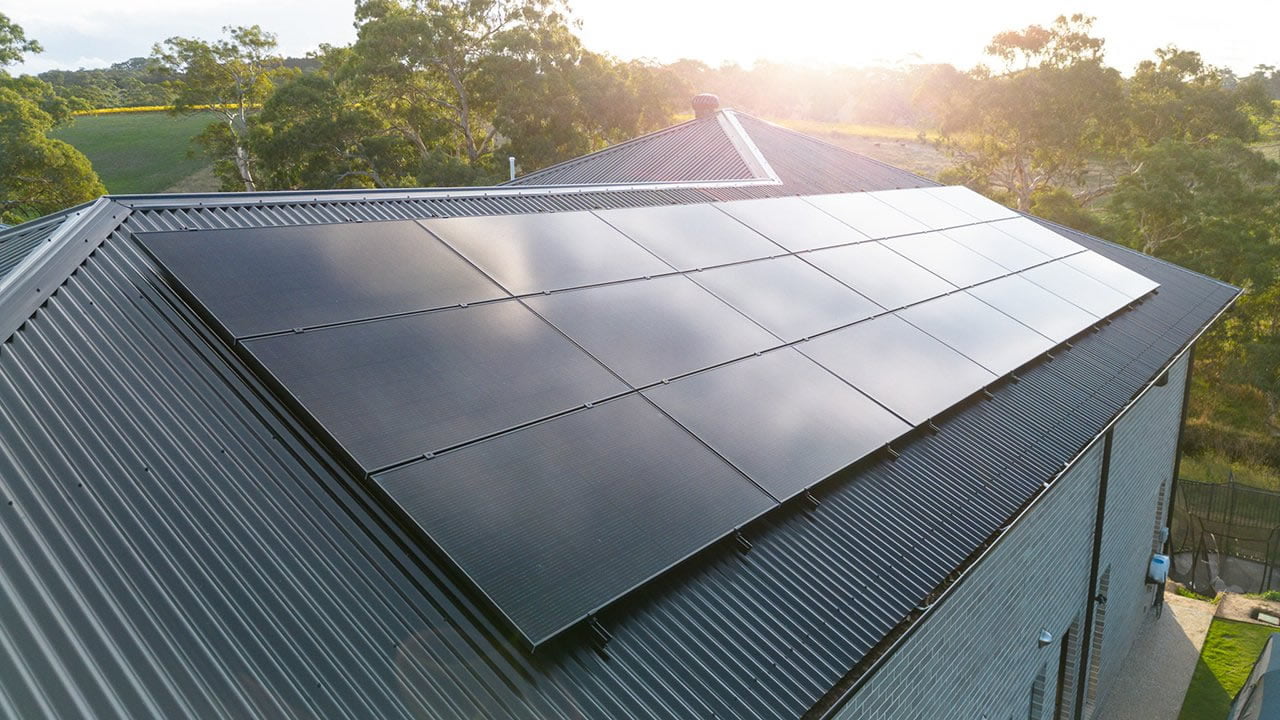
Energizer Solar Panels on roof

Do Energizer Solar Panels Require Maintenance?

Solar panels generally require relatively little maintenance. Rainfall will remove some surface dirt, while the angle of the panels can help water and loose debris run away.

However, nearby trees, bird activity, leaves and local environmental conditions may lead to a gradual accumulation of dirt. Monitoring the system’s output can help you identify an unexpected reduction in performance.

Panels should only be cleaned using appropriate equipment and safe working methods. Homeowners should not climb onto the roof or use abrasive chemicals that could damage the panel surface.

If generation falls unexpectedly, the cause may relate to shading, debris, electrical connections, the inverter or another part of the system. A professional inspection can identify the problem safely.

Why Choose My Home Solar?

Choosing the right installer is just as important as choosing the panels.

My Home Solar provides an end to end service covering system design, supply, installation and ongoing support. As an MCS certified and RECC approved installer, the company can design a solar installation around your property and electricity requirements.

The process can include:

  • An initial discussion about your objectives
  • An assessment of your property and roof
  • A system design based on your electricity consumption
  • Advice about panels, inverters and battery storage
  • A personalised generation estimate
  • Professional installation
  • Guidance on monitoring and using the completed system

Rather than recommending the same package for every household, My Home Solar can help you compare the available options and understand which system provides the most appropriate balance of performance, appearance and value.
Frequently Asked Questions

Are Energizer solar panels a good choice?

Energizer offers modern solar panels with options including N Type cells, dual glass construction and long warranty terms. Whether they are the right choice will depend on your roof, budget, required system size and the exact model available.

How long do Energizer solar panels last?

Modern solar panels are designed to generate electricity for several decades. Output will gradually reduce over time, which is why you should compare both the product warranty and the long term performance warranty for the specific panel.

Do Energizer solar panels work on cloudy days?

Yes. Solar panels generate electricity from daylight rather than heat. They will continue working during cloudy weather, although their output will normally be lower than during strong, direct sunlight.

Can I add a solar battery?

Yes, compatible battery storage can be included with a new solar installation. It may also be possible to add a battery to an existing system, subject to an assessment of the current inverter, electrical arrangement and available space.

Can Energizer solar panels power my whole home?

Solar panels can supply a significant proportion of a household’s electricity, but the result depends on system size, generation and consumption. Most UK homes remain connected to the grid for periods when demand exceeds available solar and stored energy.

Will solar panels increase the value of my property?

Solar panels may make a property more attractive to buyers who value lower running costs and renewable energy. However, any effect on the selling price will depend on the property, system ownership, condition and local market.

How can I get a price for Energizer solar panels?

The cost depends on the number and model of panels, access requirements, inverter, mounting equipment and whether battery storage is included. A property specific quotation is the most accurate way to establish the likely cost.

Request a Free Solar Quote

Energizer solar panels combine recognisable branding with modern solar technology, but the best results come from a system designed around the individual property.

My Home Solar can assess your roof, review your electricity consumption and explain which combination of panels, inverter and battery storage may suit your needs. You will receive clear information about predicted generation, equipment warranties and the expected cost before making a decision.

Request your free solar quote or call My Home Solar on 0800 193 3933 to discuss your property with the team.