- 31b Great Western Road Dorchester Dorset DT1 1UF
- quotes@myhomesolar.uk

Call Us
0800 193 3933
At My Home Solar, we believe in providing our customers with comprehensive information to make informed decisions about their renewable energy choices. Solar thermal is one of the many technologies available for harnessing solar energy. In this article, we will delve into the details of solar thermal, its applications, benefits, and also explore an alternative solution that might better suit your energy needs.

Solar thermal technology uses energy from the sun to generate heat. Unlike solar PV panels, which generate electricity, solar thermal systems capture sunlight and convert it into thermal energy.
Solar collectors form a key part of the system. They absorb sunlight and use this energy to produce heat. The system can then use this heat for applications such as hot water, space heating and certain industrial processes.
Solar thermal systems use different types of collectors depending on their purpose. For example, homes often use flat plate collectors for water heating. Meanwhile, evacuated tube collectors can provide effective performance in colder conditions. Concentrated Solar Power systems use a different approach and typically operate on a much larger scale.
First, sunlight reaches the surface of the collector. The collector then converts this solar energy into heat. Next, the system transfers the heat to water or another suitable heat transfer fluid.
The system can then store the heated water or fluid for later use. Alternatively, it can use the heat directly. As a result, solar thermal technology provides a practical way to use renewable energy for heating.
Solar thermal technology finds applications in various sectors, offering renewable and sustainable solutions for energy needs. Some common applications include:

Solar water heaters can provide households with an eco friendly and cost effective alternative to conventional water heaters.

Solar thermal systems can be integrated into buildings to provide space heating during colder months.

Solar pool heaters offer an efficient way to extend the swimming season without increasing energy bills.
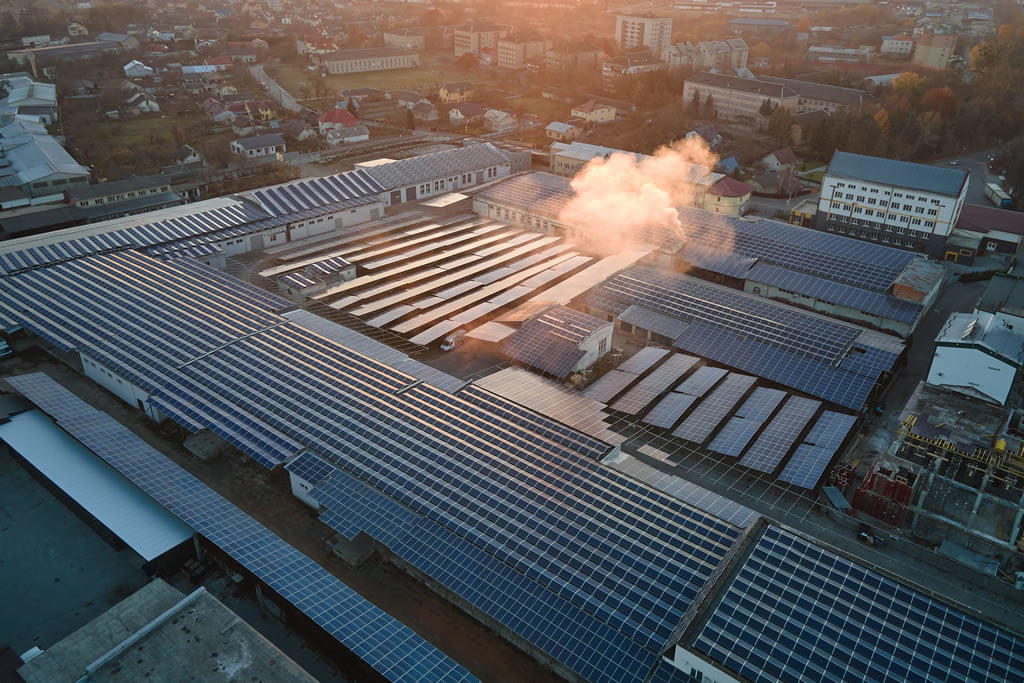
Industries can also use solar thermal energy for several applications. For example, businesses may use the technology for processes such as food production, water heating and desalination.
Solar thermal technology offers several benefits for some homeowners and businesses. These include:
Renewable Energy Source: Firstly, solar thermal systems use sunlight to generate heat. Therefore, they provide a renewable alternative to conventional heating methods.
Carbon Footprint Reduction: Furthermore, solar thermal can reduce reliance on fossil fuels. As a result, households and businesses can lower the carbon emissions associated with heating.
Energy Cost Savings: Solar thermal systems can also reduce the amount of energy you need to purchase for heating. Consequently, using solar energy can help lower energy costs over time.
Local Energy Generation: Finally, solar thermal systems generate useful heat directly at the property. This allows homes and businesses to produce renewable energy close to where they use it.
While solar thermal has its benefits, we recommend considering a solar photovoltaic (PV) system combined with an iBoost device for many of our customers. Solar PV generates electricity from sunlight, which can then be used to power your home’s electrical appliances, including your water heater.

Solar thermal technology is a viable option for certain applications, offering renewable and sustainable heating solutions. However, at My Home Solar, we encourage our customers to consider the versatility and benefits of solar PV systems, especially when combined with an iBoost device for efficient water heating. Making an informed choice ensures you get the most out of your renewable energy investment, reducing your carbon footprint and contributing to a greener future.