The Future of Solar Energy

Predictions for the Next Decade

As we navigate through the 21st century, the urgency to adopt renewable energy sources has never been more pronounced. Among these, solar energy stands out due to its immense potential and accessibility. At My Home Solar, a UK based company dedicated to providing top tier solar panels, solar batteries, and comprehensive solar energy solutions, we are committed to leading the way in this green revolution. In this blog, we delve into the future of solar energy, exploring predictions for the next decade and the impact these advancements will have on households across the UK and beyond.

The Current Landscape of Solar Energy

Before we gaze into the future, it’s essential to understand the present state of solar energy. Solar technology has come a long way since its inception. Today, it is one of the most cost effective and reliable sources of renewable energy available. In the UK, the adoption of solar panels and solar batteries, such as the Panasonic Home Battery, has surged, driven by the dual benefits of reducing electricity bills and minimising carbon footprints.


The Role of Innovation in Solar Technology

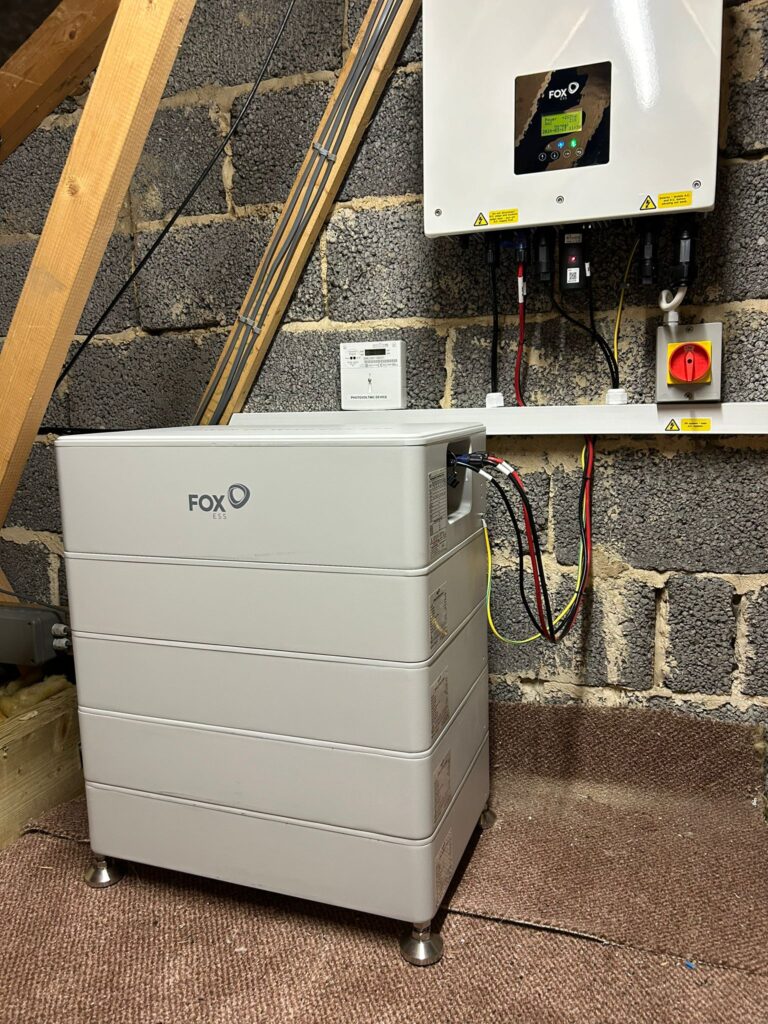
Technological advancements have been at the heart of the solar energy boom. Innovations like the Solax solar panels and the Fox ESS have made solar energy more efficient and accessible. These technologies not only enhance energy capture but also ensure better storage and utilisation of solar power. Products like the Duracell Solar and SunPower Maxeon panels are testament to how far we’ve come in optimising solar efficiency and durability.

Predictions for Solar Energy in the Next Decade


Increased Efficiency and Lower Costs

Solar panel efficiency continues to improve as manufacturers develop new technologies. Products such as JAM54D41-455/LB and JAM54D41-435/LB demonstrate how modern solar technology continues to evolve. Over the next decade, we expect panels with improved conversion rates to become increasingly available.

At the same time, advances in manufacturing could help make solar more accessible. As a result, more homeowners may be able to generate their own renewable electricity and reduce their reliance on the grid.

Advancements in Solar Battery Technology

Solar battery technology is also changing how households store and use solar energy. Modern battery systems allow homeowners to store surplus electricity during periods of strong solar generation. They can then use this electricity later when their panels generate less power.

Furthermore, battery technology continues to develop. Future systems could offer greater storage capacity, improved efficiency and more compact designs. These advances could make battery storage an even more valuable part of a home solar energy system.

Integration with Smart Home Systems

The future of solar energy involves more than improved panels and batteries. Smart home technology can also help homeowners manage their electricity more effectively.

For example, smart systems can monitor solar generation and household consumption throughout the day. They can then help homeowners make better decisions about when to use, store or export electricity.

As a result, homeowners can gain more precise** energy** management. Furthermore, real time monitoring provides greater visibility over energy usage. This can make it easier to maximise solar generation while improving the overall efficiency of the home.


The Impact on UK Households

Advances in solar energy could bring significant benefits to UK households over the next decade. Solar panels continue to become more efficient, giving homeowners more opportunities to generate their own electricity. Technologies such as those offered by Solax and JAM54D41-455/LB panels can form part of a modern home energy system. As a result, households can reduce their reliance on the grid and potentially lower their energy bills.

Furthermore, greater energy independence remains an important reason to consider solar. As technology develops, homeowners can gain more control over how they generate and use electricity. Battery storage also plays an important role. Solutions such as the Panasonic Home Battery** **allow households to store surplus electricity and use it later when their panels generate less power.

Solar energy can also help households reduce their environmental impact. By generating renewable electricity at home, homeowners can reduce their reliance on electricity generated from fossil fuels. Consequently, wider adoption of solar could support the UK’s transition towards cleaner energy.

As more households invest in solar panels and battery storage, they can also contribute towards the UK’s renewable** energy **targets. Therefore, advances in solar technology could benefit individual households while supporting the wider transition towards renewable energy.


My Home Solar: Leading the Way

At My Home Solar, we are dedicated to helping UK households transition to renewable energy. Our range of products, including state-of-the-art solar panels, batteries, and comprehensive installation services, ensures that our customers receive the best possible solutions tailored to their needs. We believe in the power of solar energy to transform lives and protect the planet, and we are committed to being at the forefront of this exciting future.

Our Products and Services

We offer a wide array of products, including:

  • Solar Panels: High efficiency panels from leading brands such as Solax and Duracell Solar.
  • Solar Batteries: Reliable storage solutions like the Panasonic Home Battery and Fox ESS.
  • Installation Services: Professional installation to ensure optimal performance and longevity of your solar energy system.
Conclusion

The future of solar energy continues to develop as technology improves and more households explore renewable energy. As a result, solar energy is playing an increasingly important role in the UK’s energy landscape. At My Home Solar, we help households make the most of this technology and generate more of their own electricity.

Furthermore, solar technology continues to become more efficient and versatile. Modern panels, battery storage and smart energy systems give homeowners greater control over how they generate, store and use electricity.

Looking ahead, My Home Solar will continue to provide reliable solar solutions that meet the changing needs of UK households. Whether you want to reduce your energy bills, rely less on the grid or make your home more sustainable, our team can design a system around your requirements.

Ultimately, switching to solar gives you an opportunity to take greater control of your energy use. Contact My Home Solar today and discover how solar energy could benefit your home.

Error: Contact form not found.
How Solar Energy Can Keep Your Home Running

Emergency Preparedness

In an age where unpredictable weather patterns and energy uncertainties have become the norm, emergency preparedness is crucial. One of the most effective ways to ensure your home remains powered during emergencies is by harnessing solar energy. At My Home Solar, we understand the importance of having a reliable energy source, especially in times of need. In this blog, we will explore how solar energy can keep your home running during emergencies, providing peace of mind and sustainability.


Why Emergency Preparedness Matters

Emergency preparedness is about being ready for unexpected events that can disrupt daily life. Power outages, caused by severe weather, natural disasters, or even infrastructure failures, can leave homes without electricity for hours or even days. Without power, essential systems like heating, refrigeration, and communication can be severely impacted. This is where solar energy steps in as a game changer.

Solar energy systems, particularly those provided by My Home Solar, offer a reliable and sustainable solution for keeping your home running during power outages. Here’s how:


Independent Power Supply

Unlike traditional energy sources that rely on the grid, solar panels generate electricity directly from sunlight. This means that even if the grid goes down, your solar panels can continue to produce power, ensuring that your home remains functional.

Storing Power for When You Need It

One of the most critical components of an effective solar energy system is the solar battery. My Home Solar offers advanced solar batteries, such as the Duracell Solar Battery and Panasonic EverVolt UK, which store excess energy generated during the day. This stored energy can be used during the night or in times of power outages, providing a continuous power supply.

Sustainable and Renewable Energy

Solar energy is not only reliable but also sustainable. By utilising the power of the sun, you reduce your dependence on fossil fuels and lower your carbon footprint. This is not just beneficial for emergency preparedness but also for the environment.


How My Home Solar Can Help

Solar Panels

Our high efficiency solar panels are designed to capture maximum sunlight, ensuring that your home receives a steady supply of power. Whether you’re looking to install a new system or upgrade an existing one, our experts are here to help.

Solar Batteries

We offer top of the line solar batteries, including the Duracell Solar Battery and Panasonic EverVolt UK. These batteries are designed to store excess energy, ensuring that you have power when you need it the most. They are reliable, durable, and capable of providing backup power for extended periods.

Solar Add-ons

Our range of solar add-ons, such as inverters and charge controllers, enhances the efficiency and reliability of your solar energy system. These add-ons are essential for ensuring that your system performs optimally, even during emergencies.

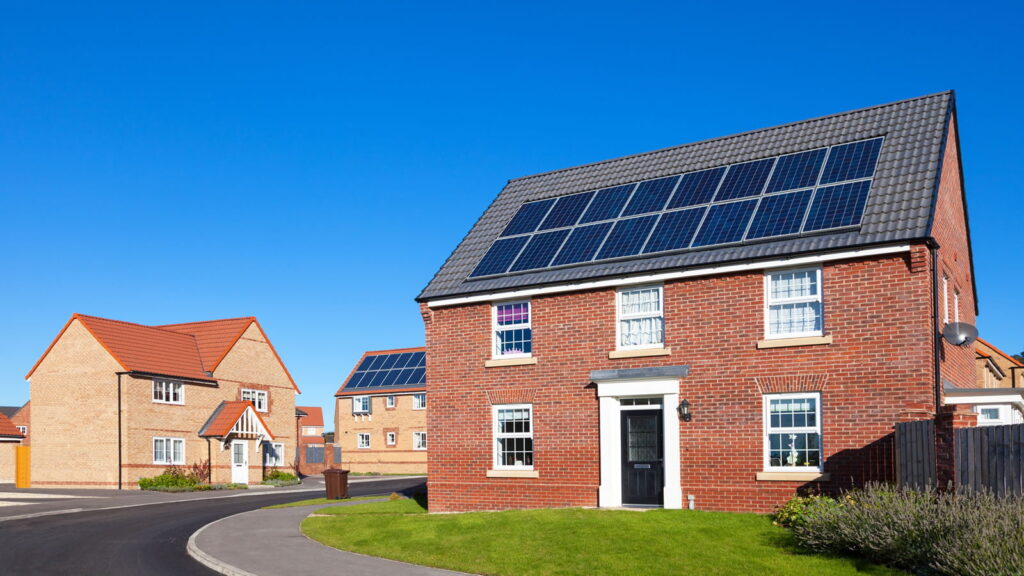
House on estate with solar panels

Steps to Get Started with My Home Solar


Initial Consultation

The first step is to schedule an initial consultation with our team. We will assess your home’s energy needs and discuss the best solar solutions for your emergency preparedness plan.

Customised Plan

Based on the consultation, we will develop a customised solar energy plan tailored to your home’s requirements. This plan will include recommendations for solar panels, batteries, and any necessary add-ons.

Installation

Our professional installation team will install your solar energy system, ensuring that it meets all safety and performance standards. We take care of all the details, from permits to final testing.


Be Prepared with My Home Solar

In today’s uncertain world, being prepared for emergencies is more important than ever. Solar energy offers a reliable, sustainable, and cost effective solution for keeping your home powered during unexpected events. At My Home Solar, we are committed to helping you achieve energy independence and peace of mind.

Investing in a solar energy system with My Home Solar not only prepares you for emergencies but also contributes to a greener future. Our expert team, high quality products, and exceptional customer service make us the ideal partner for your solar energy needs.

Don’t wait for the next power outage to catch you off guard. Contact My Home Solar today and take the first step towards a more secure and sustainable future.

For more information, visit our website or call us to schedule your initial consultation. Join the growing number of homeowners who have discovered the benefits of solar energy with My Home Solar.

Error: Contact form not found.

How Solar Panels Can Help You Achieve Net-Zero Energy Consumption

In today’s world, achieving net zero energy consumption has become a pivotal goal for both individuals and businesses alike. With climate change at the forefront of global issues, many are looking for sustainable solutions to reduce their carbon footprint. One of the most effective ways to achieve this is through the adoption of solar panels. At My Home Solar, we are dedicated to helping households and businesses in the UK make the transition to renewable energy seamlessly.


What is Net-Zero Energy Consumption?

Net zero energy consumption means that the total amount of energy used by a building is roughly equal to the amount of renewable energy created on site. This balance can be achieved by reducing energy consumption and producing renewable energy to offset what is used. Solar panels are an ideal solution for this, providing a reliable and sustainable source of energy.


The Basics of Solar Energy

Solar energy harnesses the power of the sun using photovoltaic (PV) cells, which convert sunlight into electricity. This electricity can then be used to power your home or business, reducing the need for energy from non-renewable sources. Solar panels are typically installed on rooftops, where they can receive maximum sunlight exposure throughout the day.


Environmental Benefits

Solar panels significantly reduce greenhouse gas emissions by generating clean energy. Unlike fossil fuels, solar energy production does not release harmful pollutants or carbon dioxide into the atmosphere. This makes it a key player in the fight against climate change and an essential component in achieving net zero energy goals.

Economic Savings

Investing in solar panels can lead to substantial savings on energy bills. Once installed, solar panels provide free electricity from the sun, which can drastically reduce or even eliminate your monthly energy costs. In addition, any excess energy produced can be sold back to the grid through the Smart Export Guarantee (SEG), providing an additional source of income.

Energy Independence

By generating your own electricity, you become less reliant on the national grid and less susceptible to energy price fluctuations. This energy independence is particularly valuable in the UK, where energy prices have been on the rise.


How Solar Panels Work

Solar panels contain photovoltaic cells, which usually use semiconductor materials such as silicon. When sunlight reaches these cells, it creates an electric current. The panels generate this electricity as direct current, or DC.

Next, an inverter converts the DC electricity into alternating current, or AC. Your home or business can then use this electricity to power appliances, lighting and other electrical equipment.

Solar panels generate electricity during daylight hours. However, your property may not use all of this electricity as soon as the panels produce it. This is where battery storage can help.

A solar battery stores surplus electricity for later use. For example, you can use stored energy during the evening when your panels are no longer generating electricity. As a result, you can use more of the renewable energy your system produces and reduce your reliance on electricity from the grid.

Battery storage can therefore improve the overall efficiency of your solar setup. However, it does not guarantee a continuous power supply during a power cut unless the system includes suitable backup functionality.

Solar energy has become increasingly popular across the UK as households and businesses look for ways to reduce their reliance on grid electricity and generate more renewable energy. My Home Solar supports this transition by providing solar panels and battery storage solutions for homes and businesses across the UK.


Steps to Achieving Net-Zero with Solar Panels


Energy Audit

The first step towards net zero is understanding how much energy your home currently uses. An energy audit can highlight areas where you could reduce consumption and improve efficiency.

For example, you might upgrade to energy efficient appliances or improve your home’s insulation. You could also make simple changes to how and when you use electricity. Together, these improvements can reduce energy waste and help you get more from a future solar installation.

Assessing Solar Potential

Every property is different. Therefore, several factors need consideration before installing solar panels. These include the size and orientation of your roof, its pitch and the amount of shading it receives throughout the day.

At My Home Solar, we assess your property and energy requirements before recommending a suitable solar system. This allows us to design an installation around your home rather than taking a one size fits all approach.

Installation

Once we have assessed your property and designed the system, our team can begin the installation. We will fit the solar panels and other essential equipment according to the agreed design.

The time required will depend on the size and complexity of the installation. However, many residential solar installations can be completed within a relatively short period. Once installed and commissioned, your system can begin generating renewable electricity for your home.


Conclusion

Achieving net zero energy consumption is an attainable goal with the help of solar panels. By harnessing the power of the sun, you can reduce your carbon footprint, save money on energy bills, and contribute to a more sustainable future. My Home Solar is here to guide you every step of the way, providing top notch solar solutions tailored to your needs.

If you’re ready to make the switch to solar energy and take a significant step towards net zero energy consumption, contact My Home Solar today. Let’s work together to create a cleaner, greener future for the UK.

For more information on our products and services, visit our website or give us a call. Together, we can achieve net zero energy and make a positive impact on the environment.

Error: Contact form not found.

The Role of DMEGC Solar in the Global Push for Clean Energy

The global transition towards clean energy is an imperative, driven by the urgent need to address climate change, reduce carbon emissions, and secure a sustainable future for generations to come. As the world embraces renewable energy sources, solar power stands out as a key player in this transformation. Among the myriad companies contributing to this shift, DMEGC Solar has emerged as a pivotal force, championing the cause of clean energy. In this blog, we at My Home Solar, a leading UK based provider of solar panels, solar add-ons, solar batteries, and solar energy solutions, delve into the significant role of DMEGC Solar in the global push for clean energy.


Understanding DMEGC Solar: A Brief Overview

DMEGC Solar, a subsidiary of Hengdian Group DMEGC Magnetics Co., Ltd., has established itself as a formidable name in the solar energy industry. With a strong commitment to innovation, quality, and sustainability, DMEGC Solar specialises in the research, development, manufacturing, and sales of high efficiency solar cells and modules. Their extensive portfolio includes monocrystalline and polycrystalline solar products that cater to a diverse range of applications, from residential and commercial rooftops to large scale solar farms.


Innovation at the Heart of DMEGC Solar

One of the core strengths of DMEGC Solar lies in its relentless pursuit of technological innovation. The company invests heavily in research and development, continually pushing the boundaries of solar technology. This commitment has resulted in the production of highly efficient solar cells and modules that maximise energy output and ensure long term reliability.

DMEGC Solar’s cutting edge technology includes Passivated Emitter and Rear Cell (PERC) technology, bifacial modules, and half cut cell designs. These advancements enhance the efficiency and performance of solar panels, making them more effective even in challenging conditions such as low light or partial shading. For homeowners and businesses in the UK, where weather conditions can be unpredictable, these innovations are particularly beneficial.


Quality and Reliability: The Hallmarks of DMEGC Solar

When it comes to solar energy, quality and reliability are paramount. DMEGC Solar is renowned for its stringent quality control processes and adherence to international standards. Each solar module undergoes rigorous testing to ensure it meets the highest performance and durability criteria. This commitment to quality has earned DMEGC Solar numerous certifications, including IEC, UL, and TUV, instilling confidence in customers worldwide.

At My Home Solar, we prioritise offering our customers products that deliver exceptional performance and longevity. Partnering with DMEGC Solar allows us to provide solar solutions that meet these exacting standards, ensuring our clients receive the best possible return on their investment.


Sustainability and Environmental Responsibility

DMEGC Solar’s dedication to sustainability extends beyond the production of clean energy. The company is committed to environmentally responsible manufacturing practices, striving to minimise its carbon footprint and reduce waste. By employing advanced production techniques and adhering to strict environmental regulations, DMEGC Solar ensures that its operations align with the broader goal of sustainability.

For us at My Home Solar, this alignment with DMEGC Solar’s values reinforces our mission to promote eco friendly energy solutions. By choosing solar products from a company that prioritises environmental stewardship, our customers can contribute to a greener planet while enjoying the benefits of renewable energy.


Contribution to the Global Clean Energy Movement

DMEGC Solar contributes to the global transition towards cleaner energy by supplying photovoltaic technology for projects around the world. Its solar modules support a wide range of installations, from residential properties to large scale solar projects.

As more homes and businesses generate electricity from solar power, they can reduce the amount of electricity they need from fossil fuel sources. In turn, wider adoption of renewable electricity can help reduce greenhouse gas emissions associated with energy generation.

Solar power also plays an increasingly important role in the UK’s transition towards cleaner electricity. DMEGC Solar produces high efficiency panels that allow homeowners and businesses to generate renewable electricity from available roof space.

At My Home Solar, we support this transition by installing solar technology from manufacturers such as DMEGC Solar. This allows our customers to choose modern solar technology designed for efficient, long term electricity generation.

Economic Benefits of Solar Energy

Solar energy can provide financial benefits for both homeowners and businesses. By generating electricity on site, a solar system can reduce the amount of electricity a property needs to buy from the grid. As a result, households and businesses can lower their electricity bills and reduce their exposure to changing energy prices.

Adding solar batteries can provide further benefits. A battery stores surplus solar electricity that the property does not immediately use. You can then use this stored energy later, such as during the evening or when solar generation falls. Therefore, battery storage can help you use a greater proportion of the electricity your panels generate.

The growth of solar energy also supports economic activity across the renewable energy sector. Solar installations require professionals across system design, manufacturing, installation, electrical work, maintenance and related services.

As demand for renewable technology grows, the solar industry can support skilled employment while helping homes and businesses generate more of their own electricity. This combines the practical benefits of lower grid reliance with the wider transition towards a lower carbon energy system.


Conclusion: A Shared Vision for a Sustainable Future

DMEGC Solar plays an important role in the transition towards cleaner energy. The company develops photovoltaic technology for solar installations around the world. Through continued investment in solar technology, DMEGC Solar is helping homes and businesses generate more of their electricity from renewable sources.

At My Home Solar, we install DMEGC Solar products as part of our range of solar solutions. This allows our customers across the UK to benefit from established solar power technology designed for reliable, long term energy generation.

However, solar technology forms only one part of the wider transition towards a lower carbon future. Governments, businesses and households all have a role to play. By generating renewable electricity, improving energy efficiency and reducing reliance on fossil fuels, we can collectively support the transition towards cleaner energy.

For homeowners, choosing solar can also bring practical benefits. A well designed system can reduce reliance on grid electricity while helping households generate more of their own clean energy. When combined with suitable battery storage, homeowners can also store surplus solar electricity and use it later when they need it.

Error: Contact form not found.

Innovative Ways to Finance Your Solar Panel Installation with My Home Solar

In the quest for a more sustainable and cost effective energy solution, many homeowners are turning to solar power. Solar panels not only provide an eco friendly alternative to traditional energy sources but also offer significant savings on energy bills. However, the initial cost of installation can be a barrier for some. That’s where My Home Solar comes in, offering innovative financing options to make solar energy accessible to everyone. In this blog, we will explore the various financing methods available to you, ensuring you can harness the power of the sun without breaking the bank.

Before diving into financing options, it’s important to understand the numerous benefits of solar energy. Solar panels convert sunlight into electricity, reducing reliance on fossil fuels and lowering greenhouse gas emissions. This clean energy source not only helps the environment but also provides long-term financial benefits, including reduced energy bills and potential increases in property value.

The Initial Investment

The upfront cost of solar panel installation can be significant, covering the price of the panels, inverters, batteries, and installation services. While the long term savings and environmental benefits are clear, the initial expenditure can deter some homeowners. My Home Solar understands these concerns and offers a range of innovative financing solutions to make solar energy a viable option for everyone.

Financing Options with My Home Solar

Solar Loans

Solar loans are a popular option for those who want to own their solar panel system without paying the full cost upfront. My Home Solar offers competitive loan options tailored to your financial situation. These loans allow you to spread the cost of the solar system over a set period, making monthly payments that are often offset by the savings on your energy bills. Solar loans typically come with lower interest rates compared to other financing options, making them an attractive choice for many homeowners.

Benefits of Solar Loans:
  • Ownership: You own the solar panel system outright once the loan is paid off, allowing you to benefit fully from any government incentives or schemes.
  • Tax Incentives: Depending on your location, you may be eligible for tax credits or rebates, which can further reduce the overall cost.
  • Increased Home Value: Owning a solar system can increase the value of your property, providing an added financial benefit.

Power Purchase Agreements (PPAs)

A Power Purchase Agreement (PPA) is a financial arrangement where My Home Solar installs and maintains the solar panel system on your property, and you agree to purchase the generated electricity at a predetermined rate. This rate is typically lower than your current utility rate, providing immediate savings without any upfront costs.

Benefits of PPAs:
  • No Upfront Costs: The installation and maintenance are handled by My Home Solar, so you don’t need to worry about initial expenses.
  • Fixed Energy Costs: Locking in a rate for your electricity can protect you from future increases in energy prices.
  • Maintenance-Free: My Home Solar takes care of all maintenance and repairs, ensuring your system operates efficiently.
Solar panels and solar energy for the home

Solar Leasing

Similar to a PPA, a solar lease allows you to install a solar panel system on your property with no upfront costs. Instead of buying the electricity generated, you pay a fixed monthly lease payment to My Home Solar. This payment is often lower than your current electricity bill, resulting in immediate savings.

Benefits of Solar Leasing:
  • No Upfront Investment: Start saving from day one without any initial financial outlay.
  • Predictable Payments: Fixed monthly payments make budgeting easier.
  • Transferable Lease: If you sell your home, the lease can often be transferred to the new owner, adding value to your property.
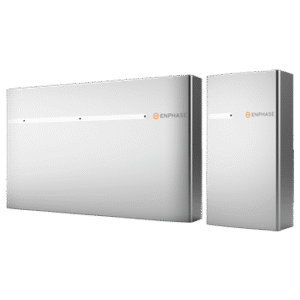
Enphase IQ Battery 3T and 10T

Government Incentives and Grants

The UK government offers various incentives to encourage the adoption of renewable energy sources. My Home Solar can help you navigate these options, ensuring you take full advantage of available grants and subsidies.

Benefits of Government Incentives:
  • Reduced Costs: Grants and subsidies can significantly lower the overall cost of your solar panel installation.
  • Feed-in Tariffs (FITs): Although the FIT scheme is closed to new applicants, those who already have solar panels installed may still benefit from payments for the electricity they generate.
  • Smart Export Guarantee (SEG): Under the SEG, you can earn money by exporting excess solar energy back to the grid.
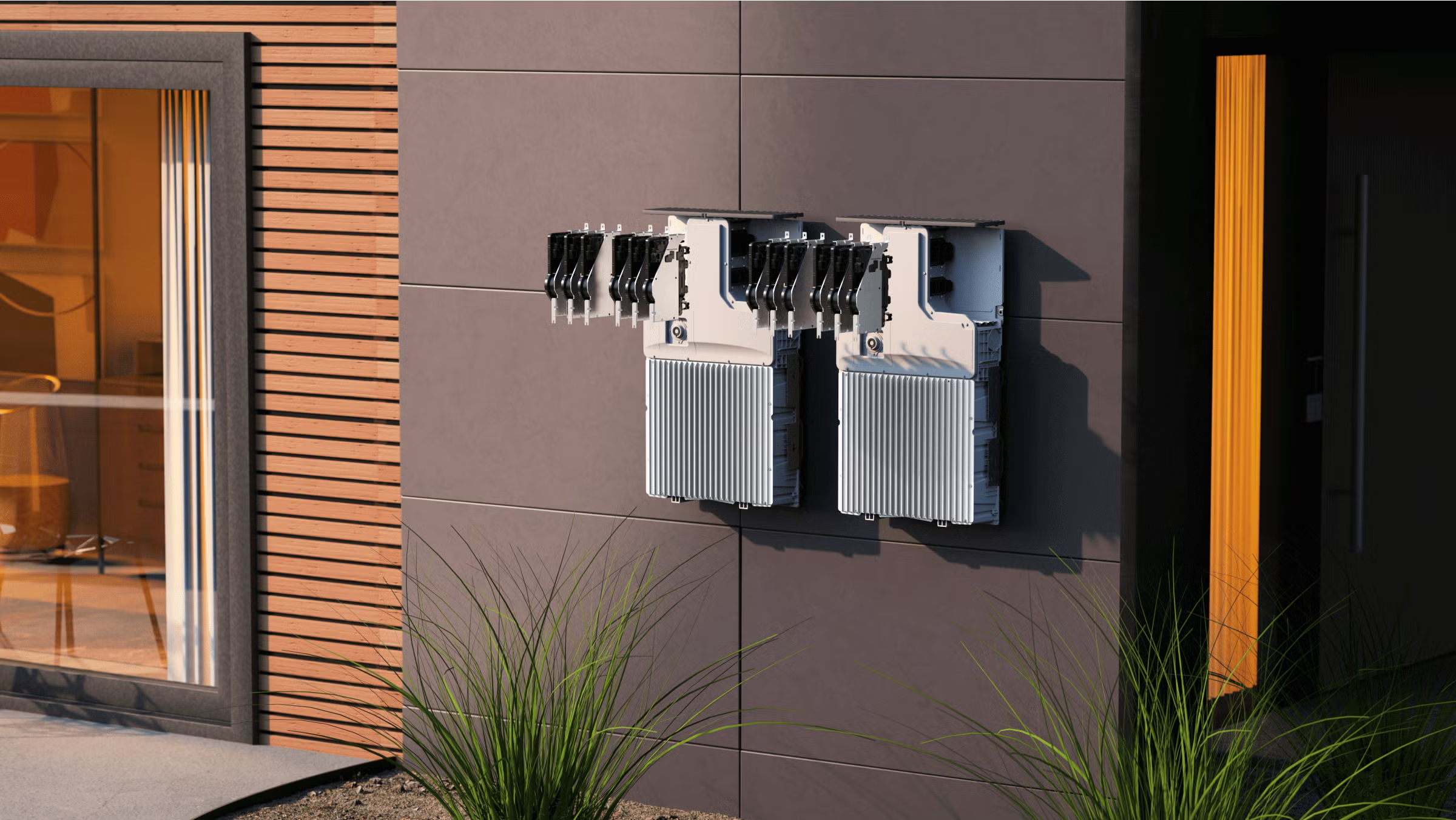
Growatt

Energy Efficiency Financing

My Home Solar partners with various financial institutions to offer energy efficiency loans specifically designed for renewable energy projects. These loans often come with favourable terms, such as lower interest rates and longer repayment periods, making them an attractive option for financing your solar installation.

Benefits of Energy Efficiency Financing:
  • Low-Interest Rates: Special rates make these loans more affordable.
  • Extended Repayment Terms: Longer repayment periods reduce monthly payments, easing financial pressure.
  • Environmentally Friendly: Financing options specifically for renewable energy projects support your commitment to sustainability.

Conclusion

Switching to solar energy is a smart and sustainable choice for any homeowner. With the innovative financing options available from My Home Solar, making the switch has never been easier or more affordable. Whether you opt for a solar loan, PPA, lease, or take advantage of government incentives, there’s a solution that fits your needs and budget.

Investing in solar energy not only benefits the environment but also offers significant financial rewards. By partnering with My Home Solar, you can take advantage of cutting edge financing solutions and enjoy the many benefits of solar power without the financial burden.

Ready to make the switch? Contact My Home Solar today to learn more about our financing options and start your journey towards a greener, more sustainable future.

Error: Contact form not found.

5 Must-Have Solar Add-Ons to Enhance Your Solar Panel System

Home Owners

In today’s world, where sustainability and eco friendliness have become paramount, more homeowners are turning to solar energy as a viable solution for their energy needs. At My Home Solar, we understand the importance of harnessing the sun’s power not only for the sake of the environment but also for the substantial savings it can bring. But did you know that your solar panel system can be even more efficient and beneficial with the right add-ons? At My Home Solar, a leading UK based provider of solar solutions, we offer a range of products designed to maximise the performance of your solar setup. Here are five must have solar add-ons that will enhance your solar panel system and make your investment even more worthwhile.

Solar Batteries

One of the most significant challenges with solar energy is its intermittency. Solar panels only produce electricity when the sun is shining, which means no power generation during the night or on very cloudy days. This is where solar batteries come into play.

Why You Need It: Solar batteries store the excess energy produced by your solar panels during the day, allowing you to use it later when the panels are not generating electricity. This not only ensures a constant power supply but also maximises the utilisation of your solar energy, reducing your reliance on the grid.

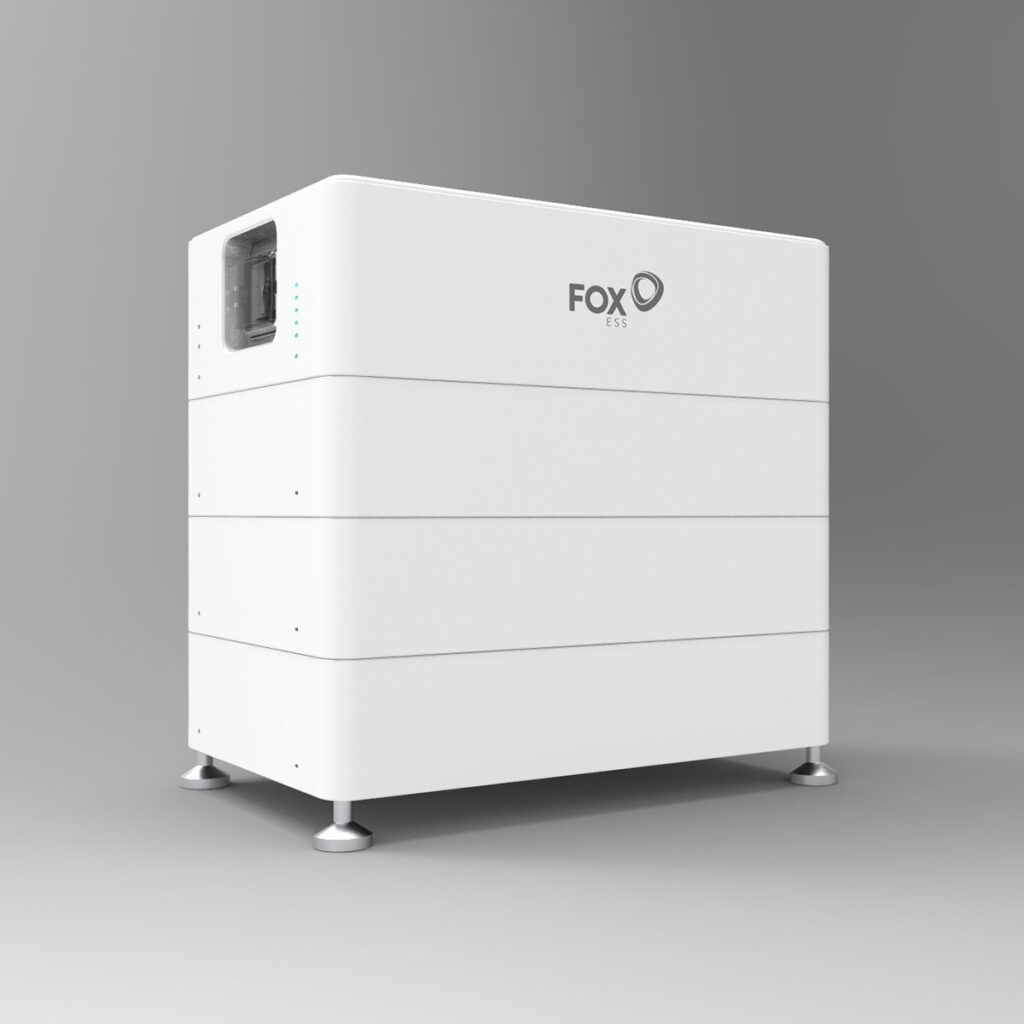
Our Recommendation: At My Home Solar, we offer a range of high quality solar batteries, including the renowned Fox ESS batteries. These batteries are designed for maximum efficiency and longevity, ensuring that you get the most out of your solar energy system.

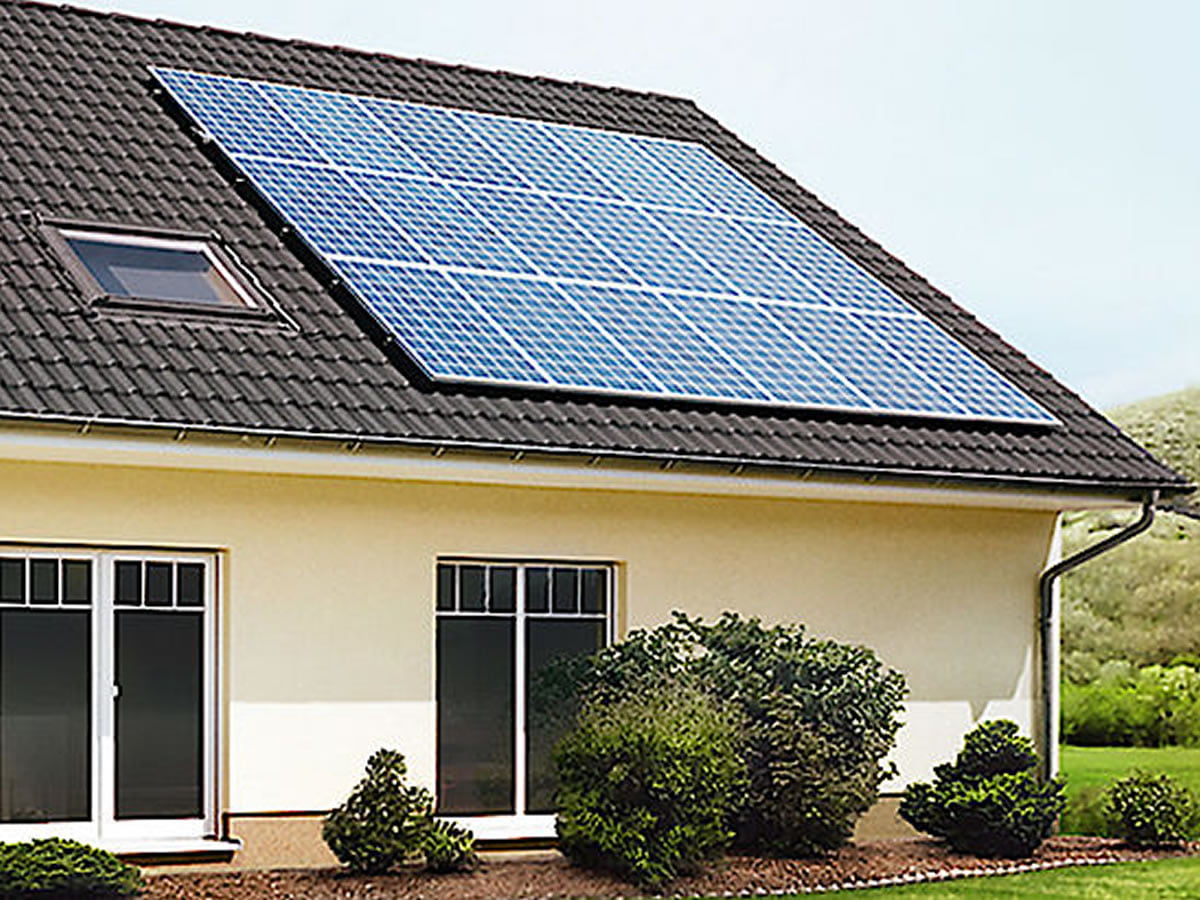
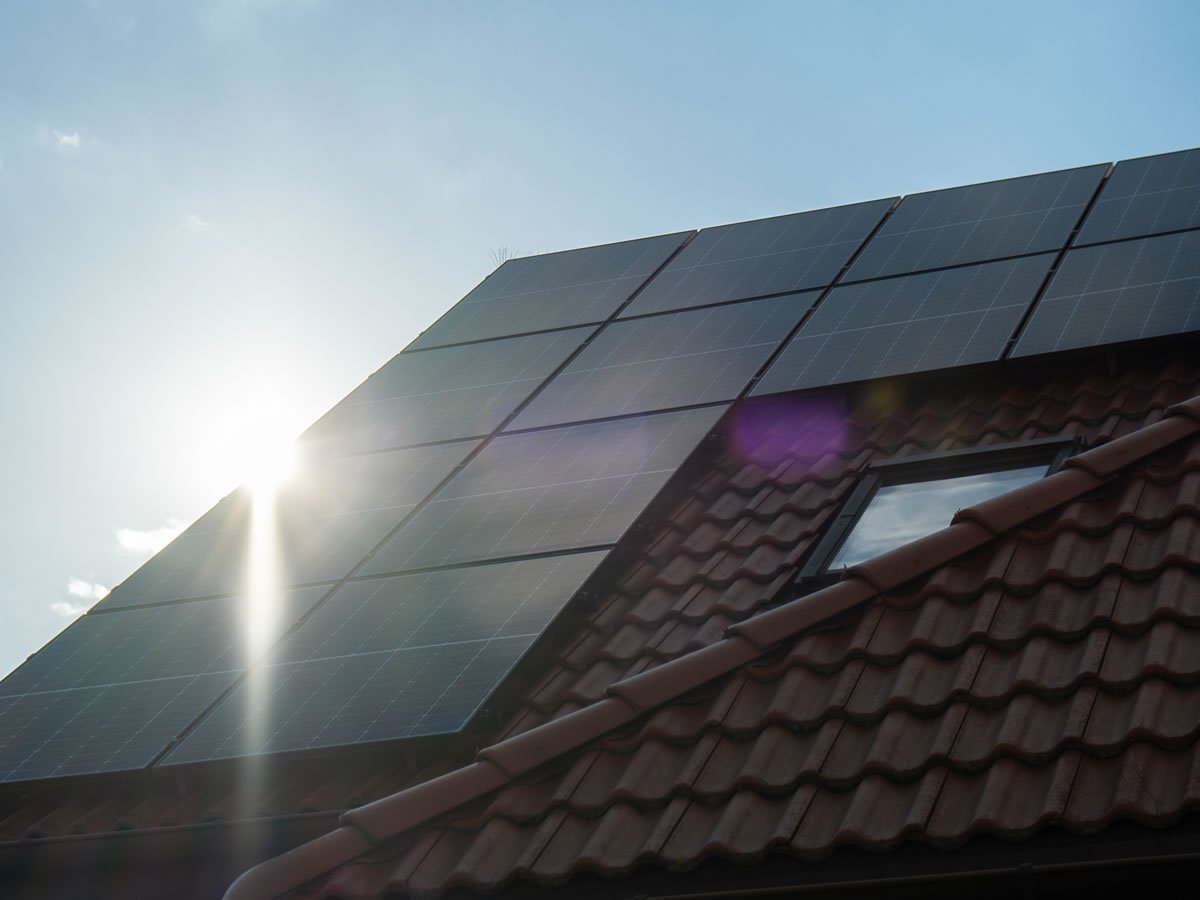
Solar panels on a residential house

Solar Inverters

A solar inverter is an essential component of any solar panel system. It converts the direct current (DC) electricity generated by your solar panels into alternating current (AC) electricity, which is what most household appliances use.

Why You Need It: Without a reliable inverter, your solar panels cannot effectively power your home. Modern inverters also come with advanced features such as energy monitoring and smart grid capabilities, which can further enhance the efficiency and management of your solar energy system.

Our Recommendation: My Home Solar stocks a variety of top tier inverters, including options from DMEGC Solar. These inverters are known for their reliability, efficiency, and smart features, making them a perfect addition to any solar setup.

Solar Protection Devices

Solar panels are a significant investment, and protecting them from potential damage is crucial. Solar protection devices can include surge protectors, optimisers, and monitoring systems that ensure your solar array operates smoothly and efficiently.

Why You Need It: Surge protectors safeguard your system against power surges that can damage your panels and inverters. Optimisers ensure each panel performs at its best, even if one panel is shaded or dirty. Monitoring systems help you keep track of your energy production and system health in real time, allowing you to address any issues promptly.

Our Recommendation: We at My Home Solar recommend investing in a comprehensive solar protection package to prolong the life and efficiency of your solar energy system. Our range of protection devices is designed to offer peace of mind and ensure your investment remains protected for years to come.

Smart Home Integration

Integrating your solar panel system with smart home technology can significantly enhance its convenience and efficiency. Smart home integration allows you to control and monitor your solar energy usage, optimise energy consumption, and even automate certain functions.

Why You Need It: With smart home integration, you can manage your energy consumption more effectively. For instance, you can set your high energy appliances to run during peak solar production hours, reducing your reliance on grid electricity. You can also monitor your system’s performance remotely, ensuring everything runs smoothly even when you’re not at home.

Our Recommendation: My Home Solar offers a range of smart home integration solutions that are compatible with our solar panel systems. From smart thermostats to advanced home energy management systems, we have the products that can make your home not only solar powered but also smart and efficient.

Solar Carport

For those looking to combine functionality with aesthetics, a solar carport is an excellent addition to your solar panel system. A solar carport is a canopy structure that supports solar panels and provides sheltered parking for your vehicles.

Why You Need It: Solar carports serve a dual purpose. They generate solar energy while providing protection for your cars against the elements. Additionally, they can be an attractive feature on your property and offer an ideal solution if you have limited roof space for solar panels.

Our Recommendation: At My Home Solar, we provide custom solar carport solutions tailored to your specific needs and space requirements. Our carports are designed to be both efficient and aesthetically pleasing, ensuring you get the most out of your investment.

Conclusion

Enhancing your solar panel system with these add-ons can provide numerous benefits, from increased energy efficiency to better protection and more convenience. At My Home Solar we believe in making the most out of your solar investment, and My Home Solar is here to help you every step of the way.

With our range of high quality solar products and our commitment to customer satisfaction, we ensure that you have all the tools you need to create a powerful, efficient, and reliable solar energy system. Whether you’re just starting with solar energy or looking to upgrade your existing setup, these must have solar add-ons will undoubtedly enhance your system and provide you with greater peace of mind.

Investing in solar energy is a significant step towards a sustainable future, and with the right add-ons, you can maximise your system’s potential. Contact My Home Solar today to learn more about our products and how we can help you take your solar energy system to the next level. Together, let’s harness the power of the sun to create a greener, more efficient world.

Step-by-Step Guide on Installing DMEGC Solar Panels

Residential Use in the UK

Welcome to the My Home Solar blog, your trusted partner in sustainable energy solutions in the UK. Today, we’re diving into a comprehensive, step by step guide on installing DMEGC solar panels for residential use. Whether you’re a DIY enthusiast or planning to hire a professional, this guide will provide you with the knowledge you need to make an informed decision.


Why Choose DMEGC Solar Panels?

DMEGC Solar is renowned for its high efficiency, reliable, and cost effective solar panels. As a leading manufacturer in the solar industry, DMEGC panels offer exceptional performance and durability, making them an excellent choice for homeowners in the UK looking to reduce their carbon footprint and energy bills.


Step 1: Assess Your Home’s Suitability for Solar Panels

Before diving into the installation process, it’s crucial to determine if your home is suitable for solar panels. Here are the key factors to consider:

Roof Condition: Ensure your roof is in good condition and can support the weight of solar panels. It’s recommended to have a professional roofer inspect it if there are any doubts.

Roof Orientation and Angle: In the UK, south facing roofs are ideal for solar panels, as they receive the most sunlight. However, east and west facing roofs can also work well. The angle of your roof should ideally be between 30 and 40 degrees for optimal solar energy absorption.

Step 2: Calculate Your Energy Needs

Understanding your energy consumption is essential to determine the number of solar panels you’ll need. You can find this information on your electricity bills. Look at your average daily, monthly, or yearly usage in kilowatt-hours (kWh).

Once you have this information, you can calculate the number of panels required. For instance, if your annual consumption is 3,600 kWh and you choose DMEGC panels that generate 300 watts each, you’ll need about 12 panels (considering average UK sunlight).

Step 3: Obtain Necessary Permits and Approvals

In the UK, most residential solar panel installations fall under Permitted Development Rights, meaning you don’t need planning permission. However, there are exceptions, such as:

  • If your home is a listed building.
  • If you live in a conservation area.
  • If the panels protrude more than 200mm from the roof.

Always check with your local planning authority to ensure you comply with regulations.


Step 4: Choose Your DMEGC Solar Panels and System Components

Selecting the right components is crucial for an efficient solar power system. Here’s a list of essential components you’ll need:

Solar Panels: DMEGC offers various models with different power outputs. Choose panels based on your energy needs and available roof space.

Inverter: This converts the DC electricity generated by the panels into AC electricity for your home. There are three main types: string inverters, microinverters, and power optimisers.

Mounting System: This secures your solar panels to the roof. Ensure it’s compatible with your roof type.

Batteries (Optional): Solar batteries allow you to store excess energy generated during the day for use at night or during cloudy periods.

Monitoring System: This helps you track the performance of your solar panels.


Step 5: Install the DMEGC Solar Panels

With the roof prepared, it’s time to install the solar panels. Here’s a step by step guide:

  1. Attach the Panels to the Mounting System: Secure the panels to the mounting brackets using the provided clamps and hardware. Ensure they are firmly attached and properly aligned.
  2. Connect the Panels: Connect the panels in series or parallel, depending on your system design. Use appropriate connectors and ensure all connections are tight and waterproof.
  3. Install the Inverter: Mount the inverter near your main electrical panel and connect it to the solar panels. Follow the manufacturer’s instructions for wiring.
  4. Connect to the Electrical System: Connect the inverter to your home’s electrical system. This step should be done by a qualified electrician to ensure safety and compliance with regulations.
  5. Install the Monitoring System: Set up the monitoring system to track the performance of your solar panels. This can often be done via a smartphone app or online portal.

Conclusion

Installing DMEGC solar panels for your home in the UK is a rewarding investment that can significantly reduce your energy bills and carbon footprint. By following this step by step guide, you can ensure a smooth and successful installation process. Whether you choose to do it yourself or hire a professional, My Home Solar is here to support you every step of the way.

Remember, the journey to a greener, more sustainable future starts with one step. Let that step be installing DMEGC solar panels with My Home Solar.

For more information or to schedule a consultation, please contact us at 0800 193 3933 or visit our website at https://myhomesolar.uk/.

Thank you for choosing My Home Solar, your partner in sustainable energy solutions.

Error: Contact form not found.

Emerging Technologies in Solar Power Conversion Efficiency

Evolving Technology

Solar energy has come a long way since its inception, and at My Home Solar, we pride ourselves on being at the forefront of this evolving technology. Based in the UK, our mission is to provide top quality solar panels, solar batteries, and solar add-ons to help you harness the power of the sun more efficiently. In this blog, we delve into the latest emerging technologies that are enhancing solar power conversion efficiency, with a spotlight on Fox ESS and Jinko Solar panels.


The Importance of Solar Power Conversion Efficiency

Solar power conversion efficiency is the percentage of sunlight that can be converted into usable electricity by a solar panel. Higher efficiency means more energy from the same amount of sunlight, which is crucial for maximising the benefits of solar power, especially in regions with less sunlight or limited installation space.


  1. Perovskite Solar Cells

Perovskite solar cells have gained significant attention due to their high efficiency and lower production costs. These cells use a perovskite structured compound as the light harvesting active layer. Perovskite cells have achieved efficiencies over 25% in laboratory settings, rivalling traditional silicon based cells. Their flexibility and lightweight nature also make them ideal for a variety of applications, from rooftop installations to portable solar chargers.

  1. Bifacial Solar Panels

Bifacial solar panels can capture sunlight from both sides, effectively increasing the total energy output. These panels can harness reflected light from the ground, making them particularly effective in snowy or sandy environments where reflectivity is high. Bifacial panels have been shown to produce up to 30% more energy than traditional monofacial panels, making them a promising technology for improving solar power conversion efficiency.

  1. Quantum Dot Solar Cells

Quantum dots are tiny semiconductor particles that can be tuned to absorb different wavelengths of light. Quantum dot solar cells are still in the research phase but show great potential due to their ability to cover a broader spectrum of sunlight compared to conventional cells. This broader absorption can lead to higher efficiencies, potentially surpassing the current silicon based technology.


Tandem Solar Cells

Tandem solar cells stack multiple layers of different photovoltaic materials to capture more of the solar spectrum. For instance, combining perovskite and silicon in a tandem cell can surpass the efficiency limits of each material individually. These cells have achieved efficiencies above 30% in laboratory conditions, making them a promising candidate for future commercial use.

CPV technology uses lenses or mirrors to concentrate sunlight onto highly efficient solar cells. By focusing more light onto a smaller area, CPV systems can achieve efficiencies above 40%. While CPV systems are more complex and expensive to install, they are ideal for areas with high direct sunlight, offering substantial energy gains.

Growatt

Innovations in Solar Panel Manufacturing

In addition to advancements in solar cell technology, improvements in manufacturing processes also play a crucial role in enhancing solar power conversion efficiency.


  1. PERC (Passivated Emitter and Rear Cell) Technology

PERC technology involves adding a passivation layer to the rear side of the solar cell, reducing electron recombination and increasing the amount of light captured. This simple yet effective enhancement has significantly boosted the efficiency of commercial solar panels, making it a standard in the industry.

  1. Heterojunction Technology (HJT)

HJT combines the advantages of crystalline silicon and amorphous silicon, creating a cell that offers higher efficiency and better performance at higher temperatures. HJT panels are known for their excellent stability and longevity, providing more consistent energy output over time.

  1. Multi-Busbar (MBB) Technology

MBB technology involves using multiple thin wires (busbars) instead of a few thicker ones to conduct electricity. This design reduces resistance and increases the active area of the solar cell, leading to higher efficiency. MBB is becoming a standard feature in modern solar panels due to its tangible efficiency gains.


The Future of Solar Power

The continuous advancement in solar technology is making it an increasingly viable and attractive option for energy generation. As efficiency improvements drive down costs and increase the effectiveness of solar panels, more households and businesses are likely to adopt solar power.

  1. Artificial Intelligence (AI) and Machine Learning

AI and machine learning are being integrated into solar energy systems to predict energy production, optimise system performance, and manage energy distribution more effectively. These technologies can analyse vast amounts of data to identify patterns and make real time adjustments, ensuring maximum efficiency.

  1. Blockchain for Solar Energy Trading

Blockchain technology is being explored for peer to peer solar energy trading. This would allow individuals to sell excess solar power directly to their neighbours, creating a decentralised energy market. Such systems could increase the financial viability of solar installations and encourage more widespread adoption.


Conclusion

The future of solar power is bright, with continuous advancements in technology driving higher efficiency and broader adoption. At My Home Solar, we are excited to be part of this journey, providing you with cutting edge solutions to harness the power of the sun. Whether you are looking to install new solar panels, upgrade your current system, or explore energy storage options, we have the expertise and products to meet your needs. Embrace the future of energy with My Home Solar and join us in creating a sustainable world powered by solar energy.

For more information about our products and services, or to schedule a consultation, visit our website or contact us today. Let’s work together to make your home more energy-efficient and environmentally friendly.

Error: Contact form not found.
Navigating the Permitting Process for Solar Panel Installation

A Guide by My Home Solar

In recent years, solar energy has become an increasingly popular choice for homeowners in the UK. With rising energy costs and a growing awareness of environmental issues, many people are turning to solar power as a sustainable and cost-effective solution. At My Home Solar, we specialise in providing high quality solar panels, solar batteries, and solar add-ons from leading brands like Fox ESS and Jinko Solar. However, one crucial aspect of the solar panel installation process that can often be overlooked is navigating the permitting process. In this blog, we will guide you through the key steps and considerations involved in obtaining the necessary permits for your solar panel installation.

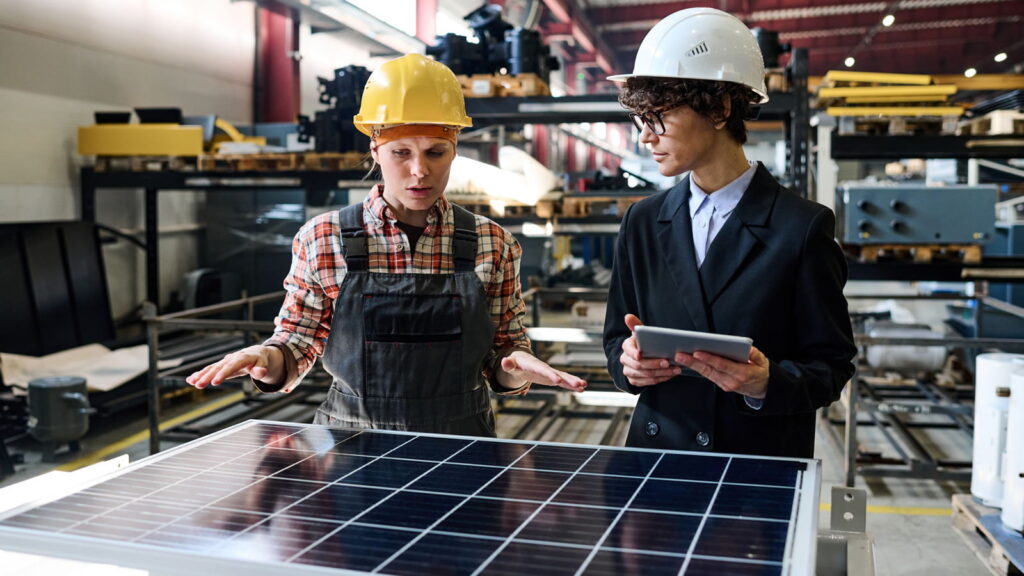
Engineer talking about solar panel to collegue

Understanding the Permitting Process

Before you can begin the installation of your solar panels, it’s essential to understand the permitting process. This process is designed to ensure that your solar panel installation complies with local regulations and building codes, safeguarding both you and your community. While the specifics can vary depending on your location, there are several general steps and requirements you can expect.


Initial Assessment and Planning

Evaluating Your Property

The first crucial step in the permitting process is a comprehensive assessment of your property. Evaluating your property’s suitability for solar panel installation involves several key considerations:

  • Roof Orientation and Angle: The orientation and angle of your roof significantly impact the efficiency of your solar panels. South facing roofs are ideal as they receive the most sunlight throughout the day, but east and west facing roofs can also be effective.
  • Shading: Assess potential shading from trees, buildings, or other obstructions. Even partial shading can reduce the efficiency of your solar panels, so it’s important to identify and address these issues during the planning stage.
  • Roof Condition: Ensure that your roof is in good condition and capable of supporting the weight of the solar panels. It may be necessary to carry out repairs or reinforcements to guarantee the structural integrity of your installation.

Selecting the Right Equipment

Choosing the right solar equipment is critical for the success of your installation. At My Home Solar, we offer a range of high quality products:

  • Solar Panels: We provide Jinko solar panels known for their efficiency and durability. Selecting the right number and type of panels is essential for meeting your energy needs.
  • Inverters: Fox ESS inverters are a popular choice due to their reliability and performance. Inverters are vital for converting the DC electricity generated by your panels into usable AC electricity.
  • Solar Batteries and Add-ons: Consider integrating solar batteries to store excess energy for use during non sunny periods. Our solar add-ons can enhance your system’s functionality and efficiency.

Designing Your System

A well designed solar system is tailored to your specific energy needs and complies with local regulations. Work with a qualified solar installer to develop a detailed system design that includes:

  • Panel Placement: Determine the optimal placement for your solar panels to maximise sun exposure and minimise shading.
  • System Size: Calculate the number of panels needed to meet your energy requirements. This depends on your average electricity consumption and the available roof space.
  • Additional Components: Plan for any additional components like solar batteries, which can increase the overall efficiency and resilience of your system.

Submitting Your Application

Once you’ve completed the initial assessment and planning, the next step is to submit your application for the necessary permits. This typically involves:

Preparing Documentation

Gathering all required documentation is a crucial part of the permitting process. This includes:

  • Site Plans: Detailed site plans showing the layout of your solar panel installation, including the position of each panel, inverter, and other components.
  • System Design Specifications: Comprehensive specifications of the equipment you intend to use, such as the type and number of solar panels, inverters, and batteries.
  • Structural Calculations: Any calculations or assessments that demonstrate the structural integrity of your roof and its ability to support the solar panel system.

Your solar installer can assist with this process to ensure all details are accurate and complete.


Filing Your Application

Submit your application to the appropriate local authority. This could be your local council or another regulatory body responsible for approving solar panel installations in your area. The application process typically includes:

  • Completing Forms: Fill out the necessary application forms provided by your local authority. These forms will require detailed information about your planned installation.
  • Submitting Documentation: Attach all required documentation to your application. Ensure that all documents are clear, accurate, and complete to avoid delays in the review process.

Paying Fees

Be prepared to pay any applicable fees associated with your permit application. These fees can vary depending on your location and the complexity of your installation. It’s important to factor these costs into your overall budget for the project.

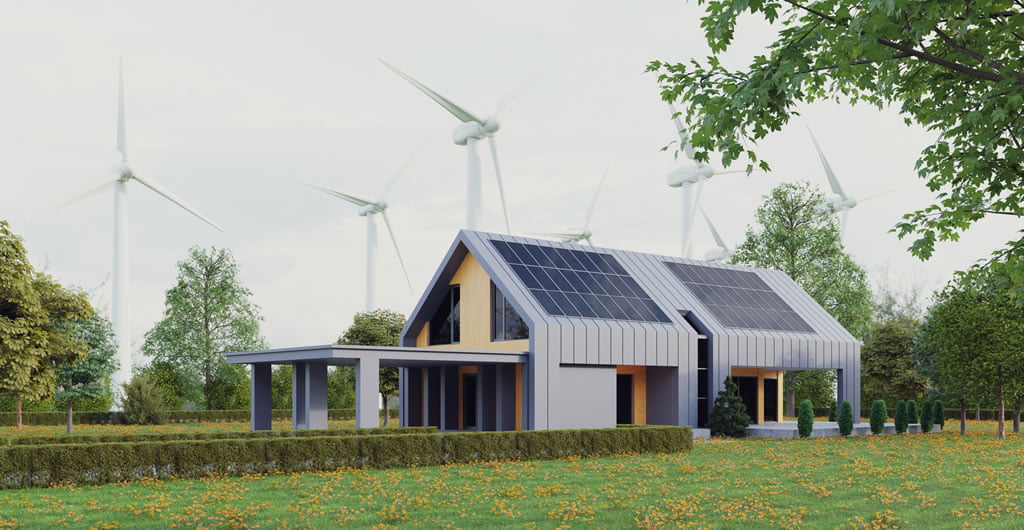
Modern eco house with solar panels and windmills to use alternative energy.

Installation and Final Inspection

With your permits in hand, you can move forward with the installation of your solar panels. This phase involves:

Hiring a Qualified Installer

Ensure that your solar panel installation is carried out by a qualified and experienced installer. At My Home Solar, our team of experts is fully trained and certified to handle all aspects of the installation process. A professional installation guarantees:

  • Safety: Qualified installers adhere to strict safety standards, reducing the risk of accidents during and after the installation.
  • Quality: Professional installers ensure that your system is installed correctly, maximising its efficiency and longevity.

Following Approved Plans

Adhere to the approved plans and specifications during the installation. Any deviations from the approved design may require additional approvals or inspections. Key considerations include:

  • Correct Placement: Ensure that the solar panels are installed in the optimal position as per the approved design to maximise sun exposure.
  • Proper Wiring: Ensure all electrical wiring is installed according to the approved plans and complies with local electrical codes.

Final Inspection

Once the installation is complete, a final inspection will be conducted to verify that the work has been carried out according to the approved plans and meets all safety standards. This inspection is crucial for ensuring the long term performance and safety of your solar system. During the final inspection, authorities will:

  • Verify Installation: Check that the solar panels, inverters, and other components have been installed correctly and in accordance with the approved plans.
  • Test System: Perform tests to ensure that the system is functioning properly and safely.

How My Home Solar Can Help

At My Home Solar, we are committed to making the transition to solar energy as seamless and stress free as possible for our customers. Here’s how we can assist you with the permitting process:

Expert Guidance

Our team of experienced professionals will guide you through every step of the permitting process, from the initial assessment and planning to the final inspection. Our services include:

  • Consultation: Providing expert advice on system design, equipment selection, and compliance with local regulations.
  • Documentation: Assisting with the preparation and submission of all necessary documentation for your permit application.

High-Quality Equipment

We provide top of the line solar panels, inverters, and batteries from reputable brands like Fox ESS and Jinko Solar, ensuring your system is efficient and reliable. Our offerings include:

  • Solar Panels: High efficiency Jinko solar panels designed to maximise energy production.
  • Inverters: Reliable Fox ESS inverters that ensure optimal system performance.
  • Solar Batteries: Advanced solar batteries for energy storage, enhancing your system’s resilience and efficiency.

Conclusion

Navigating the permitting process for solar panel installation may seem daunting, but with the right guidance and preparation, it can be a smooth and straightforward experience. At My Home Solar, we are dedicated to helping our customers make the switch to solar energy with confidence. By understanding the key steps involved in the permitting process and working with our team of experts, you can ensure a successful and compliant solar panel installation. If you’re ready to take the next step towards sustainable energy, contact My Home Solar today and let us help you harness the power of the sun.

Error: Contact form not found.

Financing Solar Energy: Loans, Leases, and PPAs Explained

Introduction

At My Home Solar, we recognise the significance of investing in solar energy and aim to simplify the process for homeowners in the UK. As a premier provider of solar panel installations, solar batteries, and other solar add ons, we strive to make renewable energy accessible and affordable. A crucial aspect to consider when transitioning to solar energy is the financing options available. In this blog, we will explore various financing methods, including loans, leases, and power purchase agreements (PPAs), helping you make an informed decision that suits your financial situation and energy needs.


The Basics of Solar Financing

Understanding the importance of financing is crucial when investing in solar energy systems. The initial cost of installing solar panels, batteries, and other components can be high, but the long term benefits, such as reduced energy bills and a smaller carbon footprint, make it a worthwhile investment. Financing options enable you to spread the cost over time, making solar energy more affordable and accessible for homeowners. We will explore different financing methods to help you find the best solution for your needs.


Loans

Loans are a straightforward way to finance your solar energy system. By borrowing money to cover the upfront installation costs, you can repay the loan over a set period. There are various types of loans available for solar financing, each with its advantages and considerations.

Personal Loans

Personal loans are a common choice for financing solar panels. These unsecured loans do not require collateral, meaning you don’t need to put up your home or other assets as security. The application process for personal loans is usually simple, and funds can be received relatively quickly.


Advantages:

  • No Collateral Required: Unsecured loans mean you don’t risk losing your property if you default.
  • Flexible Use: Funds can be used for any purpose, including solar panels, batteries, and installation.

Considerations:

  • Higher Interest Rates: Unsecured loans often come with higher interest rates than secured loans.
  • Credit Score Impact: Your credit score will significantly influence the loan terms, including the interest rate.

Home Improvement Loans

Home improvement loans are designed for home renovations and upgrades, including solar energy systems. These loans can be secured or unsecured, with secured loans offering lower interest rates due to the collateral.

Advantages:

  • Lower Interest Rates: Secured home improvement loans typically have lower interest rates compared to personal loans.
  • Tailored for Home Projects: These loans are designed for home improvements, making them suitable for solar installations.

Considerations:

  • Collateral Required for Secured Loans: If you opt for a secured loan, your home will serve as collateral, which means you risk foreclosure if you default.
Solar engineer fixing solar panels to roof

Power Purchase Agreements (PPAs)

A Power Purchase Agreement (PPA) is similar to a lease, but instead of paying a fixed monthly fee, you agree to purchase the electricity generated by the solar panels at a predetermined rate. This rate is usually lower than your utility’s current rate, providing immediate savings on your energy bills.

Advantages:

  • Immediate Savings: PPAs offer immediate savings as the rate for solar electricity is typically lower than the standard utility rate.
  • No Upfront Costs: Like leases, PPAs usually require no upfront payment, making them accessible to many homeowners.
  • Maintenance Covered: The provider is responsible for installation, maintenance, and repairs.

Considerations:

  • No Ownership: As with leases, you don’t own the panels, so you won’t benefit from certain incentives or property value increases.
  • Contract Terms: PPAs are long term contracts, often 20 to 25 years, meaning you’re locked into the agreement for an extended period. Be sure to understand the terms and any potential rate increases.

Conclusion

At My Home Solar, our mission is to make solar energy accessible and affordable for homeowners across the UK. Understanding the different financing options available loans, leases, and PPAs will help you make an informed decision that aligns with your financial situation and long term goals. Each option has its advantages and considerations, so assess your priorities to choose the best path to sustainable energy.

If you have any questions or need further assistance in choosing the right financing option for your solar energy system, our team at My Home Solar is here to help. Contact us today to learn more about our solar panel installations, solar batteries, and other solar add-ons, including Jinko Solar, Neo Solar, and Fox ESS batteries. Together, we can create a brighter, more sustainable future for your home and the planet.

Error: Contact form not found.