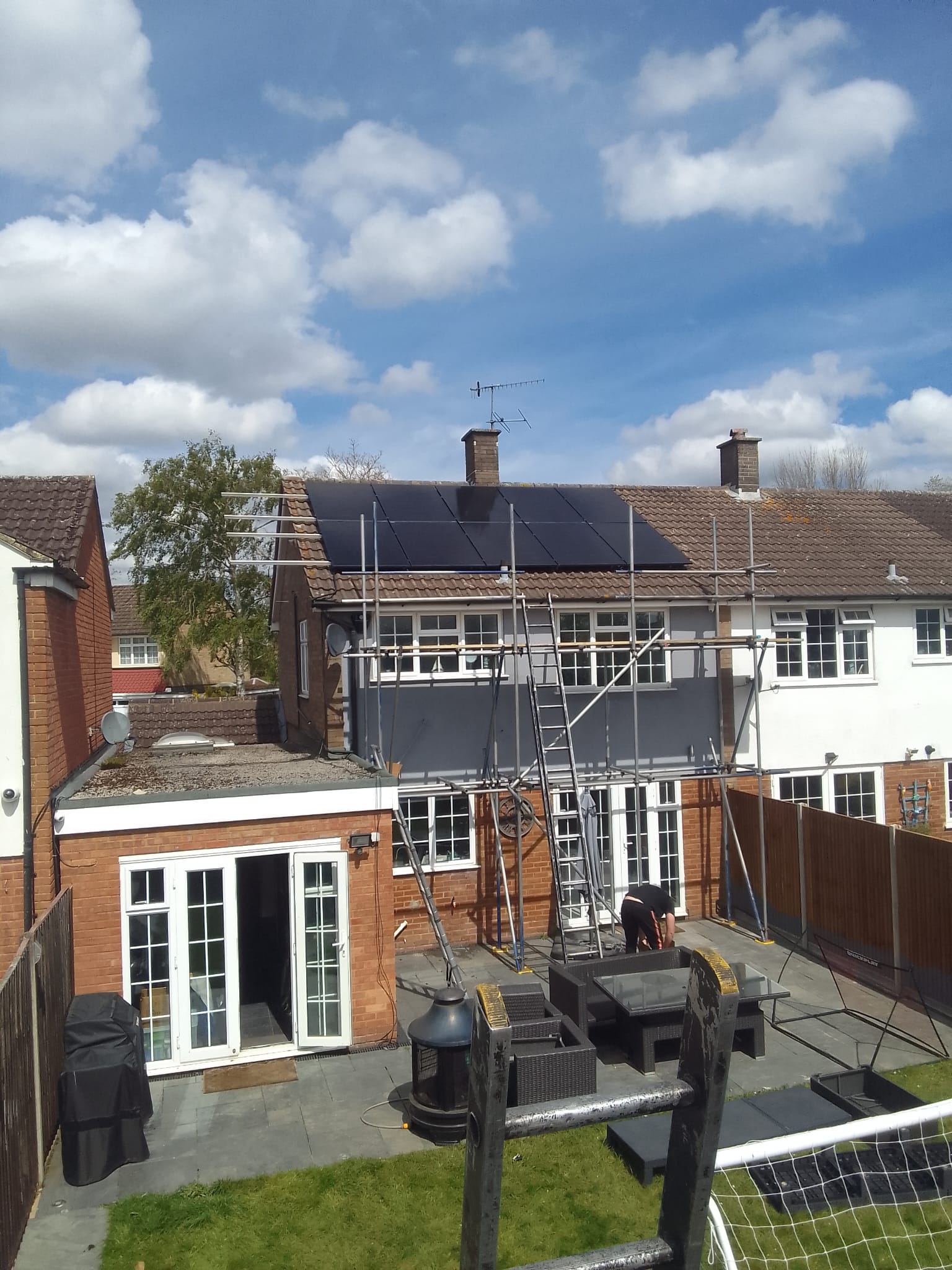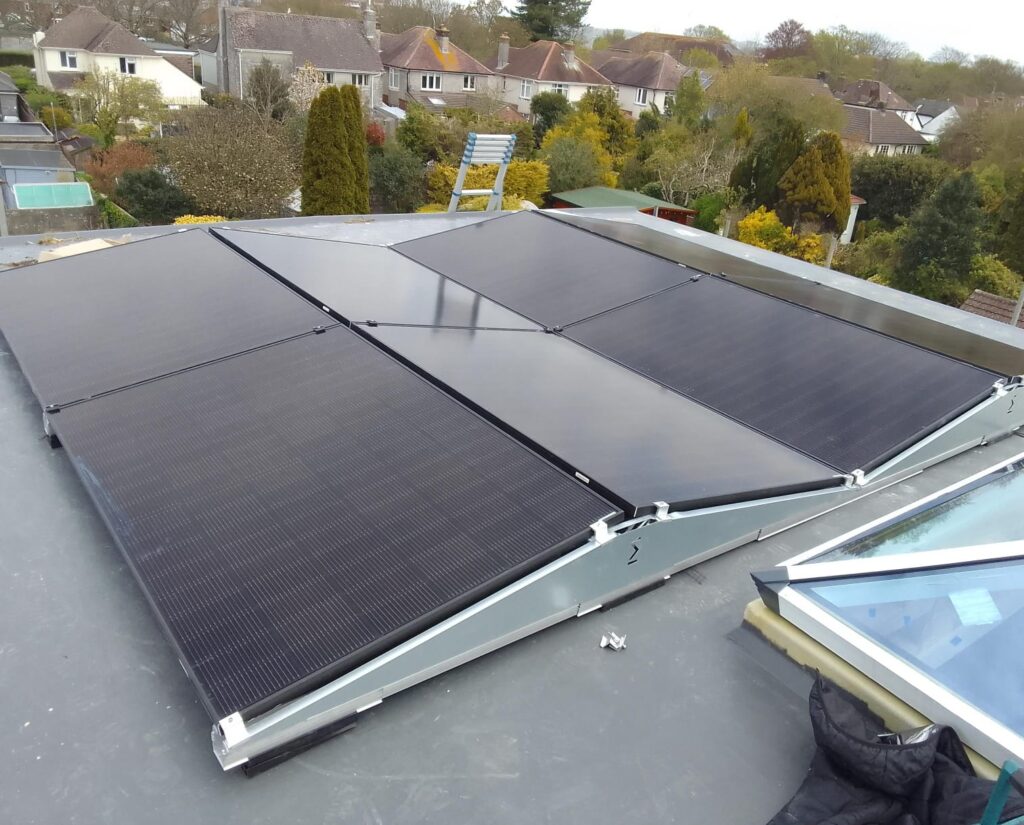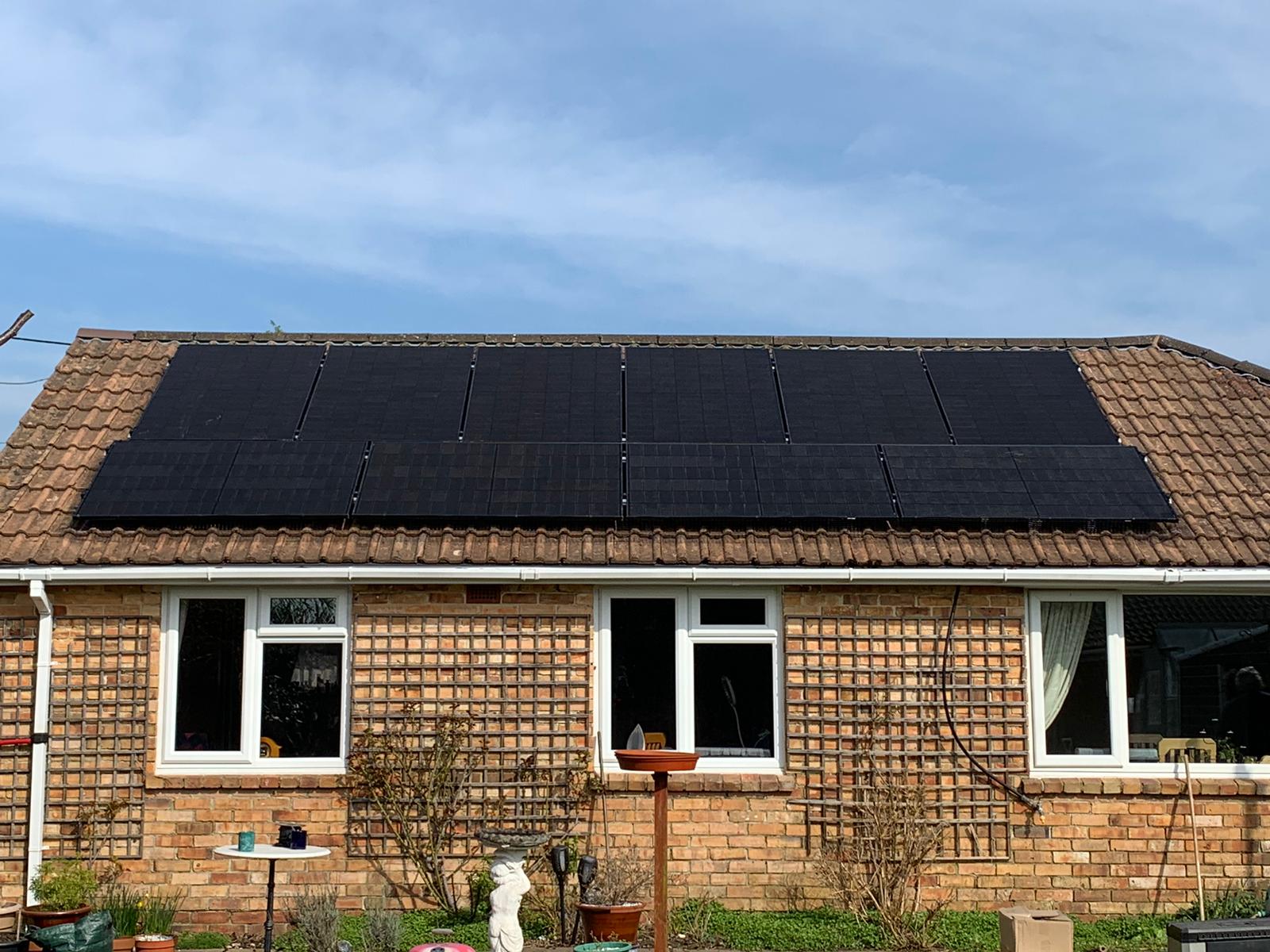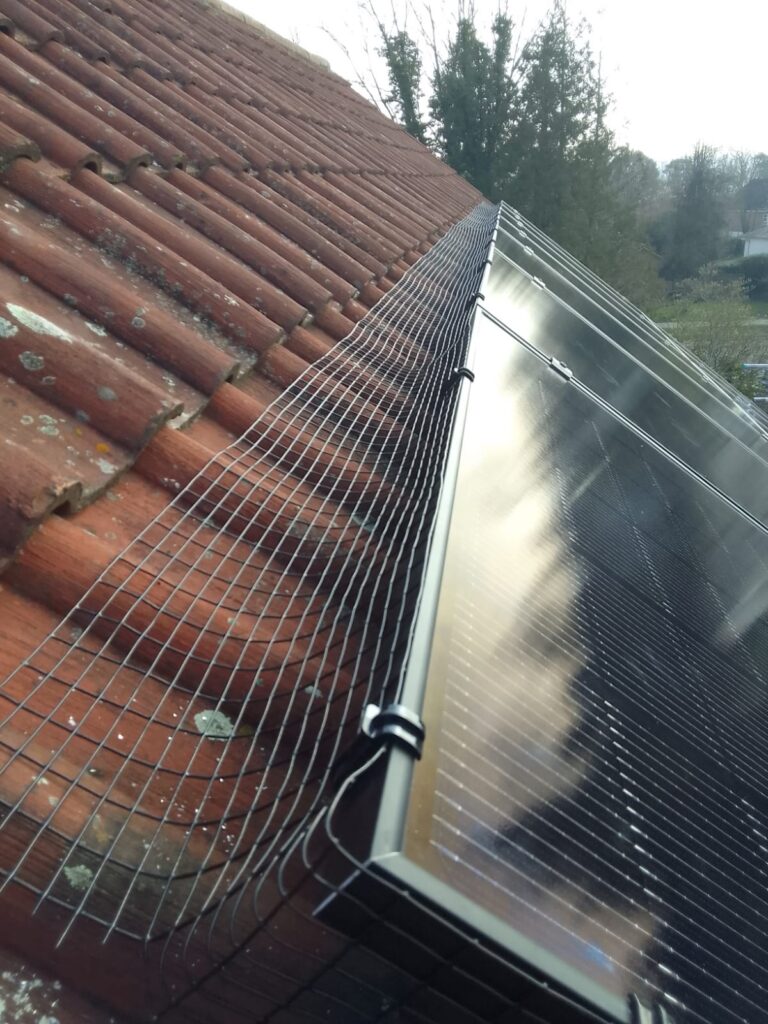
Navigating the Permitting Process for Solar Panel Installation

A Guide by My Home Solar

In recent years, solar energy has become an increasingly popular choice for homeowners in the UK. With rising energy costs and a growing awareness of environmental issues, many people are turning to solar power as a sustainable and cost-effective solution. At My Home Solar, we specialise in providing high quality solar panels, solar batteries, and solar add-ons from leading brands like Fox ESS and Jinko Solar. However, one crucial aspect of the solar panel installation process that can often be overlooked is navigating the permitting process. In this blog, we will guide you through the key steps and considerations involved in obtaining the necessary permits for your solar panel installation.
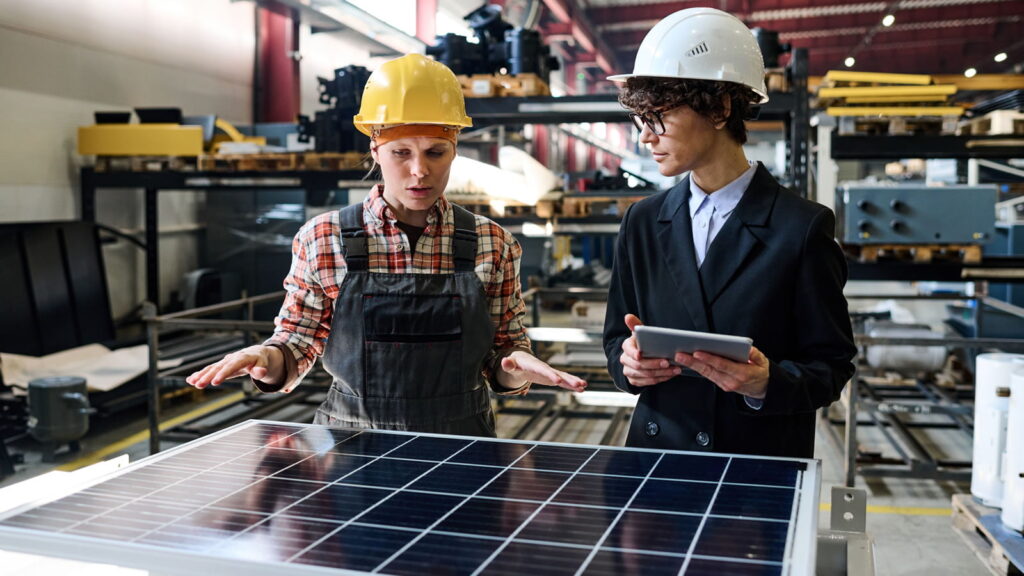
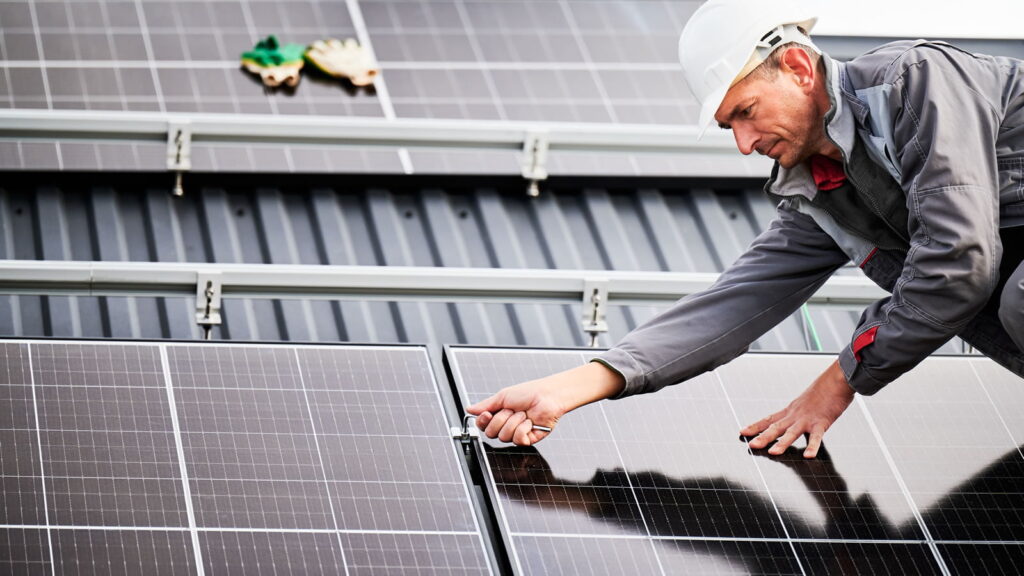
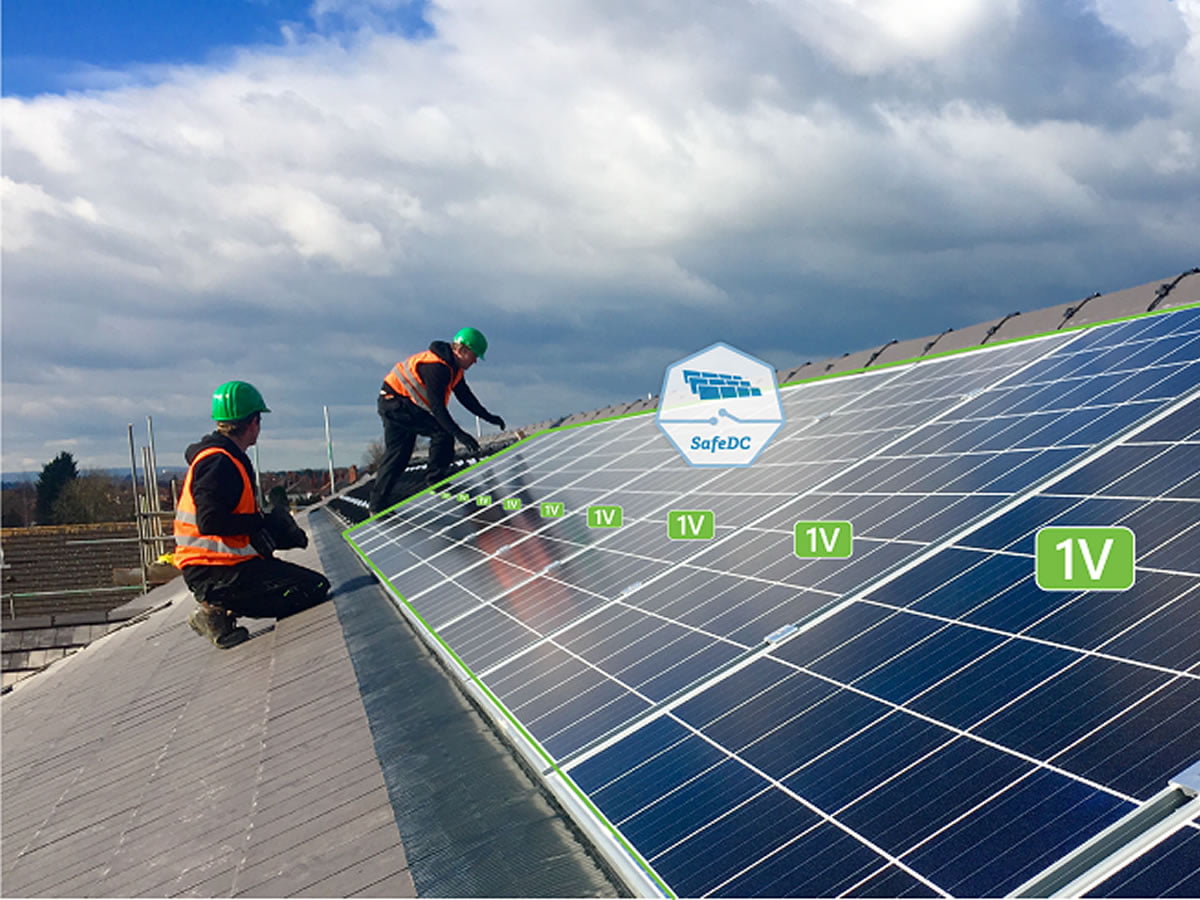
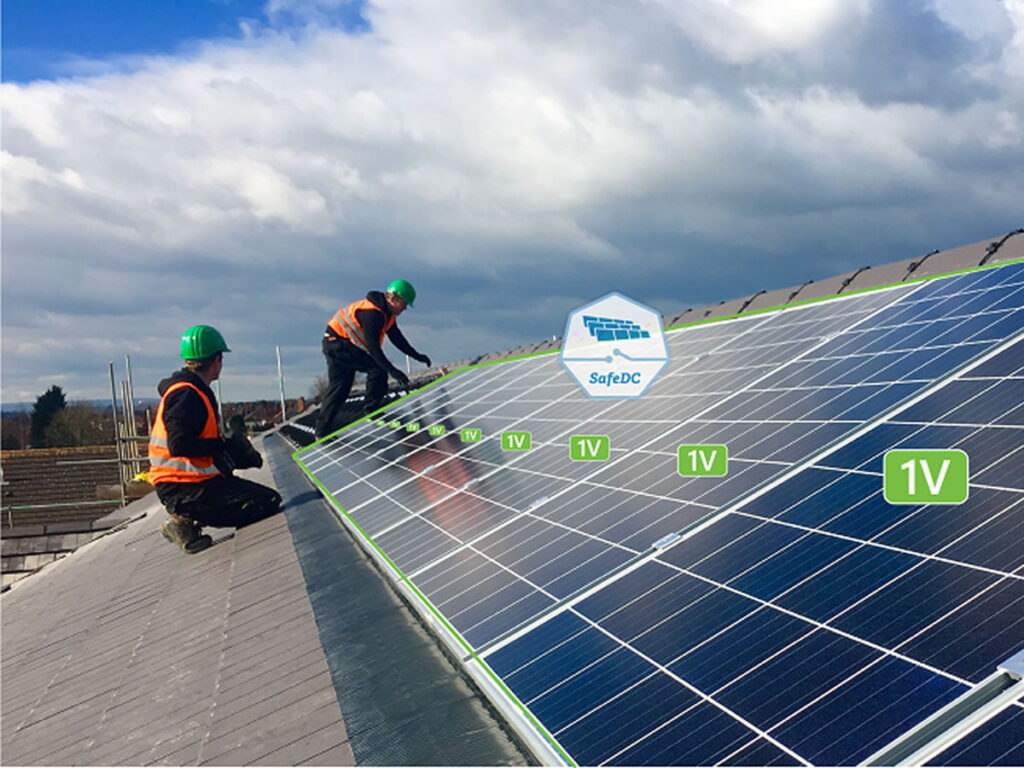
Engineer talking about solar panel to collegue

Understanding the Permitting Process

Before you can begin the installation of your solar panels, it’s essential to understand the permitting process. This process is designed to ensure that your solar panel installation complies with local regulations and building codes, safeguarding both you and your community. While the specifics can vary depending on your location, there are several general steps and requirements you can expect.


Initial Assessment and Planning

Evaluating Your Property

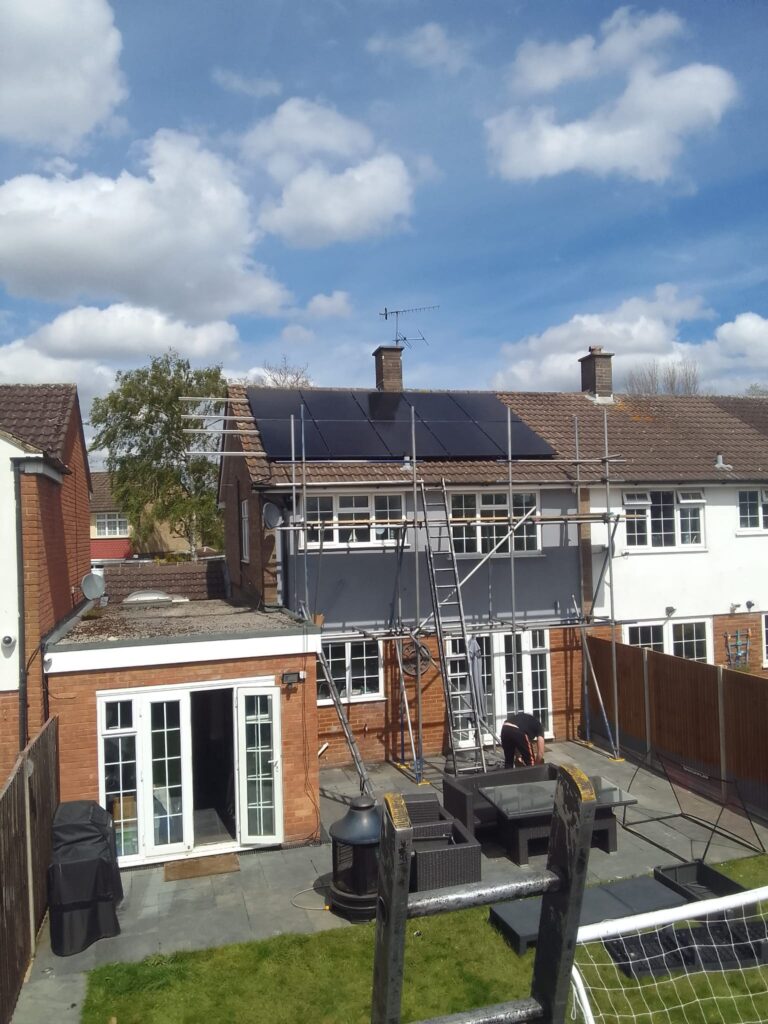
The first crucial step in the permitting process is a comprehensive assessment of your property. Evaluating your property’s suitability for solar panel installation involves several key considerations:

  • Roof Orientation and Angle: The orientation and angle of your roof significantly impact the efficiency of your solar panels. South facing roofs are ideal as they receive the most sunlight throughout the day, but east and west facing roofs can also be effective.
  • Shading: Assess potential shading from trees, buildings, or other obstructions. Even partial shading can reduce the efficiency of your solar panels, so it’s important to identify and address these issues during the planning stage.
  • Roof Condition: Ensure that your roof is in good condition and capable of supporting the weight of the solar panels. It may be necessary to carry out repairs or reinforcements to guarantee the structural integrity of your installation.
Selecting the Right Equipment

Choosing the right solar equipment is critical for the success of your installation. At My Home Solar, we offer a range of high quality products:

  • Solar Panels: We provide Jinko solar panels known for their efficiency and durability. Selecting the right number and type of panels is essential for meeting your energy needs.
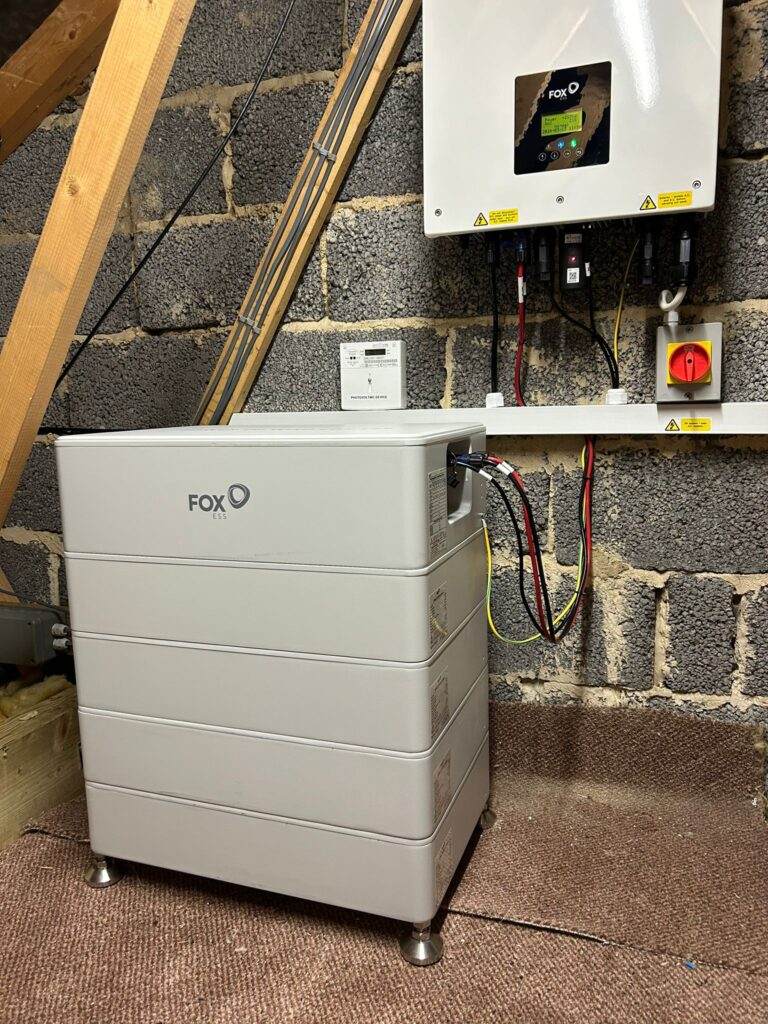
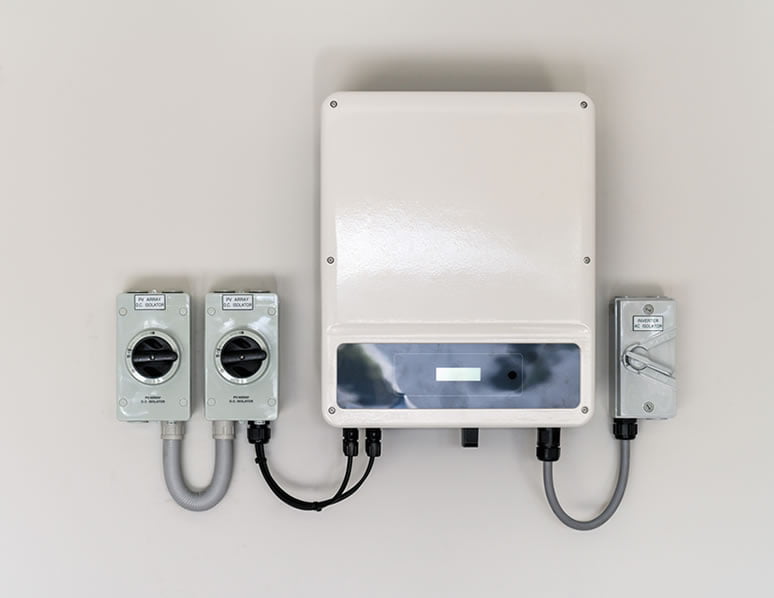
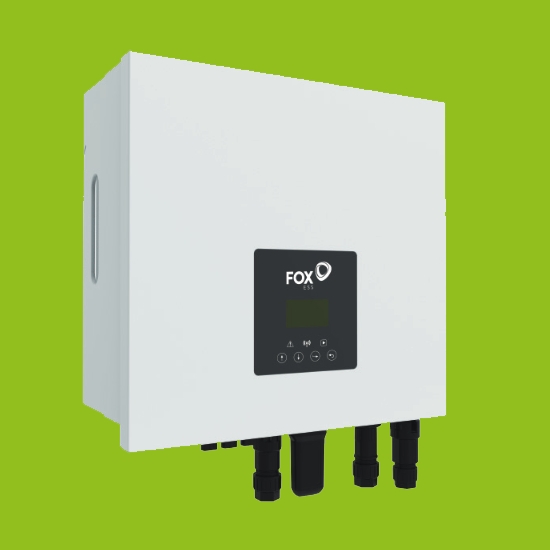
  • Inverters: Fox ESS inverters are a popular choice due to their reliability and performance. Inverters are vital for converting the DC electricity generated by your panels into usable AC electricity.
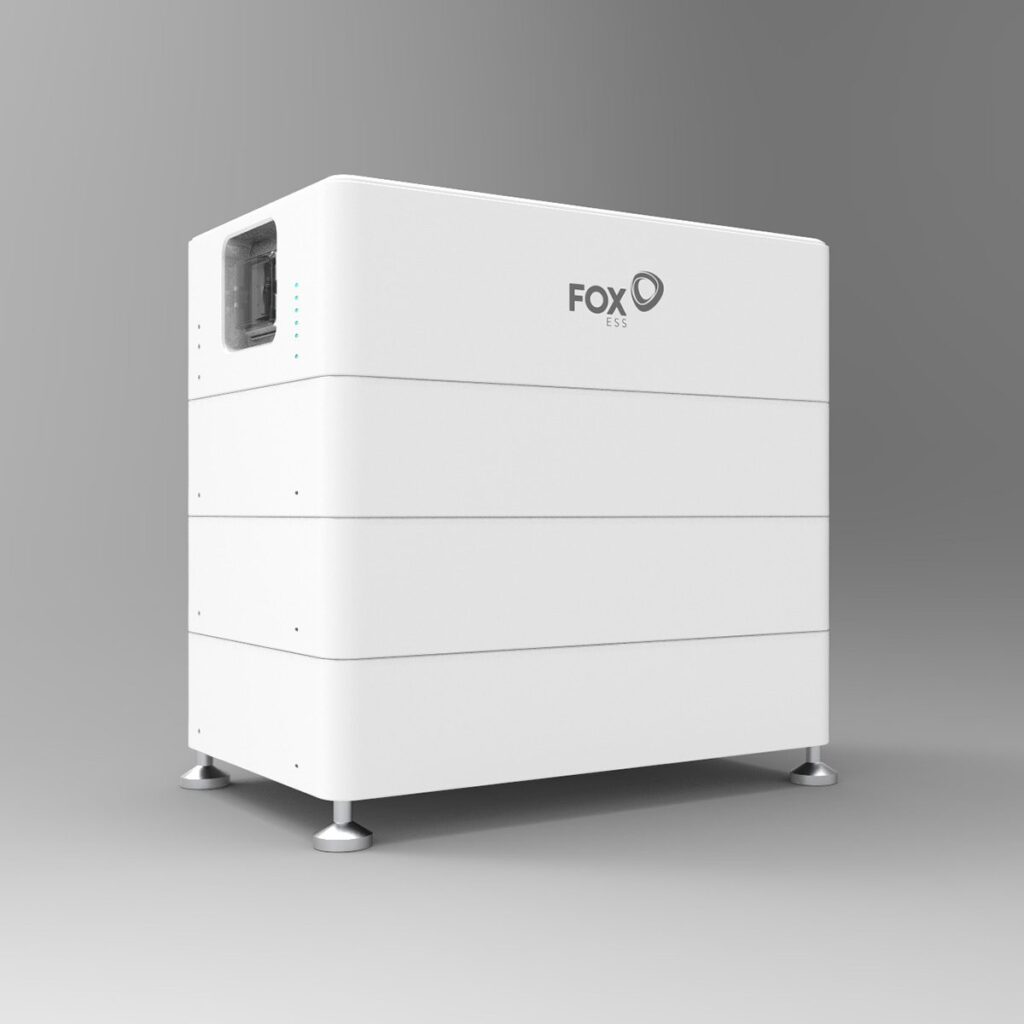
  • Solar Batteries and Add-ons: Consider integrating solar batteries to store excess energy for use during non sunny periods. Our solar add-ons can enhance your system’s functionality and efficiency.

Designing Your System

A well designed solar system is tailored to your specific energy needs and complies with local regulations. Work with a qualified solar installer to develop a detailed system design that includes:

  • Panel Placement: Determine the optimal placement for your solar panels to maximise sun exposure and minimise shading.
  • System Size: Calculate the number of panels needed to meet your energy requirements. This depends on your average electricity consumption and the available roof space.
  • Additional Components: Plan for any additional components like solar batteries, which can increase the overall efficiency and resilience of your system.

Submitting Your Application

Once you’ve completed the initial assessment and planning, the next step is to submit your application for the necessary permits. This typically involves:

Preparing Documentation

Gathering all required documentation is a crucial part of the permitting process. This includes:

  • Site Plans: Detailed site plans showing the layout of your solar panel installation, including the position of each panel, inverter, and other components.
  • System Design Specifications: Comprehensive specifications of the equipment you intend to use, such as the type and number of solar panels, inverters, and batteries.
  • Structural Calculations: Any calculations or assessments that demonstrate the structural integrity of your roof and its ability to support the solar panel system.

Your solar installer can assist with this process to ensure all details are accurate and complete.


Filing Your Application

Submit your application to the appropriate local authority. This could be your local council or another regulatory body responsible for approving solar panel installations in your area. The application process typically includes:

  • Completing Forms: Fill out the necessary application forms provided by your local authority. These forms will require detailed information about your planned installation.
  • Submitting Documentation: Attach all required documentation to your application. Ensure that all documents are clear, accurate, and complete to avoid delays in the review process.

Paying Fees

Be prepared to pay any applicable fees associated with your permit application. These fees can vary depending on your location and the complexity of your installation. It’s important to factor these costs into your overall budget for the project.
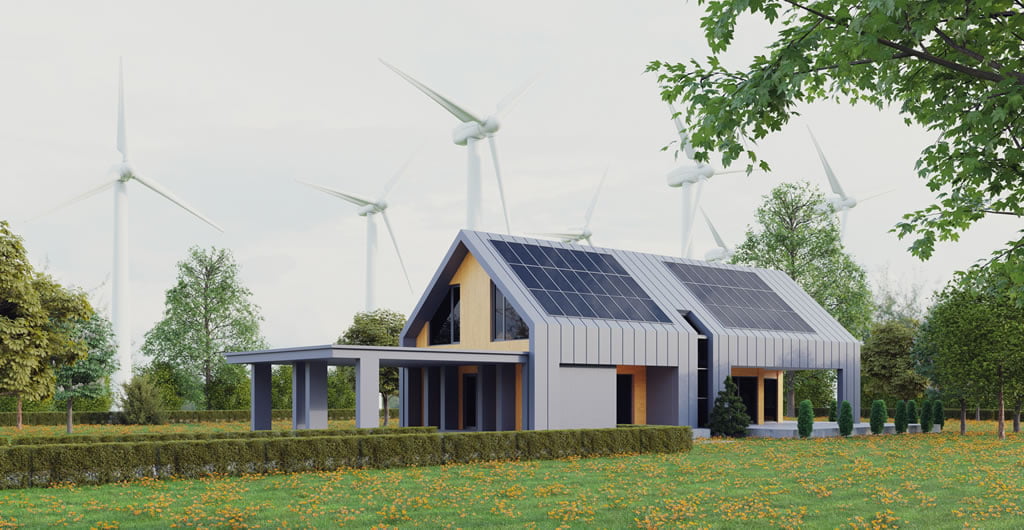
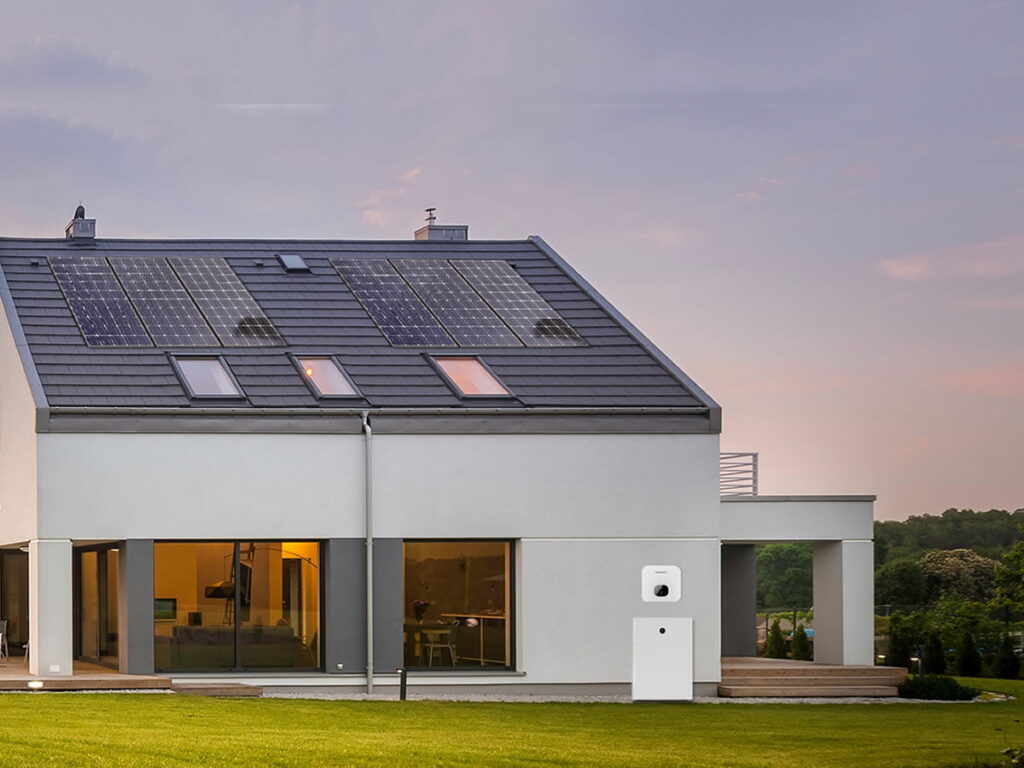
Modern eco house with solar panels and windmills to use alternative energy.

Installation and Final Inspection

With your permits in hand, you can move forward with the installation of your solar panels. This phase involves:

Hiring a Qualified Installer

Ensure that your solar panel installation is carried out by a qualified and experienced installer. At My Home Solar, our team of experts is fully trained and certified to handle all aspects of the installation process. A professional installation guarantees:

  • Safety: Qualified installers adhere to strict safety standards, reducing the risk of accidents during and after the installation.
  • Quality: Professional installers ensure that your system is installed correctly, maximising its efficiency and longevity.

Following Approved Plans

Adhere to the approved plans and specifications during the installation. Any deviations from the approved design may require additional approvals or inspections. Key considerations include:

  • Correct Placement: Ensure that the solar panels are installed in the optimal position as per the approved design to maximise sun exposure.
  • Proper Wiring: Ensure all electrical wiring is installed according to the approved plans and complies with local electrical codes.

Final Inspection

Once the installation is complete, a final inspection will be conducted to verify that the work has been carried out according to the approved plans and meets all safety standards. This inspection is crucial for ensuring the long term performance and safety of your solar system. During the final inspection, authorities will:

  • Verify Installation: Check that the solar panels, inverters, and other components have been installed correctly and in accordance with the approved plans.
  • Test System: Perform tests to ensure that the system is functioning properly and safely.
How My Home Solar Can Help

At My Home Solar, we are committed to making the transition to solar energy as seamless and stress free as possible for our customers. Here’s how we can assist you with the permitting process:

Expert Guidance

Our team of experienced professionals will guide you through every step of the permitting process, from the initial assessment and planning to the final inspection. Our services include:

  • Consultation: Providing expert advice on system design, equipment selection, and compliance with local regulations.
  • Documentation: Assisting with the preparation and submission of all necessary documentation for your permit application.

High-Quality Equipment

We provide top of the line solar panels, inverters, and batteries from reputable brands like Fox ESS and Jinko Solar, ensuring your system is efficient and reliable. Our offerings include:

  • Solar Panels: High efficiency Jinko solar panels designed to maximise energy production.
  • Inverters: Reliable Fox ESS inverters that ensure optimal system performance.
  • Solar Batteries: Advanced solar batteries for energy storage, enhancing your system’s resilience and efficiency.

Conclusion

Navigating the permitting process for solar panel installation may seem daunting, but with the right guidance and preparation, it can be a smooth and straightforward experience. At My Home Solar, we are dedicated to helping our customers make the switch to solar energy with confidence. By understanding the key steps involved in the permitting process and working with our team of experts, you can ensure a successful and compliant solar panel installation. If you’re ready to take the next step towards sustainable energy, contact My Home Solar today and let us help you harness the power of the sun.

Error: Contact form not found.
Financing Solar Energy: Loans, Leases, and PPAs Explained

Introduction

At My Home Solar, we recognise the significance of investing in solar energy and aim to simplify the process for homeowners in the UK. As a premier provider of solar panel installations, solar batteries, and other solar add ons, we strive to make renewable energy accessible and affordable. A crucial aspect to consider when transitioning to solar energy is the financing options available. In this blog, we will explore various financing methods, including loans, leases, and power purchase agreements (PPAs), helping you make an informed decision that suits your financial situation and energy needs.


The Basics of Solar Financing

Understanding the importance of financing is crucial when investing in solar energy systems. The initial cost of installing solar panels, batteries, and other components can be high, but the long term benefits, such as reduced energy bills and a smaller carbon footprint, make it a worthwhile investment. Financing options enable you to spread the cost over time, making solar energy more affordable and accessible for homeowners. We will explore different financing methods to help you find the best solution for your needs.


Loans

Loans are a straightforward way to finance your solar energy system. By borrowing money to cover the upfront installation costs, you can repay the loan over a set period. There are various types of loans available for solar financing, each with its advantages and considerations.

Personal Loans

Personal loans are a common choice for financing solar panels. These unsecured loans do not require collateral, meaning you don’t need to put up your home or other assets as security. The application process for personal loans is usually simple, and funds can be received relatively quickly.


Advantages:

  • No Collateral Required: Unsecured loans mean you don’t risk losing your property if you default.
  • Flexible Use: Funds can be used for any purpose, including solar panels, batteries, and installation.

Considerations:

  • Higher Interest Rates: Unsecured loans often come with higher interest rates than secured loans.
  • Credit Score Impact: Your credit score will significantly influence the loan terms, including the interest rate.

Home Improvement Loans

Home improvement loans are designed for home renovations and upgrades, including solar energy systems. These loans can be secured or unsecured, with secured loans offering lower interest rates due to the collateral.

Advantages:

  • Lower Interest Rates: Secured home improvement loans typically have lower interest rates compared to personal loans.
  • Tailored for Home Projects: These loans are designed for home improvements, making them suitable for solar installations.

Considerations:

  • Collateral Required for Secured Loans: If you opt for a secured loan, your home will serve as collateral, which means you risk foreclosure if you default.
Solar engineer fixing solar panels to roof

Power Purchase Agreements (PPAs)

A Power Purchase Agreement (PPA) is similar to a lease, but instead of paying a fixed monthly fee, you agree to purchase the electricity generated by the solar panels at a predetermined rate. This rate is usually lower than your utility’s current rate, providing immediate savings on your energy bills.

Advantages:

  • Immediate Savings: PPAs offer immediate savings as the rate for solar electricity is typically lower than the standard utility rate.
  • No Upfront Costs: Like leases, PPAs usually require no upfront payment, making them accessible to many homeowners.
  • Maintenance Covered: The provider is responsible for installation, maintenance, and repairs.

Considerations:

  • No Ownership: As with leases, you don’t own the panels, so you won’t benefit from certain incentives or property value increases.
  • Contract Terms: PPAs are long term contracts, often 20 to 25 years, meaning you’re locked into the agreement for an extended period. Be sure to understand the terms and any potential rate increases.

Conclusion

At My Home Solar, our mission is to make solar energy accessible and affordable for homeowners across the UK. Understanding the different financing options available loans, leases, and PPAs will help you make an informed decision that aligns with your financial situation and long term goals. Each option has its advantages and considerations, so assess your priorities to choose the best path to sustainable energy.

If you have any questions or need further assistance in choosing the right financing option for your solar energy system, our team at My Home Solar is here to help. Contact us today to learn more about our solar panel installations, solar batteries, and other solar add-ons, including Jinko Solar, Neo Solar, and Fox ESS batteries. Together, we can create a brighter, more sustainable future for your home and the planet.

Error: Contact form not found.
Integrating Solar with Smart Home Systems

Smart home systems

In an era where sustainability intersects with technology, homeowners are increasingly turning towards solar power as a means to not only reduce their carbon footprint but also to enhance their living spaces with smart technology. My Home Solar, a leading provider of solar solutions in the UK, is at the forefront of this integration, offering bespoke solar installations that are compatible with the latest smart home systems.

The integration of solar power with smart home technology is revolutionising how we think about energy use at home. Traditional energy systems are static and unresponsive to real time environmental and usage changes. In contrast, a smart home equipped with solar panels uses dynamic, intelligent systems to adapt and respond to these changes, maximising efficiency and sustainability.


The Convergence of Solar Power and Smart Home Technology

For instance, solar panels from leading manufacturers like Jinko Solar and Neo Solar, available through My Home Solar, convert sunlight into electricity with high efficiency. When this is combined with smart home technology, the system can manage the energy flow not just within the home but back to the grid as well, taking advantage of feed in tariffs and peak demand pricing. This interaction not only supports personal energy needs but also contributes to the broader energy economy, reducing the strain on local power grids during high demand periods.

Moreover, the ability to integrate seamlessly with advanced home automation systems allows for a smooth transition for homeowners new to solar energy. These systems enable users to monitor, control, and adjust their energy usage based on predictive analytics, which can suggest the optimal times to use energy intensive appliances or store energy. This intelligent use of data ensures that each homeowner maximises their investment in solar technology while contributing to a more sustainable energy future.


How Smart Home Systems Enhance Solar Usage

Smart home systems act as the brain of your home energy management, allowing for an unprecedented level of control over how solar energy is used and distributed throughout the house. For example, during periods when solar panels are producing more electricity than the home needs, a smart system can automatically reroute this surplus to power intensive appliances like washing machines or dishwashers, or it can charge electric vehicles during optimal sunlight hours.

This level of automation extends to nearly every function of the home. Smart thermostats can adjust settings in real time based on the availability of solar power, ensuring that energy consumption is always aligned with production. Similarly, smart lighting systems can integrate with sensors to maximise the use of natural light before automatically turning on LED lights when necessary, further conserving energy.


Monitoring and Control

Enhanced monitoring capabilities are one of the key benefits of integrating solar panels with smart home systems. Homeowners can access detailed insights into both energy production and consumption through user friendly interfaces on their smartphones or other digital devices. This level of insight goes beyond mere monitoring, it empowers users to actively manage their home’s energy ecosystem.


Installation and Maintenance

When it comes to installation, My Home Solar prioritises a streamlined process that respects the homeowner’s time and property. Our technicians are trained to ensure that each installation is efficient and minimally invasive, understanding that the integration of solar and smart systems can sometimes be complex. Post installation, our teams provide comprehensive walkthroughs to homeowners, demonstrating how to interact with their new systems, and offering tips for optimal usage.


Future-Proofing Your Home

Investing in solar power and smart home technology is not just about enhancing current living standards but also about preparing for future advancements. As technology evolves, so too will the capabilities of smart home systems to integrate even more seamlessly with solar technology.


Home Management

Apps and home management platforms provide notifications and alerts about performance issues, weather related opportunities (like anticipated sunny days), or maintenance needs, ensuring that the solar system operates at peak efficiency. This proactive approach to energy management not only helps in reducing costs but also increases the lifespan of the solar installation.

Ongoing maintenance is simplified through the integration of smart diagnostics tools that can predict and alert homeowners to potential issues before they become significant problems. Regular updates to software ensure that smart home systems remain compatible with all linked devices and continue to operate with cutting edge efficiency.

My Home Solar is committed to staying at the forefront of these advancements, ensuring our customers are always equipped with the latest and most effective technologies. By adopting these integrated systems today, homeowners are not only investing in their immediate environment but are also setting a foundation that will accommodate and leverage future technological developments, maintaining their home’s relevance and enhancing its value in the years to come.


Conclusion

Integrating solar power with smart home systems presents an exciting frontier for residential energy management, promising enhanced efficiency, reduced environmental impact, and improved home automation. My Home Solar is dedicated to guiding homeowners through every step of this journey, providing expert advice, top of the line products, and professional support. Embrace the future of home energy with My Home Solar, and take a significant step towards a smarter, more sustainable living environment.

Error: Contact form not found.
The Financial Benefits of Investing in Jinko/Neo and Fox ESS Technologies for UK Homes

Introduction

In the ever evolving landscape of renewable energy, UK homeowners are increasingly turning their attention to solar power as a viable, sustainable, and cost effective solution. My Home Solar is at the forefront of this transition, offering advanced solar solutions that not only cater to the energy needs of the modern household but also promise significant financial benefits. Among these innovative solutions are the Jinko/Neo solar panels and Fox ESS battery storage systems. In this blog, we’ll dive deep into how investing in these technologies can lead to considerable savings and financial advantages for UK households.

Jinko Solar

Understanding the Technologies


Reduced Electricity Bills

The immediate benefit that captures the attention of most UK homeowners considering solar energy is the potential for significantly reduced electricity bills. By harnessing the power of the sun, Jinko/Neo solar panels convert sunlight into electricity, directly powering your home’s needs. When production exceeds consumption, the surplus energy can either be stored in Fox ESS battery systems for later use or exported back to the grid, further decreasing dependency on utility providers. This self sufficiency is especially advantageous during daylight hours and peak summer months when solar energy generation is at its highest. Given the efficiency of Jinko/Neo panels in converting sunlight into electricity, even during overcast days typical of the UK climate, homeowners can expect a consistent reduction in their electricity bills. The integration of Fox ESS battery storage enhances this effect by ensuring that no generated energy goes to waste, providing power during night time or cloudy weather, and maximising savings year round.

Jinko Solar panel technology

Feed-in Tariffs and Smart Export Guarantee

While the Feed-in Tariff (FiT) scheme has ended for new applicants, its legacy continues to benefit those who were able to take advantage of it. However, the introduction of the Smart Export Guarantee (SEG) has opened a new avenue for homeowners to financially benefit from their solar investments. By exporting unused electricity back to the grid, homeowners can receive payments from their energy suppliers, turning their solar systems into a source of income. The efficiency and performance of Jinko/Neo solar panels play a crucial role here, as higher energy production increases the potential for export. Fox ESS battery systems complement this by allowing homeowners to strategically store and export energy, taking advantage of peak rates and maximising returns. This dual strategy not only helps in reducing the payback period for the initial investment but also contributes to the household’s income, making solar technology an attractive financial proposition.


Increased Property Value

Installing solar panels and battery storage can make a property more attractive to energy conscious buyers. These systems allow households to generate and store more of their own electricity. As a result, future owners may benefit from lower reliance on the grid and potentially lower energy bills.

Furthermore, an efficient solar system can improve a home’s overall energy credentials. High performance Jinko/Neo solar panels and Fox ESS battery storage can therefore become appealing features when selling a property.

Long Term Savings and Price Protection

Investing in solar technology can also deliver savings over the longer term. By generating electricity at home, you can reduce the amount of energy you need to purchase from the grid. Adding battery storage allows you to save surplus electricity and use it later.

Consequently, a well designed solar system can reduce your exposure to changing electricity prices. The exact savings will depend on your system, household consumption and energy tariff. However, reliable panels and battery storage can continue providing benefits for many years. Solar panels also require relatively minimal maintenance to keep them performing effectively.

Environmental Incentives and Government Support

Several forms of support can make solar panel installations** **more financially attractive. However, available schemes and eligibility requirements can change over time. Therefore, homeowners should check current national and local support before making an investment.

For example, eligible households may benefit from schemes that reward the export of surplus renewable electricity. Installing efficient Jinko/Neo solar panels alongside Fox ESS battery storage can also help households generate and use more renewable electricity at home.

Ultimately, homeowners should consider available support alongside installation costs, expected energy savings and their individual requirements. This provides a clearer picture of the potential return on their solar investment.


Get in Touch

At My Home Solar, we help UK households make the switch to renewable energy. We provide reliable solar solutions designed around your home, energy requirements and budget. Whether you are considering solar for the first time or want to upgrade your existing system, our team can help.

We offer modern Jinko/Neo solar panels alongside Fox ESS battery storage technology. Together, these products can help you generate, store and use more of your own electricity.

Furthermore, our experienced team will support you throughout the process. We can answer your questions, recommend a suitable system and explain how your installation will work.

Whether you want to understand potential savings, battery storage or solar technology, My Home Solar can provide clear and practical guidance. Contact our team today to start your journey towards greater energy independence.

Error: Contact form not found.
Solar Power Financing Options in the UK

Introduction

In recent years, the United Kingdom has seen a significant shift towards sustainable energy solutions, with solar power leading the way. As more individuals and businesses recognise the environmental and economic benefits of solar energy, the demand for solar panels, batteries, and accessories has surged. At My Home Solar, we are committed to facilitating this transition by providing high quality solar solutions for both commercial and domestic purposes. Understanding the financial aspect of solar installations is crucial. Thus, we’ve prepared this comprehensive guide to solar power financing options in the UK to help you make an informed decision.


Why Invest in Solar Power?

Before diving into financing options, it’s essential to understand why solar power is a worthy investment. Solar energy is not only renewable and environmentally friendly but also significantly reduces electricity bills in the long term. Additionally, with the UK government’s push towards net zero emissions, investing in solar power can future proof your property against rising energy costs and stricter regulations.


Government Grants and Schemes

The UK offers several schemes that can support households using renewable energy. However, eligibility and availability can change. Therefore, homeowners should always check the latest requirements before making a decision.

  1. Smart Export Guarantee (SEG): The Smart Export Guarantee allows eligible households with renewable energy systems to receive payments for electricity they export to the grid. Energy suppliers set their own tariffs and terms. As a result, it is worth comparing available SEG tariffs before choosing a provider.

  2. Solar Thermal Support: The former Renewable Heat Incentive has closed to new applicants. However, homeowners interested in solar thermal technology should check whether any current national or local schemes provide financial support.

  3. Local Council Support: Some local authorities may offer funding or energy efficiency schemes that can contribute towards home improvements. However, availability varies considerably by location and household circumstances. Therefore, homeowners considering solar panels should check their local council’s current schemes and eligibility requirements.


    Solar Loans

    For homeowners who want to spread the cost of their installation, solar finance can provide an alternative to paying upfront. These loans work in a similar way to other forms of personal finance. You borrow money towards the cost of your solar installation and repay it over an agreed period.

    However, interest rates and repayment terms can vary between lenders. Therefore, homeowners and businesses should compare the total amount repayable before choosing a finance option.

    Power Purchase Agreements (PPAs)

    Solar leases and Power Purchase Agreements can provide another way to access solar energy without purchasing the entire system upfront. With a solar lease, you typically pay an agreed fee to use the solar panel system.

    In contrast, a PPA generally involves paying for the electricity the solar system generates. The exact price, contract length and terms will depend on the agreement. Therefore, it is important to understand the full contract before committing.

    Green Mortgages

    Green mortgages are another potential option for people buying or improving energy-efficient properties. Some UK lenders offer mortgage products with incentives linked to a property’s energy efficiency.

    However, eligibility criteria and benefits vary between lenders. Therefore, homeowners should compare available products carefully. Improving a property’s energy efficiency through measures such as solar panels may help a property meet the requirements of certain green mortgage products.


    Commercial Financing Options

    Businesses looking to invest in solar energy have several financing options designed to minimise upfront costs and maximise returns. These include:

    • Lease-to-Own Agreements: Similar to personal solar leases but tailored for businesses, allowing them to eventually own the system and benefit from the savings and incentives.
    • Commercial Loans: Specific loans designed for businesses investing in renewable energy, offering favourable terms and rates.
    • Asset Finance: This allows businesses to spread the cost of a solar installation over its useful life, making it easier to manage cash flow and investment returns.

    Conclusion

    Investing in solar energy in the UK has never been more accessible or appealing, thanks to a range of financing options catering to different needs and circumstances. Whether you’re a homeowner looking to reduce your carbon footprint and energy bills, or a business seeking to invest in sustainable infrastructure, there’s an option to suit. At My Home Solar, we’re dedicated to helping our customers navigate these options, ensuring they find the best solution to meet their solar energy needs.

    Embracing solar power is a step towards a sustainable future, and with the right financial planning, it’s an achievable goal for many. If you’re considering solar for your home or business, get in touch with us at My Home Solar. Let’s make a brighter, greener future together.

    Error: Contact form not found.

    Tracing the Energy Journey with My Home Solar

    Embrace the Sun: Your Journey to Sustainable Energy

    Hello, energy savers and sustainability champions! Welcome to another green instalment from My Home Solar, your trusted partner in harnessing the sun’s boundless energy. Nestled in the heart of the UK, we’re here to illuminate the path from your rooftop panels to the empowering glow of solar generated electricity. Today, let’s embark on a fascinating journey through the lifecycle of solar energy, from the sleek panels adorning your home to the eco-friendly power lighting up your life.


    Step 1: Catching the Sunlight – The Role of Neo Solar Panels

    Our journey begins with the silent, steadfast guardians on your rooftops, the solar panels. But not just any panels; we’re talking about the state of the art Neo Solar Panels, a marvel of modern engineering and a testament to sustainable technology.

    These panels are designed with efficiency in mind, converting sunlight into electricity through photovoltaic cells. Each cell is a silent powerhouse, capturing sunlight and transforming it into a clean, renewable source of energy. This process, known as the photovoltaic effect, is the cornerstone of solar energy production.

    But why choose Neo Solar Panels? The answer lies in their exceptional efficiency and durability. Crafted to withstand the unpredictable British weather, these panels ensure that your home remains a beacon of sustainability, come rain or shine. With My Home Solar, you’re not just installing solar panels; you’re investing in a brighter, greener future.


    Step 2: Storing the Sunshine – The Magic of Fox ESS Batteries

    Now, let’s talk storage. Solar energy is most abundant during the day, but what about those long British nights or the all too common cloudy days? Enter the Fox ESS Batteries, your solar energy’s reliable companion.

    These batteries are not mere storage units, they’re sophisticated energy management systems. By storing excess energy produced during sunny intervals, Fox ESS Batteries ensure that your home can still bask in solar power during the night or on less sunny days. This means uninterrupted green energy, maximising your independence from the grid and reducing your carbon footprint.

    Furthermore, these batteries are designed to seamlessly integrate with your home energy system. They’re smart, too, optimising energy usage and ensuring you’re using the most sustainable option available, all while keeping an eye on energy market prices to save you money.


    Step 3: Optimising Your Energy: The Benefits of Solar Add Ons

    Your solar journey does not end with panels and batteries. My Home Solar offers a range of additional technologies to help you manage your energy more effectively. These solutions can work alongside your solar panels and battery storage. As a result, you can make better use of the renewable electricity your system generates.

    For example, smart thermostats can give you greater control over your home’s heating. Meanwhile, energy efficient lighting can reduce the amount of electricity your household uses. Together, these technologies can help lower energy consumption and create a more efficient home.

    Step 4: Monitoring and Managing: The Power of Data

    Monitoring can help you understand how your home generates and uses solar energy. My Home Solar’s monitoring solutions provide useful information about your system’s performance. Therefore, you can see how much electricity your panels generate, store and use.

    Furthermore, an easy to use monitoring platform can help you identify patterns in your household energy consumption. You can then adjust when and how you use electricity to make better use of your solar generation.

    Ultimately, greater visibility gives you more control over your solar energy system. Instead of simply generating electricity, you can actively manage how your household produces, stores and uses energy.


    Step 5: Beyond the Home – Joining a Community of Change

    When you choose My Home Solar, you’re not just choosing solar panels, batteries, or add-ons. You’re joining a community committed to making a difference. Every solar energy system we install is a step towards a cleaner, more sustainable future.

    We believe in empowering our clients, providing them with the tools and knowledge to not only harness the power of the sun but also to become advocates for renewable energy. By sharing your journey, you inspire others to embark on their own, creating a ripple effect that can lead to significant environmental change.

    overhead view of solar panels being fixed to roof by professional installers

    In Conclusion: Your Solar Story Begins Here

    The journey from panels to power is not just about converting sunlight into electricity. It’s about transforming homes, empowering individuals, and nurturing a sustainable future. At My Home Solar, we’re dedicated to guiding you through every step of this journey, ensuring that your transition to solar energy is seamless, rewarding, and above all, impactful.

    Thank you for joining us on this enlightening journey. Whether you’re a seasoned solar enthusiast or a curious newcomer, we’re here to light the way.

    Error: Contact form not found.

    How My Home Solar Can Slash Your Energy Costs in the UK

    Embracing Solar: A Sustainable Solution

    The shift towards solar energy is not merely a trend, it’s a necessary pivot towards sustainability and energy independence. My Home Solar, a leading provider in the UK, offers a comprehensive range of solar solutions designed to meet the diverse needs of British households.

    Solar Panels: Harnessing the Power of the Sun

    At the heart of any solar energy system are the solar panels. My Home Solar proudly offers the Jinko Tiger Neo solar panels, a name synonymous with efficiency and reliability. These panels are engineered to capture sunlight and convert it into electricity, even on the cloudiest of days. What sets the Jinko Tiger Neo panels apart is their advanced technology that ensures maximum light absorption and conversion, making them an ideal choice for the UK climate.

    The installation of Jinko Tiger Neo solar panels can significantly reduce your reliance on the grid, leading to substantial savings on your energy bills. Moreover, with the government’s incentives for renewable energy, the initial cost of solar panel installation could be offset faster than you might think.


    Solar Batteries: Powering Your Home, Day and Night

    Solar batteries, especially the Fox batteries offered by My Home Solar, complement your solar panels by storing excess energy produced during the day. This energy can then be used during the night or on less sunny days, ensuring that your home remains powered without needing to draw expensive electricity from the grid.

    The beauty of the Fox batteries lies in their efficiency and longevity. They are designed to store large amounts of energy and release it when needed, ensuring that your home has a constant supply of electricity, come rain or shine. By integrating Fox batteries into your solar energy system, you can enhance your energy independence and enjoy further reductions in your energy bills.


    The Financial Benefits: An Investment That Pays Off

    Investing in solar energy with My Home Solar is not only an environmentally responsible choice. It can also make financial sense. By generating your own electricity, you can reduce your reliance on the national grid. This can help protect your household from rising energy costs.

    Installing solar panels and battery storage can also make your property more appealing to buyers who value energy efficiency. A well designed system gives you greater control over how you generate, store, and use electricity at home.

    The UK also has measures designed to support households that generate renewable solar energy. For example, the Smart Export Guarantee allows eligible households to receive payments for surplus electricity they export to the grid.

    My Home Solar can explain the options available and help you understand how they apply to your system. This allows you to make better use of the energy you generate and get more from your solar investment.


    Making the Switch: A Seamless Transition

    At My Home Solar, we understand that switching to solar energy is a major decision. That is why we support you through every stage of the process. We manage everything from the initial consultation and system design to installation and aftercare.

    Our experienced team will create a solar solution that suits your home, energy needs, and budget. We aim to make the move to cleaner, cheaper, and more sustainable energy as simple and stress free as possible.

    The Environmental Impact: A Cleaner, Greener Future

    Choosing My Home Solar can help you reduce your energy costs while lowering your environmental impact. Solar energy produces clean electricity and can help reduce your household’s reliance on fossil fuels.

    By switching to solar, you can reduce your carbon footprint and make your home more sustainable. It is a practical step towards using cleaner energy while creating a more energy efficient home.


    Conclusion: A Brighter Future with My Home Solar

    The benefits of switching to solar energy with My Home Solar are clear. Solar can significantly reduce your energy bills and give you greater control over the energy you use. It can also add value to your property while helping you reduce your reliance on traditional energy sources.

    Jinko Tiger Neo solar panels and Fox batteries work together to create an efficient and reliable home energy system. You can also choose from a range of solar add ons to tailor your system to your household and energy needs.

    Choosing solar is more than a financial decision. It is an investment in your home and your future. My Home Solar makes the transition simple, helping you generate clean electricity and make better use of the energy your home produces.

    Take control of your energy costs and make the switch to solar with My Home Solar today.


    Ready to Make the Switch? Contact My Home Solar Today

    If you’re ready to take control of your energy costs, reduce your carbon footprint, and invest in a sustainable future, My Home Solar is here to help. Contact us today to learn more about how our solar solutions can be tailored to meet your needs. Our friendly, knowledgeable team is ready to answer any questions you may have and guide you on your journey to energy independence.

    In conclusion, the benefits of adopting solar energy with My Home Solar are multifaceted and extend well beyond immediate financial savings. By choosing to install Jinko Tiger Neo solar panels and Fox batteries, you’re opting for top of the line technology that promises durability, efficiency, and reliability. Coupled with our expert guidance and comprehensive support, transitioning to solar energy has never been easier or more advantageous.

    Error: Contact form not found.
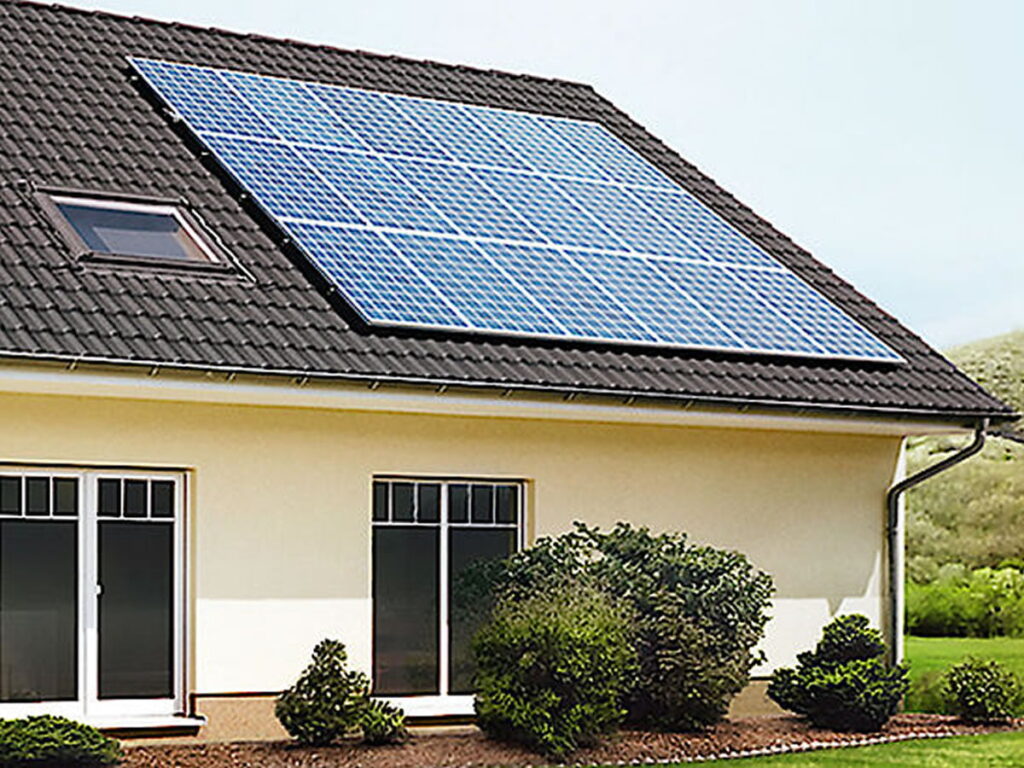
    Understanding the Tech Behind My Home Solar’s Inverters and Optimisers

    Sustainable Power

    Solar energy has emerged as a beacon of sustainable power, especially in the UK where renewable energy sources are becoming increasingly pivotal in combating climate change. My Home Solar stands at the forefront of this green revolution, providing state of the art solar panel installations, solar batteries, and additional accessories for both commercial and residential settings. In this blog, we will delve into the technology behind two critical components of solar energy systems: inverters and optimisers. These elements are key to maximising the efficiency of solar panels and ensuring that your home or business harnesses the sun’s power most effectively.


    Understanding Solar Inverters

    A solar inverter is a vital part of your photovoltaic system. Solar panels generate direct current, or DC, electricity from sunlight. However, most homes and businesses use alternating current, or AC, electricity. The inverter converts DC electricity into AC electricity so you can use it throughout your property.

    Inverters also help you monitor the performance of your solar energy system. They collect information about your system’s output and show how much electricity your panels generate. This makes it easier to understand your energy usage and check that your system is working efficiently.

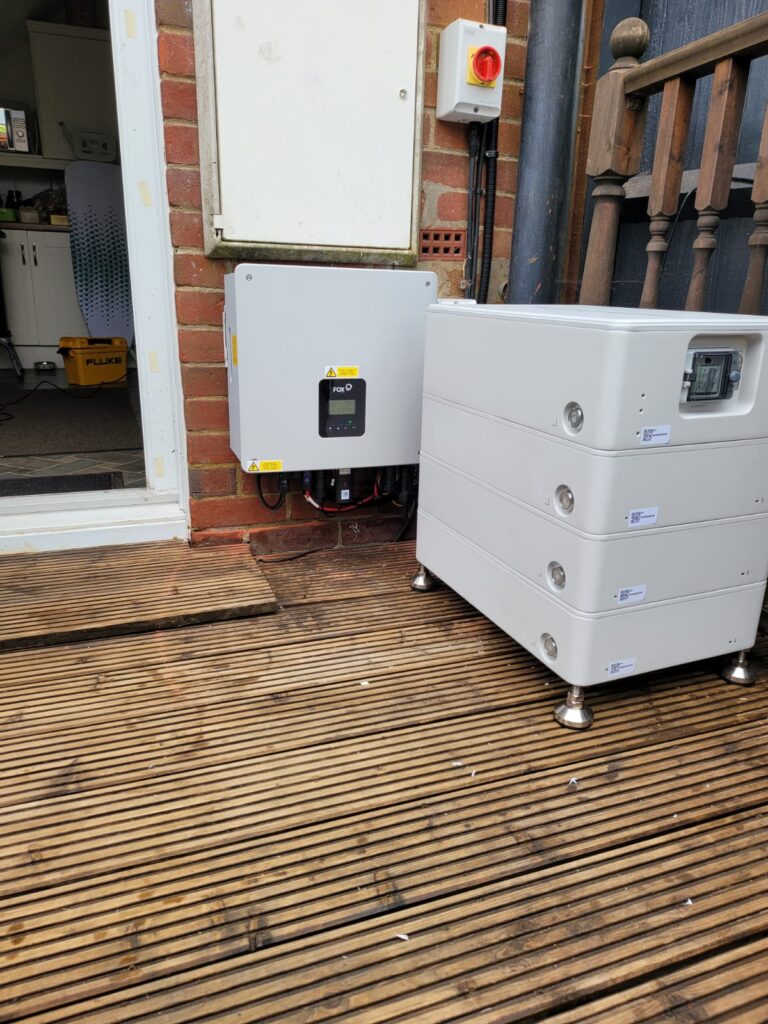
    At My Home Solar, we use modern inverters that work with leading solar battery brands, including Fox ESS. These inverters manage solar power and integrate with solar batteries to store surplus electricity.

    Battery storage allows you to save electricity for later instead of using it immediately. You can then use more of your own solar energy when your panels generate less electricity, such as during the evening.


    The Role of Solar Optimisers

    While inverters convert solar energy into usable electricity, solar optimisers help each solar panel perform more effectively. Without optimisers, shading or differences between panels can reduce the overall performance of some solar systems. Debris and different roof orientations can also affect energy generation.

    Optimisers allow each panel to operate more independently. This means a lower performing panel has less impact on the rest of the system.

    Solar optimisers can be particularly useful for properties with shading or complex roof layouts. Installers fit an optimiser to individual panels to help manage voltage and current. This allows the system to respond more effectively to changing conditions throughout the day.

    By adding optimisers to your solar energy system, My Home Solar can help you get more from your panels. We combine suitable technology with high quality solar panels from manufacturers such as Longi and Jinko. This creates a reliable system designed around your property and energy requirements.


    The Synergy between Inverters and Optimisers

    Combining solar inverters and optimisers can improve the performance of your solar energy system. These technologies work together to help each part of the system perform efficiently. As a result, your home can generate more usable electricity and reduce its energy bills.

    My Home Solar uses trusted technology, including Fox ESS batteries and Longi/Jinko solar panels. We combine these products with suitable inverters and optimisers to create an efficient solar system.

    We tailor each system to the individual property and its energy requirements. Whether you need solar for residential or commercial use, we can design a solution that helps you make better use of the electricity your panels generate.

    JinkoSolar Tiger Neo Black Solar Panel

    The Benefits of Choosing My Home Solar

    Choosing My Home Solar for your renewable energy needs means investing in quality, efficiency, and sustainability. Our expert team is dedicated to providing personalised solutions, ensuring that every component of your solar energy system is optimised for maximum performance. Here are just a few benefits of partnering with us:


    High-Performance Technology

    We select only the best solar panels, inverters, and optimisers to ensure your system operates at peak efficiency.

    Expert Installation and Maintenance

    Our experienced technicians ensure that your system is installed correctly and continues to perform optimally over its lifespan.

    Customised Solutions

    We understand that every property is unique. That’s why we offer customised solutions designed to meet your specific energy needs and architectural constraints.


    Conclusion

    Solar inverters and optimisers play an important role in the performance of your solar energy system. At My Home Solar, we use reliable technology to help customers get more from their solar panels. Our experience allows us to design systems around the individual energy needs of each home.

    Choosing the right inverters and optimisers can improve how efficiently your system generates and manages electricity. This can help you take greater control of your energy consumption and household costs.

    My Home Solar supports you throughout your journey. We guide you from the initial consultation and system design through to installation and aftercare. Our team aims to make switching to solar energy simple and straightforward.

    Choosing the right solar energy provider is an important part of investing in renewable energy. My Home Solar combines modern technology with a personalised service to help you make the most of the electricity your system generates.

    Error: Contact form not found.
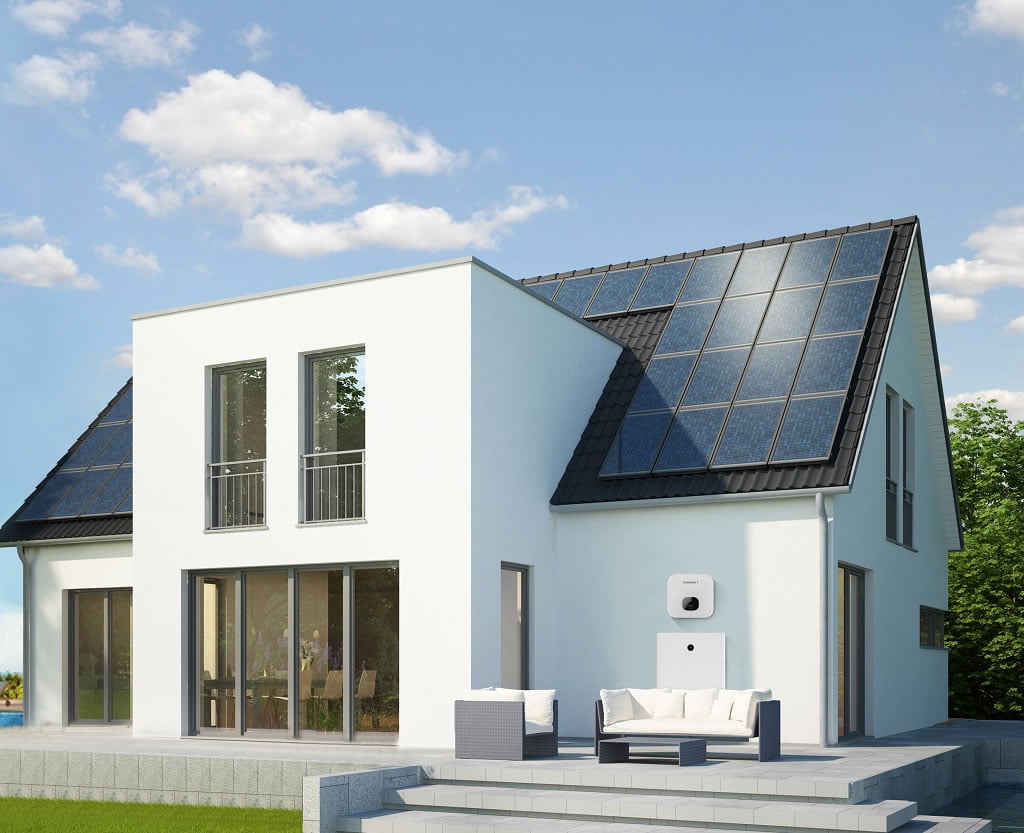
    Financing Solar Panels in Dorchester

    A Comprehensive Guide

    In the picturesque county of Dorset, nestled within the historic town of Dorchester, an increasing number of homeowners and businesses are turning their eyes towards a sustainable future with solar energy. My Home Solar, a leading provider of solar solutions in the area, is at the forefront of this green revolution. With a focus on delivering top notch solar batteries, panels, and add ons for both commercial and residential properties, we’re here to guide you through the ins and outs of financing solar panels in Dorchester.


    The Solar Potential in Dorchester

    Dorchester, with its blend of historical charm and natural beauty, offers an excellent setting for harnessing solar energy. The region’s climate, characterised by its clear days and moderate weather, provides an ideal environment for solar panels to thrive. This potential for solar energy not only helps in reducing carbon footprints but also in cutting down electricity bills, making it a win, win situation for the environment and homeowners alike.

    Growatt

    Why Choose Solar Energy?

    Before delving into financing options, let’s briefly touch upon the why. Solar energy is clean, renewable, and increasingly cost effective. By choosing solar panels for your home or business, you’re investing in a future of lower energy bills and reduced dependence on fossil fuels. Plus, with the addition of solar batteries like those from Fox ESS and Energizer, you can store excess energy for use during peak times or sell it back to the grid, further enhancing your savings and impact.


    Cash Purchase

    Opting for a cash purchase of solar panels represents the most direct investment in renewable energy. This method involves paying the full cost of the solar system upfront, eliminating the need for loans or monthly payments. The immediate benefit is the elimination of interest payments, which can add up over time when financing options are used. Moreover, homeowners and businesses can start saving on their electricity bills from day one. The return on investment is clear, as energy prices rise, the savings from using solar energy become even more significant. Additionally, solar panel installations have been shown to increase property values. A solar system can make a property more attractive to potential buyers who value sustainability and are looking to save on energy costs.

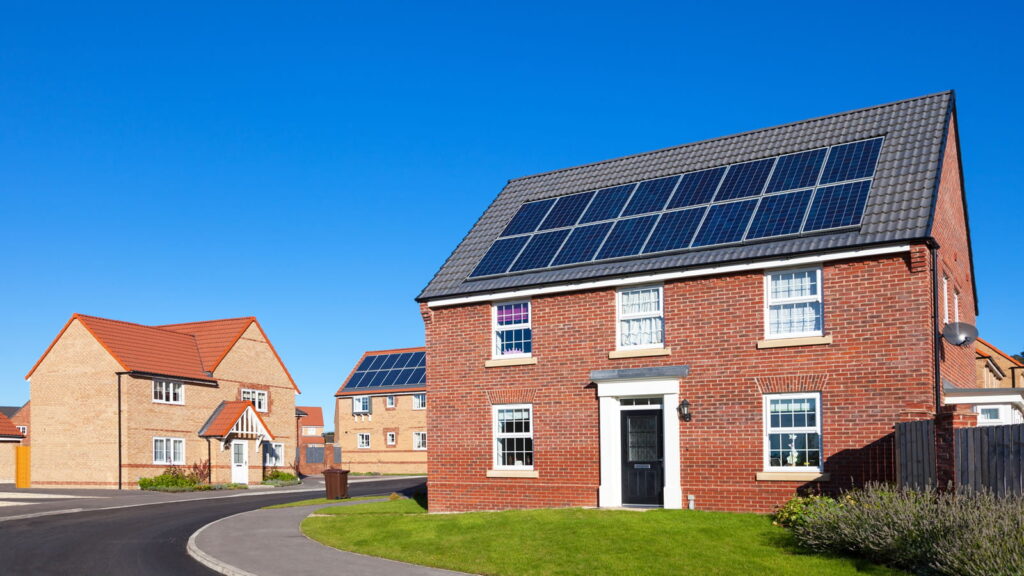
    House on estate with solar panels

    Solar Loans

    Solar loans democratise access to solar energy by spreading the cost of solar panel systems over time, making solar installations more accessible to a broader audience. When you take out a solar loan, you immediately become the owner of the system, which means you can take advantage of any government incentives, rebates, or feed-in tariffs, just as you would if you had paid cash. The loan terms can vary, typically ranging from 5 to 20 years, allowing for flexibility in payment plans to fit different budgets.

    Government Grants and Incentives

    The UK government, along with local Dorchester councils, recognises the importance of transitioning to renewable energy sources and offers various grants and incentives to reduce the financial burden on those who choose to install solar panels. These incentives might include upfront discounts on the cost of solar panel systems, tax benefits, or feed in tariffs that pay you for excess electricity you generate and feed back into the grid. Such schemes are designed to make solar energy more accessible and appealing to both homeowners and businesses.

    Solar Power Purchase Agreements (PPAs)

    Solar Power Purchase Agreements (PPAs) offer an alternative route to solar energy, particularly appealing to those who wish to avoid upfront costs and maintenance responsibilities. Under a PPA, a solar service provider installs solar panels on your property at no initial cost to you. Instead of buying the system, you purchase the electricity it produces at a predetermined rate, which is typically lower than the local utility’s price. This arrangement can lead to immediate savings on your electricity bills without any investment or long-term commitment to a loan.


    Choosing the Right Solar Panels and Add-Ons

    My Home Solar proudly offers a range of high quality solar products to suit every need and budget. Here’s a brief overview of some of the brands and products we provide:

    • JA Solar: Renowned for their efficiency and durability, JA Solar panels are a great choice for maximising your solar output.
    • Fox ESS: Specialising in solar batteries, Fox ESS allows you to store excess energy, ensuring you have power even when the sun isn’t shining.
    • Energizer: A trusted name in energy, Energizer’s solar batteries offer reliability and performance.
    • Enphase: Known for their microinverters, Enphase products improve the efficiency and safety of solar panel systems.
    • Growatt: Offering both solar panels and inverters, Growatt is known for its innovative and cost effective solutions.
    • Jinko: With a reputation for high quality solar panels, Jinko offers excellent performance and value.

    Conclusion

    Investing in solar panels in Dorchester is not only a move towards a greener lifestyle but also a smart financial decision. With various financing options available, going solar has never been more accessible. My Home Solar is committed to helping you find the best solution to power your home or business with clean, renewable energy. Together, we can make a lasting impact on our community and the planet.

    For more information, advice, or to get started on your solar project, contact My Home Solar today. Let’s harness the power of the sun and light up the future, one panel at a time.

    Error: Contact form not found.
    Solar Panel Recycling and Sustainability Practices in Dorset

    Solar Panel Recycling in Dorset and Sustainable Solar Choices

    Solar power is becoming an increasingly familiar sight across Dorset. From Dorchester and Weymouth to Poole, Bournemouth and Christchurch, more property owners are considering how they can generate clean electricity and reduce their reliance on the grid.

    This growth is part of a wider national shift. Government figures published in August 2026 showed that nearly 172,000 solar installations had been completed across the UK since the beginning of the year. The South West recorded 17,539 installations during that period, while its total number of installations had risen by 13 per cent compared with the previous July.

    As more solar panels are fitted, however, another question is becoming more important: what happens to them when they eventually reach the end of their useful life?

    Solar panels are designed to work for decades, but no electrical product lasts indefinitely. Responsible recycling helps recover useful materials, keeps equipment out of general waste and supports a more circular approach to renewable energy. If you are considering solar panels for your home, sustainability should therefore include product quality, system design, maintenance, repair and responsible end of life treatment.

    Get a free solar quote from My Home Solar

    solar panels

    Can Solar Panels Be Recycled?

    Yes, solar panels can be recycled. A typical crystalline silicon panel contains several materials that may be separated and recovered, including glass, aluminium, copper, silicon and plastics. Junction boxes, frames and cables can also be removed during treatment.

    The precise process depends on the panel. Mechanical recycling is currently the most common commercial approach for crystalline silicon modules and can separate bulk materials such as glass and aluminium. Thermal and chemical methods are also developing to recover materials such as silicon and silver at a higher purity.

    Research published by the International Energy Agency Photovoltaic Power Systems Programme in 2026 found measurable improvements in solar module recycling, including better process yields, material recovery and output purity. The report also noted that the industry still needs greater transparency and more consistent data.

    The quantity and quality recovered will vary according to the panel and recycling technology. It is therefore important to use a legitimate specialist route rather than treating a panel as ordinary household or construction waste.

    How Long Do Solar Panels Last?

    Modern solar panels are commonly designed to generate electricity for 25 years or more. Reaching this age does not mean that a panel will suddenly stop working. Its output will usually decline gradually over time, and a well performing system may continue generating beyond its original warranty period.

    Several factors can affect the working life of a system, including:

    • Product quality and the standard of installation
    • Exposure to weather and coastal conditions
    • The condition of the roof and mounting system
    • Whether faults are identified and addressed promptly

    For properties near the Dorset coast, wind exposure, salt in the air and roof condition should all be considered during the survey. An older panel should not automatically be removed simply because a newer model is available. Continuing to use safe equipment that performs well can be more sustainable than premature replacement.

    What Happens to Old Solar Panels in the UK?

    Solar photovoltaic panels fall within the UK framework for waste electrical and electronic equipment, commonly known as WEEE. Updated government guidance identifies photovoltaic panels as their own collection stream, known as stream E.

    This means old panels should be kept separate from general waste and passed through an appropriate collection and treatment route. Government guidance states that when an approved designated collection facility receives photovoltaic panels, it should keep them separate and arrange dedicated collection, treatment, recovery and environmentally sound disposal through its contracted producer compliance scheme.

    Not every household recycling centre will accept solar panels directly. Dorset residents should therefore check with the local authority, their installer or an appropriate waste electrical contractor before transporting panels anywhere.

    Avoid removing roof mounted panels yourself. They form part of an electrical system and may continue generating direct current electricity in daylight. A professional should first establish whether the panel is genuinely at the end of its life, as a fall in generation may instead be caused by an inverter fault, shading, a damaged connector or a monitoring problem. Safe equipment may be suitable for repair or reuse. Panels that cannot remain in service should be professionally isolated, removed and passed into a legitimate WEEE route for specialist treatment.

    Why Solar Panel Recycling Matters in Dorset

    The environmental value of solar should extend across the full life of the equipment. Responsible treatment keeps bulky electrical products out of general waste, while recovering aluminium, glass, copper and other materials can reduce demand for newly extracted resources. A regulated route also gives homeowners greater confidence that equipment can be managed properly when it can no longer be used.

    The local move towards renewable energy is already visible. In January 2026, Dorset Council outlined a wider programme of approximately 2.25 MW of solar panels on council buildings. The authority described the programme as roughly equivalent to 640 typical home systems. This public investment, alongside rising household demand, shows why long term planning for solar equipment matters across the county.

    Current Solar Trends Supporting Greater Sustainability

    The solar market in 2026 is not solely focused on installing more panels. Homeowners increasingly want systems that make better use of the electricity they generate and remain suitable as their needs change.

    Higher output panels

    Modern high efficiency panels can generate more electricity from a limited roof area. This can be particularly helpful on smaller roofs or properties with more complex layouts. My Home Solar currently offers panel options from manufacturers including Aiko, JA Solar and Trina Solar.

    Efficiency is important, but it should not be considered in isolation. Product warranties, expected degradation, compatibility, roof suitability and installation quality all influence the value and longevity of a system.

    Solar battery storage

    A solar battery can store surplus electricity generated during the day for use later. This can increase self consumption and reduce the amount of electricity a household needs to import from the grid.

    Current battery options are increasingly modular and supported by intelligent energy management. My Home Solar supplies systems from brands including Fox ESS, Enphase, SolarEdge, SigEnergy and Tesla. Storage capacity is measured in kilowatt hours and should be selected according to the property’s generation, electricity use and future plans. A tailored design is more sustainable than choosing equipment solely because it has the highest capacity.

    Smarter monitoring and energy use

    Monitoring platforms show when panels are generating, how much electricity a property is using and when energy is being imported or exported. Together with smart tariffs, battery scheduling and compatible electric vehicle charging, this can help households use each unit of solar electricity more effectively.

    Designing for future needs

    A household may later add a battery, electric vehicle charger or heat pump. Discussing these plans before installation helps the designer consider inverter capacity, roof space and future demand. It does not mean buying the largest possible system. The aim is to design around realistic present and future needs.

    What About Solar Batteries and Inverters?

    Inverters, batteries, optimisers and monitoring equipment have different working lives and recycling requirements. A solar battery should never be placed in household rubbish or treated in the same way as a panel. In many cases, one component can be repaired or replaced without removing the array, so arrange a professional diagnosis before deciding that a whole system has reached the end of its life.

    How to Choose a More Sustainable Solar System

    If you are comparing solar panel installers in Dorset, ask questions that look beyond the initial quotation.

    • Has the proposed system been designed around your actual electricity use?
    • Are the product warranties and expected performance clearly explained?
    • Is the roof suitable for the proposed panel layout?
    • Would battery storage suit your pattern of electricity use?
    • What monitoring, documentation and aftercare will you receive?
    • What happens to components when they eventually need replacement?

    My Home Solar is based in Dorchester and provides residential and commercial solar panel installations. The company is MCS certified and RECC approved, and its team can design a system around the property, roof, electricity use and available budget.

    Whether you are considering panels alone, a complete home solar system or battery storage, a tailored assessment can help you avoid unnecessary equipment and choose a system intended to deliver lasting value.

    Contact My Home Solar for a free solar quotation

    Frequently Asked Questions About Solar Panel Recycling

    Are solar panels recyclable in the UK?

    Yes. Solar panels can enter a specialist WEEE collection and treatment route. Materials such as glass, aluminium and copper may be separated and recovered, although the precise outcome depends on the panel and the recycling process.

    Can I take old solar panels to a Dorset recycling centre?

    Do not assume that every household recycling centre will accept them. Contact Dorset Council or the relevant site before travelling. An installer or specialist electrical waste contractor may also be able to advise on the appropriate collection route.

    Can solar panels go into a skip?

    Solar panels should not be mixed with general skip waste. They are electrical equipment and should be kept separate for appropriate treatment. Arrange professional removal and confirm the intended waste route before work begins.

    Do solar panels stop working after 25 years?

    Not necessarily. Many panels continue generating after 25 years, although their output may be lower than when they were new. Their condition and performance should be assessed before replacement is recommended.

    Are solar batteries recycled with solar panels?

    No. Solar batteries require a separate recycling route appropriate to their chemistry and construction. They should never be placed in household rubbish or dismantled by the homeowner.

    Make a More Informed Solar Investment in Dorset

    Solar panel recycling matters, but sustainability begins long before a panel reaches the end of its life. It begins with reliable equipment, careful design, professional installation and continued performance monitoring. For homeowners and businesses across Dorset, a well planned system can generate clean electricity for decades while supporting responsible future resource recovery.

    My Home Solar can assess your property, discuss solar panels and battery storage, and prepare a system proposal based on your electricity needs. To take the next step, contact the My Home Solar team or call 0800 193 3933 to request a free quotation.