Emerging Technologies in Solar Power Conversion Efficiency

Evolving Technology

Solar energy has come a long way since its inception, and at My Home Solar, we pride ourselves on being at the forefront of this evolving technology. Based in the UK, our mission is to provide top-quality solar panels, solar batteries, and solar add-ons to help you harness the power of the sun more efficiently. In this blog, we delve into the latest emerging technologies that are enhancing solar power conversion efficiency, with a spotlight on Fox ESS and Jinko Solar panels.


The Importance of Solar Power Conversion Efficiency

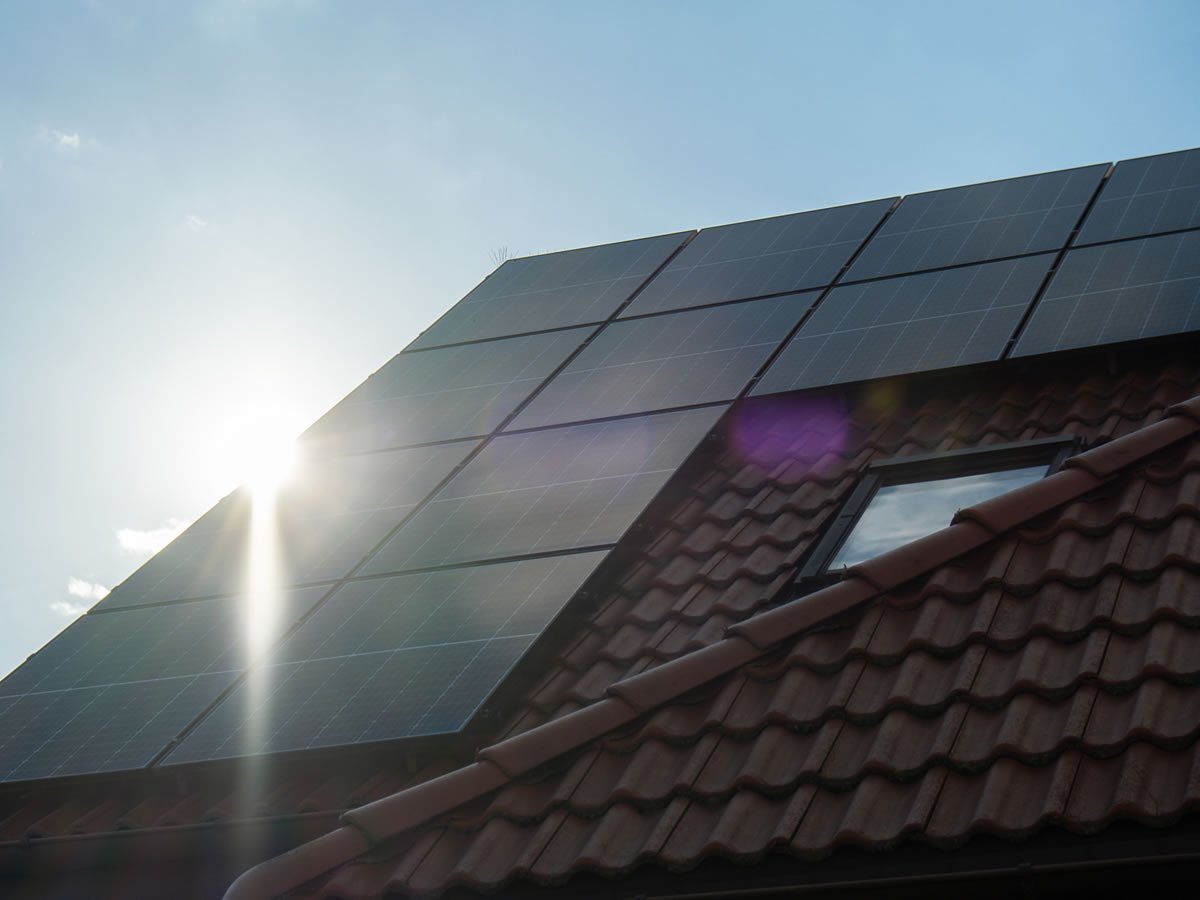
Solar power conversion efficiency is the percentage of sunlight that can be converted into usable electricity by a solar panel. Higher efficiency means more energy from the same amount of sunlight, which is crucial for maximising the benefits of solar power, especially in regions with less sunlight or limited installation space.


  1. Perovskite Solar Cells

Perovskite solar cells have gained significant attention due to their high efficiency and lower production costs. These cells use a perovskite-structured compound as the light-harvesting active layer. Perovskite cells have achieved efficiencies over 25% in laboratory settings, rivalling traditional silicon-based cells. Their flexibility and lightweight nature also make them ideal for a variety of applications, from rooftop installations to portable solar chargers.

  1. Bifacial Solar Panels

Bifacial solar panels can capture sunlight from both sides, effectively increasing the total energy output. These panels can harness reflected light from the ground, making them particularly effective in snowy or sandy environments where reflectivity is high. Bifacial panels have been shown to produce up to 30% more energy than traditional monofacial panels, making them a promising technology for improving solar power conversion efficiency.

  1. Quantum Dot Solar Cells

Quantum dots are tiny semiconductor particles that can be tuned to absorb different wavelengths of light. Quantum dot solar cells are still in the research phase but show great potential due to their ability to cover a broader spectrum of sunlight compared to conventional cells. This broader absorption can lead to higher efficiencies, potentially surpassing the current silicon-based technology.


Tandem Solar Cells

Tandem solar cells stack multiple layers of different photovoltaic materials to capture more of the solar spectrum. For instance, combining perovskite and silicon in a tandem cell can surpass the efficiency limits of each material individually. These cells have achieved efficiencies above 30% in laboratory conditions, making them a promising candidate for future commercial use.

CPV technology uses lenses or mirrors to concentrate sunlight onto highly efficient solar cells. By focusing more light onto a smaller area, CPV systems can achieve efficiencies above 40%. While CPV systems are more complex and expensive to install, they are ideal for areas with high direct sunlight, offering substantial energy gains.
Growatt

Innovations in Solar Panel Manufacturing

In addition to advancements in solar cell technology, improvements in manufacturing processes also play a crucial role in enhancing solar power conversion efficiency.


  1. PERC (Passivated Emitter and Rear Cell) Technology

PERC technology involves adding a passivation layer to the rear side of the solar cell, reducing electron recombination and increasing the amount of light captured. This simple yet effective enhancement has significantly boosted the efficiency of commercial solar panels, making it a standard in the industry.

  1. Heterojunction Technology (HJT)

HJT combines the advantages of crystalline silicon and amorphous silicon, creating a cell that offers higher efficiency and better performance at higher temperatures. HJT panels are known for their excellent stability and longevity, providing more consistent energy output over time.

  1. Multi-Busbar (MBB) Technology

MBB technology involves using multiple thin wires (busbars) instead of a few thicker ones to conduct electricity. This design reduces resistance and increases the active area of the solar cell, leading to higher efficiency. MBB is becoming a standard feature in modern solar panels due to its tangible efficiency gains.


The Future of Solar Power

The continuous advancement in solar technology is making it an increasingly viable and attractive option for energy generation. As efficiency improvements drive down costs and increase the effectiveness of solar panels, more households and businesses are likely to adopt solar power.

  1. Artificial Intelligence (AI) and Machine Learning

AI and machine learning are being integrated into solar energy systems to predict energy production, optimise system performance, and manage energy distribution more effectively. These technologies can analyse vast amounts of data to identify patterns and make real-time adjustments, ensuring maximum efficiency.

  1. Blockchain for Solar Energy Trading

Blockchain technology is being explored for peer-to-peer solar energy trading. This would allow individuals to sell excess solar power directly to their neighbours, creating a decentralised energy market. Such systems could increase the financial viability of solar installations and encourage more widespread adoption.


Conclusion

The future of solar power is bright, with continuous advancements in technology driving higher efficiency and broader adoption. At My Home Solar, we are excited to be part of this journey, providing you with cutting-edge solutions to harness the power of the sun. Whether you are looking to install new solar panels, upgrade your current system, or explore energy storage options, we have the expertise and products to meet your needs. Embrace the future of energy with My Home Solar and join us in creating a sustainable world powered by solar energy.

For more information about our products and services, or to schedule a consultation, visit our website or contact us today. Let’s work together to make your home more energy-efficient and environmentally friendly.

Error: Contact form not found.
Navigating the Permitting Process for Solar Panel Installation

A Guide by My Home Solar

In recent years, solar energy has become an increasingly popular choice for homeowners in the UK. With rising energy costs and a growing awareness of environmental issues, many people are turning to solar power as a sustainable and cost-effective solution. At My Home Solar, we specialise in providing high-quality solar panels, solar batteries, and solar add-ons from leading brands like Fox ESS and Jinko Solar. However, one crucial aspect of the solar panel installation process that can often be overlooked is navigating the permitting process. In this blog, we will guide you through the key steps and considerations involved in obtaining the necessary permits for your solar panel installation.

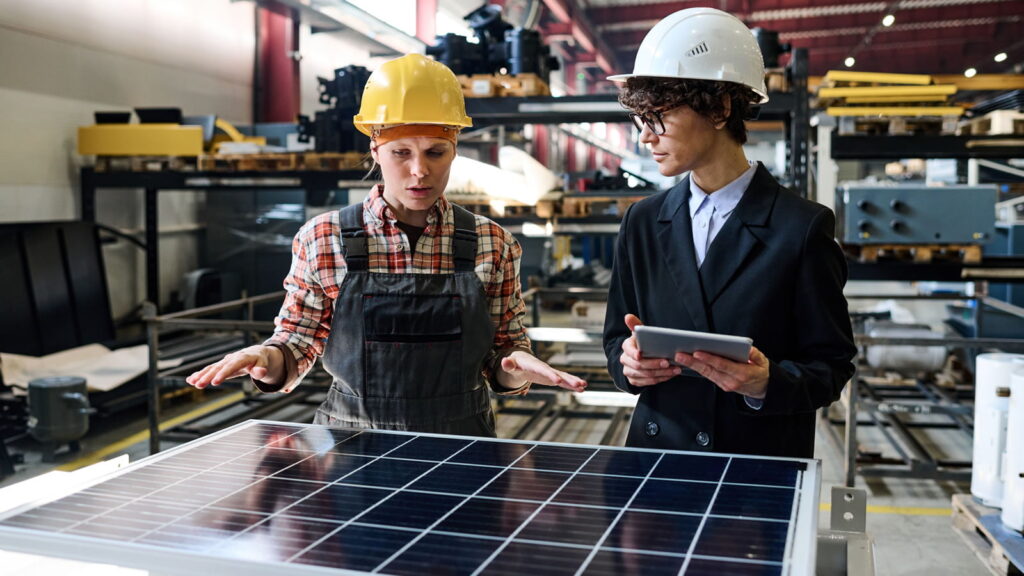
Engineer talking about solar panel to collegue

Understanding the Permitting Process

Before you can begin the installation of your solar panels, it’s essential to understand the permitting process. This process is designed to ensure that your solar panel installation complies with local regulations and building codes, safeguarding both you and your community. While the specifics can vary depending on your location, there are several general steps and requirements you can expect.


Initial Assessment and Planning

Evaluating Your Property

The first crucial step in the permitting process is a comprehensive assessment of your property. Evaluating your property’s suitability for solar panel installation involves several key considerations:

  • Roof Orientation and Angle: The orientation and angle of your roof significantly impact the efficiency of your solar panels. South-facing roofs are ideal as they receive the most sunlight throughout the day, but east and west-facing roofs can also be effective.
  • Shading: Assess potential shading from trees, buildings, or other obstructions. Even partial shading can reduce the efficiency of your solar panels, so it’s important to identify and address these issues during the planning stage.
  • Roof Condition: Ensure that your roof is in good condition and capable of supporting the weight of the solar panels. It may be necessary to carry out repairs or reinforcements to guarantee the structural integrity of your installation.

Selecting the Right Equipment

Choosing the right solar equipment is critical for the success of your installation. At My Home Solar, we offer a range of high-quality products:

  • Solar Panels: We provide Jinko solar panels known for their efficiency and durability. Selecting the right number and type of panels is essential for meeting your energy needs.
  • Inverters: Fox ESS inverters are a popular choice due to their reliability and performance. Inverters are vital for converting the DC electricity generated by your panels into usable AC electricity.
  • Solar Batteries and Add-ons: Consider integrating solar batteries to store excess energy for use during non-sunny periods. Our solar add-ons can enhance your system’s functionality and efficiency.

Designing Your System

A well-designed solar system is tailored to your specific energy needs and complies with local regulations. Work with a qualified solar installer to develop a detailed system design that includes:

  • Panel Placement: Determine the optimal placement for your solar panels to maximise sun exposure and minimise shading.
  • System Size: Calculate the number of panels needed to meet your energy requirements. This depends on your average electricity consumption and the available roof space.
  • Additional Components: Plan for any additional components like solar batteries, which can increase the overall efficiency and resilience of your system.

Submitting Your Application

Once you’ve completed the initial assessment and planning, the next step is to submit your application for the necessary permits. This typically involves:

Preparing Documentation

Gathering all required documentation is a crucial part of the permitting process. This includes:

  • Site Plans: Detailed site plans showing the layout of your solar panel installation, including the position of each panel, inverter, and other components.
  • System Design Specifications: Comprehensive specifications of the equipment you intend to use, such as the type and number of solar panels, inverters, and batteries.
  • Structural Calculations: Any calculations or assessments that demonstrate the structural integrity of your roof and its ability to support the solar panel system.

Your solar installer can assist with this process to ensure all details are accurate and complete.


Filing Your Application

Submit your application to the appropriate local authority. This could be your local council or another regulatory body responsible for approving solar panel installations in your area. The application process typically includes:

  • Completing Forms: Fill out the necessary application forms provided by your local authority. These forms will require detailed information about your planned installation.
  • Submitting Documentation: Attach all required documentation to your application. Ensure that all documents are clear, accurate, and complete to avoid delays in the review process.

Paying Fees

Be prepared to pay any applicable fees associated with your permit application. These fees can vary depending on your location and the complexity of your installation. It’s important to factor these costs into your overall budget for the project.

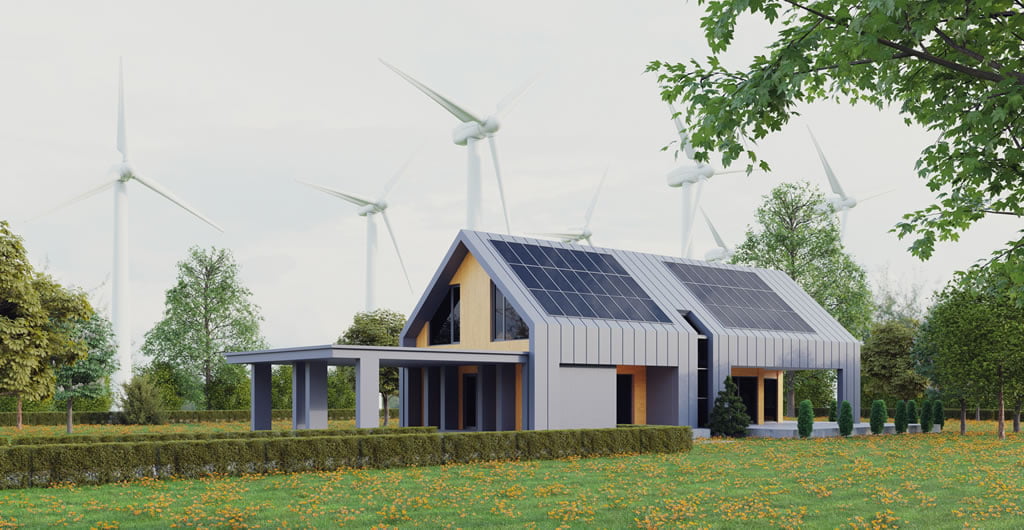
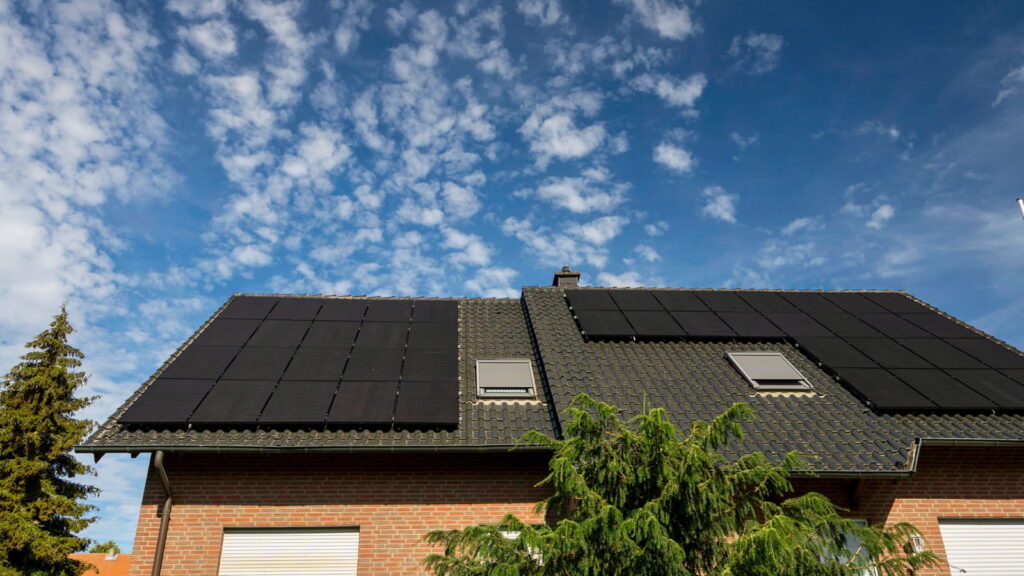
Modern eco house with solar panels and windmills to use alternative energy.

Installation and Final Inspection

With your permits in hand, you can move forward with the installation of your solar panels. This phase involves:

Hiring a Qualified Installer

Ensure that your solar panel installation is carried out by a qualified and experienced installer. At My Home Solar, our team of experts is fully trained and certified to handle all aspects of the installation process. A professional installation guarantees:

  • Safety: Qualified installers adhere to strict safety standards, reducing the risk of accidents during and after the installation.
  • Quality: Professional installers ensure that your system is installed correctly, maximising its efficiency and longevity.

Following Approved Plans

Adhere to the approved plans and specifications during the installation. Any deviations from the approved design may require additional approvals or inspections. Key considerations include:

  • Correct Placement: Ensure that the solar panels are installed in the optimal position as per the approved design to maximise sun exposure.
  • Proper Wiring: Ensure all electrical wiring is installed according to the approved plans and complies with local electrical codes.

Final Inspection

Once the installation is complete, a final inspection will be conducted to verify that the work has been carried out according to the approved plans and meets all safety standards. This inspection is crucial for ensuring the long-term performance and safety of your solar system. During the final inspection, authorities will:

  • Verify Installation: Check that the solar panels, inverters, and other components have been installed correctly and in accordance with the approved plans.
  • Test System: Perform tests to ensure that the system is functioning properly and safely.

How My Home Solar Can Help

At My Home Solar, we are committed to making the transition to solar energy as seamless and stress-free as possible for our customers. Here’s how we can assist you with the permitting process:

Expert Guidance

Our team of experienced professionals will guide you through every step of the permitting process, from the initial assessment and planning to the final inspection. Our services include:

  • Consultation: Providing expert advice on system design, equipment selection, and compliance with local regulations.
  • Documentation: Assisting with the preparation and submission of all necessary documentation for your permit application.

High-Quality Equipment

We provide top-of-the-line solar panels, inverters, and batteries from reputable brands like Fox ESS and Jinko Solar, ensuring your system is efficient and reliable. Our offerings include:

  • Solar Panels: High-efficiency Jinko solar panels designed to maximise energy production.
  • Inverters: Reliable Fox ESS inverters that ensure optimal system performance.
  • Solar Batteries: Advanced solar batteries for energy storage, enhancing your system’s resilience and efficiency.

Conclusion

Navigating the permitting process for solar panel installation may seem daunting, but with the right guidance and preparation, it can be a smooth and straightforward experience. At My Home Solar, we are dedicated to helping our customers make the switch to solar energy with confidence. By understanding the key steps involved in the permitting process and working with our team of experts, you can ensure a successful and compliant solar panel installation. If you’re ready to take the next step towards sustainable energy, contact My Home Solar today and let us help you harness the power of the sun.

Error: Contact form not found.
Financing Solar Energy: Loans, Leases, and PPAs Explained

Introduction

At My Home Solar, we recognise the significance of investing in solar energy and aim to simplify the process for homeowners in the UK. As a premier provider of solar panel installations, solar batteries, and other solar add-ons, we strive to make renewable energy accessible and affordable. A crucial aspect to consider when transitioning to solar energy is the financing options available. In this blog, we will explore various financing methods, including loans, leases, and power purchase agreements (PPAs), helping you make an informed decision that suits your financial situation and energy needs.


The Basics of Solar Financing

Understanding the importance of financing is crucial when investing in solar energy systems. The initial cost of installing solar panels, batteries, and other components can be high, but the long-term benefits, such as reduced energy bills and a smaller carbon footprint, make it a worthwhile investment. Financing options enable you to spread the cost over time, making solar energy more affordable and accessible for homeowners. We will explore different financing methods to help you find the best solution for your needs.


Loans

Loans are a straightforward way to finance your solar energy system. By borrowing money to cover the upfront installation costs, you can repay the loan over a set period. There are various types of loans available for solar financing, each with its advantages and considerations.

Personal Loans

Personal loans are a common choice for financing solar panels. These unsecured loans do not require collateral, meaning you don’t need to put up your home or other assets as security. The application process for personal loans is usually simple, and funds can be received relatively quickly.


Advantages:

  • No Collateral Required: Unsecured loans mean you don’t risk losing your property if you default.
  • Flexible Use: Funds can be used for any purpose, including solar panels, batteries, and installation.

Considerations:

  • Higher Interest Rates: Unsecured loans often come with higher interest rates than secured loans.
  • Credit Score Impact: Your credit score will significantly influence the loan terms, including the interest rate.

Home Improvement Loans

Home improvement loans are designed for home renovations and upgrades, including solar energy systems. These loans can be secured or unsecured, with secured loans offering lower interest rates due to the collateral.

Advantages:

  • Lower Interest Rates: Secured home improvement loans typically have lower interest rates compared to personal loans.
  • Tailored for Home Projects: These loans are designed for home improvements, making them suitable for solar installations.

Considerations:

  • Collateral Required for Secured Loans: If you opt for a secured loan, your home will serve as collateral, which means you risk foreclosure if you default.
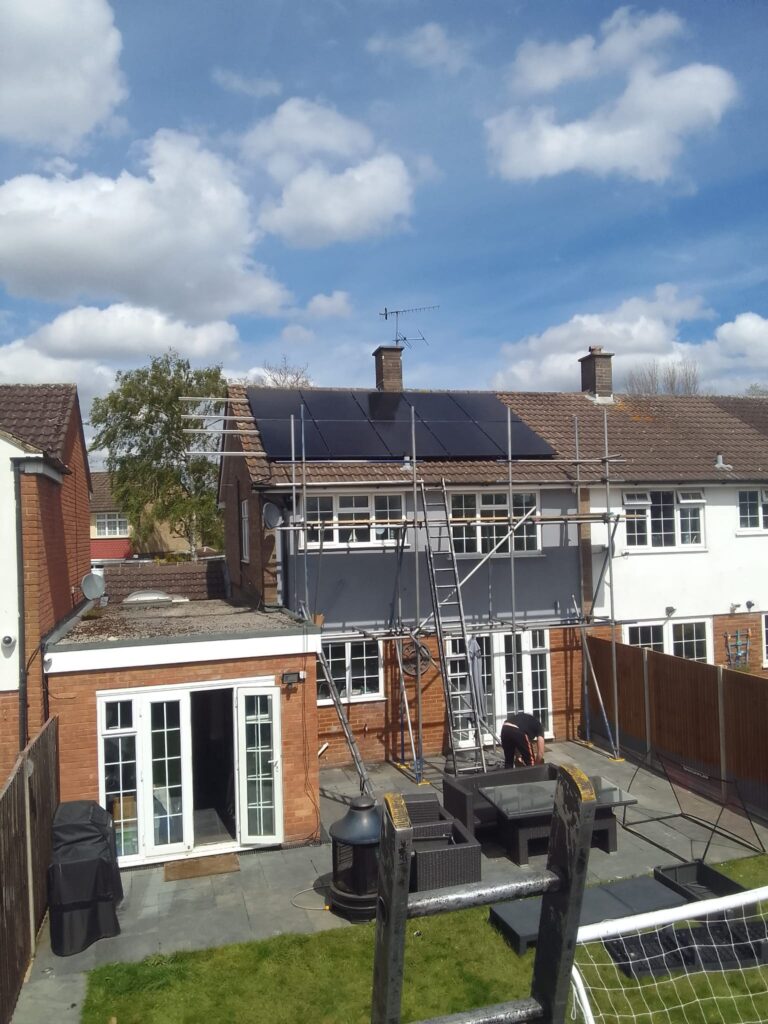
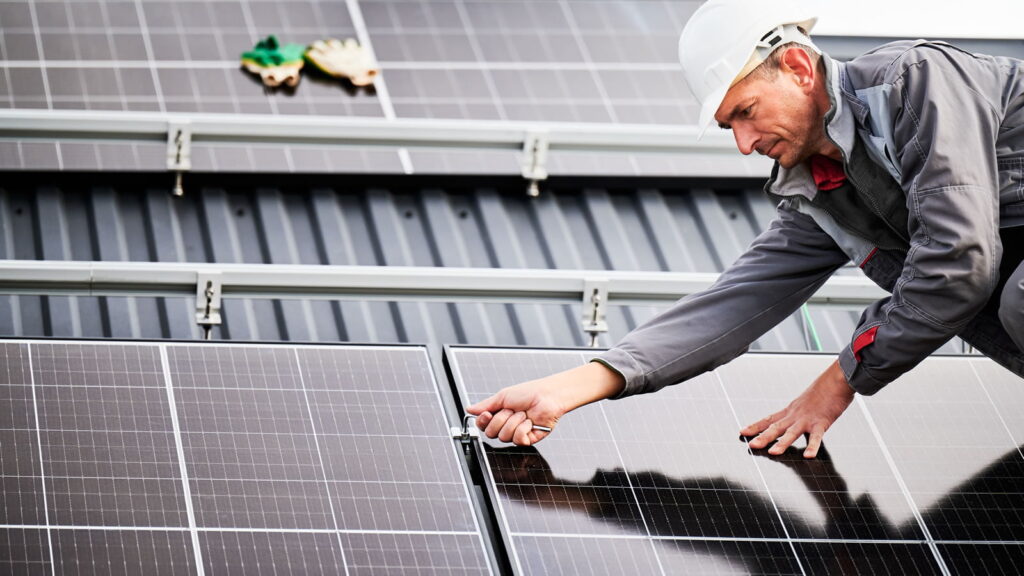
Solar engineer fixing solar panels to roof

Power Purchase Agreements (PPAs)

A Power Purchase Agreement (PPA) is similar to a lease, but instead of paying a fixed monthly fee, you agree to purchase the electricity generated by the solar panels at a predetermined rate. This rate is usually lower than your utility’s current rate, providing immediate savings on your energy bills.

Advantages:

  • Immediate Savings: PPAs offer immediate savings as the rate for solar electricity is typically lower than the standard utility rate.
  • No Upfront Costs: Like leases, PPAs usually require no upfront payment, making them accessible to many homeowners.
  • Maintenance Covered: The provider is responsible for installation, maintenance, and repairs.

Considerations:

  • No Ownership: As with leases, you don’t own the panels, so you won’t benefit from certain incentives or property value increases.
  • Contract Terms: PPAs are long-term contracts, often 20 to 25 years, meaning you’re locked into the agreement for an extended period. Be sure to understand the terms and any potential rate increases.

Conclusion

At My Home Solar, our mission is to make solar energy accessible and affordable for homeowners across the UK. Understanding the different financing options available—loans, leases, and PPAs—will help you make an informed decision that aligns with your financial situation and long-term goals. Each option has its advantages and considerations, so assess your priorities to choose the best path to sustainable energy.

If you have any questions or need further assistance in choosing the right financing option for your solar energy system, our team at My Home Solar is here to help. Contact us today to learn more about our solar panel installations, solar batteries, and other solar add-ons, including Jinko Solar, Neo Solar, and Fox ESS batteries. Together, we can create a brighter, more sustainable future for your home and the planet.

Error: Contact form not found.
Integrating Solar with Smart Home Systems

Smart home systems

In an era where sustainability intersects with technology, homeowners are increasingly turning towards solar power as a means to not only reduce their carbon footprint but also to enhance their living spaces with smart technology. My Home Solar, a leading provider of solar solutions in the UK, is at the forefront of this integration, offering bespoke solar installations that are compatible with the latest smart home systems.

The integration of solar power with smart home technology is revolutionising how we think about energy use at home. Traditional energy systems are static and unresponsive to real-time environmental and usage changes. In contrast, a smart home equipped with solar panels uses dynamic, intelligent systems to adapt and respond to these changes, maximising efficiency and sustainability.


The Convergence of Solar Power and Smart Home Technology

For instance, solar panels from leading manufacturers like Jinko Solar and Neo Solar, available through My Home Solar, convert sunlight into electricity with high efficiency. When this is combined with smart home technology, the system can manage the energy flow not just within the home but back to the grid as well, taking advantage of feed-in tariffs and peak demand pricing. This interaction not only supports personal energy needs but also contributes to the broader energy economy, reducing the strain on local power grids during high demand periods.

Moreover, the ability to integrate seamlessly with advanced home automation systems allows for a smooth transition for homeowners new to solar energy. These systems enable users to monitor, control, and adjust their energy usage based on predictive analytics, which can suggest the optimal times to use energy-intensive appliances or store energy. This intelligent use of data ensures that each homeowner maximises their investment in solar technology while contributing to a more sustainable energy future.


How Smart Home Systems Enhance Solar Usage

Smart home systems act as the brain of your home energy management, allowing for an unprecedented level of control over how solar energy is used and distributed throughout the house. For example, during periods when solar panels are producing more electricity than the home needs, a smart system can automatically reroute this surplus to power-intensive appliances like washing machines or dishwashers, or it can charge electric vehicles during optimal sunlight hours.

This level of automation extends to nearly every function of the home. Smart thermostats can adjust settings in real time based on the availability of solar power, ensuring that energy consumption is always aligned with production. Similarly, smart lighting systems can integrate with sensors to maximise the use of natural light before automatically turning on LED lights when necessary, further conserving energy.


Monitoring and Control

Enhanced monitoring capabilities are one of the key benefits of integrating solar panels with smart home systems. Homeowners can access detailed insights into both energy production and consumption through user-friendly interfaces on their smartphones or other digital devices. This level of insight goes beyond mere monitoring; it empowers users to actively manage their home’s energy ecosystem.

Installation and Maintenance

When it comes to installation, My Home Solar prioritises a streamlined process that respects the homeowner’s time and property. Our technicians are trained to ensure that each installation is efficient and minimally invasive, understanding that the integration of solar and smart systems can sometimes be complex. Post-installation, our teams provide comprehensive walkthroughs to homeowners, demonstrating how to interact with their new systems, and offering tips for optimal usage.

Future-Proofing Your Home

Investing in solar power and smart home technology is not just about enhancing current living standards but also about preparing for future advancements. As technology evolves, so too will the capabilities of smart home systems to integrate even more seamlessly with solar technology.


Home Management

Apps and home management platforms provide notifications and alerts about performance issues, weather-related opportunities (like anticipated sunny days), or maintenance needs, ensuring that the solar system operates at peak efficiency. This proactive approach to energy management not only helps in reducing costs but also increases the lifespan of the solar installation.

Ongoing maintenance is simplified through the integration of smart diagnostics tools that can predict and alert homeowners to potential issues before they become significant problems. Regular updates to software ensure that smart home systems remain compatible with all linked devices and continue to operate with cutting-edge efficiency.

My Home Solar is committed to staying at the forefront of these advancements, ensuring our customers are always equipped with the latest and most effective technologies. By adopting these integrated systems today, homeowners are not only investing in their immediate environment but are also setting a foundation that will accommodate and leverage future technological developments, maintaining their home’s relevance and enhancing its value in the years to come.


Conclusion

Integrating solar power with smart home systems presents an exciting frontier for residential energy management, promising enhanced efficiency, reduced environmental impact, and improved home automation. My Home Solar is dedicated to guiding homeowners through every step of this journey, providing expert advice, top-of-the-line products, and professional support. Embrace the future of home energy with My Home Solar, and take a significant step towards a smarter, more sustainable living environment.

Error: Contact form not found.