What is Usable Capacity vs Rated Capacity in Solar Battery Systems?

Renewable Energy

As more homeowners across Dorset and the South Coast choose to invest in renewable energy, solar batteries have become one of the most talked-about technologies in modern homes. They allow you to store excess power generated by your solar panels, giving you greater independence from the grid and lower energy bills.

But as you start researching battery options, you’ll come across two terms that can be confusing usable capacity and rated capacity. They sound similar, but understanding the difference between them is essential if you want to make an informed decision about your solar battery system.

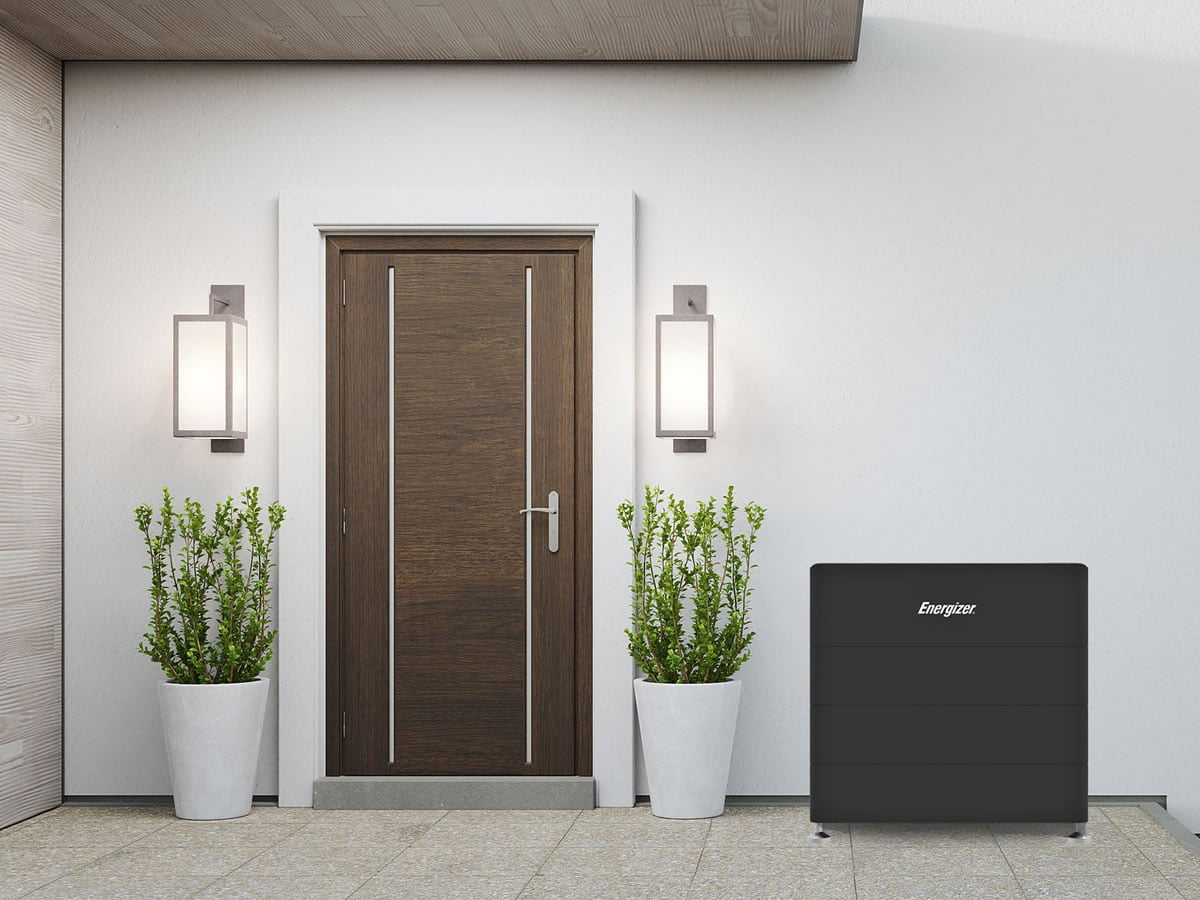
In this guide, we’ll break down what each term means, why the difference matters, and how popular battery systems like the Growatt battery, Panasonic EverVolt, and Enphase Energy compare in real-world use. We’ll also explore how these systems work alongside technologies such as SolarEdge, Solis inverters, SunPower Maxeon panels, and Jaso Solar modules to create efficient, high-performance solar setups across Dorset.
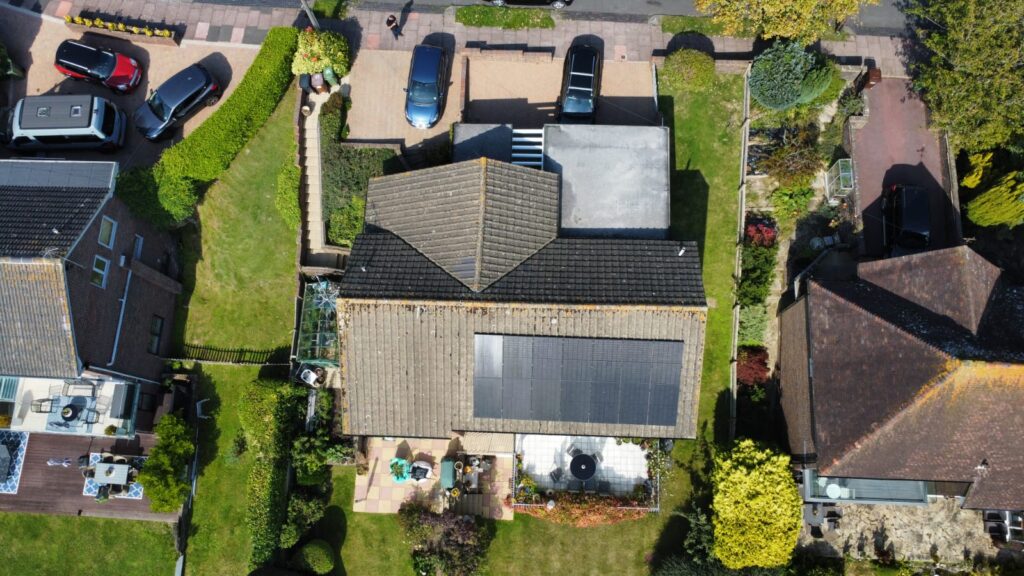
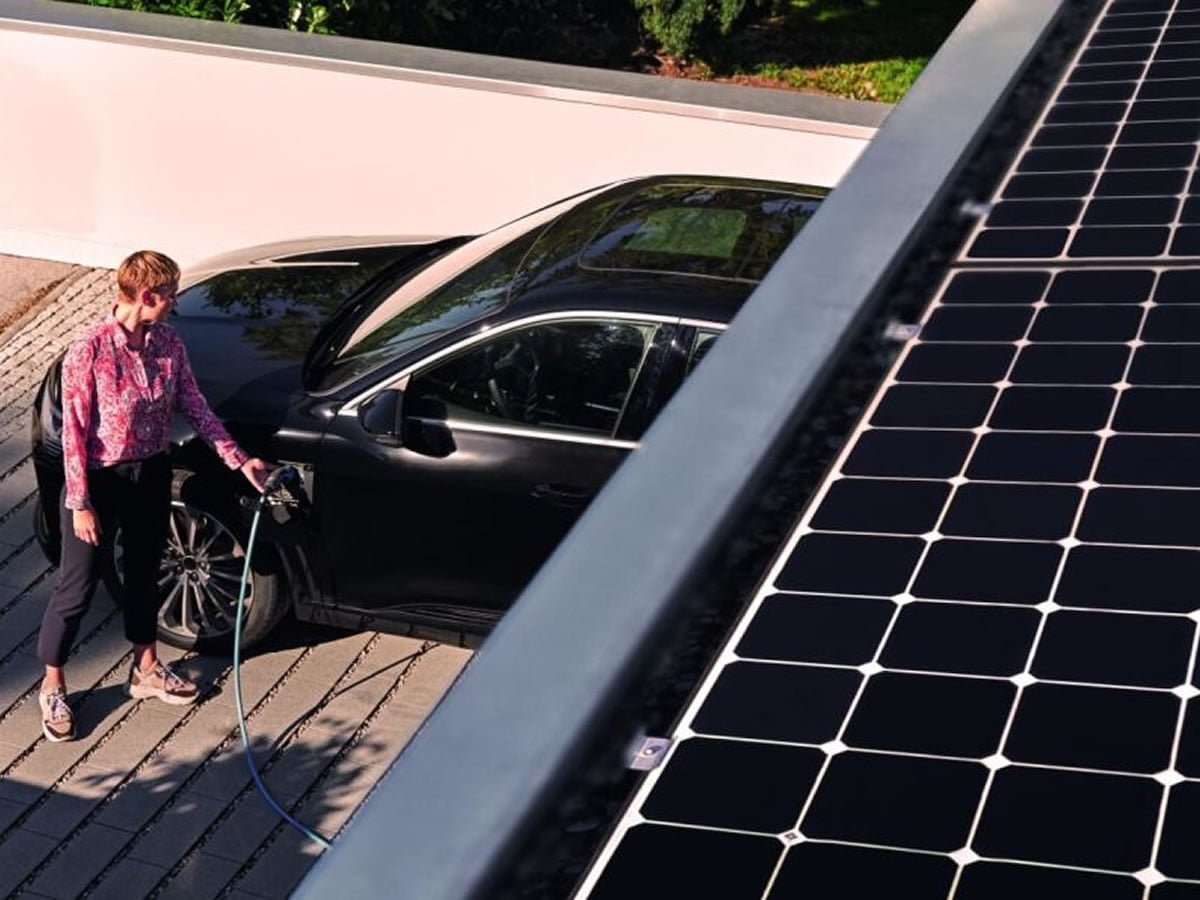
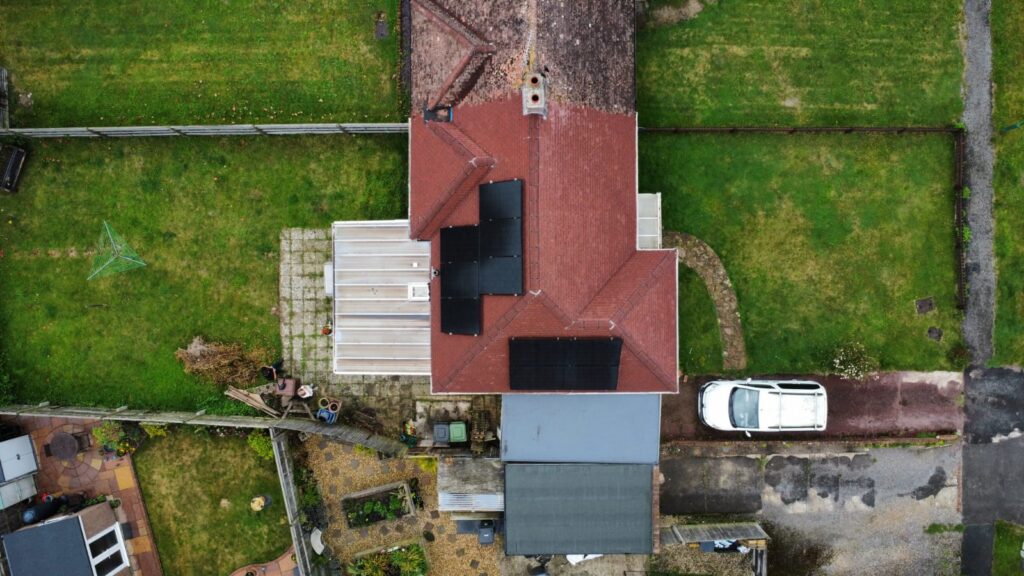
solar panels in dorset

Understanding Solar Battery Capacity

Every solar battery is designed to store a specific amount of energy, usually measured in kilowatt-hours (kWh). However, not all of that energy is actually usable. To understand why, let’s first define the two main terms used to describe battery size and performance.

Rated Capacity

Rated capacity refers to the total amount of energy a battery can theoretically store when it’s brand new, straight from the manufacturer. It’s the figure you’ll usually see on spec sheets or product brochures.

For example, if a battery has a rated capacity of 10 kWh, that means it can technically hold up to 10 kilowatt-hours of energy. But in real-life use, you won’t be able to access all of it.

Usable Capacity

Usable capacity is the portion of the battery’s total capacity that you can actually use. Most batteries are designed with a small amount of stored energy that remains untapped to prevent deep discharging, which can damage the battery and shorten its lifespan.

So, a 10 kWh battery might only offer 9 kWh of usable energy. That remaining 1 kWh acts as a buffer to protect the internal cells and ensure long-term reliability.


Why the Difference Matters

The difference between rated and usable capacity directly affects how much energy you can store and use in your home.

If you’re comparing two solar battery systems, one with a rated capacity of 10 kWh and 90% usable capacity, and another with a rated capacity of 10 kWh but only 80% usable capacity, the first system will give you an extra kilowatt-hour of usable energy each day.

Over time, that adds up to significant savings and greater efficiency, particularly for homes in Dorchester or Poole where energy demands can fluctuate throughout the year.


How Depth of Discharge Affects Capacity

Another factor that influences usable capacity is Depth of Discharge (DoD) the percentage of the battery that can be used before it needs recharging.

For instance, a battery with a DoD of 90% means you can safely use 90% of its stored energy without harming its lifespan. Manufacturers like Growatt, Enphase Energy, and Panasonic EverVolt typically offer DoD ratings between 90% and 95%, ensuring a good balance between performance and durability.

High DoD values are ideal for home solar panels in Dorchester, where weather and daylight hours vary seasonally, giving homeowners the flexibility to rely on stored energy during long winter nights.

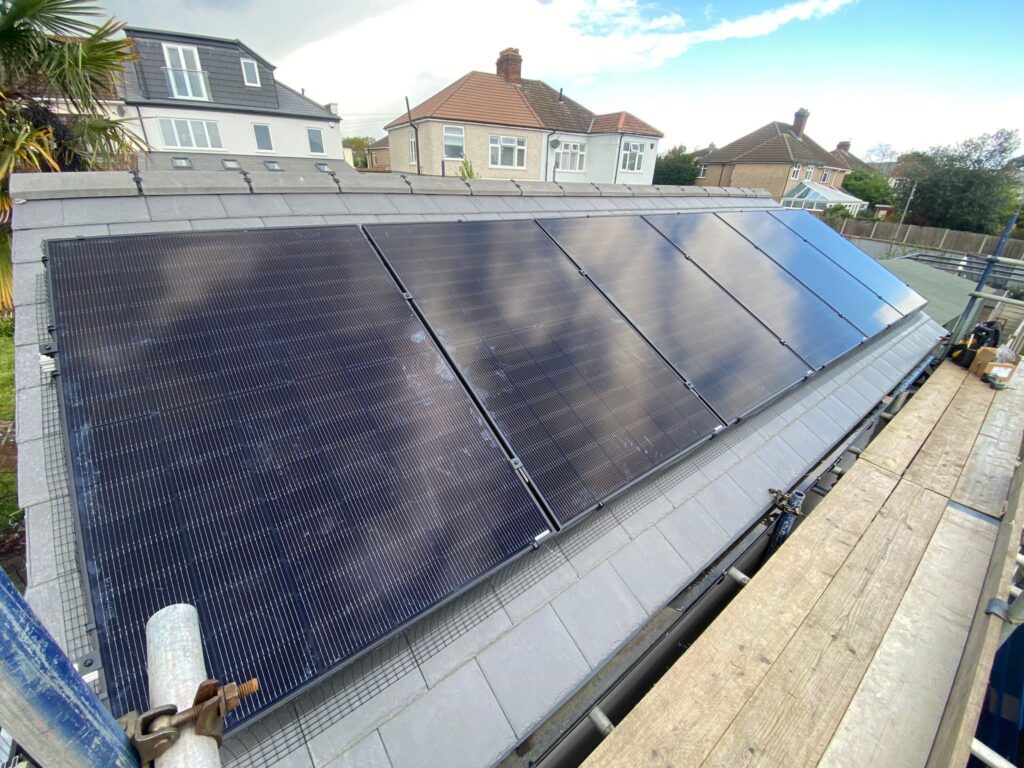
solar panels in dorset

Choosing the Right Solar Battery for Your Home

When choosing a solar battery, it’s important to look beyond marketing numbers. Rated capacity can sound impressive, but usable capacity is what truly determines how much energy you’ll benefit from daily.

Here’s what to consider before making your decision:

  • Energy usage: Review your household’s daily electricity consumption and match it with a system that offers enough usable capacity to cover your needs.
  • Scalability: Choose modular systems like Growatt that allow you to expand storage later.
  • Compatibility: Ensure your inverter, panels, and battery are all compatible. SolarEdge, Solis, and Enphase offer strong integration options.
  • Warranty and lifespan: Quality brands like Panasonic, Enphase, and SunPower often provide warranties of 10 years or more, giving you peace of mind and long-term savings.
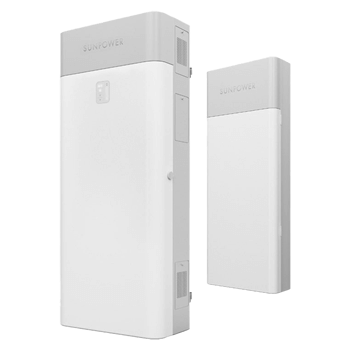
three solar batteries mounted on a garage wall

How Usable Capacity Impacts Your Energy Savings

The more usable capacity your battery has, the more self-sufficient your home becomes. With higher usable energy, you’ll rely less on grid electricity during the evenings and can even store enough power to offset cloudy days.

In areas like Dorchester, where energy prices are rising and sustainability is becoming a key household priority, choosing the right system could save hundreds of pounds annually.

For example:

  • A Growatt battery with 93% usable capacity might provide 9.3 kWh of accessible power daily from a 10 kWh system.
  • A Panasonic EverVolt with 90% usable capacity gives 9 kWh.
  • Over a year, that small difference can add up to an extra 100–150 kWh of usable energy, depending on usage patterns.
Solaregde home battery

FAQs

What is the difference between rated and usable capacity in solar batteries?
Rated capacity is the total amount of energy a battery can hold, while usable capacity is the portion you can actually use. The difference protects the battery from over-discharge and extends its lifespan.

Why can’t I use all the energy in my solar battery?
Manufacturers reserve a small portion of stored energy to prevent deep discharge, which can cause damage. This is why usable capacity is slightly lower than rated capacity.

Which solar batteries have the highest usable capacity?
Brands like Growatt, Panasonic EverVolt, and Enphase Energy are known for high usable capacity ratios, offering excellent real-world performance.

What is a good Depth of Discharge for home solar batteries?
Anything above 90% is considered very good. Most modern systems from Enphase, Panasonic, and Growatt fall into this range.

How can My Home Solar help me choose the right system?
My Home Solar offers expert advice and installation across Dorset and the South Coast. They assess your home’s energy profile and recommend the best mix of panels, inverters, and batteries for long-term efficiency.


Final Thoughts

When comparing solar battery systems, always look at usable capacity, not just the rated number on the brochure. It’s the most accurate indicator of how much stored power your home will actually benefit from each day.

Whether you choose a Growatt battery, Panasonic EverVolt, or Enphase Energy system, pairing it with efficient SunPower Maxeon or Jaso Solar panels and smart inverter technology like SolarEdge or Solis will give you exceptional performance and long-term savings.

At My Home Solar, we design, install, and maintain systems built around your lifestyle helping Dorset homeowners make the most of the sun, every single day.

If you’re ready to find out which system is right for you, get in touch with My Home Solar today for expert guidance and a free quote.

Error: Contact form not found.
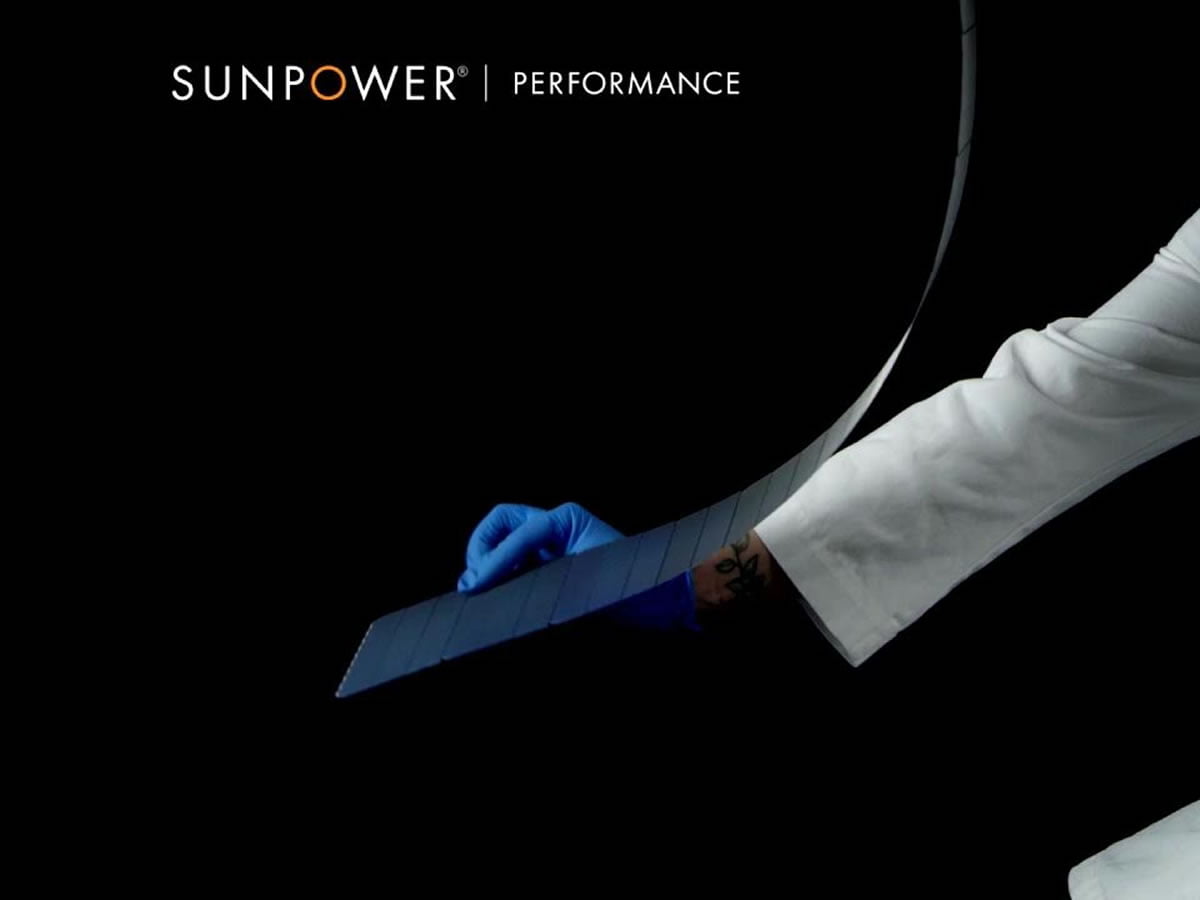
How Does the SunPower Maxeon 5 AC Module Handle Shading?

The Real World Challenge of Shaded Roofs

Across Dorset and the South Coast, many homeowners are eager to embrace solar power but face a common issue shading. Trees, chimneys, dormer windows, and other roof structures often obstruct sunlight and reduce solar performance. In a typical solar setup, even small patches of shade can have a significant impact on how much energy the system produces. For homes with complex or partially shaded roofs, this can make solar installation seem less worthwhile.

However, the SunPower Maxeon 5 AC Module changes that perception entirely. Designed with cutting-edge microinverter technology and premium cell architecture, it delivers consistent and reliable performance, even in challenging real-world conditions. This article explores how this advanced system manages shading and roof obstacles while maintaining exceptional energy output.

Sunpower performance solar panel

How Shading Impacts Solar Performance

To appreciate what makes the Maxeon 5 AC Module special, it helps to understand how shading affects conventional solar panels. Most standard solar systems connect their panels in a series, meaning that when one panel is shaded, it reduces the current flowing through the entire string. Even a small shadow perhaps from a chimney or an overhanging branch can cause a disproportionate drop in power output. In some cases, a single shaded cell can cut energy generation across the whole system by as much as 30 to 40 percent.

This issue becomes especially noticeable in neighbourhoods where roofs are close together or surrounded by tall trees. Seasonal changes also play a role, as the sun’s position in winter can cast longer shadows that further reduce output. In short, while shading is a simple concept, it has a complex and often underestimated effect on energy yield. That is where the SunPower Maxeon 5 AC Module stands apart, using innovation to turn a traditional weakness into a strength.

Sunpower Maxeon panel

Cell Architecture That Stands Out

The SunPower Maxeon 5 is built around the Gen 5 Maxeon solar cell, which represents one of the most advanced designs in the solar industry. Unlike conventional silicon cells, which rely on fragile metal gridlines, each Maxeon cell features a solid copper foundation that is both strong and corrosion-resistant. This design eliminates many of the weak points that cause standard cells to degrade over time, ensuring durability that can last for decades.

Another key feature is the absence of front-side metal gridlines. By removing these obstructions, the cell surface can capture more sunlight and convert it into electricity more efficiently. Each cell operates with greater independence, maintaining energy conversion even when adjacent cells are shaded. This means that, in real-world use, a Maxeon 5 panel can continue producing power even when parts of it are under shade—something traditional panels struggle to achieve.

sunpower maxeon

Integrated Microinverter Technology for Superior Efficiency

What truly sets the SunPower Maxeon 5 AC Module apart is its use of integrated Enphase IQ7A microinverters. Unlike conventional systems that rely on a single central inverter to manage all panels, the Maxeon 5 incorporates a small, intelligent inverter on the back of each individual panel. This allows every module to operate independently, ensuring that one shaded or dirty panel does not drag down the performance of the entire array.

This technology offers several practical benefits for homeowners. First, it means that energy production continues optimally across the array, even if some panels are in shade while others are in full sun. Second, it enables real-time monitoring of each panel through the Enphase app, giving homeowners insight into performance at a detailed level. If a specific panel is affected by debris, shading, or other issues, it can be quickly identified and addressed without impacting the rest of the system.

In essence, microinverter technology transforms the solar array into a network of smart, self-optimising panels—an ideal solution for the unpredictable shading conditions common to UK homes.


Overcoming Roof Obstacles with Smarter Design

British homes are known for their architectural variety, which can make roof layouts complex. Dormer windows, skylights, and chimneys all create potential obstructions that make it difficult to position panels efficiently. Traditional solar systems often require installers to arrange panels in long, matching strings to ensure electrical compatibility, limiting flexibility in design and placement.

The SunPower Maxeon 5 AC Module removes this restriction entirely. Because each panel has its own microinverter, they do not need to be electrically linked in series. Installers can place them on different sections of the roof, even at varying angles or orientations, without performance loss. This means that homeowners can make the most of every available roof surface, maximising generation potential regardless of layout complexity.

For properties with sections of roof that face different directions or experience partial shading at certain times of day, the Maxeon 5 offers unmatched adaptability and efficiency.


Real-World Performance and Long-Term Efficiency

The performance of the SunPower Maxeon 5 AC Module extends beyond theory it has been proven in real-world conditions. Each panel offers a power output of up to 415 watts, with efficiency levels surpassing 22 percent. These figures place it among the highest-performing residential panels currently available on the market.

In everyday conditions, such as those found in Dorset, the results are remarkable. The Maxeon 5 produces consistent energy throughout the day, even when early morning or late afternoon shadows move across the roof. Thanks to its microinverter system, power fluctuations are minimised, ensuring a smooth and efficient energy flow. Over time, homeowners benefit from more predictable generation and reduced reliance on the grid.

Perhaps most impressively, SunPower’s panels have one of the lowest degradation rates in the industry. After 25 years of use, they retain more than 92 percent of their original capacity, compared with around 80 percent for standard panels. This means more energy production and greater savings over the lifetime of the system.


Comparing the Maxeon 5 to Conventional Panels

When comparing the SunPower Maxeon 5 AC Module to typical solar panels, the advantages become clear. Standard systems often lose efficiency when shaded, as all panels are linked through a central inverter. The Maxeon 5, on the other hand, isolates each panel’s performance so that one shaded area cannot influence the rest. Its copper-backed cells, higher efficiency, and intelligent monitoring make it a truly next-generation solution.

Furthermore, homeowners gain greater visibility and control. With traditional systems, it can be difficult to detect performance issues without extensive testing. The Enphase monitoring app provides instant access to live data from each panel, helping ensure the system operates at peak performance year-round.


A Sustainable and Long-Term Energy Solution

Beyond its technical capabilities, the SunPower Maxeon 5 AC Module stands out for its commitment to sustainability. The panels are constructed using lead-free materials and feature recyclable components, reducing their environmental impact. Their exceptional durability also means fewer replacements and less waste over time.

SunPower backs the Maxeon 5 with one of the most comprehensive warranties in the industry: 25 years covering both product and performance. The expected lifespan of the system extends up to 40 years, giving homeowners confidence that their investment will continue delivering value for decades. Across its lifetime, a Maxeon system produces up to 35 percent more energy than conventional panels, translating into faster payback periods and lower energy costs.


A Smarter Solar Solution for Real-World Roofs

For many homes across Dorset and the South Coast, perfect sunlight exposure simply isn’t possible. Roofs have unique shapes, obstacles, and shade patterns that challenge traditional solar designs. The SunPower Maxeon 5 AC Module offers a powerful answer to this problem, combining robust engineering, advanced microinverter technology, and remarkable efficiency to ensure that even shaded or complex roofs can produce reliable renewable energy.

If you are looking for a high-performance, future-proof solar system, My Home Solar can help you make the most of the SunPower Maxeon 5 AC Module.


Call to Action

Ready to see how the SunPower Maxeon 5 could transform your energy use? Contact My Home Solar today for expert advice, personalised system design, and professional solar installation tailored to your home or business. Let us help you take the next step towards cleaner, more efficient energy in Dorset.

Error: Contact form not found.

What Makes SunPower Maxeon Solar Panels More Durable Than Standard Ones?

Solar Technology

When you’re investing in solar panels, you want a system that stands the test of time. Panels that can endure decades of sunlight, wind, rain, and even coastal salt air are not only a wise financial investment but also a cornerstone of sustainable living. Among the leading names in solar technology, SunPower Maxeon has earned a reputation for outstanding durability and longevity.

In this detailed guide, we’ll explore what makes SunPower Maxeon solar panels stronger and longer-lasting than standard models, and why they’re an excellent choice for homeowners across Bournemouth, Poole, Christchurch, Dorchester, and the wider South Coast region who want reliable solar energy year after year.

solar panels in dorset

Why Durability Matters in Solar Panels

Solar panels are designed to work for 25 to 40 years, but not all panels can withstand the same environmental challenges. On the South Coast, where weather can shift quickly between sunshine, heavy rain, and salty sea breezes, panels are exposed to constant stress.

Durability determines how well a panel resists these stresses over time. Panels that are less robust may develop cracks, corrosion, or electrical faults that reduce efficiency or cause early failure. A durable solar panel protects your investment, generates more power over its lifespan, and ensures fewer repair or replacement costs.

When your panels can handle coastal winds, UV radiation, and temperature fluctuations, you can enjoy stable, dependable energy without worrying about degradation or damage. That’s where SunPower Maxeon stands out.


The Engineering Behind SunPower Maxeon Durability

SunPower’s Maxeon technology represents over 35 years of research and refinement. Unlike conventional panels, these are designed from the ground up to deliver superior mechanical strength and electrical resilience. Let’s look at what makes them truly exceptional.


1. Solid Copper Backing for Strength and Stability

Traditional solar cells are fragile. They rely on thin metal strips (called busbars) to carry electricity, and over time, those strips can corrode or snap, leading to performance loss. SunPower Maxeon cells, on the other hand, are built with a solid copper foundation behind each cell.

This design does two vital things:

  • Increases mechanical strength: The copper backing acts like a support frame, making the cell flexible yet unbreakable under stress. Even if your roof expands or shifts due to temperature changes, Maxeon cells resist cracking.
  • Prevents corrosion: The copper layer is highly resistant to moisture, salt, and air pollutants. This is particularly important for homes along the South Coast, where salty air can cause corrosion in standard panels.

2. Back-Contact Design for Enhanced Efficiency

Most solar panels use front-side metal lines to conduct electricity. Unfortunately, these lines block sunlight and create weak spots where cracks can form. SunPower Maxeon panels use an innovative back-contact design, placing all electrical connections on the underside of the cell.

This approach offers three major advantages:

  • More light absorption: With no shading from front wires, each cell captures maximum sunlight.
  • Improved aesthetics: The panels have a sleek, all-black appearance that enhances roof appeal—an increasingly important factor for homeowners.
  • Less risk of microcracks: Removing the front wiring reduces mechanical stress, preventing fractures that can expand over time.

3. Resistance to Harsh Environments

Durability isn’t just about design—it’s also about resilience in real-world conditions. SunPower Maxeon panels are extensively tested for performance in extreme environments.

They can withstand:

  • High winds and heavy rain: Ideal for coastal towns like Bournemouth and Poole where storms are common.
  • Salt mist and humidity: Certified for marine-grade performance, ensuring long-term stability near the sea.
  • Extreme temperatures: Whether it’s frosty mornings in Dorchester or hot summer days in Christchurch, Maxeon panels maintain consistent output.

4. Exceptionally Low Degradation Rate

Solar panels naturally lose a small portion of their output every year, known as the degradation rate. The industry average is about 0.7 to 1 percent per year meaning by year 25, a typical panel may only produce 75 to 80 percent of its original power.

SunPower Maxeon 7, however, has a degradation rate of just 0.2 percent per year. After 25 years, these panels still operate at over 92 percent of their initial efficiency.

This is achieved through premium cell materials, laser-precision manufacturing, and superior lamination processes that protect the cells from environmental stress. For homeowners, that translates into:

  • More consistent energy generation
  • Higher lifetime savings
  • A better return on investment
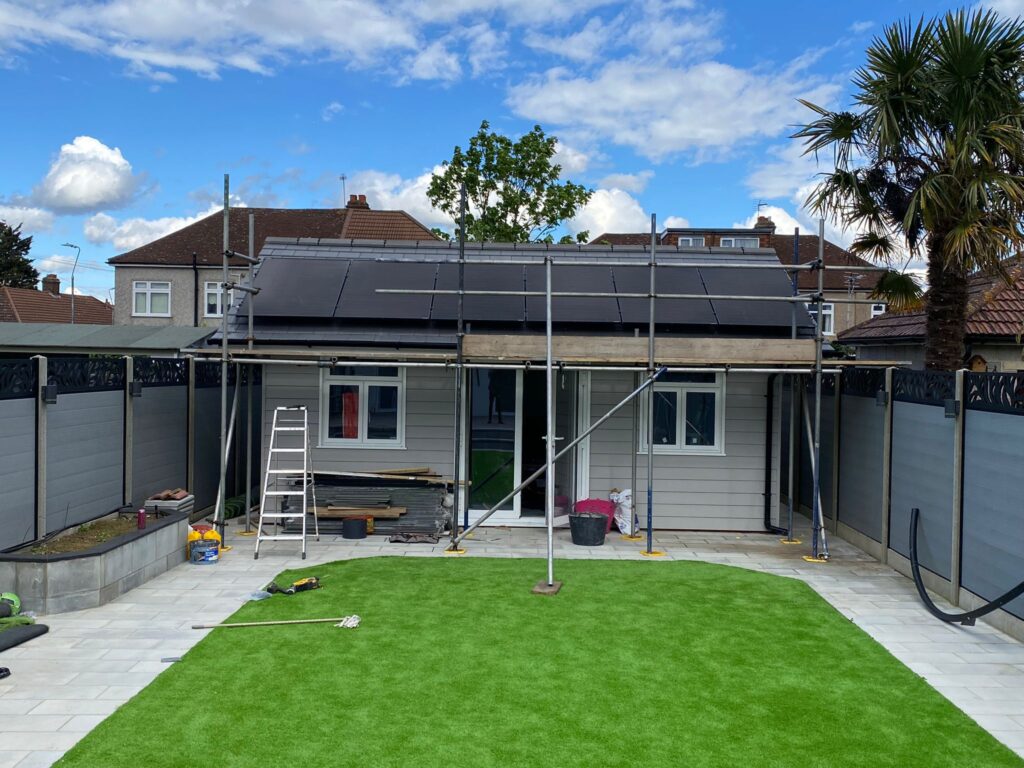
Growatt solar battery system installed in a residential Dorset property

5. Proven Longevity and Industry-Leading Warranty

Durability claims mean little without evidence to back them up. SunPower’s Maxeon technology has been tested in over 100 countries and through decades of real-world installations. Panels installed in the early 2000s continue to perform at high levels today.

To reinforce their confidence, SunPower offers a 40-year combined product and performance warranty on the Maxeon 7 series. Most other manufacturers only provide 20 to 25 years.

This warranty covers both product defects and power output, ensuring homeowners get the long-term reliability they’re promised. In fact, less than 0.005 percent of Maxeon panels have ever been returned under warranty—proof of their exceptional build quality.

Sunpower maxeon solar panel

Comparing SunPower Maxeon 7 with Other Solar Technologies

SunPower Maxeon 7 vs Standard Panels

Standard panels often rely on thin, brittle silicon wafers that can develop cracks during installation or due to temperature fluctuations. Their metal conductors are exposed to air and moisture, leading to corrosion over time.

SunPower Maxeon 7 panels, with their copper backing and advanced encapsulation, eliminate these vulnerabilities. The result is a panel that lasts longer, resists wear, and continues to perform at near-peak efficiency even after decades of exposure to harsh conditions.

Panasonic EverVolt panels are known for high conversion efficiency and solid performance, but SunPower Maxeon 7 edges ahead in long-term durability. Maxeon panels are built with thicker, more robust materials that handle mechanical stress better and degrade more slowly.

For homeowners, this means Maxeon panels will produce more energy across their lifespan, especially in the variable weather typical of Southern England.

Growatt Battery vs Tesla Powerwall

Pairing durable panels with the right battery system maximises energy independence. Two popular options are the Growatt battery and Tesla Powerwall.

  • Growatt batteries are known for flexibility, easy integration, and affordability. They’re ideal for most UK homes and work perfectly alongside SunPower Maxeon panels.
  • Tesla Powerwall offers a premium experience, advanced smart features, and higher storage capacity but at a greater cost.

Homeowners in Bournemouth, Poole, and Dorchester often prefer the Growatt battery for its cost-effectiveness and reliability, while still enjoying exceptional performance with SunPower panels. Comparing Growatt battery vs Tesla comes down to budget, desired capacity, and smart-home integration.

solar growatt battery

Environmental and Financial Benefits

Choosing durable solar panels benefits both your wallet and the planet. Because SunPower Maxeon panels last longer and maintain higher efficiency, they:

  • Reduce waste by lasting twice as long as standard panels.
  • Lower carbon footprint through cleaner energy production over more years.
  • Deliver higher savings by maintaining performance and reducing maintenance costs.

Combined with intelligent storage solutions like Growatt batteries, homeowners can further cut reliance on the grid and protect against rising energy costs.


Call to Action

If you live in Bournemouth, Poole, Christchurch, Dorchester, or anywhere across the South Coast, and are ready to make the switch to long-lasting, high-performance solar, My Home Solar can help.

Our experienced team designs and installs solar systems tailored to your home, featuring industry-leading technologies such as SunPower Maxeon 7 panels, Growatt batteries, and Panasonic EverVolt systems.

Contact My Home Solar today to book a consultation or request a free quote and start generating clean, reliable energy for decades to come.

Error: Contact form not found.

How long will SunPower Maxeon panels last in Dorset climate?

Why lifespan matters

When you are considering solar panels, one of the first questions that comes to mind is simple: how long will they last? After all, solar is an investment, and you want the reassurance that your panels will keep generating energy long after the installation team has packed up.

In Dorchester and across Dorset, homeowners and businesses are increasingly turning to solar to cut bills and reduce carbon footprints. But with the county’s unique climate – coastal winds, salty air, plenty of rain, and surprisingly sunny days – you need panels that can truly stand the test of time. This is where SunPower Maxeon panels shine.

sunpower maxeon

How long do SunPower Maxeon panels last?

Most solar panels on the market today are designed to last around 25 to 30 years. SunPower Maxeon panels, however, are in a league of their own. Backed by one of the strongest warranties in the industry and engineered with durability in mind, these panels are expected to keep performing for 40 years or more.

What sets them apart is the design of the solar cells. Traditional panels use fragile connections that can corrode or crack over time. Maxeon panels use a solid copper backing that resists corrosion, flexing, and breakage. This means fewer chances of failure and more consistent performance across decades.

solar panel installation in dorset

Dorset’s climate and solar performance

Living in Dorset has its perks: coastal views, rolling countryside, and relatively mild winters. But the environment also brings challenges for solar equipment.

  • Salt air: Being close to the coast means panels are exposed to salty moisture which can corrode standard solar cells.
  • Rain and wind: Frequent showers and gusty weather can put stress on poorly built panels.
  • Mild winters: While winters are grey, Dorset avoids the harsh freezes that can damage panels in colder climates.
  • Sunshine hours: The South Coast enjoys above-average sunshine compared to many parts of the UK, which means more energy production.

SunPower Maxeon panels are specifically designed to handle these challenges. Their corrosion-resistant build and robust cell design make them particularly suited to coastal regions like Dorset.

Sunpower Maxeon panel

How Maxeon compares with other brands

When choosing solar panels, it helps to know how Maxeon stacks up against other well-known names:

  • Panasonic EverVolt – Reliable with good efficiency, but typically comes with a 25–30 year performance warranty.
  • Tesla Solar Panels – Known for style and integration with Tesla Powerwall, but not as proven for long-term durability in coastal environments.
  • Growatt Panels – Popular for affordability and paired with Growatt batteries, but average lifespan and efficiency do not match Maxeon’s record.

While these brands all have merits, if your priority is maximum longevity and resilience in a coastal climate, SunPower Maxeon consistently comes out on top.


Maintenance and warranty considerations

One of the most attractive aspects of Maxeon panels is their low maintenance. Thanks to their design, you won’t need to worry about regular repairs or cell degradation. An occasional clean and a quick inspection are usually all that is needed.

The warranty is another key factor. SunPower offers a 40-year warranty on Maxeon panels, which covers both product defects and performance. Most competitors stop at 25 years, meaning you get nearly two decades of extra protection.


Return on investment

Longevity translates directly into return on investment. The longer your panels last, the more years of free electricity you can enjoy. Dorset homeowners with Maxeon panels often find that even after 25 years, their panels are still producing well above 85 percent of their original output.

Over four decades, that means significantly higher energy savings compared to standard panels. For businesses in Dorchester, it can mean stable operating costs for decades, especially when paired with battery storage.

Local benefits for Dorchester and Dorset homes

Switching to Maxeon panels in Dorset brings a number of unique benefits:

Reduced carbon footprint – 40 years of clean energy makes a significant impact.

Resilience against coastal weather – no worries about salt corrosion.

Long-term peace of mind – knowing your system is still working when others are being replaced.

Added property value – buyers are increasingly looking for homes with strong solar setups.


Frequently asked questions

Do SunPower Maxeon panels need cleaning?
Only occasionally. Dorset’s regular rain often helps keep them clear, but a light clean once or twice a year can maintain maximum efficiency.

Will the salty coastal air reduce their lifespan?
No. Maxeon’s copper-backed cells are highly resistant to corrosion, making them ideal for coastal locations like Weymouth, Poole, or Swanage.

Are they more expensive than other panels?
Yes, the upfront cost is usually higher. But when you consider that they last up to 40 years while others may need replacing after 25, the overall lifetime value is unmatched.

Can I add a battery later on?
Absolutely. Many Dorset households pair SunPower Maxeon panels with storage solutions like Tesla Powerwall or Growatt batteries to maximise self-use of solar power.


A future-proof choice for Dorset

If you are investing in solar in Dorchester or anywhere across Dorset, the lifespan of your panels is one of the most important factors to consider. SunPower Maxeon panels are built to outlast almost every other option on the market, with proven resilience in coastal environments and a warranty that stretches across four decades.

For homeowners and businesses who want peace of mind, energy savings, and reliable performance year after year, Maxeon is the smart choice.

Contact My Home Solar today to book a free consultation or get a tailored quote for your home or business.

Error: Contact form not found.