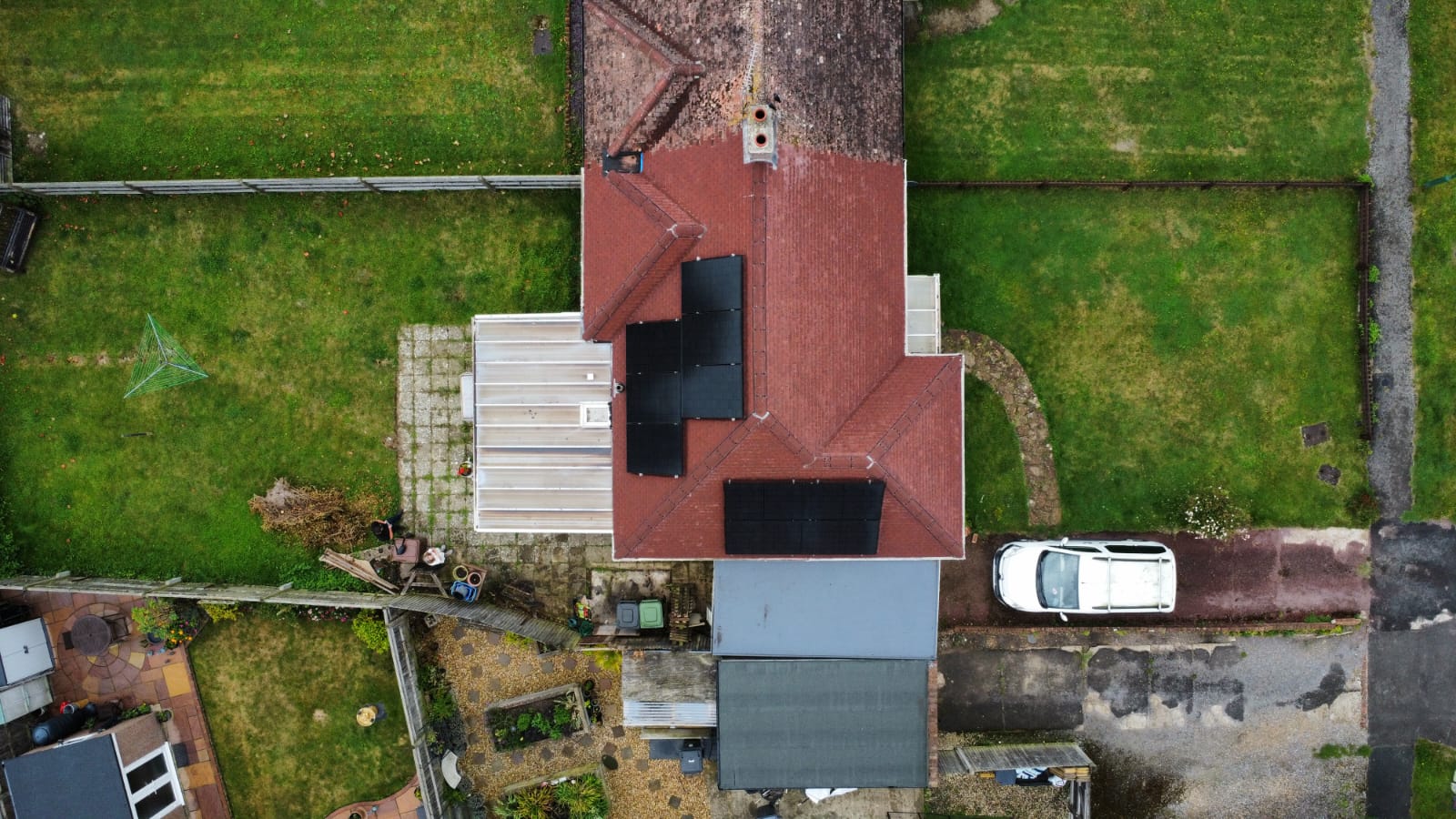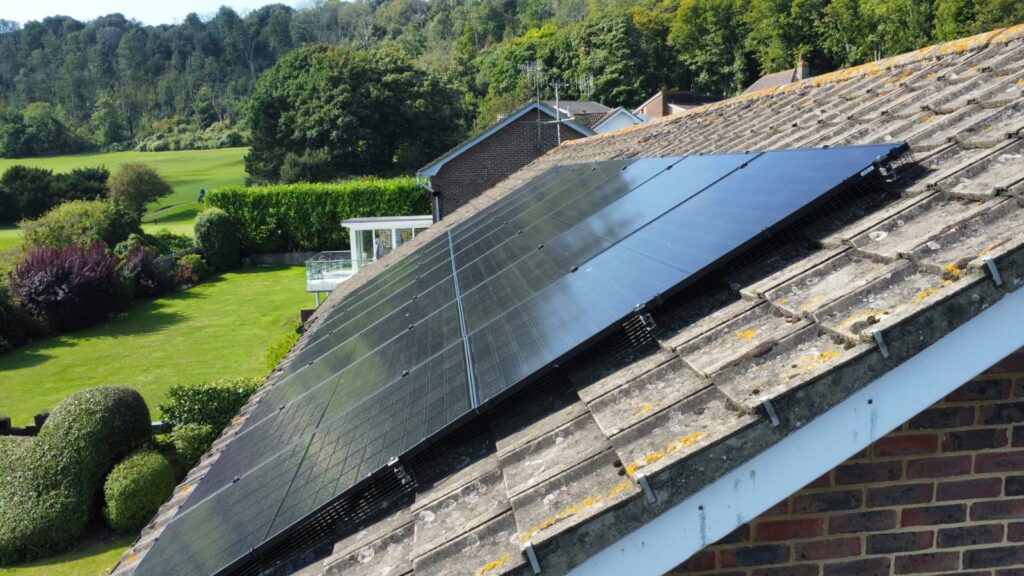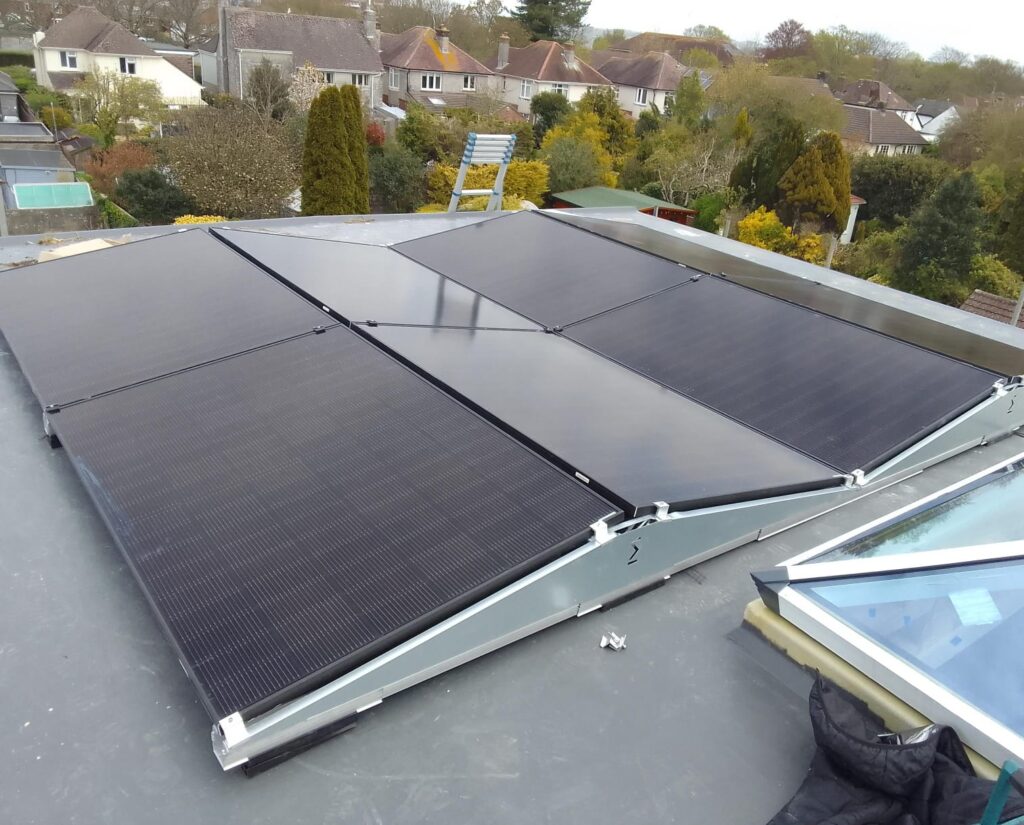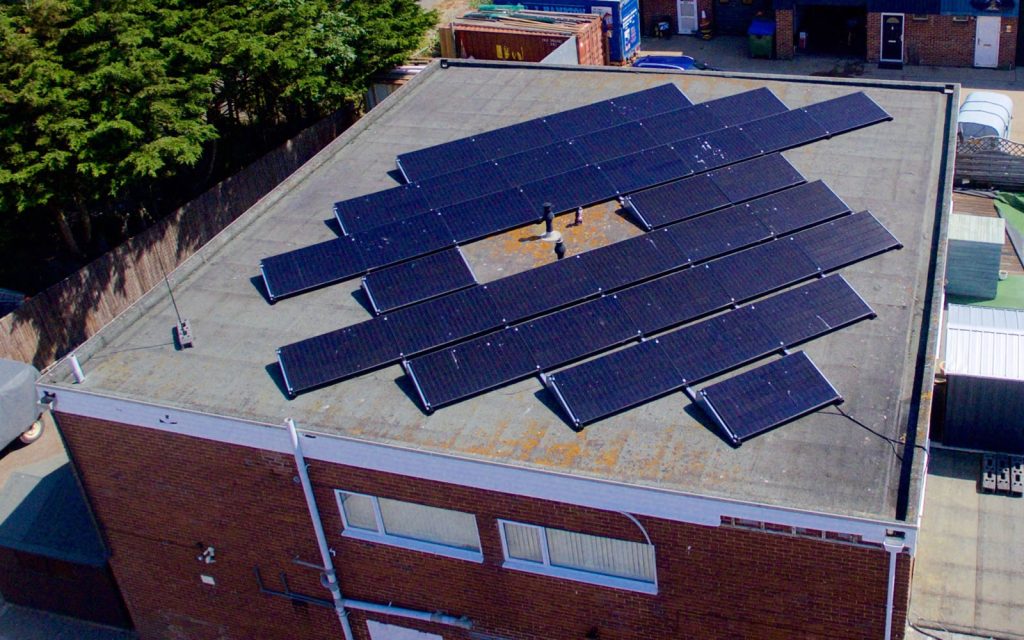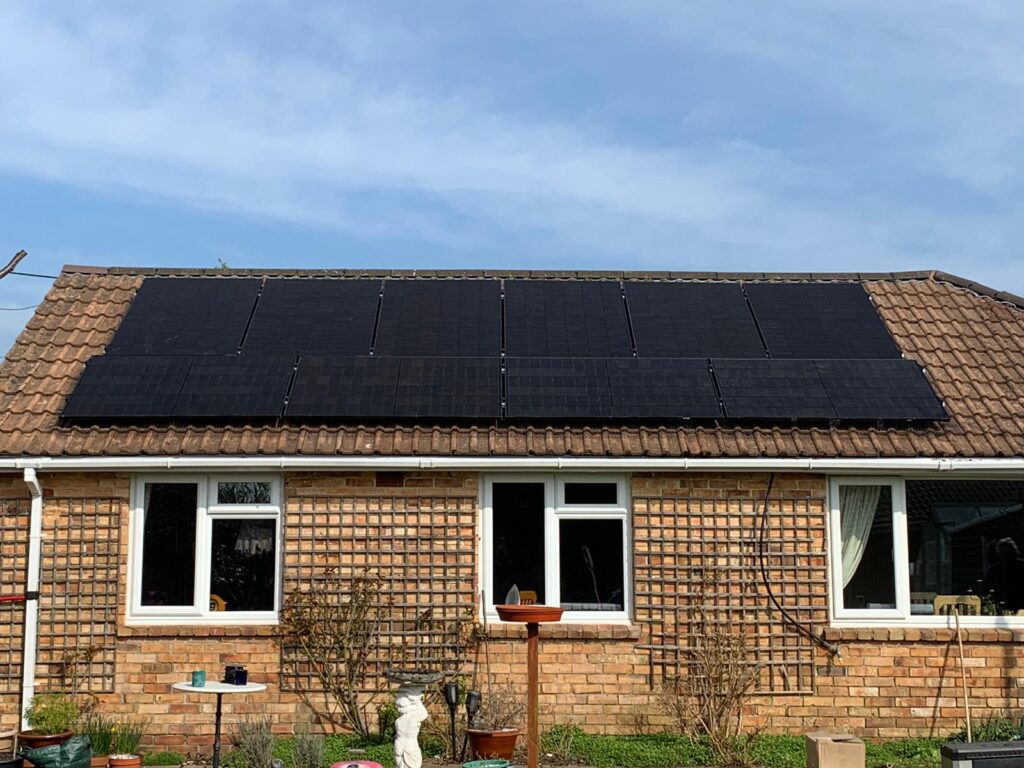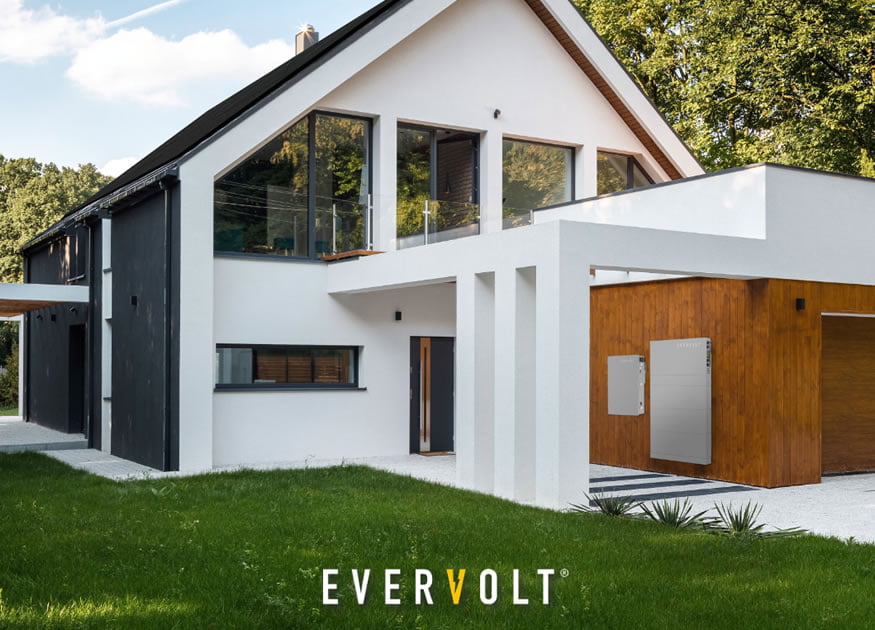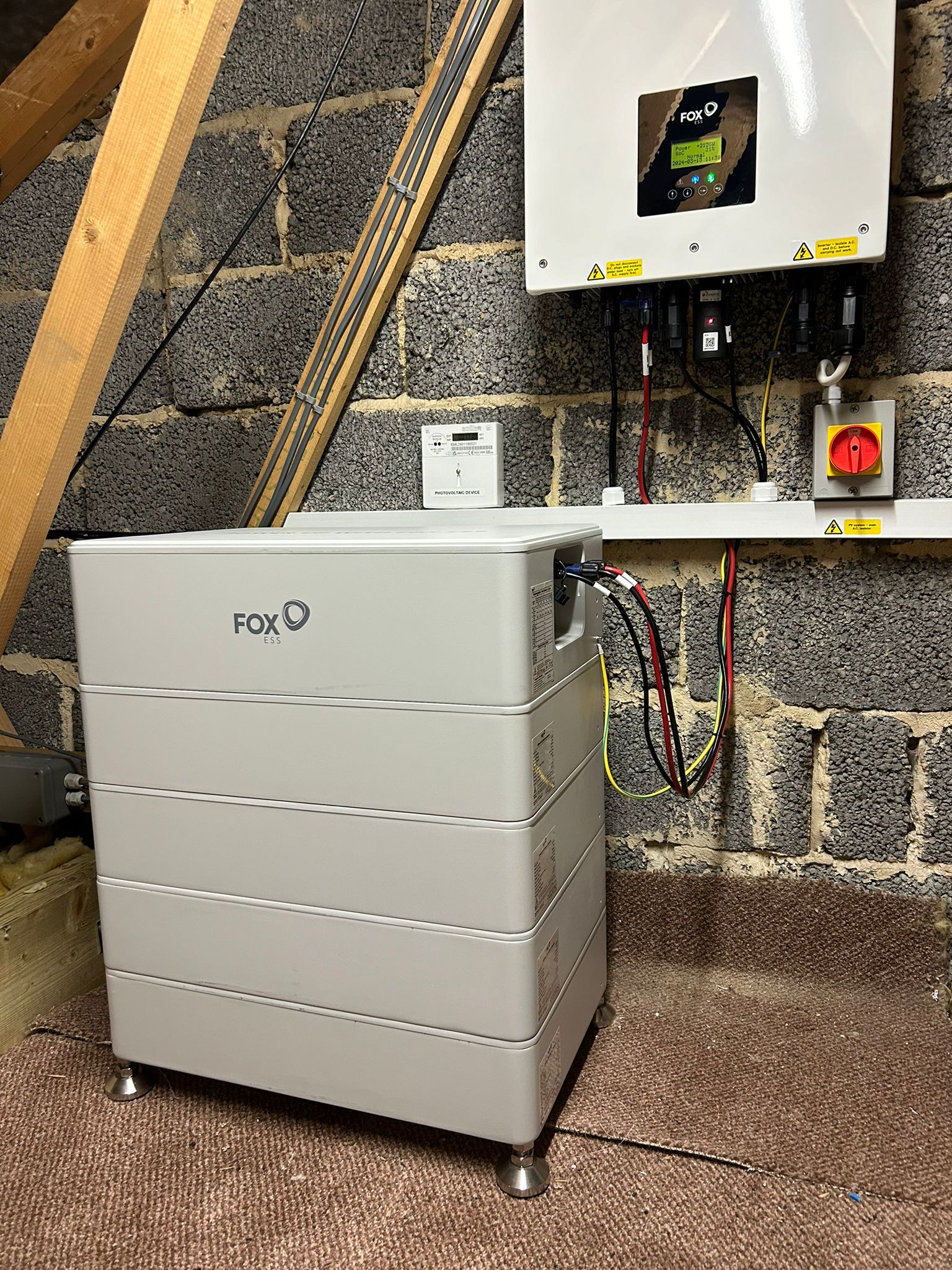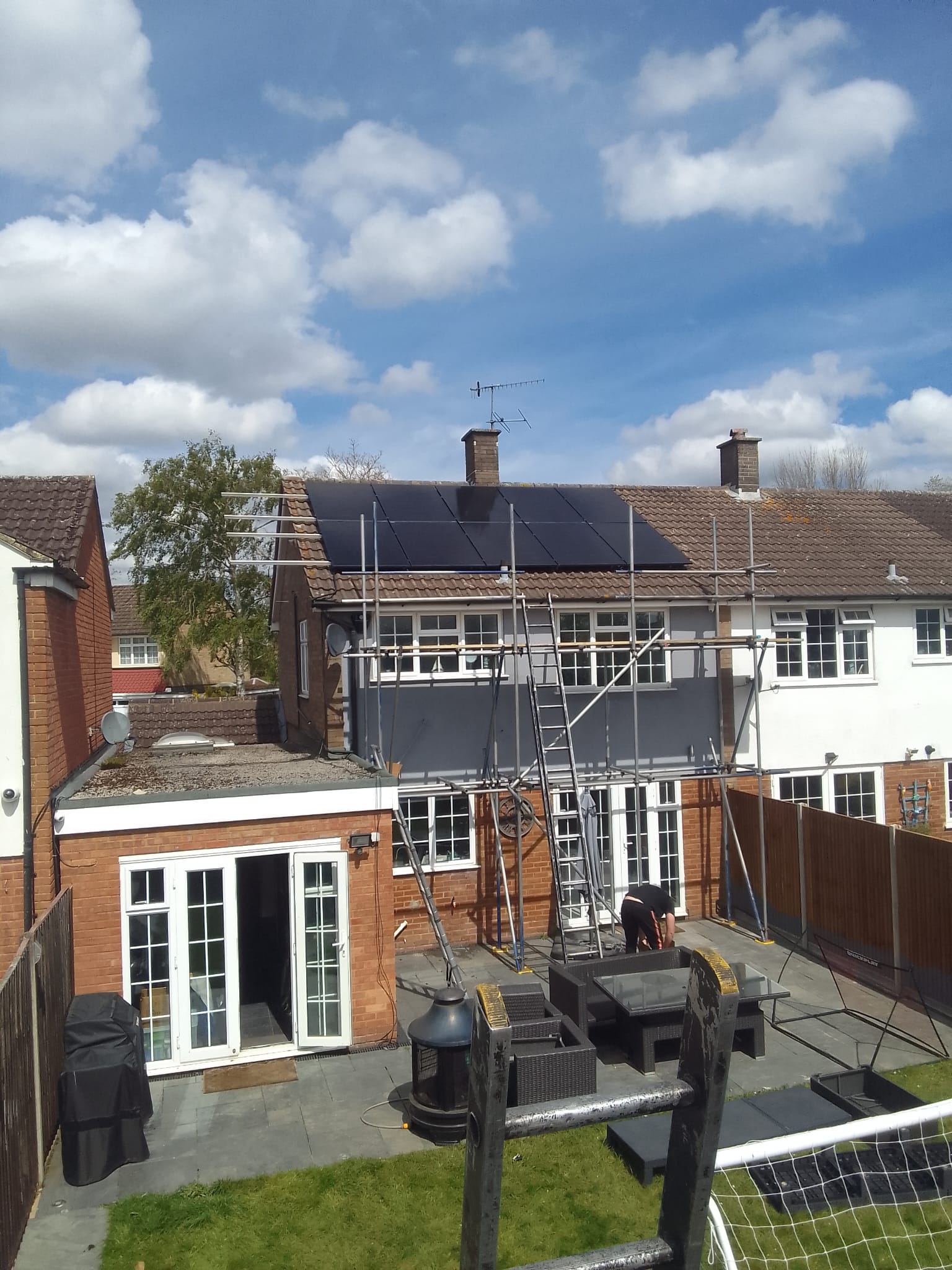
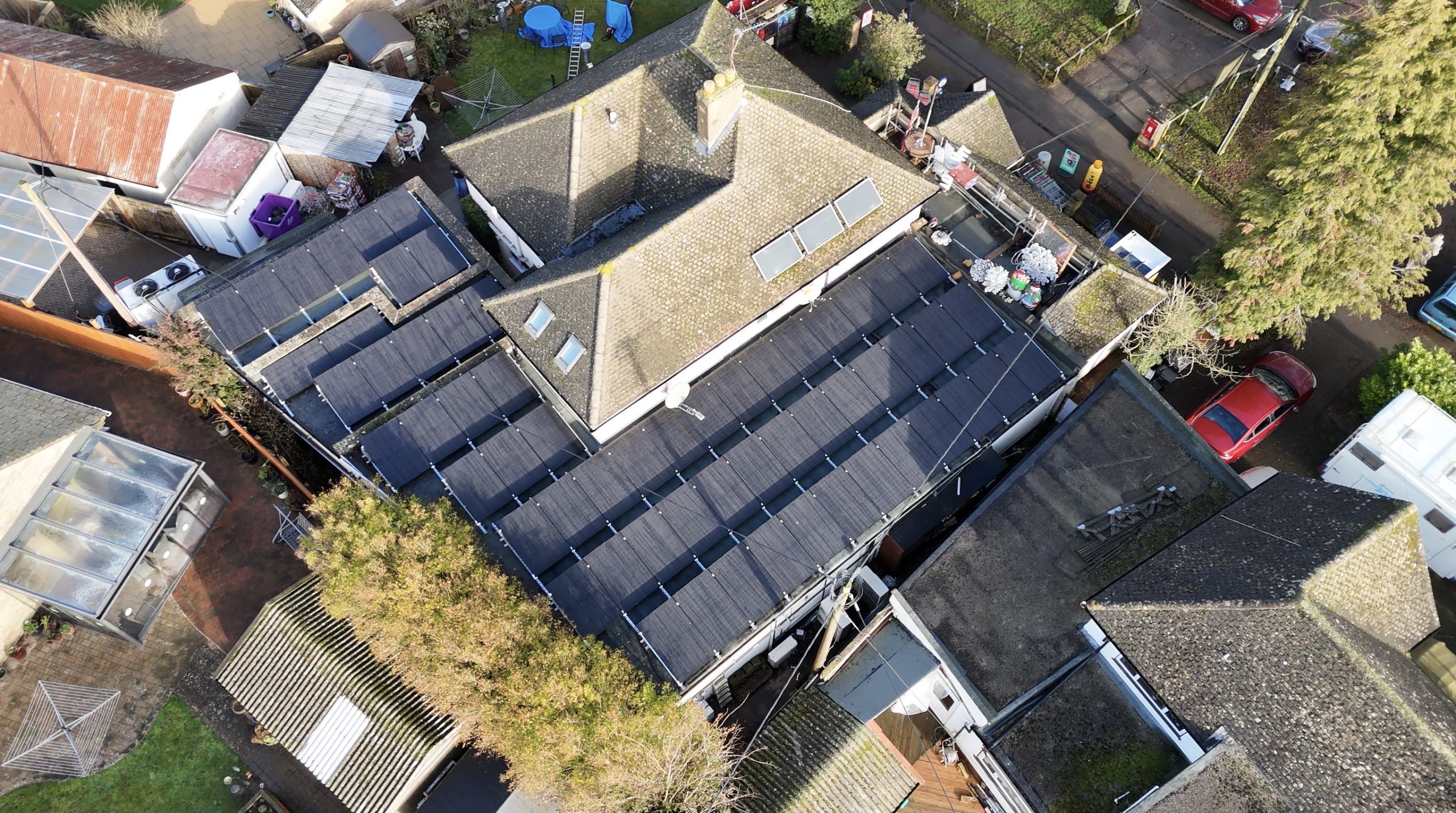
When Is the Best Time of Year to Install Solar Panels on a Home?

Timing of Installation

If you are considering solar panels Dorset homeowners often ask one important question first. When is the best time of year to install solar panels on a home in the UK?

It is a sensible question. The timing of installation can influence installer availability, short term energy generation and even how quickly you begin to see financial returns. Yet the honest answer may surprise you. In the United Kingdom there is rarely a wrong time to install home solar energy panels. There are, however, certain seasons that may offer practical advantages depending on your priorities.

This guide explores seasonal considerations, performance in British weather, financial timing and the technology that underpins modern solar panels for your home.
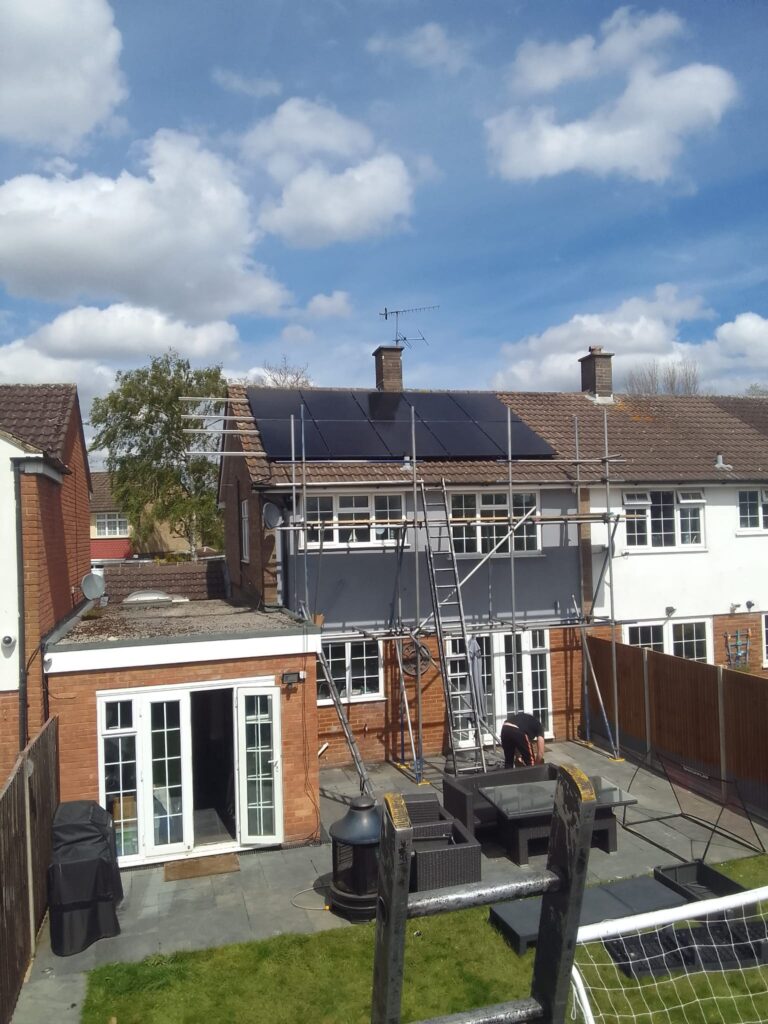
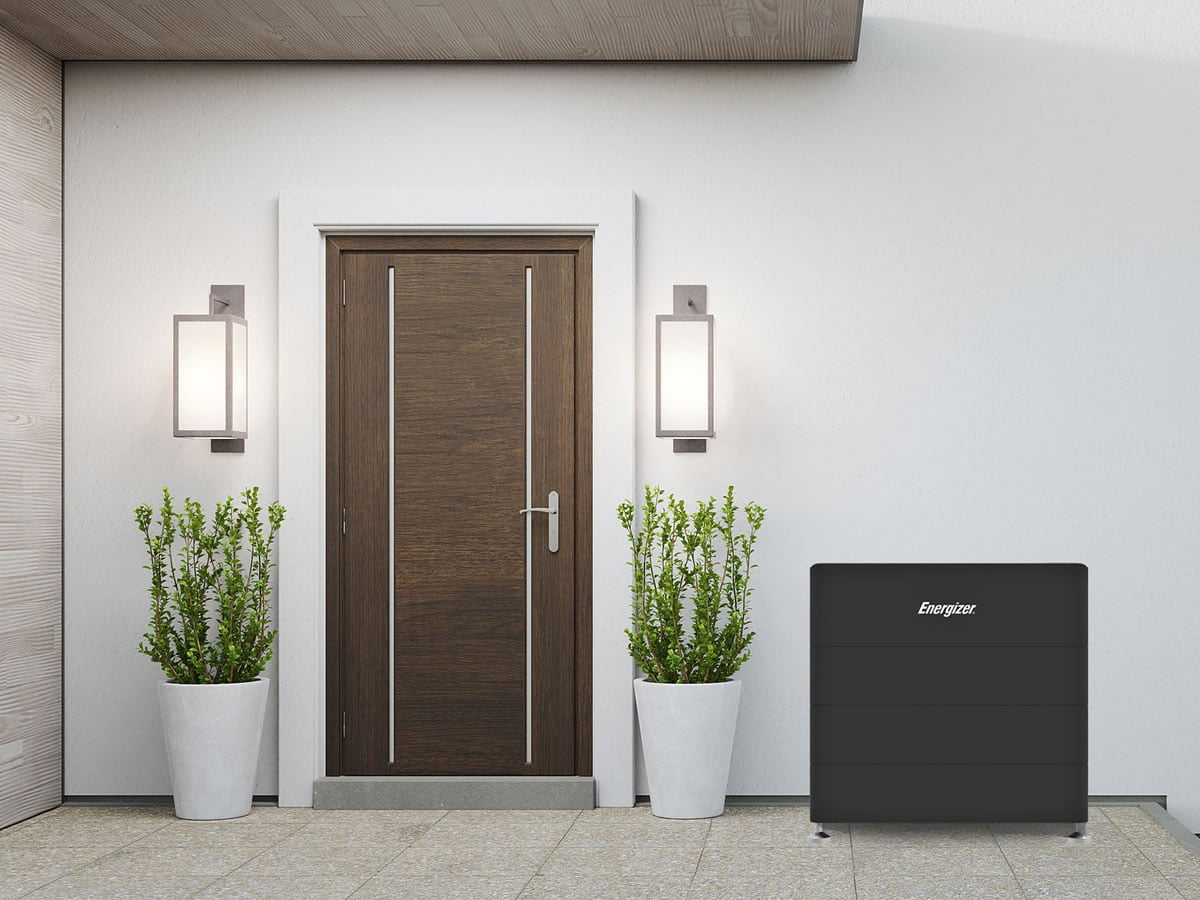
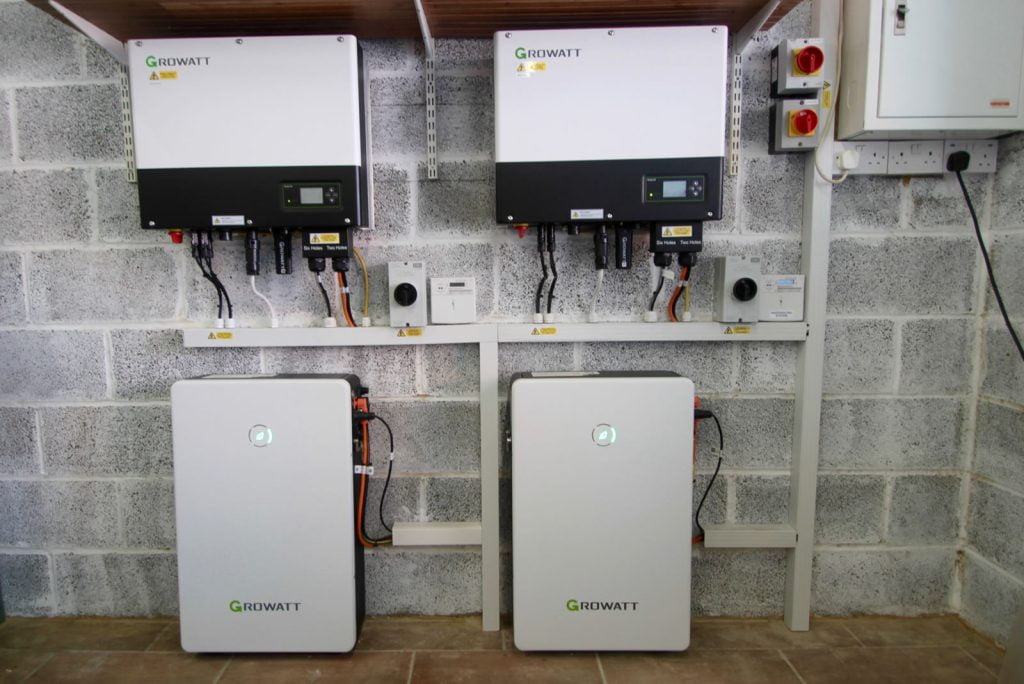
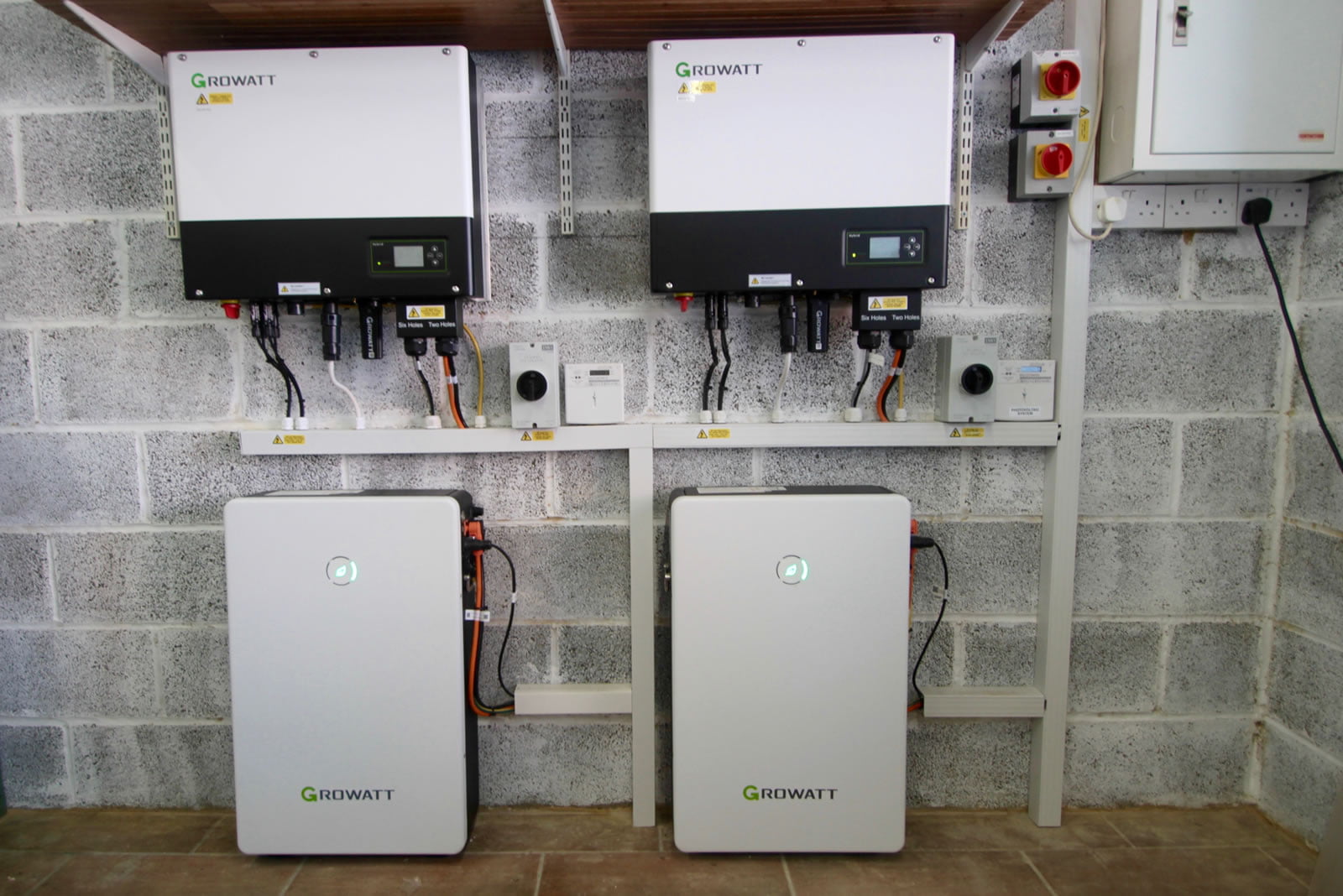
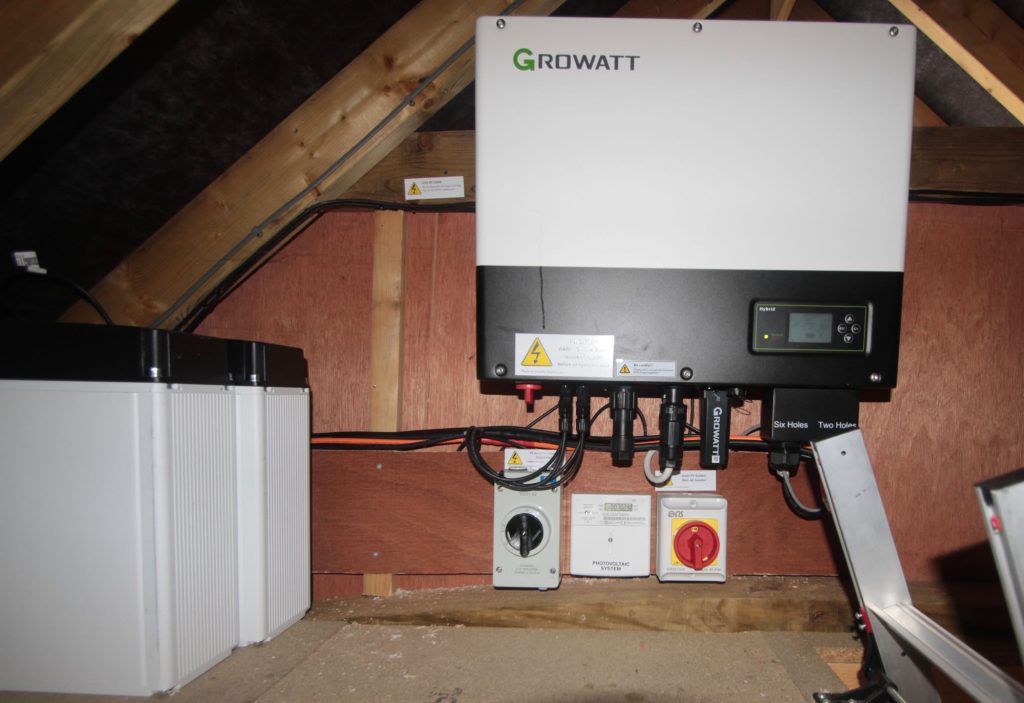
solar growatt battery

How Do Solar Power Work?

Before discussing timing, it is worth briefly clarifying how do solar power work in practice.

Solar panels for home UK properties contain photovoltaic cells, often manufactured by brands such as Canadian Solar panels or Q Cells. These cells absorb daylight rather than direct heat. When light particles strike the panel surface, electrons are set in motion, generating direct current electricity.

An inverter such as a Fronius solar inverter, Solar Edge system or Enphase Energy microinverter converts that electricity into alternating current suitable for use in your home. If you install a battery such as a Growatt battery, surplus electricity can be stored for use in the evening.

The crucial point is this. Solar panels generate electricity from daylight, not sunshine alone. Even on overcast Dorset days, your system continues to produce power.

Solar Panels Dorset Climate Considerations

Dorset enjoys relatively mild winters and respectable daylight hours across much of the year. Coastal air can be brisk, yet cooler temperatures can actually improve panel efficiency. Excessive heat can slightly reduce performance, so moderate British conditions are far from a disadvantage.

For homeowners exploring solar panels for your home in Dorset, the region offers stable generation throughout the year. While summer yields the highest output, winter still provides meaningful contribution to household consumption.
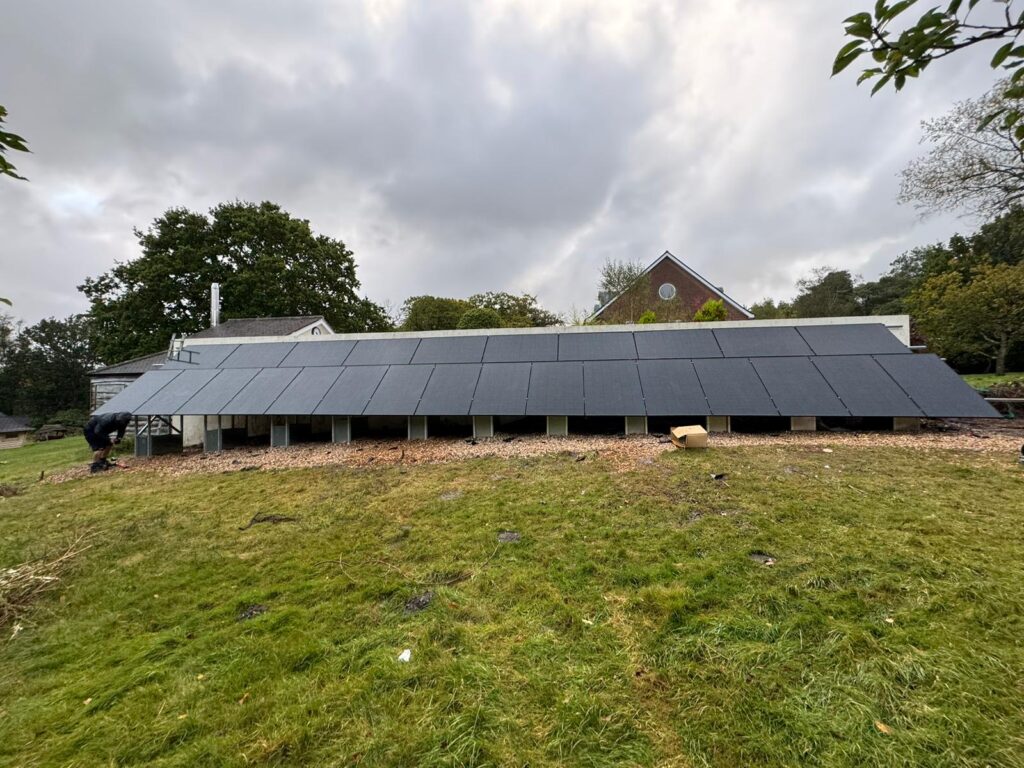
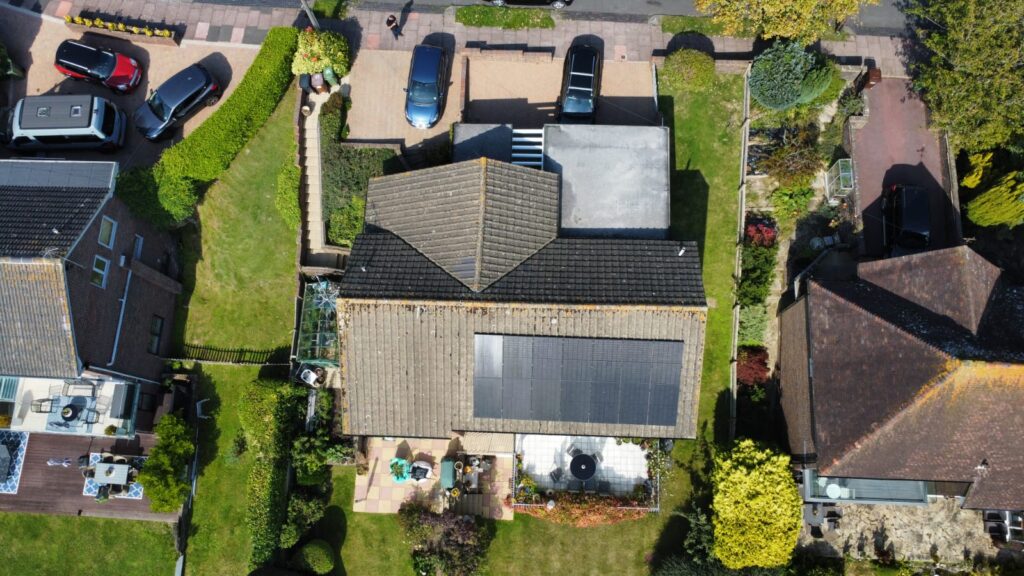
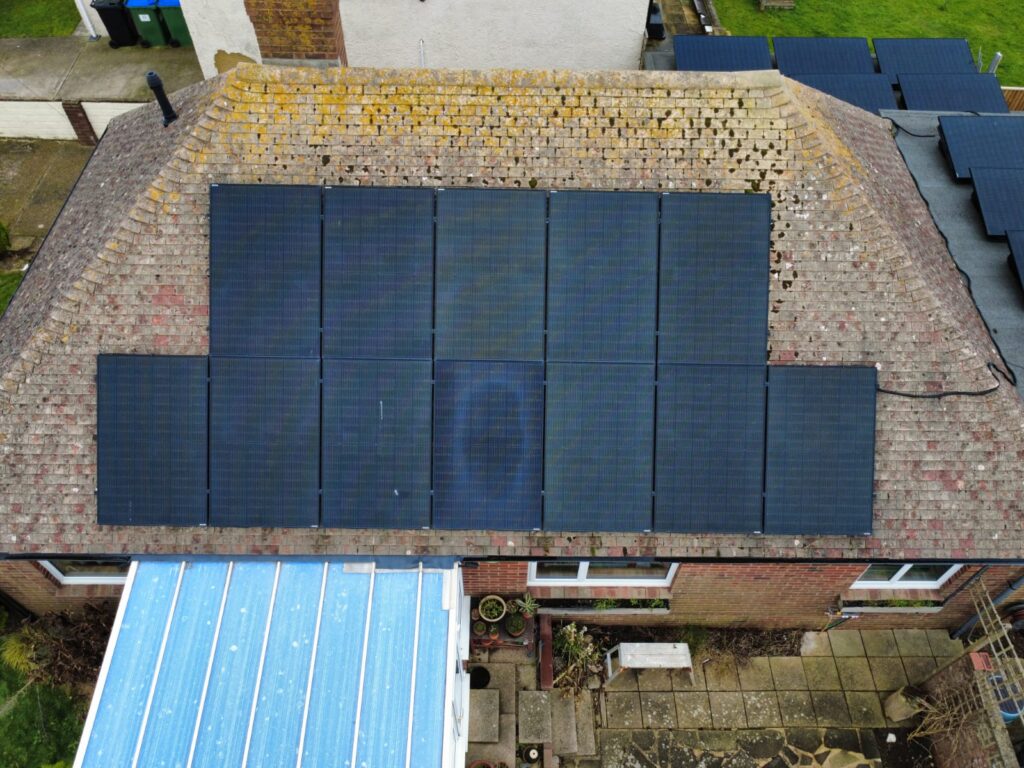
solar panel installation in poole

Spring Installation

Spring is often regarded as an ideal balance.

During March, April and May:

  • Daylight hours increase steadily
  • Installers are becoming busier but are not yet at peak demand
  • Systems can be commissioned ahead of summer’s strongest generation period

Installing in spring allows your solar panels Dorset property owners invest in to perform at high output almost immediately. You benefit from the long days of late spring and summer, accelerating your early return on investment.

From a practical standpoint, weather conditions are generally cooperative, making roof work straightforward.

Summer Installation

Summer brings the highest solar generation of the year. It is also the busiest period for installers.

Advantages include:

  • Immediate high energy production
  • Rapid savings during peak daylight months
  • Ideal weather for installation

However, demand is typically strongest between June and August. Lead times may be slightly longer, particularly for premium equipment such as Canadian Solar, Q Cells or Enphase systems.

If your priority is maximising first year generation, summer is attractive. If your priority is faster scheduling, earlier in the year may prove more convenient.
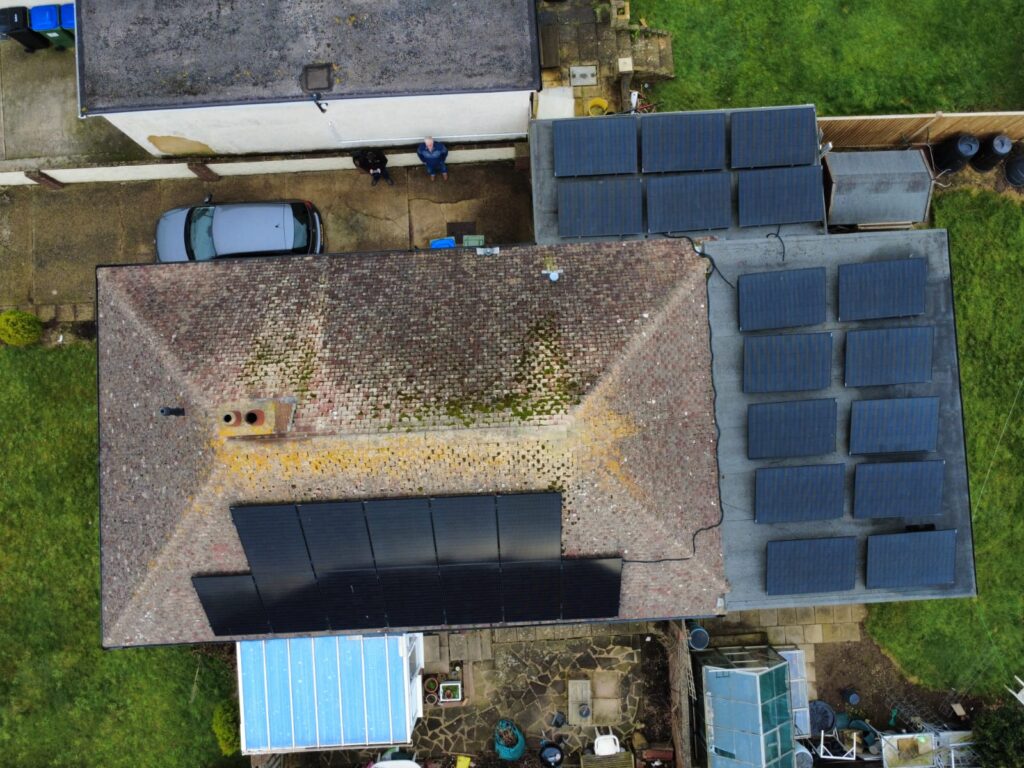
solar panels in bournemouth

Autumn Installation

Autumn is frequently overlooked, yet it offers distinct benefits.

By September and October:

  • Installer demand often eases
  • Temperatures remain mild
  • You are positioned for winter energy savings

Although generation declines compared with summer, installing in autumn ensures your system is operational before winter energy bills rise. With electricity prices remaining volatile in recent years, even modest winter generation can meaningfully reduce household costs.

Autumn also allows time to integrate battery storage such as a Growatt battery, improving self consumption during darker evenings.

Winter Installation

Many homeowners assume winter is unsuitable. This is a misconception.

Solar panels for home UK properties continue to function effectively in winter. Modern panels from manufacturers such as Canadian Solar panels or Q Cells perform well in cool conditions, and cold temperatures can even improve efficiency.

While daylight hours are shorter, installation teams can often schedule projects more quickly due to reduced demand. If you are planning ahead for spring and summer savings, winter installation positions you advantageously.

Provided weather conditions are safe, professional MCS certified installers can complete most residential systems within one to two days at any time of year.
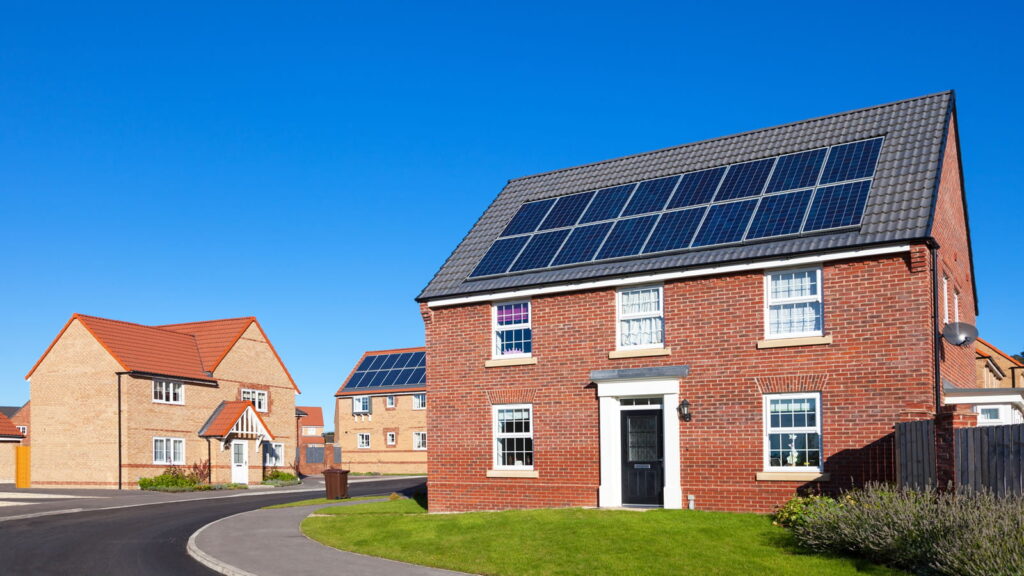
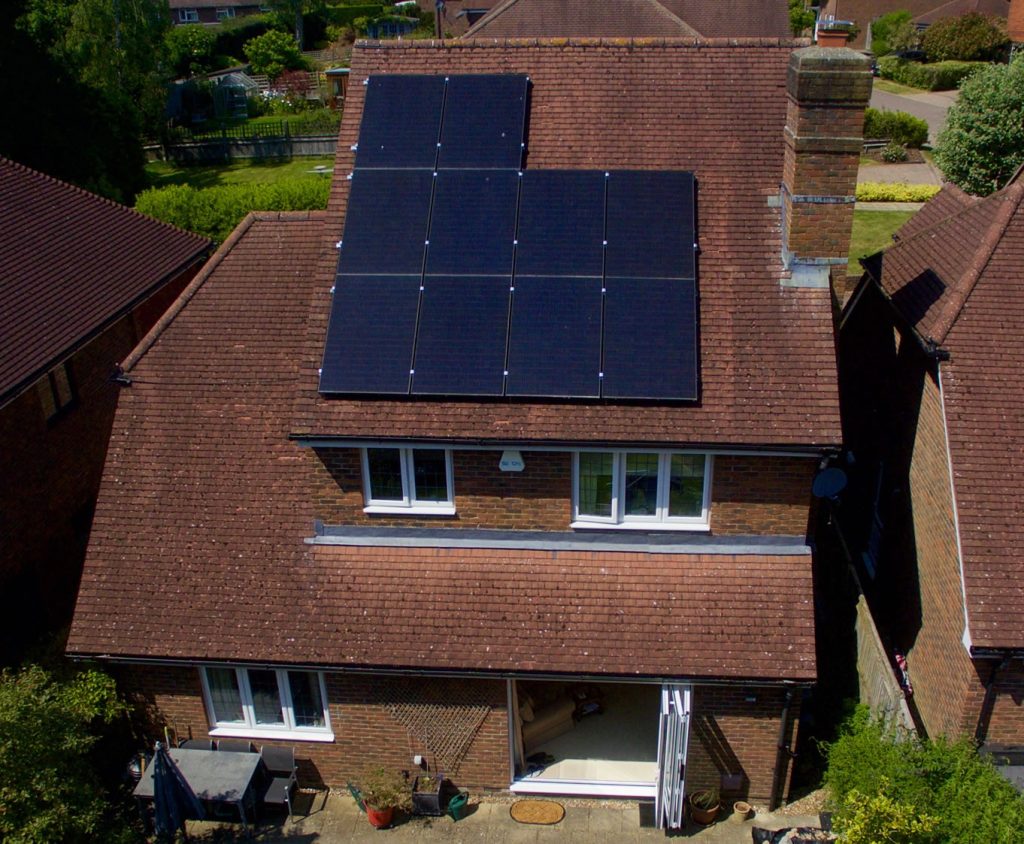
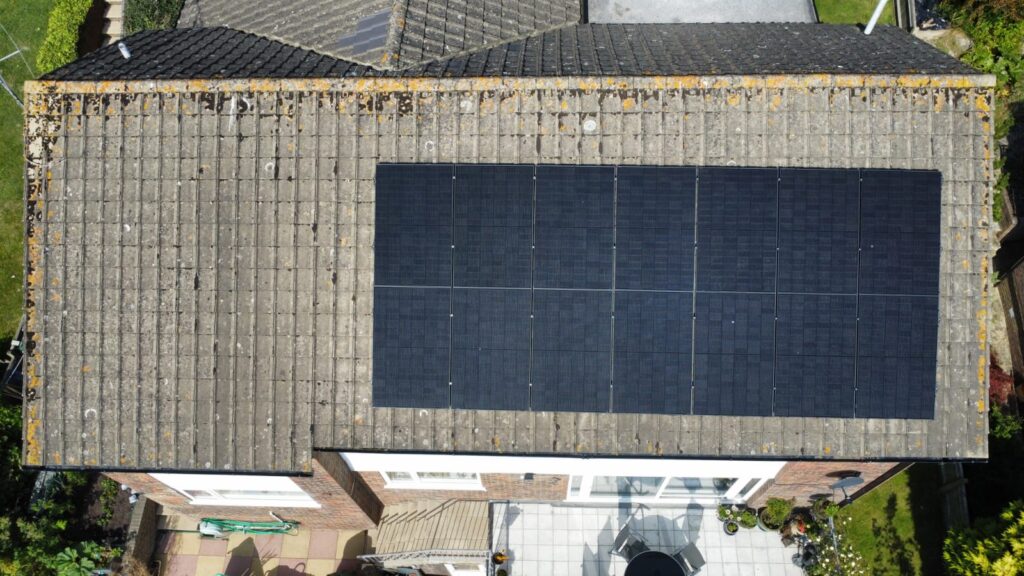
House on estate with solar panels

Financial Timing and the Smart Export Guarantee

Beyond weather, financial timing deserves careful consideration.

The Smart Export Guarantee allows homeowners to receive payment for surplus electricity exported to the grid. The sooner your system is operational, the sooner you begin generating both savings and export income.

Average residential systems in the UK typically range between five thousand and nine thousand pounds depending on size, roof complexity and whether battery storage is included. A business solar panel installation will vary more significantly depending on scale.

Given ongoing energy price uncertainty, delaying installation often means postponing savings. In many cases, installing sooner rather than later shortens your overall payback period.


Technology Matters More Than Season

While season influences scheduling and early generation, system design and equipment quality often have a greater long term impact.

High quality panels such as Canadian Solar and Q Cells are known for durability and strong warranties. Inverter technology from Fronius solar inverter systems, Solar Edge or Enphase Energy ensures efficient conversion and monitoring.

Battery options including a Growatt battery allow homeowners to store excess electricity, increasing independence from the grid.

Choosing a qualified MCS certified installer ensures compliance, eligibility for the Smart Export Guarantee and adherence to recognised installation standards.

In truth, the best time of year to install solar panels Dorset residents are considering often depends more on readiness than season. Once you have decided to invest, each month without solar is a month of forgone savings.

Frequently Asked Questions

Do solar panels work on cloudy days in Dorset?

Yes. Solar panels generate electricity from daylight rather than direct sunlight. Output is reduced compared with bright summer days, but generation continues throughout the year.

How long does installation take?

Most residential solar panels for your home can be installed within one to two days, depending on system size and roof access.

Are solar panels worth it in the UK climate?

Yes. Even with variable weather, solar panels for home UK properties typically deliver strong long term savings, particularly with battery storage.
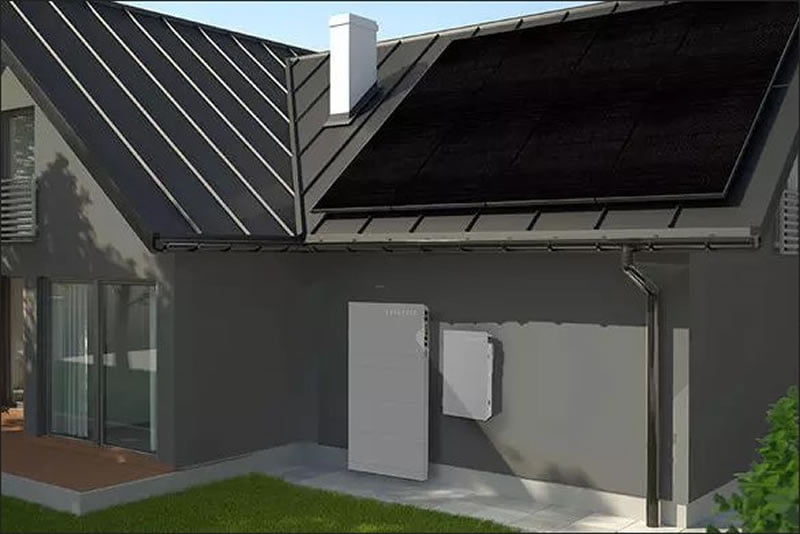
panasonic battery

Final Thoughts

There is no narrow window in which solar makes sense. The United Kingdom climate is entirely suitable for home solar energy panels, and Dorset offers favourable conditions throughout the year.

The true question is not which season is perfect, but whether you are ready to begin saving.

As an MCS certified installer, My Home Solar designs and installs premium systems tailored to each property, combining trusted panel manufacturers, advanced inverter technology such as Enphase or Solar Edge, and intelligent battery storage solutions.

If you are considering solar panels Dorset homeowners trust, now is an excellent time to act before seasonal demand rises.

Book your consultation with My Home Solar today and take control of your energy future.

Error: Contact form not found.
Is Home Solar Still a Safe Investment for UK Households?

Strategic Financial Decision

For many households in Dorchester Dorset and across the South Coast the question is no longer whether energy prices are high but whether they will ever return to predictable levels. Over the past few years British homeowners have experienced sharp price fluctuations inflationary pressure and growing concern about long term grid stability. In that context home solar has increasingly been viewed not merely as a lifestyle upgrade but as a strategic financial decision.

Yet caution remains sensible. Middle income homeowners across England are rightly asking whether home solar still represents a safe and rational investment in 2025. Is it resilient against policy change. Does it deliver meaningful returns. And how does it compare with traditional options such as savings accounts ISAs or property investment.

The short answer is that when designed and installed correctly home solar remains one of the most stable long term domestic investments available to UK households. The longer answer deserves careful analysis.


The UK Energy Landscape and Why It Matters

Energy markets in England remain exposed to global commodity pricing geopolitical disruption and infrastructure strain. While price caps offer temporary protection wholesale volatility continues to influence domestic tariffs. According to recent UK energy data electricity costs remain materially higher than historical averages prior to 2021.

For households in Dorset and along the South Coast where a significant proportion of housing stock is owner occupied rising energy bills directly affect disposable income. Unlike many other expenses electricity is non discretionary. Consumption may be reduced but it cannot be eliminated.

Home solar therefore functions as a form of partial energy independence. By generating electricity on site a household reduces exposure to market driven price spikes. In investment terms this provides a form of inflation hedging. The value of each kilowatt hour generated increases in proportion to grid prices. In periods of elevated tariffs the financial benefit strengthens rather than weakens.

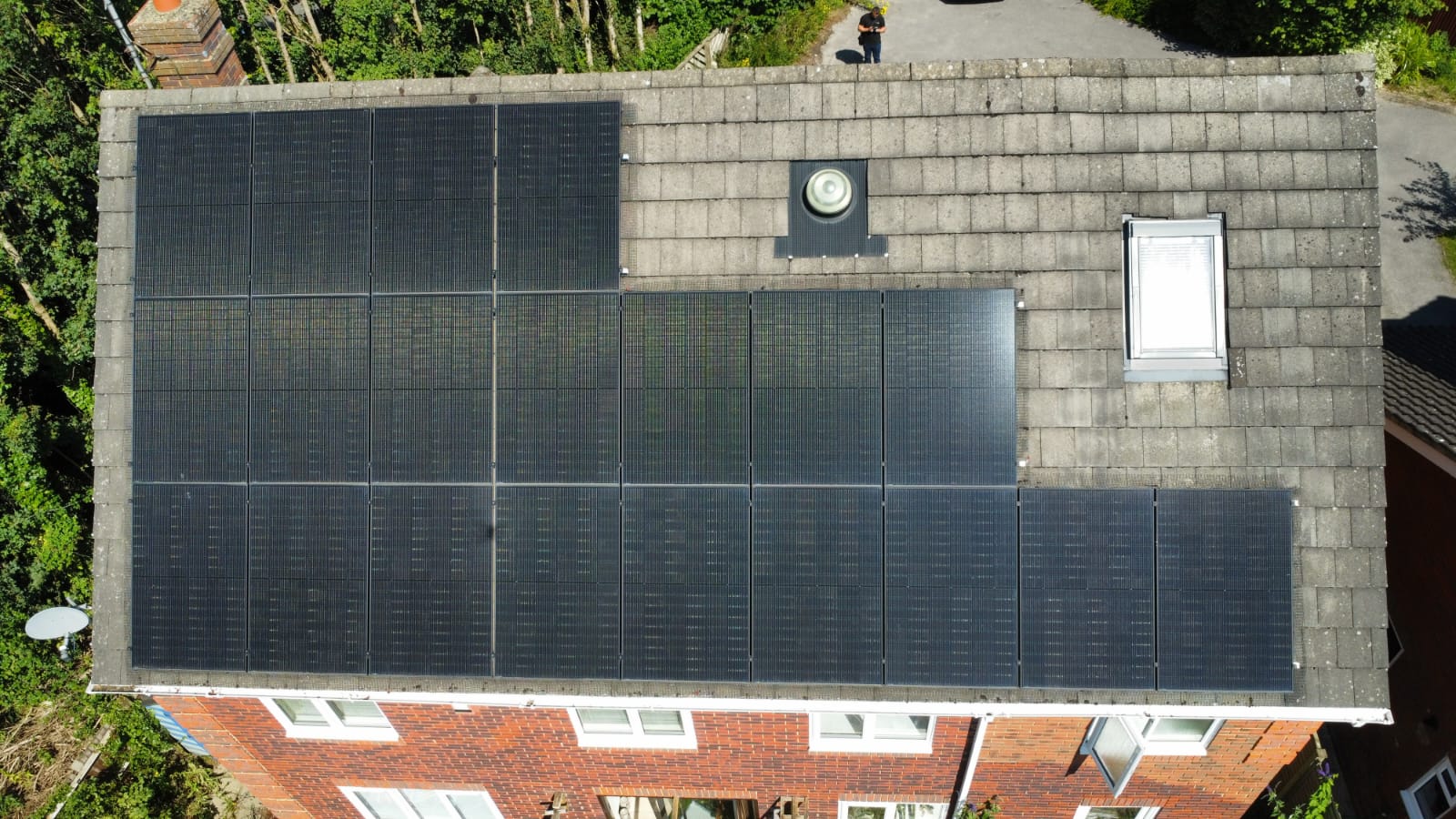
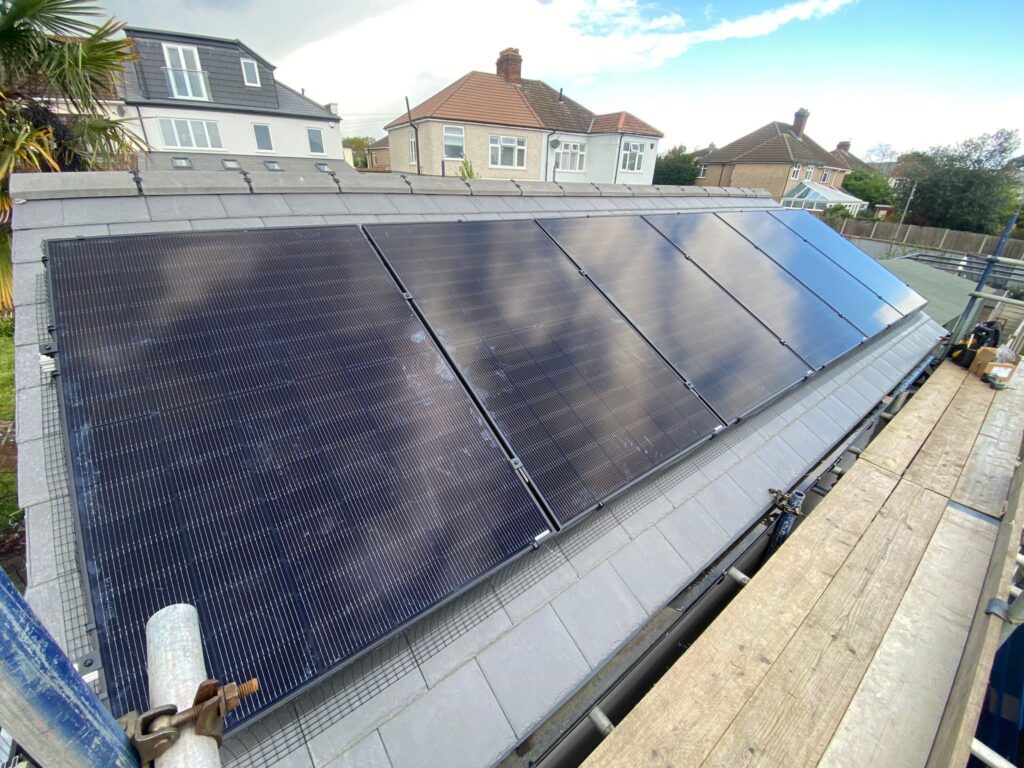
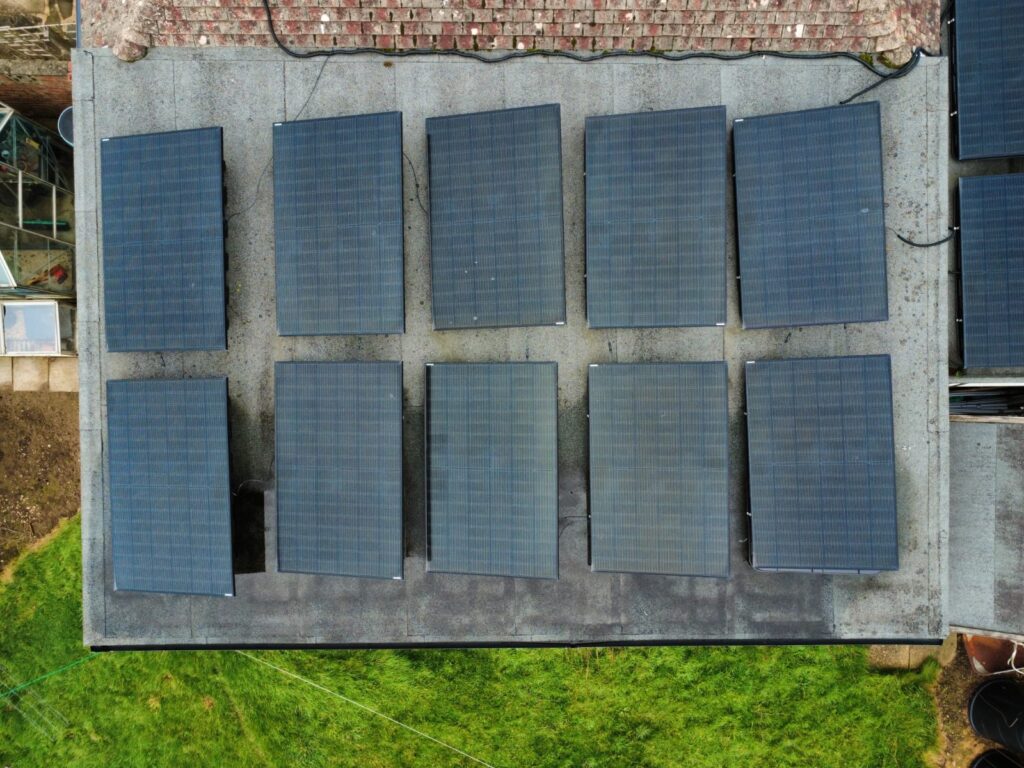
Solar panels installed on house roof

What Does Home Solar Cost in England

For a typical residential property in Dorchester or elsewhere in Dorset a standard home solar installation in 2025 generally ranges between six thousand and twelve thousand pounds depending on system size roof configuration and whether battery storage is included.

A three bedroom semi detached house in Dorchester might require a system of around four kilowatts. Installed without battery storage costs often fall between seven and nine thousand pounds. Adding battery storage such as a Growatt battery or Tesla Powerwall increases initial outlay but materially improves self consumption and long term return.

Commercial systems for small businesses naturally involve higher capital investment yet operate on similar financial principles. For present purposes however the residential case remains most relevant to household investors.


Return on Investment and Payback Period

The central question is return. A well positioned home solar system in southern England can typically achieve payback within seven to ten years depending on energy usage patterns and export rates. After that period electricity generation effectively becomes a source of cost free supply for the remaining life of the system.

Modern panels including premium options such as SunPower Maxeon and Panasonic EverVolt are designed for operational lifespans exceeding twenty five years. Degradation rates are modest often around half a per cent annually. Even after two decades panels commonly retain the majority of their original output.

To illustrate with a conservative scenario consider a Dorset household spending fifteen hundred pounds annually on electricity. If home solar reduces that expenditure by fifty to sixty per cent annual savings may approach eight hundred pounds. Over twenty five years cumulative savings can comfortably exceed twenty thousand pounds even before accounting for energy price inflation.

Compounding operates quietly but powerfully. Each year of avoided energy purchase increases lifetime return. If electricity prices rise savings rise proportionally.


Comparison with Other Investments

When compared with traditional low risk instruments home solar displays distinctive characteristics.

Investment Type Risk Level Average Return Volatility Inflation Hedge
Home solar Low Moderate Very low Strong
Savings account Very low Low Very low Weak
Cash ISA Very low Low Very low Weak
Residential property Moderate Moderate Moderate Moderate

Savings accounts and ISAs provide liquidity and capital protection but frequently fail to outpace inflation. Property can appreciate meaningfully but carries transaction costs maintenance obligations and market cyclicality.

Home solar occupies a middle ground. It involves upfront capital yet once installed produces predictable returns through bill reduction. Its volatility is minimal because savings arise from avoided expenditure rather than speculative market performance.


Government Support and Export Income

The Smart Export Guarantee enables households to receive payment for surplus electricity exported to the grid. While rates vary by supplier export income enhances overall return particularly for households without battery storage.

In addition zero rated VAT on residential solar installations in England has materially improved affordability. Policy support has therefore strengthened rather than weakened the investment case in recent years.

Technology Reliability and Risk Mitigation

Concerns regarding durability are understandable but increasingly outdated. Modern photovoltaic panels undergo rigorous testing for wind loading thermal cycling and moisture ingress. Premium products such as SunPower Maxeon and Panasonic EverVolt are engineered for longevity and efficiency.

Battery storage has further refined the financial equation. Systems such as the Growatt battery and Tesla Powerwall allow households to store excess daytime generation for evening use. This increases self consumption and reduces reliance on grid electricity during peak tariff periods.

From a risk management perspective professional system design remains essential. Roof orientation shading structural integrity and inverter specification all influence performance. A reputable local installer ensures accurate modelling and long term reliability.

Property Value and Market Perception

Across Dorset and the South Coast energy efficiency increasingly influences buyer preference. Improved EPC ratings and visibly installed home solar systems signal lower future running costs. While exact premiums vary estate agents frequently report stronger buyer interest in energy efficient homes.

In competitive housing markets the presence of home solar may therefore enhance saleability and perceived value even if the precise uplift is case specific.


Risks and How to Address Them

No investment is entirely without risk. Shading from neighbouring trees suboptimal roof pitch or future regulatory change may affect projected returns. However these risks can be materially mitigated through thorough survey and conservative financial modelling.

The key variable remains quality of installation. An experienced local company with established presence in Dorchester and Dorset provides continuity reassurance and accountability.

Why Choose My Home Solar in Dorchester

My Home Solar brings local expertise grounded in Dorset conditions rather than generic national templates. Understanding roof types prevalent across the South Coast housing stock allows precise system design. Familiarity with regional planning considerations ensures smooth project progression.

Equally important is post installation support. A home solar system is a long term asset. Ongoing guidance monitoring and maintenance underpin investment security.


Understanding Compounding Savings in Simple Terms

Imagine a household that saves eight hundred pounds in the first year. If energy prices rise by three per cent annually that saving also increases. Over twenty five years the accumulated avoided cost significantly exceeds the initial outlay. The system in effect produces a predictable stream of financial benefit much like a low volatility bond linked to energy inflation.

Battery storage enhances this effect by maximising usage of generated electricity rather than exporting it at lower rates.

Conclusion

For households in Dorchester Dorset and across England the evidence suggests that home solar remains a safe and rational long term investment. It offers inflation protection predictable returns and tangible control over energy expenditure. When compared with traditional low yield savings vehicles it frequently delivers superior lifetime value with limited volatility.

In an environment where energy uncertainty persists the strategic case for home solar remains compelling.

To explore tailored projections for your property speak with My Home Solar and obtain a detailed consultation grounded in local expertise and rigorous financial modelling.

Error: Contact form not found.

Frequently Asked Questions

Is home solar still worth it in the UK?
Yes for many households in England payback periods of seven to ten years remain achievable and systems continue generating savings for decades thereafter.

How long does home solar take to pay for itself?
Typical residential systems in southern England achieve payback within seven to ten years depending on system size usage and export rates.

Do solar panels increase property value in Dorset?
Energy efficient homes often attract stronger buyer interest and improved EPC ratings can enhance saleability.

How Does Battery Storage Work With Smart Energy Systems?

Reduce Energy Bills

As more homeowners across Dorset, Bournemouth, Salisbury and the surrounding areas look for smarter ways to reduce energy bills and reliance on the grid, battery storage has become an increasingly important part of modern home solar energy panels. When paired with smart energy systems, a solar battery does far more than simply store unused electricity. It allows your home to think, adapt and use energy in a far more efficient way.

In this guide, we explain how battery storage works, how it integrates with smart technology, and why it plays such a vital role in making solar panels for your home work harder for you.


How Do Solar Power Work in the Home?

To understand battery storage, it helps to first understand how do solar power work in a typical UK home.

Solar panels for home UK properties generate electricity during daylight hours. This energy is produced as direct current and is converted into usable alternating current by an inverter. Systems using trusted technology such as a Fronius solar inverter, Solar Edge, or Enphase Energy ensure this conversion is efficient and reliable.

Once converted, the electricity is used instantly by your home appliances. Any excess energy is usually exported back to the grid. Without a battery, this surplus power is often lost at a relatively low export rate, while you may still need to buy electricity back from the grid in the evening.

This is where battery storage transforms the system.


What Is a Solar Battery and What Does It Do?

A solar battery stores unused electricity generated by your solar panels so it can be used later in the day or evening. Instead of exporting excess energy, your system keeps it on site for when your home needs it most.

Modern batteries such as a Growatt battery or Enphase system are designed to work seamlessly with home solar energy panels, allowing homeowners to maximise self consumption and reduce dependence on the grid.

The result is greater control over your energy usage and lower electricity bills throughout the year.

How Battery Storage Works With Smart Energy Systems

A smart energy system goes beyond basic solar generation. It uses intelligent software, monitoring tools and real time data to decide how and when energy is used.

When combined with battery storage, the system can:

  • Store surplus solar energy automatically
  • Decide when to charge or discharge the battery
  • Prioritise solar energy over grid electricity
  • Adapt to household usage patterns

This intelligent coordination is what turns solar panels for your home into a truly smart energy solution.

solar panels in bournemouth

Smart Meters and Energy Monitoring

Smart meters play a key role in battery storage systems. They provide live data on how much electricity your home is using, exporting and importing.

Using apps provided by Enphase Energy, Solar Edge, or Growatt, homeowners can view energy generation and consumption in real time. This visibility helps the system make informed decisions, such as charging the battery during periods of high solar output or discharging it when electricity demand increases.

Time of Use Tariffs and Smart Charging

Many UK energy suppliers now offer time of use tariffs, where electricity costs vary depending on the time of day.

A smart battery system can respond to these tariffs automatically. For example, it can charge from the grid overnight when electricity is cheaper and reserve stored solar energy for peak times when prices are higher.

This feature is particularly valuable in winter months when solar generation is lower but smart energy management still delivers savings.

How Different Solar Technologies Work Together

Battery storage is most effective when paired with high quality components. Systems using Canadian Solar panels or Q Cells are known for consistent performance and reliability, making them an excellent match for smart batteries.

Inverter technology also matters. A Fronius solar inverter offers robust monitoring and efficient energy conversion, while Enphase systems use microinverters that allow each panel to operate independently. Solar Edge systems combine panel level optimisation with centralised control, offering precise energy management.

All of these technologies are designed to integrate smoothly with battery storage, ensuring the system works as one cohesive unit.


Why Battery Storage Makes Sense for Homeowners

For homeowners, the benefits of combining battery storage with smart energy systems are both practical and financial.

Key advantages include:

  • Reduced reliance on grid electricity
  • Lower energy bills over time
  • Greater use of your own solar power
  • Protection against rising energy costs
  • Improved energy resilience

While business solar panel systems often use similar technology at a larger scale, residential systems are now more accessible and cost effective than ever.

Local Benefits for Dorset and Surrounding Areas

Homes in Dorset, Bournemouth and Salisbury are well suited to solar energy. Even on overcast days, modern panels such as Canadian Solar panels and Q Cells continue to generate electricity efficiently.

Battery storage allows homeowners in these areas to make the most of every unit of energy produced, particularly during long summer days when solar generation is high.

By storing surplus energy rather than exporting it, households gain far greater value from their solar investment.


Is Battery Storage Worth It for Existing Solar Panels?

Many homeowners ask whether battery storage can be added to an existing system. In most cases, the answer is yes.

Modern batteries are designed to retrofit easily with existing solar panels for home UK properties, particularly when paired with compatible inverters. A professional assessment ensures the system is configured correctly and safely.

FAQs

How long does a solar battery last?

Most modern solar batteries are designed to last between ten and fifteen years, depending on usage and manufacturer.

Can a battery work during a power cut?

Some systems can provide backup power during outages, but this depends on system design and configuration.

Does battery storage work in winter?

Yes. While solar generation is lower in winter, smart energy systems still optimise stored energy and grid usage efficiently.

A Smarter Way to Use Solar Energy

Battery storage is no longer an optional extra. When combined with smart energy systems, it allows homeowners to use solar panels for your home in a far more intelligent and rewarding way.

If you live in Dorset, Bournemouth, Salisbury or nearby areas and would like to understand how battery storage could work for your home, we are always happy to offer friendly, expert advice. A conversation today could be the first step towards a smarter, more independent energy future.

Error: Contact form not found.
How Much Maintenance Do Growatt Batteries and EverVolt Systems Need?

Solar Battery Storage

Homeowners in Dorset who are considering solar battery storage often ask how much maintenance these systems actually require. The good news is that modern technology has made both Growatt batteries and Panasonic EverVolt systems exceptionally low-maintenance. These systems are designed to operate in the background with minimal involvement from the homeowner. However, understanding the small amount of care they do need can help you maximise their lifespan, improve performance, and protect your investment.

Growatt and EverVolt batteries are built with sophisticated battery management systems. These systems continually monitor temperature, charge levels, and overall battery health. For most households, especially those using solar panels in Dorset’s mild climate, this means very little hands-on work is required. Still, it is worth knowing what to expect so you can keep the system running efficiently for many years.

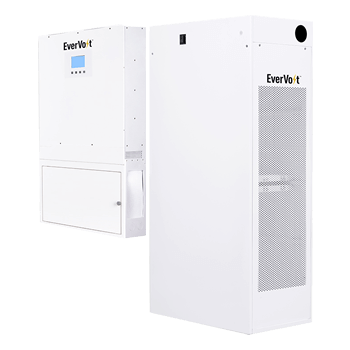
Evervolt Home battery

Maintenance Requirements for Growatt Batteries

Growatt batteries are well known for reliability, cost-effectiveness, and long lifespan. Homeowners appreciate that these batteries are easy to use and simple to manage. The majority of maintenance is software based, with the battery automatically handling cell balancing, temperature regulation, and safety management. The ShinePhone or ShineServer app provides a helpful monitoring tool that allows you to check battery performance at any time. Most users find that checking the app once a month is more than enough to ensure everything is running smoothly.

The physical environment is the most important factor in Growatt battery maintenance. These batteries perform best in cool, dry, and well-ventilated spaces. For homeowners in coastal areas such as Poole, Christchurch or Weymouth, it is especially important to avoid installing the battery in damp or salt-exposed locations. Keeping the battery in a stable environment with moderate temperatures will increase its lifespan and reduce long-term wear.

Although Growatt batteries do not require traditional servicing, a general system inspection every one to two years is recommended. This is not a requirement, but many homeowners find it beneficial to book a periodic check for peace of mind. During this visit, a technician can confirm that firmware is up to date, electrical connections remain secure, and the system is operating efficiently. These small checks can help prevent issues from developing over time.

Growatt inverter

Maintenance Requirements for Panasonic EverVolt Systems

Panasonic EverVolt systems are considered a premium home battery solution. They feature advanced engineering, strong warranties, and extremely reliable performance. Like Growatt batteries, EverVolt systems are designed to require very little maintenance, and their built-in software automatically manages key functions such as temperature control, charge cycles, and cell balancing.

The EverVolt app makes managing the system straightforward. It provides real-time performance monitoring, energy usage reports, and immediate notifications if the system detects unusual activity. For most Dorset homeowners, checking the app from time to time is all the maintenance that is needed.

Environmental conditions should also be considered when maintaining an EverVolt system. These units should be installed indoors or in protected areas that are free from moisture and temperature extremes. Dorset’s climate is generally mild, but coastal humidity can affect electrical equipment over long periods if not properly protected. Keeping the EverVolt system in a clean and temperature-stable space will support long-term reliability.

Although EverVolt systems do not require servicing in the traditional sense, some homeowners choose to arrange an annual inspection. This can be particularly useful for properties with higher energy usage or homes that depend on battery storage for backup power. An annual health check ensures that the system is running at optimum performance and that all components remain in excellent condition.

Evervolt batteries

Expected Lifespan of Growatt and EverVolt Batteries

Most modern solar battery systems, including Growatt and EverVolt, have an expected lifespan of between ten and fifteen years. In many cases, the batteries continue operating beyond this range, although performance gradually decreases over time. Battery lifespan is influenced by several factors, including usage habits, installation conditions, temperature stability, and software management.

Because Dorset enjoys relatively stable weather compared to other parts of the UK, batteries in this region tend to benefit from reduced stress. However, homes near the coastline should take extra care to avoid placing battery systems in areas with excess moisture or salt exposure. A well-chosen installation location can significantly improve battery performance and longevity.

Do These Systems Need Regular Servicing?

Neither Growatt nor EverVolt systems require regular servicing in the way that gas boilers, vehicles, or other mechanical systems do. Their internal management systems continuously adjust and optimise performance without the need for manual input. However, arranging a professional check every twelve to twenty-four months can be helpful. It provides reassurance that firmware is current, components are clean and secure, and the system is functioning efficiently.

Many Dorset homeowners schedule these checks at the same time as solar panel cleaning or inspections. Combining these services is a cost-effective way to maintain your entire solar energy setup without unnecessary appointments or disruption.

Monitoring Issues

While these systems are low-maintenance, it is still helpful to recognise early signs that may indicate the need for professional attention. Unusual battery behaviour such as inconsistent charging, rapid discharge, unexpected temperature increases, or repeated system alerts should be investigated. These systems are designed to notify you through their apps if something is not performing correctly, so keeping monitoring notifications enabled is important.

Any concerns can be quickly assessed by a qualified technician, and most issues can be resolved through software updates or minor adjustments. Early intervention helps avoid long-term damage and ensures the system continues to operate at peak performance.

Local Considerations for Homeowners in Dorset

Dorset’s environment is generally favourable for solar batteries, but location-specific considerations are still important. Coastal towns such as Bournemouth, Weymouth, Christchurch, and Swanage experience higher humidity and salt levels. These conditions can affect electrical equipment over time. Ensuring the battery installation area is dry, ventilated, and protected will help maintain long-term reliability.

Homes in inland areas such as Dorchester, Blandford, and Sherborne benefit from more stable temperatures and typically have fewer environmental risks. However, all Dorset properties should aim to keep batteries away from lofts, outdoor sheds, or other spaces that experience extreme temperatures or moisture.

Are Growatt or EverVolt Easier to Maintain?

Both Growatt and EverVolt systems are exceptionally low-maintenance, and the difference between them is minimal when it comes to everyday care. Growatt batteries are known for providing strong performance at an excellent price point, while EverVolt systems are favoured by homeowners who want a premium, long-lasting solution backed by Panasonic’s reputation. Choosing between them typically comes down to performance requirements, budget, and preferred features rather than maintenance needs.

Growatt products

Frequently Asked Questions

Do solar batteries need regular servicing?
Solar batteries do not need traditional servicing. Modern battery management systems handle most operational tasks automatically. A routine inspection every one to two years is sufficient for most homes.

Will firmware updates affect performance?
Firmware updates help improve battery efficiency, stability, and safety. Keeping your Growatt or EverVolt system updated ensures that it continues to operate at peak performance.

Can simple maintenance improve battery lifespan?
Yes. Keeping the battery in a stable, dry, and clean environment can significantly improve long-term performance and reduce degradation.

How do I know if my battery needs professional attention?
Most batteries will notify you through the manufacturer’s app if performance issues arise. Unusual charging patterns, temperature fluctuations, or repeated warnings should be checked by a professional.

Do Growatt and EverVolt systems require cleaning?
Internal cleaning is not required. Keeping the surrounding area free from dust, moisture, and clutter is all that is needed.

A Helpful, No-Pressure Call to Action

If you are considering a Growatt battery, a Panasonic EverVolt system, or simply want advice on maintaining your current setup, My Home Solar is always here to help. Our team supports homeowners across Dorchester and the wider Dorset area with clear guidance, professional installations, optional maintenance checks, and friendly expertise. If you would like support with solar battery maintenance or are exploring new battery storage options, get in touch for straightforward advice and a no-obligation quote.

Error: Contact form not found.
What is Usable Capacity vs Rated Capacity in Solar Battery Systems?

Renewable Energy

As more homeowners across Dorset and the South Coast choose to invest in renewable energy, solar batteries have become one of the most talked-about technologies in modern homes. They allow you to store excess power generated by your solar panels, giving you greater independence from the grid and lower energy bills.

But as you start researching battery options, you’ll come across two terms that can be confusing usable capacity and rated capacity. They sound similar, but understanding the difference between them is essential if you want to make an informed decision about your solar battery system.

In this guide, we’ll break down what each term means, why the difference matters, and how popular battery systems like the Growatt battery, Panasonic EverVolt, and Enphase Energy compare in real-world use. We’ll also explore how these systems work alongside technologies such as SolarEdge, Solis inverters, SunPower Maxeon panels, and Jaso Solar modules to create efficient, high-performance solar setups across Dorset.

solar panels in dorset

Understanding Solar Battery Capacity

Every solar battery is designed to store a specific amount of energy, usually measured in kilowatt-hours (kWh). However, not all of that energy is actually usable. To understand why, let’s first define the two main terms used to describe battery size and performance.

Rated Capacity

Rated capacity refers to the total amount of energy a battery can theoretically store when it’s brand new, straight from the manufacturer. It’s the figure you’ll usually see on spec sheets or product brochures.

For example, if a battery has a rated capacity of 10 kWh, that means it can technically hold up to 10 kilowatt-hours of energy. But in real-life use, you won’t be able to access all of it.

Usable Capacity

Usable capacity is the portion of the battery’s total capacity that you can actually use. Most batteries are designed with a small amount of stored energy that remains untapped to prevent deep discharging, which can damage the battery and shorten its lifespan.

So, a 10 kWh battery might only offer 9 kWh of usable energy. That remaining 1 kWh acts as a buffer to protect the internal cells and ensure long-term reliability.


Why the Difference Matters

The difference between rated and usable capacity directly affects how much energy you can store and use in your home.

If you’re comparing two solar battery systems, one with a rated capacity of 10 kWh and 90% usable capacity, and another with a rated capacity of 10 kWh but only 80% usable capacity, the first system will give you an extra kilowatt-hour of usable energy each day.

Over time, that adds up to significant savings and greater efficiency, particularly for homes in Dorchester or Poole where energy demands can fluctuate throughout the year.


How Depth of Discharge Affects Capacity

Another factor that influences usable capacity is Depth of Discharge (DoD) the percentage of the battery that can be used before it needs recharging.

For instance, a battery with a DoD of 90% means you can safely use 90% of its stored energy without harming its lifespan. Manufacturers like Growatt, Enphase Energy, and Panasonic EverVolt typically offer DoD ratings between 90% and 95%, ensuring a good balance between performance and durability.

High DoD values are ideal for home solar panels in Dorchester, where weather and daylight hours vary seasonally, giving homeowners the flexibility to rely on stored energy during long winter nights.

solar panels in dorset

Choosing the Right Solar Battery for Your Home

When choosing a solar battery, it’s important to look beyond marketing numbers. Rated capacity can sound impressive, but usable capacity is what truly determines how much energy you’ll benefit from daily.

Here’s what to consider before making your decision:

  • Energy usage: Review your household’s daily electricity consumption and match it with a system that offers enough usable capacity to cover your needs.
  • Scalability: Choose modular systems like Growatt that allow you to expand storage later.
  • Compatibility: Ensure your inverter, panels, and battery are all compatible. SolarEdge, Solis, and Enphase offer strong integration options.
  • Warranty and lifespan: Quality brands like Panasonic, Enphase, and SunPower often provide warranties of 10 years or more, giving you peace of mind and long-term savings.
three solar batteries mounted on a garage wall

How Usable Capacity Impacts Your Energy Savings

The more usable capacity your battery has, the more self-sufficient your home becomes. With higher usable energy, you’ll rely less on grid electricity during the evenings and can even store enough power to offset cloudy days.

In areas like Dorchester, where energy prices are rising and sustainability is becoming a key household priority, choosing the right system could save hundreds of pounds annually.

For example:

  • A Growatt battery with 93% usable capacity might provide 9.3 kWh of accessible power daily from a 10 kWh system.
  • A Panasonic EverVolt with 90% usable capacity gives 9 kWh.
  • Over a year, that small difference can add up to an extra 100–150 kWh of usable energy, depending on usage patterns.
Solaregde home battery

FAQs

What is the difference between rated and usable capacity in solar batteries?
Rated capacity is the total amount of energy a battery can hold, while usable capacity is the portion you can actually use. The difference protects the battery from over-discharge and extends its lifespan.

Why can’t I use all the energy in my solar battery?
Manufacturers reserve a small portion of stored energy to prevent deep discharge, which can cause damage. This is why usable capacity is slightly lower than rated capacity.

Which solar batteries have the highest usable capacity?
Brands like Growatt, Panasonic EverVolt, and Enphase Energy are known for high usable capacity ratios, offering excellent real-world performance.

What is a good Depth of Discharge for home solar batteries?
Anything above 90% is considered very good. Most modern systems from Enphase, Panasonic, and Growatt fall into this range.

How can My Home Solar help me choose the right system?
My Home Solar offers expert advice and installation across Dorset and the South Coast. They assess your home’s energy profile and recommend the best mix of panels, inverters, and batteries for long-term efficiency.


Final Thoughts

When comparing solar battery systems, always look at usable capacity, not just the rated number on the brochure. It’s the most accurate indicator of how much stored power your home will actually benefit from each day.

Whether you choose a Growatt battery, Panasonic EverVolt, or Enphase Energy system, pairing it with efficient SunPower Maxeon or Jaso Solar panels and smart inverter technology like SolarEdge or Solis will give you exceptional performance and long-term savings.

At My Home Solar, we design, install, and maintain systems built around your lifestyle helping Dorset homeowners make the most of the sun, every single day.

If you’re ready to find out which system is right for you, get in touch with My Home Solar today for expert guidance and a free quote.

Error: Contact form not found.

How Do Growatt Batteries Handle Power Cuts Compared to Tesla?

Why Backup Power Matters in the UK

For many UK homeowners and businesses, reliable electricity is something we take for granted—until a power cut hits. Sudden outages can disrupt everything from cooking and heating to running essential office equipment. As more households adopt renewable energy, the question is no longer just about generating power, but also about storing it and ensuring it is available when the grid fails. That is where solar batteries come in.

At My Home Solar Dorchester, we often hear from customers who want to know which battery system performs best in a blackout. Two names consistently come up: the Growatt battery and the Tesla Powerwall. Both promise dependable backup power, but how do they actually handle an outage? And how do other solutions like Panasonic Evervolt or SunPower Maxeon 7 compare? Let’s take a closer look.

Growatt solar battery system installed in a residential Dorset property

The Growatt Battery: A Practical Backup Choice

Growatt has built a strong reputation in the UK market for offering affordable and reliable solar storage solutions. Growatt batteries are designed for flexibility, allowing homeowners to add capacity as their needs grow.

When it comes to power cuts, the Growatt system responds quickly. It is built with automatic switchover technology that kicks in as soon as the grid goes down. For most households, the changeover happens so smoothly that lights and appliances continue to run with minimal disruption.

Key features of Growatt batteries:

  • Modular capacity, making it easy to expand storage over time
  • Fast response during outages
  • Solid compatibility with a wide range of solar panels, including premium options like SunPower Maxeon 7
  • A user-friendly monitoring app to track performance and usage

The Growatt battery is often chosen by families who want peace of mind during a power cut without paying a premium price. It might not have the brand recognition of Tesla, but it has proved itself in day-to-day UK conditions.

growatt battery

Tesla Powerwall: The Premium Backup

Tesla’s Powerwall is one of the most recognised names in solar storage worldwide. In the UK, it has become a benchmark for performance. The system is sleek, compact, and packed with advanced features.

During a power cut, the Tesla Powerwall switches to backup mode almost instantly. This near-seamless transition ensures that sensitive electronics, from laptops to Wi-Fi routers, are not interrupted. The Powerwall also has a higher storage capacity than many competitors, meaning it can keep a household running longer during extended outages.

Key features of Tesla Powerwall:

  • High storage capacity for larger energy demands
  • Virtually seamless switchover during blackouts
  • Smart integration with Tesla’s app for monitoring and control
  • Scalability for homes or businesses that need multiple units
  • Long warranty and strong global brand reputation

The main drawback is cost. Tesla sits at the higher end of the market, and while the performance is excellent, it may be more than some households need.

Canadian Solar inverters

Growatt Battery vs Tesla: Head-to-Head

So how do these two systems compare in real-world power cut situations?

Reliability and Switchover Speed

  • Both systems are quick to react, but Tesla has the edge with near-instant switchover. Growatt is slightly slower but still reliable enough that most homeowners will not notice much difference.

Storage Capacity

  • Tesla offers larger single-unit capacity, which makes it ideal for homes with high energy demand. Growatt can match capacity through modular expansion, but this requires additional units.

Compatibility with Solar Panels

  • Both integrate well with different solar panel brands. Growatt works particularly smoothly with systems like SunPower Maxeon 7 and other high-efficiency panels. Tesla has broader integration but often requires installers certified through their network.

Backup Duration

  • In an extended outage, Tesla can provide longer-lasting power thanks to higher capacity. Growatt is better suited to short-to-medium blackouts unless expanded with extra batteries.

Warranty and Longevity

  • Tesla offers a strong warranty backed by global brand presence. Growatt also provides solid warranties, though they may vary depending on the model.

General Cost Positioning

  • Tesla is the premium option, often double the investment of a comparable Growatt setup. Growatt appeals to cost-conscious households who still want dependable backup.
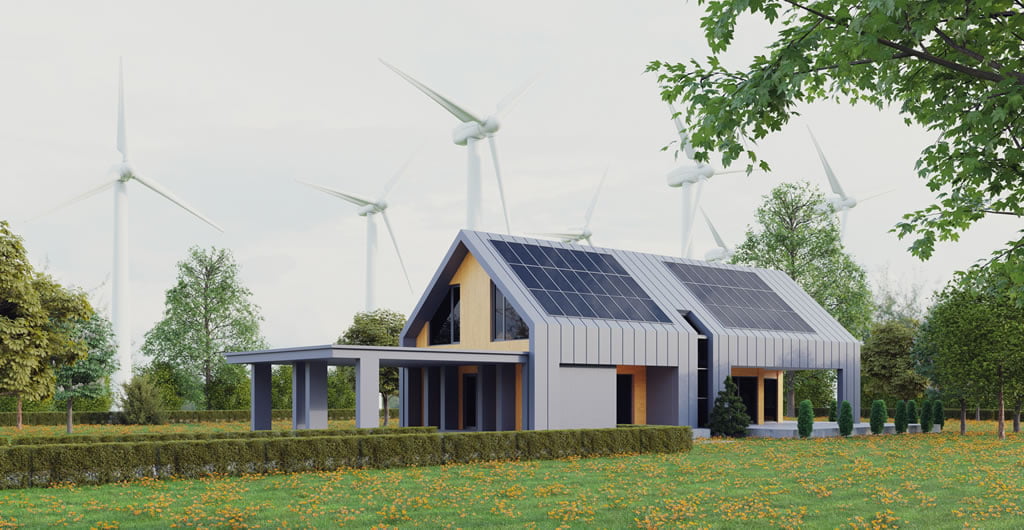
Modern eco house with solar panels and windmills to use alternative energy.

Pros and Cons of Growatt and Tesla in Power Cuts

Growatt Pros:

  • Affordable entry point
  • Modular design allows future expansion
  • Reliable performance in outages
  • Compatible with a wide range of panels

Growatt Cons:

May require multiple units for high-demand households

Slightly slower switchover than Tesla

Tesla Pros:

  • Near-instant switchover
  • Large capacity per unit
  • Strong brand and long-term reliability
  • Advanced monitoring and smart integration

Tesla Cons:

Installation often limited to Tesla-certified partners

Higher upfront cost


Other Solar Storage Options

While Growatt and Tesla dominate the conversation, other systems deserve attention. Panasonic Evervolt is an increasingly popular choice, known for solid efficiency and durability. It offers a balance between performance and cost, making it appealing to UK households that want something in between Growatt and Tesla.

The SunPower Maxeon 7 is not a battery but a solar panel system. When paired with either Growatt or Tesla storage, it delivers exceptional efficiency. For homeowners in Dorchester looking for solar panels Dorchester, the Maxeon 7 stands out as one of the most advanced options, capturing more energy from limited roof space.

By combining premium panels like SunPower Maxeon 7 with a well-matched battery, households can maximise self-sufficiency, reduce reliance on the grid, and ensure resilience during power cuts.


Which Battery is Right for You?

Choosing between a Growatt battery and Tesla Powerwall comes down to your specific needs:

  • Small to mid-sized homes: Growatt is often the smarter choice. It provides solid backup, room for future expansion, and a price that makes solar storage more accessible.
  • Large households or businesses: Tesla Powerwall offers higher capacity and virtually seamless performance. If budget allows, it is the best solution for those who cannot afford downtime.
  • Balanced approach: Panasonic Evervolt offers a middle ground, combining efficiency with dependable backup.

Local Support with My Home Solar Dorchester

At the end of the day, technology is only as good as the team that installs and maintains it. That is where My Home Solar Dorchester comes in. We provide expert guidance on solar panels and battery storage, tailoring solutions to suit individual homes and businesses. Whether you are considering a Growatt battery vs Tesla, or exploring options like Panasonic Evervolt and SunPower Maxeon 7, our team can help you make the right choice.

We are committed to helping Dorset residents cut energy bills, secure backup power, and move towards a cleaner future. With our experience in solar panels Dorchester, we understand the unique needs of local households and businesses.


Powering Through the Next Blackout

Power cuts may be unavoidable, but losing control over your energy does not have to be. Both Growatt and Tesla deliver strong solutions for UK homes, each with unique advantages. Growatt provides practical, cost-effective resilience, while Tesla brings premium performance and longer-lasting power. Add in other options like Panasonic Evervolt and premium panels like SunPower Maxeon 7, and the future of home energy has never looked brighter.

If you want to take control of your power and secure reliable backup, get in touch with My Home Solar Dorchester today. Our team will design a system that keeps your home or business running smoothly, whatever the grid throws your way.

Error: Contact form not found.
How Many Solar Panels Do I Need for My Home Size/Usage?

Introduction

If you’re thinking about going solar, one of the first questions that comes to mind is: “How many solar panels will I actually need to power my home?” It’s a sensible question, and the answer depends on a few key factors.

From cosy two-bed bungalows in Wimborne to larger family homes in Bath, or even seaside cottages in Bournemouth and Bridport, every property is different. The number of panels you need will vary depending on how much electricity you use, how efficient your panels are, and how much roof space you have. Even your location across the South Coast — whether that’s Ferndown, Andover, Corfe Mullen, or Corfe Castle — plays a role, since the amount of sunshine varies slightly across the region.

In this guide, we’ll break it down step by step, so you can get a clear picture of how many panels your home might need and what factors to consider before making the switch.

solar panel installation in dorset

What Factors Affect the Number of Solar Panels You Need?

Before we jump into numbers, it’s important to understand what actually determines how many solar panels are right for you.

  1. Your electricity usage
    • The biggest driver is how much energy your household consumes. If you’ve got a large family with lots of appliances, or you work from home and run multiple devices all day, your demand will naturally be higher than a couple who are out most of the day.
  2. Home size
    • Generally speaking, larger homes use more electricity, but it’s not always that simple. A three-bed home in Bournemouth with a family of five will almost certainly use more energy than a four-bed in Bath occupied by just two people.
  3. Solar panel efficiency
    • Not all panels are created equal. Modern panels range between 350W and 420W per panel, meaning some can generate more electricity in the same space. If your roof area is limited, investing in higher-efficiency panels can reduce the number you need.
  4. Roof space and angle
    • A typical solar panel measures about 1.7m x 1m. Roofs with lots of unshaded, south-facing space are perfect, while east- or west-facing roofs may need a few more panels to compensate for reduced exposure.
  5. Your location
    • Sunshine hours matter. Here on the South Coast, we’re lucky to receive more sunshine than the UK average, which means solar panels perform particularly well in places like Ferndown, Wimborne, and Corfe Castle.
solar panel installation in poole

Understanding Electricity Usage

Your electricity bill is the most useful tool for working out how many panels you’ll need. It will show your annual usage in kilowatt hours (kWh).

Here’s a rough guide to average UK household usage:

  • Low usage (1–2 people, small flat or house): around 2,700 kWh/year
  • Medium usage (3–4 people, average 3-bed semi): around 3,500 kWh/year
  • High usage (large family, 4+ people, or EV charging): 4,500–6,000 kWh/year

To put this into perspective:

  • Running a fridge-freezer for a year uses about 400 kWh.
  • A washing machine cycle might use 1–2 kWh.
  • Charging an electric vehicle can add 2,000–3,000 kWh per year to your household usage.

So, if you live in a 3-bed house in Bournemouth and your bill shows 3,500 kWh a year, you’ll need a solar system sized to meet that demand.

solar growatt battery

How Much Energy Does One Solar Panel Produce?

Solar panels don’t all generate the same amount of electricity. It depends on their rating and how much sun they receive.

  • A typical 350W panel will generate about 300–350 kWh per year in the UK.
  • A higher-spec 400W panel may produce closer to 380–420 kWh per year under good conditions.

On the South Coast, homes in Andover, Wimborne, and Bridport enjoy around 1,600–1,700 hours of sunshine annually, which gives panels a performance boost compared to the UK average.

This means:

  • A single 350W panel could cover about 10% of the annual needs of a small home.
  • A set of 10 panels could generate around 3,500 kWh/year, enough for a medium-sized family.
growatt solar panel

Quick Guide: How Many Panels Do Typical Homes Need?

Here’s a breakdown of what different homes might require:

  • 2-Bed Flat or Small House
    • Usage: ~2,700 kWh/year
    • Panels: 8–10 panels (about 3kWp system)
  • 3-Bed Semi-Detached or Terraced Home
    • Usage: ~3,500 kWh/year
    • Panels: 10–12 panels (about 4kWp system)
  • 4-Bed Detached Home
    • Usage: ~4,200–4,500 kWh/year
    • Panels: 12–14 panels (5kWp+ system)
  • Large Family Home (5+ bedrooms, EV charging)
    • Usage: 5,000–6,000+ kWh/year
    • Panels: 15–18 panels (6–7kWp system)

This quick guide shows how panel numbers scale with household demand. If you’re in Ferndown with a medium 3-bed family home, you might need around 10 panels. In contrast, a larger property in Bath with multiple appliances could require 15+.

panasonic evervolt

How Roof Space and Angle Matter

Your roof space can sometimes be the limiting factor.

  • Panel size: Each panel is about 1.7m². A 12-panel system needs around 20m² of space.
  • Roof shape: Continuous areas of roof space are best. Complex rooflines may restrict how many panels fit.
  • Roof orientation:
    • South-facing roofs generate the most electricity.
    • East/west-facing roofs still work well, producing around 80–85% of a south-facing system.
    • North-facing roofs are less efficient and usually avoided unless no other option exists.

For example, a Corfe Castle cottage with a south-facing roof could get maximum output with 10–12 panels, while a shaded terraced house in Andover might need extra panels to achieve the same results.


Local Advantage: Why Dorset and the South Coast Work Well for Solar

Not all regions are equal when it comes to solar potential, and the South Coast is one of the better spots in the UK.

  • More sunshine: Towns like Bournemouth, Bridport, and Wimborne average slightly more hours of sunshine than northern regions.
  • Mild weather: Panels don’t like extreme heat. Our cooler coastal climate actually helps panels run efficiently.
  • Year-round benefit: Even in winter, solar panels generate electricity on cloudy days. A home in Ferndown might generate less in December than July, but across the year, the balance is strong.

For homeowners in Bath, Andover, and Dorset villages like Corfe Mullen, this means your investment pays off more quickly compared to other parts of the UK.


Example Scenarios

Let’s make it practical with some South Coast examples:

  • Family in Bournemouth (3-bed semi)
    • Usage: ~3,500 kWh/year
    • Recommended: 10–12 panels (~4kWp system)
    • Covers nearly 100% of annual usage.
  • Couple in Wimborne (2-bed bungalow)
    • Usage: ~2,800 kWh/year
    • Recommended: 8–10 panels (~3kWp system)
    • Easily covers their needs, with room to store extra in a battery.
  • Large family in Bath (4-bed detached with EV charger)
    • Usage: ~5,500 kWh/year
    • Recommended: 15–16 panels (~6kWp system)
    • Enough to run the home and cover a significant chunk of EV charging.

Frequently Asked Questions

Q: Can solar panels power my entire home?
Yes, in many cases they can. A well-sized system will offset most, if not all, of your annual electricity usage, especially in sunny areas like Bridport and Bournemouth.

Q: Do I need battery storage?
Not strictly, but it helps. A battery lets you store excess electricity generated during the day and use it at night, boosting savings.

Q: What if I add an EV in future?
If you’re planning to buy an electric car, it’s wise to install a slightly larger system now to cover future demand.

Q: How long do panels last?
Most panels are guaranteed for 25–30 years, meaning they’ll continue generating long after they’ve paid for themselves.

solar panels in bournemouth

Conclusion

The number of solar panels you need depends on your energy usage, home size, roof space, and panel efficiency. On average, homes in Dorset and the South Coast need between 8 and 14 panels, though larger properties may need more.

From seaside homes in Bournemouth and Bridport to family houses in Bath, Wimborne, or Corfe Mullen, solar is a smart investment that lowers bills and increases energy independence.

At My Home Solar, we’ll design a system tailored to your home, ensuring you get the right number of panels to match your needs. Whether you’re in Ferndown, Corfe Castle, or Andover, we’re here to help you make the switch to clean, renewable energy.

Contact My Home Solar today for a free home assessment and discover how many panels your home really needs.

Error: Contact form not found.

How Do Solar Panels Convert Sunlight to Electricity?

Everything Homeowners Need to Know

For many homeowners across Dorchester and the UK, solar power is no longer a futuristic concept — it’s a practical and powerful way to reduce energy bills, increase self-sufficiency, and protect the environment. But while interest in solar energy has soared, many people still don’t fully understand how it works. How exactly does sunlight become usable electricity for your home? This blog post breaks down the process in plain English and explores some of today’s top solar technologies, including the SunPower Maxeon 7, Growatt battery systems, Tesla Powerwall, and Panasonic EverVolt.

panasonic evervolt

How Solar Panels Work: The Basics


What Is the Photovoltaic Effect?

Understanding the science behind solar energy doesn’t require a physics degree. It all starts with the photovoltaic effect — a process where light is converted into electrical energy. When sunlight hits a solar panel, which is made up of many photovoltaic (PV) cells (usually silicon-based), it excites the electrons within those cells. This movement of electrons creates an electrical current — specifically, direct current (DC). However, your home appliances and the UK power grid use alternating current (AC). This is where the inverter comes in. It takes the DC electricity generated by the panels and converts it into AC power, which is then distributed throughout your home to run lighting, heating, appliances, and more.

What Happens to Excess Energy?

In addition to powering your home in real time, solar energy systems can handle excess energy in two ways. First, you can store it using a battery system, allowing you to use that electricity when the sun isn’t shining — such as at night or during power outages. Second, if you generate more electricity than you use, you can feed it back into the grid through the Smart Export Guarantee (SEG), earning credits on your electricity bill.


A Closer Look at Solar Cell Functionality

While that’s the simplified version, the photovoltaic effect itself is fascinating. Silicon, a semiconductor, is key to the process. When light hits a silicon PV cell, it energises the electrons, knocking them loose. These freed electrons are then pushed through an electric field, creating a current. The metal conductors in the solar panel collect this current and send it out to be converted and used. Despite being discovered over a century ago, the PV effect is now more efficient and accessible than ever thanks to advancements in solar technology.

solar panels in bournemouth

Can Solar Panels Work in the UK?

Dorchester may not be known for endless sunshine, but solar panels can still perform remarkably well in the UK climate. Modern systems are designed to operate efficiently even on cloudy days, thanks to their ability to absorb diffused light. In fact, the average homeowner in Dorchester can still generate a significant amount of power year-round. This makes solar a viable, long-term solution for reducing energy costs, achieving energy independence, and lowering carbon emissions. Many local homeowners are turning to trusted installers like My Home Solar Dorchester to take full advantage of this clean energy revolution.

panasonic evervolt solar poole

Monocrystalline vs Polycrystalline: What’s the Difference?

One of the first decisions you’ll face when going solar is choosing between monocrystalline and polycrystalline panels.

Monocrystalline Solar Panels

Monocrystalline panels are made from a single crystal structure, giving them a sleek black appearance and the highest efficiency ratings, often exceeding 22 percent. They are ideal for homes with limited roof space or homeowners looking to maximise output.

Polycrystalline Solar Panels

Polycrystalline panels, which have a blue speckled look, are made from multiple silicon crystals and are slightly less efficient, generally between 15 and 17 percent. However, they are more affordable and still a solid choice if you have more available roof space.

solar panel installation

Top Solar Products for UK Homeowners

SunPower Maxeon 7

The SunPower Maxeon 7 is widely regarded as one of the most advanced residential solar panels available today. It features industry-leading efficiency of up to 24 percent and a solid copper foundation, making it incredibly durable and resistant to corrosion. It also performs well in low-light conditions, which is particularly beneficial in the UK climate. With a 40-year warranty, it offers long-term peace of mind and excellent return on investment. My Home Solar Dorchester offers full installation and support for Maxeon 7 systems, making it a standout choice for local homeowners seeking premium performance.

Panasonic EverVolt

Another strong contender is the Panasonic EverVolt system. It combines high-efficiency monocrystalline panels with intelligent battery storage, allowing you to manage and store your solar energy effectively. With a 25-year warranty, it’s built to last and is particularly well-suited for homeowners looking for energy resilience. Its seamless integration of panels and batteries gives you greater control over your power usage, especially during peak demand times or power outages.

solar panel installation in bournemouth

Comparing Battery Options: Growatt vs Tesla Powerwall

Growatt Battery

Growatt batteries are highly cost-effective and modular, meaning you can start small and add capacity over time. They’re a great option for smaller homes or homeowners on a budget, and they work particularly well with Growatt inverters.

Tesla Powerwall

Tesla Powerwall is a premium product known for its sleek design, larger capacity (13.5 kWh), and smart features. It integrates seamlessly with the Tesla mobile app, allowing you to monitor and control your energy usage in real time. While more expensive, it’s perfect for tech-savvy homeowners looking for cutting-edge performance.

Which Battery Is Right for You?

Choosing between these batteries comes down to priorities. If you want smart technology and higher capacity with an intuitive interface, the Tesla Powerwall delivers. If you’re more focused on affordability and scalability, the Growatt battery provides excellent value without compromising on reliability.

panasonic evervolt

Why Choose My Home Solar Dorchester?

My Home Solar Dorchester stands out as a local expert in renewable energy solutions. From initial consultation and custom system design to installation and aftercare, their team offers a professional, friendly, and reliable service. They work with industry-leading products such as the SunPower Maxeon 7, Panasonic EverVolt, and Growatt battery systems to deliver high-performance, future-proof solutions for homeowners throughout the region. With a strong commitment to customer satisfaction and quality, they ensure every solar journey is smooth, informed, and rewarding.

Ready to Harness Solar Power?

Your roof has the potential to produce clean, renewable energy — and there’s never been a better time to take advantage. Solar technology has matured, costs have come down, and the benefits have never been clearer. Whether you’re looking to reduce your carbon footprint, gain energy independence, or simply cut your electricity bills, My Home Solar Dorchester is ready to help you make it happen.

Contact My Home Solar Dorchester today for a free consultation and quote. Discover how much you can save, which solar setup suits your home best, and why solar is one of the smartest investments you can make in 2025.

Error: Contact form not found.

What Warranties and Certifications Should I Check When Buying Solar Panels?

Warranties and Certifications

Investing in solar energy is one of the smartest long-term decisions a homeowner in Dorset can make. Whether you’re focused on cutting electricity costs, reducing your carbon footprint, or increasing the value of your home, solar technology offers substantial benefits.

But one aspect that’s often overlooked is the importance of warranties and certifications. These are more than just fine print — they’re your protection against poor workmanship, faulty equipment, or unexpected breakdowns.

In this guide, we’ll explain exactly what to look for — especially if you’re comparing Growatt battery vs Tesla, considering SunPower Maxeon 7 panels, or looking into systems like Panasonic EverVolt.

panasonic evervolt

Why Warranties Matter

When it comes to solar panels and battery systems, longevity and reliability are crucial. Warranties ensure that the products you’ve invested in continue to perform as promised — and protect you if they don’t.

Without proper warranties, you might find yourself stuck with costly repairs or replacements. These protections also reflect how much confidence a manufacturer or installer has in their own work. A reliable warranty is a sign of quality and accountability.


The Main Types of Warranties to Look For


Product Warranty

This covers defects in materials or workmanship. Top-tier panels like the SunPower Maxeon 7 offer up to 40 years of product coverage, which is far above industry standard.

Batteries such as the Growatt or Panasonic EverVolt typically come with 10-year warranties. Always read the fine print to understand what’s covered and under what conditions.

Performance Guarantee

Over time, all solar panels lose a bit of efficiency. Performance warranties guarantee that your panels will still operate at a high percentage of their original output after 25 years. The SunPower Maxeon 7, for example, has one of the lowest degradation rates in the industry.

Inverter and Battery Warranties

A Tesla Powerwall comes with a 10-year warranty and guarantees around 70% capacity retention by the end of that term. Growatt batteries offer similar warranties, making them a solid alternative.

When comparing a Growatt battery vs Tesla, warranty terms — along with performance and after-sales support — are key considerations.


Certifications: What to Look For in the UK

MCS (Microgeneration Certification Scheme)

If your solar system isn’t MCS-certified, you won’t qualify for incentives like the Smart Export Guarantee. MCS also ensures your products and installers meet rigorous quality standards.

RECC (Renewable Energy Consumer Code)

This consumer protection scheme ensures that installers follow fair trading practices and provide transparent quotes and contracts.

NICEIC

If your installation involves any electrical work — and it will — NICEIC certification ensures the work meets national safety standards.

TrustMark

This is the UK government-endorsed quality standard. It shows your installer has been vetted for technical competence and customer service.

solar growatt battery

FAQs

Q: What is a good warranty for solar panels?
A: Look for product and performance warranties of 25–40 years. SunPower Maxeon 7 leads the way here.

Q: How long do solar batteries last?
A: Most, like Growatt or Tesla Powerwall, offer a 10-year warranty. Actual lifespan depends on usage and environmental conditions.

Q: What certifications should my installer have?
A: At minimum, MCS and RECC. NICEIC and TrustMark are additional assurances of quality and safety.


Ready to Power Up Your Home?

Warranties and certifications aren’t just red tape — they’re essential to protecting your investment and ensuring your solar system performs for decades.

At My Home Solar Dorchester, we install only certified, premium systems — including SunPower Maxeon 7 panels, Growatt batteries, and Panasonic EverVolt storage solutions — backed by trustworthy warranties and accreditation.

Contact us today for expert advice, a no-obligation quote, and energy solutions that are built to last.

Error: Contact form not found.

Will a Growatt Battery Work in a Power Cut?

When you invest in solar panels and battery storage, one of the biggest questions on your mind might be: “Will my home still have power if there’s a power cut?”
If you’re considering a Growatt battery system, or already have one installed, you’re not alone in wondering what happens when the grid goes down.

In this article, we’ll explore whether Growatt batteries can keep the lights on during a blackout, how they work alongside your home solar panels, and what you need to know as a South Coast homeowner looking for reliable energy independence.


Why Power Cuts Are a Growing Concern

Power cuts aren’t just a thing of the past. With the UK’s ageing infrastructure, increasing energy demands, and unpredictable weather patterns, outages are still happening — even in well-connected areas like Bournemouth, Poole, Portsmouth, and Southampton.

For homeowners with solar panels, a power cut can feel frustrating. After all, you’re generating electricity — shouldn’t you be able to use it?

That’s where battery storage comes in.

House on estate with solar panels

What Is a Growatt Battery?

Growatt is a leading global brand in solar energy storage, known for reliable, efficient and affordable battery solutions. Their home battery systems pair with solar panels to store excess electricity generated during the day, which you can use later — especially during peak pricing times or at night.

But can they help when the grid fails?


Will a Growatt Battery Work in a Power Cut?

The Short Answer:

Yes — but only with the right setup.

By default, Growatt batteries do not automatically provide power during a blackout unless they are installed with Emergency Power Supply (EPS) functionality or connected to a hybrid inverter that supports off-grid operation.


Understanding EPS: The Key to Backup Power

EPS (Emergency Power Supply) is a feature that allows a battery to provide electricity to dedicated circuits in your home when the main grid goes down.

For a Growatt system to function during a power cut:

  • You must have a Growatt hybrid inverter (e.g. MIN or MOD series).
  • EPS functionality must be enabled during installation.
  • Your installer must configure a dedicated backup circuit, usually powering essential items like your fridge, lights, Wi-Fi router, and sockets.

Important: Without EPS, your Growatt battery will shut off during a power cut — even if it’s fully charged. This is a safety feature designed to protect utility workers repairing the grid.


How a Growatt Battery System Works in a Blackout

Here’s what happens when you have EPS configured:

  1. Power Cut Happens
    The grid goes down — your inverter detects the loss of grid power.
  2. EPS Activates Automatically
    Within seconds, your Growatt system switches to backup mode.
  3. Essential Circuits Stay On
    Only the circuits wired into the EPS system will receive power. These are chosen during the installation process.
  4. Battery Powers Your Home
    The battery discharges stored energy to keep your essentials running.
  5. Solar Recharging (Optional)
    If it’s daylight, your solar panels may continue to top up the battery (depending on the system design).

What You Can’t Do During a Blackout

It’s important to manage expectations. Even with EPS:

  • You won’t be able to run high-load appliances like electric ovens or immersion heaters.
  • Your whole house won’t stay powered — just the selected circuits.
  • The backup is not indefinite — it depends on how much energy is stored and how quickly you use it.

That said, for many homeowners, it’s more than enough to stay connected, keep the lights on, and avoid spoiled food or lost internet during an outage.

solar growatt battery

What Are the Benefits of EPS-Enabled Growatt Batteries?

Energy Security – Stay prepared during storms or infrastructure failures.
Peace of Mind – Know that essentials like lighting, refrigeration, and communication won’t go down.
Smart Solar Use – Even during outages, your battery can power key devices without wasting stored solar energy.
Efficient Load Management – You choose what matters most to stay online when the grid doesn’t.


Do I Need EPS?

If you’re on the South Coast — from Dorset to Hampshire to West Sussex — and want true energy independence, EPS is worth considering. While it’s optional, many homeowners now request it as standard due to its obvious resilience benefits.

Our team at My Home Solar can help you design a system that’s future-proof and ready for anything.


Growatt Batteries + Solar Panels = Smarter Living

When paired with solar panels, a Growatt battery transforms your home into a mini power station. You generate your own clean electricity, store it, and use it when it suits you — or when the grid fails.

It’s a great way to:

  • Lower your electricity bills.
  • Avoid rising energy costs.
  • Reduce your carbon footprint.
  • Be less reliant on the national grid.
Growatt solar battery system installed in a residential Dorset property

Why Choose My Home Solar?

At My Home Solar, we specialise in providing fully installed solar + battery systems for South Coast homeowners. We work with trusted brands like Growatt, and we understand the specific needs of UK homes when it comes to energy backup and self-sufficiency.

When you work with us, you get:

  • Friendly advice and jargon-free guidance.
  • EPS-ready installations done right the first time.
  • Ongoing aftercare and support — we’re with you long after install day.
  • Transparent pricing and flexible finance options.

Is a Growatt Battery Right for You?

If you already have solar panels or you’re thinking about getting a new system, adding a Growatt battery (with EPS) gives you peace of mind and long-term energy savings.

You can keep the power on during a blackout — but only if your system is installed and configured correctly.

Let the experts at My Home Solar help you design the ideal setup for your home, lifestyle, and budget.

Ready for Backup Power You Can Trust?

Contact My Home Solar today for a free consultation and discover how a Growatt battery with EPS can protect your home from future power cuts.

Call us now or Visit myhomesolar.co.uk to get started!

Error: Contact form not found.