Can I Install Solar Panels on a North Facing Roof

Solar Energy Generation

For many homeowners in Dorchester and across Dorset, the question of whether a north facing roof can support solar panels is a common concern. It is widely understood that south facing roofs are ideal for solar energy generation in the UK, but that does not necessarily mean north facing roofs are unsuitable. The reality is more nuanced, and with the right approach, solar panels can still offer value even when installed on a less favourable orientation.

In this guide, we will explore how north facing roofs perform, what factors influence efficiency, and whether solar panels remain a worthwhile investment for your home.


Do Solar Panels Work on a North Facing Roof in the UK

In simple terms, yes, solar panels can be installed on a north facing roof. However, the performance will be lower compared to south facing installations.

In the UK, the sun travels across the southern part of the sky, which means north facing roofs receive less direct sunlight throughout the day. Instead of capturing strong, consistent sunlight, panels on a north facing roof rely more on indirect or diffused light.

Even so, modern solar technology has improved significantly. High quality panels can still generate electricity from ambient light, meaning a north facing installation will not be entirely unproductive. The key question is not whether it works, but whether it works well enough to justify the investment.


How Roof Orientation Affects Solar Panel Efficiency

Roof orientation plays a central role in solar panel efficiency. In Dorchester and the wider Dorset area, a south facing roof will typically deliver the highest output, followed by south east and south west orientations.

A north facing roof, by contrast, can see a reduction in efficiency of around thirty to fifty per cent depending on pitch and shading. This is because panels are not positioned to capture the strongest sunlight during peak hours.

That said, efficiency is not determined by orientation alone. Other factors can influence performance, including:

  • Roof pitch
  • Local shading from trees or nearby buildings
  • Panel quality and technology
  • Inverter efficiency
  • System design

For example, a shallow pitched north facing roof may perform better than a steep one, as it can capture more diffused light across a wider angle.
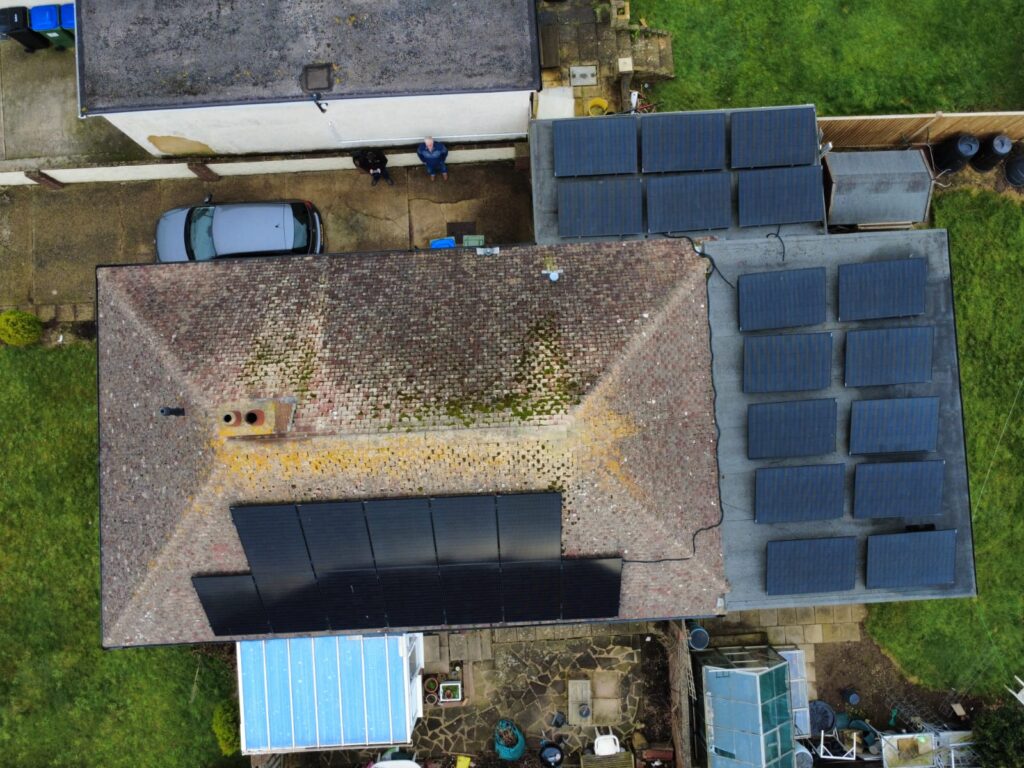
solar panels in bournemouth

Solar Performance in the UK Climate

The UK is not known for constant sunshine, yet solar panels remain highly effective across Dorset and beyond. This is because solar panels do not require direct sunlight to function. They generate electricity from daylight, including overcast conditions.

This is particularly relevant for north facing roofs, where much of the energy production comes from indirect light. While total output is lower, generation still occurs throughout the year.

Seasonal variation is also worth considering. During summer months, when daylight hours are longer and the sun sits higher in the sky, north facing panels may perform better than expected. In winter, output will naturally decrease, as it does for all solar installations.


When a North Facing Roof Can Still Be Viable

There are several situations where installing solar panels on a north facing roof can still make practical and financial sense.

Limited Roof Options

If your property only has usable roof space facing north, solar may still be preferable to having no system at all. Even reduced output can contribute to lowering electricity bills and improving energy independence.

High Energy Usage

Homes with higher daytime energy consumption can benefit from any level of solar generation. Even partial offsetting of grid electricity can lead to noticeable savings over time.

Modern Panel Technology

Premium solar panels from manufacturers such as SunPower or Panasonic are designed to perform efficiently even in lower light conditions. These can help maximise output from less favourable roof orientations.

Battery Storage Integration

Pairing solar panels with a battery system, such as those offered by Tesla or Growatt, allows homeowners to store excess energy and use it later. This can improve the overall value of a north facing installation.

Practical Solutions for North Facing Roofs

If you are considering solar panels in Dorchester or Dorset and your roof faces north, there are several strategies that can improve performance.

Tilt Mounting Systems

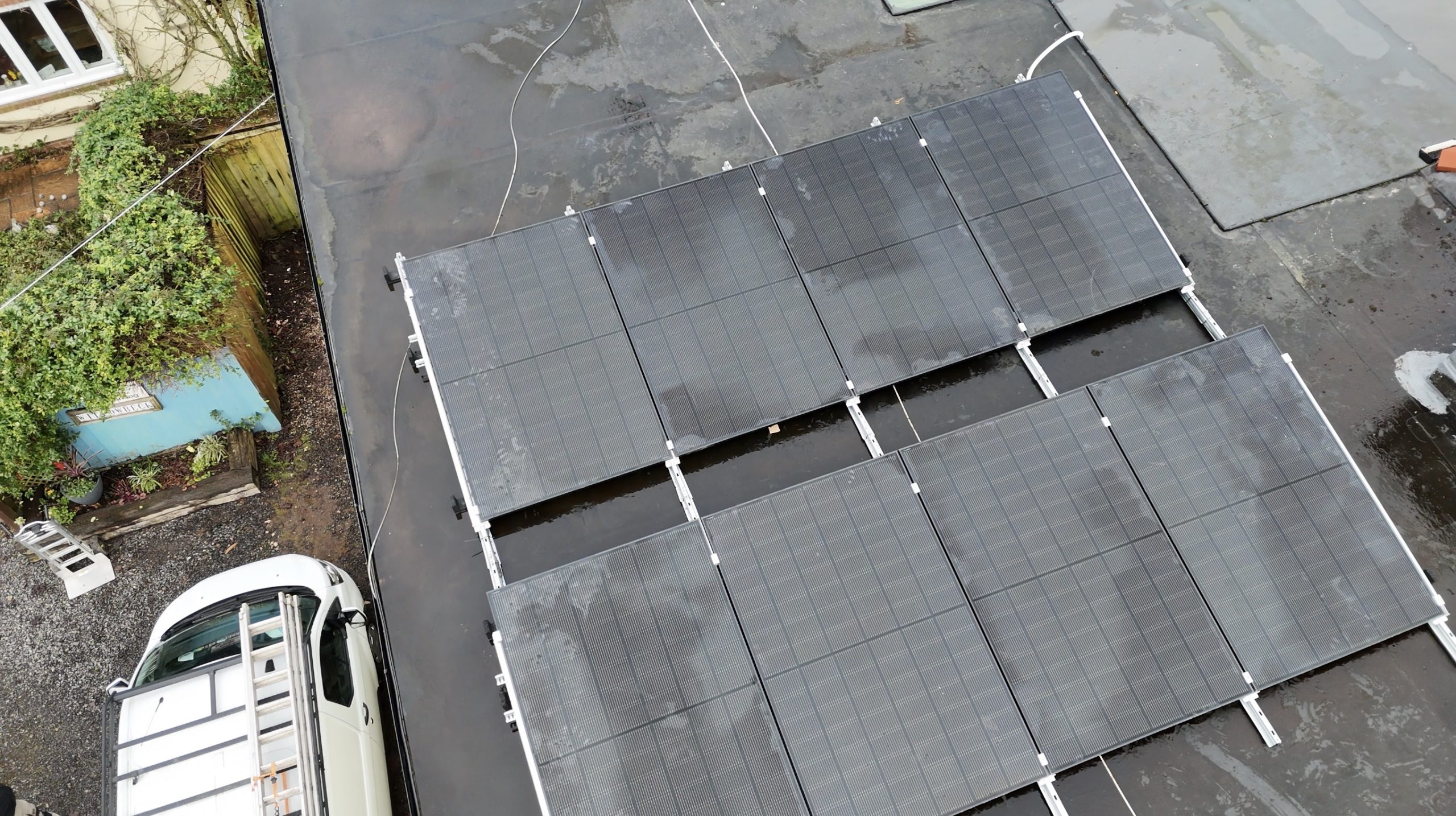
Tilt frames can angle solar panels towards the south, even when installed on a north facing roof. This can significantly improve energy capture, although it may add to installation costs and require additional structural consideration.

East West Split Systems

If your property has roof space on both east and west facing sides, a split system can provide a balanced generation profile throughout the day. This is often more effective than relying solely on a north facing surface.

Ground Mounted Solar Panels

For properties with sufficient outdoor space, ground mounted systems can be positioned at the optimal angle and direction. This is often the most efficient solution when roof orientation is not ideal.

Professional System Design

A tailored system designed by experienced installers is essential. Factors such as shading analysis, panel placement, and inverter selection can make a significant difference to overall performance.


Cost Versus Return on Investment

One of the most important considerations for any solar installation is the balance between cost and long term return.

With a north facing roof, the initial installation cost is broadly similar to other systems. However, the reduced energy output means the payback period may be longer.

That said, several factors can still make the investment worthwhile:

  • Rising electricity prices
  • Potential export payments for excess energy
  • Increased property value
  • Reduced carbon footprint

For many homeowners in Dorset, the environmental benefits alone are a compelling reason to proceed, even if financial returns are slightly lower.
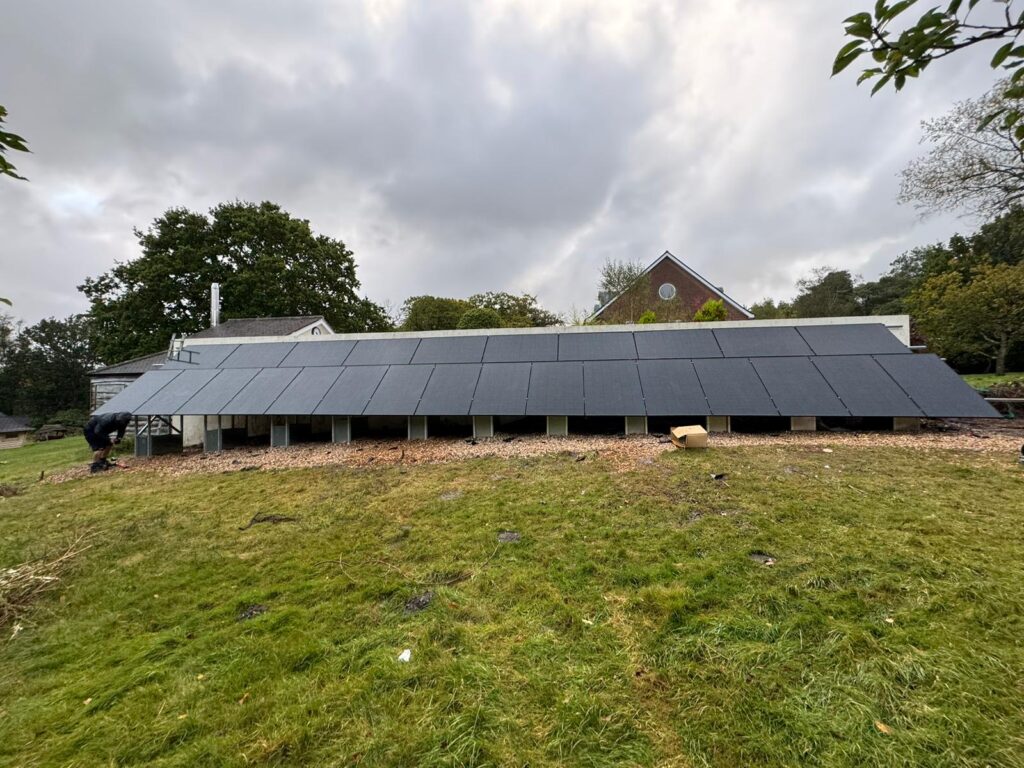
solar panel installation in poole

Is It Worth Installing Solar Panels on a North Facing Roof

The answer depends on your specific circumstances. While a north facing roof is not the ideal scenario, it does not automatically rule out solar panels.

With careful planning, high quality equipment, and expert installation, it is entirely possible to create a system that delivers meaningful energy savings.

The most reliable way to determine suitability is through a professional assessment. A detailed survey can evaluate your roof, energy usage, and potential output to provide clear guidance.


Frequently Asked Questions

Do solar panels work on north facing roofs in the UK?

Yes, they do work, but they produce less energy compared to south facing installations due to reduced direct sunlight.

How much efficiency is lost on a north facing roof?

Efficiency can drop by around thirty to fifty per cent depending on roof pitch, shading, and system design.

Can I improve performance on a north facing roof?

Yes, using tilt systems, high efficiency panels, or alternative installations such as ground mounted systems can help improve output.


Conclusion

Installing solar panels on a north facing roof is not the ideal scenario, but it is far from impossible. With modern technology and thoughtful system design, homeowners in Dorchester and across Dorset can still benefit from solar energy.

If you are considering solar panels and are unsure about your roof’s suitability, seeking expert advice is the best next step. A professional assessment can provide clarity, helping you make an informed decision based on your home and energy needs.

Error: Contact form not found.
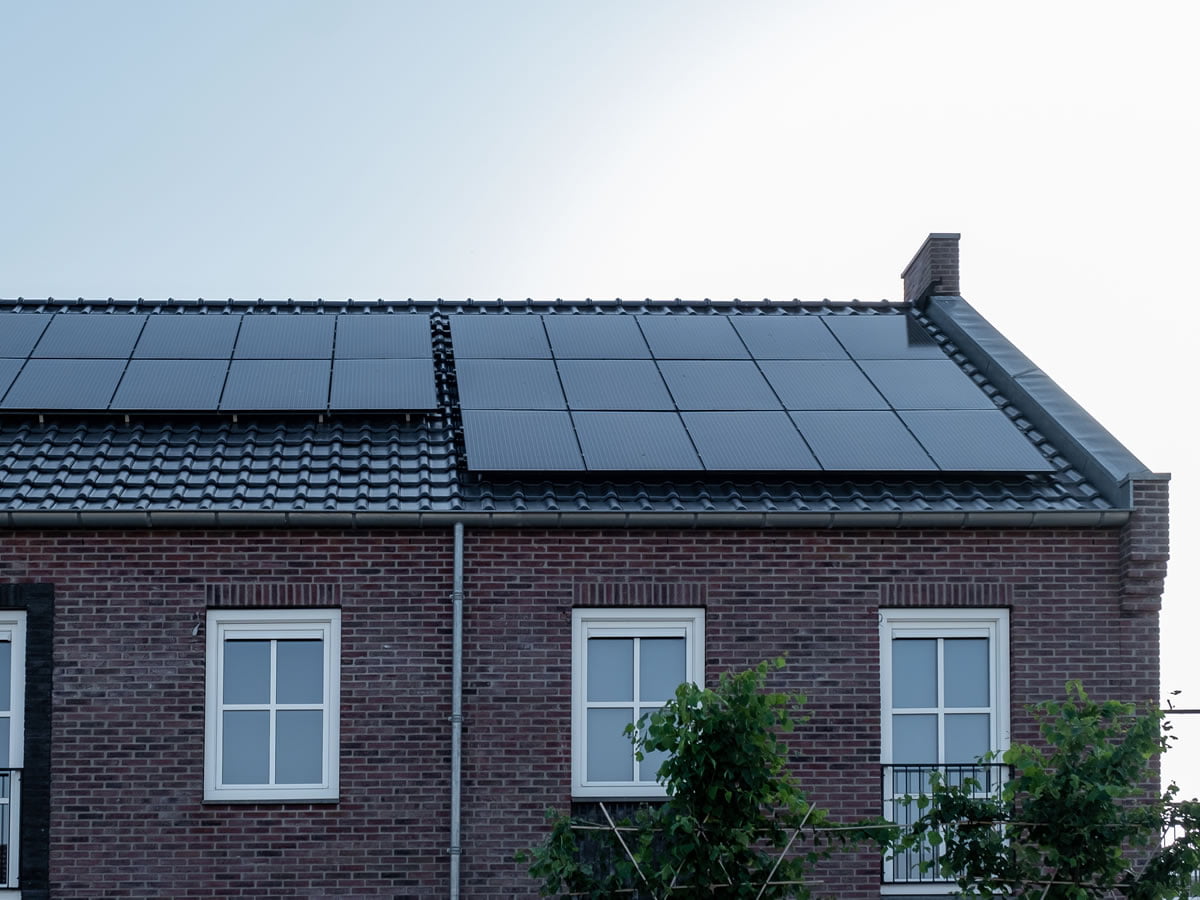
What Happens to Solar Panels After 25 Years?

Solar Panel Lifespan

Solar energy has become one of the most reliable and forward thinking investments for households and businesses across the United Kingdom. As more homeowners explore solar panels for your home, one question frequently arises. What happens to solar panels after 25 years?

Understanding the solar panel lifespan is essential when deciding whether to install home solar energy panels. Many people assume solar panels stop working after a couple of decades. In reality, modern solar technology is designed to perform efficiently for far longer than many expect.

For homeowners considering solar panels for home UK properties, the truth is reassuring. After 25 years, solar panels are rarely at the end of their life. Instead, they simply produce slightly less electricity than when they were first installed.


How Long Do Solar Panels Typically Last?

Most modern solar panels are designed to operate for between 25 and 30 years, although many continue producing electricity for far longer.

Manufacturers usually provide performance warranties that guarantee a certain level of output after 25 years. Typically, this warranty ensures the panel will still generate around 80 to 90 per cent of its original capacity.

Panels from trusted manufacturers such as Canadian Solar panels and Q Cells are well known for their durability and long term performance. These brands design solar modules that can withstand decades of exposure to weather, temperature changes, and environmental conditions.

This means that even after a quarter of a century, your home solar energy panels are still producing clean electricity for your property.


What Happens to Solar Panels After 25 Years?

After 25 years of operation, solar panels generally continue working but at a slightly reduced efficiency.

This gradual reduction is known as degradation. Solar panels lose a small percentage of their output each year. Most modern systems degrade at a rate of around 0.3 to 0.8 per cent annually.

In practical terms, this means that after 25 years a panel may still operate at roughly 85 per cent of its original output.

For homeowners this means

• Your solar system continues generating electricity
• Your energy bills remain lower
• Your system still contributes to reducing carbon emissions

Rather than suddenly failing, solar panels slowly decline in efficiency over a long period of time.


Do Solar Panels Stop Working After 25 Years?

A common misconception is that solar panels stop functioning entirely after 25 years. In reality, they continue producing electricity long after this point.

Many solar systems installed in the 1990s are still generating power today. While their output may be lower than when they were first installed, they remain perfectly functional.

This is why solar panel lifespan is often far longer than the warranty period suggests. Manufacturers provide conservative warranties to guarantee performance, not to mark the end of a system’s working life.

For homeowners researching how do solar power work, it is useful to understand that the photovoltaic cells inside the panels do not suddenly stop converting sunlight into electricity.

Instead, they gradually lose a small amount of efficiency each year.


What Causes Solar Panel Degradation?

Solar panels operate outdoors in all weather conditions, so gradual wear is inevitable. Several factors contribute to long term degradation.

Environmental exposure

Constant exposure to sunlight, wind, rain, and temperature changes slowly affects the materials inside the panel.

Thermal cycling

Solar panels expand and contract slightly as temperatures rise and fall. Over decades this can affect internal connections.

Ultraviolet radiation

Long term exposure to ultraviolet light can cause minor changes in the materials used in photovoltaic cells.

Despite these influences, modern manufacturing standards ensure degradation occurs very slowly.

Leading manufacturers such as Canadian Solar and Q Cells invest heavily in improving the durability of their solar modules.


The Role of Inverters and System Components

While solar panels themselves can last decades, other system components may need replacement sooner.

The solar inverter plays a vital role in converting electricity from the panels into usable power for your home.

Many systems use advanced inverter technology such as

• Fronius solar inverter systems
• Solar Edge inverters
• Enphase microinverters produced by Enphase Energy

These components typically last between 10 and 15 years. Replacing an inverter during the life of a solar system is normal and ensures your panels continue operating efficiently.

Modern systems using Enphase or Solar Edge technology often provide detailed monitoring so homeowners can track performance and identify issues quickly.


Can Solar Panels Last Longer Than 25 Years?

Yes. In many cases solar panels continue working for 30 years or more.

Several factors influence how long a solar system performs effectively

• Quality of the panels installed
• Professional installation standards
• Proper inverter configuration
• Minimal shading on the system
• Occasional maintenance and inspection

Panels from reputable manufacturers such as Canadian Solar panels and Q Cells are specifically designed for long term reliability.

A well designed solar system installed by experienced professionals can remain productive for decades.


Solar Batteries and Long Term Energy Storage

As solar technology evolves, battery storage is becoming increasingly popular among homeowners.

A Growatt battery allows households to store surplus electricity generated during the day for use in the evening. This improves energy independence and increases the overall efficiency of a solar installation.

Pairing solar panels with battery systems means your property can benefit from clean energy even after sunset.

Battery systems do not affect the solar panel lifespan itself, but they significantly improve how effectively you use the electricity your panels generate.


Are Solar Panels Still Worth Installing Today?

Even when considering the solar panel lifespan, installing solar panels remains one of the most effective ways to reduce energy costs and carbon emissions.

Solar energy systems offer several advantages

• Reduced electricity bills
• Long term energy security
• Lower environmental impact
• Increased property value
• Protection against rising energy prices

Both homeowners and businesses are now exploring solar panels for your home and business solar panel systems to protect themselves from volatile energy markets.

In areas such as Dorchester, Bournemouth, Poole and Christchurch, solar adoption continues to grow rapidly as residents seek sustainable energy solutions.

Solar Panels for Homes and Businesses in Dorset

Across Dorset, interest in solar panels for home UK properties has increased dramatically in recent years.

Homeowners are installing solar panels for your home to take advantage of abundant daylight and rising electricity prices.

At the same time, commercial property owners are exploring business solar panel installations to reduce operational costs and improve sustainability credentials.

For both domestic and commercial systems, understanding solar panel lifespan helps demonstrate that solar power remains a reliable long term investment.

Conclusion

When people first consider installing solar panels, the question of longevity naturally arises. Fortunately, modern solar technology is built with durability in mind.

After 25 years, solar panels are rarely nearing the end of their life. Instead, they continue producing clean electricity while helping households reduce energy bills and environmental impact.

With trusted technology from manufacturers such as Canadian Solar, Q Cells, Enphase Energy, and Solar Edge, today’s solar systems are designed to provide decades of reliable performance.

For homeowners and businesses across Dorchester, Bournemouth, Poole and Christchurch, solar energy represents a long term investment in sustainability, financial stability, and energy independence.

If you are considering solar panels for your home or exploring options for a business solar panel installation, the experienced team at My Home Solar can help.

Contact My Home Solar today to arrange a free consultation and discover how a professionally designed solar system could transform your energy future.

Error: Contact form not found.
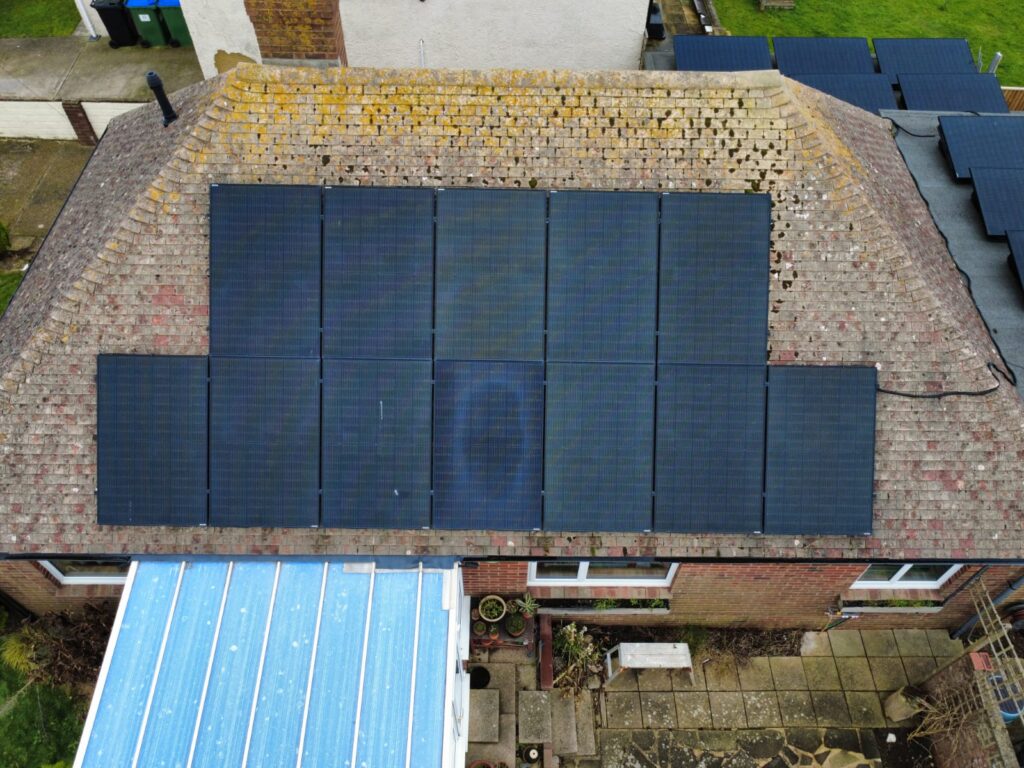
Will Solar Panels Help Improve My EPC Rating

Many homeowners across Dorset are becoming increasingly interested in improving the energy efficiency of their properties. Rising energy costs, environmental concerns and changes to property regulations have all brought Energy Performance Certificates into sharper focus. A common question asked by homeowners exploring renewable energy is whether installing solar panels will improve their EPC rating.

The short answer is that solar panels can contribute to a better EPC score. However, the relationship between solar energy and an EPC rating is not always straightforward. The overall efficiency of a home depends on many factors, including insulation, heating systems and the general construction of the building.

For homeowners in Dorchester and surrounding areas such as Bournemouth, Poole and Christchurch, solar panels offer a practical route towards reducing energy consumption and improving the long term sustainability of a property. In this article we will explore how EPC ratings work, how solar panels can influence them and what homeowners should realistically expect.


What Is an EPC Rating

An EPC rating, or Energy Performance Certificate, measures the energy efficiency of a property. Every home in the United Kingdom is given a rating from A to G, with A representing the most energy efficient properties and G representing the least efficient.

The certificate provides an estimate of how much it will cost to heat and power a property, alongside recommendations for improving efficiency. EPC ratings are important when selling or renting a home and they are becoming increasingly significant as the United Kingdom moves towards more energy efficient housing.

An EPC assessment considers several factors. These include insulation levels, heating systems, glazing, lighting and the presence of renewable energy technologies. The results are presented in a clear report which shows both the current energy efficiency rating and the potential rating if improvements are made.

Improving an EPC rating can make a property more attractive to buyers, reduce energy bills and contribute to lower carbon emissions. This is one of the reasons many homeowners begin researching solar panels when looking for ways to improve their energy efficiency rating.


How Solar Panels Affect Your EPC Rating

Solar panels can positively influence an EPC rating because they generate electricity from renewable energy. During an EPC assessment the presence of solar photovoltaic systems is taken into account as part of the property’s overall energy performance.

Electricity produced by solar panels reduces the amount of energy that needs to be purchased from the national grid. This reduction in energy consumption can improve the efficiency score assigned to the property.

However it is important to understand that solar panels are only one part of the assessment. A property with poor insulation or inefficient heating may not see a dramatic improvement in its EPC rating simply by installing solar panels. The assessment looks at the entire building and how efficiently it uses energy.

In practice many homeowners find that solar panels contribute positively to their EPC score when combined with other energy efficiency improvements such as improved insulation or modern heating systems.


Can Solar Panels Move Your Home Into a Higher EPC Band

Solar panels can sometimes help move a property into a higher EPC band. The extent of the improvement depends on several variables including the size of the solar installation, the property’s existing energy performance and the amount of electricity generated.

Homes that sit near the top of their current EPC band may see the most noticeable improvement. For example a property rated at the upper end of band D may move into band C once solar panels are installed and properly recorded in the EPC assessment.

Other factors also play a role. The orientation of the roof, the size of the solar array and the energy demands of the household can all influence the final outcome. Because every property is unique the precise improvement cannot be guaranteed without a professional assessment.

Homeowners considering solar panels in Dorset often view EPC improvement as one benefit among several rather than the sole reason for installing solar energy.


Do Solar Batteries Improve EPC Ratings

Battery storage has become an increasingly popular addition to modern solar systems. A solar battery stores excess electricity produced during the day so that it can be used later in the evening or during periods of low sunlight.

Systems such as Tesla solar panels paired with battery storage or installations that use a Qcell battery can significantly improve the way a household uses its solar generated electricity. By storing surplus energy homeowners can rely less on electricity from the grid.

While batteries can enhance overall energy efficiency, their effect on an EPC rating can vary depending on how the assessment is conducted and how the system is documented within the EPC calculation. In many cases the primary contribution to the EPC score still comes from the solar panels themselves.

Nevertheless battery storage can increase the practical efficiency of a home by maximising the use of renewable electricity. This can lead to lower energy bills and greater independence from fluctuating energy prices.


Other Benefits of Installing Solar Panels

Improving an EPC rating is only one of the advantages associated with solar energy. Many homeowners across Bournemouth, Poole and Christchurch are installing solar panels primarily to reduce energy costs and increase long term energy security.

Solar panels allow households to generate their own electricity directly from sunlight. Over time this can significantly reduce reliance on the national grid and help protect homeowners from rising energy prices.

Solar technology also plays an important role in reducing carbon emissions. By producing clean renewable electricity solar panels help households reduce their environmental impact and contribute to wider efforts to address climate change.

Another often overlooked benefit is property appeal. Homes with renewable energy systems can be attractive to environmentally conscious buyers and may stand out in a competitive property market. A strong energy efficiency rating combined with solar panels can demonstrate that a home is modern, efficient and forward thinking.

Solar energy is also relevant for businesses. Many commercial solar installations across Dorset are helping companies reduce operational costs and demonstrate environmental responsibility. Although this article focuses on residential properties the same principles apply to commercial buildings seeking improved energy performance.

panasonic evervolt

Why Choose a Local Solar Installer in Dorset

Choosing the right installer is an essential part of any solar project. Working with a local company offers several advantages for homeowners searching for solar companies near me.

A local installer understands the specific conditions of the region including planning considerations, roof types and local energy usage patterns. This knowledge allows them to design solar systems that perform effectively in the Dorset climate.

My Home Solar has developed a strong reputation for helping homeowners across Dorchester and the wider county navigate the process of installing solar panels. From initial consultation through to installation and aftercare the focus remains on providing clear guidance and reliable workmanship.

Every property is different and a thoughtful approach ensures that each solar system is tailored to the needs of the household. Whether the goal is reducing energy bills, improving sustainability or enhancing energy efficiency ratings, expert advice can make a significant difference.


Conclusion

Solar panels can play an important role in improving the energy efficiency of a home and they may contribute to a higher EPC rating. However the exact impact depends on several factors including the property’s existing efficiency, insulation levels and the size of the solar installation.

For many homeowners the greatest benefit of solar panels lies in the combination of advantages they provide. Reduced energy bills, lower carbon emissions and greater energy independence all contribute to the long term value of the investment.

If you are considering solar panels in Dorchester or nearby areas such as Bournemouth, Poole or Christchurch, speaking with experienced professionals can help you understand the options available. The team at My Home Solar is always happy to provide guidance and help homeowners explore the most suitable solar solutions for their property.

Error: Contact form not found.