Can I Pair a Second Battery With My Existing Solar System in Future?

As more homeowners across the UK invest in solar panels for their home, many are asking an important question. Can I add a second battery to my solar system in the future?

The short answer is yes, in many cases it is absolutely possible. However, the full answer depends on how your system was designed, the type of inverter you have, and the battery technology involved. Understanding these factors early can help you make smarter decisions and avoid costly limitations later on.

In this guide, we will explain how solar battery expansion works, what to consider before adding another battery, and how to future proof your home solar energy panels from day one.


How Do Solar Power Work With Batteries?

To understand battery expansion, it helps to know how do solar power work in the first place.

Solar panels for home UK systems generate electricity during daylight hours. This energy is first used to power your home. Any excess electricity can either be exported back to the grid or stored in a solar battery for use later in the day.

A battery allows you to use more of your own solar energy in the evening, reducing reliance on the grid and lowering energy bills. Adding a second battery simply increases the amount of energy you can store, rather like adding an extra water tank to collect rain.


Can You Add a Second Battery Later On?

In many cases, yes. Most modern solar systems are designed with future expansion in mind, especially when paired with reputable equipment such as Enphase Energy, SolarEdge, Growatt battery systems, or a Fronius solar inverter.

However, not all systems are created equal. Some older or more basic installations may have limits on how many batteries they can support. This is why system design at the outset is so important.


The Role of Your Inverter

Your inverter plays a central role in whether battery expansion is possible.

Hybrid Inverters

Hybrid inverters are designed to work with batteries from the start. If your system uses a hybrid inverter, adding a second battery is often straightforward, provided the inverter has sufficient capacity.

AC Coupled Systems

Systems such as Enphase use AC coupled batteries, which are often more flexible. These systems can make it easier to add additional storage later, even if the original system did not include a battery.

Brand Compatibility

Some inverters only work with specific batteries. For example, a Growatt battery typically pairs best with Growatt inverters, while Enphase Energy systems use their own battery technology. SolarEdge systems also have specific compatibility requirements.

Battery Brand and Technology Considerations

When planning future expansion, battery brand matters.

Mixing different battery brands is not always recommended, as differences in charging behaviour and software can cause inefficiencies. Ideally, any second battery should match the original battery model.

Popular options such as Growatt battery systems and Enphase batteries are modular by design, meaning they are built to scale over time. This makes them particularly attractive for homeowners who want flexibility.

What About Solar Panels?

The number and type of solar panels for your home also influence battery expansion.

Panels from manufacturers such as Canadian Solar panels and Q Cells are highly efficient and reliable. If your existing solar panels are already producing more energy than you use during the day, adding extra battery storage can help you capture and use more of that surplus.

If not, you may need to consider whether your system should be expanded with additional panels as well.

Costs and Practical Planning

Adding a second battery is usually more cost effective than installing two batteries at once, as it allows you to spread the investment over time.

Costs vary depending on capacity, brand, and installation requirements. It is also important to consider space, ventilation, and electrical capacity within your property.

For some homeowners and even those considering a business solar panel system, gradual expansion offers a sensible balance between affordability and long term savings.


Future Proofing Your Solar System

If you are installing solar panels for home UK use now, future proofing is key.

This includes choosing an inverter that supports expansion, selecting modular battery systems, and working with installers who design systems with growth in mind. Brands such as Canadian Solar, Enphase, SolarEdge, and Q Cells are well regarded for long term performance and compatibility.


Frequently Asked Questions

Can I add a second battery years after installation?

Yes, provided your inverter and system design allow it. Many homeowners add batteries several years later as energy needs increase.

Do both batteries need to be the same brand?

In most cases, yes. Using the same brand ensures compatibility and efficient charging behaviour.

Will adding another battery increase my savings?

It can. A second battery allows you to store more excess solar energy, reducing grid usage and improving self consumption.


A Sensible Next Step

Every solar system is unique. Whether you already have home solar energy panels installed or are planning a new system, understanding your options early can make all the difference.

If you are unsure whether your current setup can support an additional battery in the future, a professional review can provide clarity and peace of mind. Friendly advice today can help ensure your solar investment continues to work for you for many years to come.

Error: Contact form not found.
What happens to my solar panels if I move house?

Moving house can feel overwhelming. There are forms to complete, decisions to make and deadlines to meet. If you already have solar panels for your home, one common question often comes up early.

What actually happens to your solar panels when you move house?

Across the UK, more homeowners are choosing home solar energy panels. In places like Dorset and along the South Coast, solar power is now a familiar feature on many rooftops. If you are planning a move, understanding your options can help you feel prepared and in control.


Do solar panels stay with the house?

In most cases, solar panels stay with the property. They are usually treated as a permanent fixture, similar to fitted appliances or heating systems.

If you own the system outright, it is normally included in the sale. Many buyers now expect solar panels for home UK properties and see them as a benefit rather than a concern.

Systems using recognised equipment such as Enphase Energy microinverters, a Fronius solar inverter or Canadian Solar panels often give buyers extra confidence.


Can solar panels make your home more attractive to buyers?

Solar panels may not always increase the asking price, but they can make a home easier to sell. Buyers are becoming more aware of energy costs and long term savings.

Solar panels for your home can help reduce electricity bills. They also suggest the property has been well looked after. A system that includes a Growatt battery or quality brands like Q Cells or Solar Edge can feel like a valuable addition.

On the South Coast, where sunlight levels are strong, this can be especially appealing.


Info Box

What happens to warranties when you move?
If the solar system is owned outright, most warranties transfer to the new homeowner. This includes product warranties for Canadian Solar panels, Q Cells modules and inverter warranties such as those covering a Fronius solar inverter.
If your system is financed or part of a loan agreement, this must be declared during the sale. These arrangements can usually be transferred or settled, but early advice is important.

Info Box

Will buyers understand how the system works?
Many buyers ask simple questions, such as how do solar power work or how much electricity the system produces. This is completely normal.
Providing clear paperwork helps reassure buyers. This can include:
Installation certificates
Warranty documents
Monitoring access details
A short explanation of how the system works
Systems with Enphase Energy monitoring make it easy to show performance and savings.

Info Box

What happens to warranties when you move?
If the solar system is owned outright, most warranties transfer to the new homeowner. This includes product warranties for Canadian Solar panels, Q Cells modules and inverter warranties such as those covering a Fronius solar inverter.
If your system is financed or part of a loan agreement, this must be declared during the sale. These arrangements can usually be transferred or settled, but early advice is important.

Should you leave the system or remove it?

For most homeowners, leaving the system in place is the best option. Removing solar panels often costs more than installing a new system later.

If you are moving within Dorset or elsewhere in the UK and still want solar at your next home, a fresh installation designed for that property usually makes more sense. Solar technology continues to improve, and newer systems may offer better efficiency and battery options.

panasonic evervolt

Frequently asked questions

Do I need to tell my solicitor about solar panels?

Yes. Solar panels should always be declared during the conveyancing process, including any finance agreements.

Can solar panels put buyers off?

This is very rare. Most buyers now see solar panels as a positive feature.

What if my solar panels are older?

Older systems can still add value, especially if they use trusted brands such as Canadian Solar panels or a Fronius solar inverter.

Can new owners upgrade the system later?

Yes. New owners can add batteries, replace inverters or improve monitoring without changing the entire system.


Final thoughts

Solar panels are now a normal part of modern homes. When you move house, they are usually an advantage rather than a complication.

Whether your system includes a Growatt battery, Enphase microinverters or panels from Q Cells or Canadian Solar, good advice makes the process easier and smoother.

If you are unsure what to do with your solar panels, My Home Solar can help. We offer a free quote and a free solar assessment, tailored to your home and your plans.

Get in touch today for clear, honest advice anywhere in the UK, including Dorset and the South Coast.

Error: Contact form not found.

Do Solar Panels Pair Well with Air Source Heat Pumps in Dorset Homes

Household Emissions

Across Dorset and the wider South Coast, homeowners are becoming increasingly interested in renewable energy solutions that can reduce running costs while also lowering household emissions. Two of the most popular technologies are solar panels and air source heat pumps. Many homeowners wonder whether these systems work well together and whether they are truly suited to the Dorset climate. The short answer is that they are not only compatible but often remarkably effective when combined. When supported by modern equipment such as solar battery storage and high-efficiency inverters, the combination becomes a powerful and practical way to supply home energy.

This guide explores how solar panels and air source heat pumps function, how they complement one another, what homeowners can realistically expect in Dorset and across the United Kingdom, and which technologies can enhance the overall performance of the system. It also considers energy behaviour, savings potential and the growing role of trusted suppliers such as My Home Solar.


Understanding How Solar Panels Work

Many homeowners searching for solar panels for your home or home solar energy panels in the United Kingdom begin with a simple question: how do solar power work. The principle is remarkably elegant. Photovoltaic cells absorb sunlight and convert that light into direct current electricity. This electricity travels to an inverter which converts it into alternating current for use within the home. Surplus energy can be stored in a solar battery or exported to the grid.

Brands such as Canadian Solar, Q Cells and Canadian Solar panels have become well known for their reliability and efficiency. Inverters from companies such as SolarEdge and the Fronius solar inverter range also play an essential role by ensuring that the energy captured from the roof is translated into high quality household power.

The climate in Dorset and along the South Coast is well suited to solar generation. With a mild maritime climate and generous daylight hours across spring, summer and early autumn, solar panels for home UK installations generally perform better here than in many inland regions.


How Air Source Heat Pumps Operate

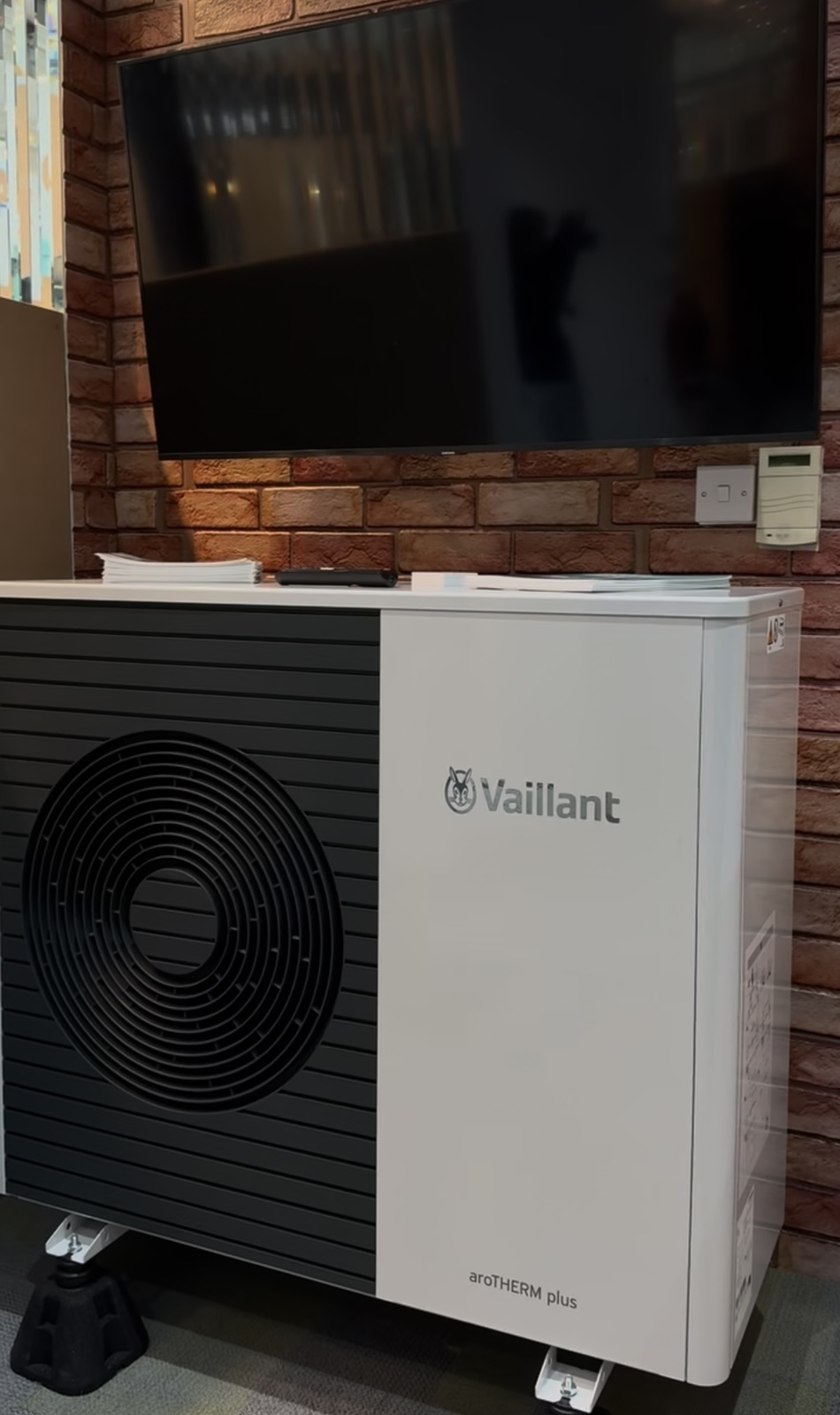
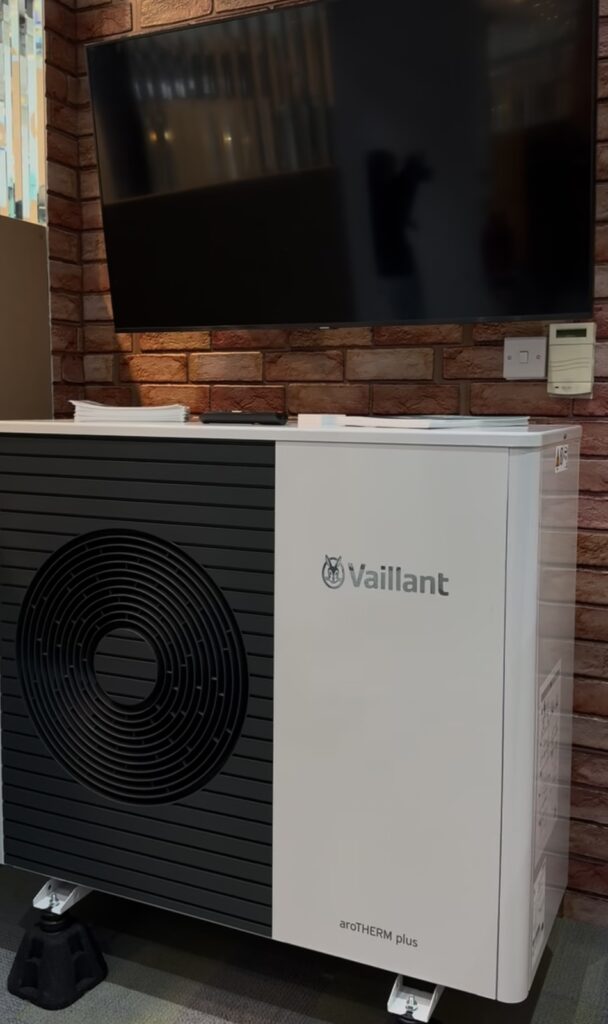
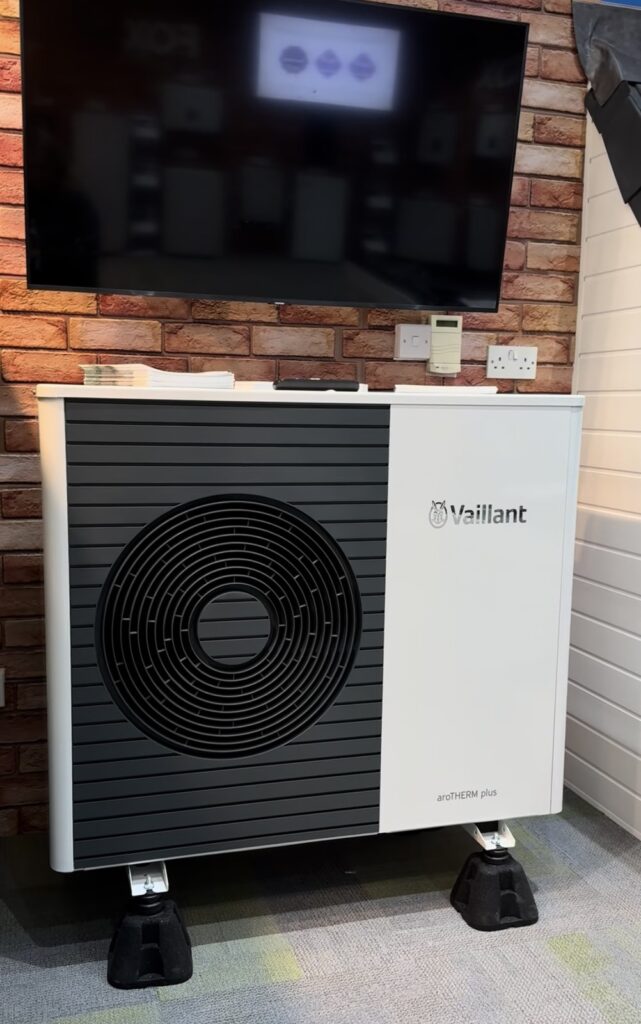
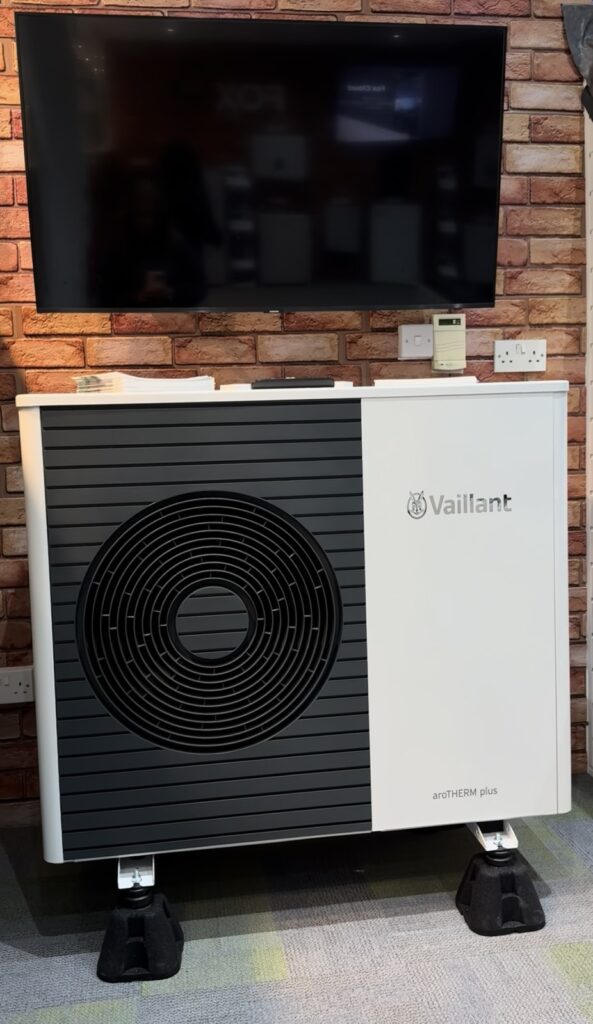
Air source heat pumps are increasingly common in Dorset as homeowners seek alternatives to traditional fossil-fuel heating systems. Although they appear complex, they operate on a straightforward principle. The unit absorbs heat from the outside air and concentrates it using a refrigerant cycle. The generated warmth is then distributed through radiators, underfloor heating or a hot water cylinder.

This system performs well in the South Coast’s relatively mild climate. Air source heat pumps Dorset installations continue to produce heat even on cold days and modern models are engineered to operate efficiently throughout the year. Although electricity is required to run the pump, the amount consumed is usually far lower than the volume of heat produced. The result is lower heat pump running costs when compared with older forms of heating.


Why Solar Panels and Heat Pumps Work So Well Together

When homeowners first begin researching renewable energy Dorset options, they often explore solar panels first, then later consider heat pumps. Yet the real magic happens when the two are used together.

Air source heat pumps, although efficient, draw electricity throughout the day. Solar panels generate electricity throughout daylight hours. The natural overlap means that the energy absorbed by the solar panels can be used directly by the heat pump. This reduces grid dependence and allows homeowners to capture even greater financial savings.

Homeowners who install solar battery storage enjoy an even more significant advantage. A battery, whether a Growatt battery or a system supplied by Enphase Energy, stores unused solar electricity for use later in the day or at night. This allows the heat pump to run on self-generated electricity even when the sun is not shining.

Because Dorset enjoys a relatively temperate climate, both systems tend to perform smoothly. The reduced need for constant high-output heating allows the heat pump to operate with lower strain and higher efficiency. Meanwhile the generous daylight conditions along the South Coast increase solar production levels for much of the year.


The Importance of Battery Storage and Modern Technology

Modern solar installations in Dorset frequently include advanced batteries, optimised inverters and smart energy management systems. These technologies improve performance and increase the percentage of solar energy used within the home.

For example, an Enphase microinverter system allows each solar panel to perform independently. This is helpful on homes where one part of the roof might receive slightly less sunlight. A SolarEdge system provides real time optimisation to ensure high efficiency across all panels. A Growatt battery or an Enphase battery can significantly increase self consumption by storing excess electricity for the evening.

Q Cells and Canadian Solar panels are known for their consistent performance in varied light conditions, which is especially useful during the softer daylight of autumn and early spring. When combined with a reliable Fronius solar inverter, the system functions with remarkable stability.

For homeowners running a business from home, or for those who own business solar panel systems, these improvements can provide measurable financial advantages.


Will Solar Panels and Heat Pumps Work Well

Yes, although performance naturally varies with regional climate. Dorset and the South Coast enjoy some of the best conditions for renewable energy in the country, yet solar panels for home UK systems still perform strongly across many regions. Heat pumps remain efficient even in colder conditions and continue to operate effectively throughout the year. However, households in coastal regions such as Dorset are particularly well placed to gain maximum benefit from the combination.


Frequently Asked Questions

Do solar panels produce enough energy in winter
Yes, although generation is lower in winter, modern equipment from companies such as Q Cells, Canadian Solar and SolarEdge is designed to perform well in softer light. With a battery, winter performance improves even further.

Will a heat pump work on very cold days
Air source heat pumps can operate effectively even when the temperature is close to freezing. Dorset’s mild climate supports consistent performance.

Is a battery essential
A battery is not required, but it significantly increases the usefulness of solar panels, particularly when supplying electricity to a heat pump. A Growatt battery or an Enphase system can store energy for use later in the day.

Are the two technologies expensive to install
They do require an initial investment, yet the long term reduction in running costs can be considerable. Many households also value the reduction in reliance on the grid.

Can businesses use these systems
Yes. Business solar panel installations are becoming increasingly common and can also support heat pump use.


A Gentle Conclusion

Solar panels and air source heat pumps complement one another beautifully and offer a compelling renewable energy solution for homes across Dorset and the wider South Coast. When paired with reliable products such as Canadian Solar panels, Q Cells, a SolarEdge or Fronius solar inverter and a Growatt battery or Enphase Energy system, the result is a highly efficient, low carbon home that supports the comfort and wellbeing of the people who live there. These systems create a sense of energy independence that many homeowners greatly value.

If you are exploring renewable energy Dorset options and would like friendly guidance tailored to your home, My Home Solar is always ready to offer clear advice and practical insight to help you make an informed choice.

Error: Contact form not found.
Do I need a smart meter to get the best benefit from solar panels

Introduction

For many households across Dorset and the wider South Coast, the growing interest in clean energy has encouraged a thoughtful look at how solar panels for your home fit within everyday life. One question that often arises is whether a smart meter is necessary in order to gain the best results from home solar energy panels. As solar technology develops, and as systems such as the Growatt battery, Enphase Energy devices, Solar Edge, Q Cells, Canadian Solar panels and the Fronius solar inverter become more familiar, it is natural to wonder how everything connects. At the centre of this sits the simple but important question: does a smart meter genuinely improve the benefit you receive from your solar panels, or does the system work perfectly well without one

This article explores that question in detail. It explains how smart meters operate, the extent to which they interact with solar systems, the advantages they may offer, and the situations in which they make little difference. The aim is to provide a clear and balanced perspective that will allow Dorset and South Coast homeowners and small businesses to make informed decisions.

solar panels in bournemouth

How smart meters work

Smart meters are devices that record your electricity use and send the information automatically to your supplier. They provide near real time data, allowing you to see what you are using and when you are using it. Unlike older meters, they do not require manual readings. They make it much easier to understand patterns in your energy consumption and they support billing that reflects your true usage rather than an estimate.

A commonly asked question is how do solar power work alongside a smart meter. In simple terms, your solar panels create electricity, which is used within your property first. Anything you do not use is exported to the grid. A smart meter helps to measure both the electricity that comes in from the grid and the electricity that you send back out. It does not control your solar panels, but it does provide a clear record of your import and export activity.

panasonic evervolt solar poole

How smart meters interact with solar panels

Smart meters and solar panels work together in a fairly straightforward way. The meter does not enhance the generation of power, nor does it replace an inverter or a monitoring system. Instead, it measures energy flows accurately. For many people, the monitoring systems provided by modern solar brands such as Enphase, Solar Edge, Q Cells, Canadian Solar or the Fronius solar inverter already give more detailed insights into solar generation than a smart meter ever could. These systems show generation, battery behaviour, consumption and the performance of individual panels.

What the smart meter adds is clarity about how much electricity is imported from or exported to the grid. This can be helpful if you wish to understand the true split between what you use and what you generate. It also allows your energy supplier to measure export accurately, which is valuable if you wish to take part in export programmes.

Do you need a smart meter to benefit from solar panels

The short answer is no. You do not need a smart meter in order to gain the full functional benefit of solar panels. Your panels will generate the same amount of electricity with or without one. Your inverter will work exactly as it always has. Systems such as Growatt battery storage or Enphase batteries will charge and discharge normally. Smart meters do not influence how much energy you create.

However, the longer and more nuanced answer is that while smart meters are not essential, they can be helpful in certain situations. Homeowners in Dorset and the South Coast have found them useful when they wish to monitor imports and exports with greater precision. They are also helpful for anyone who intends to use a time of use tariff or who wishes to explore smart export programmes.

JinkoSolar Cheetah Solar Panel

When a smart meter is especially useful

Accurate export measurement

If you want to be paid accurately for the electricity you export, a smart meter is a convenient way to ensure that your export readings are correct. The readings are sent automatically, which removes the need for estimated figures or manual export declarations.

Time of use tariffs

Some households benefit from tariffs where the price of electricity varies throughout the day. If you have a battery, such as a Growatt battery, you may decide to charge during lower priced periods and discharge later. A smart meter is necessary for any tariff that has different prices at different times of day.

Close tracking of energy behaviour

Although solar monitoring systems give excellent insight into solar activity, smart meters give a clear picture of the relationship between your solar generation and your grid usage. This can be helpful as you learn to shape your habits around times of high solar generation.

Business solar panel usage

Small commercial properties across Dorset sometimes use solar panels to settle daytime energy loads. A smart meter allows clearer tracking of both usage and export in a commercial setting, which can make financial accounting easier.

Canadian Solar inverter 5-20 kw

When a smart meter makes little difference

You do not use a time of use tariff

If you remain on a standard tariff, the smart meter does not change the cost of electricity. Your solar panels will still reduce your grid usage in the same way.

You use your inverter monitoring system for insights

Systems like Enphase Energy, Solar Edge, Q Cells, Canadian Solar panels and the Fronius solar inverter already offer highly detailed monitoring. For many households, this level of information is more than sufficient.

You simply want to generate your own energy

If your goal is to reduce your carbon footprint or to use clean energy produced on your own roof, a smart meter does not change the effectiveness of your solar array.


Conclusion

A smart meter is not required in order to gain the main benefits of solar panels. Your solar system will generate, store and supply energy exactly as intended, regardless of whether a smart meter is present. However, for households and businesses in Dorset and the South Coast that value precise export tracking, time of use tariffs or deeper insights into their grid usage, a smart meter can serve as a helpful companion.

It is best understood as a tool for measurement, not a device that amplifies the performance of the solar array. With or without it, systems such as Growatt battery storage, Enphase, and the Fronius solar inverter will operate as normal. The choice ultimately depends on how closely you wish to track your energy activity and whether your tariff requires one.

Error: Contact form not found.