How Many Battery Units Can Be Stacked or Scaled?

Renewable Energy

As renewable energy becomes more mainstream, one of the biggest questions homeowners and businesses ask is: How many battery units can I actually stack or scale? With solar adoption rising across the UK, the ability to store more clean energy for later use is an attractive feature. Whether you’re considering a Growatt battery vs Tesla Powerwall, a Panasonic EverVolt, or the latest SunPower Maxeon 7 panels paired with storage, the concept of scaling batteries is crucial for energy independence.

In this article, we’ll break down what battery stacking means, the limitations, the benefits, and how different systems compare — all while helping you see why turning to My Home Solar Dorchester could be your smartest next step.
panasonic evervolt solar poole

Understanding Battery Stacking and Scaling

Battery stacking (sometimes called daisy-chaining) refers to connecting multiple battery units together to expand storage capacity. Instead of relying on a single battery to store all your solar energy, you can scale up by adding additional units.

For example, a single residential battery might hold between 5–13.5 kWh of usable capacity. But if your household uses more energy, especially during evenings or cloudy days, one unit won’t cut it. By stacking two, three, or more units, you can store much more energy, ensuring that your home has reliable power.

Scaling is essentially the same principle, but often used in commercial contexts — where businesses add large battery banks to handle high demands and back up critical systems.


Technical Limitations: How Many Can You Really Stack?

When it comes to how many batteries can be stacked, it depends on several factors:

1. Manufacturer Guidelines

Different brands have different stacking capacities. For instance:

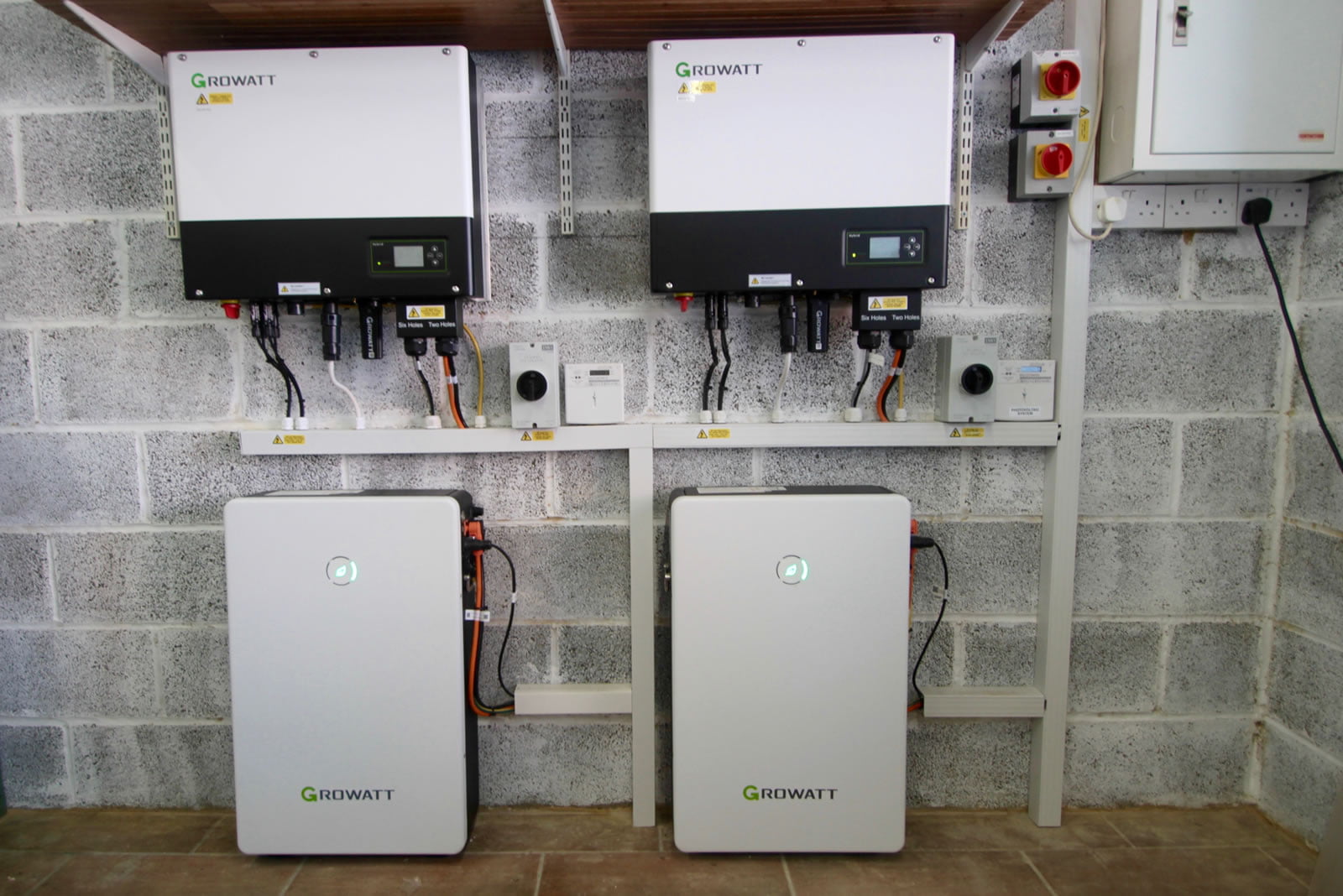
  • Growatt batteries are modular, allowing multiple units to be combined depending on the model and inverter pairing.
  • Tesla Powerwall systems can connect up to 10 Powerwalls, which is ideal for larger households or businesses.
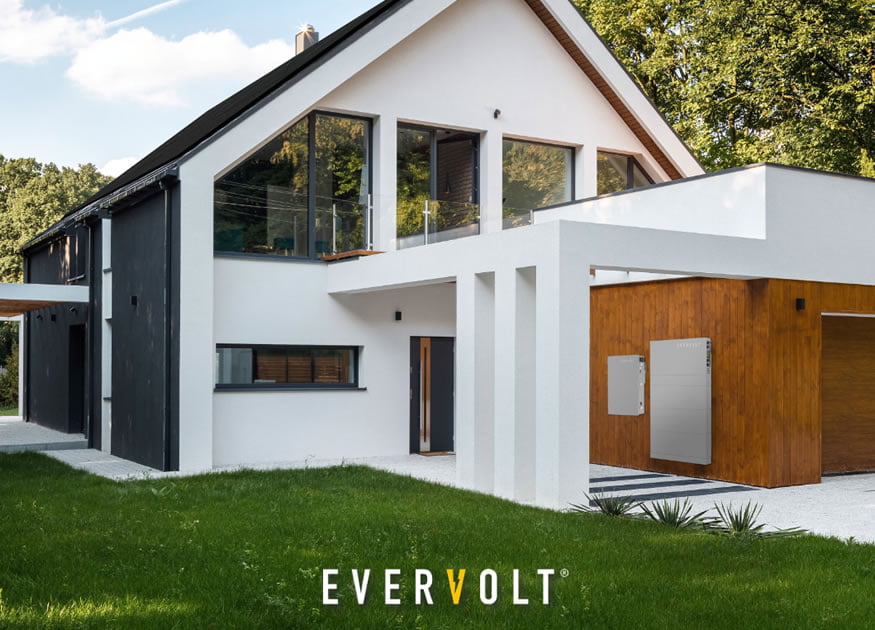
  • Panasonic EverVolt batteries are designed to scale with both AC and DC configurations, giving flexibility to homeowners.

2. Inverter Compatibility

Your inverter is the “brain” of your solar-plus-battery setup. It determines how much energy can be processed at once. If the inverter can’t handle the load from multiple stacked batteries, your system won’t run efficiently.

3. Safety Standards

Battery systems must comply with strict fire safety, ventilation, and installation guidelines. Overloading beyond manufacturer recommendations isn’t just risky — it could void warranties.

4. Space and Power Requirements

A single battery may not take up much room, but once you start stacking, physical space and ventilation requirements become important considerations. Commercial setups may dedicate entire rooms to battery banks, while households typically work with limited garage or utility space.
solar growatt battery

Benefits of Scaling Battery Storage

Stacking or scaling batteries isn’t just about having more power — it’s about gaining control over your energy usage.

1. Greater Energy Independence

With multiple batteries, you can store excess solar energy during the day and run your home almost entirely off stored power at night. Pairing solar panels in Dorchester with scalable batteries is one of the best ways to reduce reliance on the grid.

2. Backup During Outages

A single battery can keep essentials running, but multiple batteries mean full-home or full-business backup. This is particularly valuable in areas prone to power cuts.

3. Efficiency and Flexibility

Adding more batteries allows your system to grow with your needs. If you install a SunPower Maxeon 7 solar array today but expand your home or business energy usage later, you can add extra storage without starting from scratch.

4. Cost-Effectiveness Over Time

While the upfront investment is higher, scaled systems pay off with reduced bills, protection against rising energy costs, and increased property value.


Residential vs. Commercial Battery Scaling

For Homeowners

Most UK homes get by with one to three batteries, depending on household size and energy habits. For example, a family with electric vehicles and high evening usage may benefit from stacking several units.

  • Growatt battery vs Tesla Powerwall: Growatt batteries are often more budget-friendly and modular, making them easy to expand. Tesla, on the other hand, offers sleek design, seamless integration, and strong backup performance but at a premium cost.
  • Panasonic EverVolt: A solid alternative for homeowners who want flexibility, with both whole-home and partial-backup configurations available.

Pairing these storage solutions with SunPower Maxeon 7 panels ensures maximum efficiency, thanks to their industry-leading output.

For Businesses

Commercial setups require much higher capacity. Restaurants, retail spaces, and offices can stack multiple high-capacity batteries, sometimes supported by custom energy management systems. The upfront investment is larger, but so are the long-term savings and resilience benefits.
solar growatt battery

Comparing Popular Battery Options

To help you decide which route to take, let’s look at some of the most discussed systems:

Growatt Battery vs Tesla Powerwall

  • Growatt Battery:
    • Modular design — easy to scale.
    • Cost-effective entry point.
    • Great for homeowners who want flexibility.
  • Tesla Powerwall:
    • Up to 10 units stackable.
    • Sleek design and powerful backup features.
    • Higher cost but strong brand recognition.

Panasonic EverVolt

  • Offers both AC- and DC-coupled versions.
  • Scalable for homes and businesses.
  • Well-suited for those who want a long-term, expandable solution.

When paired with SunPower Maxeon 7 solar panels, any of these batteries can deliver exceptional performance — storing more energy and reducing grid dependence.


Why Scaling Works Best with Premium Panels

It’s not just about the batteries. High-output solar panels ensure you’re actually generating enough energy to fill those batteries. That’s where SunPower Maxeon 7 panels shine.

  • They produce more electricity per square metre than most competitors.
  • Their efficiency means smaller roofs can still deliver large amounts of power.
  • Over time, they generate more savings, especially when combined with scalable storage solutions.

For residents searching for solar panels in Dorchester, pairing SunPower Maxeon 7 panels with a scalable storage solution like a Growatt battery or Tesla Powerwall is one of the smartest investments you can make.


Key Takeaways

  • Stacking batteries allows you to expand energy storage capacity as your needs grow.
  • The number of stackable units depends on manufacturer guidelines, inverter size, safety standards, and space.
  • Popular options include Growatt batteries, Tesla Powerwall, and Panasonic EverVolt.
  • SunPower Maxeon 7 solar panels paired with scalable batteries provide the most efficient setup for both homes and businesses.
  • Whether residential or commercial, scalable storage means greater independence, reliability, and long-term savings.

Final Thoughts

So, how many battery units can be stacked or scaled? The answer depends on your chosen system — but the good news is that modern solutions make it easier than ever to expand. From a Growatt battery vs Tesla Powerwall comparison to exploring the flexibility of Panasonic EverVolt, there’s a solution for every budget and energy demand.

For those in Dorset, My Home Solar Dorchester is your go-to partner for expert guidance, installation, and ongoing support. Whether you’re interested in solar panels in Dorchester, premium SunPower Maxeon 7 technology, or a scalable battery solution, they’ll ensure your system is tailored to your needs.

Error: Contact form not found.
How Many Solar Panels Do I Need for My Home Size/Usage?

Introduction

If you’re thinking about going solar, one of the first questions that comes to mind is: “How many solar panels will I actually need to power my home?” It’s a sensible question, and the answer depends on a few key factors.

From cosy two-bed bungalows in Wimborne to larger family homes in Bath, or even seaside cottages in Bournemouth and Bridport, every property is different. The number of panels you need will vary depending on how much electricity you use, how efficient your panels are, and how much roof space you have. Even your location across the South Coast — whether that’s Ferndown, Andover, Corfe Mullen, or Corfe Castle — plays a role, since the amount of sunshine varies slightly across the region.

In this guide, we’ll break it down step by step, so you can get a clear picture of how many panels your home might need and what factors to consider before making the switch.

solar panel installation in dorset

What Factors Affect the Number of Solar Panels You Need?

Before we jump into numbers, it’s important to understand what actually determines how many solar panels are right for you.

  1. Your electricity usage
    • The biggest driver is how much energy your household consumes. If you’ve got a large family with lots of appliances, or you work from home and run multiple devices all day, your demand will naturally be higher than a couple who are out most of the day.
  2. Home size
    • Generally speaking, larger homes use more electricity, but it’s not always that simple. A three-bed home in Bournemouth with a family of five will almost certainly use more energy than a four-bed in Bath occupied by just two people.
  3. Solar panel efficiency
    • Not all panels are created equal. Modern panels range between 350W and 420W per panel, meaning some can generate more electricity in the same space. If your roof area is limited, investing in higher-efficiency panels can reduce the number you need.
  4. Roof space and angle
    • A typical solar panel measures about 1.7m x 1m. Roofs with lots of unshaded, south-facing space are perfect, while east- or west-facing roofs may need a few more panels to compensate for reduced exposure.
  5. Your location
    • Sunshine hours matter. Here on the South Coast, we’re lucky to receive more sunshine than the UK average, which means solar panels perform particularly well in places like Ferndown, Wimborne, and Corfe Castle.
solar panel installation in poole

Understanding Electricity Usage

Your electricity bill is the most useful tool for working out how many panels you’ll need. It will show your annual usage in kilowatt hours (kWh).

Here’s a rough guide to average UK household usage:

  • Low usage (1–2 people, small flat or house): around 2,700 kWh/year
  • Medium usage (3–4 people, average 3-bed semi): around 3,500 kWh/year
  • High usage (large family, 4+ people, or EV charging): 4,500–6,000 kWh/year

To put this into perspective:

  • Running a fridge-freezer for a year uses about 400 kWh.
  • A washing machine cycle might use 1–2 kWh.
  • Charging an electric vehicle can add 2,000–3,000 kWh per year to your household usage.

So, if you live in a 3-bed house in Bournemouth and your bill shows 3,500 kWh a year, you’ll need a solar system sized to meet that demand.

solar growatt battery

How Much Energy Does One Solar Panel Produce?

Solar panels don’t all generate the same amount of electricity. It depends on their rating and how much sun they receive.

  • A typical 350W panel will generate about 300–350 kWh per year in the UK.
  • A higher-spec 400W panel may produce closer to 380–420 kWh per year under good conditions.

On the South Coast, homes in Andover, Wimborne, and Bridport enjoy around 1,600–1,700 hours of sunshine annually, which gives panels a performance boost compared to the UK average.

This means:

  • A single 350W panel could cover about 10% of the annual needs of a small home.
  • A set of 10 panels could generate around 3,500 kWh/year, enough for a medium-sized family.
growatt solar panel

Quick Guide: How Many Panels Do Typical Homes Need?

Here’s a breakdown of what different homes might require:

  • 2-Bed Flat or Small House
    • Usage: ~2,700 kWh/year
    • Panels: 8–10 panels (about 3kWp system)
  • 3-Bed Semi-Detached or Terraced Home
    • Usage: ~3,500 kWh/year
    • Panels: 10–12 panels (about 4kWp system)
  • 4-Bed Detached Home
    • Usage: ~4,200–4,500 kWh/year
    • Panels: 12–14 panels (5kWp+ system)
  • Large Family Home (5+ bedrooms, EV charging)
    • Usage: 5,000–6,000+ kWh/year
    • Panels: 15–18 panels (6–7kWp system)

This quick guide shows how panel numbers scale with household demand. If you’re in Ferndown with a medium 3-bed family home, you might need around 10 panels. In contrast, a larger property in Bath with multiple appliances could require 15+.

panasonic evervolt

How Roof Space and Angle Matter

Your roof space can sometimes be the limiting factor.

  • Panel size: Each panel is about 1.7m². A 12-panel system needs around 20m² of space.
  • Roof shape: Continuous areas of roof space are best. Complex rooflines may restrict how many panels fit.
  • Roof orientation:
    • South-facing roofs generate the most electricity.
    • East/west-facing roofs still work well, producing around 80–85% of a south-facing system.
    • North-facing roofs are less efficient and usually avoided unless no other option exists.

For example, a Corfe Castle cottage with a south-facing roof could get maximum output with 10–12 panels, while a shaded terraced house in Andover might need extra panels to achieve the same results.


Local Advantage: Why Dorset and the South Coast Work Well for Solar

Not all regions are equal when it comes to solar potential, and the South Coast is one of the better spots in the UK.

  • More sunshine: Towns like Bournemouth, Bridport, and Wimborne average slightly more hours of sunshine than northern regions.
  • Mild weather: Panels don’t like extreme heat. Our cooler coastal climate actually helps panels run efficiently.
  • Year-round benefit: Even in winter, solar panels generate electricity on cloudy days. A home in Ferndown might generate less in December than July, but across the year, the balance is strong.

For homeowners in Bath, Andover, and Dorset villages like Corfe Mullen, this means your investment pays off more quickly compared to other parts of the UK.


Example Scenarios

Let’s make it practical with some South Coast examples:

  • Family in Bournemouth (3-bed semi)
    • Usage: ~3,500 kWh/year
    • Recommended: 10–12 panels (~4kWp system)
    • Covers nearly 100% of annual usage.
  • Couple in Wimborne (2-bed bungalow)
    • Usage: ~2,800 kWh/year
    • Recommended: 8–10 panels (~3kWp system)
    • Easily covers their needs, with room to store extra in a battery.
  • Large family in Bath (4-bed detached with EV charger)
    • Usage: ~5,500 kWh/year
    • Recommended: 15–16 panels (~6kWp system)
    • Enough to run the home and cover a significant chunk of EV charging.

Frequently Asked Questions

Q: Can solar panels power my entire home?
Yes, in many cases they can. A well-sized system will offset most, if not all, of your annual electricity usage, especially in sunny areas like Bridport and Bournemouth.

Q: Do I need battery storage?
Not strictly, but it helps. A battery lets you store excess electricity generated during the day and use it at night, boosting savings.

Q: What if I add an EV in future?
If you’re planning to buy an electric car, it’s wise to install a slightly larger system now to cover future demand.

Q: How long do panels last?
Most panels are guaranteed for 25–30 years, meaning they’ll continue generating long after they’ve paid for themselves.

solar panels in bournemouth

Conclusion

The number of solar panels you need depends on your energy usage, home size, roof space, and panel efficiency. On average, homes in Dorset and the South Coast need between 8 and 14 panels, though larger properties may need more.

From seaside homes in Bournemouth and Bridport to family houses in Bath, Wimborne, or Corfe Mullen, solar is a smart investment that lowers bills and increases energy independence.

At My Home Solar, we’ll design a system tailored to your home, ensuring you get the right number of panels to match your needs. Whether you’re in Ferndown, Corfe Castle, or Andover, we’re here to help you make the switch to clean, renewable energy.

Contact My Home Solar today for a free home assessment and discover how many panels your home really needs.

Error: Contact form not found.
How Do Solar Panels Convert Sunlight to Electricity?

Everything Homeowners Need to Know

For many homeowners across Dorchester and the UK, solar power is no longer a futuristic concept — it’s a practical and powerful way to reduce energy bills, increase self-sufficiency, and protect the environment. But while interest in solar energy has soared, many people still don’t fully understand how it works. How exactly does sunlight become usable electricity for your home? This blog post breaks down the process in plain English and explores some of today’s top solar technologies, including the SunPower Maxeon 7, Growatt battery systems, Tesla Powerwall, and Panasonic EverVolt.

panasonic evervolt

How Solar Panels Work: The Basics


What Is the Photovoltaic Effect?

Understanding the science behind solar energy doesn’t require a physics degree. It all starts with the photovoltaic effect — a process where light is converted into electrical energy. When sunlight hits a solar panel, which is made up of many photovoltaic (PV) cells (usually silicon-based), it excites the electrons within those cells. This movement of electrons creates an electrical current — specifically, direct current (DC). However, your home appliances and the UK power grid use alternating current (AC). This is where the inverter comes in. It takes the DC electricity generated by the panels and converts it into AC power, which is then distributed throughout your home to run lighting, heating, appliances, and more.

What Happens to Excess Energy?

In addition to powering your home in real time, solar energy systems can handle excess energy in two ways. First, you can store it using a battery system, allowing you to use that electricity when the sun isn’t shining — such as at night or during power outages. Second, if you generate more electricity than you use, you can feed it back into the grid through the Smart Export Guarantee (SEG), earning credits on your electricity bill.


A Closer Look at Solar Cell Functionality

While that’s the simplified version, the photovoltaic effect itself is fascinating. Silicon, a semiconductor, is key to the process. When light hits a silicon PV cell, it energises the electrons, knocking them loose. These freed electrons are then pushed through an electric field, creating a current. The metal conductors in the solar panel collect this current and send it out to be converted and used. Despite being discovered over a century ago, the PV effect is now more efficient and accessible than ever thanks to advancements in solar technology.

solar panels in bournemouth

Can Solar Panels Work in the UK?

Dorchester may not be known for endless sunshine, but solar panels can still perform remarkably well in the UK climate. Modern systems are designed to operate efficiently even on cloudy days, thanks to their ability to absorb diffused light. In fact, the average homeowner in Dorchester can still generate a significant amount of power year-round. This makes solar a viable, long-term solution for reducing energy costs, achieving energy independence, and lowering carbon emissions. Many local homeowners are turning to trusted installers like My Home Solar Dorchester to take full advantage of this clean energy revolution.

panasonic evervolt solar poole

Monocrystalline vs Polycrystalline: What’s the Difference?

One of the first decisions you’ll face when going solar is choosing between monocrystalline and polycrystalline panels.

Monocrystalline Solar Panels

Monocrystalline panels are made from a single crystal structure, giving them a sleek black appearance and the highest efficiency ratings, often exceeding 22 percent. They are ideal for homes with limited roof space or homeowners looking to maximise output.

Polycrystalline Solar Panels

Polycrystalline panels, which have a blue speckled look, are made from multiple silicon crystals and are slightly less efficient, generally between 15 and 17 percent. However, they are more affordable and still a solid choice if you have more available roof space.

solar panel installation

Top Solar Products for UK Homeowners

SunPower Maxeon 7

The SunPower Maxeon 7 is widely regarded as one of the most advanced residential solar panels available today. It features industry-leading efficiency of up to 24 percent and a solid copper foundation, making it incredibly durable and resistant to corrosion. It also performs well in low-light conditions, which is particularly beneficial in the UK climate. With a 40-year warranty, it offers long-term peace of mind and excellent return on investment. My Home Solar Dorchester offers full installation and support for Maxeon 7 systems, making it a standout choice for local homeowners seeking premium performance.

Panasonic EverVolt

Another strong contender is the Panasonic EverVolt system. It combines high-efficiency monocrystalline panels with intelligent battery storage, allowing you to manage and store your solar energy effectively. With a 25-year warranty, it’s built to last and is particularly well-suited for homeowners looking for energy resilience. Its seamless integration of panels and batteries gives you greater control over your power usage, especially during peak demand times or power outages.

solar panel installation in bournemouth

Comparing Battery Options: Growatt vs Tesla Powerwall

Growatt Battery

Growatt batteries are highly cost-effective and modular, meaning you can start small and add capacity over time. They’re a great option for smaller homes or homeowners on a budget, and they work particularly well with Growatt inverters.

Tesla Powerwall

Tesla Powerwall is a premium product known for its sleek design, larger capacity (13.5 kWh), and smart features. It integrates seamlessly with the Tesla mobile app, allowing you to monitor and control your energy usage in real time. While more expensive, it’s perfect for tech-savvy homeowners looking for cutting-edge performance.

Which Battery Is Right for You?

Choosing between these batteries comes down to priorities. If you want smart technology and higher capacity with an intuitive interface, the Tesla Powerwall delivers. If you’re more focused on affordability and scalability, the Growatt battery provides excellent value without compromising on reliability.

panasonic evervolt

Why Choose My Home Solar Dorchester?

My Home Solar Dorchester stands out as a local expert in renewable energy solutions. From initial consultation and custom system design to installation and aftercare, their team offers a professional, friendly, and reliable service. They work with industry-leading products such as the SunPower Maxeon 7, Panasonic EverVolt, and Growatt battery systems to deliver high-performance, future-proof solutions for homeowners throughout the region. With a strong commitment to customer satisfaction and quality, they ensure every solar journey is smooth, informed, and rewarding.

Ready to Harness Solar Power?

Your roof has the potential to produce clean, renewable energy — and there’s never been a better time to take advantage. Solar technology has matured, costs have come down, and the benefits have never been clearer. Whether you’re looking to reduce your carbon footprint, gain energy independence, or simply cut your electricity bills, My Home Solar Dorchester is ready to help you make it happen.

Contact My Home Solar Dorchester today for a free consultation and quote. Discover how much you can save, which solar setup suits your home best, and why solar is one of the smartest investments you can make in 2025.

Error: Contact form not found.
What Warranties and Certifications Should I Check When Buying Solar Panels?

Warranties and Certifications

Investing in solar energy is one of the smartest long-term decisions a homeowner in Dorset can make. Whether you’re focused on cutting electricity costs, reducing your carbon footprint, or increasing the value of your home, solar technology offers substantial benefits.

But one aspect that’s often overlooked is the importance of warranties and certifications. These are more than just fine print — they’re your protection against poor workmanship, faulty equipment, or unexpected breakdowns.

In this guide, we’ll explain exactly what to look for — especially if you’re comparing Growatt battery vs Tesla, considering SunPower Maxeon 7 panels, or looking into systems like Panasonic EverVolt.

panasonic evervolt

Why Warranties Matter

When it comes to solar panels and battery systems, longevity and reliability are crucial. Warranties ensure that the products you’ve invested in continue to perform as promised — and protect you if they don’t.

Without proper warranties, you might find yourself stuck with costly repairs or replacements. These protections also reflect how much confidence a manufacturer or installer has in their own work. A reliable warranty is a sign of quality and accountability.


The Main Types of Warranties to Look For


Product Warranty

This covers defects in materials or workmanship. Top-tier panels like the SunPower Maxeon 7 offer up to 40 years of product coverage, which is far above industry standard.

Batteries such as the Growatt or Panasonic EverVolt typically come with 10-year warranties. Always read the fine print to understand what’s covered and under what conditions.

Performance Guarantee

Over time, all solar panels lose a bit of efficiency. Performance warranties guarantee that your panels will still operate at a high percentage of their original output after 25 years. The SunPower Maxeon 7, for example, has one of the lowest degradation rates in the industry.

Inverter and Battery Warranties

A Tesla Powerwall comes with a 10-year warranty and guarantees around 70% capacity retention by the end of that term. Growatt batteries offer similar warranties, making them a solid alternative.

When comparing a Growatt battery vs Tesla, warranty terms — along with performance and after-sales support — are key considerations.


Certifications: What to Look For in the UK

MCS (Microgeneration Certification Scheme)

If your solar system isn’t MCS-certified, you won’t qualify for incentives like the Smart Export Guarantee. MCS also ensures your products and installers meet rigorous quality standards.

RECC (Renewable Energy Consumer Code)

This consumer protection scheme ensures that installers follow fair trading practices and provide transparent quotes and contracts.

NICEIC

If your installation involves any electrical work — and it will — NICEIC certification ensures the work meets national safety standards.

TrustMark

This is the UK government-endorsed quality standard. It shows your installer has been vetted for technical competence and customer service.

solar growatt battery

FAQs

Q: What is a good warranty for solar panels?
A: Look for product and performance warranties of 25–40 years. SunPower Maxeon 7 leads the way here.

Q: How long do solar batteries last?
A: Most, like Growatt or Tesla Powerwall, offer a 10-year warranty. Actual lifespan depends on usage and environmental conditions.

Q: What certifications should my installer have?
A: At minimum, MCS and RECC. NICEIC and TrustMark are additional assurances of quality and safety.


Ready to Power Up Your Home?

Warranties and certifications aren’t just red tape — they’re essential to protecting your investment and ensuring your solar system performs for decades.

At My Home Solar Dorchester, we install only certified, premium systems — including SunPower Maxeon 7 panels, Growatt batteries, and Panasonic EverVolt storage solutions — backed by trustworthy warranties and accreditation.

Contact us today for expert advice, a no-obligation quote, and energy solutions that are built to last.

Error: Contact form not found.