Will a Growatt Battery Work in a Power Cut?

When you invest in solar panels and battery storage, one of the biggest questions on your mind might be: “Will my home still have power if there’s a power cut?”
If you’re considering a Growatt battery system, or already have one installed, you’re not alone in wondering what happens when the grid goes down.

In this article, we’ll explore whether Growatt batteries can keep the lights on during a blackout, how they work alongside your home solar panels, and what you need to know as a South Coast homeowner looking for reliable energy independence.


Why Power Cuts Are a Growing Concern

Power cuts aren’t just a thing of the past. With the UK’s ageing infrastructure, increasing energy demands, and unpredictable weather patterns, outages are still happening — even in well-connected areas like Bournemouth, Poole, Portsmouth, and Southampton.

For homeowners with solar panels, a power cut can feel frustrating. After all, you’re generating electricity — shouldn’t you be able to use it?

That’s where battery storage comes in.
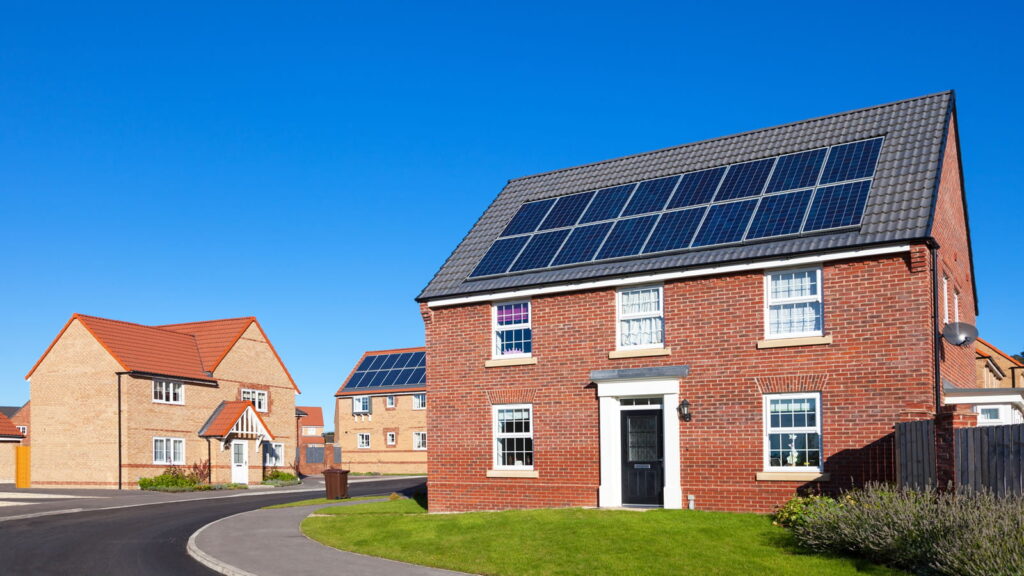
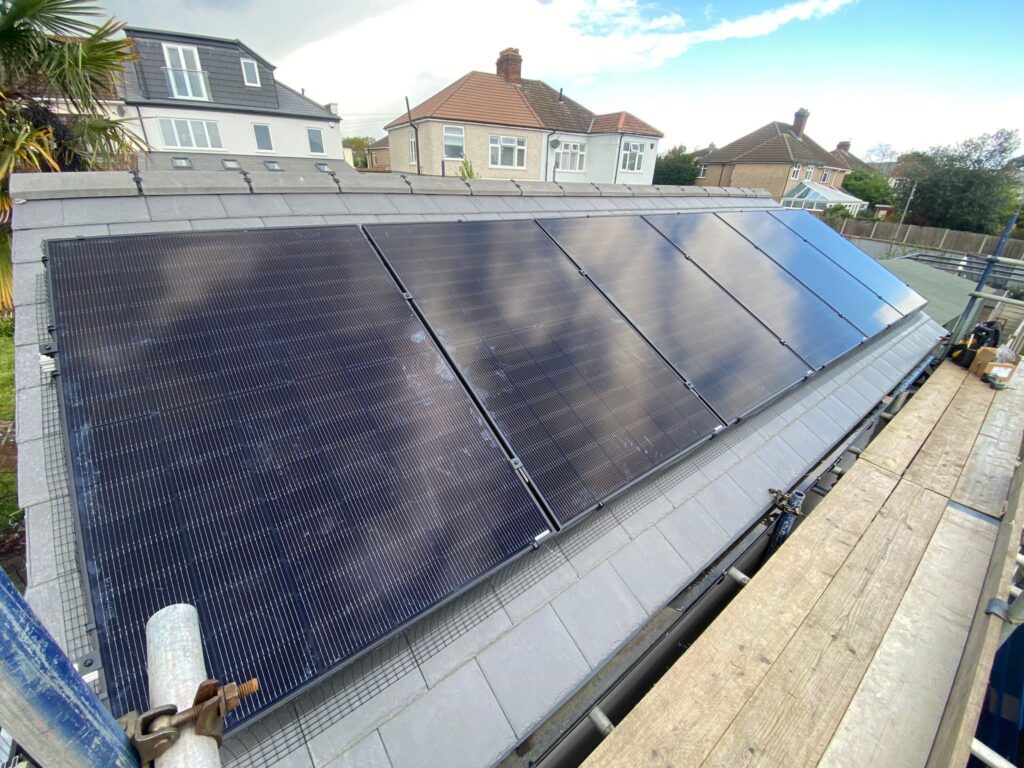
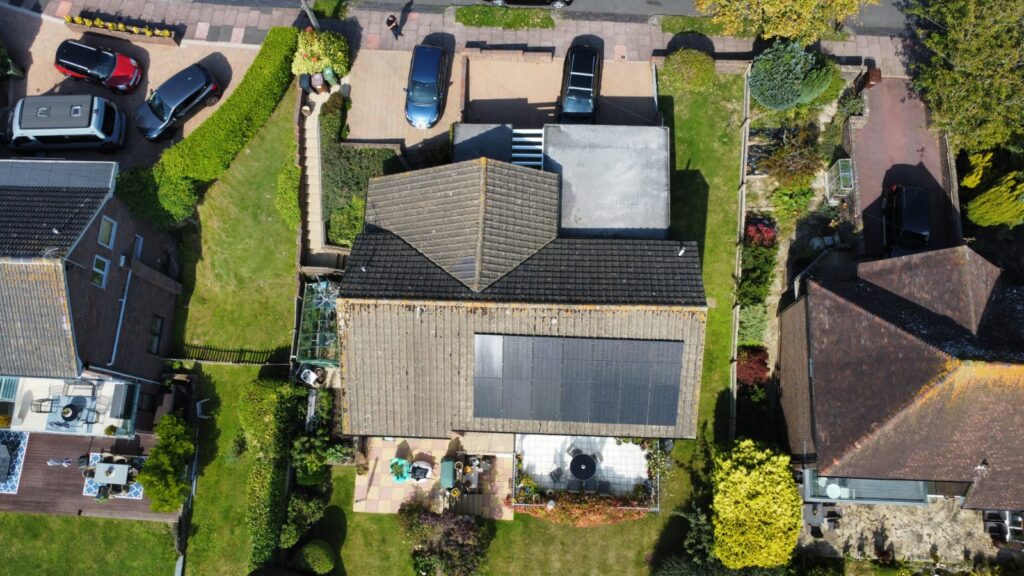
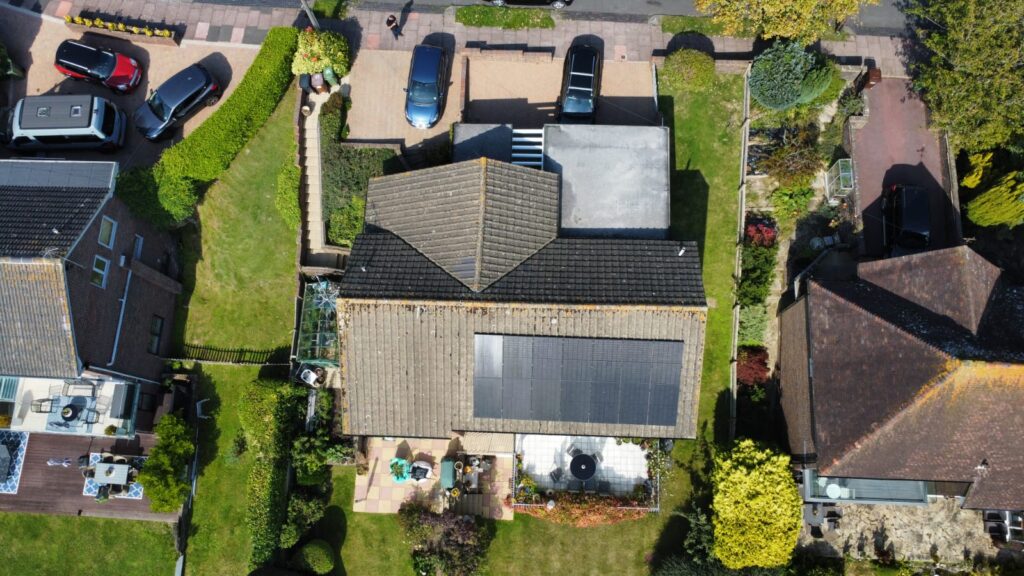
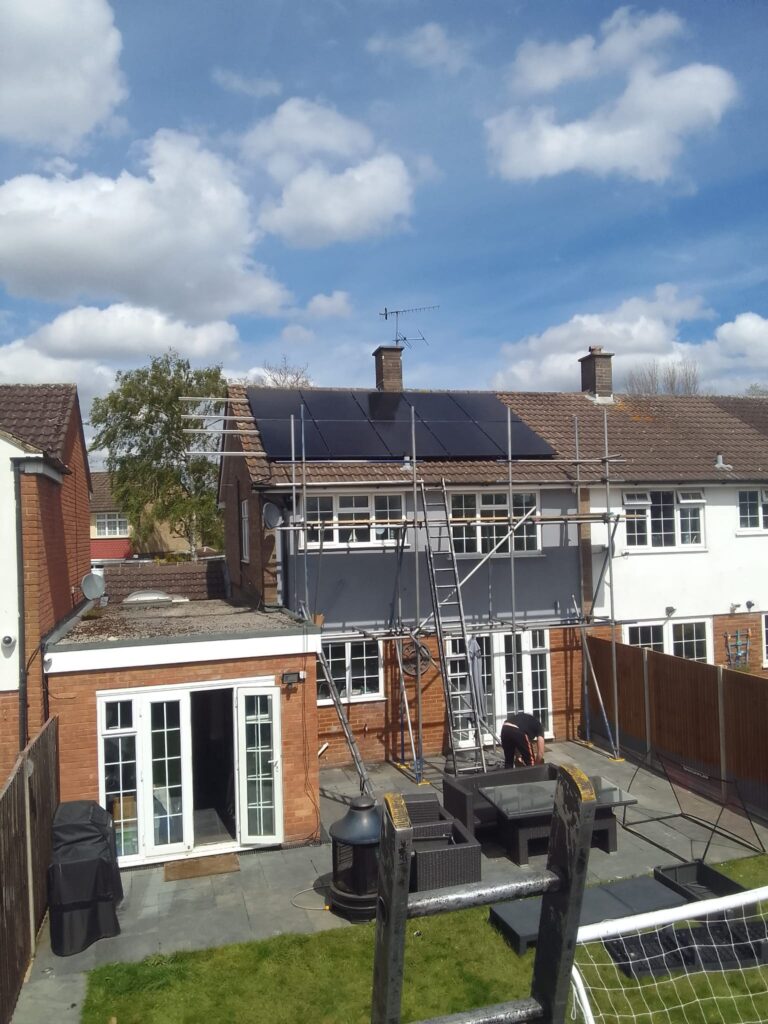
House on estate with solar panels

What Is a Growatt Battery?

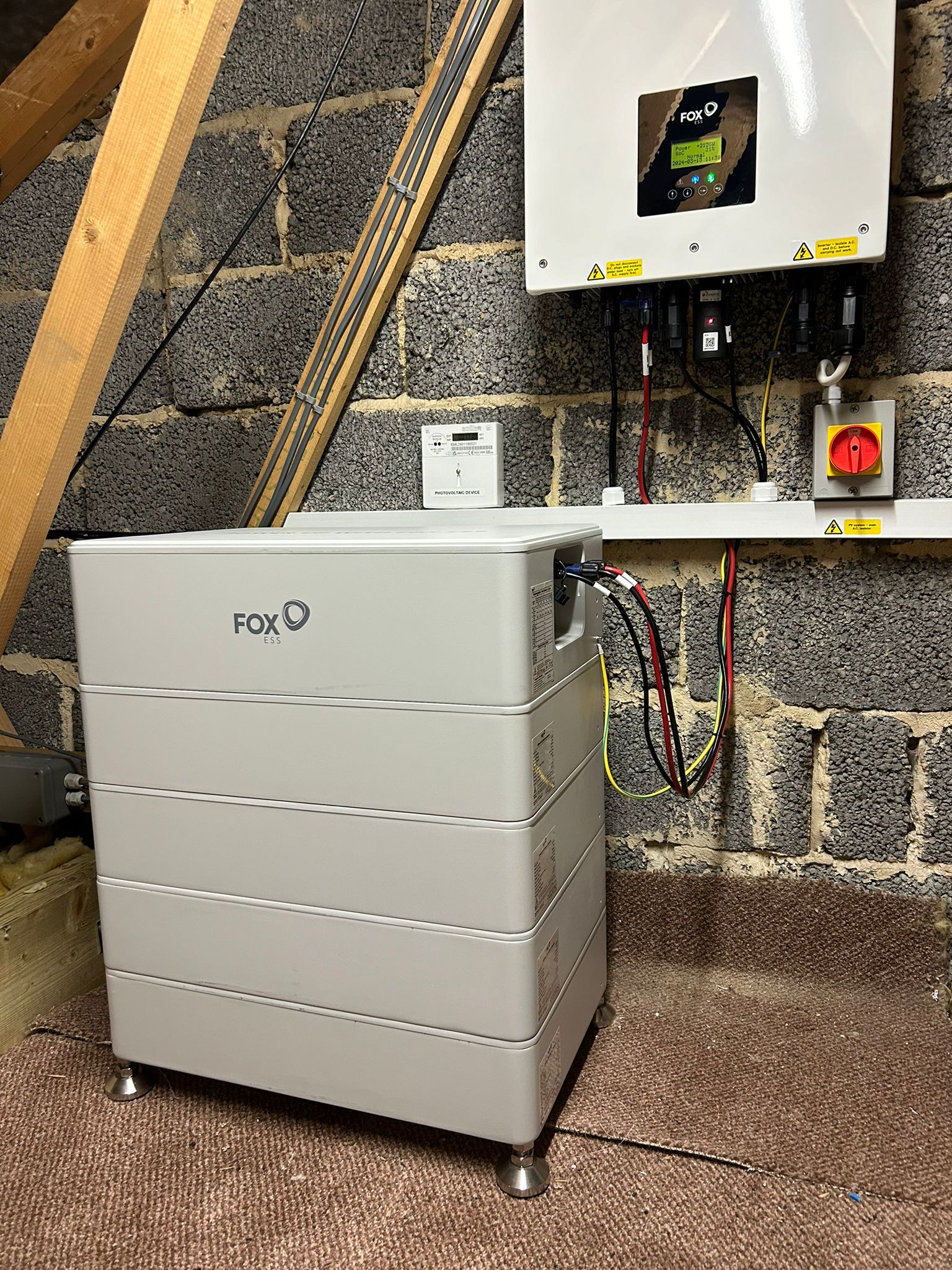
Growatt is a leading global brand in solar energy storage, known for reliable, efficient and affordable battery solutions. Their home battery systems pair with solar panels to store excess electricity generated during the day, which you can use later — especially during peak pricing times or at night.

But can they help when the grid fails?


Will a Growatt Battery Work in a Power Cut?

The Short Answer:

Yes — but only with the right setup.

By default, Growatt batteries do not automatically provide power during a blackout unless they are installed with Emergency Power Supply (EPS) functionality or connected to a hybrid inverter that supports off-grid operation.


Understanding EPS: The Key to Backup Power

EPS (Emergency Power Supply) is a feature that allows a battery to provide electricity to dedicated circuits in your home when the main grid goes down.

For a Growatt system to function during a power cut:

  • You must have a Growatt hybrid inverter (e.g. MIN or MOD series).
  • EPS functionality must be enabled during installation.
  • Your installer must configure a dedicated backup circuit, usually powering essential items like your fridge, lights, Wi-Fi router, and sockets.

Important: Without EPS, your Growatt battery will shut off during a power cut — even if it’s fully charged. This is a safety feature designed to protect utility workers repairing the grid.

How a Growatt Battery System Works in a Blackout

Here’s what happens when you have EPS configured:

  1. Power Cut Happens
    The grid goes down — your inverter detects the loss of grid power.
  2. EPS Activates Automatically
    Within seconds, your Growatt system switches to backup mode.
  3. Essential Circuits Stay On
    Only the circuits wired into the EPS system will receive power. These are chosen during the installation process.
  4. Battery Powers Your Home
    The battery discharges stored energy to keep your essentials running.
  5. Solar Recharging (Optional)
    If it’s daylight, your solar panels may continue to top up the battery (depending on the system design).

What You Can’t Do During a Blackout

It’s important to manage expectations. Even with EPS:

  • You won’t be able to run high-load appliances like electric ovens or immersion heaters.
  • Your whole house won’t stay powered — just the selected circuits.
  • The backup is not indefinite — it depends on how much energy is stored and how quickly you use it.

That said, for many homeowners, it’s more than enough to stay connected, keep the lights on, and avoid spoiled food or lost internet during an outage.
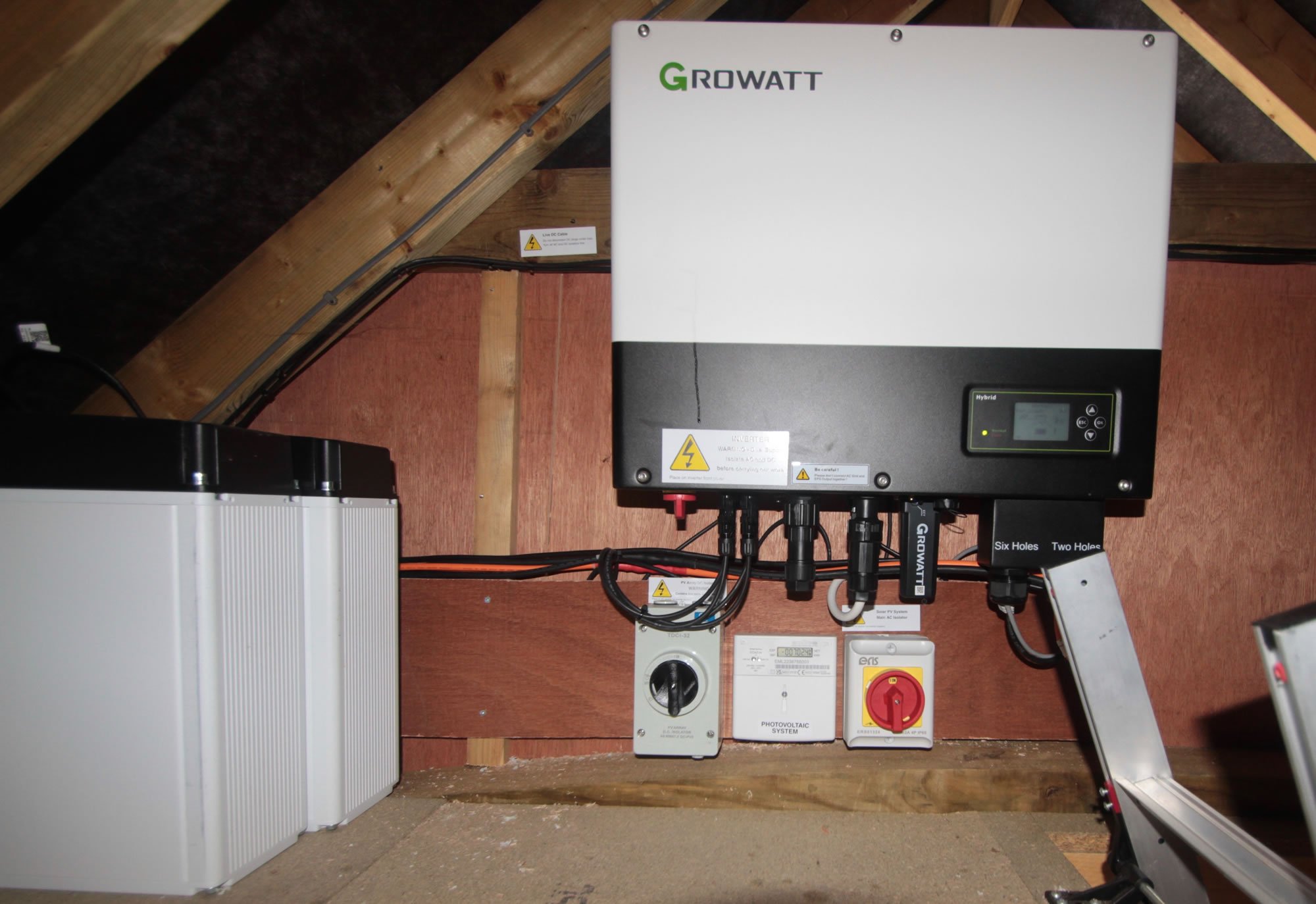
solar growatt battery

What Are the Benefits of EPS-Enabled Growatt Batteries?

Energy Security – Stay prepared during storms or infrastructure failures.
Peace of Mind – Know that essentials like lighting, refrigeration, and communication won’t go down.
Smart Solar Use – Even during outages, your battery can power key devices without wasting stored solar energy.
Efficient Load Management – You choose what matters most to stay online when the grid doesn’t.


Do I Need EPS?

If you’re on the South Coast — from Dorset to Hampshire to West Sussex — and want true energy independence, EPS is worth considering. While it’s optional, many homeowners now request it as standard due to its obvious resilience benefits.

Our team at My Home Solar can help you design a system that’s future-proof and ready for anything.


Growatt Batteries + Solar Panels = Smarter Living

When paired with solar panels, a Growatt battery transforms your home into a mini power station. You generate your own clean electricity, store it, and use it when it suits you — or when the grid fails.

It’s a great way to:

  • Lower your electricity bills.
  • Avoid rising energy costs.
  • Reduce your carbon footprint.
  • Be less reliant on the national grid.
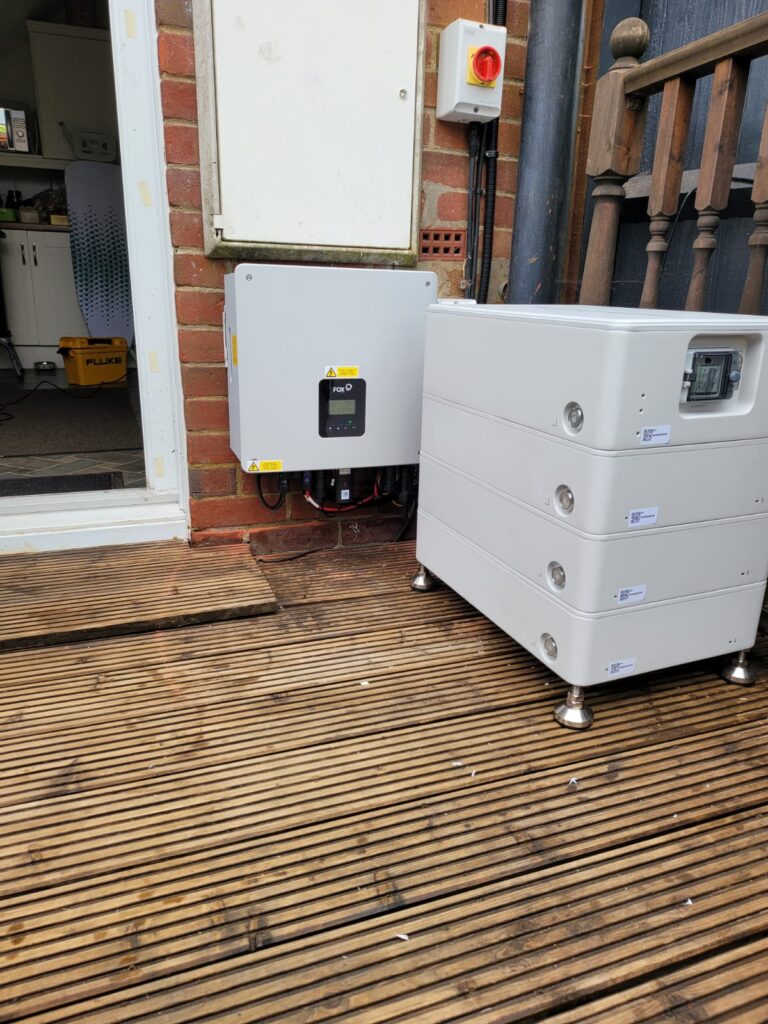
Growatt solar battery system installed in a residential Dorset property

Why Choose My Home Solar?

At My Home Solar, we specialise in providing fully installed solar + battery systems for South Coast homeowners. We work with trusted brands like Growatt, and we understand the specific needs of UK homes when it comes to energy backup and self-sufficiency.

When you work with us, you get:

  • Friendly advice and jargon-free guidance.
  • EPS-ready installations done right the first time.
  • Ongoing aftercare and support — we’re with you long after install day.
  • Transparent pricing and flexible finance options.

Is a Growatt Battery Right for You?

If you already have solar panels or you’re thinking about getting a new system, adding a Growatt battery (with EPS) gives you peace of mind and long-term energy savings.

You can keep the power on during a blackout — but only if your system is installed and configured correctly.

Let the experts at My Home Solar help you design the ideal setup for your home, lifestyle, and budget.

Ready for Backup Power You Can Trust?

Contact My Home Solar today for a free consultation and discover how a Growatt battery with EPS can protect your home from future power cuts.

Call us now or Visit myhomesolar.co.uk to get started!

Error: Contact form not found.
Growatt Battery Cycle Life & Degradation

As solar energy becomes more popular in the UK, homeowners are increasingly turning to battery storage systems to make the most of their renewable energy. Among the leading options in the market is the Growatt GBLI6531 lithium battery, known for its reliability, compact size, and long-lasting performance. But how long can you expect a Growatt battery to last? And what does “cycle life” really mean?

In this blog, we’ll take a friendly and informative dive into the world of battery cycle life and degradation, with a special focus on the Growatt GBLI6531 and other Growatt battery sizes. Whether you’re new to solar or just brushing up on the tech, this guide will help you understand how to get the most from your battery storage investment.

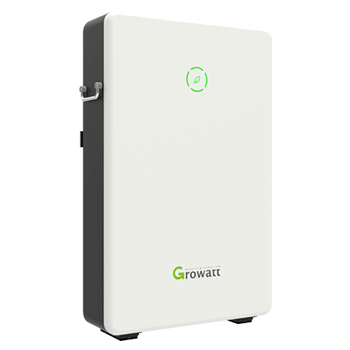
Growatt 6.5k battery

What Is Battery Cycle Life?

Battery cycle life refers to the number of complete charge and discharge cycles a battery can go through before its capacity significantly declines.

A single cycle typically means:

  • The battery is charged to full (e.g. using solar power during the day), and then
  • Discharged completely (e.g. used to power your home in the evening or during outages)

However, partial discharges still count as part of a cycle. For example, two 50% discharges = one full cycle.

Over time, every battery begins to lose capacity with use — this is where battery degradation comes in.

Multiple Growatt AXE 5.0L batteries connected in a residential solar setup

How Long Does the Growatt GBLI6531 Last?

The Growatt GBLI6531 is a 6.5kWh lithium-ion battery designed for home use. It uses LiFePO4 (Lithium Iron Phosphate) technology, which is known for:

  • Long cycle life
  • Strong thermal stability
  • Safe operation

Manufacturer Estimates

According to Growatt’s technical specifications:

  • Growatt Battery Cycle life: >6000 cycles at 90% Depth of Discharge (DoD)
  • Design life: Around 15 years or more (depending on usage and environmental conditions)

To put this in perspective:

  • If you used the battery once a day, every day → that’s over 16 years of reliable use.
  • Even with heavier use (twice a day), you’re still looking at around 8+ years of lifespan.

That’s excellent longevity compared to older technologies like lead-acid, which often manage only 500–1200 cycles.


What Causes Battery Degradation?

Battery degradation is the gradual loss of a battery’s ability to hold and deliver energy. It’s a natural process, but its pace depends on a few key factors:

1. Depth of Discharge (DoD)

The deeper the discharge (i.e., the more of the battery’s stored energy you use), the faster it degrades. LiFePO4 batteries like the Growatt GBLI6531 are well-suited to handle deep discharges (up to 90% or more), but keeping it shallow when possible extends its life.

2. Charge Cycles

More cycles = more wear. But as noted, the Growatt lithium battery is designed for thousands of cycles.

3. Temperature

Batteries prefer stable, moderate temperatures. Excessive heat or freezing cold can speed up degradation. Always ensure your battery is installed in a well-ventilated, weather-protected area.

4. Overcharging/Undercharging

Thanks to integrated Battery Management Systems (BMS), modern batteries like Growatt’s prevent overcharging and over-discharging, protecting the internal cells.


Growatt Battery Sizes and Variants

Growatt offers a range of energy storage options beyond the GBLI6531. Here are some key battery solutions in their lineup:

  • Growatt GBLI6531 – 6.5kWh (the most common for UK home use)
  • Growatt 6.5 battery – often refers to the same GBLI6531, marketed for residential solar systems
  • Growatt NOAH Series – modular systems for flexible capacity (ideal for scaling)
  • Growatt ARK batteries – stackable design; scalable from 2.5kWh to 25kWh
  • Growatt “batterie” / “growatt speicher” – common terms in European markets, especially German-speaking regions (meaning “battery” and “storage” respectively)

These variants allow homeowners and small businesses to match battery size to their energy needs, whether it’s a small flat or a larger detached home with high consumption.


Lithium vs Lead-Acid Batteries: A Quick Comparison

FeatureGrowatt Lithium BatteryLead-Acid Battery
Cycle Life6000+ cycles500–1200 cycles
Depth of DischargeUp to 90%50% recommended
MaintenanceMinimalNeeds regular checks
Lifespan10–15 years3–5 years
Cost (initial)HigherLower
Cost (long-term)More economicalHigher due to frequent replacements

In short, while lead-acid batteries may be cheaper up front, Growatt lithium batteries like the GBLI6531 deliver better long-term value and peace of mind.

Tips to Extend Your Growatt Battery Life

Even though the GBLI6531 is built for endurance, a few good habits will help you maximise its lifespan:

  1. Avoid full discharges when possible
    Partial use is easier on the battery. Don’t always run it to zero.
  2. Keep the battery in a temperate environment
    Indoors or in shaded enclosures work best.
  3. Schedule professional maintenance every 1–2 years
    Just a quick check-up helps spot any potential issues early.
  4. Install with an expert solar technician
    Proper setup ensures safe charging, correct DoD limits, and efficient inverter pairing.
  5. Update firmware
    Ensure your system’s software is up to date to get the best performance and protection.

Why UK Homeowners Love the Growatt GBLI6531

Here’s why the GBLI6531 is a solid choice for those switching to solar in the UK:

  • Compact size – Fits easily into utility rooms or garages
  • High efficiency – Converts more stored energy into usable power
  • Long lifespan – One of the best in its class
  • Modular expandability – Easily pair with multiple units for greater capacity
  • Trusted brand – Growatt is a global leader in solar tech

Whether you’re a new solar adopter or upgrading an old system, the Growatt GBLI6531 and Growatt battery cycle life in general offer reliability, flexibility, and a greener way to power your home.


Ready to Maximise Your Solar Potential?

If you’re ready to take control of your energy use, reduce your electricity bills, and enjoy peace of mind with long-lasting battery storage — we’re here to help.

Get in touch with our solar experts today for a free consultation, installation guidance, or to find the perfect Growatt lithium battery solution for your home.

Error: Contact form not found.
Growatt Battery Lifespan: How Long Will It Last?

Storing Sunshine for a Rainy Day

If you’ve taken the leap into solar power or are seriously considering it, you’ve probably come across Growatt batteries. These smart energy storage systems are fast becoming a favourite among UK homeowners—especially in sunny (and sometimes not-so-sunny) Dorset. But while solar panels grab the spotlight, the battery quietly does the heavy lifting behind the scenes. That leads to a vital question: how long will a Growatt battery actually last?

Let’s break it down in plain English—no jargon, just helpful facts, tips, and honest expectations.

Multiple Growatt AXE 5.0L batteries connected in a residential solar setup

What Is a Growatt Battery?

Growatt is a leading brand in renewable energy tech, best known for their inverters and solar batteries. Their ARK series is designed for home use, allowing you to store excess electricity generated during the day and use it in the evening or when the sun isn’t shining.

You’ll typically see model names like:

  • Growatt ARK 2.5 (2.56kWh)
  • Growatt ARK 5.1 (5.12kWh)
  • Growatt ARK 10.2 (10.24kWh)

These modular systems can scale up based on how much energy storage you need, making them perfect whether you’ve got a modest solar setup or a full-blown eco-friendly home.


So, How Long Do Growatt Batteries Last?

The simple answer? 10 to 15 years on average—but let’s get more specific.

Growatt batteries, like most lithium iron phosphate (LiFePO₄) batteries, are built to last thousands of cycles. A cycle means one full charge and discharge.

Lifespan by the Numbers:

  • Cycle life: ~6,000+ cycles (for most ARK models)
  • Daily use estimate: 1 cycle per day
  • Expected lifespan: 10–16 years under normal use

So, if you use your battery daily to store and discharge solar power, you’re likely to get at least a decade of reliable performance before its capacity starts to noticeably decline.


What Affects a Growatt Battery’s Lifespan?

Even the best battery won’t last forever—but the way you use it has a big impact. Here’s what can speed up or slow down battery ageing:

1. Charging Cycles

The more often a battery is fully charged and discharged, the quicker it wears down. However, Growatt batteries are smart—they manage charging efficiently to reduce unnecessary stress.

2. Depth of Discharge (DoD)

This is how much of the battery’s energy is used before recharging. Shallower discharges (like using only 50% of the capacity) can lead to longer lifespan compared to draining it down to zero every day.

3. Ambient Temperature

Batteries love a stable climate. Extreme cold or heat can stress the battery’s internal chemistry. In the UK (especially coastal areas like Dorset), milder temperatures generally work in your favour—but it’s still smart to install batteries in sheltered locations.

4. Installation Quality

If your system isn’t set up properly—poor ventilation, dodgy wiring, or cheap components—it’ll wear out faster. Make sure your installer is MCS-certified and knows how to handle battery systems.

5. Software & Firmware Updates

Growatt batteries come with advanced battery management systems (BMS). These keep everything running smoothly—but only if you keep them updated.


Comparing Growatt Battery Models (ARK Series)

Let’s take a quick look at the differences that might influence longevity or performance:

ModelCapacityTypical UseEstimated Lifespan (cycles)
ARK 2.52.56 kWhSmall homes / starter systems6,000+
ARK 5.15.12 kWhMedium usage / daily cycling6,000+
ARK 10.210.24 kWhHigh-demand homes / larger arrays6,000+

All these models use LiFePO₄ technology, which is widely considered the safest and most durable lithium battery chemistry on the market.


Tips to Maximise Your Growatt Battery Lifespan

Want to get the absolute most out of your Growatt system? Follow these helpful tips:

  • Avoid deep discharges regularly—let the system reserve some charge.
  • Install in a temperature-stable environment, like a utility room or insulated garage.
  • Update software/firmware via your Growatt monitoring app.
  • Have your system inspected annually to ensure everything is running smoothly.
  • Use your battery regularly—believe it or not, inactivity can also wear batteries down over time!

Why This Matters for Dorset Homeowners

Dorset’s mix of sunny days and cloudy spells makes solar plus battery storage a smart move. With a Growatt battery, you can store excess solar energy on bright days and use it on grey ones, cutting your reliance on the grid and slashing energy bills.

Plus, since you’re in the UK, you may benefit from schemes like Smart Export Guarantee (SEG) or future grid-balancing incentives that reward you for using stored energy wisely.


Make It Last—And Make It Work for You

The Growatt battery lifespan is impressive—10 to 16 years of clean, quiet energy storage is a solid return on investment. Like any important piece of tech in your home, it’ll reward you with longevity if you treat it well.

If you’re considering a solar system or thinking about upgrading to battery storage, Growatt offers a future-proof solution with reliable performance and smart features to match.

Whether you’re starting fresh or expanding your existing solar setup, speak to a qualified local installer in Dorset today. They’ll help you size your battery, install it properly, and make the most of your homegrown power.

Error: Contact form not found.
Can a Growatt Battery Power My Entire Home?

Why More UK Homeowners Are Going Solar

Picture this: it’s a typical winter evening in the UK. The heating’s on, the lights are glowing, the kettle’s boiling—and you realise everything is being powered by your own rooftop solar panels and stored energy from a Growatt battery. No more worrying about rising energy costs or unpredictable power outages.

If you’re exploring home solar systems, you’ve probably wondered: “Can a Growatt battery power my entire home?” This blog will answer that question in detail. Whether you’re just starting your solar installation UK journey or already have panels and are considering storage, this guide is packed with insights tailored for UK homeowners.

growatt solar panel

What Is a Growatt Battery?

Growatt is a globally recognised name in solar technology, offering high-performance batteries designed for residential use. When paired with home solar panels, a Growatt battery captures excess energy generated during the day and stores it for use when the sun isn’t shining—like evenings, cloudy days, or power outages.

Key Features of Growatt Batteries:

  • Modular capacity: Scalable storage ranging from 6.5kWh to over 25kWh.
  • High efficiency: Up to 95% round-trip efficiency.
  • Smart monitoring: Seamless integration with apps and web portals for real-time tracking.
  • Durability: Designed for over 6,000 charge cycles (15+ years of use).
  • Compatibility: Works perfectly with most home solar systems, including SolarEdge setups.

Can a Growatt Battery Power Your Entire Home?

Short answer: Yes—BUT it depends on your home’s energy consumption and your system size.

Factors to Consider:

  1. Daily Energy Usage:
    The average UK home uses between 8-12kWh per day, but this can vary depending on:
    • Family size
    • Electric heating or underfloor heating
    • EV (Electric Vehicle) charging
    • High-use appliances (e.g., tumble dryers, electric ovens)
  2. Battery Size:
    A single Growatt battery (6.5kWh) might not be enough for an entire day’s use, but Growatt’s modular design means you can stack multiple units to match your needs.
  3. Solar Panel Output:
    A typical UK solar array (3-5kWp) generates around 9-20kWh per day depending on the season.
  4. Backup vs Full Off-Grid:
    • Backup Power: Easily achieved for essential circuits (lights, fridge, Wi-Fi, heating controls).
    • Full Off-Grid: Possible with sufficient panels and multiple batteries but requires careful system design.

Example Scenario:

  • A household with a 4kWp solar system and a 13kWh Growatt battery can easily run most essentials for 24 hours—even with little sun.
Growatt solar battery system installed in a residential Dorset property

How the Growatt Battery Works With Your Home Solar Panels

  1. Daytime:
    Your home solar panels generate electricity. The house uses what it needs first. Any excess charges the battery.
  2. Evening/Night:
    Your Growatt battery supplies stored power—running lights, TVs, heating pumps, and even security systems like an intruder alarm system or wireless intruder alarm.
  3. Grid Backup:
    If both solar and battery are depleted, the system switches seamlessly to grid power.
  4. SolarEdge Integration:
    Growatt batteries work well alongside popular inverter brands like SolarEdge, optimising your energy generation and storage.

Solar Storage & Home Security: A Perfect Match

Ever thought about how your solar installation UK setup ties into home security? Imagine a power cut—most homes lose lighting, alarms, and CCTV. But with a Growatt battery, your:

  • Intruder alarm systems
  • Wireless intruder alarm
  • CCTV cameras

…all keep running. This offers continuous protection against intruders even during outages, making solar storage a valuable investment not just for savings but for peace of mind.

solar growatt battery

How Much Storage Does the Average UK Home Need?

Home TypeBattery Size Recommendation
1-2 bedroom flat6.5kWh (1 battery)
3-bedroom house13kWh (2 batteries)
4+ bedroom house19.5kWh+ (3 batteries or more)

Tip: Factor in future needs like electric vehicles, heat pumps, or additional appliances when choosing your battery size.


Is a Growatt Battery Worth It?

Financial Benefits:

  • Save up to 70-90% on energy bills.
  • Avoid peak electricity prices by using stored solar.
  • Earn with Smart Export Guarantee (SEG) by selling excess energy back to the grid.

Protection Against Energy Price Rises:

  • Fixed, free energy from your roof.
  • Less reliance on volatile energy markets.

Added Home Value:

  • Homes with solar panels and battery storage are more attractive to buyers.
Multiple Growatt AXE 5.0L batteries connected in a residential solar setup

What the Experts Say

“Battery storage has gone from being a luxury to almost essential in the modern home. With energy prices soaring, systems like Growatt are empowering homeowners to take control of their energy futures.”
John Ruskin, Renewable Energy Consultant


Counterarguments & Considerations

Is It Always Worth It?

  • Small households with low energy use may take longer to see ROI.
  • Limited roof space means fewer solar panels, reducing how much energy you can store.

Alternative Perspective:

  • Some homeowners opt for solar without storage, exporting daytime excess and drawing from the grid at night. While cheaper upfront, it offers less energy independence.

Hybrid Approach:

  • A balanced system combining solar, battery, and grid provides the best of both worlds—energy savings plus reliability.

The Future of Solar Storage in the UK

With increasing focus on net-zero, government incentives, and falling battery prices, solar storage is becoming mainstream. Companies like Growatt lead the way, offering scalable, reliable solutions for UK homes.


Ready to Power Your Home With Solar?

At My Home Solar, we help homeowners install the perfect home solar system with Growatt batteries tailored to their needs. Whether you’re looking for backup power, full energy independence, or ways to secure your home with uninterrupted power for your intruder alarm, our team is here to help.

Contact us today for a free solar assessment and quote.


Final Thoughts:

A Growatt battery home solar panels setup can absolutely power your entire home—with the right design. Whether your goal is to slash energy bills, protect against outages, or run a more sustainable home, battery storage is a smart investment.

Error: Contact form not found.