- 31b Great Western Road Dorchester Dorset DT1 1UF
- quotes@myhomesolar.uk

Call Us
0800 193 3933
The idea of cutting ties with energy suppliers and powering your home entirely from the sun has a certain appeal. With rising electricity prices and growing concerns about sustainability, many UK homeowners are now asking the same question. Can you truly go off grid with solar panels in the UK
The answer is not as straightforward as a simple yes or no. While it is technically possible, the reality is far more nuanced. Understanding what off grid solar means in a British context is essential before making any decisions.
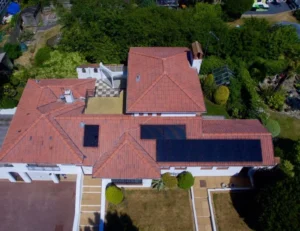
Off grid solar refers to a system that operates completely independently of the national electricity grid. In practical terms, this means your home generates all of its own electricity through solar panels and stores excess energy in battery systems for use when the sun is not shining.
Unlike standard solar installations, which remain connected to the grid and can import electricity when needed, an off grid system relies entirely on its own generation and storage capacity. There is no safety net.
Technically, yes. You can design and install a system that allows your home to function without any connection to the grid. However, doing so in the UK presents several challenges that make it less practical for most homeowners.
The British climate is the primary obstacle. Solar panels generate far less electricity during the winter months when daylight hours are short and skies are often overcast. In contrast, energy demand tends to be highest during this same period.
To compensate for this imbalance, an off grid solar system must be significantly oversized and supported by substantial battery storage. In many cases, a backup generator is also required to ensure reliability during prolonged periods of low sunlight.
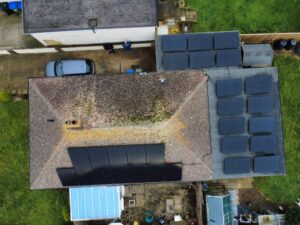
From a legal standpoint, there is no rule preventing you from disconnecting from the grid. However, most homes are designed to operate with a grid connection, and certain mortgage providers or insurance policies may have conditions tied to it.
In addition, fully off grid systems must be carefully designed to meet safety standards and ensure a consistent energy supply. This requires expert planning and installation.
For most UK homeowners, remaining grid connected while maximising solar generation and battery storage offers a far more practical and cost effective solution.
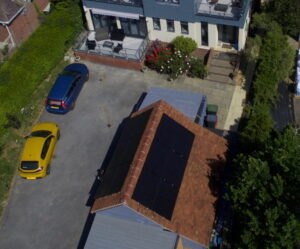
Creating a reliable off grid solar setup involves more than simply installing panels on your roof.
You will need a larger than average solar array to generate enough electricity throughout the year. This often means making full use of available roof space or even installing ground mounted panels.
Battery storage is essential. Systems such as the Tesla Powerwall or Growatt battery allow you to store excess electricity generated during the day for use at night or during periods of low sunlight.
For an off grid setup, battery capacity must be significantly higher than in a standard installation. It is not uncommon for systems to include multiple batteries to ensure sufficient storage.
Given the unpredictability of British weather, most off grid systems include a backup generator or hybrid solution. This ensures that essential appliances continue to function during extended periods of low generation.
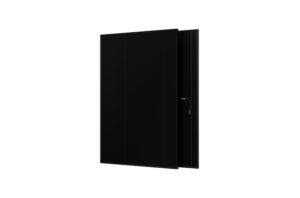
The cost of going off grid is considerably higher than installing a standard solar system.
A typical grid connected solar system with battery storage might cost between fifteen thousand and twenty five thousand pounds. By contrast, a fully off grid system can range from twenty five thousand to forty thousand pounds or more, depending on the size of the property and energy requirements.
This higher cost is driven by the need for additional panels, larger battery storage, and backup systems. While long term savings are possible, the initial investment is substantial.
There are clear advantages to an off grid solar system.
You gain complete energy independence and are no longer affected by rising electricity prices. Your carbon footprint is reduced, and you have greater control over your energy usage.
However, there are also notable drawbacks.
The upfront cost is significantly higher. System design is more complex, and there is a greater reliance on careful energy management. Perhaps most importantly, reliability can be a concern during the winter months without sufficient backup.
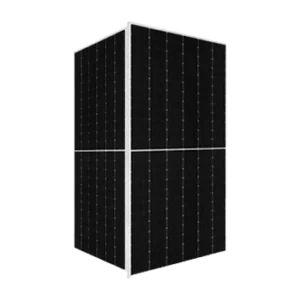
The UK presents unique challenges that must be considered carefully.
Limited winter sunlight means that solar generation drops dramatically at the very time when heating and lighting demands increase. This makes it difficult to rely solely on solar power without extensive storage.
Space can also be a constraint. Not all properties have sufficient roof area to support the number of panels required for full independence.
These factors mean that while off grid solar is achievable, it is often better suited to rural properties or those with lower energy demands.
For most homeowners, a grid connected system with battery storage offers the best balance of independence and reliability.
You can generate your own electricity, store excess energy, and still draw power from the grid when needed. This reduces your reliance on energy suppliers without the risks associated with going fully off grid.
It also allows you to export surplus electricity, providing an additional financial benefit.
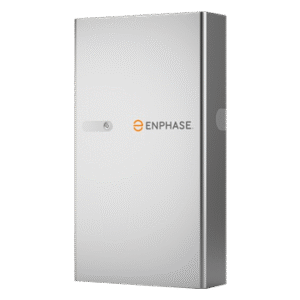
At My Home Solar, we often speak to homeowners who are interested in off grid solar solutions. While the concept is appealing, we always recommend a tailored approach based on your property, energy usage, and long term goals.
In many cases, a hybrid system that combines solar panels with advanced battery storage delivers the best results. It offers significant savings and sustainability benefits without compromising reliability.
Every home is different, and expert guidance is essential to ensure you make the right investment.
So, can you go off grid with solar panels in the UK
Yes, it is entirely possible. However, for most homeowners, it is not the most practical or cost effective option. The challenges posed by the British climate and the high cost of installation mean that a grid connected system with battery storage is often the smarter choice.
If you are considering solar panels and want honest, expert advice tailored to your home, My Home Solar is here to help.
Take the first step towards energy independence. Contact My Home Solar today to arrange your free consultation and discover the best solar solution for your property.
Yes, there are no laws preventing you from disconnecting from the national grid, although practical considerations should be taken into account.
This depends on your energy usage and property size, but most off grid systems require significantly more panels than standard installations.
In most cases, solar panels fall under permitted development, but exceptions may apply for listed buildings or conservation areas.
Solar generation is much lower during winter, which is why large battery storage and backup systems are essential.