- 31b Great Western Road Dorchester Dorset DT1 1UF
- quotes@myhomesolar.uk

Call Us
0800 193 3933
Solar panels do not always need to be removed when replacing roof tiles. However, the extent of the roofing work, the location of the damaged tiles and the design of the solar installation will determine whether temporary removal is necessary.
For minor repairs involving accessible tiles, a roofing contractor may be able to complete the work without disturbing the solar panels. However, if damaged tiles sit directly beneath the panels or the roof requires extensive refurbishment, removing the solar installation may be unavoidable.
Understanding when solar panels need to be removed can help homeowners plan roof repairs, protect their investment and avoid unnecessary disruption.
At My Home Solar, we understand the importance of assessing roof suitability before installing a solar energy system. Whether you are considering solar panels for a property in Bournemouth, Poole or elsewhere in Dorset, careful planning can help ensure your roof is suitable for a lasting installation.
Whether solar panels need removing depends primarily on the location and extent of the required roofing work.
Most conventional residential solar panels are mounted on rails secured to the roof structure. The panels sit above the existing roof tiles, allowing the roof covering to continue protecting the property from the weather.
Although this arrangement provides a secure installation, it can make certain sections of the roof more difficult to access.
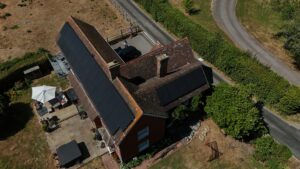
If a damaged roof tile is situated away from the solar panel installation, a roofing contractor may be able to replace it without removing any panels.
However, tiles positioned directly beneath mounting rails or fixing brackets can be more difficult to reach. In these circumstances, a professional assessment will establish whether individual panels or other components need to be temporarily removed.
It is important not to force tiles out from beneath mounting equipment, as this could damage the surrounding roof covering or compromise the installation.
When several damaged tiles are located beneath a solar panel array, temporary removal becomes more likely.
Roofing contractors need sufficient access to remove damaged materials, inspect the underlying roof structure and install replacement tiles correctly.
Attempting to work around obstructing panels may prevent the contractor from completing the repairs to the required standard.
A suitably qualified solar professional should assess the installation before any components are disturbed.
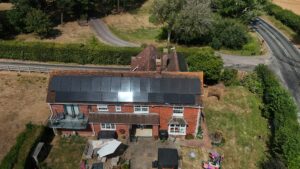
If your property requires a complete roof replacement, existing solar panels will generally need to be removed before work begins.
This allows roofing contractors to replace the roof covering, inspect the underlying structure and complete any necessary repairs.
Once the roofing work is finished, the solar installation can be assessed for reinstallation. Existing equipment may be reusable, provided its condition, compatibility and suitability are confirmed.
Planning both stages together can help reduce unnecessary delays and ensure that the roof and solar installation remain properly protected.
Installing solar panels represents a significant investment. Therefore, it makes sense to establish whether your roof is in suitable condition before proceeding.
Modern solar panels are designed to provide electricity for many years. Consequently, installing them over a roof that already requires substantial repairs could create avoidable complications.
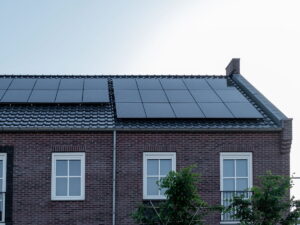
Before arranging a solar installation, homeowners should consider whether their roof has any existing defects.
Cracked tiles, loose ridge tiles, deteriorating mortar and signs of water ingress may indicate that repairs are necessary.
An older roof does not automatically prevent solar panel installation. However, its condition should be assessed to determine whether it can safely accommodate the proposed system.
Where significant repairs are required, completing them before installing solar panels is often the more practical approach.
Solar panels add weight to a roof and introduce additional forces, including those associated with wind.
A suitable assessment must therefore consider the roof structure, mounting arrangements and ability of the building to support the proposed installation.
This is particularly important for older properties, where roof construction methods and materials can vary considerably.
Across Dorset, homeowners may have traditional cottages, period properties or modern houses. Each roof requires an assessment appropriate to its individual construction.

Completing necessary roof repairs before installing solar panels can help avoid the expense of removing and reinstalling the system later.
For example, if a roof is approaching the point where substantial refurbishment will be required, addressing this before installation may be more economical.
It can also reduce the likelihood of interrupting electricity generation while roofing work takes place.
A carefully planned installation should consider both your immediate energy requirements and the long term condition of your property.
Removing solar panels requires more than simply releasing the equipment from its mounting brackets.
A solar installation contains electrical components that must be handled correctly to protect both the system and those carrying out the work.
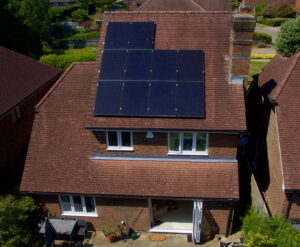
Before removal, a competent solar professional must follow the appropriate electrical safety procedures.
Solar panels can continue generating direct current electricity whenever they receive sufficient light. Therefore, switching off an inverter does not necessarily make every part of the installation electrically safe.
Professional handling is essential to prevent electrical hazards and damage to the equipment.
Once the system has been made safe for the planned work, the panels can be carefully detached from their mounting system.
They should be handled and stored appropriately to avoid damage to the glass, frames and electrical connections.
The mounting rails and brackets may also require removal, depending on the extent of the roofing work.
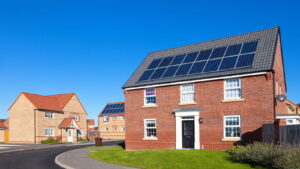
After the roofing repairs are complete, a suitably competent installer can assess and refit the solar equipment.
The mounting system must remain compatible with the repaired roof, while all electrical connections and safety requirements must be checked.
The system should then undergo appropriate testing before returning to normal operation.
Yes. If you are planning to replace roof tiles and install solar panels, coordinating both projects can offer practical advantages.
Completing necessary roofing work first allows the solar installation to proceed on a suitable roof covering.
It may also provide opportunities to coordinate scaffolding requirements, access arrangements and project schedules.
For homeowners considering solar panels in Dorset, discussing the condition of the roof before installation is an important part of the planning process.
An experienced solar installation company can assess the suitability of the proposed installation and explain which roofing considerations may need further attention.
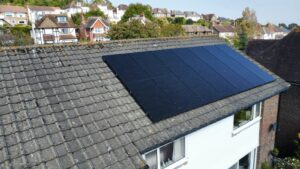
Choosing an experienced solar installation company is essential when investing in renewable energy for your home.
My Home Solar provides residential solar panel installations and battery storage solutions, helping homeowners select systems suited to their properties and electricity requirements.
Based in Dorchester, My Home Solar is MCS certified and RECC approved. The company provides solar installation services throughout Dorset, including Bournemouth, Poole, Christchurch, Wimborne and surrounding areas.
Our approach considers several important factors, including roof suitability, available space, household electricity consumption and future energy requirements.
Rather than recommending the same system for every property, we aim to provide practical guidance and suitable installation options.
Whether you are renovating your property or considering solar panels for the first time, understanding the condition of your roof is an important starting point.
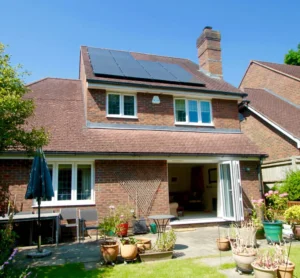
Yes, some roof tiles can be replaced without removing solar panels, particularly when the damaged tiles are accessible and situated away from the mounting equipment. However, tiles directly beneath the installation may require temporary panel removal. A professional assessment will determine the safest approach.
The cost depends on the number of panels, the complexity of the installation, access requirements and whether mounting equipment must also be removed. Additional costs may include scaffolding, storage, reinstallation and electrical testing. Obtaining a detailed quotation is the best way to establish the likely expense.
Yes, existing solar panels can often be reinstalled after roof tile replacement. However, the panels, mounting equipment and electrical components must be inspected to establish whether they remain suitable. The repaired roof must also be capable of accommodating the installation safely.
If your roof tiles are damaged or approaching the end of their serviceable life, replacing them before installing solar panels may be advisable. Completing necessary repairs beforehand can reduce the likelihood of removing the solar installation for future roofing work.