- 31b Great Western Road Dorchester Dorset DT1 1UF
- quotes@myhomesolar.uk

Call Us
0800 193 3933
If you are considering solar panels Dorset homeowners often ask one important question first. When is the best time of year to install solar panels on a home in the UK?
It is a sensible question. The timing of installation can influence installer availability, short term energy generation and even how quickly you begin to see financial returns. Yet the honest answer may surprise you. In the United Kingdom there is rarely a wrong time to install home solar energy panels. There are, however, certain seasons that may offer practical advantages depending on your priorities.
This guide explores seasonal considerations, performance in British weather, financial timing and the technology that underpins modern solar panels for your home.
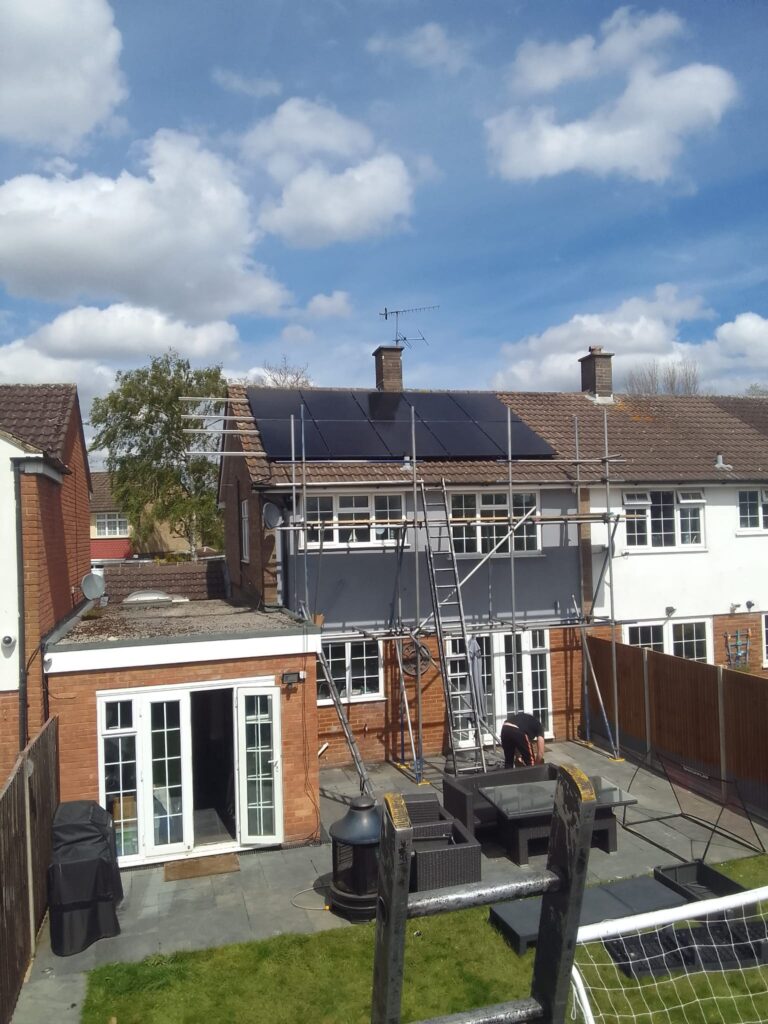
Before discussing timing, it is worth briefly clarifying how do solar power work in practice.
Solar panels for home UK properties contain photovoltaic cells, often manufactured by brands such as Canadian Solar panels or Q Cells. These cells absorb daylight rather than direct heat. When light particles strike the panel surface, electrons are set in motion, generating direct current electricity.
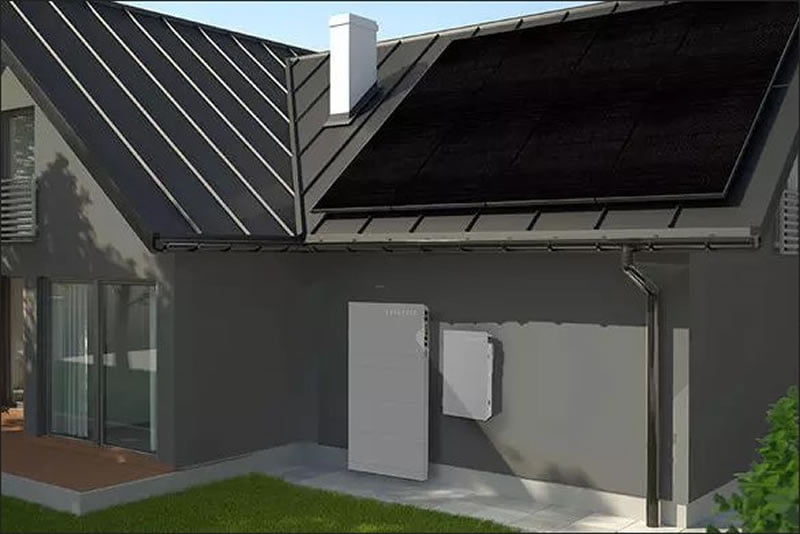
An inverter such as a Fronius solar inverter, Solar Edge system or Enphase Energy microinverter converts that electricity into alternating current suitable for use in your home. If you install a battery such as a Growatt battery, surplus electricity can be stored for use in the evening.
The crucial point is this. Solar panels generate electricity from daylight, not sunshine alone. Even on overcast Dorset days, your system continues to produce power.
Dorset enjoys relatively mild winters and respectable daylight hours across much of the year. Coastal air can be brisk, yet cooler temperatures can actually improve panel efficiency. Excessive heat can slightly reduce performance, so moderate British conditions are far from a disadvantage.
For homeowners exploring solar panels for your home in Dorset, the region offers stable generation throughout the year. While summer yields the highest output, winter still provides meaningful contribution to household consumption.
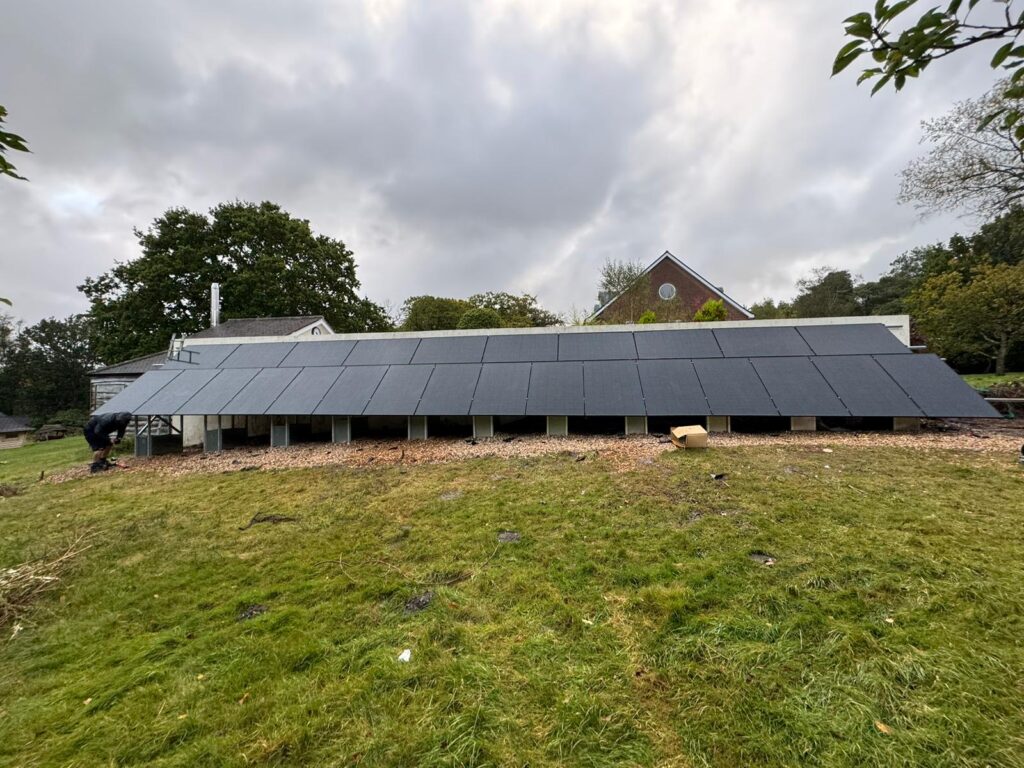
Spring is often regarded as an ideal balance.
During March, April and May:
Installing in spring allows your solar panels Dorset property owners invest in to perform at high output almost immediately. You benefit from the long days of late spring and summer, accelerating your early return on investment.
From a practical standpoint, weather conditions are generally cooperative, making roof work straightforward.
Summer brings the highest solar generation of the year. It is also the busiest period for installers.
Advantages include:
However, demand is typically strongest between June and August. Lead times may be slightly longer, particularly for premium equipment such as Canadian Solar, Q Cells or Enphase systems.
If your priority is maximising first year generation, summer is attractive. If your priority is faster scheduling, earlier in the year may prove more convenient.
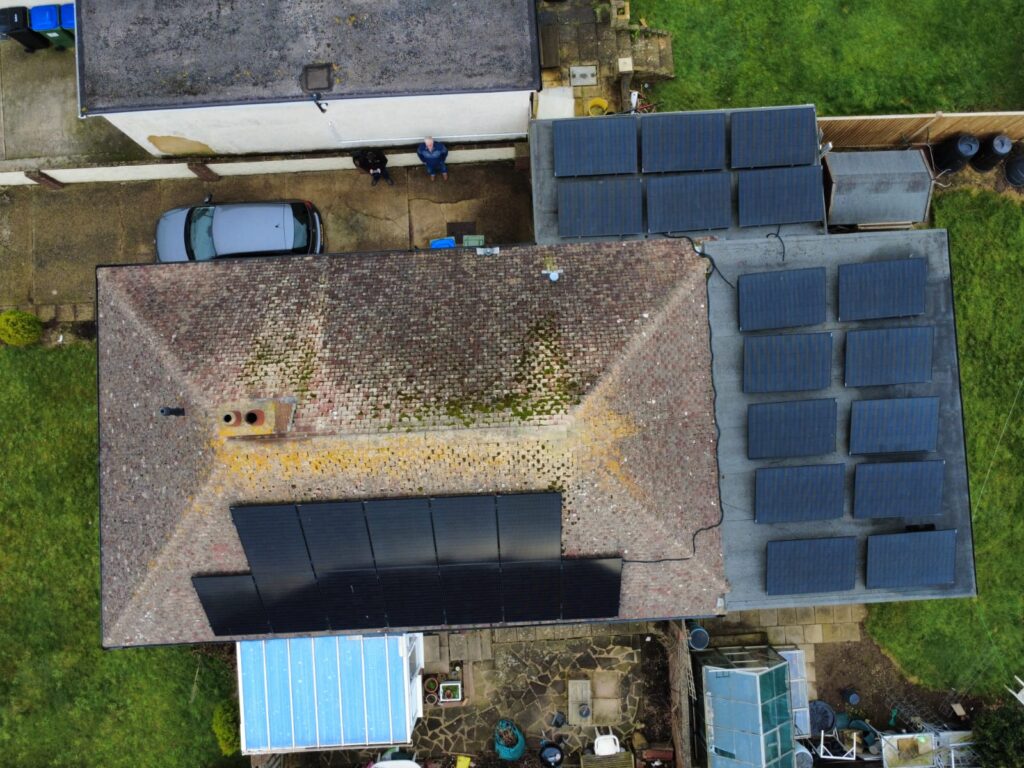
Autumn is frequently overlooked, yet it offers distinct benefits.
By September and October:
Although generation declines compared with summer, installing in autumn ensures your system is operational before winter energy bills rise. With electricity prices remaining volatile in recent years, even modest winter generation can meaningfully reduce household costs.
Autumn also allows time to integrate battery storage such as a Growatt battery, improving self consumption during darker evenings.
Many homeowners assume winter is unsuitable. This is a misconception.
Solar panels for home UK properties continue to function effectively in winter. Modern panels from manufacturers such as Canadian Solar panels or Q Cells perform well in cool conditions, and cold temperatures can even improve efficiency.
While daylight hours are shorter, installation teams can often schedule projects more quickly due to reduced demand. If you are planning ahead for spring and summer savings, winter installation positions you advantageously.
Provided weather conditions are safe, professional MCS certified installers can complete most residential systems within one to two days at any time of year.
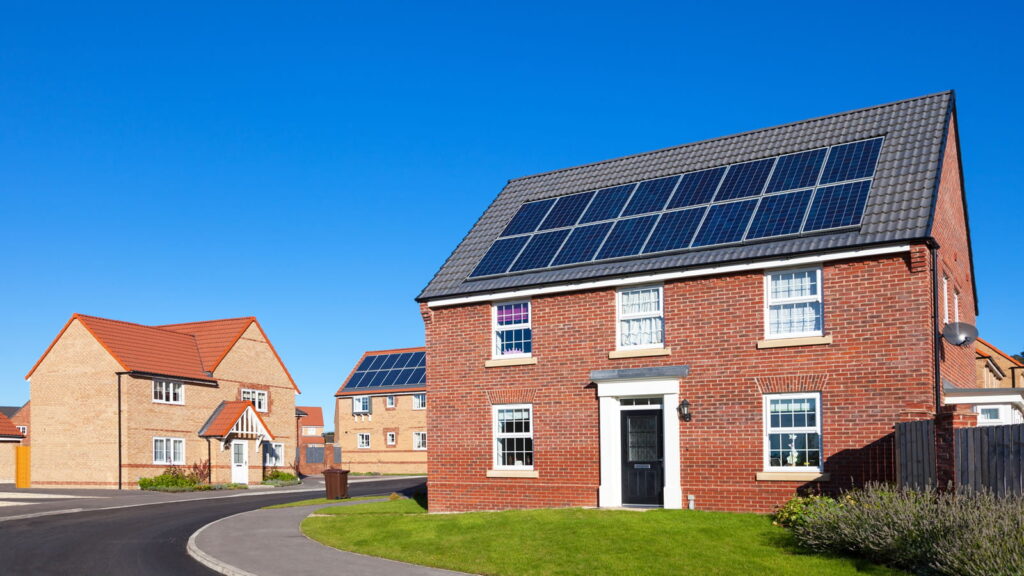
Beyond weather, financial timing deserves careful consideration.
The Smart Export Guarantee allows homeowners to receive payment for surplus electricity exported to the grid. The sooner your system is operational, the sooner you begin generating both savings and export income.
Average residential systems in the UK typically range between five thousand and nine thousand pounds depending on size, roof complexity and whether battery storage is included. A business solar panel installation will vary more significantly depending on scale.
Given ongoing energy price uncertainty, delaying installation often means postponing savings. In many cases, installing sooner rather than later shortens your overall payback period.
While season influences scheduling and early generation, system design and equipment quality often have a greater long term impact.
High quality panels such as Canadian Solar and Q Cells are known for durability and strong warranties. Inverter technology from Fronius solar inverter systems, Solar Edge or Enphase Energy ensures efficient conversion and monitoring.
Battery options including a Growatt battery allow homeowners to store excess electricity, increasing independence from the grid.
Choosing a qualified MCS certified installer ensures compliance, eligibility for the Smart Export Guarantee and adherence to recognised installation standards.
In truth, the best time of year to install solar panels Dorset residents are considering often depends more on readiness than season. Once you have decided to invest, each month without solar is a month of forgone savings.
Yes. Solar panels generate electricity from daylight rather than direct sunlight. Output is reduced compared with bright summer days, but generation continues throughout the year.
Most residential solar panels for your home can be installed within one to two days, depending on system size and roof access.
Yes. Even with variable weather, solar panels for home UK properties typically deliver strong long term savings, particularly with battery storage.
There is no narrow window in which solar makes sense. The United Kingdom climate is entirely suitable for home solar energy panels, and Dorset offers favourable conditions throughout the year.
The true question is not which season is perfect, but whether you are ready to begin saving.
As an MCS certified installer, My Home Solar designs and installs premium systems tailored to each property, combining trusted panel manufacturers, advanced inverter technology such as Enphase or Solar Edge, and intelligent battery storage solutions.
If you are considering solar panels Dorset homeowners trust, now is an excellent time to act before seasonal demand rises.
Book your consultation with My Home Solar today and take control of your energy future.
Error: Contact form not found.