- 31b Great Western Road Dorchester Dorset DT1 1UF
- quotes@myhomesolar.uk

Call Us
0800 193 3933
When you’re investing in solar panels, you want a system that stands the test of time. Panels that can endure decades of sunlight, wind, rain, and even coastal salt air are not only a wise financial investment but also a cornerstone of sustainable living. Among the leading names in solar technology, SunPower Maxeon has earned a reputation for outstanding durability and longevity.
In this detailed guide, we’ll explore what makes SunPower Maxeon solar panels stronger and longer-lasting than standard models, and why they’re an excellent choice for homeowners across Bournemouth, Poole, Christchurch, Dorchester, and the wider South Coast region who want reliable solar energy year after year.
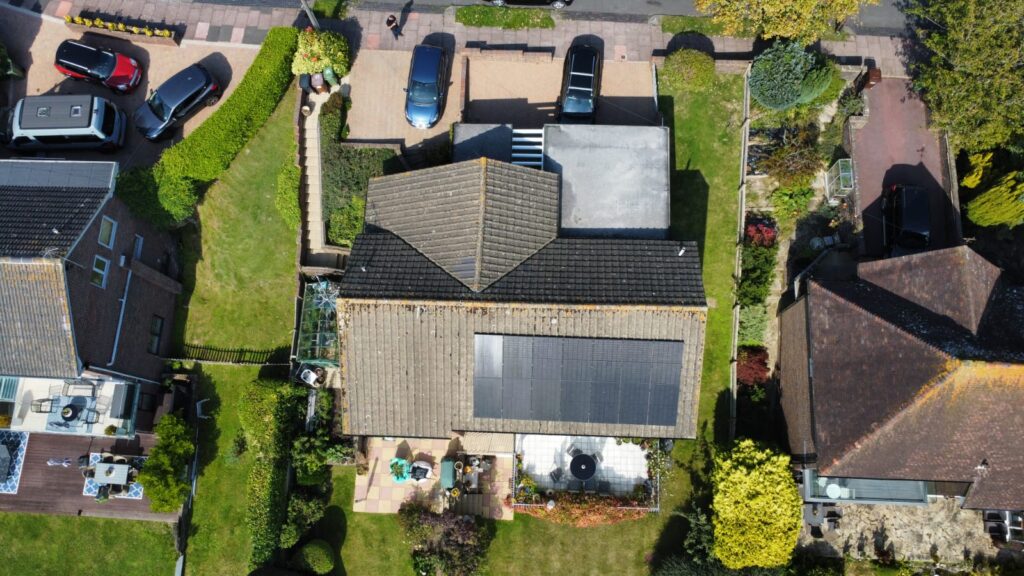
Solar panels are designed to work for 25 to 40 years, but not all panels can withstand the same environmental challenges. On the South Coast, where weather can shift quickly between sunshine, heavy rain, and salty sea breezes, panels are exposed to constant stress.
Durability determines how well a panel resists these stresses over time. Panels that are less robust may develop cracks, corrosion, or electrical faults that reduce efficiency or cause early failure. A durable solar panel protects your investment, generates more power over its lifespan, and ensures fewer repair or replacement costs.
When your panels can handle coastal winds, UV radiation, and temperature fluctuations, you can enjoy stable, dependable energy without worrying about degradation or damage. That’s where SunPower Maxeon stands out.

SunPower’s Maxeon technology represents over 35 years of research and refinement. Unlike conventional panels, these are designed from the ground up to deliver superior mechanical strength and electrical resilience. Let’s look at what makes them truly exceptional.
Traditional solar cells are fragile. They rely on thin metal strips (called busbars) to carry electricity, and over time, those strips can corrode or snap, leading to performance loss. SunPower Maxeon cells, on the other hand, are built with a solid copper foundation behind each cell.
This design does two vital things:
Most solar panels use front-side metal lines to conduct electricity. Unfortunately, these lines block sunlight and create weak spots where cracks can form. SunPower Maxeon panels use an innovative back-contact design, placing all electrical connections on the underside of the cell.
This approach offers three major advantages:
Durability isn’t just about design—it’s also about resilience in real-world conditions. SunPower Maxeon panels are extensively tested for performance in extreme environments.
They can withstand:
Solar panels naturally lose a small portion of their output every year, known as the degradation rate. The industry average is about 0.7 to 1 percent per year meaning by year 25, a typical panel may only produce 75 to 80 percent of its original power.
SunPower Maxeon 7, however, has a degradation rate of just 0.2 percent per year. After 25 years, these panels still operate at over 92 percent of their initial efficiency.
This is achieved through premium cell materials, laser-precision manufacturing, and superior lamination processes that protect the cells from environmental stress. For homeowners, that translates into:
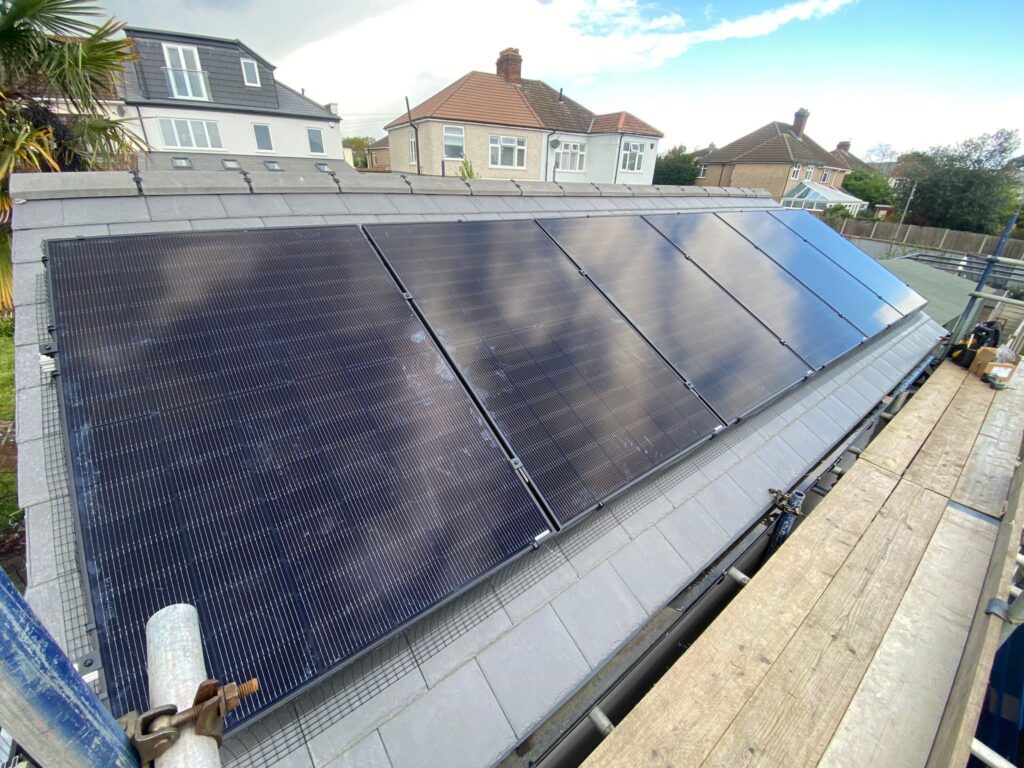
Durability claims mean little without evidence to back them up. SunPower’s Maxeon technology has been tested in over 100 countries and through decades of real-world installations. Panels installed in the early 2000s continue to perform at high levels today.
To reinforce their confidence, SunPower offers a 40-year combined product and performance warranty on the Maxeon 7 series. Most other manufacturers only provide 20 to 25 years.
This warranty covers both product defects and power output, ensuring homeowners get the long-term reliability they’re promised. In fact, less than 0.005 percent of Maxeon panels have ever been returned under warranty—proof of their exceptional build quality.

Standard panels often rely on thin, brittle silicon wafers that can develop cracks during installation or due to temperature fluctuations. Their metal conductors are exposed to air and moisture, leading to corrosion over time.
SunPower Maxeon 7 panels, with their copper backing and advanced encapsulation, eliminate these vulnerabilities. The result is a panel that lasts longer, resists wear, and continues to perform at near-peak efficiency even after decades of exposure to harsh conditions.
Panasonic EverVolt panels are known for high conversion efficiency and solid performance, but SunPower Maxeon 7 edges ahead in long-term durability. Maxeon panels are built with thicker, more robust materials that handle mechanical stress better and degrade more slowly.
For homeowners, this means Maxeon panels will produce more energy across their lifespan, especially in the variable weather typical of Southern England.
Pairing durable panels with the right battery system maximises energy independence. Two popular options are the Growatt battery and Tesla Powerwall.
Homeowners in Bournemouth, Poole, and Dorchester often prefer the Growatt battery for its cost-effectiveness and reliability, while still enjoying exceptional performance with SunPower panels. Comparing Growatt battery vs Tesla comes down to budget, desired capacity, and smart-home integration.
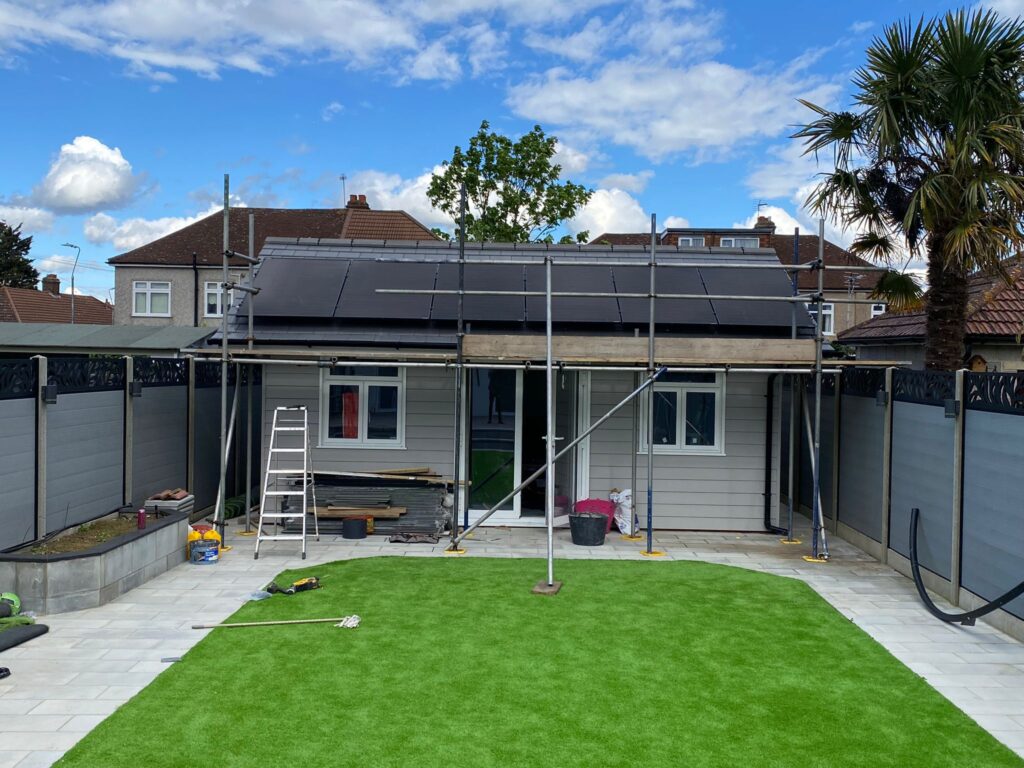
Choosing durable solar panels benefits both your wallet and the planet. Because SunPower Maxeon panels last longer and maintain higher efficiency, they:
Combined with intelligent storage solutions like Growatt batteries, homeowners can further cut reliance on the grid and protect against rising energy costs.
If you live in Bournemouth, Poole, Christchurch, Dorchester, or anywhere across the South Coast, and are ready to make the switch to long-lasting, high-performance solar, My Home Solar can help.
Our experienced team designs and installs solar systems tailored to your home, featuring industry-leading technologies such as SunPower Maxeon 7 panels, Growatt batteries, and Panasonic EverVolt systems.
Contact My Home Solar today to book a consultation or request a free quote and start generating clean, reliable energy for decades to come.
Error: Contact form not found.