- 31b Great Western Road Dorchester Dorset DT1 1UF
- quotes@myhomesolar.uk

Call Us
0800 193 3933
As more homeowners across Dorset and the South Coast choose to invest in renewable energy, solar batteries have become one of the most talked-about technologies in modern homes. They allow you to store excess power generated by your solar panels, giving you greater independence from the grid and lower energy bills.
But as you start researching battery options, you’ll come across two terms that can be confusing usable capacity and rated capacity. They sound similar, but understanding the difference between them is essential if you want to make an informed decision about your solar battery system.
In this guide, we’ll break down what each term means, why the difference matters, and how popular battery systems like the Growatt battery, Panasonic EverVolt, and Enphase Energy compare in real-world use. We’ll also explore how these systems work alongside technologies such as SolarEdge, Solis inverters, SunPower Maxeon panels, and Jaso Solar modules to create efficient, high-performance solar setups across Dorset.
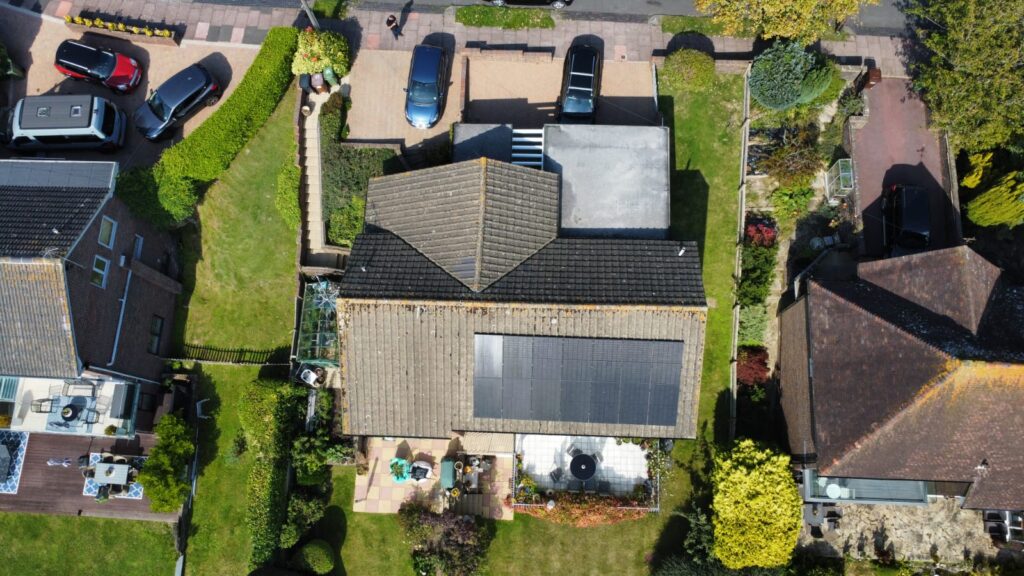
Every solar battery is designed to store a specific amount of energy, usually measured in kilowatt-hours (kWh). However, not all of that energy is actually usable. To understand why, let’s first define the two main terms used to describe battery size and performance.
Rated capacity refers to the total amount of energy a battery can theoretically store when it’s brand new, straight from the manufacturer. It’s the figure you’ll usually see on spec sheets or product brochures.
For example, if a battery has a rated capacity of 10 kWh, that means it can technically hold up to 10 kilowatt-hours of energy. But in real-life use, you won’t be able to access all of it.
Usable capacity is the portion of the battery’s total capacity that you can actually use. Most batteries are designed with a small amount of stored energy that remains untapped to prevent deep discharging, which can damage the battery and shorten its lifespan.
So, a 10 kWh battery might only offer 9 kWh of usable energy. That remaining 1 kWh acts as a buffer to protect the internal cells and ensure long-term reliability.

The difference between rated and usable capacity directly affects how much energy you can store and use in your home.
If you’re comparing two solar battery systems, one with a rated capacity of 10 kWh and 90% usable capacity, and another with a rated capacity of 10 kWh but only 80% usable capacity, the first system will give you an extra kilowatt-hour of usable energy each day.
Over time, that adds up to significant savings and greater efficiency, particularly for homes in Dorchester or Poole where energy demands can fluctuate throughout the year.
Another factor that influences usable capacity is Depth of Discharge (DoD) the percentage of the battery that can be used before it needs recharging.
For instance, a battery with a DoD of 90% means you can safely use 90% of its stored energy without harming its lifespan. Manufacturers like Growatt, Enphase Energy, and Panasonic EverVolt typically offer DoD ratings between 90% and 95%, ensuring a good balance between performance and durability.
High DoD values are ideal for home solar panels in Dorchester, where weather and daylight hours vary seasonally, giving homeowners the flexibility to rely on stored energy during long winter nights.
When choosing a solar battery, it’s important to look beyond marketing numbers. Rated capacity can sound impressive, but usable capacity is what truly determines how much energy you’ll benefit from daily.
Here’s what to consider before making your decision:

The more usable capacity your battery has, the more self-sufficient your home becomes. With higher usable energy, you’ll rely less on grid electricity during the evenings and can even store enough power to offset cloudy days.
In areas like Dorchester, where energy prices are rising and sustainability is becoming a key household priority, choosing the right system could save hundreds of pounds annually.
For example:

What is the difference between rated and usable capacity in solar batteries?
Rated capacity is the total amount of energy a battery can hold, while usable capacity is the portion you can actually use. The difference protects the battery from over-discharge and extends its lifespan.
Why can’t I use all the energy in my solar battery?
Manufacturers reserve a small portion of stored energy to prevent deep discharge, which can cause damage. This is why usable capacity is slightly lower than rated capacity.
Which solar batteries have the highest usable capacity?
Brands like Growatt, Panasonic EverVolt, and Enphase Energy are known for high usable capacity ratios, offering excellent real-world performance.
What is a good Depth of Discharge for home solar batteries?
Anything above 90% is considered very good. Most modern systems from Enphase, Panasonic, and Growatt fall into this range.
How can My Home Solar help me choose the right system?
My Home Solar offers expert advice and installation across Dorset and the South Coast. They assess your home’s energy profile and recommend the best mix of panels, inverters, and batteries for long-term efficiency.
When comparing solar battery systems, always look at usable capacity, not just the rated number on the brochure. It’s the most accurate indicator of how much stored power your home will actually benefit from each day.
Whether you choose a Growatt battery, Panasonic EverVolt, or Enphase Energy system, pairing it with efficient SunPower Maxeon or Jaso Solar panels and smart inverter technology like SolarEdge or Solis will give you exceptional performance and long-term savings.
At My Home Solar, we design, install, and maintain systems built around your lifestyle helping Dorset homeowners make the most of the sun, every single day.
If you’re ready to find out which system is right for you, get in touch with My Home Solar today for expert guidance and a free quote.
Error: Contact form not found.