- 31b Great Western Road Dorchester Dorset DT1 1UF
- quotes@myhomesolar.uk

Call Us
0800 193 3933
Solar energy has become one of the most reliable and forward thinking investments for households and businesses across the United Kingdom. As more homeowners explore solar panels for your home, one question frequently arises. What happens to solar panels after 25 years?
Understanding the solar panel lifespan is essential when deciding whether to install home solar energy panels. Many people assume solar panels stop working after a couple of decades. In reality, modern solar technology is designed to perform efficiently for far longer than many expect.
For homeowners considering solar panels for home UK properties, the truth is reassuring. After 25 years, solar panels are rarely at the end of their life. Instead, they simply produce slightly less electricity than when they were first installed.

Most modern solar panels are designed to operate for between 25 and 30 years, although many continue producing electricity for far longer.
Manufacturers usually provide performance warranties that guarantee a certain level of output after 25 years. Typically, this warranty ensures the panel will still generate around 80 to 90 per cent of its original capacity.
Panels from trusted manufacturers such as Canadian Solar panels and Q Cells are well known for their durability and long term performance. These brands design solar modules that can withstand decades of exposure to weather, temperature changes, and environmental conditions.
This means that even after a quarter of a century, your home solar energy panels are still producing clean electricity for your property.

After 25 years of operation, solar panels generally continue working but at a slightly reduced efficiency.
This gradual reduction is known as degradation. Solar panels lose a small percentage of their output each year. Most modern systems degrade at a rate of around 0.3 to 0.8 per cent annually.
In practical terms, this means that after 25 years a panel may still operate at roughly 85 per cent of its original output.
For homeowners this means
• Your solar system continues generating electricity
• Your energy bills remain lower
• Your system still contributes to reducing carbon emissions
Rather than suddenly failing, solar panels slowly decline in efficiency over a long period of time.

A common misconception is that solar panels stop functioning entirely after 25 years. In reality, they continue producing electricity long after this point.
Many solar systems installed in the 1990s are still generating power today. While their output may be lower than when they were first installed, they remain perfectly functional.
This is why solar panel lifespan is often far longer than the warranty period suggests. Manufacturers provide conservative warranties to guarantee performance, not to mark the end of a system’s working life.
For homeowners researching how do solar power work, it is useful to understand that the photovoltaic cells inside the panels do not suddenly stop converting sunlight into electricity.
Instead, they gradually lose a small amount of efficiency each year.
Solar panels operate outdoors in all weather conditions, so gradual wear is inevitable. Several factors contribute to long term degradation.
Constant exposure to sunlight, wind, rain, and temperature changes slowly affects the materials inside the panel.
Solar panels expand and contract slightly as temperatures rise and fall. Over decades this can affect internal connections.
Long term exposure to ultraviolet light can cause minor changes in the materials used in photovoltaic cells.
Despite these influences, modern manufacturing standards ensure degradation occurs very slowly.
Leading manufacturers such as Canadian Solar and Q Cells invest heavily in improving the durability of their solar modules.

While solar panels themselves can last decades, other system components may need replacement sooner.
The solar inverter plays a vital role in converting electricity from the panels into usable power for your home.
Many systems use advanced inverter technology such as
• Fronius solar inverter systems
• Solar Edge inverters
• Enphase microinverters produced by Enphase Energy
These components typically last between 10 and 15 years. Replacing an inverter during the life of a solar system is normal and ensures your panels continue operating efficiently.
Modern systems using Enphase or Solar Edge technology often provide detailed monitoring so homeowners can track performance and identify issues quickly.
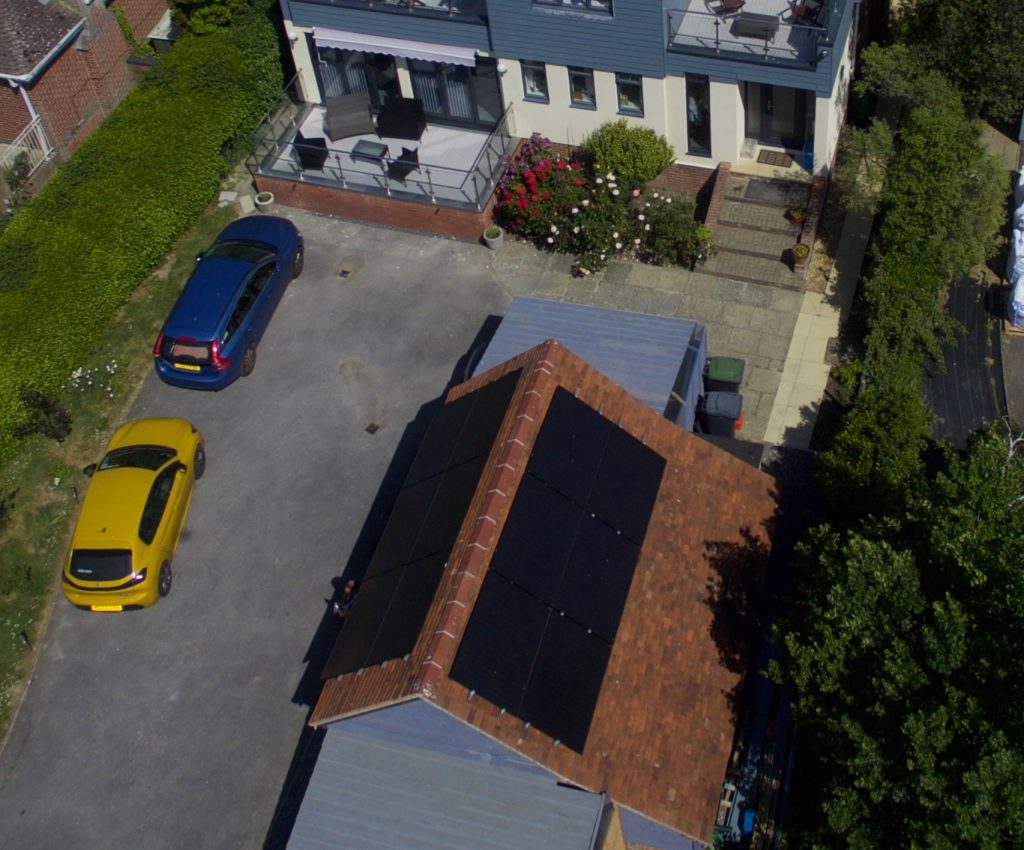
Yes. In many cases solar panels continue working for 30 years or more.
Several factors influence how long a solar system performs effectively
• Quality of the panels installed
• Professional installation standards
• Proper inverter configuration
• Minimal shading on the system
• Occasional maintenance and inspection
Panels from reputable manufacturers such as Canadian Solar panels and Q Cells are specifically designed for long term reliability.
A well designed solar system installed by experienced professionals can remain productive for decades.
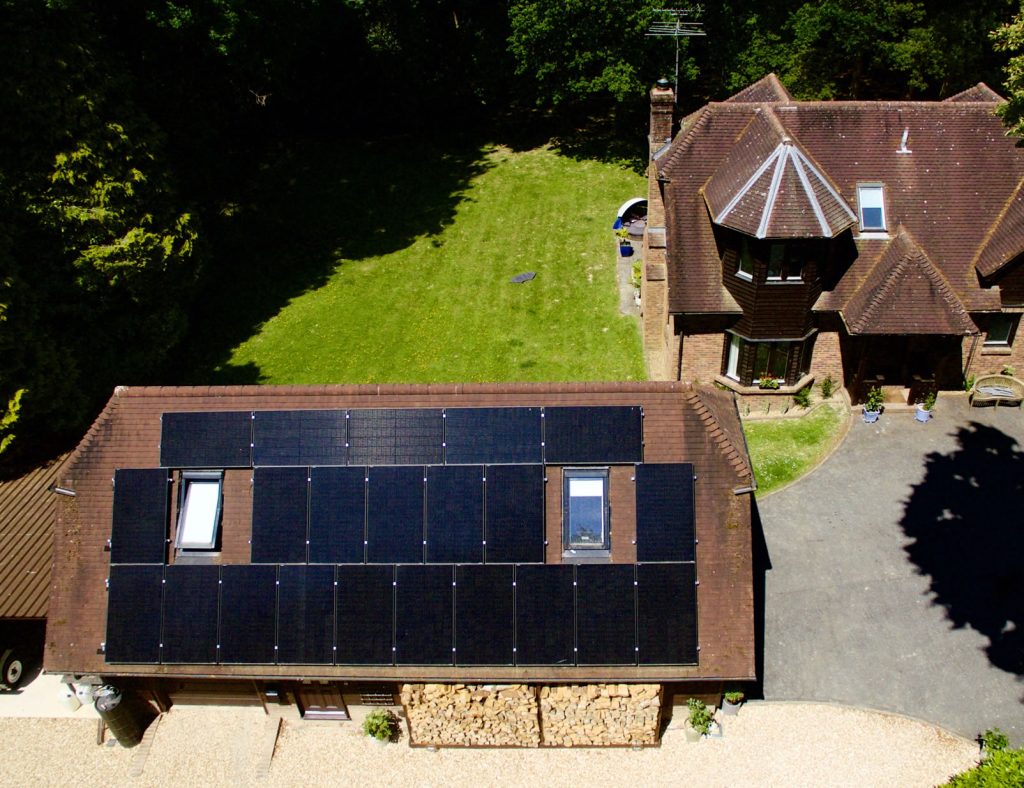
As solar technology evolves, battery storage is becoming increasingly popular among homeowners.
A Growatt battery allows households to store surplus electricity generated during the day for use in the evening. This improves energy independence and increases the overall efficiency of a solar installation.
Pairing solar panels with battery systems means your property can benefit from clean energy even after sunset.
Battery systems do not affect the solar panel lifespan itself, but they significantly improve how effectively you use the electricity your panels generate.
Even when considering the solar panel lifespan, installing solar panels remains one of the most effective ways to reduce energy costs and carbon emissions.
Solar energy systems offer several advantages
• Reduced electricity bills
• Long term energy security
• Lower environmental impact
• Increased property value
• Protection against rising energy prices
Both homeowners and businesses are now exploring solar panels for your home and business solar panel systems to protect themselves from volatile energy markets.
In areas such as Dorchester, Bournemouth, Poole and Christchurch, solar adoption continues to grow rapidly as residents seek sustainable energy solutions.
Across Dorset, interest in solar panels for home UK properties has increased dramatically in recent years.
Homeowners are installing solar panels for your home to take advantage of abundant daylight and rising electricity prices.
At the same time, commercial property owners are exploring business solar panel installations to reduce operational costs and improve sustainability credentials.
For both domestic and commercial systems, understanding solar panel lifespan helps demonstrate that solar power remains a reliable long term investment.
When people first consider installing solar panels, the question of longevity naturally arises. Fortunately, modern solar technology is built with durability in mind.
After 25 years, solar panels are rarely nearing the end of their life. Instead, they continue producing clean electricity while helping households reduce energy bills and environmental impact.
With trusted technology from manufacturers such as Canadian Solar, Q Cells, Enphase Energy, and Solar Edge, today’s solar systems are designed to provide decades of reliable performance.
For homeowners and businesses across Dorchester, Bournemouth, Poole and Christchurch, solar energy represents a long term investment in sustainability, financial stability, and energy independence.
If you are considering solar panels for your home or exploring options for a business solar panel installation, the experienced team at My Home Solar can help.
Contact My Home Solar today to arrange a free consultation and discover how a professionally designed solar system could transform your energy future.
Error: Contact form not found.