At MyHomeSolar, we believe in providing our customers with comprehensive information to make informed decisions about their renewable energy choices. Solar thermal is one of the many technologies available for harnessing solar energy. In this article, we will delve into the details of solar thermal, its applications, benefits, and also explore an alternative solution that might better suit your energy needs.

Understanding Solar Thermal
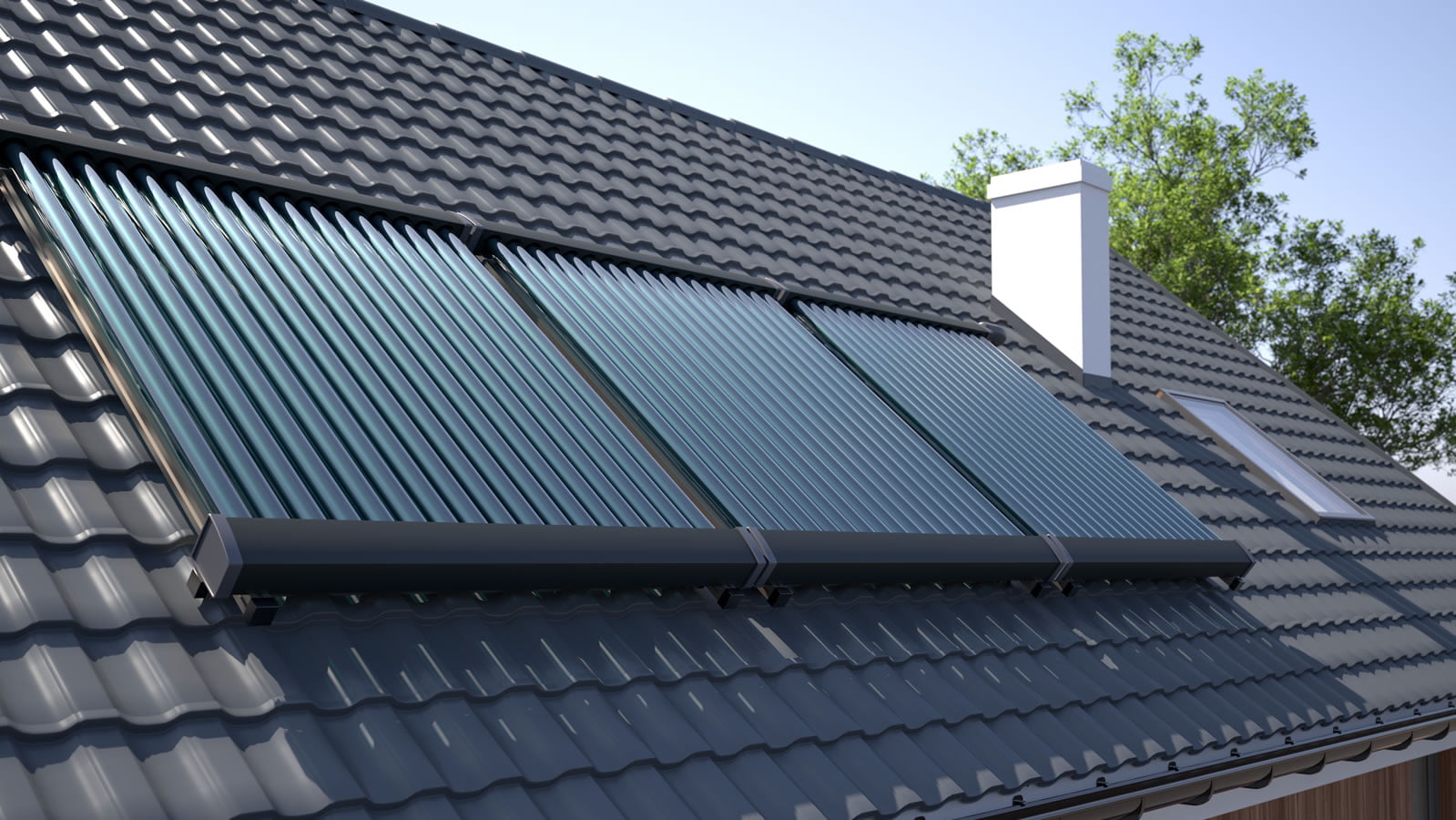
Solar thermal technology is a renewable energy system that captures the sun’s energy to produce heat. The primary components of a solar thermal system are solar collectors, which absorb sunlight and convert it into thermal energy. This heat is then used for various applications, such as water heating, space heating, and industrial processes.
How Solar Thermal Works
Solar thermal systems consist of different types of solar collectors, each tailored to specific applications. Flat-plate collectors are commonly used for residential water heating, while evacuated tube collectors are more efficient in colder climates. Concentrated Solar Power (CSP) collectors are used for large-scale electricity generation.
When sunlight strikes the collector’s surface, it is converted into heat. The heat is then transferred to a fluid medium, typically water or a heat transfer fluid. The heated fluid is stored in a tank for later use or directly utilized for the intended application.
Applications of Solar Thermal
Solar thermal technology finds applications in various sectors, offering renewable and sustainable solutions for energy needs. Some common applications include:

Domestic Hot Water
Solar water heaters can provide households with an eco-friendly and cost-effective alternative to conventional water heaters.

Space Heating
Solar thermal systems can be integrated into buildings to provide space heating during colder months.

Swimming Pool Heating
Solar pool heaters offer an efficient way to extend the swimming season without increasing energy bills.
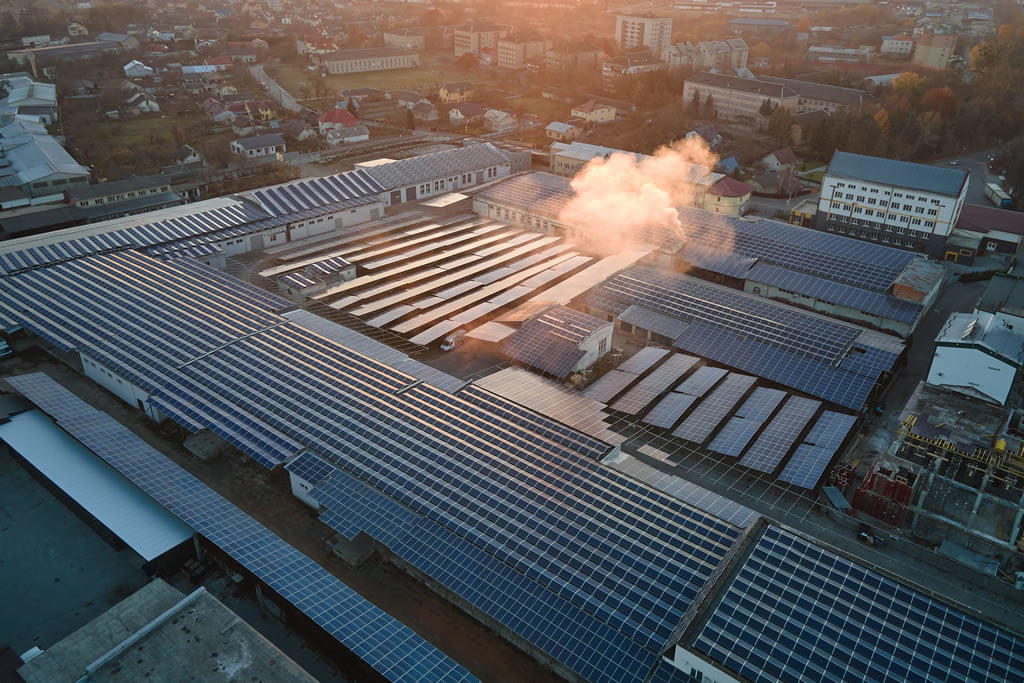
Industrial Processes
Solar thermal energy can be utilized in industries for applications like food processing and desalination.
Advantages of Solar Thermal
Solar thermal technology has several advantages that make it an attractive option for some homeowners and businesses:
Solar Thermal vs. Solar PV with iBoost
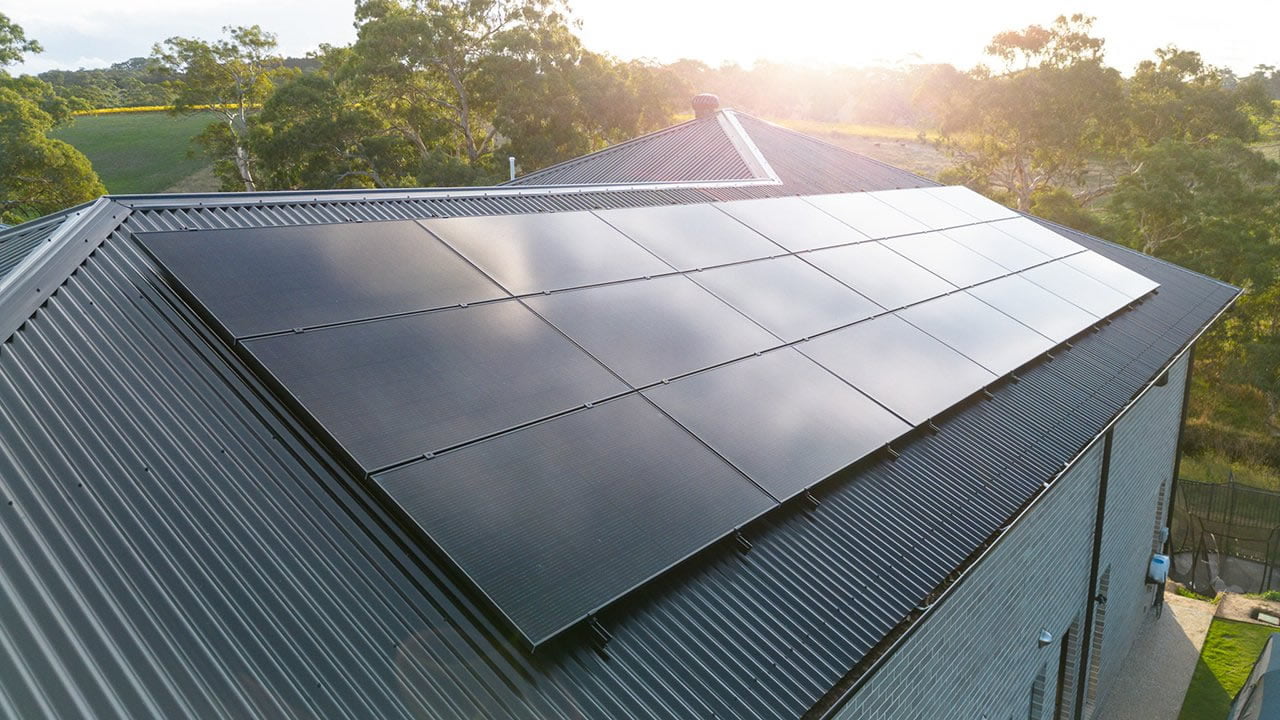
While solar thermal has its benefits, we recommend considering a solar photovoltaic (PV) system combined with an iBoost device for many of our customers. Solar PV generates electricity from sunlight, which can then be used to power your home’s electrical appliances, including your water heater.

- Electricity Generation: Solar PV systems not only produce electricity for immediate use but also offer the potential to export excess electricity back to the grid, earning you potential revenue or credits.
- iBoost for Water Heating: By integrating an iBoost device with your solar PV system, you can use excess electricity to heat your water, maximizing your solar energy utilization.
- Versatility: Solar PV can power all your electrical needs, from lighting and appliances to electric vehicles, offering a comprehensive energy solution.
Solar thermal technology is a viable option for certain applications, offering renewable and sustainable heating solutions. However, at MyHomeSolar, we encourage our customers to consider the versatility and benefits of solar PV systems, especially when combined with an iBoost device for efficient water heating. Making an informed choice ensures you get the most out of your renewable energy investment, reducing your carbon footprint and contributing to a greener future.