- 31b Great Western Road Dorchester Dorset DT1 1UF
- quotes@myhomesolar.uk

Call Us
0800 193 3933
As energy prices continue to rise and homeowners seek sustainable alternatives, solar panel installation has become more popular than ever. But when it comes to choosing the right solar panels for home, the debate between solar shingles vs. traditional panels is gaining traction. Which option is best for your property in the South Coast?
Both home solar panels and solar shingles offer unique advantages, from aesthetic appeal to energy efficiency. Understanding the key differences can help you make an informed decision when considering solar panels for your home. In this guide, we’ll explore the pros and cons of both options to help you determine the best fit for your residential or commercial property.
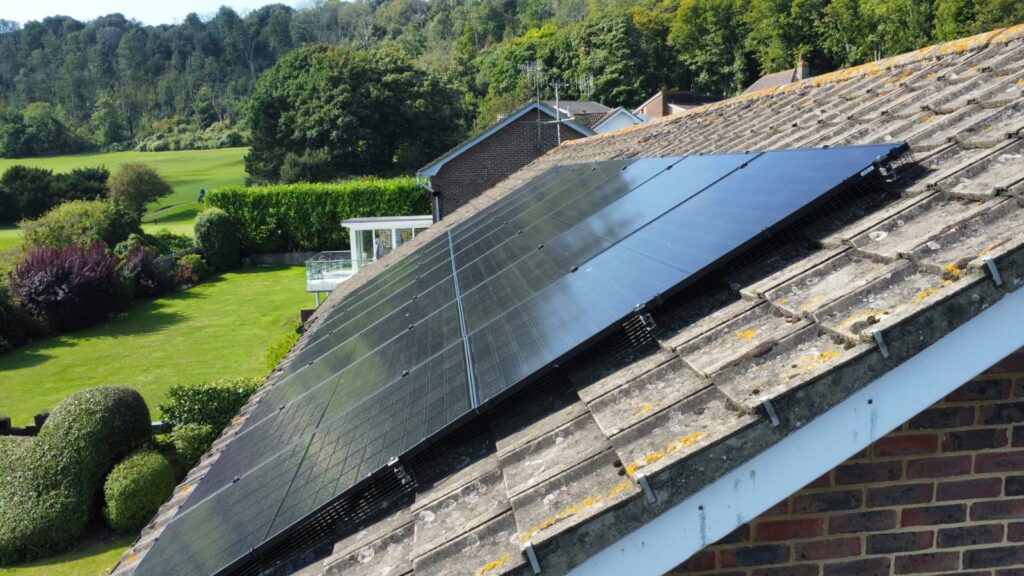
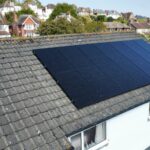
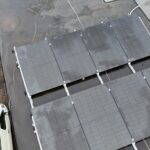
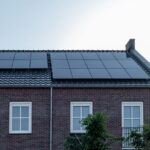
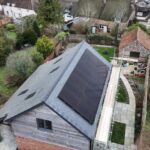
Traditional home solar panel systems consist of photovoltaic (PV) panels mounted on rooftops or installed as ground-mounted systems. These systems capture sunlight and convert it into electricity, reducing your reliance on the grid and lowering energy bills.
Higher Efficiency – Residential solar panels typically offer greater energy conversion efficiency, meaning they generate more electricity per square foot.
Proven Technology – Home PV panels have been around for decades, with consistent technological advancements improving their durability and output.
Lower Cost – Compared to solar shingles, solar panels for the home tend to be more affordable in terms of upfront costs and installation expenses.
Easier Maintenance – Maintenance and repairs are simpler since individual panels can be replaced without affecting the entire system.
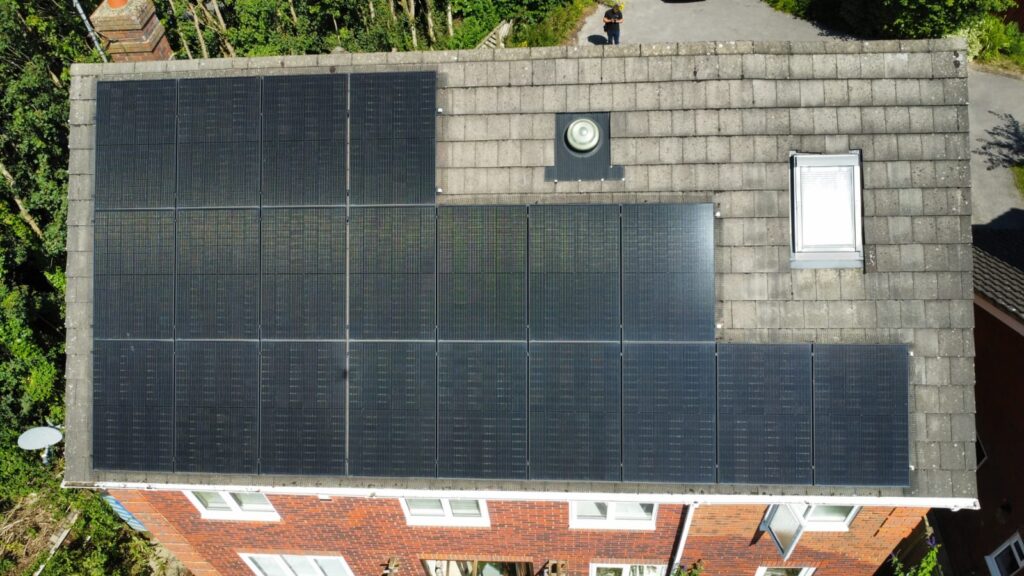
Bulky Appearance – While modern panels have sleeker designs, some homeowners may not like the visible presence of solar panels on homes.
Roof Compatibility Issues – Some older roofs may not support the weight or installation requirements of traditional solar panels for homes.
Solar shingles, also known as solar roof tiles, are a newer technology that integrates seamlessly with roofing materials. They function like home PV panels but are designed to mimic the look of traditional roofing shingles while generating electricity.
Aesthetic Appeal – If appearance is a priority, solar shingles blend seamlessly into your roof, making them virtually invisible.
Dual Functionality – Unlike solar panels for home use, solar shingles serve as both roofing material and energy generators, eliminating the need for separate roof coverings.
Durability – Many solar shingles are built with tough materials that can withstand harsh weather conditions, including strong winds and hail.
Higher Cost – Solar shingles are generally more expensive than traditional solar panels home systems, both in material costs and installation.
Lower Efficiency – Due to their compact size and placement limitations, solar shingles typically produce less electricity per square foot than traditional solar panels for homes.
Complex Installation – Installing solar shingles requires specialized expertise, which can limit your choice of solar providers and increase costs.
One of the most important factors in choosing between solar panels for your home and solar shingles is the cost.
While solar shingles may be more expensive initially, their aesthetic advantages and dual-purpose function may justify the cost for some homeowners.
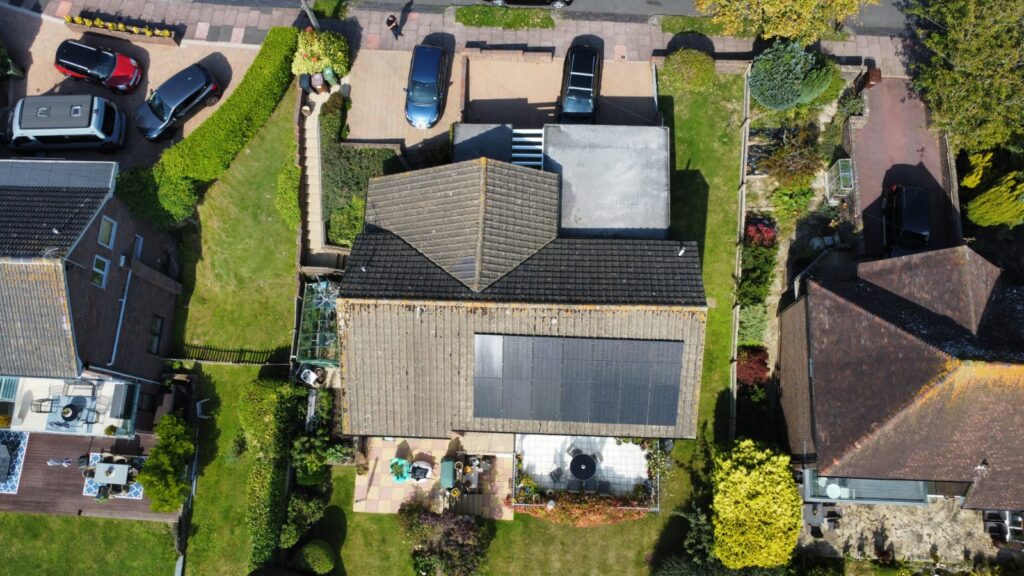
If your roof is relatively new and in good condition, solar panels for your home are a viable option. However, if you need a new roof soon, solar shingles could be a smart long-term investment.
Solar shingles also have a lifespan of 25-30 years, but replacing them can be more complex than replacing solar panels home systems.
Traditional solar panels last 25-30 years with proper maintenance.
Efficiency is key when considering solar panels for the home. Home PV panels typically offer efficiencies between 15-22%, while solar shingles range from 14-18%.
If appearance is your top priority, solar shingles may be worth the trade-off in efficiency.
If you want to maximize energy production, traditional solar panels home setups are the better choice.
Choosing between solar shingles and traditional panels depends on your budget, aesthetic preferences, and energy needs.
Either way, solar in home solutions will help you save on energy bills and reduce your carbon footprint.
Error: Contact form not found.