- 31b Great Western Road Dorchester Dorset DT1 1UF
- quotes@myhomesolar.uk

Call Us
0800 193 3933
If you’re thinking about going solar, one of the first questions that comes to mind is: “How many solar panels will I actually need to power my home?” It’s a sensible question, and the answer depends on a few key factors.
From cosy two-bed bungalows in Wimborne to larger family homes in Bath, or even seaside cottages in Bournemouth and Bridport, every property is different. The number of panels you need will vary depending on how much electricity you use, how efficient your panels are, and how much roof space you have. Even your location across the South Coast — whether that’s Ferndown, Andover, Corfe Mullen, or Corfe Castle — plays a role, since the amount of sunshine varies slightly across the region.
In this guide, we’ll break it down step by step, so you can get a clear picture of how many panels your home might need and what factors to consider before making the switch.
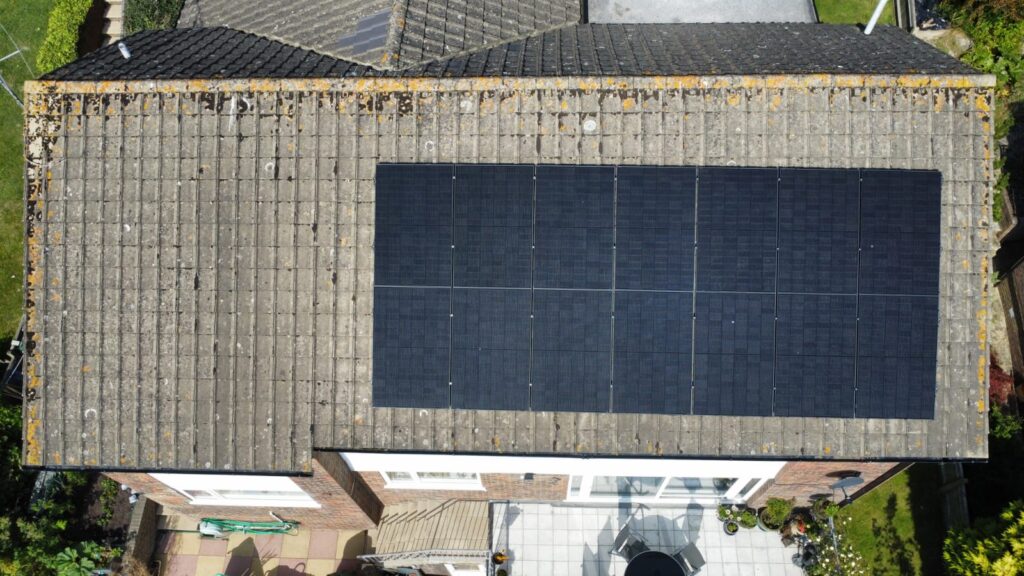
Before we jump into numbers, it’s important to understand what actually determines how many solar panels are right for you.
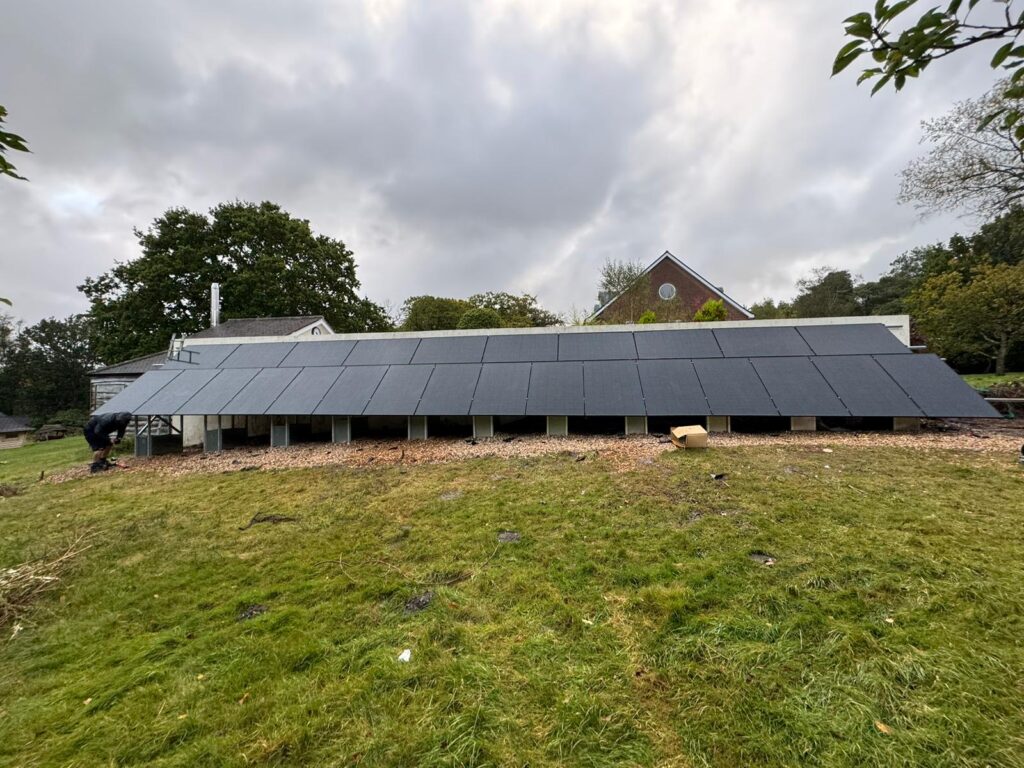
Your electricity bill is the most useful tool for working out how many panels you’ll need. It will show your annual usage in kilowatt hours (kWh).
Here’s a rough guide to average UK household usage:
To put this into perspective:
So, if you live in a 3-bed house in Bournemouth and your bill shows 3,500 kWh a year, you’ll need a solar system sized to meet that demand.
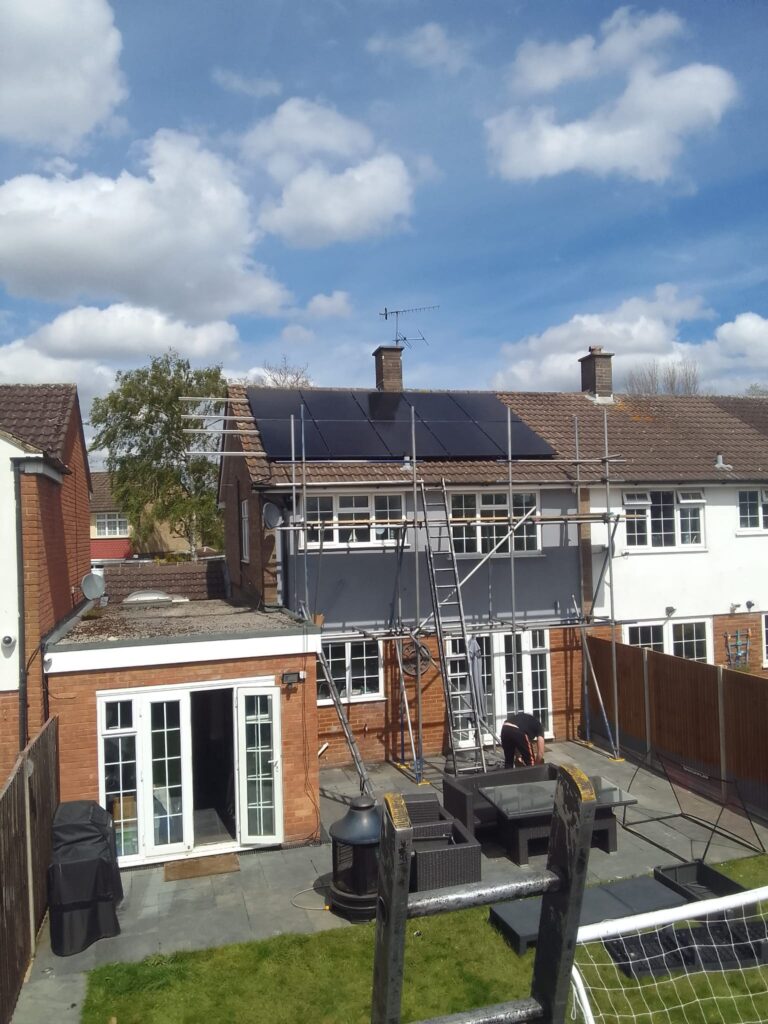
Solar panels don’t all generate the same amount of electricity. It depends on their rating and how much sun they receive.
On the South Coast, homes in Andover, Wimborne, and Bridport enjoy around 1,600–1,700 hours of sunshine annually, which gives panels a performance boost compared to the UK average.
This means:
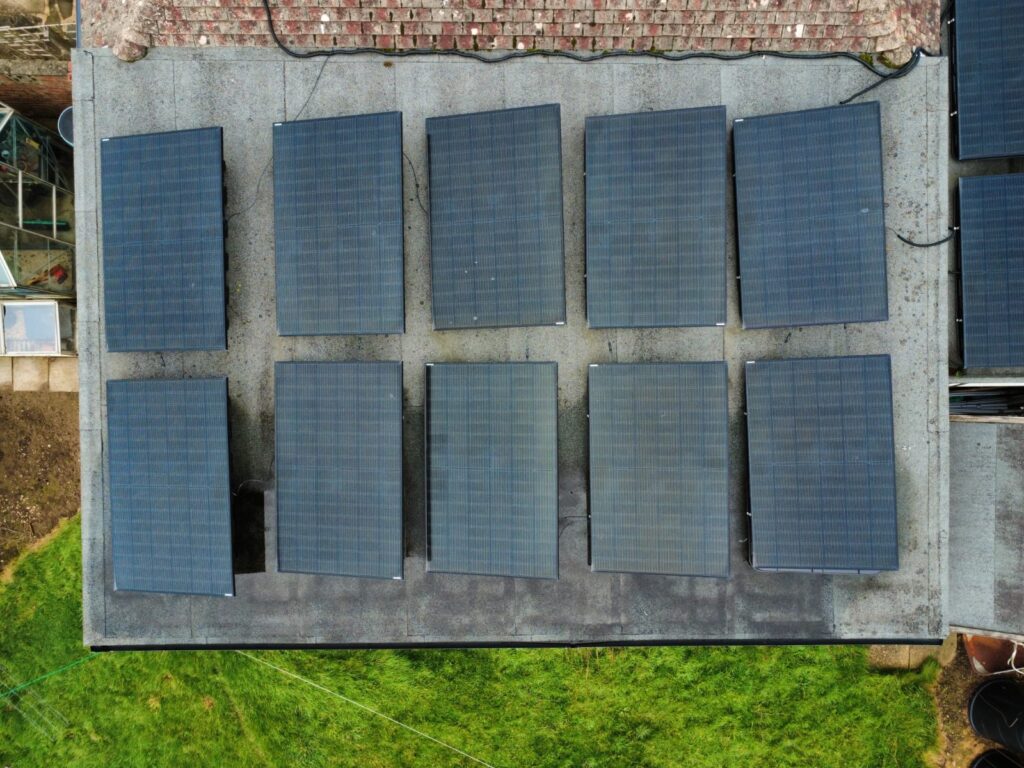
Here’s a breakdown of what different homes might require:
This quick guide shows how panel numbers scale with household demand. If you’re in Ferndown with a medium 3-bed family home, you might need around 10 panels. In contrast, a larger property in Bath with multiple appliances could require 15+.
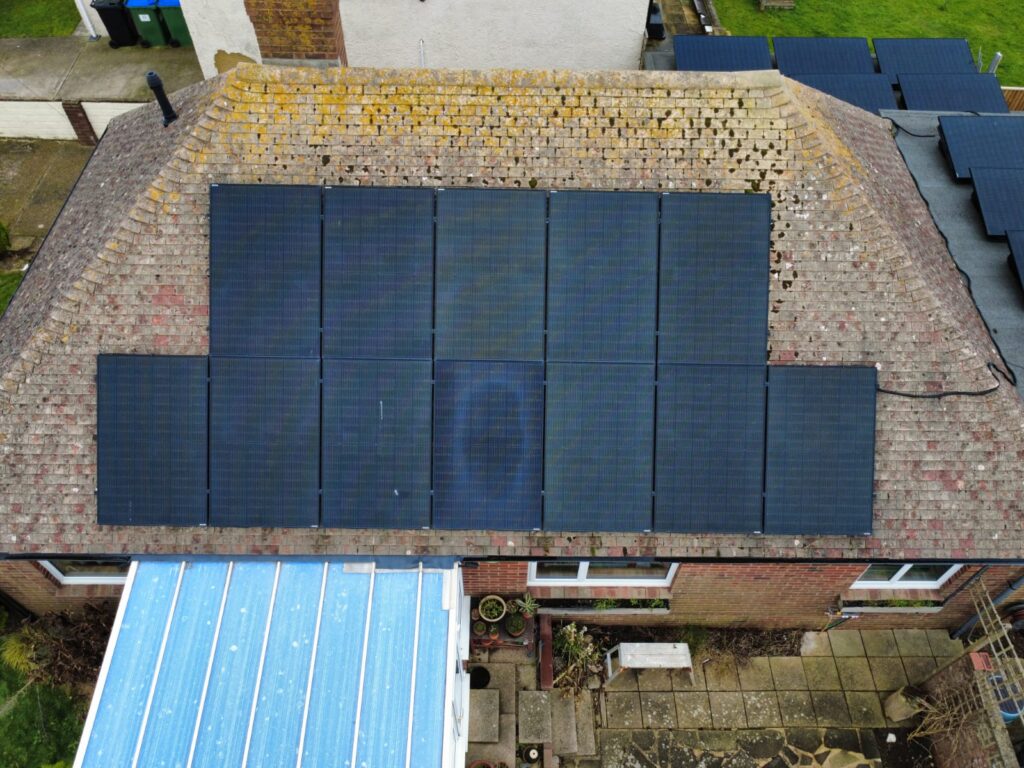
Your roof space can sometimes be the limiting factor.
For example, a Corfe Castle cottage with a south-facing roof could get maximum output with 10–12 panels, while a shaded terraced house in Andover might need extra panels to achieve the same results.
Not all regions are equal when it comes to solar potential, and the South Coast is one of the better spots in the UK.
For homeowners in Bath, Andover, and Dorset villages like Corfe Mullen, this means your investment pays off more quickly compared to other parts of the UK.
Let’s make it practical with some South Coast examples:
Q: Can solar panels power my entire home?
Yes, in many cases they can. A well-sized system will offset most, if not all, of your annual electricity usage, especially in sunny areas like Bridport and Bournemouth.
Q: Do I need battery storage?
Not strictly, but it helps. A battery lets you store excess electricity generated during the day and use it at night, boosting savings.
Q: What if I add an EV in future?
If you’re planning to buy an electric car, it’s wise to install a slightly larger system now to cover future demand.
Q: How long do panels last?
Most panels are guaranteed for 25–30 years, meaning they’ll continue generating long after they’ve paid for themselves.
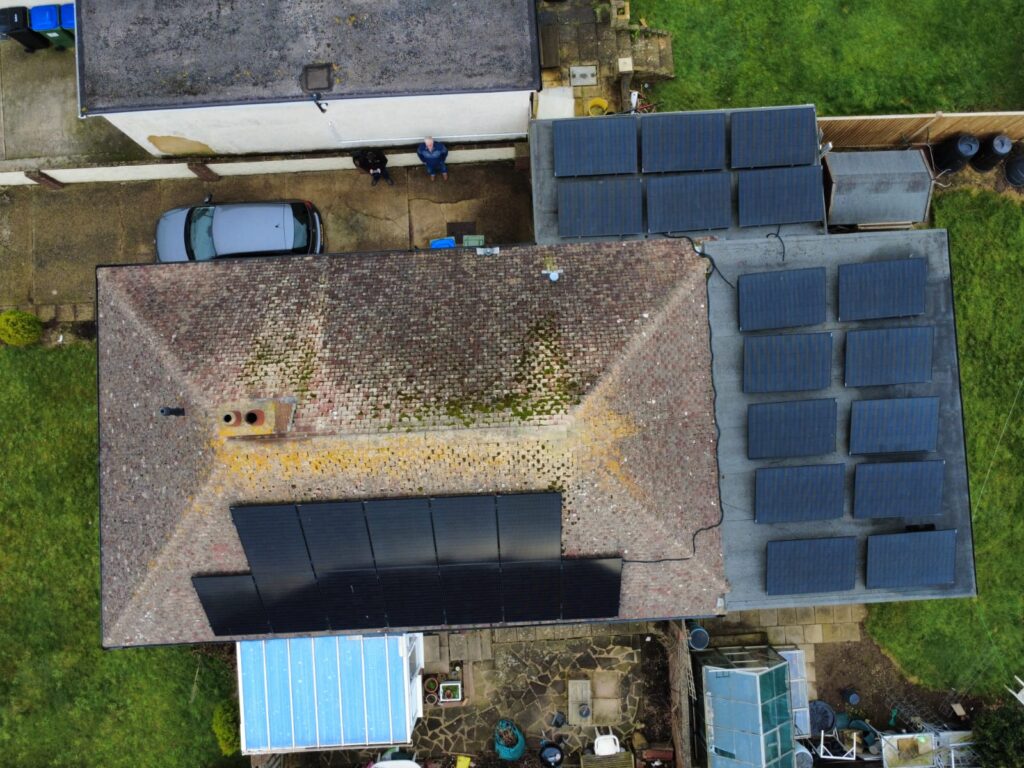
The number of solar panels you need depends on your energy usage, home size, roof space, and panel efficiency. On average, homes in Dorset and the South Coast need between 8 and 14 panels, though larger properties may need more.
From seaside homes in Bournemouth and Bridport to family houses in Bath, Wimborne, or Corfe Mullen, solar is a smart investment that lowers bills and increases energy independence.
At My Home Solar, we’ll design a system tailored to your home, ensuring you get the right number of panels to match your needs. Whether you’re in Ferndown, Corfe Castle, or Andover, we’re here to help you make the switch to clean, renewable energy.
Contact My Home Solar today for a free home assessment and discover how many panels your home really needs.
Error: Contact form not found.