- 31b Great Western Road Dorchester Dorset DT1 1UF
- quotes@myhomesolar.uk

Call Us
0800 193 3933
As solar energy becomes more popular in the UK, homeowners are increasingly turning to battery storage systems to make the most of their renewable energy. Among the leading options in the market is the Growatt GBLI6531 lithium battery, known for its reliability, compact size, and long-lasting performance. But how long can you expect a Growatt battery to last? And what does “cycle life” really mean?
In this blog, we’ll take a friendly and informative dive into the world of battery cycle life and degradation, with a special focus on the Growatt GBLI6531 and other Growatt battery sizes. Whether you’re new to solar or just brushing up on the tech, this guide will help you understand how to get the most from your battery storage investment.
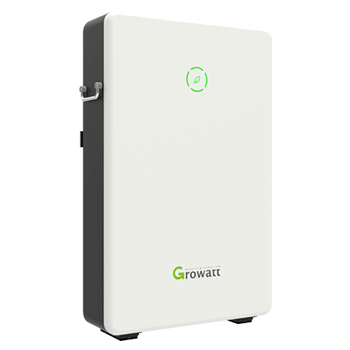
Battery cycle life refers to the number of complete charge and discharge cycles a battery can go through before its capacity significantly declines.
A single cycle typically means:
However, partial discharges still count as part of a cycle. For example, two 50% discharges = one full cycle.
Over time, every battery begins to lose capacity with use — this is where battery degradation comes in.
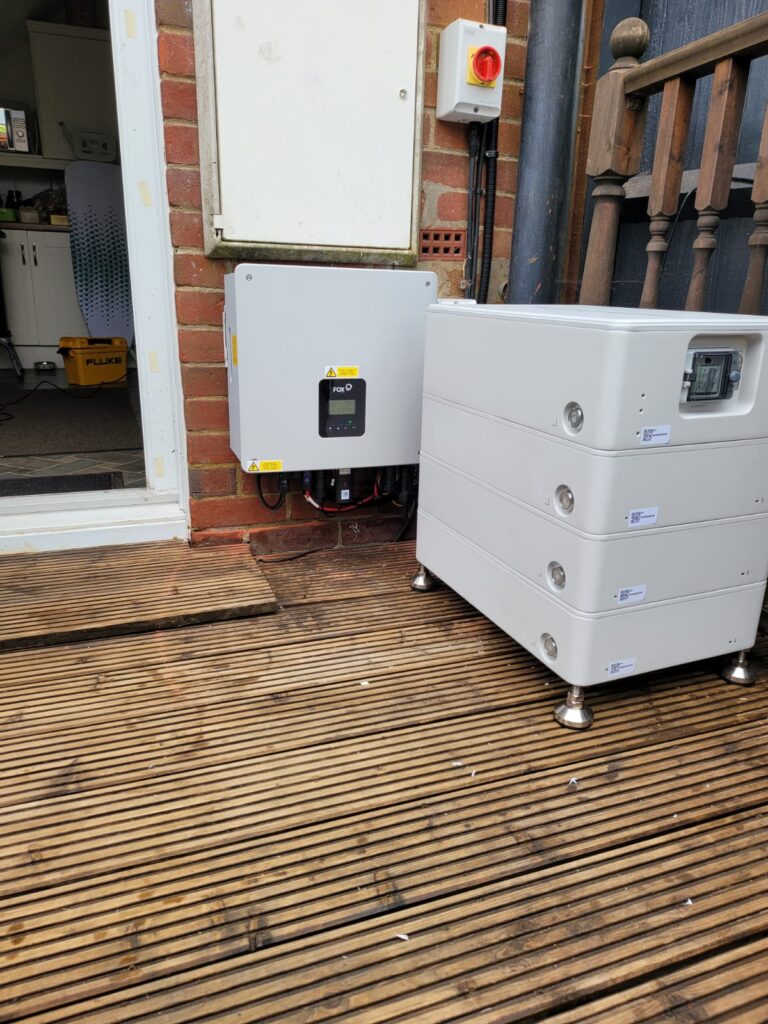
The Growatt GBLI6531 is a 6.5kWh lithium-ion battery designed for home use. It uses LiFePO4 (Lithium Iron Phosphate) technology, which is known for:
According to Growatt’s technical specifications:
To put this in perspective:
That’s excellent longevity compared to older technologies like lead-acid, which often manage only 500–1200 cycles.

Battery degradation is the gradual loss of a battery’s ability to hold and deliver energy. It’s a natural process, but its pace depends on a few key factors:
The deeper the discharge (i.e., the more of the battery’s stored energy you use), the faster it degrades. LiFePO4 batteries like the Growatt GBLI6531 are well-suited to handle deep discharges (up to 90% or more), but keeping it shallow when possible extends its life.
More cycles = more wear. But as noted, the Growatt lithium battery is designed for thousands of cycles.
Batteries prefer stable, moderate temperatures. Excessive heat or freezing cold can speed up degradation. Always ensure your battery is installed in a well-ventilated, weather-protected area.
Thanks to integrated Battery Management Systems (BMS), modern batteries like Growatt’s prevent overcharging and over-discharging, protecting the internal cells.

Growatt offers a range of energy storage options beyond the GBLI6531. Here are some key battery solutions in their lineup:
These variants allow homeowners and small businesses to match battery size to their energy needs, whether it’s a small flat or a larger detached home with high consumption.
| Feature | Growatt Lithium Battery | Lead-Acid Battery |
|---|---|---|
| Cycle Life | 6000+ cycles | 500–1200 cycles |
| Depth of Discharge | Up to 90% | 50% recommended |
| Maintenance | Minimal | Needs regular checks |
| Lifespan | 10–15 years | 3–5 years |
| Cost (initial) | Higher | Lower |
| Cost (long-term) | More economical | Higher due to frequent replacements |
In short, while lead-acid batteries may be cheaper up front, Growatt lithium batteries like the GBLI6531 deliver better long-term value and peace of mind.
Even though the GBLI6531 is built for endurance, a few good habits will help you maximise its lifespan:
Here’s why the GBLI6531 is a solid choice for those switching to solar in the UK:
Whether you’re a new solar adopter or upgrading an old system, the Growatt GBLI6531 and Growatt battery cycle life in general offer reliability, flexibility, and a greener way to power your home.
If you’re ready to take control of your energy use, reduce your electricity bills, and enjoy peace of mind with long-lasting battery storage — we’re here to help.
Get in touch with our solar experts today for a free consultation, installation guidance, or to find the perfect Growatt lithium battery solution for your home.
Error: Contact form not found.