- 31b Great Western Road Dorchester Dorset DT1 1UF
- quotes@myhomesolar.uk

Call Us
0800 193 3933
Across Dorset and the wider South Coast, homeowners are becoming increasingly interested in renewable energy solutions that can reduce running costs while also lowering household emissions. Two of the most popular technologies are solar panels and air source heat pumps. Many homeowners wonder whether these systems work well together and whether they are truly suited to the Dorset climate. The short answer is that they are not only compatible but often remarkably effective when combined. When supported by modern equipment such as solar battery storage and high-efficiency inverters, the combination becomes a powerful and practical way to supply home energy.
This guide explores how solar panels and air source heat pumps function, how they complement one another, what homeowners can realistically expect in Dorset and across the United Kingdom, and which technologies can enhance the overall performance of the system. It also considers energy behaviour, savings potential and the growing role of trusted suppliers such as My Home Solar.
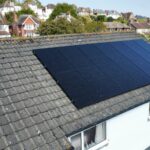
Many homeowners searching for solar panels for your home or home solar energy panels in the United Kingdom begin with a simple question: how do solar power work. The principle is remarkably elegant. Photovoltaic cells absorb sunlight and convert that light into direct current electricity. This electricity travels to an inverter which converts it into alternating current for use within the home. Surplus energy can be stored in a solar battery or exported to the grid.
Brands such as Canadian Solar, Q Cells and Canadian Solar panels have become well known for their reliability and efficiency. Inverters from companies such as SolarEdge and the Fronius solar inverter range also play an essential role by ensuring that the energy captured from the roof is translated into high quality household power.
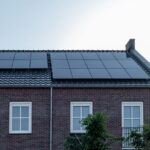
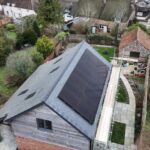
The climate in Dorset and along the South Coast is well suited to solar generation. With a mild maritime climate and generous daylight hours across spring, summer and early autumn, solar panels for home UK installations generally perform better here than in many inland regions.
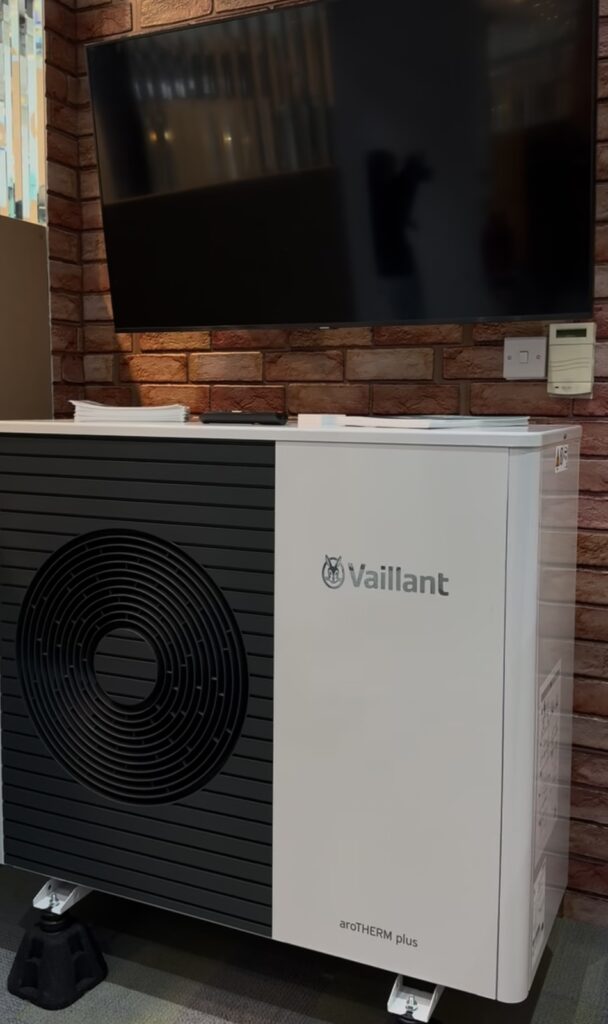
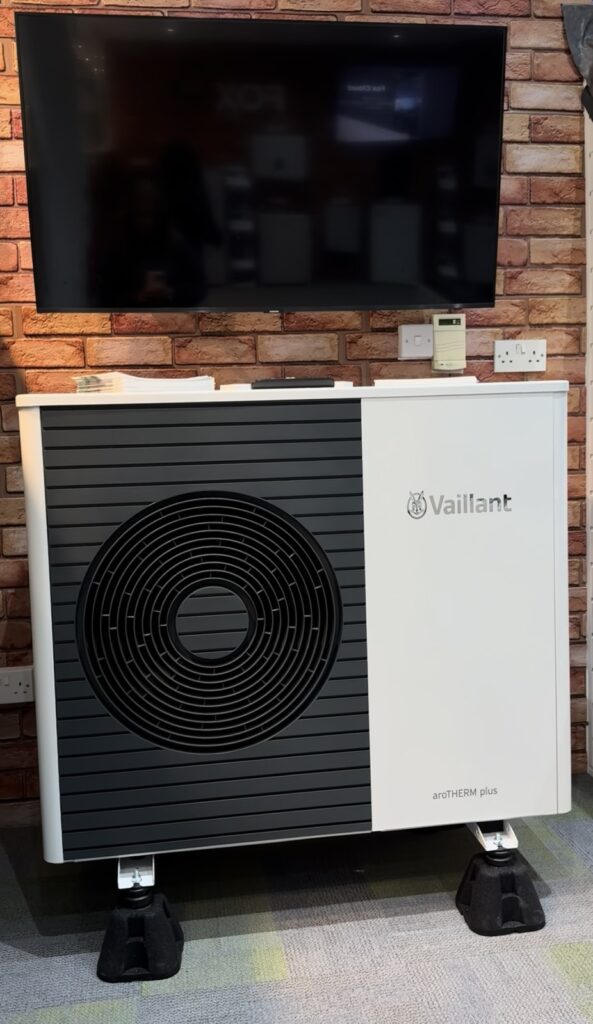
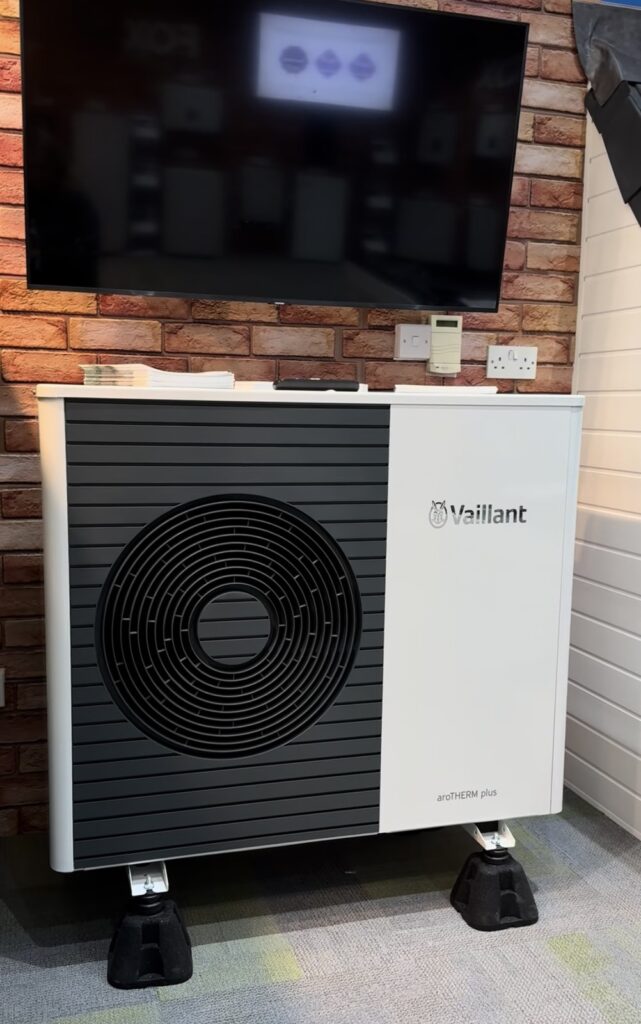
Air source heat pumps are increasingly common in Dorset as homeowners seek alternatives to traditional fossil-fuel heating systems. Although they appear complex, they operate on a straightforward principle. The unit absorbs heat from the outside air and concentrates it using a refrigerant cycle. The generated warmth is then distributed through radiators, underfloor heating or a hot water cylinder.
This system performs well in the South Coast’s relatively mild climate. Air source heat pumps Dorset installations continue to produce heat even on cold days and modern models are engineered to operate efficiently throughout the year. Although electricity is required to run the pump, the amount consumed is usually far lower than the volume of heat produced. The result is lower heat pump running costs when compared with older forms of heating.
When homeowners first begin researching renewable energy Dorset options, they often explore solar panels first, then later consider heat pumps. Yet the real magic happens when the two are used together.
Air source heat pumps, although efficient, draw electricity throughout the day. Solar panels generate electricity throughout daylight hours. The natural overlap means that the energy absorbed by the solar panels can be used directly by the heat pump. This reduces grid dependence and allows homeowners to capture even greater financial savings.
Homeowners who install solar battery storage enjoy an even more significant advantage. A battery, whether a Growatt battery or a system supplied by Enphase Energy, stores unused solar electricity for use later in the day or at night. This allows the heat pump to run on self-generated electricity even when the sun is not shining.
Because Dorset enjoys a relatively temperate climate, both systems tend to perform smoothly. The reduced need for constant high-output heating allows the heat pump to operate with lower strain and higher efficiency. Meanwhile the generous daylight conditions along the South Coast increase solar production levels for much of the year.
Modern solar installations in Dorset frequently include advanced batteries, optimised inverters and smart energy management systems. These technologies improve performance and increase the percentage of solar energy used within the home.
For example, an Enphase microinverter system allows each solar panel to perform independently. This is helpful on homes where one part of the roof might receive slightly less sunlight. A SolarEdge system provides real time optimisation to ensure high efficiency across all panels. A Growatt battery or an Enphase battery can significantly increase self consumption by storing excess electricity for the evening.
Q Cells and Canadian Solar panels are known for their consistent performance in varied light conditions, which is especially useful during the softer daylight of autumn and early spring. When combined with a reliable Fronius solar inverter, the system functions with remarkable stability.
For homeowners running a business from home, or for those who own business solar panel systems, these improvements can provide measurable financial advantages.
Yes, although performance naturally varies with regional climate. Dorset and the South Coast enjoy some of the best conditions for renewable energy in the country, yet solar panels for home UK systems still perform strongly across many regions. Heat pumps remain efficient even in colder conditions and continue to operate effectively throughout the year. However, households in coastal regions such as Dorset are particularly well placed to gain maximum benefit from the combination.
Do solar panels produce enough energy in winter
Yes, although generation is lower in winter, modern equipment from companies such as Q Cells, Canadian Solar and SolarEdge is designed to perform well in softer light. With a battery, winter performance improves even further.
Will a heat pump work on very cold days
Air source heat pumps can operate effectively even when the temperature is close to freezing. Dorset’s mild climate supports consistent performance.
Is a battery essential
A battery is not required, but it significantly increases the usefulness of solar panels, particularly when supplying electricity to a heat pump. A Growatt battery or an Enphase system can store energy for use later in the day.
Are the two technologies expensive to install
They do require an initial investment, yet the long term reduction in running costs can be considerable. Many households also value the reduction in reliance on the grid.
Can businesses use these systems
Yes. Business solar panel installations are becoming increasingly common and can also support heat pump use.
Solar panels and air source heat pumps complement one another beautifully and offer a compelling renewable energy solution for homes across Dorset and the wider South Coast. When paired with reliable products such as Canadian Solar panels, Q Cells, a SolarEdge or Fronius solar inverter and a Growatt battery or Enphase Energy system, the result is a highly efficient, low carbon home that supports the comfort and wellbeing of the people who live there. These systems create a sense of energy independence that many homeowners greatly value.
If you are exploring renewable energy Dorset options and would like friendly guidance tailored to your home, My Home Solar is always ready to offer clear advice and practical insight to help you make an informed choice.
Error: Contact form not found.