- 31b Great Western Road Dorchester Dorset DT1 1UF
- quotes@myhomesolar.uk

Call Us
0800 193 3933
As energy prices continue to rise and concerns about sustainability become more pressing, many households and businesses across the United Kingdom are looking for practical ways to take control of their energy use. Solar power has become an increasingly popular solution, but one question is asked more than most. Can solar batteries really reduce reliance on the grid?
The short answer is yes. When paired with solar panels for your home, a solar battery can significantly reduce how much electricity you need to draw from the National Grid. To understand why, it is helpful to explore how solar power works, what solar batteries do, and how modern systems are transforming the way we use energy at home and at work.

Solar panels for home UK installations work by capturing daylight and converting it into usable electricity. Home solar energy panels are made up of photovoltaic cells which generate direct current electricity when exposed to light. This electricity is then converted into alternating current by an inverter, making it suitable for use in your home.
During daylight hours, your solar panels for your home often produce more energy than you are using. Without a battery, that excess energy is typically sent back to the grid. While this is not wasted, it does mean that later in the day, when the sun sets and your panels stop producing electricity, you must rely once again on grid supplied power.
This is where solar batteries come into their own.
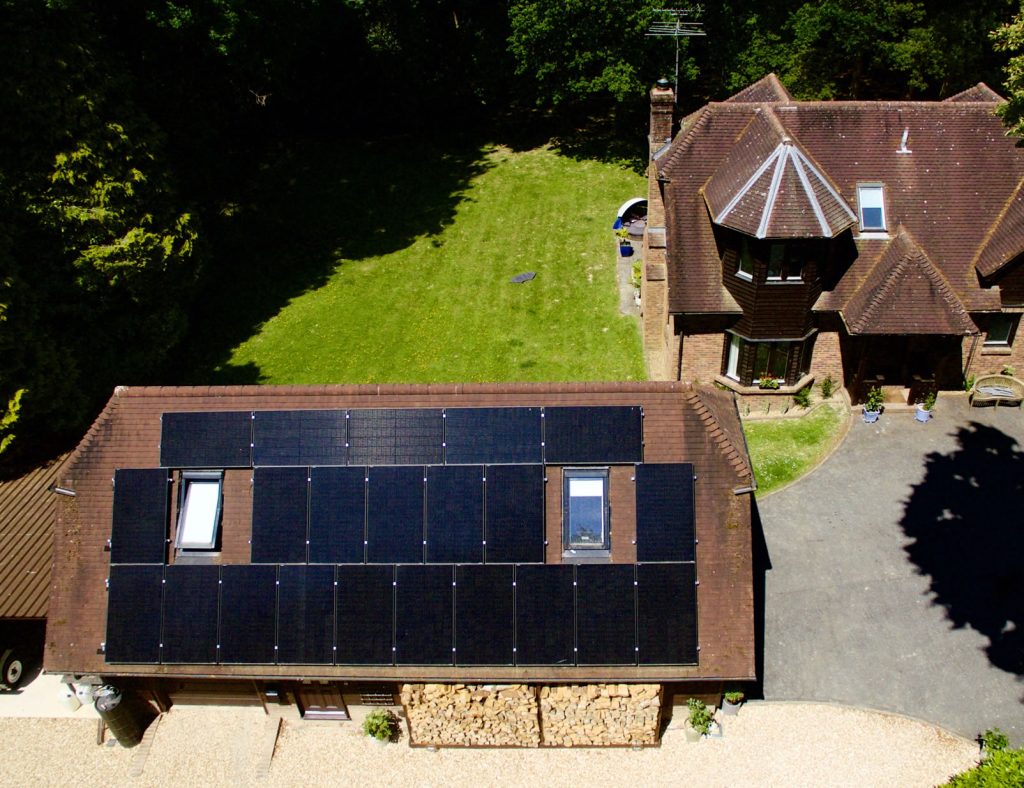
Solar batteries store the excess energy produced by your home solar panels during the day so it can be used later. Instead of exporting unused electricity to the grid, your system stores it for evening use, overnight consumption, or periods of low sunlight.
This stored energy can power lights, appliances, heating controls, and even electric vehicle chargers depending on the size of the system. The result is a home that uses more of its own clean energy and far less electricity from the grid.
Solar batteries do not disconnect you from the grid entirely, but they do reduce your dependence on it. For many households, this means greater energy independence, improved resilience against price rises, and a more predictable approach to household energy costs.
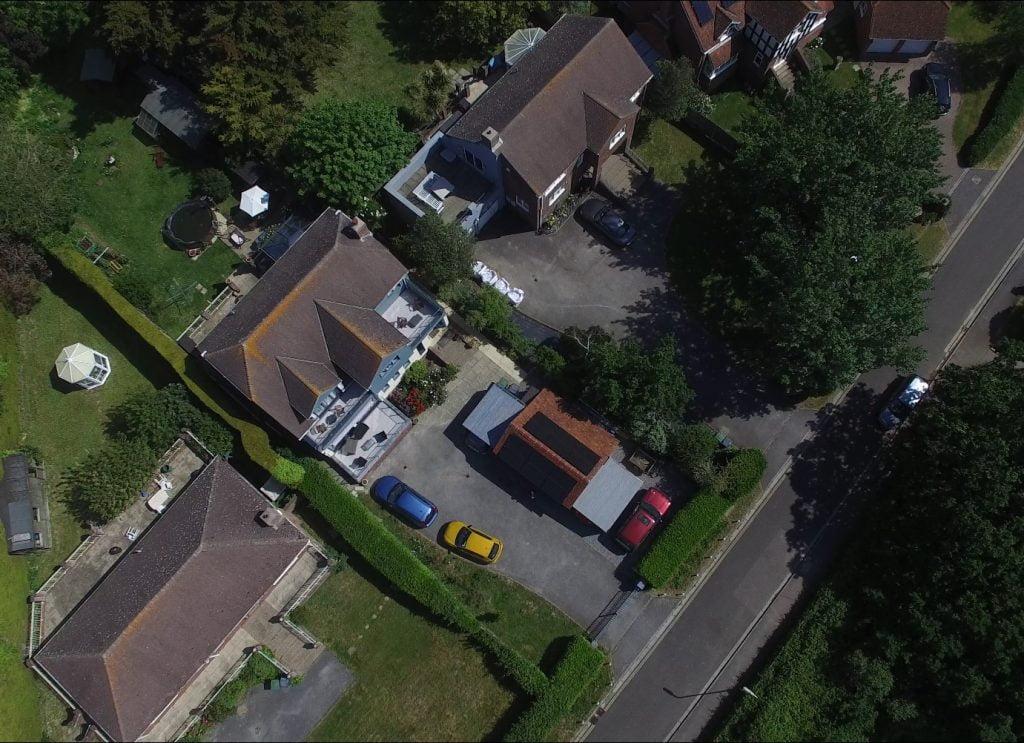
Reliance on the grid is highest during evenings and early mornings when solar panels are not actively generating power. With a battery in place, much of this demand can be met using stored solar energy instead.
This shift offers several important advantages. First, it reduces exposure to peak electricity tariffs. Second, it lowers overall energy bills by maximising self consumption. Third, it reduces strain on the national energy infrastructure, supporting wider environmental goals.
Over the course of a year, many homes with solar batteries find that they can rely on their own system for a substantial portion of their electricity needs. While complete independence is not always practical in the United Kingdom climate, meaningful reduction is both achievable and realistic.
Modern solar energy systems are highly sophisticated and designed to work seamlessly together. Battery performance is influenced by the quality of the inverter, the solar panels themselves, and the energy management software used.
Well known battery options such as the Growatt battery and Enphase systems are popular due to their reliability, efficiency, and intelligent monitoring capabilities. Enphase Energy systems in particular are recognised for their modular approach, allowing systems to grow over time as energy needs change.
SolarEdge technology offers advanced optimisation at panel level, ensuring that shading or performance variations do not significantly affect overall output. When paired with a Fronius solar inverter or similar high quality inverter, the result is a stable and efficient system that makes excellent use of stored energy.
On the panel side, trusted manufacturers such as Canadian Solar panels and Q Cells provide reliable performance and long warranties. Canadian Solar and Q Cells are both widely used in UK installations due to their durability and efficiency in varying light conditions.
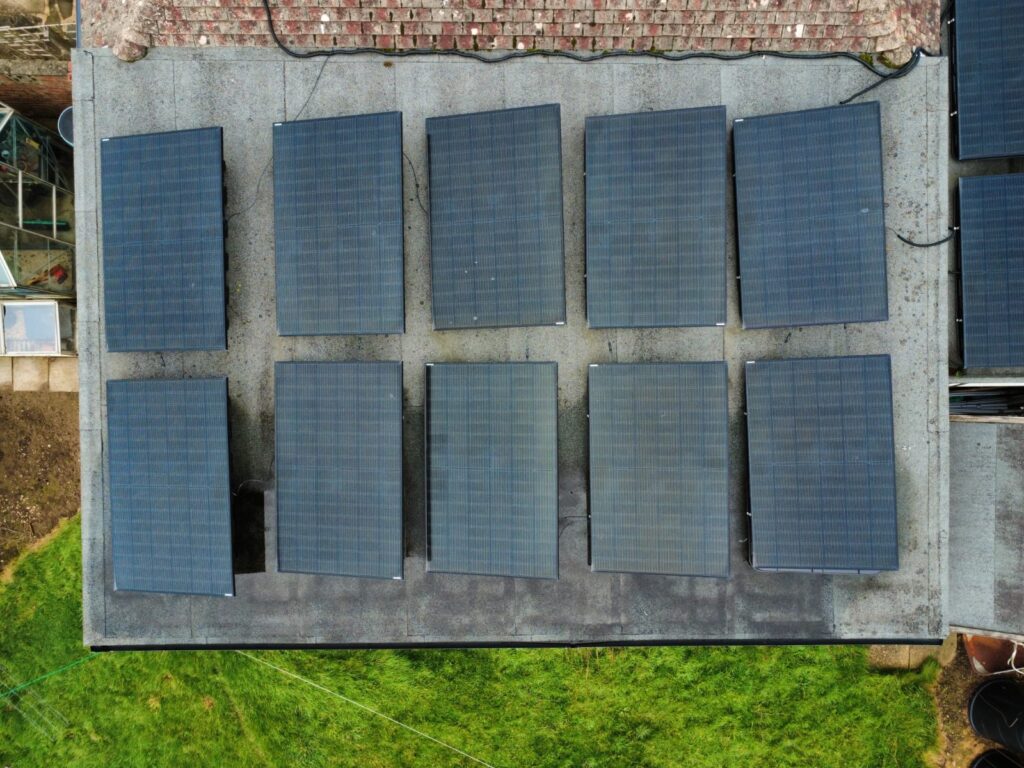
A common concern is whether solar batteries remain useful during the winter months. While it is true that solar panels generate less electricity in shorter days, they do continue to produce power even in overcast conditions.
Solar batteries help make the most of whatever energy is generated. By capturing surplus energy during brighter periods and storing it efficiently, households can still reduce grid reliance throughout the year. When combined with intelligent energy management and time of use tariffs, batteries can also store cheaper off peak grid electricity for later use.
This flexibility makes solar batteries valuable not only in summer but year round.
Modern solar batteries are built to last. Most systems come with warranties ranging from ten to fifteen years, with many expected to operate effectively well beyond that period. Maintenance requirements are minimal, as most batteries are sealed units with automated monitoring.
From a financial perspective, solar batteries improve the return on investment of solar panels for your home by increasing self consumption. While there is an upfront cost, the long term savings and protection against rising energy prices often make the investment worthwhile.
Solar batteries are not just for residential use. Business solar panel systems can also benefit greatly from energy storage. For businesses operating during extended hours or with variable energy demand, batteries help smooth consumption and reduce reliance on expensive peak rate electricity.
Stored solar energy can power lighting, equipment, and office systems, improving sustainability credentials while lowering operational costs. For many organisations, this also supports environmental reporting and carbon reduction commitments.
When considering solar batteries and home solar panels, quality and compliance are essential. Systems should meet recognised UK standards and be installed by certified professionals. While specific certifications vary, reputable installers adhere to industry best practices, offer robust warranties, and provide transparent performance expectations.
Choosing proven technologies such as Enphase Energy systems, SolarEdge components, Canadian Solar panels, and Q Cells ensures long term reliability and peace of mind.
Do solar batteries work during power cuts
Some systems can provide backup power during outages, depending on configuration. This should be discussed during system design.
Can I add a battery to my existing solar panels
In many cases yes. Modern batteries are often compatible with existing solar panels for home UK systems.
How much grid electricity can I realistically replace
This depends on system size and usage patterns, but many households significantly reduce grid reliance.
Are solar batteries safe
Yes. Modern batteries are designed with multiple safety systems and rigorous testing.
Is a battery worth it without solar panels
Batteries can still provide value through tariff optimisation, but they are most effective when paired with home solar energy panels.
Solar batteries play a vital role in reducing reliance on the grid. By storing clean energy generated by solar panels for your home, they allow households and businesses to take greater control of how and when electricity is used.
If you are considering solar panels for home UK installation or exploring battery storage options, expert guidance makes all the difference. My Home Solar offers friendly, honest advice tailored to your needs, helping you understand the best path towards energy independence.
To learn more or to discuss your options, a free consultation can provide clarity and confidence as you take the next step towards a more sustainable future.
Error: Contact form not found.